
Semi-Solid Batteries vs. Hydrogen Cells: Potential
APR 11, 20269 MIN READ
Generate Your Research Report Instantly with AI Agent
Patsnap Eureka helps you evaluate technical feasibility & market potential.
Semi-Solid Battery and Hydrogen Cell Technology Background and Goals
The evolution of energy storage technologies has reached a critical juncture where two promising solutions are emerging as potential game-changers in the quest for efficient, sustainable energy systems. Semi-solid batteries and hydrogen fuel cells represent fundamentally different approaches to energy storage and conversion, each addressing distinct challenges in the modern energy landscape while pursuing complementary objectives in the broader transition toward clean energy infrastructure.
Semi-solid battery technology emerged from the recognition that traditional lithium-ion batteries face inherent limitations in energy density, charging speed, and manufacturing scalability. This technology traces its origins to research conducted at MIT in the early 2010s, where scientists developed flow battery concepts using semi-solid electrodes composed of lithium storage compounds suspended in liquid electrolytes. The fundamental innovation lies in combining the high energy density of conventional batteries with the design flexibility and scalability advantages of flow batteries.
Hydrogen fuel cell technology, conversely, has a longer developmental history spanning over a century, with practical applications beginning in the 1960s space program. The technology converts hydrogen and oxygen into electricity through electrochemical reactions, producing only water as a byproduct. Recent decades have witnessed significant advances in fuel cell efficiency, durability, and cost reduction, driven by automotive industry investments and renewable energy integration requirements.
The primary technological objective for semi-solid batteries centers on achieving higher energy densities while maintaining rapid charging capabilities and extended cycle life. Current development goals include reaching energy densities exceeding 400 Wh/kg, enabling 10-minute charging to 80% capacity, and achieving over 10,000 charge-discharge cycles. Manufacturing objectives focus on developing continuous production processes that can significantly reduce costs compared to traditional battery assembly methods.
Hydrogen fuel cell development targets revolve around improving power density, reducing platinum catalyst requirements, and enhancing durability under varying operating conditions. Key performance goals include achieving power densities above 1.5 kW/kg, reducing platinum loading to below 0.1 mg/cm², and extending operational lifespans to over 8,000 hours for automotive applications and 80,000 hours for stationary power systems.
Both technologies share the overarching goal of enabling large-scale renewable energy integration by providing efficient energy storage and conversion solutions that can operate across different temporal scales and application requirements.
Semi-solid battery technology emerged from the recognition that traditional lithium-ion batteries face inherent limitations in energy density, charging speed, and manufacturing scalability. This technology traces its origins to research conducted at MIT in the early 2010s, where scientists developed flow battery concepts using semi-solid electrodes composed of lithium storage compounds suspended in liquid electrolytes. The fundamental innovation lies in combining the high energy density of conventional batteries with the design flexibility and scalability advantages of flow batteries.
Hydrogen fuel cell technology, conversely, has a longer developmental history spanning over a century, with practical applications beginning in the 1960s space program. The technology converts hydrogen and oxygen into electricity through electrochemical reactions, producing only water as a byproduct. Recent decades have witnessed significant advances in fuel cell efficiency, durability, and cost reduction, driven by automotive industry investments and renewable energy integration requirements.
The primary technological objective for semi-solid batteries centers on achieving higher energy densities while maintaining rapid charging capabilities and extended cycle life. Current development goals include reaching energy densities exceeding 400 Wh/kg, enabling 10-minute charging to 80% capacity, and achieving over 10,000 charge-discharge cycles. Manufacturing objectives focus on developing continuous production processes that can significantly reduce costs compared to traditional battery assembly methods.
Hydrogen fuel cell development targets revolve around improving power density, reducing platinum catalyst requirements, and enhancing durability under varying operating conditions. Key performance goals include achieving power densities above 1.5 kW/kg, reducing platinum loading to below 0.1 mg/cm², and extending operational lifespans to over 8,000 hours for automotive applications and 80,000 hours for stationary power systems.
Both technologies share the overarching goal of enabling large-scale renewable energy integration by providing efficient energy storage and conversion solutions that can operate across different temporal scales and application requirements.
Market Demand Analysis for Next-Gen Energy Storage Solutions
The global energy storage market is experiencing unprecedented growth driven by the accelerating transition toward renewable energy systems and electrification across multiple sectors. Traditional lithium-ion batteries, while dominant, face limitations in energy density, safety, and cost-effectiveness for large-scale applications, creating substantial market opportunities for next-generation technologies like semi-solid batteries and hydrogen fuel cells.
Electric vehicle manufacturers represent the largest demand segment, seeking energy storage solutions that can deliver extended range, faster charging capabilities, and enhanced safety profiles. Semi-solid batteries address these requirements by offering higher energy density compared to conventional lithium-ion systems while maintaining improved thermal stability. The automotive sector's push toward mass-market electric vehicles has intensified the search for cost-effective alternatives that can reduce battery pack weight and volume.
Grid-scale energy storage applications constitute another rapidly expanding market segment, driven by the intermittent nature of renewable energy sources. Utility companies and independent power producers require storage systems capable of providing long-duration discharge cycles and minimal degradation over extended operational periods. Hydrogen fuel cells excel in this application space, offering the ability to store energy for weeks or months without significant losses, making them particularly suitable for seasonal energy balancing.
Industrial and commercial sectors are increasingly adopting distributed energy storage systems to reduce peak demand charges and enhance energy security. These applications demand robust, scalable solutions that can operate reliably in diverse environmental conditions. Both semi-solid batteries and hydrogen cells offer distinct advantages in this market, with semi-solid batteries providing compact, high-efficiency solutions for shorter-duration applications, while hydrogen systems excel in longer-duration, high-capacity scenarios.
The residential energy storage market continues to expand as homeowners seek energy independence and backup power capabilities. Consumer preferences favor systems that combine safety, longevity, and minimal maintenance requirements. Semi-solid batteries appeal to this segment through their enhanced safety characteristics and potential for modular installation, while hydrogen fuel cells attract consumers interested in completely renewable energy ecosystems when paired with electrolysis systems.
Emerging applications in aerospace, marine, and remote power generation sectors are creating niche but high-value market opportunities. These specialized applications often require energy storage solutions that can operate in extreme conditions while delivering consistent performance over extended periods, characteristics that both technologies can potentially fulfill through continued development and optimization.
Electric vehicle manufacturers represent the largest demand segment, seeking energy storage solutions that can deliver extended range, faster charging capabilities, and enhanced safety profiles. Semi-solid batteries address these requirements by offering higher energy density compared to conventional lithium-ion systems while maintaining improved thermal stability. The automotive sector's push toward mass-market electric vehicles has intensified the search for cost-effective alternatives that can reduce battery pack weight and volume.
Grid-scale energy storage applications constitute another rapidly expanding market segment, driven by the intermittent nature of renewable energy sources. Utility companies and independent power producers require storage systems capable of providing long-duration discharge cycles and minimal degradation over extended operational periods. Hydrogen fuel cells excel in this application space, offering the ability to store energy for weeks or months without significant losses, making them particularly suitable for seasonal energy balancing.
Industrial and commercial sectors are increasingly adopting distributed energy storage systems to reduce peak demand charges and enhance energy security. These applications demand robust, scalable solutions that can operate reliably in diverse environmental conditions. Both semi-solid batteries and hydrogen cells offer distinct advantages in this market, with semi-solid batteries providing compact, high-efficiency solutions for shorter-duration applications, while hydrogen systems excel in longer-duration, high-capacity scenarios.
The residential energy storage market continues to expand as homeowners seek energy independence and backup power capabilities. Consumer preferences favor systems that combine safety, longevity, and minimal maintenance requirements. Semi-solid batteries appeal to this segment through their enhanced safety characteristics and potential for modular installation, while hydrogen fuel cells attract consumers interested in completely renewable energy ecosystems when paired with electrolysis systems.
Emerging applications in aerospace, marine, and remote power generation sectors are creating niche but high-value market opportunities. These specialized applications often require energy storage solutions that can operate in extreme conditions while delivering consistent performance over extended periods, characteristics that both technologies can potentially fulfill through continued development and optimization.
Current State and Challenges of Semi-Solid vs Hydrogen Technologies
Semi-solid batteries represent an emerging energy storage technology that bridges conventional lithium-ion batteries and solid-state systems. Currently, these batteries utilize a gel-like electrolyte containing suspended solid particles, offering improved safety compared to liquid electrolytes while maintaining reasonable ionic conductivity. Leading manufacturers like SES and QuantumScape have demonstrated prototypes achieving energy densities of 400-500 Wh/kg, significantly higher than traditional lithium-ion batteries at 250-300 Wh/kg.
However, semi-solid battery technology faces substantial manufacturing challenges. The complex electrolyte formulation requires precise control of particle distribution and viscosity, leading to higher production costs. Temperature sensitivity remains problematic, with performance degradation observed at extreme operating conditions. Additionally, long-term cycling stability issues persist, with some prototypes showing capacity fade after 500-800 charge cycles.
Hydrogen fuel cell technology has achieved greater commercial maturity, particularly in transportation applications. Current proton exchange membrane fuel cells demonstrate efficiency rates of 50-60% in automotive applications, with companies like Toyota, Hyundai, and Honda successfully deploying fuel cell vehicles. Industrial-scale hydrogen production has reached costs of $2-4 per kilogram in regions with abundant renewable energy resources.
The hydrogen ecosystem confronts infrastructure limitations as its primary challenge. Hydrogen storage requires high-pressure systems (350-700 bar) or cryogenic conditions, increasing complexity and safety concerns. Transportation and distribution networks remain underdeveloped globally, with fewer than 1,000 public hydrogen refueling stations worldwide. Production methods still rely heavily on natural gas reforming, contributing to carbon emissions despite the clean end-use application.
Both technologies struggle with cost competitiveness against established lithium-ion batteries. Semi-solid batteries require specialized manufacturing equipment and materials, while hydrogen systems demand expensive platinum catalysts and high-pressure components. Geographic distribution shows concentrated development in Asia, Europe, and North America, with limited adoption in emerging markets due to infrastructure requirements and economic constraints.
Regulatory frameworks for both technologies remain fragmented across different regions, creating uncertainty for large-scale deployment. Safety standards for semi-solid batteries are still evolving, while hydrogen applications face complex approval processes due to historical safety concerns. These regulatory gaps significantly impact commercial scalability and investor confidence in both technology pathways.
However, semi-solid battery technology faces substantial manufacturing challenges. The complex electrolyte formulation requires precise control of particle distribution and viscosity, leading to higher production costs. Temperature sensitivity remains problematic, with performance degradation observed at extreme operating conditions. Additionally, long-term cycling stability issues persist, with some prototypes showing capacity fade after 500-800 charge cycles.
Hydrogen fuel cell technology has achieved greater commercial maturity, particularly in transportation applications. Current proton exchange membrane fuel cells demonstrate efficiency rates of 50-60% in automotive applications, with companies like Toyota, Hyundai, and Honda successfully deploying fuel cell vehicles. Industrial-scale hydrogen production has reached costs of $2-4 per kilogram in regions with abundant renewable energy resources.
The hydrogen ecosystem confronts infrastructure limitations as its primary challenge. Hydrogen storage requires high-pressure systems (350-700 bar) or cryogenic conditions, increasing complexity and safety concerns. Transportation and distribution networks remain underdeveloped globally, with fewer than 1,000 public hydrogen refueling stations worldwide. Production methods still rely heavily on natural gas reforming, contributing to carbon emissions despite the clean end-use application.
Both technologies struggle with cost competitiveness against established lithium-ion batteries. Semi-solid batteries require specialized manufacturing equipment and materials, while hydrogen systems demand expensive platinum catalysts and high-pressure components. Geographic distribution shows concentrated development in Asia, Europe, and North America, with limited adoption in emerging markets due to infrastructure requirements and economic constraints.
Regulatory frameworks for both technologies remain fragmented across different regions, creating uncertainty for large-scale deployment. Safety standards for semi-solid batteries are still evolving, while hydrogen applications face complex approval processes due to historical safety concerns. These regulatory gaps significantly impact commercial scalability and investor confidence in both technology pathways.
Current Technical Solutions for Semi-Solid and Hydrogen Systems
01 Semi-solid electrolyte composition and design for enhanced battery performance
Semi-solid batteries utilize electrolytes with intermediate viscosity between liquid and solid states, incorporating gel polymers, composite materials, or thixotropic formulations. These electrolytes provide improved ionic conductivity while maintaining structural stability, reducing leakage risks, and enhancing safety compared to traditional liquid electrolytes. The semi-solid state allows for better electrode-electrolyte contact and can accommodate volume changes during charge-discharge cycles.- Semi-solid electrolyte composition and design for enhanced battery performance: Semi-solid batteries utilize electrolytes with intermediate viscosity between liquid and solid states, combining advantages of both. The formulation includes polymer matrices, ionic liquids, and gel-forming agents to achieve optimal ionic conductivity while maintaining structural stability. This design improves energy density, safety, and cycle life compared to conventional liquid electrolyte systems. The semi-solid state prevents leakage and reduces flammability risks while maintaining sufficient ion transport.
- Electrode materials and architectures for semi-solid battery systems: Advanced electrode designs for semi-solid batteries incorporate high-capacity active materials with optimized particle sizes and surface modifications. The electrode structure is engineered to accommodate the semi-solid electrolyte interface, ensuring effective ion transfer and electron conduction. Novel composite electrodes combine multiple active materials to enhance energy storage capacity and power output. The architecture addresses challenges of electrode-electrolyte contact and volume expansion during charge-discharge cycles.
- Hydrogen fuel cell membrane and catalyst technologies: Hydrogen fuel cells employ advanced proton exchange membranes and catalyst layers to facilitate electrochemical reactions. The membrane materials are designed for high proton conductivity, chemical stability, and mechanical durability under operating conditions. Catalyst systems utilize precious metals or alternative materials to enhance reaction kinetics at both anode and cathode. Innovations focus on reducing catalyst loading while maintaining performance and extending operational lifetime.
- Hybrid energy storage systems combining batteries and hydrogen cells: Integrated systems combine semi-solid batteries with hydrogen fuel cells to leverage complementary advantages of both technologies. The hybrid configuration enables flexible energy management, with batteries providing rapid response and hydrogen cells offering extended duration storage. System designs include power management electronics, thermal regulation, and control algorithms to optimize performance across varying load conditions. This approach addresses limitations of individual technologies and enhances overall system efficiency.
- Manufacturing processes and scalability for semi-solid batteries and hydrogen cells: Production methods for semi-solid batteries involve specialized mixing, coating, and assembly techniques to handle viscous electrolyte materials. Manufacturing processes ensure uniform distribution of components and precise control of layer thicknesses. For hydrogen cells, fabrication focuses on membrane-electrode assembly techniques and stack integration. Scalable production approaches address cost reduction, quality control, and automation requirements for commercial deployment. Process innovations enable high-throughput manufacturing while maintaining performance specifications.
02 Electrode materials and architectures for semi-solid battery systems
Advanced electrode designs for semi-solid batteries include flowable electrode slurries, high-loading active materials suspended in conductive media, and three-dimensional porous structures. These configurations enable higher energy density, improved rate capability, and scalability for large-scale energy storage applications. The electrode materials are optimized for compatibility with semi-solid electrolytes and can include lithium-based compounds, silicon composites, or other high-capacity materials.Expand Specific Solutions03 Hydrogen fuel cell membrane electrode assembly optimization
Hydrogen fuel cells employ membrane electrode assemblies with catalyst layers, proton exchange membranes, and gas diffusion layers designed for maximum efficiency. Innovations include catalyst composition optimization, membrane durability enhancement, and interface engineering to reduce resistance and improve power output. These developments focus on reducing platinum usage, increasing operational lifetime, and maintaining performance under varying humidity and temperature conditions.Expand Specific Solutions04 Hybrid energy storage systems combining batteries and hydrogen technologies
Integrated systems combine battery storage with hydrogen generation and fuel cell technologies to leverage complementary advantages. These hybrid configurations enable long-duration energy storage, load balancing, and improved overall system efficiency. The integration strategies include power management systems, energy conversion optimization, and control algorithms that coordinate between electrochemical battery storage and hydrogen-based energy storage and conversion.Expand Specific Solutions05 Manufacturing processes and scalability for semi-solid batteries and hydrogen cells
Production methods for semi-solid batteries and hydrogen fuel cells focus on cost-effective manufacturing, quality control, and scalability for commercial deployment. Techniques include continuous flow processing, automated assembly, precision coating methods, and quality assurance protocols. These manufacturing innovations address challenges in material handling, component integration, and maintaining consistent performance across large production volumes while reducing production costs.Expand Specific Solutions
Major Players in Semi-Solid Battery and Hydrogen Cell Industries
The semi-solid battery versus hydrogen fuel cell competition represents an emerging energy storage landscape in its early commercialization phase, with market potential reaching hundreds of billions globally as electrification accelerates. Technology maturity varies significantly between sectors, with companies like 24M Technologies pioneering semi-solid battery innovations through binder-free electrode architectures, while hydrogen fuel cell development is led by established players including Intelligent Energy Inc and Intelligent Energy Ltd., who specialize in lightweight, high-efficiency fuel cell systems for automotive and aerospace applications. Traditional automotive manufacturers such as Nissan Motor Co., General Motors, and NIO Technology are actively investing in both technologies, alongside battery specialists like Samsung SDI and emerging players like Honeycomb Battery Co. The competitive dynamics show semi-solid batteries gaining traction for grid storage applications, while hydrogen cells demonstrate advantages in heavy-duty transportation and long-duration energy storage, creating distinct but occasionally overlapping market opportunities.
GM Global Technology Operations LLC
Technical Solution: General Motors has been investing in both battery and hydrogen fuel cell technologies through their Ultium platform and HYDROTEC fuel cell systems. For semi-solid batteries, GM is exploring advanced electrolyte technologies that could enhance the performance of their Ultium battery cells. In hydrogen technology, their HYDROTEC system represents a comprehensive fuel cell solution designed for heavy-duty applications including trucks and military vehicles. The HYDROTEC system offers scalable power output and can operate in extreme conditions while providing zero-emission operation. GM's dual approach allows them to evaluate both technologies for different vehicle segments and applications.
Strengths: Diversified technology portfolio, strong automotive integration expertise, scalable solutions. Weaknesses: Divided focus between multiple technologies, hydrogen infrastructure dependency.
Intelligent Energy Inc
Technical Solution: Intelligent Energy specializes in hydrogen fuel cell technology with their proprietary air-cooled fuel cell systems. Their technology focuses on lightweight, compact fuel cell solutions that eliminate the need for complex cooling systems and humidification equipment. The company has developed modular fuel cell stacks that can be easily integrated into various applications from drones to automotive systems. Their hydrogen cells offer rapid refueling capabilities within minutes and provide extended operational range compared to battery systems. The technology demonstrates high power-to-weight ratios and operates efficiently across diverse environmental conditions.
Strengths: Rapid refueling, high power-to-weight ratio, no complex cooling requirements. Weaknesses: Hydrogen infrastructure limitations, higher system complexity compared to batteries.
Core Patent Analysis in Semi-Solid Battery and Hydrogen Innovation
Stacked flow cell design and method
PatentWO2012083239A1
Innovation
- The implementation of a stacked flow cell design using multiple actuating devices, each connected to an individual flow cell, eliminates shunt currents by directly injecting and removing electroactive compositions without the need for pumps, reducing fluid resistance and allowing for mass production economies and gravity-driven operation.

Part solid, part fluid and flow electrochemical cells including metal-air and li-air battery systems
PatentInactiveUS20130189592A1
Innovation
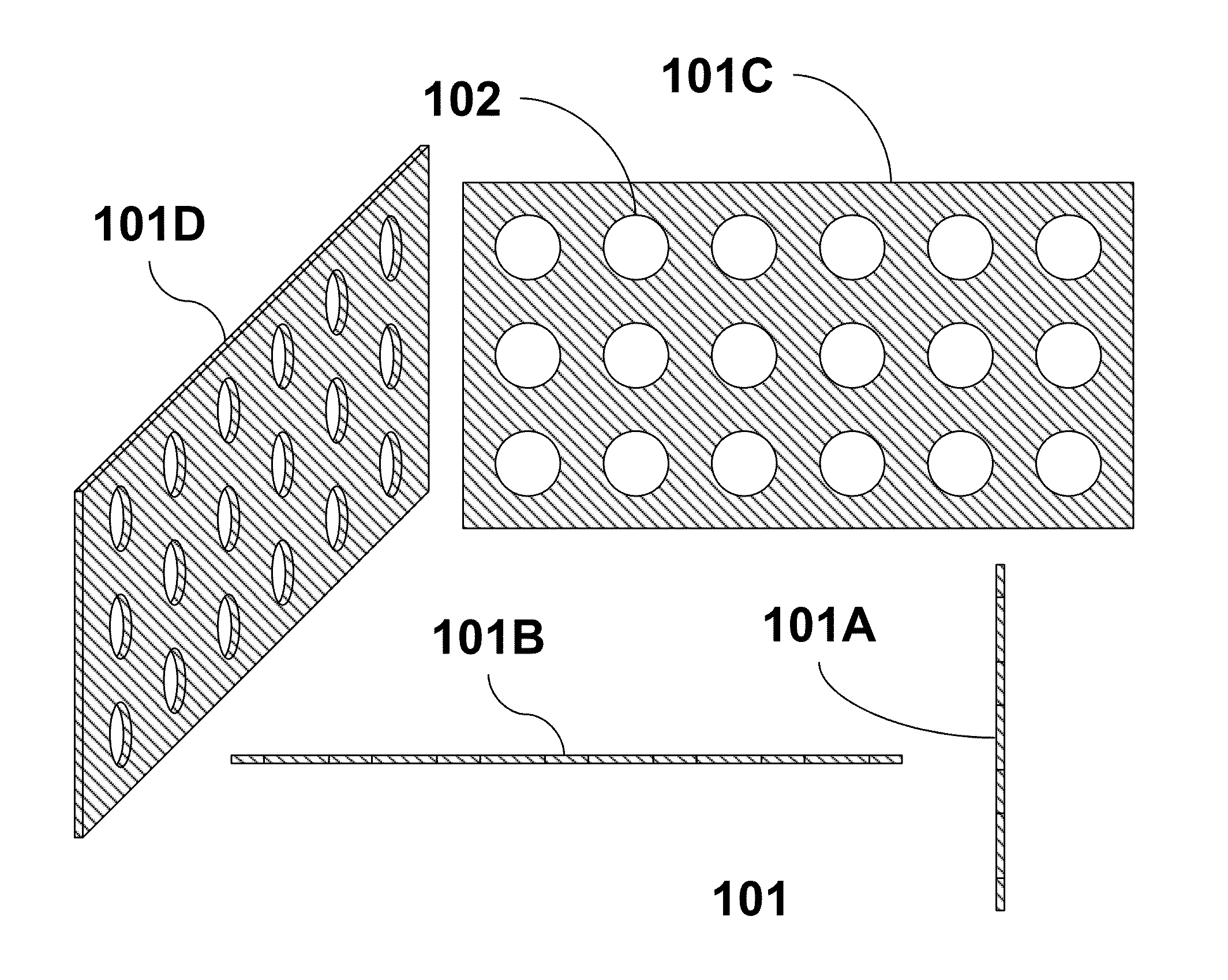
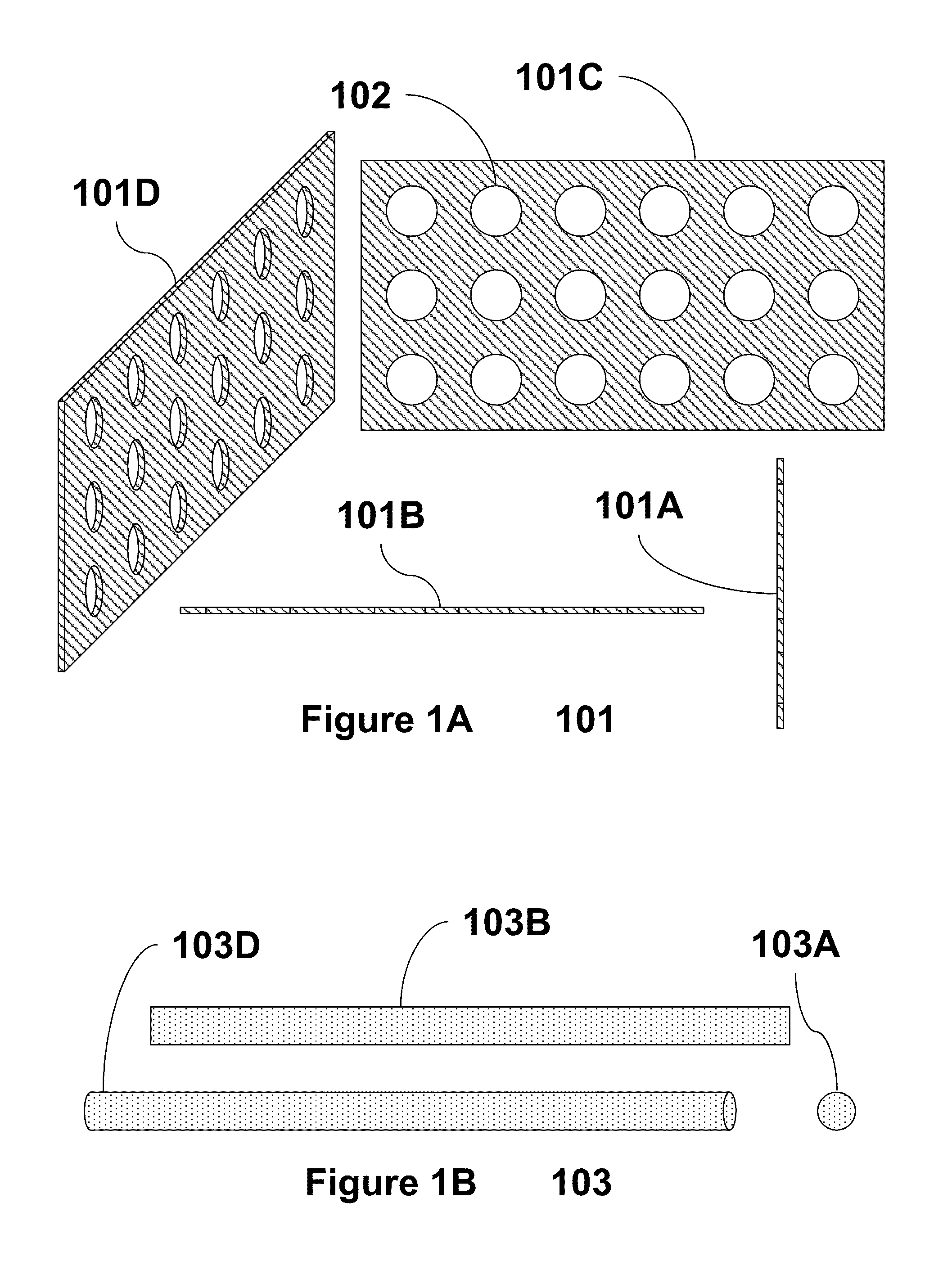
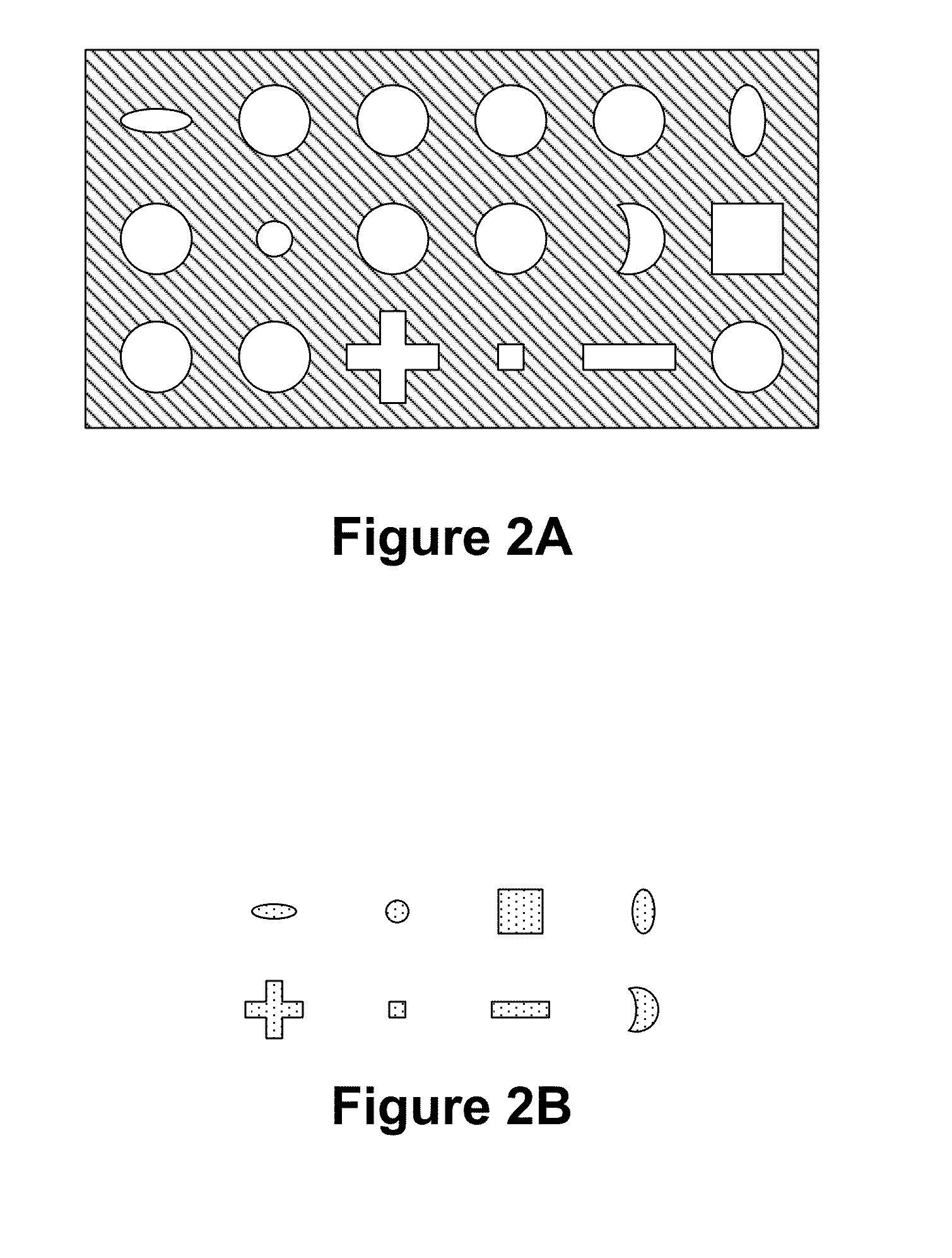
- The development of three-dimensional electrode arrays for part solid, part fluid electrochemical cells, featuring a plurality of plate electrodes with apertures and rod electrodes arranged in a specific orientation to enhance ionic and electronic transport, mechanical robustness, and energy density, while allowing for improved heat management and scalability.

Safety Standards and Regulations for Advanced Energy Systems
The regulatory landscape for advanced energy systems, particularly semi-solid batteries and hydrogen fuel cells, is rapidly evolving as these technologies transition from laboratory research to commercial deployment. Current safety frameworks are primarily adapted from conventional battery and fuel cell standards, creating gaps that need addressing for next-generation energy storage solutions.
Semi-solid battery systems face unique regulatory challenges due to their hybrid nature, combining solid and liquid electrolyte components. Existing lithium-ion battery standards such as UN38.3 for transportation safety and IEC 62133 for portable applications provide foundational requirements, but lack specific provisions for semi-solid architectures. The flowing electrolyte components introduce novel failure modes that traditional thermal runaway testing protocols may not adequately capture.
Hydrogen fuel cell systems operate under more established regulatory frameworks, including ISO 14687 for hydrogen fuel quality and SAE J2719 for hydrogen storage systems. However, emerging applications in automotive and stationary storage require updated standards addressing high-pressure storage, leak detection protocols, and integration with electrical grid systems. The International Electrotechnical Commission has initiated work on IEC 62282 series updates to accommodate these evolving requirements.
Regional regulatory approaches vary significantly, with the European Union implementing the Battery Regulation 2023/1542 that introduces lifecycle sustainability requirements alongside safety mandates. The United States relies on a combination of Department of Transportation regulations for shipping and National Fire Protection Association codes for installation, while China has developed GB standards specifically addressing energy storage system integration.
Emerging safety considerations include cybersecurity requirements for smart energy systems, electromagnetic compatibility standards for grid-connected applications, and environmental impact assessments for large-scale deployments. The convergence of energy storage with digital technologies necessitates new regulatory frameworks addressing data security and system interoperability.
Future regulatory development will likely focus on performance-based standards rather than prescriptive requirements, allowing innovation while maintaining safety objectives. International harmonization efforts through organizations like the International Organization for Standardization are essential for enabling global market access and reducing compliance complexity for manufacturers developing these advanced energy technologies.
Semi-solid battery systems face unique regulatory challenges due to their hybrid nature, combining solid and liquid electrolyte components. Existing lithium-ion battery standards such as UN38.3 for transportation safety and IEC 62133 for portable applications provide foundational requirements, but lack specific provisions for semi-solid architectures. The flowing electrolyte components introduce novel failure modes that traditional thermal runaway testing protocols may not adequately capture.
Hydrogen fuel cell systems operate under more established regulatory frameworks, including ISO 14687 for hydrogen fuel quality and SAE J2719 for hydrogen storage systems. However, emerging applications in automotive and stationary storage require updated standards addressing high-pressure storage, leak detection protocols, and integration with electrical grid systems. The International Electrotechnical Commission has initiated work on IEC 62282 series updates to accommodate these evolving requirements.
Regional regulatory approaches vary significantly, with the European Union implementing the Battery Regulation 2023/1542 that introduces lifecycle sustainability requirements alongside safety mandates. The United States relies on a combination of Department of Transportation regulations for shipping and National Fire Protection Association codes for installation, while China has developed GB standards specifically addressing energy storage system integration.
Emerging safety considerations include cybersecurity requirements for smart energy systems, electromagnetic compatibility standards for grid-connected applications, and environmental impact assessments for large-scale deployments. The convergence of energy storage with digital technologies necessitates new regulatory frameworks addressing data security and system interoperability.
Future regulatory development will likely focus on performance-based standards rather than prescriptive requirements, allowing innovation while maintaining safety objectives. International harmonization efforts through organizations like the International Organization for Standardization are essential for enabling global market access and reducing compliance complexity for manufacturers developing these advanced energy technologies.
Environmental Impact Assessment of Semi-Solid vs Hydrogen Technologies
The environmental implications of semi-solid batteries and hydrogen fuel cells present distinct profiles across their respective lifecycles, from raw material extraction through end-of-life management. Both technologies offer pathways toward decarbonization, yet their environmental footprints differ significantly in scope, scale, and temporal distribution of impacts.
Semi-solid battery technology demonstrates relatively contained environmental impacts during manufacturing, primarily concentrated in lithium extraction and processing facilities. The mining operations for lithium, cobalt, and nickel generate localized environmental disturbances, including water consumption and soil contamination. However, the manufacturing process itself produces lower direct emissions compared to traditional industrial processes, with most environmental costs front-loaded during material procurement phases.
Hydrogen fuel cell systems present a more complex environmental equation, heavily dependent on production methodologies. Green hydrogen production through electrolysis powered by renewable energy sources achieves minimal direct environmental impact, while gray hydrogen derived from natural gas reformation contributes substantial carbon emissions. The infrastructure requirements for hydrogen distribution create additional environmental considerations, including pipeline construction and compression facility operations.
Operational phase environmental performance strongly favors both technologies over conventional alternatives. Semi-solid batteries exhibit zero direct emissions during discharge cycles, with environmental impact primarily linked to electricity grid composition during charging phases. The technology's enhanced energy density reduces material requirements per unit of stored energy, improving overall resource efficiency compared to traditional battery chemistries.
Hydrogen fuel cells generate only water vapor during operation, presenting exceptional operational cleanliness. However, the energy conversion efficiency losses throughout the hydrogen value chain, from production through storage and final utilization, result in higher indirect environmental costs per unit of delivered energy compared to direct electrical storage systems.
End-of-life considerations reveal contrasting environmental trajectories. Semi-solid batteries offer superior recyclability potential, with valuable materials recoverable through established recycling processes. The semi-solid electrolyte design facilitates material separation and recovery, potentially creating closed-loop material cycles that minimize long-term environmental impact.
Hydrogen infrastructure presents different decommissioning challenges, with pipeline systems and storage facilities requiring careful management but generally producing less hazardous waste streams. The distributed nature of hydrogen systems may complicate comprehensive environmental impact assessment across diverse installation sites and operational contexts.
Semi-solid battery technology demonstrates relatively contained environmental impacts during manufacturing, primarily concentrated in lithium extraction and processing facilities. The mining operations for lithium, cobalt, and nickel generate localized environmental disturbances, including water consumption and soil contamination. However, the manufacturing process itself produces lower direct emissions compared to traditional industrial processes, with most environmental costs front-loaded during material procurement phases.
Hydrogen fuel cell systems present a more complex environmental equation, heavily dependent on production methodologies. Green hydrogen production through electrolysis powered by renewable energy sources achieves minimal direct environmental impact, while gray hydrogen derived from natural gas reformation contributes substantial carbon emissions. The infrastructure requirements for hydrogen distribution create additional environmental considerations, including pipeline construction and compression facility operations.
Operational phase environmental performance strongly favors both technologies over conventional alternatives. Semi-solid batteries exhibit zero direct emissions during discharge cycles, with environmental impact primarily linked to electricity grid composition during charging phases. The technology's enhanced energy density reduces material requirements per unit of stored energy, improving overall resource efficiency compared to traditional battery chemistries.
Hydrogen fuel cells generate only water vapor during operation, presenting exceptional operational cleanliness. However, the energy conversion efficiency losses throughout the hydrogen value chain, from production through storage and final utilization, result in higher indirect environmental costs per unit of delivered energy compared to direct electrical storage systems.
End-of-life considerations reveal contrasting environmental trajectories. Semi-solid batteries offer superior recyclability potential, with valuable materials recoverable through established recycling processes. The semi-solid electrolyte design facilitates material separation and recovery, potentially creating closed-loop material cycles that minimize long-term environmental impact.
Hydrogen infrastructure presents different decommissioning challenges, with pipeline systems and storage facilities requiring careful management but generally producing less hazardous waste streams. The distributed nature of hydrogen systems may complicate comprehensive environmental impact assessment across diverse installation sites and operational contexts.
Unlock deeper insights with Patsnap Eureka Quick Research — get a full tech report to explore trends and direct your research. Try now!
Generate Your Research Report Instantly with AI Agent
Supercharge your innovation with Patsnap Eureka AI Agent Platform!