

Excimer Laser Integration Strategies for Substrate Surface Modification
MAY 21, 20269 MIN READ
Generate Your Research Report Instantly with AI Agent
PatSnap Eureka helps you evaluate technical feasibility & market potential.
Excimer Laser Technology Background and Integration Objectives
Excimer lasers represent a revolutionary class of ultraviolet pulsed laser systems that have fundamentally transformed precision material processing since their commercial introduction in the 1980s. These gas-phase lasers utilize excited dimers of noble gases, primarily argon fluoride (ArF) at 193 nm and krypton fluoride (KrF) at 248 nm, to generate high-energy photons capable of breaking molecular bonds with exceptional precision. The technology emerged from early research in atmospheric chemistry and has evolved into a cornerstone technology for advanced manufacturing applications.
The historical development of excimer laser technology traces back to the 1970s when researchers first demonstrated the potential of rare gas halide molecules for laser applications. The breakthrough came with the realization that these molecules exist only in excited states, enabling population inversion and efficient laser operation. Throughout the 1980s and 1990s, significant engineering advances improved beam stability, pulse uniformity, and operational lifetime, making industrial applications economically viable.
Modern excimer laser systems have achieved remarkable technical maturity, with pulse energies ranging from millijoules to several joules and repetition rates exceeding 6 kHz. The short wavelength and high photon energy enable direct photochemical bond breaking, minimizing thermal effects that plague longer wavelength laser systems. This unique capability has positioned excimer lasers as the preferred technology for applications requiring precise material removal with minimal heat-affected zones.
The integration of excimer lasers for substrate surface modification represents a convergence of precision optics, advanced beam delivery systems, and sophisticated process control technologies. Contemporary integration strategies focus on achieving uniform energy distribution across large substrate areas while maintaining nanometer-scale precision in surface topography modification. Key technological objectives include developing adaptive beam shaping systems, real-time process monitoring capabilities, and multi-wavelength processing platforms.
Current integration objectives emphasize scalability and throughput optimization to meet industrial production demands. The primary technical goals encompass achieving sub-micron feature resolution, maintaining consistent processing quality across diverse substrate materials, and implementing closed-loop feedback systems for process optimization. Advanced integration approaches are targeting seamless incorporation with existing manufacturing workflows while minimizing contamination risks and maximizing operational efficiency.
The historical development of excimer laser technology traces back to the 1970s when researchers first demonstrated the potential of rare gas halide molecules for laser applications. The breakthrough came with the realization that these molecules exist only in excited states, enabling population inversion and efficient laser operation. Throughout the 1980s and 1990s, significant engineering advances improved beam stability, pulse uniformity, and operational lifetime, making industrial applications economically viable.
Modern excimer laser systems have achieved remarkable technical maturity, with pulse energies ranging from millijoules to several joules and repetition rates exceeding 6 kHz. The short wavelength and high photon energy enable direct photochemical bond breaking, minimizing thermal effects that plague longer wavelength laser systems. This unique capability has positioned excimer lasers as the preferred technology for applications requiring precise material removal with minimal heat-affected zones.
The integration of excimer lasers for substrate surface modification represents a convergence of precision optics, advanced beam delivery systems, and sophisticated process control technologies. Contemporary integration strategies focus on achieving uniform energy distribution across large substrate areas while maintaining nanometer-scale precision in surface topography modification. Key technological objectives include developing adaptive beam shaping systems, real-time process monitoring capabilities, and multi-wavelength processing platforms.
Current integration objectives emphasize scalability and throughput optimization to meet industrial production demands. The primary technical goals encompass achieving sub-micron feature resolution, maintaining consistent processing quality across diverse substrate materials, and implementing closed-loop feedback systems for process optimization. Advanced integration approaches are targeting seamless incorporation with existing manufacturing workflows while minimizing contamination risks and maximizing operational efficiency.
Market Demand for Advanced Substrate Surface Modification
The global semiconductor industry continues to drive substantial demand for advanced substrate surface modification technologies, with excimer laser-based solutions emerging as a critical enablement technology. Silicon wafer processing represents the largest market segment, where precise surface texturing and cleaning capabilities are essential for next-generation device fabrication. The transition toward smaller node geometries and three-dimensional device architectures has intensified requirements for atomic-level surface control and contamination-free processing environments.
Flexible electronics manufacturing constitutes a rapidly expanding application domain, particularly in consumer electronics, automotive displays, and wearable devices. Manufacturers require substrate surface modification techniques that can accommodate diverse material compositions including polyimide, PET, and metal foils while maintaining processing throughput and yield requirements. The ability to selectively modify surface properties without compromising bulk material characteristics has become increasingly valuable.
Display panel production, encompassing both traditional LCD and emerging OLED technologies, represents another significant market driver. Surface modification requirements include precise roughening for improved adhesion, selective area processing for patterned applications, and contamination removal without thermal damage. The growing demand for larger panel sizes and higher resolution displays has amplified the need for scalable, uniform processing capabilities across extended substrate areas.
Photovoltaic cell manufacturing continues to expand globally, creating sustained demand for surface texturing and cleaning solutions. Crystalline silicon solar cells require controlled surface morphology to optimize light trapping efficiency while maintaining electrical performance. Thin-film photovoltaic technologies present additional challenges requiring gentle surface preparation techniques that preserve underlying layer integrity.
The automotive electronics sector has emerged as a substantial growth driver, particularly with electric vehicle adoption and autonomous driving system development. Advanced driver assistance systems, power electronics modules, and battery management systems all require high-reliability substrate processing with stringent quality standards. Surface modification requirements often involve specialized materials and demanding environmental specifications.
Medical device manufacturing represents a specialized but growing market segment, where biocompatible surface modifications and precise micro-structuring capabilities are essential. Implantable devices, diagnostic sensors, and microfluidic systems require controlled surface properties to ensure proper biological interaction and device functionality.
Flexible electronics manufacturing constitutes a rapidly expanding application domain, particularly in consumer electronics, automotive displays, and wearable devices. Manufacturers require substrate surface modification techniques that can accommodate diverse material compositions including polyimide, PET, and metal foils while maintaining processing throughput and yield requirements. The ability to selectively modify surface properties without compromising bulk material characteristics has become increasingly valuable.
Display panel production, encompassing both traditional LCD and emerging OLED technologies, represents another significant market driver. Surface modification requirements include precise roughening for improved adhesion, selective area processing for patterned applications, and contamination removal without thermal damage. The growing demand for larger panel sizes and higher resolution displays has amplified the need for scalable, uniform processing capabilities across extended substrate areas.
Photovoltaic cell manufacturing continues to expand globally, creating sustained demand for surface texturing and cleaning solutions. Crystalline silicon solar cells require controlled surface morphology to optimize light trapping efficiency while maintaining electrical performance. Thin-film photovoltaic technologies present additional challenges requiring gentle surface preparation techniques that preserve underlying layer integrity.
The automotive electronics sector has emerged as a substantial growth driver, particularly with electric vehicle adoption and autonomous driving system development. Advanced driver assistance systems, power electronics modules, and battery management systems all require high-reliability substrate processing with stringent quality standards. Surface modification requirements often involve specialized materials and demanding environmental specifications.
Medical device manufacturing represents a specialized but growing market segment, where biocompatible surface modifications and precise micro-structuring capabilities are essential. Implantable devices, diagnostic sensors, and microfluidic systems require controlled surface properties to ensure proper biological interaction and device functionality.
Current State and Challenges of Excimer Laser Integration
Excimer laser integration for substrate surface modification has reached a mature technological stage, with widespread adoption across semiconductor manufacturing, medical device production, and precision materials processing industries. The technology leverages short-wavelength ultraviolet radiation to achieve precise material removal and surface texturing with minimal thermal damage. Current systems demonstrate exceptional capability in processing various substrates including polymers, ceramics, metals, and semiconductor wafers with nanometer-scale precision.
Contemporary excimer laser systems predominantly utilize ArF (193 nm), KrF (248 nm), and XeCl (308 nm) wavelengths, each optimized for specific substrate materials and processing requirements. Leading manufacturers have developed sophisticated beam delivery systems incorporating advanced optics, real-time monitoring capabilities, and automated substrate handling mechanisms. These integrated solutions achieve processing speeds exceeding 1000 pulses per second while maintaining beam uniformity within ±2% across large substrate areas.
Despite technological maturity, several critical challenges persist in excimer laser integration. Beam homogenization remains a primary concern, as achieving uniform energy distribution across large substrate areas requires complex optical systems that introduce significant cost and maintenance complexity. Gas mixture stability presents ongoing operational challenges, with halogen gas consumption and contamination affecting both performance consistency and operational costs. The corrosive nature of halogen gases necessitates specialized materials and frequent component replacement, impacting system reliability and total cost of ownership.
Thermal management represents another significant integration challenge, particularly for high-throughput applications. While excimer lasers minimize substrate heating compared to longer-wavelength alternatives, accumulated thermal effects during rapid processing can cause substrate warping or material property changes. Advanced cooling systems and process parameter optimization are required to maintain substrate integrity during extended processing cycles.
Process control and monitoring capabilities face limitations in real-time feedback systems. Current integration strategies rely heavily on pre-process calibration and post-process inspection, limiting adaptive control during actual substrate modification. The development of in-situ monitoring systems capable of real-time surface characterization remains technically challenging due to the harsh processing environment and high-speed operation requirements.
Scalability challenges emerge when transitioning from laboratory-scale systems to industrial production environments. Integration with existing manufacturing lines requires sophisticated automation systems, contamination control measures, and safety protocols that significantly increase system complexity. The geographic distribution of excimer laser integration expertise remains concentrated in advanced manufacturing regions, creating supply chain dependencies and limiting global technology deployment.
Contemporary excimer laser systems predominantly utilize ArF (193 nm), KrF (248 nm), and XeCl (308 nm) wavelengths, each optimized for specific substrate materials and processing requirements. Leading manufacturers have developed sophisticated beam delivery systems incorporating advanced optics, real-time monitoring capabilities, and automated substrate handling mechanisms. These integrated solutions achieve processing speeds exceeding 1000 pulses per second while maintaining beam uniformity within ±2% across large substrate areas.
Despite technological maturity, several critical challenges persist in excimer laser integration. Beam homogenization remains a primary concern, as achieving uniform energy distribution across large substrate areas requires complex optical systems that introduce significant cost and maintenance complexity. Gas mixture stability presents ongoing operational challenges, with halogen gas consumption and contamination affecting both performance consistency and operational costs. The corrosive nature of halogen gases necessitates specialized materials and frequent component replacement, impacting system reliability and total cost of ownership.
Thermal management represents another significant integration challenge, particularly for high-throughput applications. While excimer lasers minimize substrate heating compared to longer-wavelength alternatives, accumulated thermal effects during rapid processing can cause substrate warping or material property changes. Advanced cooling systems and process parameter optimization are required to maintain substrate integrity during extended processing cycles.
Process control and monitoring capabilities face limitations in real-time feedback systems. Current integration strategies rely heavily on pre-process calibration and post-process inspection, limiting adaptive control during actual substrate modification. The development of in-situ monitoring systems capable of real-time surface characterization remains technically challenging due to the harsh processing environment and high-speed operation requirements.
Scalability challenges emerge when transitioning from laboratory-scale systems to industrial production environments. Integration with existing manufacturing lines requires sophisticated automation systems, contamination control measures, and safety protocols that significantly increase system complexity. The geographic distribution of excimer laser integration expertise remains concentrated in advanced manufacturing regions, creating supply chain dependencies and limiting global technology deployment.
Existing Excimer Laser Integration Solutions
01 Excimer laser ablation for material surface processing
Excimer lasers are utilized for precise ablation and etching of various material surfaces through controlled removal of surface layers. This technique enables high-precision material processing with minimal thermal damage to surrounding areas. The process involves using ultraviolet excimer laser radiation to break molecular bonds and remove material through photochemical decomposition rather than thermal processes.- Excimer laser processing of semiconductor materials: Excimer lasers are utilized for surface modification of semiconductor substrates and electronic materials. The high-energy ultraviolet radiation enables precise ablation and restructuring of semiconductor surfaces, creating modified surface properties for improved device performance. This technique allows for controlled removal of material layers and formation of specific surface textures essential for electronic component manufacturing.
- Surface texturing and patterning applications: Excimer laser technology enables precise surface texturing and micro-patterning on various materials. The laser creates controlled surface roughness, periodic structures, and specific topographical features that enhance material properties such as adhesion, wettability, and optical characteristics. This process is particularly valuable for creating functional surfaces with tailored properties for specific applications.
- Polymer and organic material surface treatment: Excimer lasers provide effective surface modification of polymeric and organic materials through controlled ablation and chemical restructuring. The process can alter surface chemistry, improve biocompatibility, enhance adhesion properties, and create specific surface functionalities. This technique is widely used in medical device manufacturing and advanced material processing applications.
- Metal surface processing and treatment: Excimer laser surface modification of metallic materials involves controlled ablation, cleaning, and restructuring of metal surfaces. The process can remove oxide layers, create specific surface morphologies, improve corrosion resistance, and enhance mechanical properties. This technology is particularly effective for precision manufacturing and surface preparation in aerospace and automotive industries.
- Optical and photonic device fabrication: Excimer lasers enable precise surface modification for optical and photonic applications, including waveguide formation, optical component manufacturing, and photonic device fabrication. The technology allows for creation of specific refractive index profiles, surface gratings, and optical structures with nanometer-scale precision. This capability is essential for advanced optical communication systems and photonic integrated circuits.
02 Surface texturing and patterning using excimer lasers
Excimer laser technology is employed to create specific surface textures and patterns on materials for enhanced functionality. This method allows for the creation of micro-scale and nano-scale surface features that can improve adhesion, reduce friction, or provide other desired surface properties. The technique is particularly useful for creating uniform patterns across large surface areas.Expand Specific Solutions03 Excimer laser treatment for biomedical surface modification
Excimer lasers are used to modify surfaces of biomedical devices and implants to improve biocompatibility and functionality. This application involves precise surface treatment to enhance cell adhesion, reduce bacterial growth, or improve integration with biological tissues. The treatment can alter surface chemistry and topography without affecting bulk material properties.Expand Specific Solutions04 Semiconductor and electronic device surface processing
Excimer laser surface modification is extensively used in semiconductor manufacturing and electronic device fabrication. This includes processes such as annealing, doping activation, and surface cleaning of semiconductor materials. The technique enables precise control over surface properties critical for electronic device performance while maintaining the integrity of underlying structures.Expand Specific Solutions05 Polymer and coating surface enhancement
Excimer laser technology is applied to modify polymer surfaces and coatings to achieve desired surface characteristics. This includes improving wettability, adhesion properties, and chemical resistance of polymer materials. The process can selectively modify surface layers without altering bulk polymer properties, making it valuable for applications requiring specific surface functionalities.Expand Specific Solutions
Key Players in Excimer Laser and Substrate Processing Industry
The excimer laser integration for substrate surface modification market represents a mature yet evolving technological landscape characterized by diverse industry participation and advanced technical capabilities. The market encompasses established semiconductor equipment manufacturers like Tokyo Electron, Canon, and Varian Semiconductor, alongside specialized laser technology companies such as Coherent LaserSystems and M-Solv Ltd. Major industrial conglomerates including 3M, Honda, and SK Hynix demonstrate broad cross-industry adoption spanning automotive, electronics, and materials processing sectors. The technology maturity is evidenced by significant academic involvement from institutions like Beijing University of Technology and University of Ulster, indicating ongoing fundamental research. Market consolidation is apparent through the presence of both specialized laser equipment providers and diversified technology companies, suggesting a competitive environment where established players leverage excimer laser capabilities for precision substrate modification across multiple high-value applications in semiconductor, automotive, and advanced manufacturing industries.
Coherent LaserSystems GmbH & Co. KG
Technical Solution: Coherent LaserSystems specializes in advanced excimer laser systems for industrial surface modification applications. Their technology integrates high-power KrF and ArF excimer lasers with precision beam delivery systems, enabling controlled ablation and surface texturing of various substrates including metals, ceramics, and polymers. The company's laser systems feature sophisticated pulse control mechanisms that allow for precise energy density modulation, typically operating at wavelengths of 248nm and 193nm with pulse durations in the nanosecond range. Their integration strategy focuses on combining excimer laser sources with advanced optical systems, real-time monitoring capabilities, and automated substrate handling systems to achieve uniform surface modification across large areas.
Strengths: Industry-leading laser power and beam quality, extensive experience in industrial laser applications. Weaknesses: High system complexity and maintenance requirements, significant capital investment needed.
Canon, Inc.
Technical Solution: Canon has developed excimer laser integration technologies primarily for semiconductor lithography applications, which extends to substrate surface modification. Their approach involves integrating high-repetition rate excimer lasers with advanced optical projection systems and precision stage control mechanisms. Canon's technology utilizes deep UV excimer lasers operating at 193nm and 248nm wavelengths for selective material removal and surface patterning. The integration strategy includes sophisticated beam shaping optics, interferometric alignment systems, and environmental control chambers to maintain processing stability. Their systems are designed for high-throughput processing with nanometer-level precision, incorporating real-time feedback control systems for consistent surface modification results across various substrate materials including silicon, glass, and advanced polymers.
Strengths: Exceptional precision and alignment capabilities, proven reliability in high-volume manufacturing. Weaknesses: Primarily optimized for semiconductor applications, limited flexibility for diverse substrate types.
Core Patents in Excimer Laser Surface Modification
Excimer laser annealing apparatus
PatentInactiveUS20190198364A1
Innovation
- An excimer laser annealing apparatus with a reflective film in the beam current consumer, comprising alternating layers of thin films with specific refractive indices and thicknesses, reflects the laser beam back onto the substrate, reducing absorption and enhancing energy utilization without the need for a cooling device.
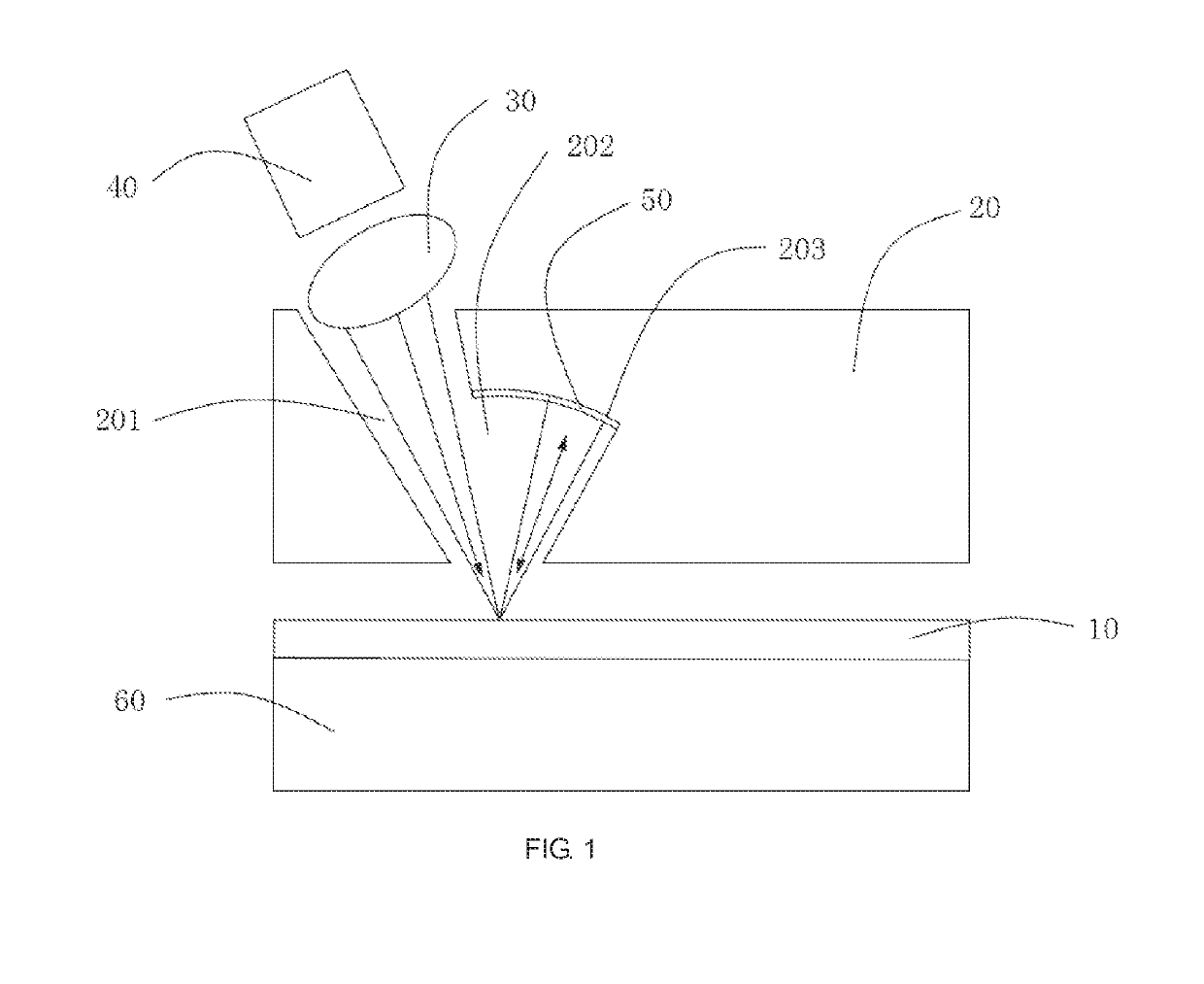
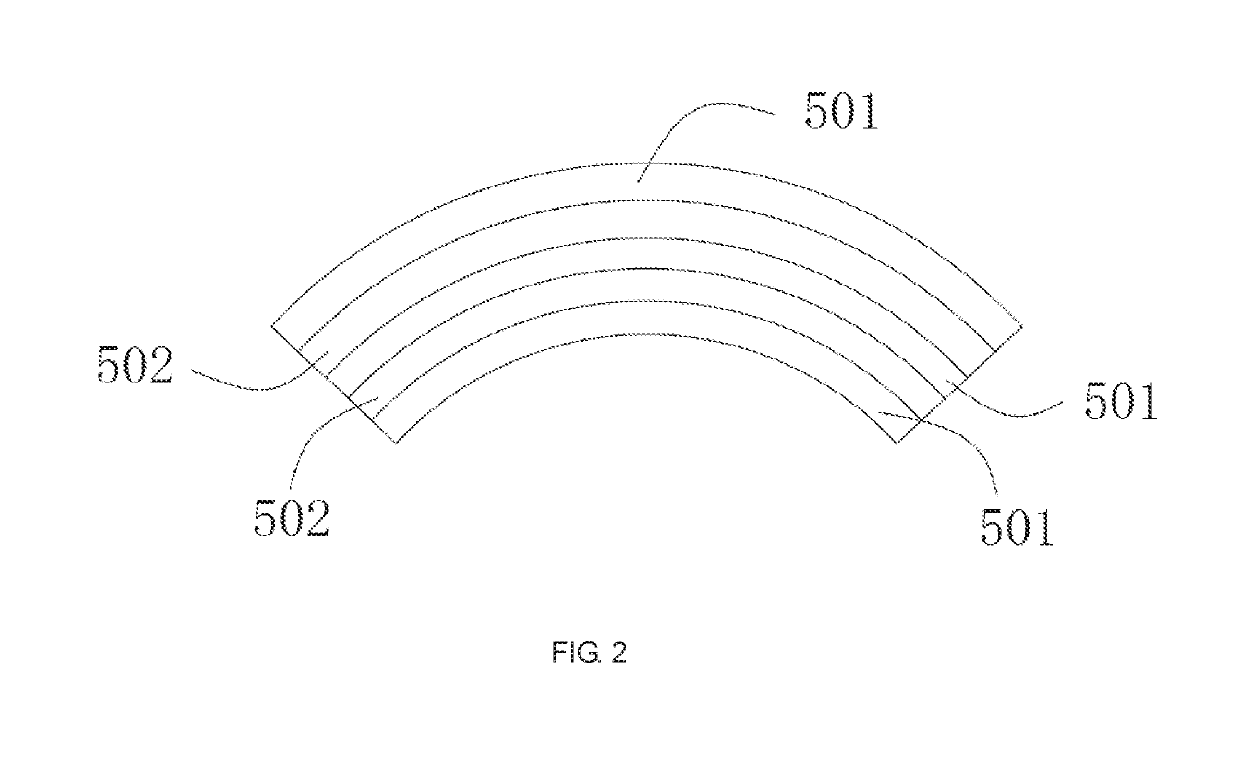
Excimer laser annealing apparatus and method of using the same
PatentInactiveUS9461107B2
Innovation
- An excimer laser annealing apparatus with a thermoregulating module, comprising light-absorbing and light-reflecting components embedded in the substrate holder, creates a temperature gradient to control crystal orientation and direction of recrystallization, enhancing crystalline grain size and reducing grain boundaries.


Safety Standards for Industrial Excimer Laser Systems
Industrial excimer laser systems operating in substrate surface modification applications must comply with comprehensive safety frameworks established by international regulatory bodies. The primary standards governing these systems include IEC 60825 series for laser safety, ANSI Z136.1 for safe use of lasers, and ISO 11553 for laser processing machines. These regulations specifically address the unique hazards associated with excimer lasers, including ultraviolet radiation exposure, toxic gas emissions, and high-voltage electrical systems.
Laser classification requirements mandate that most industrial excimer systems fall under Class 4 designation due to their high power output and UV wavelength characteristics. This classification necessitates implementation of multiple safety interlocks, emergency stop mechanisms, and restricted access protocols. The systems must incorporate beam containment measures, including specialized UV-resistant enclosures and exhaust ventilation systems to manage ozone production and halogen gas byproducts.
Personnel protection standards require comprehensive training programs covering UV radiation hazards, proper use of protective equipment, and emergency response procedures. Eye protection specifications demand specialized UV-blocking eyewear with optical density ratings appropriate for the specific excimer wavelength. Skin protection protocols include coverage requirements and exposure time limitations to prevent erythema and long-term photochemical damage.
Environmental safety considerations encompass gas handling procedures for halogen-containing laser media, waste disposal protocols for contaminated materials, and air quality monitoring systems. Ventilation requirements specify minimum air exchange rates and filtration standards to maintain safe atmospheric conditions in the work environment.
System design standards mandate incorporation of fail-safe mechanisms, redundant safety circuits, and comprehensive monitoring systems that continuously assess operational parameters. These include beam shutter controls, interlock bypass prevention, and automatic shutdown sequences triggered by safety violations. Regular calibration and maintenance protocols ensure continued compliance with safety thresholds throughout the system lifecycle.
Emergency response frameworks require establishment of incident reporting procedures, medical response protocols for UV exposure events, and coordination with local safety authorities. Documentation requirements include maintenance of safety logs, training records, and incident reports to demonstrate ongoing compliance with regulatory standards.
Laser classification requirements mandate that most industrial excimer systems fall under Class 4 designation due to their high power output and UV wavelength characteristics. This classification necessitates implementation of multiple safety interlocks, emergency stop mechanisms, and restricted access protocols. The systems must incorporate beam containment measures, including specialized UV-resistant enclosures and exhaust ventilation systems to manage ozone production and halogen gas byproducts.
Personnel protection standards require comprehensive training programs covering UV radiation hazards, proper use of protective equipment, and emergency response procedures. Eye protection specifications demand specialized UV-blocking eyewear with optical density ratings appropriate for the specific excimer wavelength. Skin protection protocols include coverage requirements and exposure time limitations to prevent erythema and long-term photochemical damage.
Environmental safety considerations encompass gas handling procedures for halogen-containing laser media, waste disposal protocols for contaminated materials, and air quality monitoring systems. Ventilation requirements specify minimum air exchange rates and filtration standards to maintain safe atmospheric conditions in the work environment.
System design standards mandate incorporation of fail-safe mechanisms, redundant safety circuits, and comprehensive monitoring systems that continuously assess operational parameters. These include beam shutter controls, interlock bypass prevention, and automatic shutdown sequences triggered by safety violations. Regular calibration and maintenance protocols ensure continued compliance with safety thresholds throughout the system lifecycle.
Emergency response frameworks require establishment of incident reporting procedures, medical response protocols for UV exposure events, and coordination with local safety authorities. Documentation requirements include maintenance of safety logs, training records, and incident reports to demonstrate ongoing compliance with regulatory standards.
Cost-Benefit Analysis of Excimer Integration Strategies
The economic evaluation of excimer laser integration strategies for substrate surface modification reveals significant variations in cost structures and return on investment profiles across different implementation approaches. Capital expenditure requirements range from $500,000 for basic ArF excimer systems to over $2 million for advanced multi-wavelength platforms with precision beam delivery systems. Operating costs typically account for 40-60% of total ownership expenses, with consumables such as gas mixtures, optical components, and maintenance representing the largest recurring expenditures.
In-house integration strategies demonstrate higher initial capital requirements but offer superior long-term cost control and process customization capabilities. Manufacturing facilities implementing dedicated excimer laser systems report 25-35% reduction in per-unit processing costs after the second year of operation, primarily due to elimination of outsourcing premiums and optimized throughput management. However, the break-even point typically occurs between 18-24 months, depending on production volumes and application complexity.
Outsourced processing services present lower barrier-to-entry costs but exhibit limited scalability advantages for high-volume applications. Service provider rates range from $15-50 per substrate depending on material type, surface area, and modification requirements. While this approach minimizes technical risks and infrastructure investments, cumulative costs often exceed in-house processing expenses when annual volumes exceed 10,000 substrates.
Hybrid integration models combining selective in-house capabilities with specialized outsourcing demonstrate optimal cost-benefit ratios for medium-scale operations. These strategies typically achieve 15-20% cost savings compared to pure outsourcing while maintaining operational flexibility. The economic advantage becomes particularly pronounced in applications requiring frequent process parameter adjustments or proprietary surface treatments.
Return on investment calculations indicate that excimer laser integration generates positive cash flows within 2-3 years for semiconductor and precision optics applications, where surface quality improvements directly translate to enhanced product performance and market premiums. The technology's ability to reduce downstream processing steps and improve yield rates contributes additional economic benefits that often justify the initial investment despite higher upfront costs compared to conventional surface modification techniques.
In-house integration strategies demonstrate higher initial capital requirements but offer superior long-term cost control and process customization capabilities. Manufacturing facilities implementing dedicated excimer laser systems report 25-35% reduction in per-unit processing costs after the second year of operation, primarily due to elimination of outsourcing premiums and optimized throughput management. However, the break-even point typically occurs between 18-24 months, depending on production volumes and application complexity.
Outsourced processing services present lower barrier-to-entry costs but exhibit limited scalability advantages for high-volume applications. Service provider rates range from $15-50 per substrate depending on material type, surface area, and modification requirements. While this approach minimizes technical risks and infrastructure investments, cumulative costs often exceed in-house processing expenses when annual volumes exceed 10,000 substrates.
Hybrid integration models combining selective in-house capabilities with specialized outsourcing demonstrate optimal cost-benefit ratios for medium-scale operations. These strategies typically achieve 15-20% cost savings compared to pure outsourcing while maintaining operational flexibility. The economic advantage becomes particularly pronounced in applications requiring frequent process parameter adjustments or proprietary surface treatments.
Return on investment calculations indicate that excimer laser integration generates positive cash flows within 2-3 years for semiconductor and precision optics applications, where surface quality improvements directly translate to enhanced product performance and market premiums. The technology's ability to reduce downstream processing steps and improve yield rates contributes additional economic benefits that often justify the initial investment despite higher upfront costs compared to conventional surface modification techniques.
Unlock deeper insights with PatSnap Eureka Quick Research — get a full tech report to explore trends and direct your research. Try now!
Generate Your Research Report Instantly with AI Agent
Supercharge your innovation with PatSnap Eureka AI Agent Platform!