

Exoskeleton vs Traditional Assistive Devices: Evaluation
MAR 24, 20268 MIN READ
Generate Your Research Report Instantly with AI Agent
PatSnap Eureka helps you evaluate technical feasibility & market potential.
Exoskeleton Technology Background and Objectives
Exoskeleton technology represents a revolutionary advancement in assistive and augmentative devices, emerging from decades of research in robotics, biomechanics, and human-machine interfaces. The concept originated from military applications in the 1960s, with early prototypes designed to enhance soldier capabilities. However, the technology has evolved significantly, transitioning from purely strength-augmentation systems to sophisticated rehabilitation and mobility assistance devices.
The fundamental principle underlying exoskeleton technology involves the integration of mechanical structures with human biomechanics, creating a symbiotic relationship between user and machine. Unlike traditional assistive devices that primarily provide passive support or basic mechanical advantage, exoskeletons actively sense, adapt, and respond to user intentions and environmental conditions through advanced sensor networks and control algorithms.
Current technological evolution has been driven by breakthroughs in lightweight materials, miniaturized actuators, improved battery technologies, and sophisticated control systems. The integration of artificial intelligence and machine learning algorithms has enabled exoskeletons to learn and adapt to individual user patterns, significantly improving performance and user experience compared to static traditional devices.
The primary objectives of modern exoskeleton development encompass multiple domains: medical rehabilitation for spinal cord injuries and neurological disorders, industrial applications for reducing workplace injuries and enhancing productivity, and military applications for soldier performance enhancement. These objectives represent a paradigm shift from traditional assistive devices, which typically address single-function requirements through passive mechanical solutions.
Technical advancement trajectories focus on achieving seamless human-robot interaction, reducing device weight and power consumption, improving reliability and safety systems, and developing intuitive control interfaces. The ultimate goal involves creating transparent augmentation systems that enhance human capabilities without imposing cognitive or physical burden on users.
Contemporary research emphasizes the development of soft exoskeletons utilizing flexible materials and pneumatic actuators, representing a significant departure from rigid mechanical frameworks. This evolution addresses key limitations of traditional assistive devices, including comfort, adaptability, and natural movement patterns, while maintaining the enhanced functionality that distinguishes exoskeletons from conventional solutions.
The fundamental principle underlying exoskeleton technology involves the integration of mechanical structures with human biomechanics, creating a symbiotic relationship between user and machine. Unlike traditional assistive devices that primarily provide passive support or basic mechanical advantage, exoskeletons actively sense, adapt, and respond to user intentions and environmental conditions through advanced sensor networks and control algorithms.
Current technological evolution has been driven by breakthroughs in lightweight materials, miniaturized actuators, improved battery technologies, and sophisticated control systems. The integration of artificial intelligence and machine learning algorithms has enabled exoskeletons to learn and adapt to individual user patterns, significantly improving performance and user experience compared to static traditional devices.
The primary objectives of modern exoskeleton development encompass multiple domains: medical rehabilitation for spinal cord injuries and neurological disorders, industrial applications for reducing workplace injuries and enhancing productivity, and military applications for soldier performance enhancement. These objectives represent a paradigm shift from traditional assistive devices, which typically address single-function requirements through passive mechanical solutions.
Technical advancement trajectories focus on achieving seamless human-robot interaction, reducing device weight and power consumption, improving reliability and safety systems, and developing intuitive control interfaces. The ultimate goal involves creating transparent augmentation systems that enhance human capabilities without imposing cognitive or physical burden on users.
Contemporary research emphasizes the development of soft exoskeletons utilizing flexible materials and pneumatic actuators, representing a significant departure from rigid mechanical frameworks. This evolution addresses key limitations of traditional assistive devices, including comfort, adaptability, and natural movement patterns, while maintaining the enhanced functionality that distinguishes exoskeletons from conventional solutions.
Market Demand for Exoskeleton vs Traditional Devices
The global assistive devices market is experiencing unprecedented growth driven by demographic shifts and technological advancement. The aging population worldwide, particularly in developed nations, creates substantial demand for mobility assistance solutions. Traditional assistive devices including wheelchairs, walkers, canes, and orthotic braces have established a mature market foundation with consistent demand patterns across healthcare institutions, rehabilitation centers, and home care settings.
Exoskeleton technology represents an emerging segment within the broader assistive devices landscape. The market demand for exoskeletons is primarily concentrated in medical rehabilitation, industrial applications, and military sectors. Medical exoskeletons target patients with spinal cord injuries, stroke survivors, and individuals with mobility impairments, offering potential for gait training and functional recovery that traditional devices cannot provide.
Traditional assistive devices maintain dominant market share due to their established clinical acceptance, cost-effectiveness, and widespread accessibility. Healthcare systems globally have integrated these devices into standard care protocols, creating steady procurement cycles. The familiarity of healthcare providers with traditional solutions ensures continued adoption, particularly in resource-constrained environments where cost considerations are paramount.
The demand dynamics reveal distinct user preferences and application scenarios. Traditional devices excel in providing immediate mobility solutions with minimal training requirements and maintenance needs. Their market demand remains stable across diverse economic conditions, supported by insurance coverage and established distribution networks.
Exoskeleton market demand is characterized by higher growth potential but faces adoption barriers including elevated costs, technical complexity, and limited clinical evidence for long-term outcomes. Early adopters include specialized rehabilitation facilities and research institutions seeking advanced therapeutic interventions. The industrial exoskeleton segment demonstrates growing demand from manufacturing and logistics sectors focused on worker safety and productivity enhancement.
Geographic market demand patterns show regional variations, with developed markets leading exoskeleton adoption while emerging economies maintain strong demand for traditional assistive devices. The total addressable market continues expanding as awareness increases and technological barriers diminish, suggesting complementary rather than substitutional market relationships between these device categories.
Exoskeleton technology represents an emerging segment within the broader assistive devices landscape. The market demand for exoskeletons is primarily concentrated in medical rehabilitation, industrial applications, and military sectors. Medical exoskeletons target patients with spinal cord injuries, stroke survivors, and individuals with mobility impairments, offering potential for gait training and functional recovery that traditional devices cannot provide.
Traditional assistive devices maintain dominant market share due to their established clinical acceptance, cost-effectiveness, and widespread accessibility. Healthcare systems globally have integrated these devices into standard care protocols, creating steady procurement cycles. The familiarity of healthcare providers with traditional solutions ensures continued adoption, particularly in resource-constrained environments where cost considerations are paramount.
The demand dynamics reveal distinct user preferences and application scenarios. Traditional devices excel in providing immediate mobility solutions with minimal training requirements and maintenance needs. Their market demand remains stable across diverse economic conditions, supported by insurance coverage and established distribution networks.
Exoskeleton market demand is characterized by higher growth potential but faces adoption barriers including elevated costs, technical complexity, and limited clinical evidence for long-term outcomes. Early adopters include specialized rehabilitation facilities and research institutions seeking advanced therapeutic interventions. The industrial exoskeleton segment demonstrates growing demand from manufacturing and logistics sectors focused on worker safety and productivity enhancement.
Geographic market demand patterns show regional variations, with developed markets leading exoskeleton adoption while emerging economies maintain strong demand for traditional assistive devices. The total addressable market continues expanding as awareness increases and technological barriers diminish, suggesting complementary rather than substitutional market relationships between these device categories.
Current State of Exoskeleton and Traditional Assistive Tech
The exoskeleton technology landscape has experienced remarkable growth over the past decade, transitioning from experimental prototypes to commercially viable products. Current exoskeleton systems primarily target three key application areas: medical rehabilitation, industrial augmentation, and military enhancement. Leading manufacturers such as Ekso Bionics, ReWalk Robotics, and Honda have developed sophisticated lower-limb exoskeletons that enable paralyzed individuals to walk again, while companies like Sarcos Robotics and Ford have pioneered upper-body systems for industrial workers.
Medical exoskeletons represent the most mature segment, with several FDA-approved devices now available in rehabilitation centers worldwide. These systems typically feature advanced sensor arrays, real-time gait analysis, and adaptive control algorithms that respond to user intent. Battery life has improved significantly, with modern devices offering 3-6 hours of continuous operation. However, weight remains a critical limitation, with most systems weighing between 20-30 kilograms, significantly impacting user comfort and adoption rates.
Industrial exoskeletons have gained substantial traction in manufacturing and logistics sectors, where they reduce worker fatigue and prevent musculoskeletal injuries. Passive exoskeletons, which rely on springs and mechanical linkages rather than motors, have proven particularly successful due to their lighter weight and lower cost. Companies like Laevo and SuitX have developed back-support exoskeletons that reduce spinal loading by up to 40% during lifting tasks.
Traditional assistive devices continue to dominate the market due to their established reliability, lower cost, and ease of use. Wheelchairs have evolved significantly, incorporating smart navigation systems, standing capabilities, and improved materials that reduce weight while maintaining durability. Advanced prosthetics now feature myoelectric control, allowing users to operate multiple joints through muscle signals. Walking aids have integrated sensors and stability control systems that prevent falls and monitor user activity patterns.
The cost differential between exoskeletons and traditional devices remains substantial, with medical exoskeletons priced between $80,000-$150,000 compared to $2,000-$15,000 for advanced wheelchairs. This pricing gap significantly impacts accessibility and market penetration, particularly in developing regions where healthcare budgets are constrained.
Current technological challenges for exoskeletons include power density limitations, control system complexity, and the need for extensive user training. Traditional devices face different challenges, primarily related to stigma, limited functionality in certain environments, and the need for upper body strength in manual systems. Both categories are experiencing rapid innovation in materials science, with carbon fiber composites and advanced polymers reducing weight while improving strength and durability.
Medical exoskeletons represent the most mature segment, with several FDA-approved devices now available in rehabilitation centers worldwide. These systems typically feature advanced sensor arrays, real-time gait analysis, and adaptive control algorithms that respond to user intent. Battery life has improved significantly, with modern devices offering 3-6 hours of continuous operation. However, weight remains a critical limitation, with most systems weighing between 20-30 kilograms, significantly impacting user comfort and adoption rates.
Industrial exoskeletons have gained substantial traction in manufacturing and logistics sectors, where they reduce worker fatigue and prevent musculoskeletal injuries. Passive exoskeletons, which rely on springs and mechanical linkages rather than motors, have proven particularly successful due to their lighter weight and lower cost. Companies like Laevo and SuitX have developed back-support exoskeletons that reduce spinal loading by up to 40% during lifting tasks.
Traditional assistive devices continue to dominate the market due to their established reliability, lower cost, and ease of use. Wheelchairs have evolved significantly, incorporating smart navigation systems, standing capabilities, and improved materials that reduce weight while maintaining durability. Advanced prosthetics now feature myoelectric control, allowing users to operate multiple joints through muscle signals. Walking aids have integrated sensors and stability control systems that prevent falls and monitor user activity patterns.
The cost differential between exoskeletons and traditional devices remains substantial, with medical exoskeletons priced between $80,000-$150,000 compared to $2,000-$15,000 for advanced wheelchairs. This pricing gap significantly impacts accessibility and market penetration, particularly in developing regions where healthcare budgets are constrained.
Current technological challenges for exoskeletons include power density limitations, control system complexity, and the need for extensive user training. Traditional devices face different challenges, primarily related to stigma, limited functionality in certain environments, and the need for upper body strength in manual systems. Both categories are experiencing rapid innovation in materials science, with carbon fiber composites and advanced polymers reducing weight while improving strength and durability.
Current Exoskeleton vs Traditional Device Solutions
01 Powered exoskeleton systems for mobility assistance
Powered exoskeleton devices utilize motorized actuators and control systems to provide active assistance for human movement. These systems can enhance strength, endurance, and mobility for individuals with physical limitations or disabilities. The devices typically include sensors to detect user intent and provide appropriate mechanical support through joint-level actuation mechanisms.- Powered exoskeleton systems for mobility assistance: Powered exoskeleton devices utilize motorized actuators and control systems to provide active assistance for human movement. These systems can enhance strength, endurance, and mobility for individuals with physical limitations or disabilities. The technology incorporates sensors to detect user intent and adjust assistance levels accordingly, offering superior performance compared to passive assistive devices.
- Hybrid exoskeleton designs combining active and passive support: Hybrid assistive devices integrate both powered and passive mechanical elements to optimize energy efficiency and user comfort. These designs balance the benefits of active assistance with the simplicity and reliability of traditional mechanical support structures. The combination allows for reduced power consumption while maintaining effective mobility enhancement across various activities and user conditions.
- Lightweight and wearable exoskeleton structures: Advanced materials and ergonomic designs enable the development of lightweight exoskeleton frameworks that minimize user burden while providing effective assistance. These structures focus on comfort, portability, and ease of donning and doffing compared to bulkier traditional assistive devices. The designs emphasize natural movement patterns and reduced interference with daily activities.
- Intelligent control systems for adaptive assistance: Smart control algorithms and sensor integration enable exoskeletons to provide personalized and context-aware assistance. These systems can learn user patterns, adjust to different terrains and activities, and provide appropriate support levels automatically. The technology represents a significant advancement over fixed-function traditional assistive devices by offering dynamic adaptation to user needs.
- Rehabilitation-focused exoskeleton applications: Specialized exoskeleton systems designed for therapeutic and rehabilitation purposes provide controlled, repeatable movement assistance for recovery and training. These devices offer precise motion control and monitoring capabilities that traditional assistive devices cannot provide. The technology enables progressive therapy programs and objective assessment of patient progress during rehabilitation processes.
02 Passive and semi-active exoskeleton structures
Passive exoskeleton designs rely on mechanical structures, springs, and dampers to redistribute loads and reduce physical strain without requiring external power sources. Semi-active systems combine passive elements with controllable components that can adjust stiffness or damping characteristics. These approaches offer lightweight alternatives that can reduce metabolic cost and fatigue during various activities.Expand Specific Solutions03 Control algorithms and human-machine interface systems
Advanced control strategies enable exoskeletons to interpret user intentions and coordinate assistance timing and magnitude. These systems incorporate various sensing modalities and processing algorithms to achieve natural interaction between the device and user. The control approaches can adapt to different movement patterns and user needs through learning algorithms and real-time feedback mechanisms.Expand Specific Solutions04 Modular and adjustable exoskeleton frameworks
Modular exoskeleton designs allow customization and adaptation to different body sizes, anatomical variations, and specific assistance requirements. These systems feature adjustable components and interchangeable modules that can be configured for various applications. The adaptable frameworks enable personalized fitting and can accommodate different user populations and use cases.Expand Specific Solutions05 Integration of exoskeletons with traditional assistive devices
Hybrid approaches combine exoskeleton technology with conventional assistive devices such as wheelchairs, walkers, and orthotic braces to create comprehensive mobility solutions. These integrated systems leverage the advantages of both technologies to provide enhanced functionality and user experience. The combination can offer improved stability, reduced energy consumption, and greater independence for users with varying levels of mobility impairment.Expand Specific Solutions
Key Players in Exoskeleton and Assistive Device Industry
The exoskeleton technology market is experiencing rapid growth in the early commercialization stage, with significant expansion potential across rehabilitation, industrial, and military applications. Market size is projected to reach billions globally, driven by aging populations and workplace safety demands. Technology maturity varies considerably among key players: established companies like Honda Motor Co., LG Electronics, and Parker-Hannifin Corp. leverage advanced manufacturing capabilities, while specialized firms such as RoboCT Technology, B-Temia, and Unlimited Tomorrow focus on targeted applications. Academic institutions including Harvard College, Georgia Tech Research Corp., and Karlsruhe Institute of Technology contribute fundamental research breakthroughs. Traditional assistive device manufacturers like Össur Iceland face competitive pressure from these emerging exoskeleton solutions, which offer superior mobility enhancement and user autonomy, though cost and complexity remain adoption barriers.
Össur Iceland ehf
Technical Solution: Össur develops advanced prosthetic and orthotic solutions that bridge traditional assistive devices and exoskeleton technology. Their bionic prosthetics incorporate microprocessor-controlled joints, sensors, and adaptive algorithms to provide natural movement patterns. The company's Proprio Foot features real-time terrain adaptation and stumble recovery, while their Power Knee offers motorized assistance during stair climbing and standing. These devices demonstrate superior functionality compared to traditional passive prosthetics through integrated electronics, machine learning algorithms, and biomechanical optimization that responds to user intent and environmental conditions.
Strengths: Market-leading bionic prosthetics with proven clinical outcomes and user acceptance. Weaknesses: Higher cost compared to traditional devices and requires regular maintenance and charging.
B-Temia, Inc.
Technical Solution: B-Temia specializes in lower limb exoskeleton systems designed for mobility assistance and rehabilitation. Their flagship product, the Dermoskeleton, is a lightweight wearable robot that provides powered assistance to individuals with mobility impairments. The system uses advanced control algorithms, force sensors, and actuators to detect user intent and provide appropriate assistance during walking. Compared to traditional wheelchairs or walkers, the exoskeleton enables upright mobility and can improve cardiovascular health, bone density, and psychological well-being. The device incorporates machine learning to adapt to individual user patterns and walking environments, offering personalized assistance levels.
Strengths: Enables upright mobility for paralyzed individuals with health benefits beyond traditional devices. Weaknesses: High cost, limited battery life, and requires extensive training for proper use.
Core Technologies in Exoskeleton Design and Control
Mobility assistance devices with automated assessment and adjustment control
PatentWO2018175004A1
Innovation
- The development of control systems that leverage device sensors, actuators, and interfaces to perform automated assessments and adjustments, allowing the mobility assistance device to assess user impairment and adjust its operation to improve recovery and physical capability, reducing the need for specialized equipment and personnel.


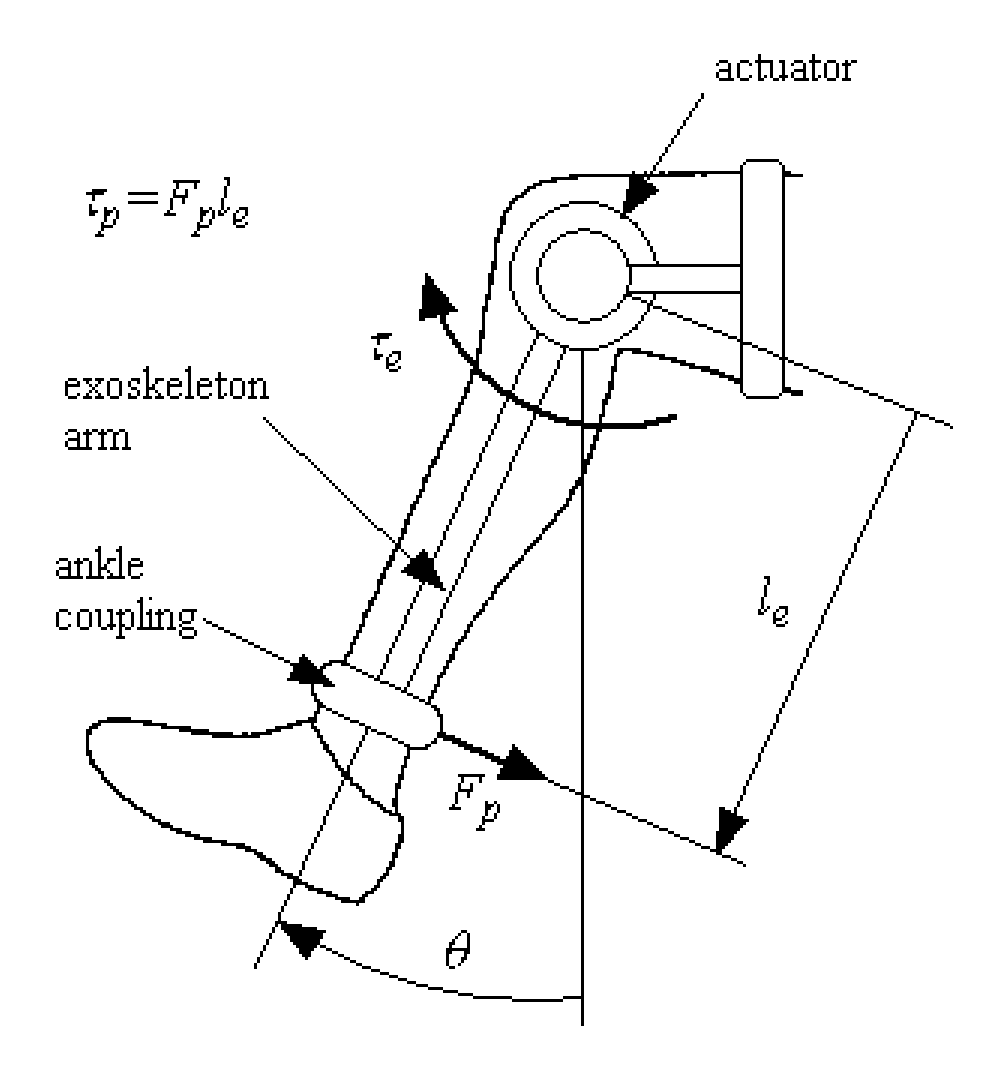
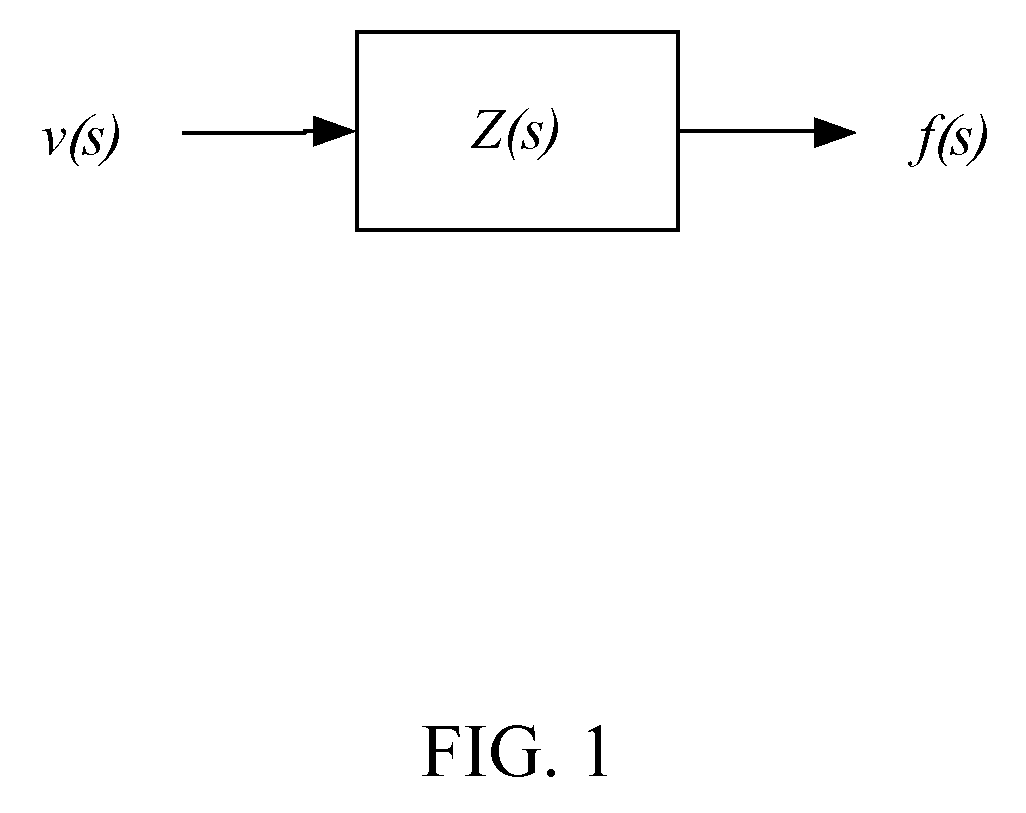
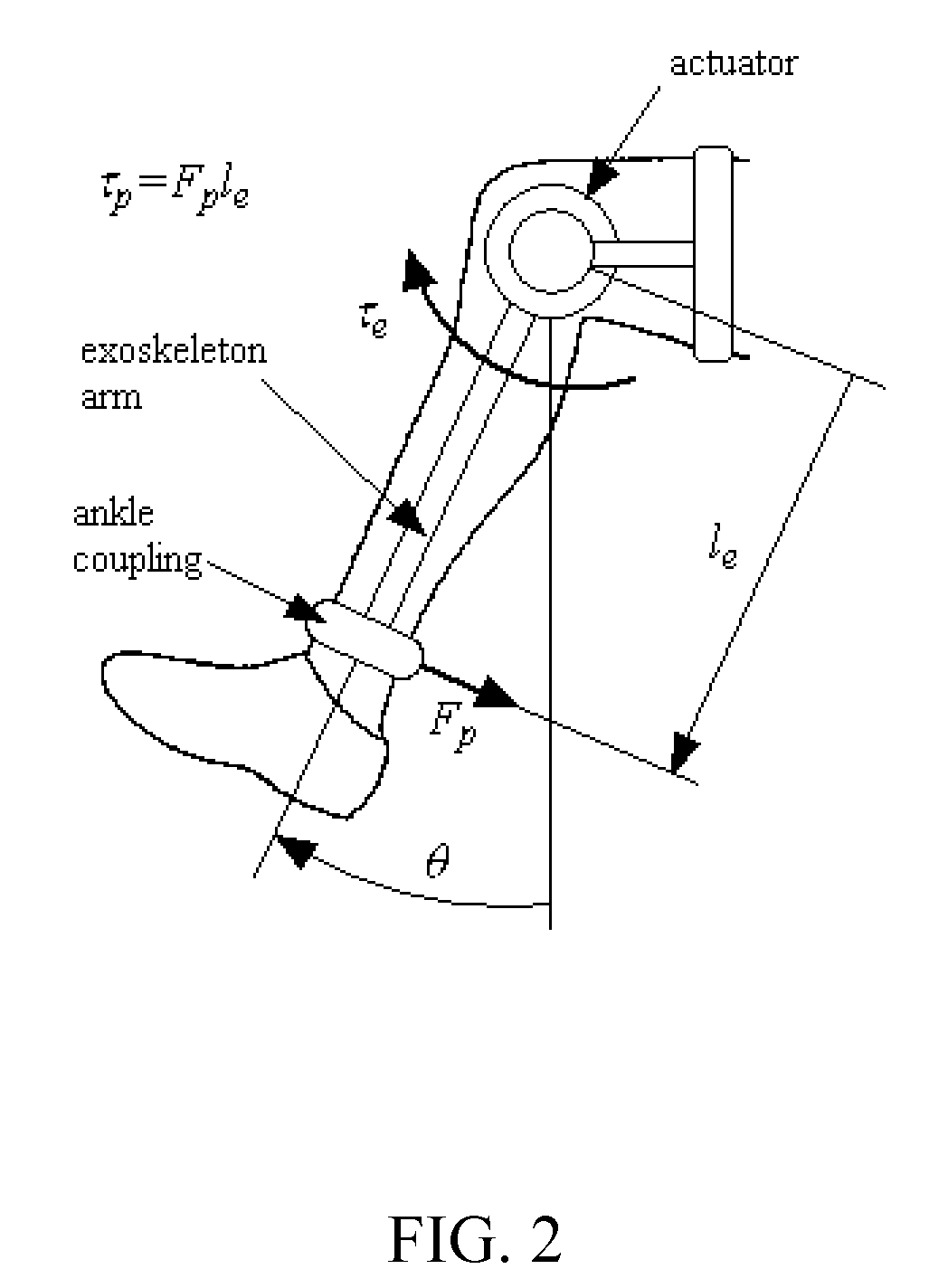
Controller for an Assistive Exoskeleton Based on Active Impedance
PatentActiveUS20080188907A1
Innovation
- The development of an active impedance control system for exoskeletons that modifies the mechanical properties of user extremities, allowing the exoskeleton to act as a continuous energy source by transitioning from passive to active behavior, reducing muscle effort through virtual impedance modification.

Regulatory Framework for Medical Assistive Devices
The regulatory landscape for medical assistive devices presents a complex framework that significantly impacts the development, approval, and market entry of both exoskeletons and traditional assistive technologies. In the United States, the Food and Drug Administration (FDA) classifies medical devices into three categories based on risk levels, with most powered exoskeletons falling under Class II or Class III devices requiring extensive clinical trials and premarket approval. Traditional assistive devices like wheelchairs and walkers typically receive Class I or Class II classifications, resulting in streamlined approval processes through 510(k) clearance pathways.
The European Union operates under the Medical Device Regulation (MDR), which came into full effect in 2021, establishing stricter requirements for clinical evidence and post-market surveillance. Exoskeletons must demonstrate substantial clinical benefits and safety profiles through rigorous conformity assessment procedures, often requiring involvement of notified bodies for CE marking. Traditional devices benefit from established harmonized standards and well-defined classification rules that facilitate market access.
Regulatory harmonization efforts across different jurisdictions remain challenging, particularly for innovative exoskeleton technologies that may not fit existing device categories. The International Medical Device Regulators Forum (IMDRF) has been working to establish common principles, but significant variations persist in approval timelines, clinical trial requirements, and post-market obligations between regions.
Quality management systems under ISO 13485 apply universally to both device categories, though implementation complexity varies significantly. Exoskeleton manufacturers must address unique challenges related to software validation, cybersecurity requirements, and human factors engineering that traditional device makers may not encounter.
Post-market surveillance requirements have intensified globally, with mandatory adverse event reporting and periodic safety updates becoming standard. For exoskeletons, this includes monitoring long-term user outcomes and device performance metrics, while traditional devices focus primarily on mechanical failure and safety incidents. Reimbursement pathways also depend heavily on regulatory classifications, with approved medical devices having better prospects for insurance coverage compared to wellness or consumer-grade alternatives.
The European Union operates under the Medical Device Regulation (MDR), which came into full effect in 2021, establishing stricter requirements for clinical evidence and post-market surveillance. Exoskeletons must demonstrate substantial clinical benefits and safety profiles through rigorous conformity assessment procedures, often requiring involvement of notified bodies for CE marking. Traditional devices benefit from established harmonized standards and well-defined classification rules that facilitate market access.
Regulatory harmonization efforts across different jurisdictions remain challenging, particularly for innovative exoskeleton technologies that may not fit existing device categories. The International Medical Device Regulators Forum (IMDRF) has been working to establish common principles, but significant variations persist in approval timelines, clinical trial requirements, and post-market obligations between regions.
Quality management systems under ISO 13485 apply universally to both device categories, though implementation complexity varies significantly. Exoskeleton manufacturers must address unique challenges related to software validation, cybersecurity requirements, and human factors engineering that traditional device makers may not encounter.
Post-market surveillance requirements have intensified globally, with mandatory adverse event reporting and periodic safety updates becoming standard. For exoskeletons, this includes monitoring long-term user outcomes and device performance metrics, while traditional devices focus primarily on mechanical failure and safety incidents. Reimbursement pathways also depend heavily on regulatory classifications, with approved medical devices having better prospects for insurance coverage compared to wellness or consumer-grade alternatives.
Cost-Benefit Analysis of Exoskeleton Implementation
The economic evaluation of exoskeleton implementation reveals a complex cost structure that significantly differs from traditional assistive devices. Initial capital expenditure for exoskeletons ranges from $40,000 to $150,000 per unit, substantially higher than conventional wheelchairs ($1,000-$8,000) or prosthetics ($5,000-$50,000). However, this upfront investment must be analyzed within a comprehensive total cost of ownership framework that extends beyond purchase price.
Operational costs present a mixed picture for exoskeleton deployment. While traditional devices require minimal maintenance and have lower energy consumption, exoskeletons demand specialized technical support, regular software updates, and battery replacement cycles. Annual maintenance costs for exoskeletons typically range from 8-12% of initial investment, compared to 2-4% for traditional assistive devices. Additionally, user training requirements for exoskeletons can add $5,000-$15,000 per implementation.
The benefit analysis reveals compelling long-term value propositions that may offset higher initial costs. Exoskeletons demonstrate measurable improvements in user mobility, independence, and quality of life metrics. Clinical studies indicate 40-60% reduction in secondary health complications, potentially saving $20,000-$50,000 annually in healthcare costs per user. Enhanced workplace productivity and reduced caregiver dependency create additional economic value streams.
Return on investment calculations show break-even points typically occurring within 3-5 years for institutional deployments, primarily driven by reduced healthcare expenditures and improved user outcomes. For individual users, insurance coverage and reimbursement policies significantly impact financial viability. Current reimbursement rates cover only 30-50% of exoskeleton costs in most healthcare systems.
Risk assessment identifies key financial uncertainties including technology obsolescence, regulatory changes, and market adoption rates. The rapid pace of technological advancement creates potential for early obsolescence, while evolving safety standards may require costly upgrades. Market penetration remains limited, affecting economies of scale and pricing strategies across the industry.
Operational costs present a mixed picture for exoskeleton deployment. While traditional devices require minimal maintenance and have lower energy consumption, exoskeletons demand specialized technical support, regular software updates, and battery replacement cycles. Annual maintenance costs for exoskeletons typically range from 8-12% of initial investment, compared to 2-4% for traditional assistive devices. Additionally, user training requirements for exoskeletons can add $5,000-$15,000 per implementation.
The benefit analysis reveals compelling long-term value propositions that may offset higher initial costs. Exoskeletons demonstrate measurable improvements in user mobility, independence, and quality of life metrics. Clinical studies indicate 40-60% reduction in secondary health complications, potentially saving $20,000-$50,000 annually in healthcare costs per user. Enhanced workplace productivity and reduced caregiver dependency create additional economic value streams.
Return on investment calculations show break-even points typically occurring within 3-5 years for institutional deployments, primarily driven by reduced healthcare expenditures and improved user outcomes. For individual users, insurance coverage and reimbursement policies significantly impact financial viability. Current reimbursement rates cover only 30-50% of exoskeleton costs in most healthcare systems.
Risk assessment identifies key financial uncertainties including technology obsolescence, regulatory changes, and market adoption rates. The rapid pace of technological advancement creates potential for early obsolescence, while evolving safety standards may require costly upgrades. Market penetration remains limited, affecting economies of scale and pricing strategies across the industry.
Unlock deeper insights with PatSnap Eureka Quick Research — get a full tech report to explore trends and direct your research. Try now!
Generate Your Research Report Instantly with AI Agent
Supercharge your innovation with PatSnap Eureka AI Agent Platform!