Flywheel vs Hydrogen: Efficiency and Cost Analysis
MAR 12, 20269 MIN READ
Generate Your Research Report Instantly with AI Agent
Patsnap Eureka helps you evaluate technical feasibility & market potential.
Flywheel and Hydrogen Energy Storage Background and Objectives
Energy storage technologies have emerged as critical components in the global transition toward sustainable energy systems, with flywheel and hydrogen storage representing two fundamentally different approaches to addressing grid-scale energy management challenges. The evolution of these technologies reflects decades of research aimed at overcoming the intermittency issues inherent in renewable energy sources such as solar and wind power.
Flywheel energy storage systems have their roots in mechanical engineering principles dating back centuries, but modern applications began developing in the 1970s with advances in composite materials and magnetic bearing technologies. These systems store kinetic energy in rotating masses, offering rapid response times and high power density capabilities. The technology has progressed from steel rotors operating at relatively low speeds to advanced carbon fiber composite flywheels capable of achieving rotational speeds exceeding 100,000 RPM.
Hydrogen energy storage represents a chemical approach to energy storage, leveraging electrolysis to convert electrical energy into chemical bonds within hydrogen molecules. This technology gained significant momentum during the late 20th century as fuel cell technologies matured and concerns about long-term energy storage grew. The hydrogen storage pathway involves three primary stages: electrolysis for hydrogen production, storage in various forms, and reconversion to electricity through fuel cells or combustion turbines.
The primary objective driving research in both technologies centers on achieving optimal efficiency and cost-effectiveness for large-scale energy storage applications. Flywheel systems target applications requiring frequent cycling, rapid response times, and high power output over shorter durations, typically ranging from seconds to hours. These systems aim to achieve round-trip efficiencies exceeding 90% while maintaining operational lifespans of 20 years or more with minimal degradation.
Hydrogen storage technology pursues different objectives, focusing on long-duration energy storage capabilities spanning days, weeks, or even seasonal periods. The technology aims to overcome the energy density limitations of battery systems while providing carbon-neutral storage solutions when powered by renewable electricity sources. Key objectives include improving electrolysis efficiency, reducing hydrogen storage costs, and enhancing fuel cell performance to achieve competitive round-trip efficiencies.
Both technologies share common goals of grid stabilization, renewable energy integration, and reducing dependence on fossil fuel-based peaking power plants, yet they address different temporal and operational requirements within the broader energy storage ecosystem.
Flywheel energy storage systems have their roots in mechanical engineering principles dating back centuries, but modern applications began developing in the 1970s with advances in composite materials and magnetic bearing technologies. These systems store kinetic energy in rotating masses, offering rapid response times and high power density capabilities. The technology has progressed from steel rotors operating at relatively low speeds to advanced carbon fiber composite flywheels capable of achieving rotational speeds exceeding 100,000 RPM.
Hydrogen energy storage represents a chemical approach to energy storage, leveraging electrolysis to convert electrical energy into chemical bonds within hydrogen molecules. This technology gained significant momentum during the late 20th century as fuel cell technologies matured and concerns about long-term energy storage grew. The hydrogen storage pathway involves three primary stages: electrolysis for hydrogen production, storage in various forms, and reconversion to electricity through fuel cells or combustion turbines.
The primary objective driving research in both technologies centers on achieving optimal efficiency and cost-effectiveness for large-scale energy storage applications. Flywheel systems target applications requiring frequent cycling, rapid response times, and high power output over shorter durations, typically ranging from seconds to hours. These systems aim to achieve round-trip efficiencies exceeding 90% while maintaining operational lifespans of 20 years or more with minimal degradation.
Hydrogen storage technology pursues different objectives, focusing on long-duration energy storage capabilities spanning days, weeks, or even seasonal periods. The technology aims to overcome the energy density limitations of battery systems while providing carbon-neutral storage solutions when powered by renewable electricity sources. Key objectives include improving electrolysis efficiency, reducing hydrogen storage costs, and enhancing fuel cell performance to achieve competitive round-trip efficiencies.
Both technologies share common goals of grid stabilization, renewable energy integration, and reducing dependence on fossil fuel-based peaking power plants, yet they address different temporal and operational requirements within the broader energy storage ecosystem.
Market Demand Analysis for Grid-Scale Energy Storage Solutions
The global energy storage market is experiencing unprecedented growth driven by the accelerating transition to renewable energy sources and the urgent need for grid stabilization solutions. Wind and solar power generation's inherent intermittency creates substantial demand for large-scale energy storage systems capable of storing excess energy during peak production periods and releasing it during high demand or low generation phases.
Grid operators worldwide face increasing challenges in maintaining power quality and reliability as renewable energy penetration rises. Traditional fossil fuel peaking plants are being phased out in many regions, creating a critical gap that energy storage technologies must fill. This transition has generated substantial market opportunities for both flywheel and hydrogen storage solutions, each addressing different aspects of grid-scale energy management requirements.
The frequency regulation market represents a particularly lucrative segment for energy storage deployment. Grid operators require rapid-response systems capable of providing instantaneous power adjustments to maintain grid frequency within acceptable parameters. Flywheel systems excel in this application due to their millisecond response times and high cycle durability, making them attractive for utilities seeking reliable frequency regulation services.
Long-duration energy storage demand is simultaneously expanding as grids require solutions capable of storing energy for hours or days rather than minutes. Hydrogen storage systems are gaining traction in this segment, particularly for seasonal energy storage and industrial applications requiring extended discharge durations. The growing hydrogen economy, driven by decarbonization initiatives across transportation and industrial sectors, further amplifies demand for hydrogen-based storage infrastructure.
Regional market dynamics vary significantly based on renewable energy policies, grid infrastructure maturity, and regulatory frameworks. European markets demonstrate strong demand for both technologies, with aggressive renewable energy targets driving substantial storage deployment requirements. Asian markets, particularly in countries with high renewable energy growth rates, present significant opportunities for grid-scale storage solutions.
The commercial and industrial sector increasingly seeks energy storage solutions to reduce peak demand charges, improve power quality, and enhance energy security. Both flywheel and hydrogen systems serve these applications, though market preferences depend on specific operational requirements, available space, and economic considerations unique to each deployment scenario.
Grid operators worldwide face increasing challenges in maintaining power quality and reliability as renewable energy penetration rises. Traditional fossil fuel peaking plants are being phased out in many regions, creating a critical gap that energy storage technologies must fill. This transition has generated substantial market opportunities for both flywheel and hydrogen storage solutions, each addressing different aspects of grid-scale energy management requirements.
The frequency regulation market represents a particularly lucrative segment for energy storage deployment. Grid operators require rapid-response systems capable of providing instantaneous power adjustments to maintain grid frequency within acceptable parameters. Flywheel systems excel in this application due to their millisecond response times and high cycle durability, making them attractive for utilities seeking reliable frequency regulation services.
Long-duration energy storage demand is simultaneously expanding as grids require solutions capable of storing energy for hours or days rather than minutes. Hydrogen storage systems are gaining traction in this segment, particularly for seasonal energy storage and industrial applications requiring extended discharge durations. The growing hydrogen economy, driven by decarbonization initiatives across transportation and industrial sectors, further amplifies demand for hydrogen-based storage infrastructure.
Regional market dynamics vary significantly based on renewable energy policies, grid infrastructure maturity, and regulatory frameworks. European markets demonstrate strong demand for both technologies, with aggressive renewable energy targets driving substantial storage deployment requirements. Asian markets, particularly in countries with high renewable energy growth rates, present significant opportunities for grid-scale storage solutions.
The commercial and industrial sector increasingly seeks energy storage solutions to reduce peak demand charges, improve power quality, and enhance energy security. Both flywheel and hydrogen systems serve these applications, though market preferences depend on specific operational requirements, available space, and economic considerations unique to each deployment scenario.
Current Status and Challenges in Flywheel vs Hydrogen Technologies
Flywheel energy storage systems have achieved significant technological maturity in recent years, with commercial deployments demonstrating round-trip efficiencies ranging from 85% to 95%. Modern flywheel systems utilize advanced composite materials and magnetic bearing technologies to minimize energy losses. However, these systems face inherent limitations in energy density, typically storing 5-130 Wh/kg, which restricts their application to short-duration storage scenarios of minutes to hours.
Hydrogen energy storage technology presents a contrasting profile, offering exceptional energy density potential but struggling with overall system efficiency. Current electrolysis-to-fuel cell round-trip efficiencies remain between 35% to 45%, significantly lower than flywheel systems. The technology encompasses multiple conversion steps including electrolysis, compression or liquefaction, storage, and fuel cell reconversion, each introducing efficiency losses and complexity.
Geographic distribution of these technologies reveals distinct patterns. Flywheel installations are predominantly concentrated in developed markets including North America, Europe, and parts of Asia, where grid stability and power quality applications justify higher capital costs. Hydrogen storage projects show broader global distribution, with significant investments in regions rich in renewable energy resources such as Australia, the Middle East, and Northern Europe.
Cost structures present fundamental challenges for both technologies. Flywheel systems exhibit high upfront capital expenditure, typically ranging from $1,500 to $6,000 per kWh, but demonstrate excellent cycle life exceeding 100,000 cycles with minimal degradation. Hydrogen systems show lower initial storage costs but face substantial operational expenses related to compression, purification, and system maintenance.
Technical challenges persist across both domains. Flywheel technology confronts materials science limitations in rotor design, bearing system reliability, and containment safety requirements. Standby losses, though reduced through vacuum environments and magnetic bearings, remain a concern for long-term storage applications.
Hydrogen storage faces more complex technical hurdles including hydrogen embrittlement of storage materials, compression energy requirements consuming 10-15% of stored energy, and fuel cell degradation issues. Cryogenic liquid hydrogen storage introduces additional complexity and energy penalties, while compressed gas storage requires robust pressure vessel technologies.
Integration challenges affect both technologies differently. Flywheel systems excel in grid-connected applications requiring rapid response times and frequent cycling but struggle with scalability for large-capacity requirements. Hydrogen systems offer scalability advantages for seasonal storage but face infrastructure development challenges and safety considerations that complicate deployment in urban environments.
Current research efforts focus on addressing these fundamental limitations through advanced materials development, system optimization, and hybrid approaches that potentially combine both technologies to leverage their respective strengths while mitigating individual weaknesses.
Hydrogen energy storage technology presents a contrasting profile, offering exceptional energy density potential but struggling with overall system efficiency. Current electrolysis-to-fuel cell round-trip efficiencies remain between 35% to 45%, significantly lower than flywheel systems. The technology encompasses multiple conversion steps including electrolysis, compression or liquefaction, storage, and fuel cell reconversion, each introducing efficiency losses and complexity.
Geographic distribution of these technologies reveals distinct patterns. Flywheel installations are predominantly concentrated in developed markets including North America, Europe, and parts of Asia, where grid stability and power quality applications justify higher capital costs. Hydrogen storage projects show broader global distribution, with significant investments in regions rich in renewable energy resources such as Australia, the Middle East, and Northern Europe.
Cost structures present fundamental challenges for both technologies. Flywheel systems exhibit high upfront capital expenditure, typically ranging from $1,500 to $6,000 per kWh, but demonstrate excellent cycle life exceeding 100,000 cycles with minimal degradation. Hydrogen systems show lower initial storage costs but face substantial operational expenses related to compression, purification, and system maintenance.
Technical challenges persist across both domains. Flywheel technology confronts materials science limitations in rotor design, bearing system reliability, and containment safety requirements. Standby losses, though reduced through vacuum environments and magnetic bearings, remain a concern for long-term storage applications.
Hydrogen storage faces more complex technical hurdles including hydrogen embrittlement of storage materials, compression energy requirements consuming 10-15% of stored energy, and fuel cell degradation issues. Cryogenic liquid hydrogen storage introduces additional complexity and energy penalties, while compressed gas storage requires robust pressure vessel technologies.
Integration challenges affect both technologies differently. Flywheel systems excel in grid-connected applications requiring rapid response times and frequent cycling but struggle with scalability for large-capacity requirements. Hydrogen systems offer scalability advantages for seasonal storage but face infrastructure development challenges and safety considerations that complicate deployment in urban environments.
Current research efforts focus on addressing these fundamental limitations through advanced materials development, system optimization, and hybrid approaches that potentially combine both technologies to leverage their respective strengths while mitigating individual weaknesses.
Current Technical Solutions for Flywheel and Hydrogen Storage
01 Flywheel energy storage system integration with hydrogen production
Integration of flywheel energy storage systems with hydrogen production facilities to improve overall system efficiency. The flywheel acts as a buffer to stabilize power fluctuations during electrolysis processes, enabling more consistent hydrogen generation. This combination allows for better utilization of renewable energy sources and reduces energy waste during hydrogen production cycles.- Flywheel energy storage system integration with hydrogen production: Integration of flywheel energy storage systems with hydrogen production facilities to improve overall system efficiency. The flywheel acts as a buffer to stabilize power fluctuations during electrolysis processes, enabling more consistent hydrogen generation. This combination allows for better utilization of renewable energy sources and reduces energy waste during hydrogen production cycles.
- Cost reduction through hybrid flywheel-hydrogen storage systems: Development of hybrid energy storage systems combining flywheel technology with hydrogen storage to reduce overall capital and operational costs. The flywheel handles short-term energy storage and rapid response requirements while hydrogen storage provides long-term energy storage capacity. This approach optimizes the cost-effectiveness of each technology by leveraging their respective advantages in different time scales.
- Efficiency optimization of flywheel-assisted hydrogen compression: Utilization of flywheel systems to improve the efficiency of hydrogen compression processes. The flywheel stores kinetic energy that can be used to drive compression equipment, reducing electrical power consumption and improving overall system efficiency. This technology enables recovery of energy during compression cycles and provides mechanical energy storage for compression operations.
- Flywheel-based power conditioning for hydrogen fuel cells: Application of flywheel energy storage for power conditioning and load leveling in hydrogen fuel cell systems. The flywheel smooths power output variations and provides instantaneous power during fuel cell startup and transient conditions. This configuration enhances fuel cell lifespan by reducing stress from power fluctuations and improves overall system reliability and performance.
- Economic analysis and cost modeling of combined flywheel-hydrogen systems: Comprehensive cost-benefit analysis and economic modeling frameworks for evaluating combined flywheel and hydrogen energy systems. These models assess capital expenditure, operational costs, maintenance requirements, and lifecycle economics of integrated systems. The analysis includes comparison of different configuration options and optimization strategies to achieve the most cost-effective energy storage solutions.
02 Cost reduction through hybrid flywheel-hydrogen storage systems
Development of hybrid energy storage systems combining flywheel technology with hydrogen storage to reduce overall capital and operational costs. The flywheel handles short-term energy storage and rapid response requirements while hydrogen storage provides long-term energy storage capacity. This approach optimizes the cost-effectiveness of energy storage by leveraging the strengths of both technologies.Expand Specific Solutions03 Efficiency optimization of flywheel systems in hydrogen applications
Technical improvements to flywheel systems specifically designed for hydrogen production and storage applications to maximize energy conversion efficiency. These enhancements include advanced bearing systems, vacuum containment, and high-speed rotor designs that minimize energy losses. The optimized flywheel systems can achieve higher round-trip efficiency when coupled with hydrogen generation equipment.Expand Specific Solutions04 Flywheel-assisted hydrogen compression and storage
Utilization of flywheel energy storage to power hydrogen compression systems and manage the energy-intensive process of hydrogen storage. The flywheel provides instantaneous power for compression cycles, reducing peak demand charges and improving overall system economics. This configuration enables more efficient hydrogen storage at various pressure levels while maintaining cost-effectiveness.Expand Specific Solutions05 Economic analysis and cost modeling of integrated systems
Comprehensive cost-benefit analysis frameworks for evaluating flywheel and hydrogen combined systems, including capital expenditure, operational costs, and lifecycle economics. These models assess the financial viability of integrated solutions across different applications and scales. The analysis considers factors such as maintenance requirements, energy efficiency gains, and system longevity to determine optimal configurations.Expand Specific Solutions
Major Players in Flywheel and Hydrogen Energy Storage Markets
The flywheel versus hydrogen energy storage sector represents an emerging competitive landscape characterized by early-stage market development and significant technological differentiation. The industry is transitioning from research-driven initiatives to commercial deployment, with market size expanding rapidly due to renewable energy integration demands. Technology maturity varies considerably between players, with specialized companies like Beacon Power LLC, Energiestro, and Revterra Corp. leading flywheel innovations, while established industrial giants including Caterpillar, Boeing, and Embraer leverage their manufacturing expertise for broader energy applications. Academic institutions such as Harbin Institute of Technology and Worcester Polytechnic Institute contribute fundamental research, while emerging companies like KineticCore Solutions and Helix Power Corp. focus on next-generation storage solutions. The competitive dynamics reflect a fragmented market where traditional aerospace and heavy machinery manufacturers compete alongside dedicated energy storage startups, indicating technology convergence across multiple industrial sectors.
Energiestro
Technical Solution: Energiestro develops concrete flywheel energy storage systems that utilize reinforced concrete rotors instead of traditional composite materials. Their VESS (Volant Electrique de Stockage Stationnaire) technology features concrete flywheels rotating at lower speeds (500-1500 RPM) but with larger mass to store equivalent energy. The system achieves 80-85% round-trip efficiency while significantly reducing material costs by using concrete instead of expensive carbon fiber composites. Each unit can provide 10-100kW power output with scalable energy capacity from 5kWh to 1MWh. The concrete construction enables longer operational life exceeding 30 years with over 500,000 cycles, making it cost-competitive for long-duration energy storage applications.
Strengths: Lower material costs, extended operational life, scalable capacity. Weaknesses: Lower power density, requires larger installation footprint than composite flywheels.
Beacon Power LLC
Technical Solution: Beacon Power specializes in flywheel energy storage systems for grid frequency regulation and power quality applications. Their Smart Energy 25 flywheel systems utilize high-speed composite rotors spinning at up to 16,000 RPM in vacuum chambers with magnetic bearings. The system achieves round-trip efficiency of 85-90% with rapid response times under 4 seconds for full power output. Each unit provides 25kW power output with 6.25kWh energy capacity, designed for over 175,000 deep discharge cycles with minimal degradation. The technology offers superior cycle life compared to chemical batteries and requires minimal maintenance due to contactless magnetic bearing operation.
Strengths: High cycle life, rapid response, low maintenance requirements. Weaknesses: Higher capital costs, limited energy density compared to hydrogen systems.
Core Technology Analysis of Efficiency and Cost Optimization
F-69530 Brignais
PatentInactiveUS20100184549A1
Innovation
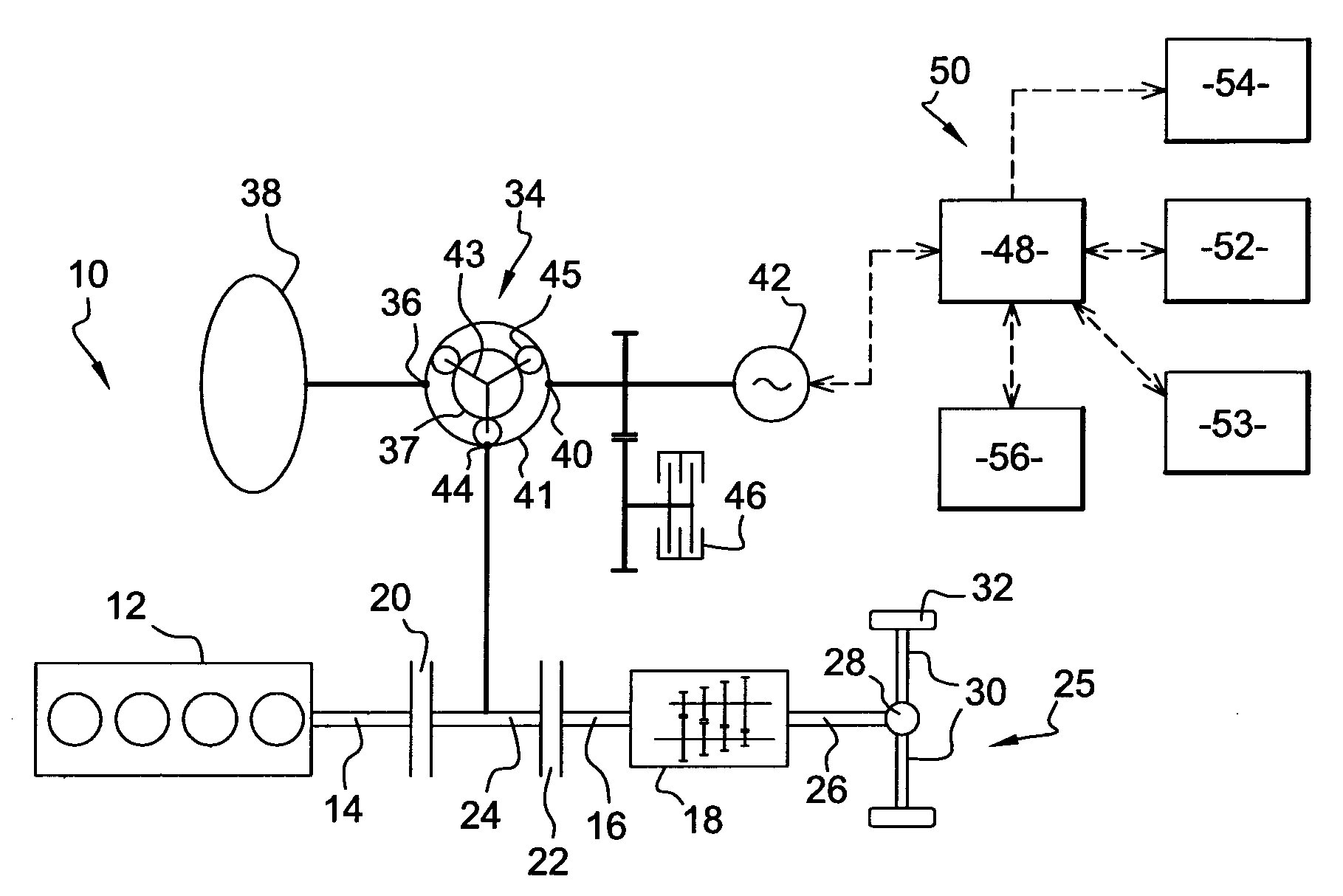
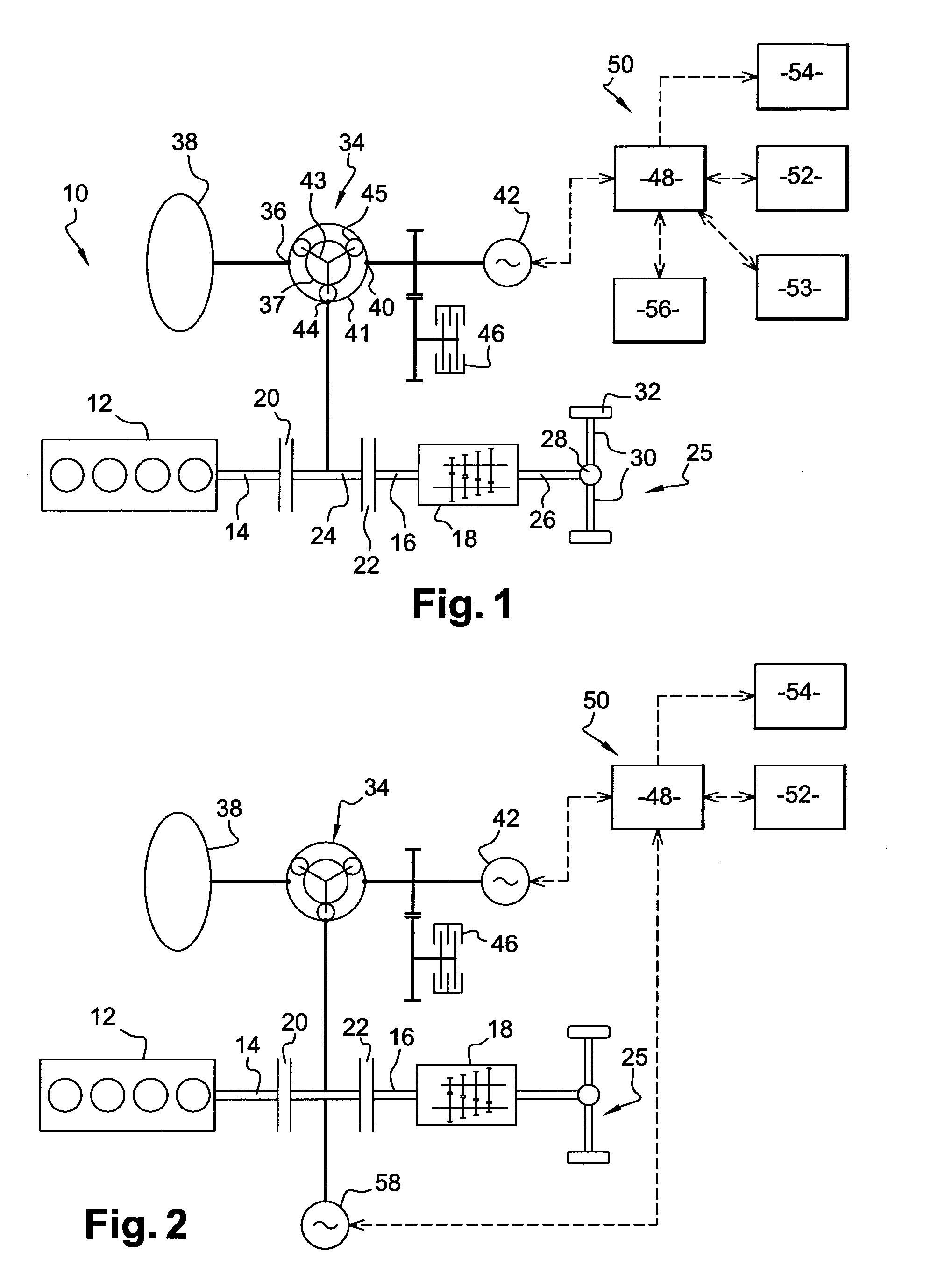
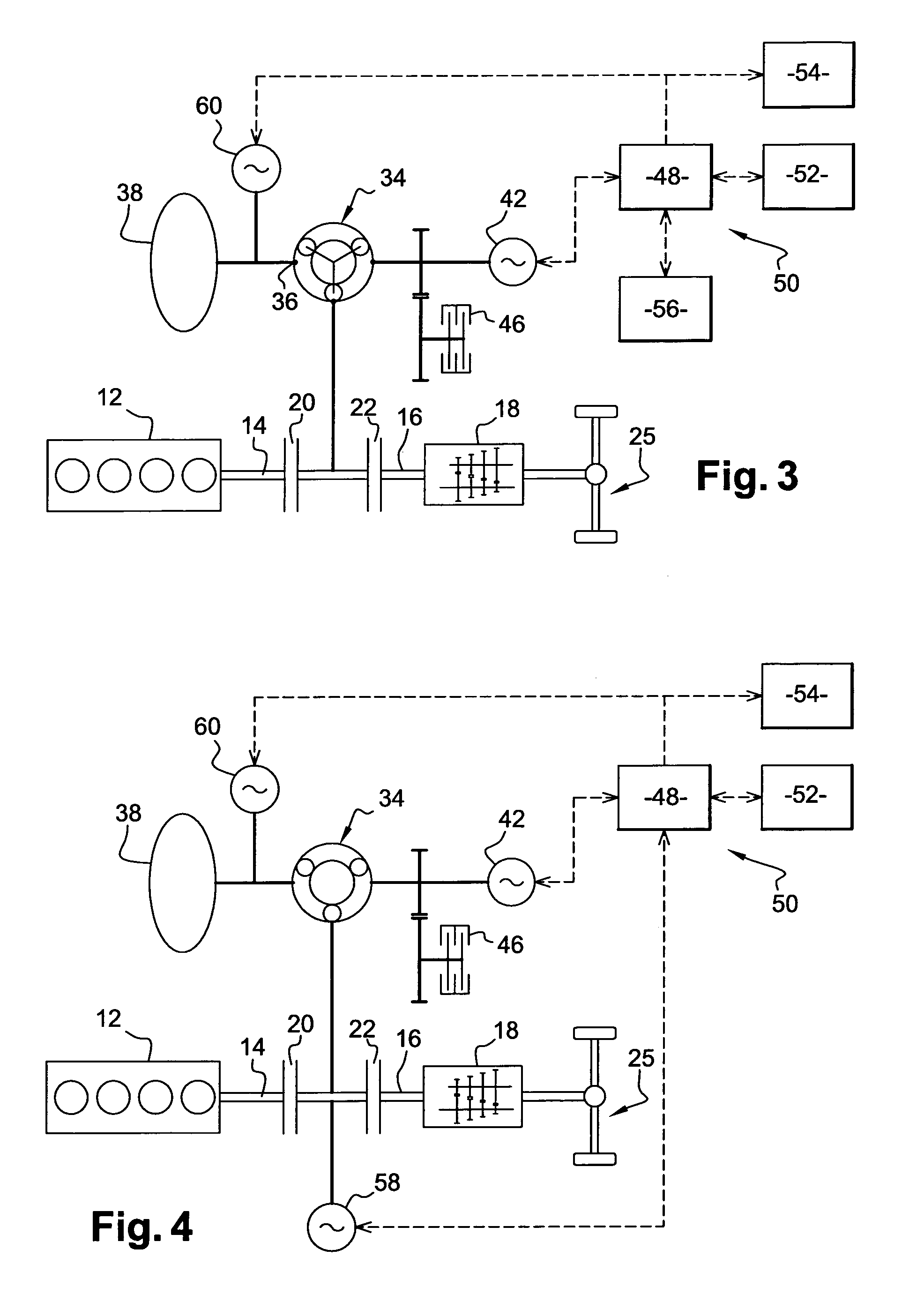
- A powertrain with a variable ratio transmission and a three-way power split transmission device, where the third input/output coupling is mechanically coupled to the engine and input shaft, allowing for optimized energy recovery by reducing the need for constant electrical machine operation across varying vehicle speeds and torque values.

Energy storage device and energy storage system
PatentWO2015185510A1
Innovation
- A large, horizontal flywheel made of reinforced concrete with a steel shell, mounted on air and/or slide bearings and steel wheels, which can rotate with minimal friction and serve as both a storage medium and a motor/generator, allowing for flexible and scalable energy storage with high efficiency.


Environmental Impact Assessment of Energy Storage Technologies
The environmental implications of flywheel and hydrogen energy storage technologies present distinct profiles across multiple impact categories. Both technologies offer significant advantages over conventional fossil fuel systems, yet their environmental footprints differ substantially in manufacturing, operational, and end-of-life phases.
Flywheel energy storage systems demonstrate relatively low environmental impact during operation, producing no direct emissions or requiring hazardous materials for energy conversion. The primary environmental concerns arise during manufacturing, particularly in the production of high-strength composite materials and rare earth elements used in magnetic bearings. Carbon fiber rotors require energy-intensive manufacturing processes, contributing to embodied carbon emissions. However, flywheels exhibit exceptional longevity with minimal degradation over millions of charge-discharge cycles, effectively amortizing their manufacturing impact over extended operational periods.
Hydrogen storage technologies present more complex environmental considerations. Electrolytic hydrogen production, while enabling zero-emission energy storage when powered by renewable sources, currently suffers from significant energy losses during the conversion process. The environmental impact varies dramatically depending on the electricity source, with grid-powered electrolysis potentially carrying substantial carbon footprints in regions dependent on fossil fuels.
Infrastructure requirements further differentiate these technologies environmentally. Hydrogen systems necessitate specialized storage vessels, compression equipment, and safety systems that require additional materials and manufacturing processes. The production of high-pressure storage tanks involves energy-intensive processes and specialized materials, increasing the overall environmental burden.
Lifecycle assessments reveal that flywheel systems typically achieve lower overall environmental impact per unit of energy stored, primarily due to their extended operational lifespan and minimal material degradation. Hydrogen systems, while potentially achieving lower operational emissions in optimal scenarios, face challenges from conversion inefficiencies and infrastructure requirements.
End-of-life considerations favor flywheel technology, as most components can be recycled or repurposed with minimal environmental impact. Hydrogen infrastructure components, particularly specialized storage materials and fuel cells, present more complex recycling challenges, though ongoing research continues to improve material recovery processes.
Flywheel energy storage systems demonstrate relatively low environmental impact during operation, producing no direct emissions or requiring hazardous materials for energy conversion. The primary environmental concerns arise during manufacturing, particularly in the production of high-strength composite materials and rare earth elements used in magnetic bearings. Carbon fiber rotors require energy-intensive manufacturing processes, contributing to embodied carbon emissions. However, flywheels exhibit exceptional longevity with minimal degradation over millions of charge-discharge cycles, effectively amortizing their manufacturing impact over extended operational periods.
Hydrogen storage technologies present more complex environmental considerations. Electrolytic hydrogen production, while enabling zero-emission energy storage when powered by renewable sources, currently suffers from significant energy losses during the conversion process. The environmental impact varies dramatically depending on the electricity source, with grid-powered electrolysis potentially carrying substantial carbon footprints in regions dependent on fossil fuels.
Infrastructure requirements further differentiate these technologies environmentally. Hydrogen systems necessitate specialized storage vessels, compression equipment, and safety systems that require additional materials and manufacturing processes. The production of high-pressure storage tanks involves energy-intensive processes and specialized materials, increasing the overall environmental burden.
Lifecycle assessments reveal that flywheel systems typically achieve lower overall environmental impact per unit of energy stored, primarily due to their extended operational lifespan and minimal material degradation. Hydrogen systems, while potentially achieving lower operational emissions in optimal scenarios, face challenges from conversion inefficiencies and infrastructure requirements.
End-of-life considerations favor flywheel technology, as most components can be recycled or repurposed with minimal environmental impact. Hydrogen infrastructure components, particularly specialized storage materials and fuel cells, present more complex recycling challenges, though ongoing research continues to improve material recovery processes.
Economic Feasibility and Investment Risk Analysis Framework
The economic feasibility assessment of flywheel versus hydrogen energy storage systems requires a comprehensive financial framework that evaluates both capital expenditure and operational cost structures. Initial capital investment for flywheel systems typically ranges from $1,500 to $6,000 per kWh of storage capacity, while hydrogen storage infrastructure demands significantly higher upfront costs of $3,000 to $12,000 per kWh when including electrolysis equipment, storage vessels, and fuel cell systems. The substantial difference in initial investment creates distinct risk profiles for each technology.
Operational expenditure analysis reveals contrasting cost dynamics between the two technologies. Flywheel systems demonstrate minimal maintenance requirements due to magnetic bearing technology and vacuum-sealed environments, resulting in operational costs of approximately 1-2% of capital investment annually. Conversely, hydrogen systems face higher operational expenses, including electrolysis efficiency losses, compression energy requirements, and periodic maintenance of fuel cells and storage components, typically accounting for 3-5% of initial capital investment per year.
The investment risk framework must incorporate technology maturity and scalability factors. Flywheel technology presents lower technical risk due to proven mechanical principles and established manufacturing processes, though market penetration remains limited. Hydrogen storage carries higher technological uncertainty, particularly regarding long-term durability of fuel cells and hydrogen embrittlement effects, but benefits from substantial government policy support and industrial backing.
Financial return projections indicate divergent payback periods based on application scenarios. For short-duration, high-cycle applications, flywheel systems typically achieve break-even within 8-12 years due to superior round-trip efficiency exceeding 90%. Hydrogen systems require 12-18 years for cost recovery in similar applications but demonstrate competitive economics in long-duration storage scenarios exceeding 8-hour discharge periods.
Risk mitigation strategies should address technology-specific vulnerabilities. Flywheel investments benefit from diversified supplier networks and standardized components, while hydrogen investments require careful evaluation of supply chain dependencies and regulatory compliance costs. Market volatility in rare earth materials affects flywheel economics, whereas hydrogen systems face risks from fluctuating renewable energy prices and carbon credit valuations.
Operational expenditure analysis reveals contrasting cost dynamics between the two technologies. Flywheel systems demonstrate minimal maintenance requirements due to magnetic bearing technology and vacuum-sealed environments, resulting in operational costs of approximately 1-2% of capital investment annually. Conversely, hydrogen systems face higher operational expenses, including electrolysis efficiency losses, compression energy requirements, and periodic maintenance of fuel cells and storage components, typically accounting for 3-5% of initial capital investment per year.
The investment risk framework must incorporate technology maturity and scalability factors. Flywheel technology presents lower technical risk due to proven mechanical principles and established manufacturing processes, though market penetration remains limited. Hydrogen storage carries higher technological uncertainty, particularly regarding long-term durability of fuel cells and hydrogen embrittlement effects, but benefits from substantial government policy support and industrial backing.
Financial return projections indicate divergent payback periods based on application scenarios. For short-duration, high-cycle applications, flywheel systems typically achieve break-even within 8-12 years due to superior round-trip efficiency exceeding 90%. Hydrogen systems require 12-18 years for cost recovery in similar applications but demonstrate competitive economics in long-duration storage scenarios exceeding 8-hour discharge periods.
Risk mitigation strategies should address technology-specific vulnerabilities. Flywheel investments benefit from diversified supplier networks and standardized components, while hydrogen investments require careful evaluation of supply chain dependencies and regulatory compliance costs. Market volatility in rare earth materials affects flywheel economics, whereas hydrogen systems face risks from fluctuating renewable energy prices and carbon credit valuations.
Unlock deeper insights with Patsnap Eureka Quick Research — get a full tech report to explore trends and direct your research. Try now!
Generate Your Research Report Instantly with AI Agent
Supercharge your innovation with Patsnap Eureka AI Agent Platform!