

Force Control vs Hydraulic: Which Improves Low-Speed Force Accuracy?
MAY 8, 20269 MIN READ
Generate Your Research Report Instantly with AI Agent
PatSnap Eureka helps you evaluate technical feasibility & market potential.
Force Control System Background and Precision Goals
Force control systems have emerged as critical components in modern industrial automation, representing a paradigm shift from traditional position-based control methodologies. These systems enable machines to regulate the force applied during manufacturing processes, assembly operations, and material handling tasks. The evolution from purely kinematic control to force-sensitive automation reflects the industry's growing demand for precision, adaptability, and quality assurance in manufacturing environments.
The fundamental principle underlying force control technology involves real-time monitoring and adjustment of applied forces through sophisticated feedback mechanisms. Unlike conventional hydraulic systems that primarily focus on position and velocity control, force control systems integrate force sensors, advanced algorithms, and actuator control to maintain precise force levels regardless of environmental variations or workpiece inconsistencies. This capability becomes particularly crucial in applications requiring delicate handling or consistent force application across varying operational conditions.
Low-speed force accuracy represents a critical performance metric that distinguishes superior control systems from conventional alternatives. At reduced operational velocities, system dynamics change significantly, introducing challenges such as static friction, stick-slip phenomena, and reduced signal-to-noise ratios in feedback systems. The ability to maintain precise force control under these conditions directly impacts product quality, process repeatability, and operational efficiency across numerous industrial applications.
Contemporary manufacturing demands have intensified the focus on achieving sub-Newton accuracy in force control applications. Industries such as electronics assembly, medical device manufacturing, and precision machining require force control systems capable of maintaining accuracy within narrow tolerances while operating at speeds that ensure process quality and safety. These requirements have driven technological advancement in sensor technology, control algorithms, and actuator design.
The comparison between force control systems and hydraulic systems in low-speed applications reveals fundamental differences in operational principles and performance characteristics. While hydraulic systems excel in high-force applications and robust industrial environments, their performance in precision force control scenarios, particularly at low speeds, presents distinct limitations related to fluid compressibility, valve response characteristics, and inherent system compliance.
Precision goals in modern force control applications typically encompass multiple performance dimensions including force accuracy, repeatability, response time, and stability under varying load conditions. These objectives must be achieved while maintaining system reliability, cost-effectiveness, and integration compatibility with existing manufacturing infrastructure. The establishment of these goals requires comprehensive understanding of application requirements, environmental constraints, and long-term operational expectations.
The fundamental principle underlying force control technology involves real-time monitoring and adjustment of applied forces through sophisticated feedback mechanisms. Unlike conventional hydraulic systems that primarily focus on position and velocity control, force control systems integrate force sensors, advanced algorithms, and actuator control to maintain precise force levels regardless of environmental variations or workpiece inconsistencies. This capability becomes particularly crucial in applications requiring delicate handling or consistent force application across varying operational conditions.
Low-speed force accuracy represents a critical performance metric that distinguishes superior control systems from conventional alternatives. At reduced operational velocities, system dynamics change significantly, introducing challenges such as static friction, stick-slip phenomena, and reduced signal-to-noise ratios in feedback systems. The ability to maintain precise force control under these conditions directly impacts product quality, process repeatability, and operational efficiency across numerous industrial applications.
Contemporary manufacturing demands have intensified the focus on achieving sub-Newton accuracy in force control applications. Industries such as electronics assembly, medical device manufacturing, and precision machining require force control systems capable of maintaining accuracy within narrow tolerances while operating at speeds that ensure process quality and safety. These requirements have driven technological advancement in sensor technology, control algorithms, and actuator design.
The comparison between force control systems and hydraulic systems in low-speed applications reveals fundamental differences in operational principles and performance characteristics. While hydraulic systems excel in high-force applications and robust industrial environments, their performance in precision force control scenarios, particularly at low speeds, presents distinct limitations related to fluid compressibility, valve response characteristics, and inherent system compliance.
Precision goals in modern force control applications typically encompass multiple performance dimensions including force accuracy, repeatability, response time, and stability under varying load conditions. These objectives must be achieved while maintaining system reliability, cost-effectiveness, and integration compatibility with existing manufacturing infrastructure. The establishment of these goals requires comprehensive understanding of application requirements, environmental constraints, and long-term operational expectations.
Market Demand for Low-Speed Force Control Applications
The global market for low-speed force control applications demonstrates substantial growth potential driven by increasing automation demands across multiple industrial sectors. Manufacturing industries, particularly automotive assembly lines, electronics production, and precision machining operations, represent the largest consumer segments for advanced force control technologies. These applications require exceptional accuracy during delicate operations such as component insertion, surface finishing, and quality testing procedures.
Robotics and automation sectors constitute another significant market driver, where precise force feedback enables safe human-robot collaboration and enhances manipulation capabilities in unstructured environments. Collaborative robots increasingly require sophisticated force sensing and control systems to perform tasks involving variable contact forces, assembly operations, and material handling in shared workspaces.
Medical device manufacturing and surgical robotics present high-value market opportunities for low-speed force control systems. Applications include minimally invasive surgical procedures, rehabilitation equipment, prosthetics control, and medical device testing where precise force application directly impacts patient safety and treatment outcomes. The stringent regulatory requirements in healthcare sectors drive demand for highly accurate and reliable force control solutions.
Aerospace and defense industries require force control systems for component testing, materials characterization, and precision assembly of critical systems. These applications often involve expensive materials and zero-tolerance failure requirements, justifying investment in advanced force control technologies that ensure consistent performance under varying operational conditions.
The semiconductor and electronics manufacturing sectors demand ultra-precise force control for wafer handling, chip bonding, and testing procedures. As device miniaturization continues, the need for sub-newton force accuracy becomes increasingly critical to prevent damage during manufacturing processes and ensure product reliability.
Emerging applications in research and development laboratories, materials testing facilities, and quality assurance departments further expand market opportunities. These environments require versatile force control systems capable of adapting to diverse testing protocols and experimental requirements while maintaining measurement accuracy and repeatability standards.
Market growth is accelerated by Industry 4.0 initiatives emphasizing smart manufacturing, predictive maintenance, and real-time process optimization. Integration capabilities with digital manufacturing systems and data analytics platforms become essential selection criteria for force control technologies, influencing purchasing decisions across industrial segments.
Robotics and automation sectors constitute another significant market driver, where precise force feedback enables safe human-robot collaboration and enhances manipulation capabilities in unstructured environments. Collaborative robots increasingly require sophisticated force sensing and control systems to perform tasks involving variable contact forces, assembly operations, and material handling in shared workspaces.
Medical device manufacturing and surgical robotics present high-value market opportunities for low-speed force control systems. Applications include minimally invasive surgical procedures, rehabilitation equipment, prosthetics control, and medical device testing where precise force application directly impacts patient safety and treatment outcomes. The stringent regulatory requirements in healthcare sectors drive demand for highly accurate and reliable force control solutions.
Aerospace and defense industries require force control systems for component testing, materials characterization, and precision assembly of critical systems. These applications often involve expensive materials and zero-tolerance failure requirements, justifying investment in advanced force control technologies that ensure consistent performance under varying operational conditions.
The semiconductor and electronics manufacturing sectors demand ultra-precise force control for wafer handling, chip bonding, and testing procedures. As device miniaturization continues, the need for sub-newton force accuracy becomes increasingly critical to prevent damage during manufacturing processes and ensure product reliability.
Emerging applications in research and development laboratories, materials testing facilities, and quality assurance departments further expand market opportunities. These environments require versatile force control systems capable of adapting to diverse testing protocols and experimental requirements while maintaining measurement accuracy and repeatability standards.
Market growth is accelerated by Industry 4.0 initiatives emphasizing smart manufacturing, predictive maintenance, and real-time process optimization. Integration capabilities with digital manufacturing systems and data analytics platforms become essential selection criteria for force control technologies, influencing purchasing decisions across industrial segments.
Current State of Force vs Hydraulic Control Technologies
Force control and hydraulic control technologies represent two distinct paradigms in precision motion control systems, each offering unique advantages for low-speed force accuracy applications. The current technological landscape demonstrates significant maturation in both domains, with ongoing innovations addressing the fundamental trade-offs between precision, response time, and system complexity.
Modern force control systems primarily utilize advanced sensor feedback mechanisms, including strain gauges, load cells, and torque sensors, integrated with sophisticated control algorithms. These systems excel in applications requiring precise force regulation, such as robotic assembly operations, material testing equipment, and biomedical devices. Current implementations leverage real-time feedback loops with sampling rates exceeding 10 kHz, enabling sub-Newton force accuracy in many applications.
Hydraulic control technologies have evolved substantially from traditional valve-based systems to incorporate servo-hydraulic actuators with electronic feedback control. Contemporary hydraulic systems feature proportional and servo valves with resolution capabilities down to micrometers, coupled with pressure transducers providing real-time force feedback. These systems demonstrate exceptional force-to-weight ratios and can generate substantial forces while maintaining reasonable precision levels.
The integration of digital control systems has revolutionized both technologies. Force control systems now incorporate adaptive algorithms, machine learning-based compensation, and predictive control strategies to minimize force overshoot and settling time. Similarly, hydraulic systems benefit from digital valve control, pressure compensation algorithms, and advanced filtering techniques to reduce system noise and improve low-speed performance.
Recent developments in hybrid systems combine elements of both technologies, utilizing hydraulic actuators with advanced force feedback control. These configurations attempt to leverage the high force capability of hydraulic systems while incorporating the precision characteristics of dedicated force control architectures. Such hybrid approaches are particularly prevalent in heavy-duty manufacturing applications where both high force output and precise control are essential.
Current limitations in force control systems include sensitivity to external disturbances, temperature variations affecting sensor accuracy, and computational complexity requirements for real-time control. Hydraulic systems face challenges related to fluid compressibility effects at low speeds, seal friction variations, and temperature-dependent fluid properties that can impact force accuracy and repeatability.
Modern force control systems primarily utilize advanced sensor feedback mechanisms, including strain gauges, load cells, and torque sensors, integrated with sophisticated control algorithms. These systems excel in applications requiring precise force regulation, such as robotic assembly operations, material testing equipment, and biomedical devices. Current implementations leverage real-time feedback loops with sampling rates exceeding 10 kHz, enabling sub-Newton force accuracy in many applications.
Hydraulic control technologies have evolved substantially from traditional valve-based systems to incorporate servo-hydraulic actuators with electronic feedback control. Contemporary hydraulic systems feature proportional and servo valves with resolution capabilities down to micrometers, coupled with pressure transducers providing real-time force feedback. These systems demonstrate exceptional force-to-weight ratios and can generate substantial forces while maintaining reasonable precision levels.
The integration of digital control systems has revolutionized both technologies. Force control systems now incorporate adaptive algorithms, machine learning-based compensation, and predictive control strategies to minimize force overshoot and settling time. Similarly, hydraulic systems benefit from digital valve control, pressure compensation algorithms, and advanced filtering techniques to reduce system noise and improve low-speed performance.
Recent developments in hybrid systems combine elements of both technologies, utilizing hydraulic actuators with advanced force feedback control. These configurations attempt to leverage the high force capability of hydraulic systems while incorporating the precision characteristics of dedicated force control architectures. Such hybrid approaches are particularly prevalent in heavy-duty manufacturing applications where both high force output and precise control are essential.
Current limitations in force control systems include sensitivity to external disturbances, temperature variations affecting sensor accuracy, and computational complexity requirements for real-time control. Hydraulic systems face challenges related to fluid compressibility effects at low speeds, seal friction variations, and temperature-dependent fluid properties that can impact force accuracy and repeatability.
Existing Force Control Solutions for Low-Speed Applications
01 Hydraulic force control systems with feedback mechanisms
Advanced hydraulic systems incorporate sophisticated feedback control mechanisms to achieve precise force regulation. These systems utilize sensors and control algorithms to continuously monitor and adjust hydraulic pressure and flow, ensuring accurate force output. The feedback loops enable real-time corrections and maintain consistent performance across varying operating conditions.- Closed-loop force control systems with feedback mechanisms: Implementation of closed-loop control systems that utilize force sensors and feedback mechanisms to continuously monitor and adjust hydraulic force output. These systems employ real-time force measurement and comparison with target values to maintain precise force control through automatic adjustment of hydraulic parameters.
- Pressure regulation and flow control for force accuracy: Advanced pressure regulation techniques and flow control methods to achieve precise force output in hydraulic systems. These approaches focus on controlling hydraulic fluid pressure and flow rates through sophisticated valve systems and pressure regulators to maintain consistent force delivery with high accuracy.
- Force sensing and measurement technologies: Integration of various force sensing technologies including load cells, strain gauges, and pressure transducers to accurately measure and monitor force output in hydraulic systems. These sensing systems provide critical feedback data for maintaining force accuracy and enabling precise control adjustments.
- Servo-hydraulic control systems for precision applications: Development of servo-hydraulic control systems that combine hydraulic power with electronic control for high-precision force applications. These systems utilize servo valves and advanced control algorithms to achieve superior force accuracy and response characteristics in demanding applications.
- Adaptive control algorithms for dynamic force compensation: Implementation of adaptive control algorithms that can automatically adjust system parameters to compensate for variations in load conditions, temperature effects, and system wear. These intelligent control systems learn from operating conditions to maintain optimal force accuracy over extended periods of operation.
02 Pressure regulation and force accuracy enhancement
Specialized pressure regulation techniques are employed to improve force accuracy in hydraulic systems. These methods involve precise control of hydraulic fluid pressure through advanced valve systems and pressure sensors. The regulation mechanisms ensure stable force output and minimize variations that could affect system performance and accuracy.Expand Specific Solutions03 Servo-controlled hydraulic force systems
Servo-controlled hydraulic systems provide enhanced force accuracy through precise positioning and force control capabilities. These systems integrate servo valves and electronic control units to achieve high-precision force regulation. The servo control technology enables rapid response times and maintains accurate force levels even under dynamic loading conditions.Expand Specific Solutions04 Digital control and monitoring systems
Modern hydraulic force control systems incorporate digital control technologies and advanced monitoring capabilities. These systems use microprocessors and digital signal processing to optimize force control algorithms and provide real-time system diagnostics. The digital approach enables precise calibration, adaptive control strategies, and improved overall system reliability.Expand Specific Solutions05 Compensation methods for force accuracy improvement
Various compensation techniques are implemented to enhance force accuracy in hydraulic systems by accounting for system nonlinearities and external disturbances. These methods include temperature compensation, load-dependent adjustments, and dynamic response optimization. The compensation strategies help maintain consistent force output across different operating conditions and improve overall system precision.Expand Specific Solutions
Key Players in Force Control and Hydraulic Industries
The force control versus hydraulic technology landscape represents a mature market experiencing significant technological convergence, particularly in automotive and heavy machinery sectors. Major automotive manufacturers including Toyota, Hyundai, Nissan, BMW, Honda, and Renault are driving innovation in precision force control systems for enhanced vehicle dynamics and safety applications. The construction machinery segment, dominated by established players like Komatsu, Hitachi Construction Machinery, Sany Heavy Industry, Liebherr, and Volvo Construction Equipment, demonstrates advanced hydraulic system integration with emerging electronic force control technologies. Specialized component manufacturers such as JATCO, ADVICS, DENSO, Bosch Rexroth, and Poclain Hydraulics are developing hybrid solutions that combine traditional hydraulic power with sophisticated electronic force feedback systems, indicating the industry's transition toward intelligent, precision-controlled actuation systems that optimize both power delivery and accuracy in low-speed applications.
Toyota Motor Corp.
Technical Solution: Toyota develops electric force control systems for automotive applications, particularly in power steering and brake systems. Their technology employs electric motors with integrated torque sensors and advanced control algorithms to provide precise force feedback and assistance. The system uses brushless DC motors with high-resolution encoders, achieving force accuracy within ±2% during low-speed maneuvers. Toyota's approach focuses on energy efficiency and responsiveness, utilizing model predictive control algorithms that anticipate driver intentions and adjust force output accordingly. Their electric power steering systems demonstrate superior fuel efficiency compared to hydraulic alternatives while maintaining comparable force accuracy.
Strengths: High energy efficiency, excellent responsiveness, reduced maintenance requirements, environmentally friendly. Weaknesses: Limited force output compared to hydraulic systems, potential electromagnetic interference, higher initial system complexity.
Komatsu Ltd.
Technical Solution: Komatsu implements hybrid force control systems in their construction equipment, combining hydraulic actuators with electronic force monitoring and control. Their technology uses load-sensing hydraulic systems with integrated force feedback, employing pressure sensors and electronic control units to maintain precise force output during low-speed operations. The system features adaptive control algorithms that compensate for hydraulic system dynamics, achieving force accuracy improvements of up to 30% compared to traditional hydraulic systems. Their approach integrates machine learning algorithms to predict and compensate for force variations during different operating conditions.
Strengths: Proven reliability in heavy-duty applications, excellent force multiplication capabilities, adaptive control algorithms. Weaknesses: Response time limitations due to hydraulic fluid compressibility, higher maintenance complexity, temperature-dependent performance.
Core Technologies in High-Precision Force Systems
Control device and control method
PatentWO2024043303A1
Innovation
- A control device and method that uses quasi-static characteristics of hydraulic actuators to calculate ideal speeds and reference forces, combining PID/PD control with sliding mode control to determine operation amounts, independent of dynamic characteristic models, and compensates for regeneration circuit influences.


Brake apparatus, brake control unit, and brake control method
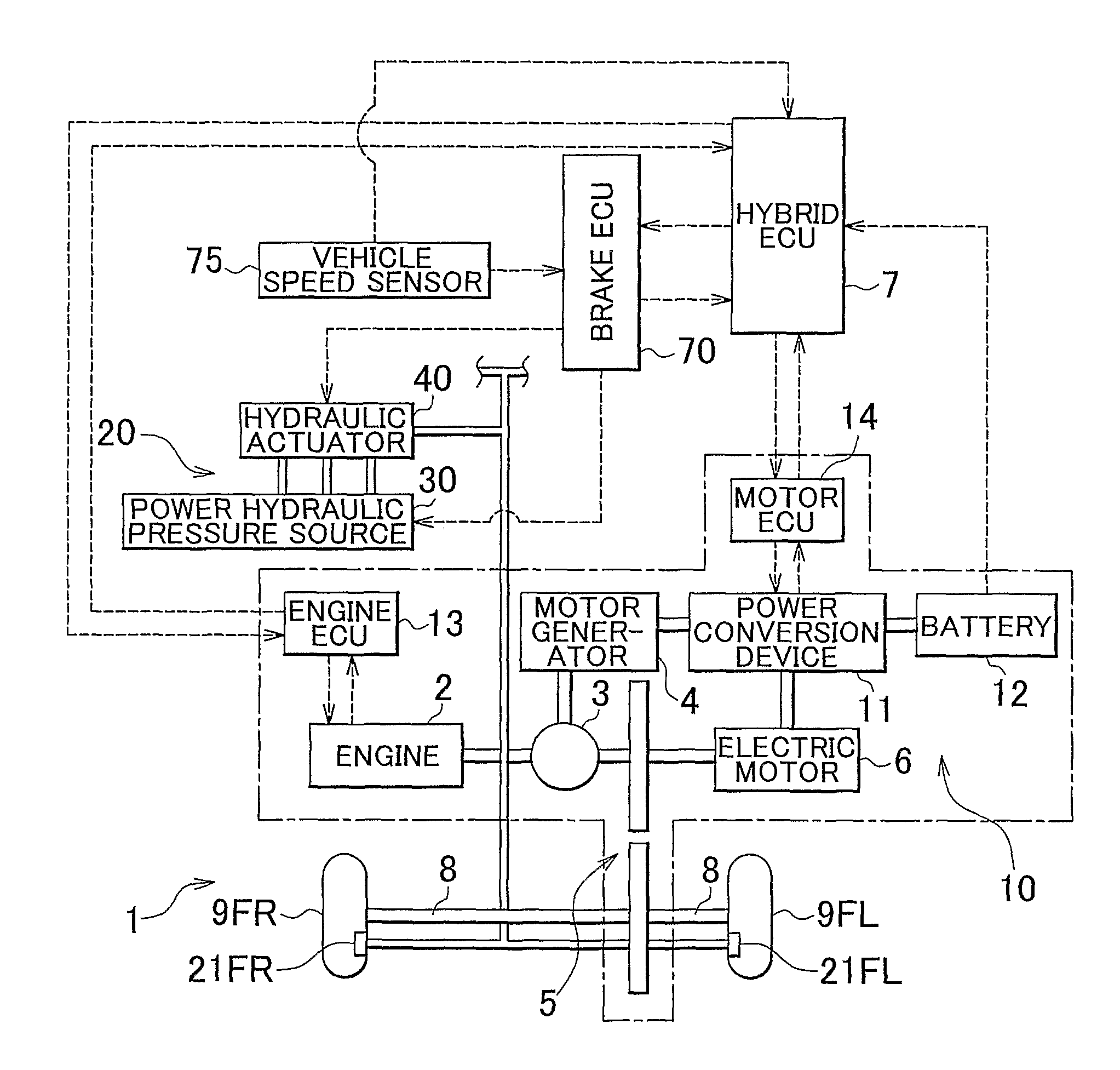
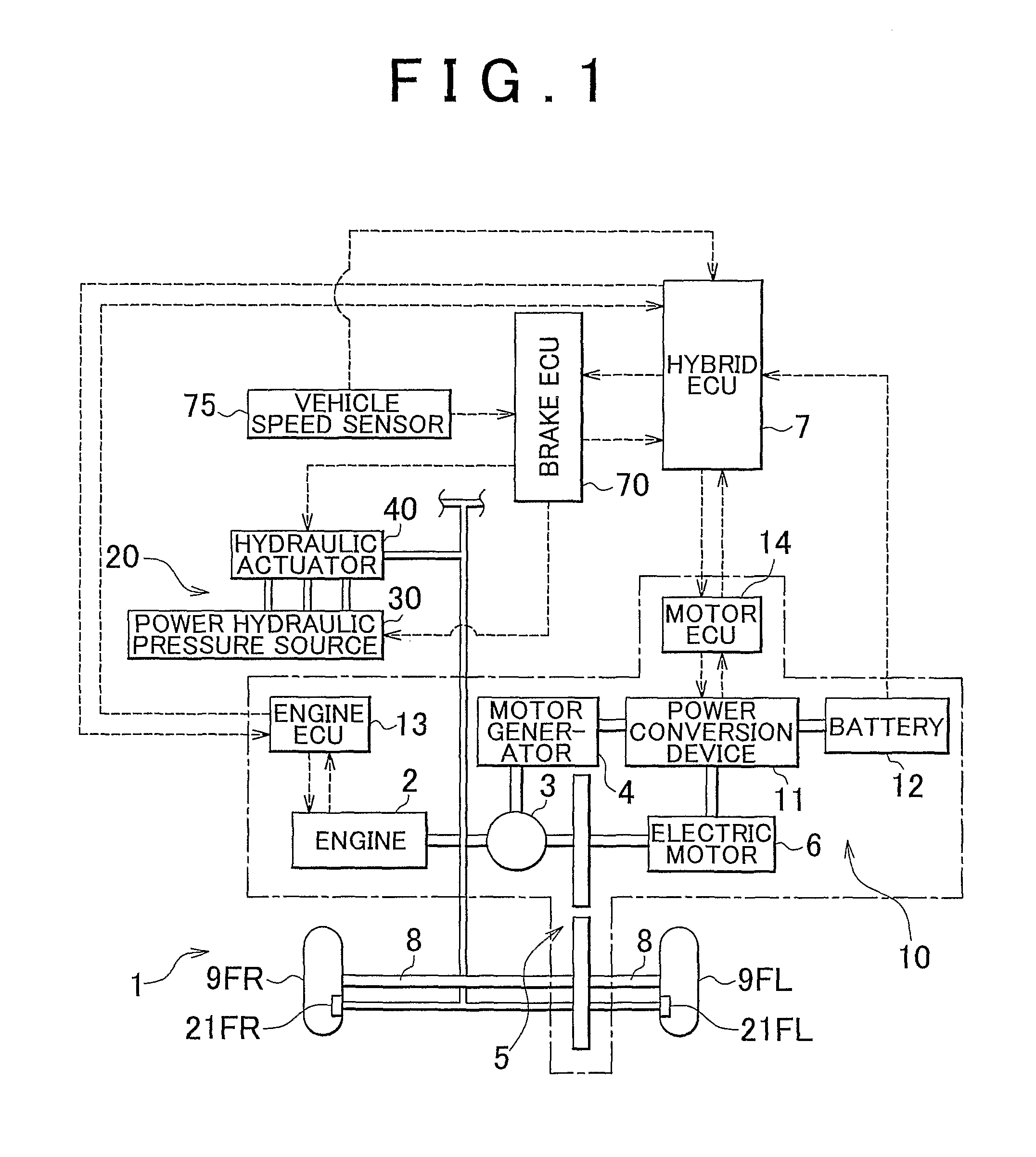
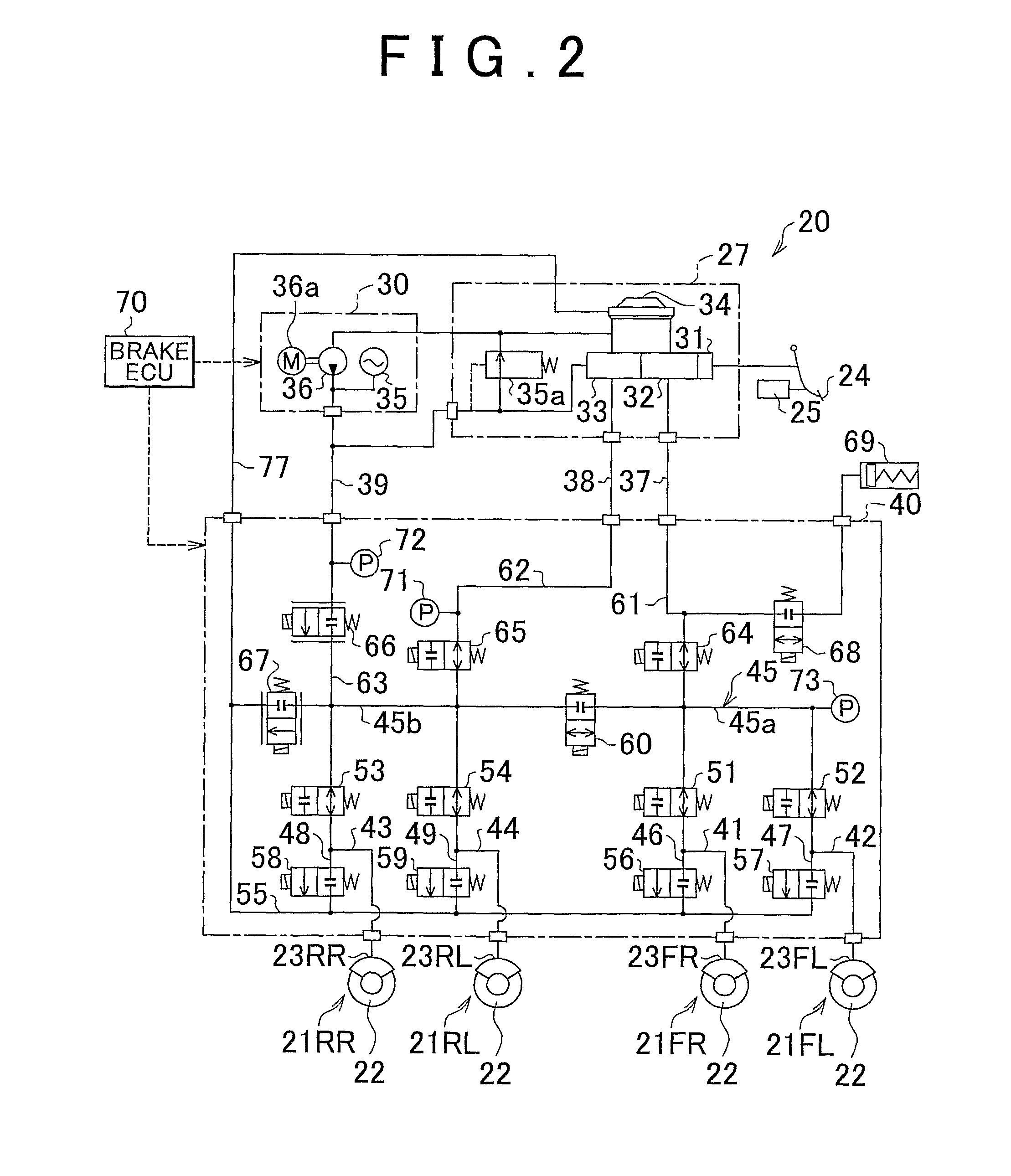
PatentInactiveUS8303046B2
Innovation
- Implementing residual pressure reduction control by setting a dead-band region with a narrower width and maintaining it for a predetermined period, allowing the actual hydraulic pressure to be brought closer to zero, thereby preventing brake drag.

Safety Standards for Industrial Force Control Systems
Industrial force control systems, whether utilizing electronic force control or hydraulic mechanisms, must adhere to stringent safety standards to ensure operational reliability and personnel protection. The primary regulatory frameworks governing these systems include ISO 13849 for safety-related parts of control systems, IEC 61508 for functional safety of electrical systems, and ISO 4413 specifically addressing hydraulic fluid power systems safety requirements.
For electronic force control systems operating at low speeds, safety standards mandate implementation of Safety Integrity Level (SIL) classifications ranging from SIL 1 to SIL 4, depending on risk assessment outcomes. These systems must incorporate redundant safety circuits, emergency stop functions, and fail-safe mechanisms that default to safe states upon power loss or system malfunction. Particular attention is given to force feedback loop integrity and sensor validation protocols.
Hydraulic force control systems face additional safety considerations due to high-pressure fluid dynamics and potential catastrophic failure modes. Standards require pressure relief valves, burst disc protection, and containment systems for hydraulic fluid leakage. The systems must maintain controlled decompression sequences and implement lockout/tagout procedures for maintenance operations.
Both system types must undergo rigorous safety validation testing, including failure mode and effects analysis (FMEA), hazard and operability studies (HAZOP), and systematic capability assessments. Documentation requirements encompass safety case development, risk register maintenance, and periodic safety performance monitoring.
Certification processes typically involve third-party assessment bodies evaluating compliance with applicable standards. For force accuracy applications, safety standards specifically address measurement uncertainty, calibration traceability, and performance degradation monitoring to prevent unsafe operating conditions while maintaining precision requirements.
For electronic force control systems operating at low speeds, safety standards mandate implementation of Safety Integrity Level (SIL) classifications ranging from SIL 1 to SIL 4, depending on risk assessment outcomes. These systems must incorporate redundant safety circuits, emergency stop functions, and fail-safe mechanisms that default to safe states upon power loss or system malfunction. Particular attention is given to force feedback loop integrity and sensor validation protocols.
Hydraulic force control systems face additional safety considerations due to high-pressure fluid dynamics and potential catastrophic failure modes. Standards require pressure relief valves, burst disc protection, and containment systems for hydraulic fluid leakage. The systems must maintain controlled decompression sequences and implement lockout/tagout procedures for maintenance operations.
Both system types must undergo rigorous safety validation testing, including failure mode and effects analysis (FMEA), hazard and operability studies (HAZOP), and systematic capability assessments. Documentation requirements encompass safety case development, risk register maintenance, and periodic safety performance monitoring.
Certification processes typically involve third-party assessment bodies evaluating compliance with applicable standards. For force accuracy applications, safety standards specifically address measurement uncertainty, calibration traceability, and performance degradation monitoring to prevent unsafe operating conditions while maintaining precision requirements.
Cost-Benefit Analysis of Force vs Hydraulic Solutions
The economic evaluation of force control versus hydraulic systems for low-speed force accuracy applications reveals significant differences in both initial investment and long-term operational costs. Force control systems typically require higher upfront capital expenditure due to sophisticated servo motors, precision encoders, and advanced control electronics. The initial hardware costs can range from 40-60% higher than comparable hydraulic systems, primarily driven by the precision components required for accurate force feedback and control.
However, hydraulic systems present substantial ongoing operational expenses that often offset their lower initial costs. Hydraulic fluid maintenance, regular seal replacements, and energy consumption for continuous pump operation contribute to higher total cost of ownership. Energy efficiency analysis shows force control systems consuming 30-50% less power during typical low-speed operations, as they only draw power when actively generating force, unlike hydraulic systems that maintain constant pressure.
Maintenance cost differentials become particularly pronounced over extended operational periods. Hydraulic systems require scheduled fluid changes, filter replacements, and seal maintenance every 2000-4000 operating hours. Force control systems demonstrate superior reliability with maintenance intervals extending to 8000-12000 hours, primarily involving bearing lubrication and encoder calibration.
The return on investment calculation favors force control systems in applications exceeding 3000 annual operating hours. Break-even analysis indicates that despite higher initial costs, force control solutions typically achieve cost parity within 18-24 months of operation. For high-precision applications requiring frequent recalibration, hydraulic systems incur additional downtime costs that further improve the economic case for force control alternatives.
Risk assessment reveals that hydraulic system failures often result in contamination and extended downtime, while force control failures are typically component-specific and allow for faster restoration. This reliability advantage translates to reduced insurance costs and improved production continuity, adding approximately 8-12% additional value to the force control investment proposition.
However, hydraulic systems present substantial ongoing operational expenses that often offset their lower initial costs. Hydraulic fluid maintenance, regular seal replacements, and energy consumption for continuous pump operation contribute to higher total cost of ownership. Energy efficiency analysis shows force control systems consuming 30-50% less power during typical low-speed operations, as they only draw power when actively generating force, unlike hydraulic systems that maintain constant pressure.
Maintenance cost differentials become particularly pronounced over extended operational periods. Hydraulic systems require scheduled fluid changes, filter replacements, and seal maintenance every 2000-4000 operating hours. Force control systems demonstrate superior reliability with maintenance intervals extending to 8000-12000 hours, primarily involving bearing lubrication and encoder calibration.
The return on investment calculation favors force control systems in applications exceeding 3000 annual operating hours. Break-even analysis indicates that despite higher initial costs, force control solutions typically achieve cost parity within 18-24 months of operation. For high-precision applications requiring frequent recalibration, hydraulic systems incur additional downtime costs that further improve the economic case for force control alternatives.
Risk assessment reveals that hydraulic system failures often result in contamination and extended downtime, while force control failures are typically component-specific and allow for faster restoration. This reliability advantage translates to reduced insurance costs and improved production continuity, adding approximately 8-12% additional value to the force control investment proposition.
Unlock deeper insights with PatSnap Eureka Quick Research — get a full tech report to explore trends and direct your research. Try now!
Generate Your Research Report Instantly with AI Agent
Supercharge your innovation with PatSnap Eureka AI Agent Platform!