Front Suspension Engineering: Breaking Grounds in Load Management
MAR 31, 20269 MIN READ
Generate Your Research Report Instantly with AI Agent
PatSnap Eureka helps you evaluate technical feasibility & market potential.
Front Suspension Load Management Background and Objectives
Front suspension systems have undergone significant evolution since the early days of automotive engineering, transitioning from simple leaf spring configurations to sophisticated multi-link assemblies with advanced damping technologies. The historical progression reveals a consistent focus on balancing ride comfort, handling precision, and structural durability while managing increasingly complex load scenarios in modern vehicles.
The contemporary automotive landscape presents unprecedented challenges for front suspension load management. Modern vehicles carry heavier powertrains due to electrification trends, incorporate advanced driver assistance systems with additional sensors and actuators, and face stricter safety regulations requiring enhanced crash protection. These factors collectively impose greater static and dynamic loads on suspension components than ever before.
Current market demands emphasize the need for suspension systems capable of handling diverse load conditions while maintaining optimal performance across varying driving scenarios. Electric vehicles introduce unique challenges with battery weight distribution, regenerative braking forces, and the requirement for extended component lifecycles. Simultaneously, autonomous vehicle development necessitates suspension systems that can accommodate additional computing hardware and sensor arrays without compromising ride quality or safety margins.
The primary technical objective centers on developing innovative load management strategies that can dynamically adapt to real-time loading conditions while maintaining structural integrity and performance consistency. This involves creating intelligent suspension architectures capable of predictive load distribution, implementing advanced materials that offer superior strength-to-weight ratios, and integrating smart damping technologies that respond instantaneously to changing load scenarios.
Future-oriented goals include establishing suspension systems with self-monitoring capabilities that can predict component wear patterns and optimize load paths accordingly. The integration of machine learning algorithms for predictive load management represents a critical advancement pathway, enabling suspension systems to learn from driving patterns and environmental conditions to preemptively adjust load distribution strategies.
The overarching vision encompasses developing next-generation front suspension technologies that not only manage current load challenges but also provide scalable solutions for emerging automotive paradigms, including fully autonomous vehicles and advanced mobility platforms that may require entirely new approaches to load management and structural optimization.
The contemporary automotive landscape presents unprecedented challenges for front suspension load management. Modern vehicles carry heavier powertrains due to electrification trends, incorporate advanced driver assistance systems with additional sensors and actuators, and face stricter safety regulations requiring enhanced crash protection. These factors collectively impose greater static and dynamic loads on suspension components than ever before.
Current market demands emphasize the need for suspension systems capable of handling diverse load conditions while maintaining optimal performance across varying driving scenarios. Electric vehicles introduce unique challenges with battery weight distribution, regenerative braking forces, and the requirement for extended component lifecycles. Simultaneously, autonomous vehicle development necessitates suspension systems that can accommodate additional computing hardware and sensor arrays without compromising ride quality or safety margins.
The primary technical objective centers on developing innovative load management strategies that can dynamically adapt to real-time loading conditions while maintaining structural integrity and performance consistency. This involves creating intelligent suspension architectures capable of predictive load distribution, implementing advanced materials that offer superior strength-to-weight ratios, and integrating smart damping technologies that respond instantaneously to changing load scenarios.
Future-oriented goals include establishing suspension systems with self-monitoring capabilities that can predict component wear patterns and optimize load paths accordingly. The integration of machine learning algorithms for predictive load management represents a critical advancement pathway, enabling suspension systems to learn from driving patterns and environmental conditions to preemptively adjust load distribution strategies.
The overarching vision encompasses developing next-generation front suspension technologies that not only manage current load challenges but also provide scalable solutions for emerging automotive paradigms, including fully autonomous vehicles and advanced mobility platforms that may require entirely new approaches to load management and structural optimization.
Market Demand for Advanced Suspension Load Systems
The automotive industry is experiencing unprecedented demand for advanced suspension load management systems, driven by evolving consumer expectations and stringent regulatory requirements. Modern vehicle owners increasingly prioritize ride comfort, handling precision, and safety performance, creating substantial market pressure for sophisticated suspension technologies that can dynamically adapt to varying load conditions and road surfaces.
Electric vehicle proliferation significantly amplifies this demand, as battery weight distribution and energy efficiency considerations necessitate more intelligent suspension systems. The unique weight characteristics of electric powertrains require suspension solutions capable of managing substantial battery loads while maintaining optimal vehicle dynamics and maximizing range through reduced energy consumption.
Commercial vehicle segments demonstrate particularly robust demand for advanced load management systems. Fleet operators seek suspension technologies that can extend vehicle lifespan, reduce maintenance costs, and improve cargo protection during transport. The growing e-commerce sector and last-mile delivery requirements intensify the need for suspension systems that can handle frequent load variations while maintaining consistent performance standards.
Autonomous vehicle development creates emerging market opportunities for predictive suspension systems that integrate with vehicle intelligence networks. These systems must anticipate road conditions and adjust load distribution proactively, supporting the precise control requirements essential for autonomous operation safety and passenger comfort.
Regulatory frameworks worldwide increasingly emphasize vehicle safety standards and environmental impact reduction, driving demand for suspension systems that contribute to both objectives. Advanced load management capabilities help vehicles meet stringent stability requirements while supporting fuel efficiency improvements through optimized weight distribution and reduced rolling resistance.
The aftermarket segment presents substantial growth potential, particularly in regions with challenging road infrastructure. Vehicle owners in developing markets seek suspension upgrades that can handle poor road conditions while carrying heavy loads, creating opportunities for robust, cost-effective load management solutions.
Luxury vehicle manufacturers drive premium market demand for sophisticated suspension technologies that deliver superior comfort and performance. These applications require advanced load sensing capabilities, real-time adjustment mechanisms, and seamless integration with vehicle control systems, establishing benchmarks for industry-wide technology adoption.
Electric vehicle proliferation significantly amplifies this demand, as battery weight distribution and energy efficiency considerations necessitate more intelligent suspension systems. The unique weight characteristics of electric powertrains require suspension solutions capable of managing substantial battery loads while maintaining optimal vehicle dynamics and maximizing range through reduced energy consumption.
Commercial vehicle segments demonstrate particularly robust demand for advanced load management systems. Fleet operators seek suspension technologies that can extend vehicle lifespan, reduce maintenance costs, and improve cargo protection during transport. The growing e-commerce sector and last-mile delivery requirements intensify the need for suspension systems that can handle frequent load variations while maintaining consistent performance standards.
Autonomous vehicle development creates emerging market opportunities for predictive suspension systems that integrate with vehicle intelligence networks. These systems must anticipate road conditions and adjust load distribution proactively, supporting the precise control requirements essential for autonomous operation safety and passenger comfort.
Regulatory frameworks worldwide increasingly emphasize vehicle safety standards and environmental impact reduction, driving demand for suspension systems that contribute to both objectives. Advanced load management capabilities help vehicles meet stringent stability requirements while supporting fuel efficiency improvements through optimized weight distribution and reduced rolling resistance.
The aftermarket segment presents substantial growth potential, particularly in regions with challenging road infrastructure. Vehicle owners in developing markets seek suspension upgrades that can handle poor road conditions while carrying heavy loads, creating opportunities for robust, cost-effective load management solutions.
Luxury vehicle manufacturers drive premium market demand for sophisticated suspension technologies that deliver superior comfort and performance. These applications require advanced load sensing capabilities, real-time adjustment mechanisms, and seamless integration with vehicle control systems, establishing benchmarks for industry-wide technology adoption.
Current State and Challenges in Front Suspension Load Control
Front suspension systems in modern vehicles face increasingly complex load management challenges as automotive technology advances toward higher performance, enhanced comfort, and improved safety standards. Current suspension architectures predominantly rely on traditional spring-damper configurations, including MacPherson struts, double wishbone systems, and multi-link arrangements. These conventional designs struggle to adapt dynamically to varying road conditions, vehicle loads, and driving scenarios, resulting in compromised performance across different operational parameters.
The primary technical challenge lies in achieving optimal load distribution while maintaining vehicle stability and ride comfort simultaneously. Existing passive suspension systems operate with fixed damping characteristics, making them inherently limited in responding to real-time load variations. This constraint becomes particularly pronounced during cornering, braking, and acceleration phases where dynamic load transfer significantly affects vehicle handling and passenger comfort.
Active and semi-active suspension technologies have emerged as potential solutions, incorporating electronic control systems and adaptive dampers. However, these advanced systems face substantial implementation barriers including high manufacturing costs, increased system complexity, and reliability concerns in harsh automotive environments. The integration of sensors, actuators, and control algorithms adds multiple failure points while demanding sophisticated calibration procedures.
Current load control mechanisms primarily focus on vertical force management through spring rate adjustments and damping force modulation. However, lateral and longitudinal load transfer during dynamic maneuvers remains inadequately addressed by existing technologies. The lack of predictive load management capabilities further limits system effectiveness, as most current solutions operate reactively rather than proactively anticipating load changes.
Manufacturing constraints present additional challenges in implementing advanced load control systems. Cost pressures in the automotive industry limit the adoption of sophisticated materials and components that could enhance load management capabilities. Furthermore, packaging limitations within vehicle architectures restrict the integration of larger or more complex suspension components.
Regulatory requirements and safety standards impose strict performance criteria that current suspension technologies struggle to meet consistently across diverse operating conditions. The need for improved crash safety, reduced emissions through weight optimization, and enhanced durability standards creates conflicting design requirements that challenge conventional suspension engineering approaches.
The geographical distribution of suspension technology development reveals significant disparities, with advanced research concentrated in established automotive markets while emerging economies rely on cost-optimized conventional systems. This technological gap highlights the need for scalable solutions that can address load management challenges across different market segments and performance requirements.
The primary technical challenge lies in achieving optimal load distribution while maintaining vehicle stability and ride comfort simultaneously. Existing passive suspension systems operate with fixed damping characteristics, making them inherently limited in responding to real-time load variations. This constraint becomes particularly pronounced during cornering, braking, and acceleration phases where dynamic load transfer significantly affects vehicle handling and passenger comfort.
Active and semi-active suspension technologies have emerged as potential solutions, incorporating electronic control systems and adaptive dampers. However, these advanced systems face substantial implementation barriers including high manufacturing costs, increased system complexity, and reliability concerns in harsh automotive environments. The integration of sensors, actuators, and control algorithms adds multiple failure points while demanding sophisticated calibration procedures.
Current load control mechanisms primarily focus on vertical force management through spring rate adjustments and damping force modulation. However, lateral and longitudinal load transfer during dynamic maneuvers remains inadequately addressed by existing technologies. The lack of predictive load management capabilities further limits system effectiveness, as most current solutions operate reactively rather than proactively anticipating load changes.
Manufacturing constraints present additional challenges in implementing advanced load control systems. Cost pressures in the automotive industry limit the adoption of sophisticated materials and components that could enhance load management capabilities. Furthermore, packaging limitations within vehicle architectures restrict the integration of larger or more complex suspension components.
Regulatory requirements and safety standards impose strict performance criteria that current suspension technologies struggle to meet consistently across diverse operating conditions. The need for improved crash safety, reduced emissions through weight optimization, and enhanced durability standards creates conflicting design requirements that challenge conventional suspension engineering approaches.
The geographical distribution of suspension technology development reveals significant disparities, with advanced research concentrated in established automotive markets while emerging economies rely on cost-optimized conventional systems. This technological gap highlights the need for scalable solutions that can address load management challenges across different market segments and performance requirements.
Existing Load Management Solutions in Front Suspension Systems
01 Active suspension systems with load sensing and adjustment
Active suspension systems incorporate sensors and control mechanisms to detect front axle loads and dynamically adjust suspension characteristics. These systems use electronic control units to monitor load distribution and automatically modify damping forces, spring rates, or hydraulic pressure to optimize ride comfort and handling. The systems can respond in real-time to changing load conditions, providing improved vehicle stability and reduced wear on suspension components.- Active suspension systems with load sensing and adjustment: Active suspension systems incorporate sensors and control mechanisms to detect front axle loads and dynamically adjust suspension characteristics. These systems use electronic control units to monitor load distribution and automatically modify damping forces, spring rates, or hydraulic pressure to optimize ride comfort and handling. The systems can respond in real-time to changing load conditions, providing improved vehicle stability and reduced wear on suspension components.
- Hydraulic and pneumatic load leveling systems: Load leveling systems utilize hydraulic or pneumatic actuators to maintain consistent vehicle height and load distribution regardless of front suspension loading. These systems employ fluid or air pressure to counteract weight variations and prevent excessive suspension compression. The technology enables automatic adjustment of suspension geometry to compensate for heavy loads, ensuring optimal ground clearance and preventing bottoming out during operation.
- Structural reinforcement and load distribution mechanisms: Mechanical designs focus on distributing front suspension loads through reinforced structural members and optimized geometry. These approaches include cross-member designs, load-bearing frames, and strategic placement of mounting points to spread forces across multiple components. The structural solutions reduce stress concentrations and improve load transfer paths, enhancing durability and load-carrying capacity without active control systems.
- Variable rate springs and progressive suspension elements: Progressive suspension components feature variable rate characteristics that adapt to different load conditions. These elements provide softer initial response for light loads and progressively stiffen as loads increase, offering improved comfort during normal operation while maintaining control under heavy loading. The designs may incorporate multi-stage springs, progressive coils, or elastomeric elements that change stiffness based on compression level.
- Electronic monitoring and predictive load management: Advanced electronic systems monitor front suspension parameters and predict load conditions using sensor data and algorithms. These systems collect information about vehicle dynamics, road conditions, and load distribution to anticipate suspension requirements. The technology enables proactive adjustments and provides warnings to operators about excessive loading conditions, helping prevent damage and optimize performance through data-driven decision making.
02 Hydraulic and pneumatic load leveling systems
Load leveling systems utilize hydraulic or pneumatic actuators to maintain consistent vehicle height and load distribution regardless of front suspension loading. These systems employ fluid or air pressure to counteract weight variations and prevent excessive compression of suspension components. The technology enables automatic adjustment of suspension geometry to compensate for heavy loads, ensuring optimal ground clearance and suspension travel throughout various loading conditions.Expand Specific Solutions03 Structural reinforcement and load distribution mechanisms
Mechanical designs focus on distributing front suspension loads through reinforced structural elements and optimized geometry. These approaches include cross-member designs, load-bearing frames, and strategic placement of mounting points to spread forces across multiple components. The structural solutions reduce stress concentrations and improve load transfer paths, enhancing durability and preventing premature failure of suspension components under heavy loading conditions.Expand Specific Solutions04 Variable rate springs and progressive suspension elements
Progressive suspension components feature variable rate characteristics that adapt to different load magnitudes. These elements provide softer initial response for light loads while offering increased resistance under heavier loading conditions. The design incorporates springs with non-linear force-displacement curves or multi-stage compression characteristics, allowing the suspension to maintain optimal performance across a wide range of front axle loads without requiring active control systems.Expand Specific Solutions05 Load monitoring and predictive control systems
Advanced monitoring systems utilize multiple sensors and predictive algorithms to anticipate and manage front suspension loads. These systems collect data on vehicle speed, acceleration, steering input, and road conditions to predict upcoming load changes and preemptively adjust suspension settings. The technology integrates with vehicle dynamics control systems to optimize load management strategies, improving both safety and component longevity through intelligent anticipation of loading scenarios.Expand Specific Solutions
Key Players in Suspension Engineering and Load Control Industry
The front suspension engineering sector is experiencing significant technological advancement, driven by increasing demands for enhanced load management capabilities across automotive and heavy machinery applications. The market demonstrates substantial growth potential, particularly in commercial vehicle segments where load optimization directly impacts operational efficiency and safety. Major automotive manufacturers including Toyota Motor Corp., Honda Motor Co., Nissan Motor Co., and Mazda Motor Corp. are leading technological development, while specialized component suppliers like Aisin KK, JTEKT Corp., and ADVICS Co. provide critical subsystem innovations. Heavy equipment manufacturers such as Caterpillar Inc., Deere & Co., and Volvo Lastvagnar AB are advancing load management solutions for industrial applications. The technology maturity varies significantly across segments, with passenger vehicle applications showing high maturity levels, while emerging areas like intelligent suspension systems and adaptive load management remain in development phases, presenting opportunities for breakthrough innovations.
Toyota Motor Corp.
Technical Solution: Toyota has developed advanced front suspension systems featuring adaptive variable suspension (AVS) technology that automatically adjusts damping force based on road conditions and driving dynamics. Their Multi-Link Independent Suspension (MLIS) system incorporates lightweight aluminum components and optimized geometry to enhance load distribution while maintaining ride comfort. The system utilizes electronic control units to monitor wheel movement and adjust suspension parameters in real-time, providing superior load management capabilities for both passenger and commercial vehicles. Toyota's suspension engineering also focuses on reducing unsprung weight through innovative materials and design optimization.
Strengths: Proven reliability, advanced electronic control systems, lightweight materials integration. Weaknesses: Higher manufacturing costs, complex maintenance requirements for electronic components.
Honda Motor Co., Ltd.
Technical Solution: Honda employs sophisticated front suspension architecture with their Amplitude Reactive Dampers (ARD) and Multi-Link front suspension systems. Their load management approach focuses on progressive spring rates and velocity-sensitive damping to optimize weight transfer during acceleration, braking, and cornering. Honda's engineering incorporates forged aluminum components and precision-engineered bushings to minimize friction while maximizing durability under varying load conditions. The company has also developed adaptive suspension systems that utilize sensors to detect road surface irregularities and adjust damping characteristics accordingly, ensuring consistent performance across different vehicle loading scenarios.
Strengths: Innovative damping technology, excellent ride quality balance, cost-effective manufacturing. Weaknesses: Limited heavy-duty applications, less advanced electronic integration compared to premium brands.
Core Innovations in Suspension Load Distribution Technologies
Load management striker cap
PatentPendingUS20250237288A1
Innovation
- A load management striker cap with a cylindrical side wall, roof, and compression region featuring breathing holes and an insert, which absorbs surplus energy and prevents impact force transmission to the frame.


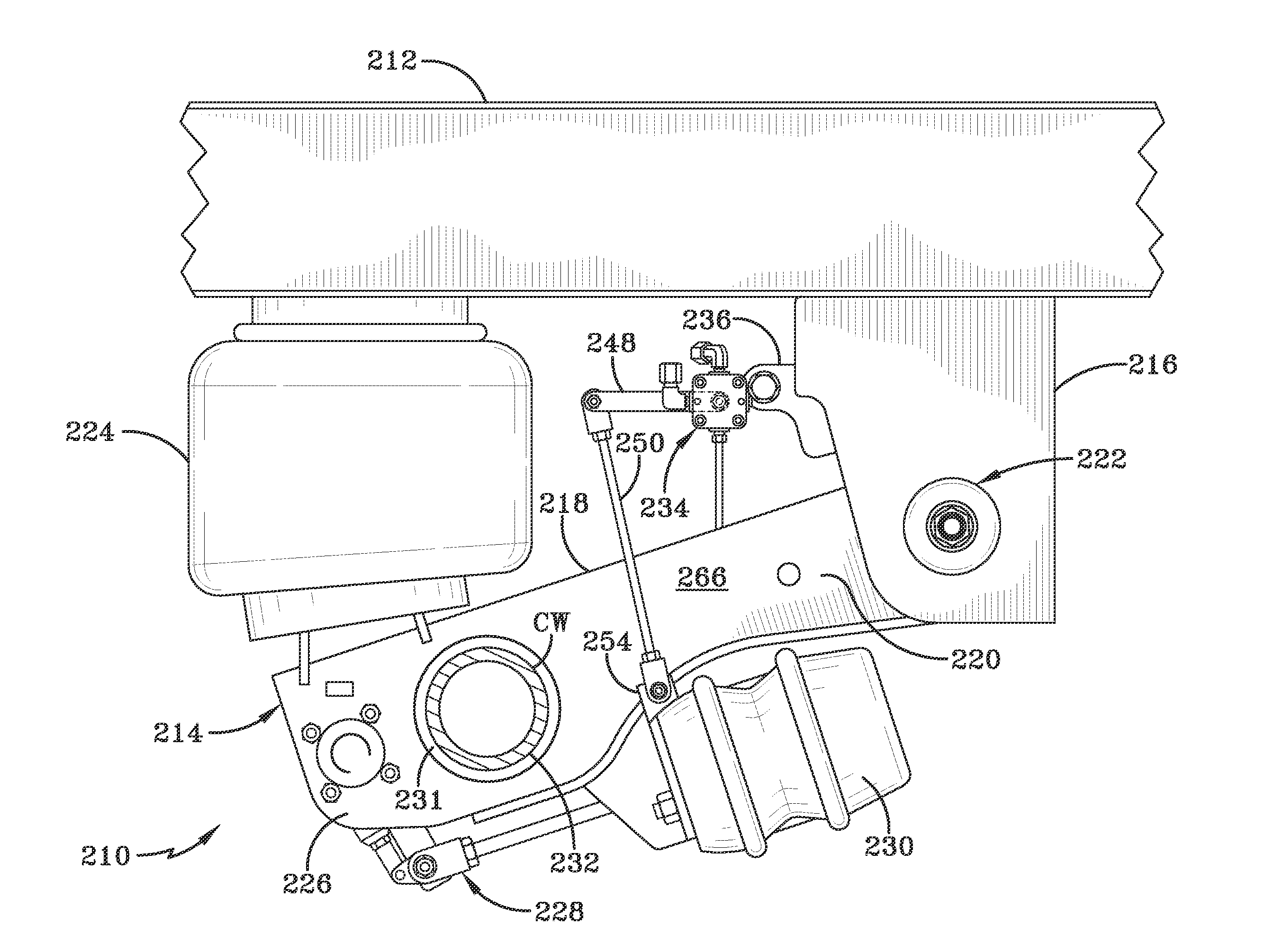
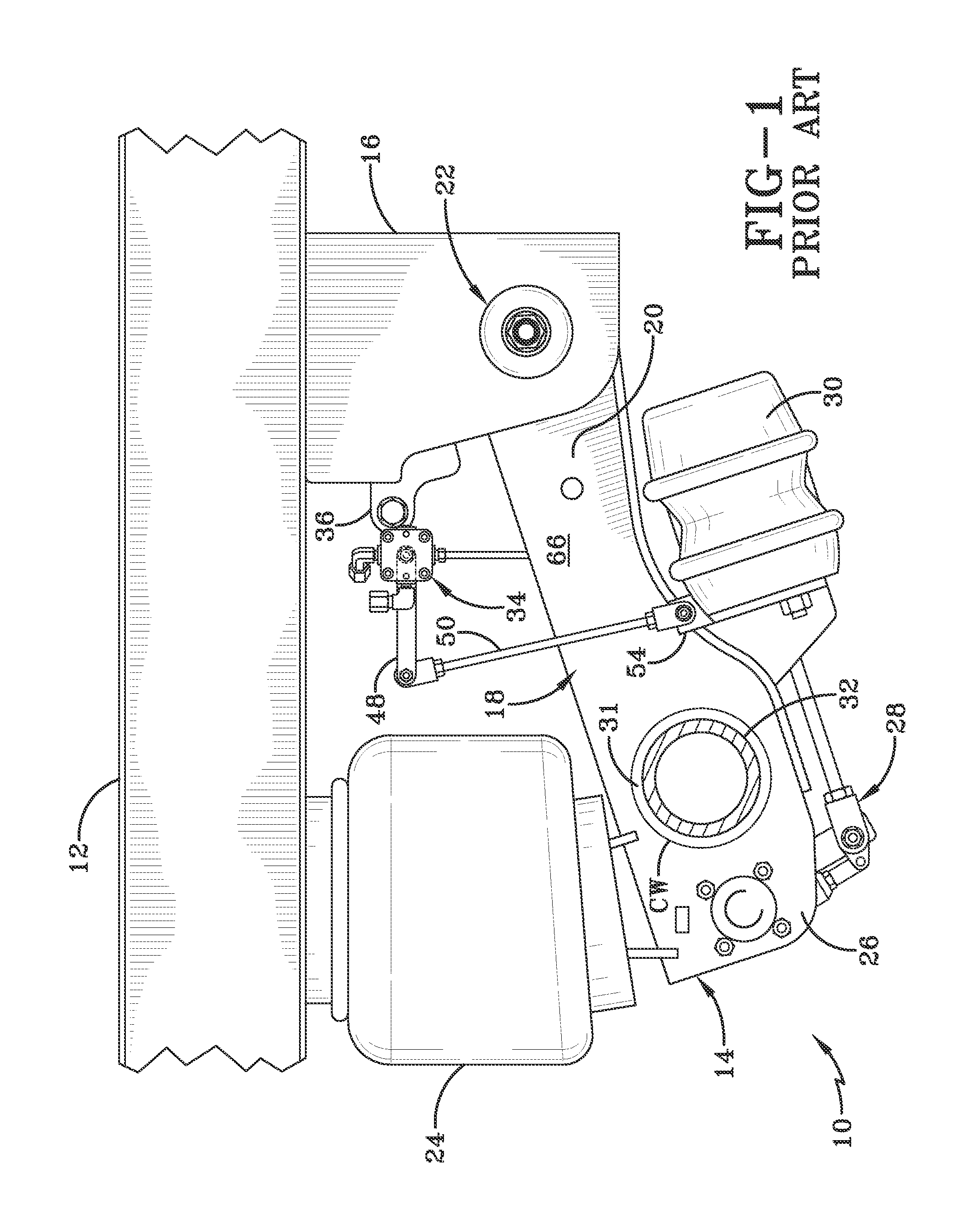
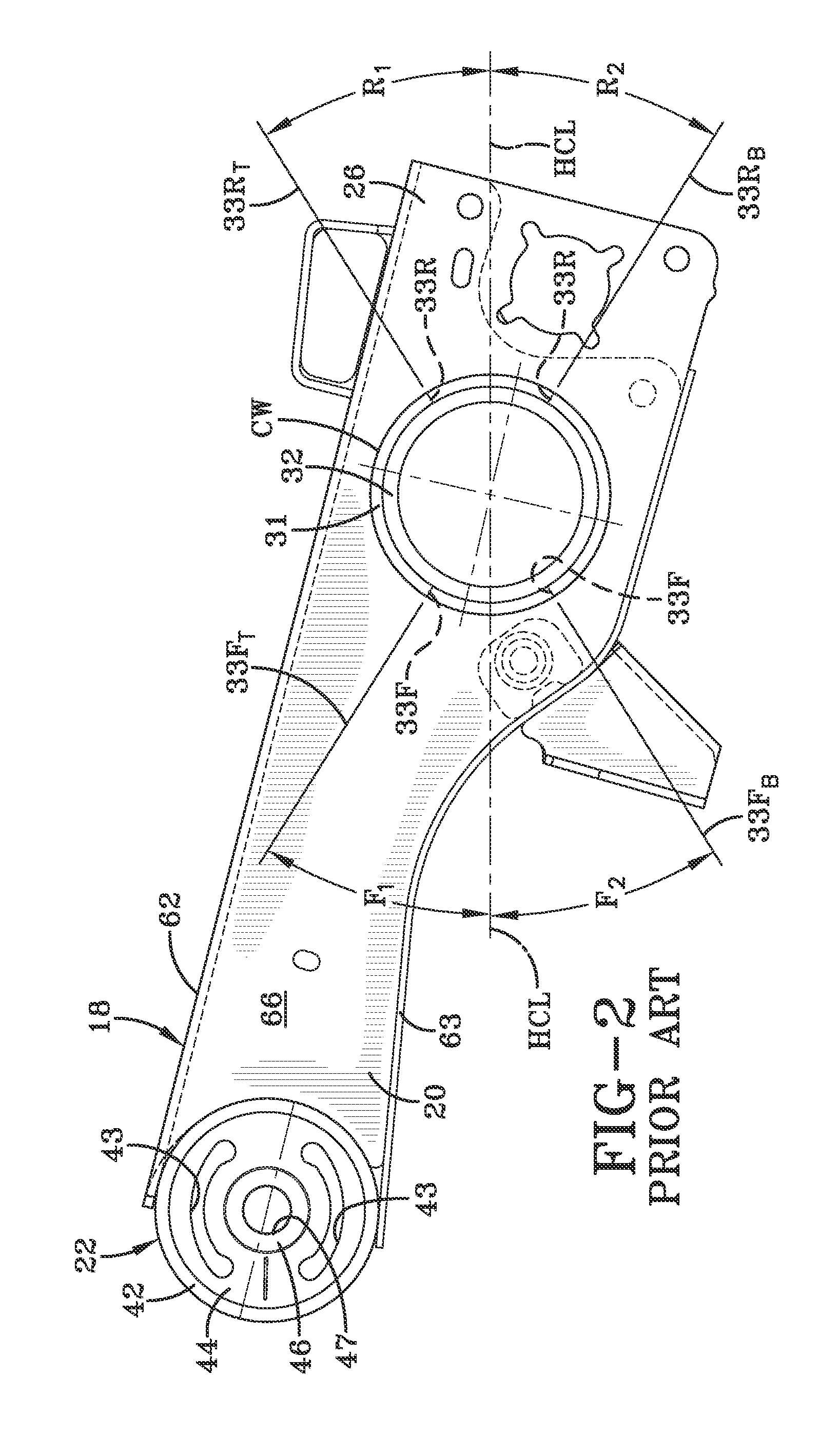
Heavy-duty axle/suspension system
PatentActiveUS20110221156A1
Innovation
- The implementation of a large diameter axle with a sleeve having increased wall thickness and asymmetrical windows at the axle-to-beam connection, where the windows are positioned farther from the beam sidewalls and angled asymmetrically, to enhance durability and stiffness while reducing weight.

Safety Standards and Regulations for Suspension Systems
The regulatory landscape for front suspension systems has evolved significantly to address the complex challenges of load management and vehicle safety. International standards organizations, including ISO, SAE, and ECE, have established comprehensive frameworks that govern suspension system design, testing, and performance criteria. These standards specifically address load distribution capabilities, dynamic response characteristics, and failure mode prevention in front suspension assemblies.
Current safety regulations mandate rigorous testing protocols for suspension components under various load conditions. The ISO 26262 functional safety standard requires suspension systems to demonstrate predictable behavior during extreme loading scenarios, including emergency braking, cornering forces, and impact situations. Manufacturers must validate their designs through standardized durability tests that simulate millions of load cycles, ensuring components maintain structural integrity throughout their operational lifespan.
Regional regulatory variations present significant challenges for global suspension manufacturers. European ECE regulations emphasize pedestrian protection and crashworthiness, requiring front suspension designs that minimize injury risk during vehicle-pedestrian collisions. North American FMVSS standards focus heavily on occupant protection and vehicle stability under diverse loading conditions. Asian markets, particularly Japan and South Korea, have developed stringent standards for suspension performance in urban driving scenarios with frequent load variations.
Emerging regulations are increasingly addressing advanced suspension technologies and their integration with electronic systems. The growing adoption of adaptive and semi-active suspension systems has prompted regulators to establish new certification requirements for software-controlled load management functions. These regulations mandate fail-safe mechanisms and redundant systems to ensure continued vehicle controllability even when electronic components malfunction.
Compliance verification processes have become more sophisticated, incorporating real-world driving data and advanced simulation techniques. Regulatory bodies now require comprehensive documentation of suspension behavior under various load scenarios, including detailed analysis of component stress distributions and fatigue characteristics. This shift toward data-driven compliance has elevated the importance of predictive modeling and virtual testing in suspension development programs.
Future regulatory trends indicate increasing focus on sustainability and lifecycle assessment requirements for suspension components. Proposed regulations will likely mandate recyclability standards and environmental impact assessments for suspension materials, particularly as the automotive industry transitions toward more sustainable manufacturing practices and circular economy principles.
Current safety regulations mandate rigorous testing protocols for suspension components under various load conditions. The ISO 26262 functional safety standard requires suspension systems to demonstrate predictable behavior during extreme loading scenarios, including emergency braking, cornering forces, and impact situations. Manufacturers must validate their designs through standardized durability tests that simulate millions of load cycles, ensuring components maintain structural integrity throughout their operational lifespan.
Regional regulatory variations present significant challenges for global suspension manufacturers. European ECE regulations emphasize pedestrian protection and crashworthiness, requiring front suspension designs that minimize injury risk during vehicle-pedestrian collisions. North American FMVSS standards focus heavily on occupant protection and vehicle stability under diverse loading conditions. Asian markets, particularly Japan and South Korea, have developed stringent standards for suspension performance in urban driving scenarios with frequent load variations.
Emerging regulations are increasingly addressing advanced suspension technologies and their integration with electronic systems. The growing adoption of adaptive and semi-active suspension systems has prompted regulators to establish new certification requirements for software-controlled load management functions. These regulations mandate fail-safe mechanisms and redundant systems to ensure continued vehicle controllability even when electronic components malfunction.
Compliance verification processes have become more sophisticated, incorporating real-world driving data and advanced simulation techniques. Regulatory bodies now require comprehensive documentation of suspension behavior under various load scenarios, including detailed analysis of component stress distributions and fatigue characteristics. This shift toward data-driven compliance has elevated the importance of predictive modeling and virtual testing in suspension development programs.
Future regulatory trends indicate increasing focus on sustainability and lifecycle assessment requirements for suspension components. Proposed regulations will likely mandate recyclability standards and environmental impact assessments for suspension materials, particularly as the automotive industry transitions toward more sustainable manufacturing practices and circular economy principles.
Environmental Impact of Advanced Suspension Materials
The environmental implications of advanced suspension materials represent a critical consideration in modern automotive engineering, particularly as the industry shifts toward sustainable manufacturing practices. Traditional suspension components, primarily composed of steel and aluminum alloys, have established environmental footprints through energy-intensive production processes and limited recyclability options. The emergence of advanced materials such as carbon fiber composites, titanium alloys, and engineered polymers introduces both opportunities and challenges for environmental stewardship.
Carbon fiber reinforced polymers, increasingly utilized in high-performance suspension applications, present a complex environmental profile. While these materials offer exceptional strength-to-weight ratios that contribute to overall vehicle efficiency and reduced fuel consumption, their manufacturing process requires significant energy input and generates substantial carbon emissions. The production of carbon fiber involves high-temperature processing that can consume up to 200 MJ/kg of energy, substantially higher than conventional steel production.
Advanced titanium alloys, valued for their corrosion resistance and fatigue properties in suspension systems, face similar environmental scrutiny. Titanium extraction and processing demand extensive energy resources, with the Kroll process requiring approximately 60-70 MWh per ton of titanium produced. However, the exceptional durability and recyclability of titanium components can offset initial environmental costs through extended service life and material recovery potential.
Emerging bio-based composite materials and recycled fiber reinforcements are gaining attention as sustainable alternatives. These materials incorporate renewable feedstocks or recovered fibers from end-of-life components, potentially reducing the environmental burden by 30-40% compared to virgin carbon fiber production. Natural fiber composites, utilizing flax, hemp, or jute reinforcements, offer biodegradable options for non-critical suspension components.
The lifecycle assessment of advanced suspension materials reveals that environmental impact extends beyond manufacturing to include transportation, installation, service life, and end-of-life disposal. Lightweight advanced materials can contribute to overall vehicle efficiency improvements of 6-8%, translating to reduced operational emissions that may compensate for higher production impacts over the component's service life.
Recycling infrastructure development remains a significant challenge for advanced suspension materials. While aluminum components achieve recycling rates exceeding 90%, carbon fiber composites currently face limited recycling options, with most end-of-life components directed to energy recovery rather than material reclamation. Emerging chemical recycling technologies and mechanical processing methods show promise for improving composite material circularity.
Carbon fiber reinforced polymers, increasingly utilized in high-performance suspension applications, present a complex environmental profile. While these materials offer exceptional strength-to-weight ratios that contribute to overall vehicle efficiency and reduced fuel consumption, their manufacturing process requires significant energy input and generates substantial carbon emissions. The production of carbon fiber involves high-temperature processing that can consume up to 200 MJ/kg of energy, substantially higher than conventional steel production.
Advanced titanium alloys, valued for their corrosion resistance and fatigue properties in suspension systems, face similar environmental scrutiny. Titanium extraction and processing demand extensive energy resources, with the Kroll process requiring approximately 60-70 MWh per ton of titanium produced. However, the exceptional durability and recyclability of titanium components can offset initial environmental costs through extended service life and material recovery potential.
Emerging bio-based composite materials and recycled fiber reinforcements are gaining attention as sustainable alternatives. These materials incorporate renewable feedstocks or recovered fibers from end-of-life components, potentially reducing the environmental burden by 30-40% compared to virgin carbon fiber production. Natural fiber composites, utilizing flax, hemp, or jute reinforcements, offer biodegradable options for non-critical suspension components.
The lifecycle assessment of advanced suspension materials reveals that environmental impact extends beyond manufacturing to include transportation, installation, service life, and end-of-life disposal. Lightweight advanced materials can contribute to overall vehicle efficiency improvements of 6-8%, translating to reduced operational emissions that may compensate for higher production impacts over the component's service life.
Recycling infrastructure development remains a significant challenge for advanced suspension materials. While aluminum components achieve recycling rates exceeding 90%, carbon fiber composites currently face limited recycling options, with most end-of-life components directed to energy recovery rather than material reclamation. Emerging chemical recycling technologies and mechanical processing methods show promise for improving composite material circularity.
Unlock deeper insights with PatSnap Eureka Quick Research — get a full tech report to explore trends and direct your research. Try now!
Generate Your Research Report Instantly with AI Agent
Supercharge your innovation with PatSnap Eureka AI Agent Platform!