

Front Suspension Load Optimization for Enhanced Mobility Solutions
MAR 31, 20269 MIN READ
Generate Your Research Report Instantly with AI Agent
Patsnap Eureka helps you evaluate technical feasibility & market potential.
Front Suspension Load Tech Background and Goals
Front suspension systems have undergone significant evolution since the early automotive era, transitioning from basic leaf spring configurations to sophisticated multi-link architectures. The fundamental challenge has consistently centered on optimizing load distribution while maintaining vehicle stability, comfort, and performance across diverse operating conditions. Traditional approaches focused primarily on static load management, but contemporary mobility solutions demand dynamic optimization capabilities that can adapt to real-time operational parameters.
The automotive industry's shift toward electrification has fundamentally altered suspension load requirements. Electric vehicles present unique challenges due to battery weight distribution, altered center of gravity, and different torque delivery characteristics compared to internal combustion engines. These factors necessitate reimagined suspension load optimization strategies that account for the distinct operational profiles of electric powertrains while maintaining compatibility with emerging autonomous driving systems.
Current market demands extend beyond conventional passenger vehicles to encompass diverse mobility platforms including commercial delivery vehicles, ride-sharing fleets, and specialized urban transport solutions. Each application presents distinct load optimization requirements, driving the need for adaptable suspension technologies that can be configured for specific operational parameters while maintaining cost-effectiveness and manufacturing scalability.
The integration of advanced materials science with computational modeling has opened new possibilities for suspension load optimization. Carbon fiber composites, advanced metallurgy, and smart materials enable suspension components that can dynamically adjust their characteristics based on load conditions. Simultaneously, machine learning algorithms and predictive analytics are being incorporated to anticipate load variations and preemptively adjust suspension parameters.
The primary technical objective involves developing suspension systems capable of real-time load optimization across multiple operational scenarios while minimizing energy consumption and maximizing component longevity. This encompasses achieving optimal load distribution during acceleration, braking, cornering, and various payload conditions. Secondary objectives include reducing manufacturing complexity, improving serviceability, and ensuring compatibility with emerging vehicle architectures including autonomous and connected vehicle platforms.
Future mobility solutions require suspension systems that can seamlessly integrate with vehicle-to-infrastructure communication networks, enabling predictive load optimization based on route conditions, traffic patterns, and environmental factors. The ultimate goal is creating intelligent suspension systems that enhance overall vehicle efficiency while providing superior ride quality and safety performance across the complete spectrum of modern mobility applications.
The automotive industry's shift toward electrification has fundamentally altered suspension load requirements. Electric vehicles present unique challenges due to battery weight distribution, altered center of gravity, and different torque delivery characteristics compared to internal combustion engines. These factors necessitate reimagined suspension load optimization strategies that account for the distinct operational profiles of electric powertrains while maintaining compatibility with emerging autonomous driving systems.
Current market demands extend beyond conventional passenger vehicles to encompass diverse mobility platforms including commercial delivery vehicles, ride-sharing fleets, and specialized urban transport solutions. Each application presents distinct load optimization requirements, driving the need for adaptable suspension technologies that can be configured for specific operational parameters while maintaining cost-effectiveness and manufacturing scalability.
The integration of advanced materials science with computational modeling has opened new possibilities for suspension load optimization. Carbon fiber composites, advanced metallurgy, and smart materials enable suspension components that can dynamically adjust their characteristics based on load conditions. Simultaneously, machine learning algorithms and predictive analytics are being incorporated to anticipate load variations and preemptively adjust suspension parameters.
The primary technical objective involves developing suspension systems capable of real-time load optimization across multiple operational scenarios while minimizing energy consumption and maximizing component longevity. This encompasses achieving optimal load distribution during acceleration, braking, cornering, and various payload conditions. Secondary objectives include reducing manufacturing complexity, improving serviceability, and ensuring compatibility with emerging vehicle architectures including autonomous and connected vehicle platforms.
Future mobility solutions require suspension systems that can seamlessly integrate with vehicle-to-infrastructure communication networks, enabling predictive load optimization based on route conditions, traffic patterns, and environmental factors. The ultimate goal is creating intelligent suspension systems that enhance overall vehicle efficiency while providing superior ride quality and safety performance across the complete spectrum of modern mobility applications.
Market Demand for Enhanced Mobility Solutions
The global mobility solutions market is experiencing unprecedented transformation driven by urbanization, environmental regulations, and evolving consumer preferences. Enhanced mobility solutions encompass a broad spectrum of applications including electric vehicles, autonomous transportation systems, shared mobility platforms, and advanced public transit networks. These solutions require sophisticated suspension systems capable of adapting to diverse operational conditions while maintaining optimal performance and passenger comfort.
Urban mobility demands are intensifying as metropolitan populations continue to expand rapidly. Cities worldwide are implementing stricter emission standards and promoting sustainable transportation alternatives, creating substantial market opportunities for advanced mobility technologies. The shift toward electrification in transportation has introduced new requirements for suspension systems, as electric vehicles present different weight distributions and operational characteristics compared to traditional internal combustion engine vehicles.
Commercial fleet operators are increasingly prioritizing vehicle efficiency and operational cost reduction. Enhanced suspension systems that optimize load distribution and minimize wear contribute directly to reduced maintenance costs and extended vehicle lifecycles. This economic driver is particularly significant in logistics, delivery services, and ride-sharing applications where vehicle utilization rates are high and operational efficiency directly impacts profitability.
The autonomous vehicle sector represents a rapidly emerging market segment with unique suspension requirements. Self-driving vehicles must maintain precise positioning and stability for sensor accuracy while providing consistent passenger comfort across varying road conditions. This creates demand for intelligent suspension systems capable of real-time load optimization and adaptive response to environmental factors.
Regulatory frameworks are evolving to support advanced mobility solutions while ensuring safety and environmental compliance. Government initiatives promoting smart city development and sustainable transportation infrastructure are creating favorable market conditions for innovative suspension technologies. These policies often include incentives for adopting advanced vehicle technologies that demonstrate improved efficiency and reduced environmental impact.
Consumer expectations for mobility services continue to rise, emphasizing comfort, reliability, and seamless user experiences. Enhanced mobility solutions must deliver superior ride quality while maintaining operational efficiency, driving demand for sophisticated suspension systems that can optimize performance across diverse operating scenarios and load conditions.
Urban mobility demands are intensifying as metropolitan populations continue to expand rapidly. Cities worldwide are implementing stricter emission standards and promoting sustainable transportation alternatives, creating substantial market opportunities for advanced mobility technologies. The shift toward electrification in transportation has introduced new requirements for suspension systems, as electric vehicles present different weight distributions and operational characteristics compared to traditional internal combustion engine vehicles.
Commercial fleet operators are increasingly prioritizing vehicle efficiency and operational cost reduction. Enhanced suspension systems that optimize load distribution and minimize wear contribute directly to reduced maintenance costs and extended vehicle lifecycles. This economic driver is particularly significant in logistics, delivery services, and ride-sharing applications where vehicle utilization rates are high and operational efficiency directly impacts profitability.
The autonomous vehicle sector represents a rapidly emerging market segment with unique suspension requirements. Self-driving vehicles must maintain precise positioning and stability for sensor accuracy while providing consistent passenger comfort across varying road conditions. This creates demand for intelligent suspension systems capable of real-time load optimization and adaptive response to environmental factors.
Regulatory frameworks are evolving to support advanced mobility solutions while ensuring safety and environmental compliance. Government initiatives promoting smart city development and sustainable transportation infrastructure are creating favorable market conditions for innovative suspension technologies. These policies often include incentives for adopting advanced vehicle technologies that demonstrate improved efficiency and reduced environmental impact.
Consumer expectations for mobility services continue to rise, emphasizing comfort, reliability, and seamless user experiences. Enhanced mobility solutions must deliver superior ride quality while maintaining operational efficiency, driving demand for sophisticated suspension systems that can optimize performance across diverse operating scenarios and load conditions.
Current State and Challenges of Suspension Load Systems
The current landscape of front suspension load systems reveals a complex interplay between traditional engineering approaches and emerging technological demands. Contemporary suspension systems primarily rely on conventional spring-damper configurations, including MacPherson struts, double wishbone setups, and multi-link architectures. These systems face increasing pressure to deliver enhanced performance while managing weight constraints and cost considerations.
Modern suspension load optimization encounters significant challenges in balancing conflicting requirements. The primary technical constraint lies in achieving optimal load distribution across varying road conditions while maintaining vehicle stability and passenger comfort. Current systems struggle with dynamic load management, particularly during rapid transitions between different driving scenarios such as highway cruising, urban stop-and-go traffic, and emergency maneuvers.
Material limitations present another substantial challenge in suspension load systems. Traditional steel components, while robust and cost-effective, contribute significantly to unsprung weight, negatively impacting vehicle dynamics and fuel efficiency. Advanced materials like carbon fiber and aluminum alloys offer weight reduction benefits but introduce manufacturing complexity and cost escalation concerns that limit widespread adoption.
The integration of electronic control systems with mechanical suspension components creates additional technical hurdles. Current adaptive suspension technologies, including magnetorheological dampers and air suspension systems, face reliability issues under extreme operating conditions. These systems require sophisticated sensors and control algorithms that must operate flawlessly across temperature variations, vibration exposure, and extended service intervals.
Manufacturing scalability represents a critical challenge for advanced suspension load optimization solutions. While prototype systems demonstrate impressive performance capabilities in laboratory conditions, translating these innovations to mass production while maintaining quality consistency and cost competitiveness remains problematic. The automotive industry's stringent safety requirements and regulatory compliance standards further complicate the implementation of novel suspension technologies.
Geographic distribution of suspension technology development shows concentration in established automotive regions, with significant research activities in Germany, Japan, and the United States. However, emerging markets increasingly demand localized solutions that address specific road infrastructure conditions and cost sensitivity requirements, creating additional complexity for global suspension system manufacturers.
Modern suspension load optimization encounters significant challenges in balancing conflicting requirements. The primary technical constraint lies in achieving optimal load distribution across varying road conditions while maintaining vehicle stability and passenger comfort. Current systems struggle with dynamic load management, particularly during rapid transitions between different driving scenarios such as highway cruising, urban stop-and-go traffic, and emergency maneuvers.
Material limitations present another substantial challenge in suspension load systems. Traditional steel components, while robust and cost-effective, contribute significantly to unsprung weight, negatively impacting vehicle dynamics and fuel efficiency. Advanced materials like carbon fiber and aluminum alloys offer weight reduction benefits but introduce manufacturing complexity and cost escalation concerns that limit widespread adoption.
The integration of electronic control systems with mechanical suspension components creates additional technical hurdles. Current adaptive suspension technologies, including magnetorheological dampers and air suspension systems, face reliability issues under extreme operating conditions. These systems require sophisticated sensors and control algorithms that must operate flawlessly across temperature variations, vibration exposure, and extended service intervals.
Manufacturing scalability represents a critical challenge for advanced suspension load optimization solutions. While prototype systems demonstrate impressive performance capabilities in laboratory conditions, translating these innovations to mass production while maintaining quality consistency and cost competitiveness remains problematic. The automotive industry's stringent safety requirements and regulatory compliance standards further complicate the implementation of novel suspension technologies.
Geographic distribution of suspension technology development shows concentration in established automotive regions, with significant research activities in Germany, Japan, and the United States. However, emerging markets increasingly demand localized solutions that address specific road infrastructure conditions and cost sensitivity requirements, creating additional complexity for global suspension system manufacturers.
Existing Load Optimization Solutions
01 Independent suspension systems with load distribution mechanisms
Front suspension systems can incorporate independent suspension designs that allow each wheel to move independently while distributing loads effectively. These systems utilize control arms, linkages, and pivot points to manage vertical loads and lateral forces during vehicle operation. The independent configuration helps isolate road impacts and improves load handling characteristics by allowing optimized geometry for each wheel position.- Independent suspension systems with load distribution mechanisms: Independent front suspension systems incorporate mechanisms to distribute loads effectively across suspension components. These systems utilize control arms, linkages, and pivot points designed to manage vertical and lateral forces during vehicle operation. The load distribution mechanisms help maintain wheel alignment and reduce stress on individual suspension components while improving ride comfort and handling characteristics.
- Load-bearing strut and spring assemblies: Front suspension designs employ strut-type configurations where coil springs and shock absorbers are integrated into a single load-bearing unit. These assemblies are designed to support vehicle weight while absorbing road impacts. The strut design allows for compact packaging and efficient load transfer from the wheel assembly to the vehicle chassis, with specific attention to spring rates and damping characteristics optimized for load conditions.
- Torsion bar and beam-type load support systems: Torsion bar suspension systems utilize torsional resistance to support front axle loads. These systems feature longitudinal bars that twist under load, providing spring force while maintaining a low profile. Beam-type configurations distribute loads across the front axle through rigid or semi-rigid beam structures, offering durability and load capacity advantages particularly for heavier vehicles or commercial applications.
- Active and adaptive load management systems: Advanced suspension systems incorporate active or semi-active components that adjust to varying load conditions. These systems may include electronically controlled dampers, air springs, or hydraulic elements that modify suspension characteristics in response to detected loads. Sensors monitor vehicle load distribution and driving conditions, allowing real-time adjustments to maintain optimal ride height, handling, and load distribution across the front suspension.
- Reinforced mounting and attachment structures for load transfer: Suspension mounting points and attachment structures are specifically engineered to handle load transfer between suspension components and the vehicle frame. These include reinforced subframes, mounting brackets, and bushing assemblies designed to withstand static and dynamic loads. The structural design focuses on load path optimization, stress distribution, and fatigue resistance to ensure long-term durability under varying load conditions.
02 Spring and damper arrangements for load management
Front suspension load handling can be enhanced through specific spring and damper configurations. These arrangements include coil springs, leaf springs, air springs, or torsion bars combined with shock absorbers to absorb and dissipate energy from road loads. The spring rates and damping characteristics are calibrated to support vehicle weight while maintaining ride comfort and controlling suspension movement under various load conditions.Expand Specific Solutions03 Load-bearing structural components and mounting systems
The structural framework of front suspension systems includes load-bearing components such as subframes, crossmembers, and mounting brackets that transfer forces between the suspension and vehicle chassis. These components are designed to withstand static and dynamic loads while providing secure attachment points for suspension elements. The structural design considers stress distribution, fatigue resistance, and crash load management.Expand Specific Solutions04 Active and adaptive load control systems
Advanced front suspension systems may incorporate active or adaptive control mechanisms that adjust suspension characteristics in response to load conditions. These systems use sensors, actuators, and control algorithms to monitor and modify suspension parameters such as damping force, spring stiffness, or ride height. The adaptive approach optimizes load distribution and vehicle dynamics across different driving scenarios and load states.Expand Specific Solutions05 Stabilizer bars and anti-roll mechanisms for lateral load control
Front suspension systems utilize stabilizer bars and anti-roll mechanisms to manage lateral load transfer during cornering and uneven road conditions. These components connect the left and right suspension sides to resist body roll and maintain more even load distribution across the front axle. The torsional stiffness of these elements is tuned to balance handling characteristics with ride comfort while controlling lateral weight transfer.Expand Specific Solutions
Key Players in Suspension and Mobility Industry
The front suspension load optimization technology represents a mature automotive engineering domain experiencing steady growth driven by enhanced mobility demands and vehicle performance requirements. The market demonstrates significant scale with established players spanning global automotive manufacturers, specialized component suppliers, and research institutions. Technology maturity varies across different approaches, with traditional automotive giants like Toyota Motor Corp., Hyundai Motor Co., and GM Global Technology Operations LLC leveraging decades of suspension engineering expertise alongside emerging players focusing on electric vehicle applications such as BYD Co., Ltd. Chinese manufacturers including China FAW Co., Dongfeng Motor Group, and Great Wall Motor Co. are rapidly advancing their capabilities, while specialized suppliers like Rassini Suspensiones SA de CV and technology companies such as Beijing Momenta Technology Company Limited contribute innovative solutions. Academic institutions including Nanjing University of Aeronautics & Astronautics and Southwest Jiaotong University provide fundamental research support, indicating a collaborative ecosystem where established suspension technologies are being refined through advanced optimization techniques and smart mobility integration approaches.
GM Global Technology Operations LLC
Technical Solution: General Motors has implemented Magnetic Ride Control technology for front suspension load optimization, utilizing magnetorheological fluid dampers that can alter their viscosity in milliseconds through electromagnetic fields. This system continuously monitors wheel position, body acceleration, and steering input to optimize load distribution and reduce stress on suspension components. The technology incorporates advanced control algorithms that predict road surface irregularities and pre-adjust damping characteristics to minimize impact loads on front suspension assemblies, extending component life and improving vehicle dynamics.
Strengths: Rapid response time and precise load control capabilities, strong integration with electronic stability systems. Weaknesses: Sensitivity to temperature variations and higher replacement costs for specialized components.
Volvo Personvagnar AB
Technical Solution: Volvo has developed Four-C (Continuously Controlled Chassis Concept) active suspension technology that optimizes front suspension loads through electronically controlled dampers and air springs. The system utilizes multiple sensors to monitor road conditions, vehicle speed, and driver inputs, automatically adjusting suspension stiffness and damping to distribute loads more evenly across front suspension components. Their approach includes predictive load management algorithms that anticipate suspension stress based on driving patterns and road surface analysis, significantly reducing fatigue loads on critical suspension elements while maintaining superior ride quality and safety performance.
Strengths: Excellent safety integration and robust cold-weather performance, comprehensive load monitoring capabilities. Weaknesses: Complex diagnostic requirements and higher initial investment costs for implementation.
Core Innovations in Suspension Load Management
System and Method for Controlling the Axle Load Split Ratio on a Vehicle With Two Front Axles
PatentInactiveUS20080269986A1
Innovation
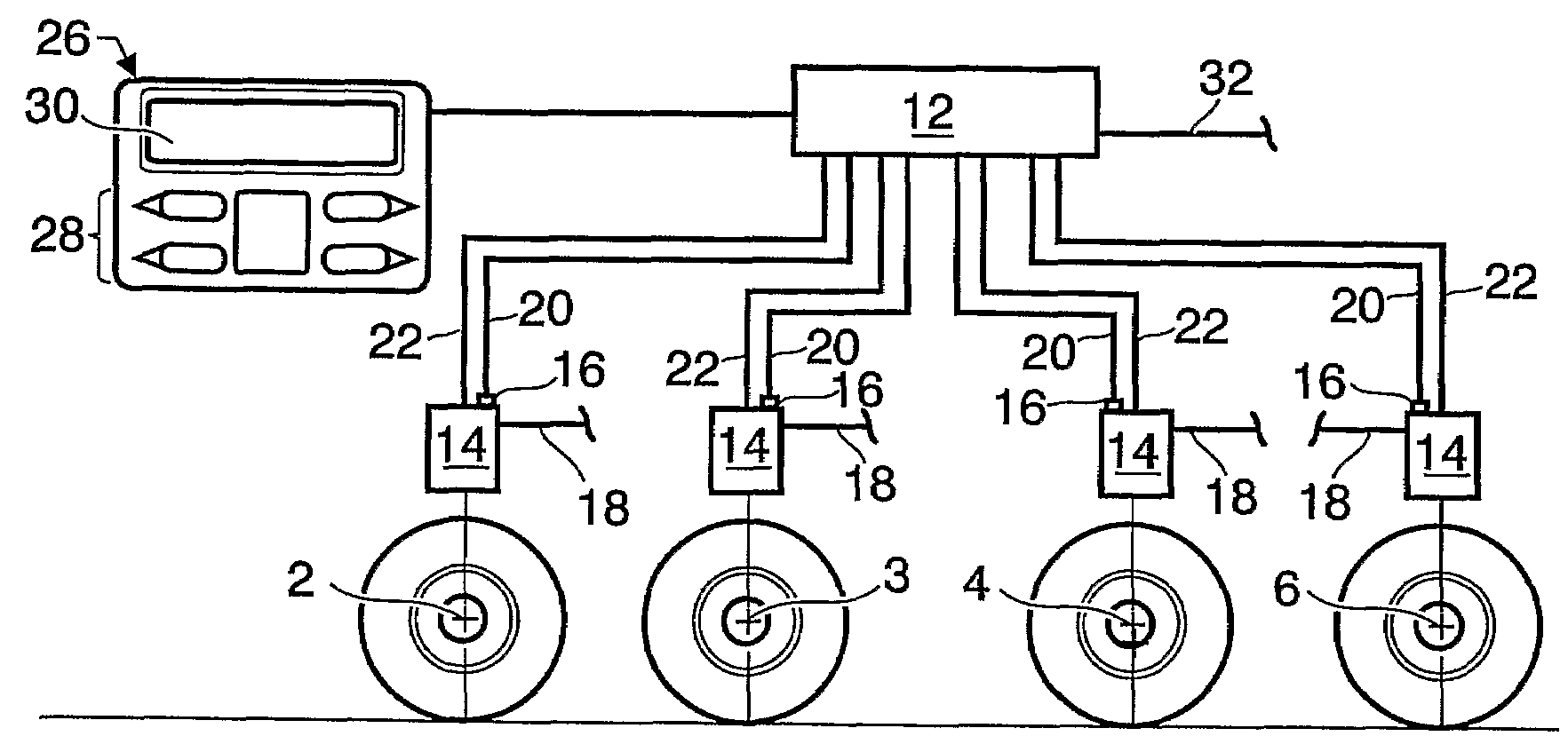
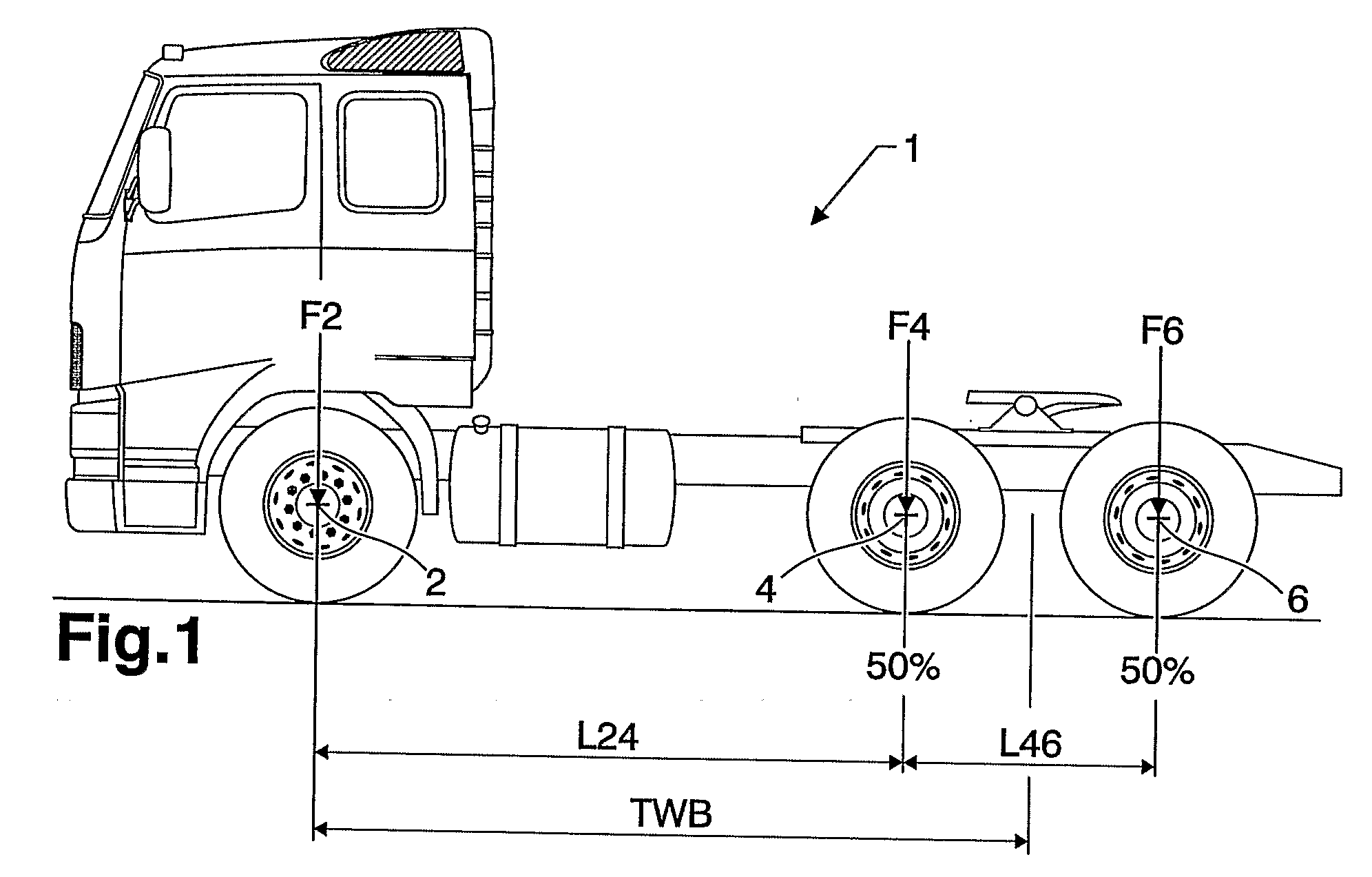
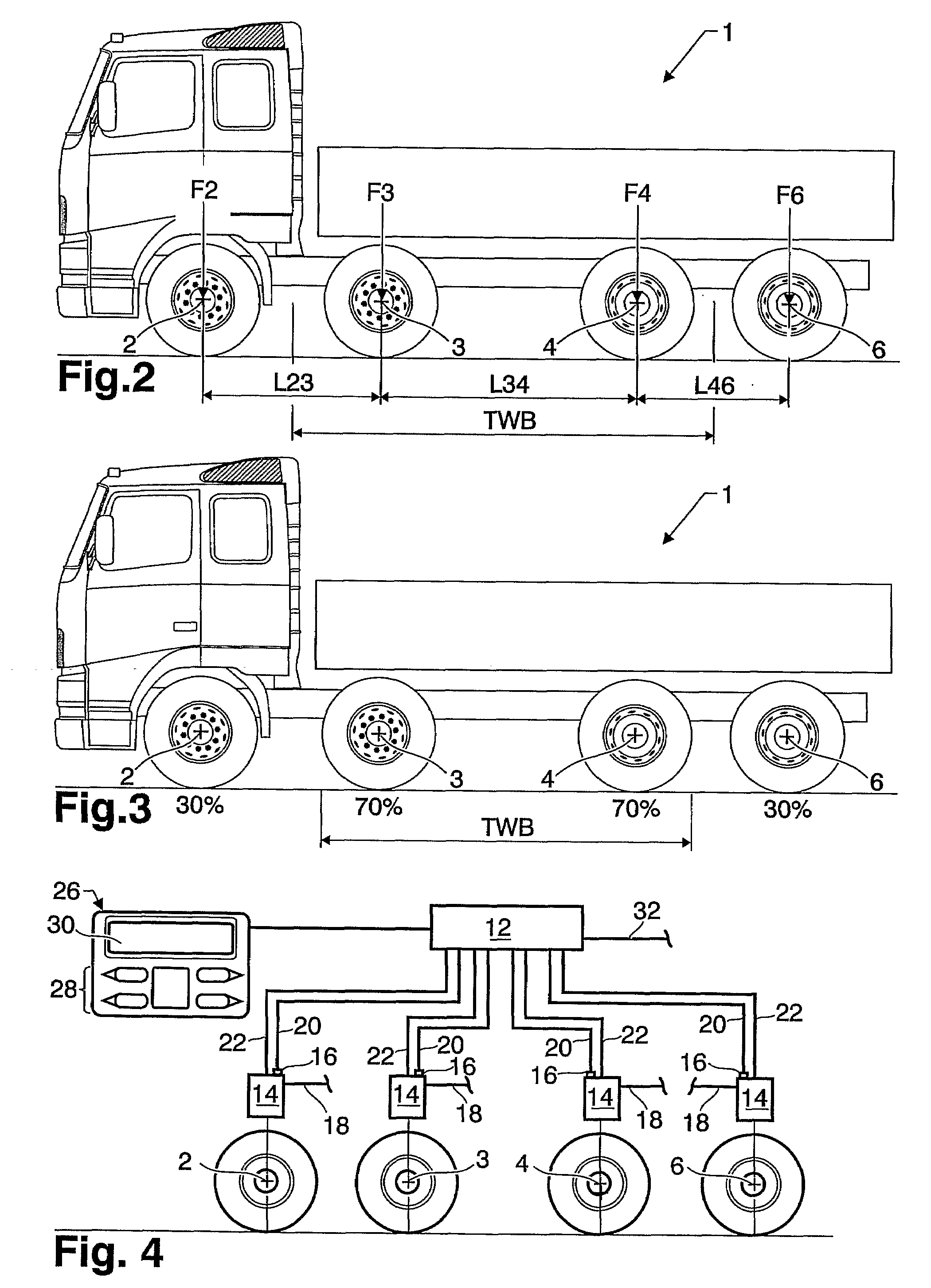
- A system that uses load sensors and a controller to adjust the stiffness of suspension springs, allowing for dynamic adjustment of the load split between axles, thereby optimizing the theoretical wheelbase based on predefined driving conditions or driver input, ensuring even load distribution and compliance with axle load limits.
Apparatus and method for adjusting the pre-load of a motorbike suspension spring
PatentWO2014128617A1
Innovation
- A motorcycle suspension system with a load sensor and control unit that automatically adjusts pre-loading and damping based on measured load, using actuators and regulation means to modify the spring and damper settings in real-time, ensuring optimal performance and comfort across different load conditions.


Safety Standards for Mobility Suspension Systems
Safety standards for mobility suspension systems represent a critical framework governing the design, manufacturing, and operational parameters of front suspension components in enhanced mobility solutions. These standards encompass comprehensive guidelines that ensure structural integrity, performance reliability, and user protection across diverse operating conditions and load scenarios.
International safety standards such as ISO 26262 for functional safety and ISO 21448 for safety of intended functionality establish fundamental requirements for suspension system design. These frameworks mandate rigorous testing protocols, failure mode analysis, and risk assessment procedures that directly impact front suspension load optimization strategies. Compliance with these standards requires manufacturers to implement systematic approaches to hazard identification and mitigation throughout the development lifecycle.
Regional regulatory bodies including the European Committee for Standardization (CEN), American Society for Testing and Materials (ASTM), and Japanese Industrial Standards (JIS) have developed specific requirements for suspension system performance under various load conditions. These standards define minimum safety factors, material specifications, and testing methodologies that influence design parameters for load optimization algorithms and structural components.
Safety certification processes require extensive validation of suspension systems under extreme loading scenarios, including emergency braking, cornering forces, and impact conditions. These requirements directly influence the development of load optimization algorithms, as safety margins must be maintained while maximizing performance efficiency. Testing protocols typically involve accelerated lifecycle testing, environmental stress screening, and failure analysis to ensure compliance with established safety thresholds.
Emerging safety standards for autonomous and semi-autonomous mobility solutions introduce additional complexity to suspension system requirements. These evolving frameworks address cybersecurity considerations, sensor integration safety, and fail-safe operational modes that impact front suspension load optimization strategies. Manufacturers must anticipate future regulatory developments while maintaining compliance with current safety standards, creating challenges for innovative load optimization approaches.
The integration of advanced materials and smart suspension technologies requires adherence to updated safety protocols that address novel failure modes and performance characteristics. Standards organizations continuously revise requirements to accommodate technological advances while maintaining rigorous safety benchmarks for enhanced mobility solutions.
International safety standards such as ISO 26262 for functional safety and ISO 21448 for safety of intended functionality establish fundamental requirements for suspension system design. These frameworks mandate rigorous testing protocols, failure mode analysis, and risk assessment procedures that directly impact front suspension load optimization strategies. Compliance with these standards requires manufacturers to implement systematic approaches to hazard identification and mitigation throughout the development lifecycle.
Regional regulatory bodies including the European Committee for Standardization (CEN), American Society for Testing and Materials (ASTM), and Japanese Industrial Standards (JIS) have developed specific requirements for suspension system performance under various load conditions. These standards define minimum safety factors, material specifications, and testing methodologies that influence design parameters for load optimization algorithms and structural components.
Safety certification processes require extensive validation of suspension systems under extreme loading scenarios, including emergency braking, cornering forces, and impact conditions. These requirements directly influence the development of load optimization algorithms, as safety margins must be maintained while maximizing performance efficiency. Testing protocols typically involve accelerated lifecycle testing, environmental stress screening, and failure analysis to ensure compliance with established safety thresholds.
Emerging safety standards for autonomous and semi-autonomous mobility solutions introduce additional complexity to suspension system requirements. These evolving frameworks address cybersecurity considerations, sensor integration safety, and fail-safe operational modes that impact front suspension load optimization strategies. Manufacturers must anticipate future regulatory developments while maintaining compliance with current safety standards, creating challenges for innovative load optimization approaches.
The integration of advanced materials and smart suspension technologies requires adherence to updated safety protocols that address novel failure modes and performance characteristics. Standards organizations continuously revise requirements to accommodate technological advances while maintaining rigorous safety benchmarks for enhanced mobility solutions.
Environmental Impact of Advanced Suspension Tech
The environmental implications of advanced suspension technologies represent a critical consideration in the development of front suspension load optimization systems for enhanced mobility solutions. As automotive manufacturers increasingly prioritize sustainability, the ecological footprint of suspension innovations has become a determining factor in technology adoption and regulatory compliance.
Advanced suspension systems, particularly those incorporating adaptive damping and active control mechanisms, present both environmental challenges and opportunities. Electronic components such as magnetorheological dampers, electromagnetic actuators, and sophisticated control units require rare earth materials and energy-intensive manufacturing processes. The extraction and processing of these materials contribute to carbon emissions and environmental degradation, while the complex manufacturing procedures demand significant energy consumption.
However, the environmental benefits of optimized front suspension systems often outweigh these initial impacts. Enhanced load distribution and improved vehicle dynamics directly contribute to reduced tire wear, extending tire lifespan by up to 15-20% in optimal configurations. This reduction in tire replacement frequency significantly decreases rubber waste and the associated environmental burden of tire manufacturing and disposal.
Energy efficiency improvements represent another substantial environmental advantage. Optimized suspension systems reduce rolling resistance and improve aerodynamic stability, leading to measurable fuel consumption reductions of 2-4% in conventional vehicles and extended range in electric vehicles. For electric mobility solutions, advanced suspension technologies can contribute to battery longevity through reduced vibration transmission and improved energy recovery systems.
The lifecycle assessment of advanced suspension technologies reveals a positive environmental trajectory when considering operational benefits over the typical 10-15 year vehicle lifespan. Carbon footprint analysis indicates that the manufacturing emissions are typically offset within 18-24 months of operation through improved efficiency gains.
Recyclability considerations are increasingly influencing suspension design philosophies. Modern systems incorporate modular designs that facilitate component separation and material recovery at end-of-life. Aluminum and high-strength steel components demonstrate excellent recyclability rates exceeding 90%, while electronic components require specialized recycling processes to recover valuable materials.
Regulatory frameworks worldwide are establishing stricter environmental standards for automotive components, driving innovation toward more sustainable suspension solutions. The European Union's End-of-Life Vehicles Directive and similar regulations in other markets are pushing manufacturers to consider environmental impact throughout the entire product lifecycle, from material selection to disposal strategies.
Advanced suspension systems, particularly those incorporating adaptive damping and active control mechanisms, present both environmental challenges and opportunities. Electronic components such as magnetorheological dampers, electromagnetic actuators, and sophisticated control units require rare earth materials and energy-intensive manufacturing processes. The extraction and processing of these materials contribute to carbon emissions and environmental degradation, while the complex manufacturing procedures demand significant energy consumption.
However, the environmental benefits of optimized front suspension systems often outweigh these initial impacts. Enhanced load distribution and improved vehicle dynamics directly contribute to reduced tire wear, extending tire lifespan by up to 15-20% in optimal configurations. This reduction in tire replacement frequency significantly decreases rubber waste and the associated environmental burden of tire manufacturing and disposal.
Energy efficiency improvements represent another substantial environmental advantage. Optimized suspension systems reduce rolling resistance and improve aerodynamic stability, leading to measurable fuel consumption reductions of 2-4% in conventional vehicles and extended range in electric vehicles. For electric mobility solutions, advanced suspension technologies can contribute to battery longevity through reduced vibration transmission and improved energy recovery systems.
The lifecycle assessment of advanced suspension technologies reveals a positive environmental trajectory when considering operational benefits over the typical 10-15 year vehicle lifespan. Carbon footprint analysis indicates that the manufacturing emissions are typically offset within 18-24 months of operation through improved efficiency gains.
Recyclability considerations are increasingly influencing suspension design philosophies. Modern systems incorporate modular designs that facilitate component separation and material recovery at end-of-life. Aluminum and high-strength steel components demonstrate excellent recyclability rates exceeding 90%, while electronic components require specialized recycling processes to recover valuable materials.
Regulatory frameworks worldwide are establishing stricter environmental standards for automotive components, driving innovation toward more sustainable suspension solutions. The European Union's End-of-Life Vehicles Directive and similar regulations in other markets are pushing manufacturers to consider environmental impact throughout the entire product lifecycle, from material selection to disposal strategies.
Unlock deeper insights with Patsnap Eureka Quick Research — get a full tech report to explore trends and direct your research. Try now!
Generate Your Research Report Instantly with AI Agent
Supercharge your innovation with Patsnap Eureka AI Agent Platform!