
Functional Hazard Assessment in Blockchain-Based System Design
JUN 11, 20269 MIN READ
Generate Your Research Report Instantly with AI Agent
Patsnap Eureka helps you evaluate technical feasibility & market potential.
Blockchain FHA Background and Objectives
Blockchain technology has fundamentally transformed digital systems architecture since its inception with Bitcoin in 2008, evolving from a simple distributed ledger to a comprehensive platform supporting smart contracts, decentralized applications, and complex financial instruments. As blockchain systems increasingly integrate into critical infrastructure including healthcare, supply chain management, aviation, and autonomous vehicles, the imperative for systematic safety assessment has become paramount.
Traditional Functional Hazard Assessment (FHA) methodologies, originally developed for aerospace and automotive industries, face unprecedented challenges when applied to blockchain-based systems. The decentralized nature of blockchain networks, combined with their immutable transaction records and consensus mechanisms, creates unique failure modes that conventional safety analysis frameworks struggle to address effectively.
The convergence of blockchain technology with safety-critical applications has exposed significant gaps in existing hazard identification and risk assessment practices. Unlike centralized systems where failure points are clearly defined and controllable, blockchain networks exhibit emergent behaviors arising from distributed consensus protocols, smart contract interactions, and network topology variations that can lead to unexpected system states.
Current safety standards such as ARP4761 for aerospace and ISO 26262 for automotive applications lack specific guidance for blockchain-specific hazards including consensus failures, smart contract vulnerabilities, oracle manipulation, and network partitioning scenarios. These standards assume centralized control structures and deterministic system behaviors that fundamentally differ from blockchain's probabilistic consensus mechanisms.
The primary objective of developing blockchain-specific FHA methodologies is to establish comprehensive frameworks that can systematically identify, analyze, and mitigate functional hazards unique to distributed ledger technologies. This includes developing new hazard taxonomies that encompass cryptographic failures, consensus algorithm vulnerabilities, and cross-chain interaction risks.
Furthermore, the integration of blockchain FHA aims to enable proactive safety management throughout the system lifecycle, from initial smart contract design through deployment and ongoing network evolution. This approach seeks to bridge the gap between traditional safety engineering practices and the innovative requirements of decentralized systems, ensuring that blockchain adoption in critical applications maintains acceptable safety levels while preserving the technology's inherent benefits of transparency, immutability, and decentralization.
Traditional Functional Hazard Assessment (FHA) methodologies, originally developed for aerospace and automotive industries, face unprecedented challenges when applied to blockchain-based systems. The decentralized nature of blockchain networks, combined with their immutable transaction records and consensus mechanisms, creates unique failure modes that conventional safety analysis frameworks struggle to address effectively.
The convergence of blockchain technology with safety-critical applications has exposed significant gaps in existing hazard identification and risk assessment practices. Unlike centralized systems where failure points are clearly defined and controllable, blockchain networks exhibit emergent behaviors arising from distributed consensus protocols, smart contract interactions, and network topology variations that can lead to unexpected system states.
Current safety standards such as ARP4761 for aerospace and ISO 26262 for automotive applications lack specific guidance for blockchain-specific hazards including consensus failures, smart contract vulnerabilities, oracle manipulation, and network partitioning scenarios. These standards assume centralized control structures and deterministic system behaviors that fundamentally differ from blockchain's probabilistic consensus mechanisms.
The primary objective of developing blockchain-specific FHA methodologies is to establish comprehensive frameworks that can systematically identify, analyze, and mitigate functional hazards unique to distributed ledger technologies. This includes developing new hazard taxonomies that encompass cryptographic failures, consensus algorithm vulnerabilities, and cross-chain interaction risks.
Furthermore, the integration of blockchain FHA aims to enable proactive safety management throughout the system lifecycle, from initial smart contract design through deployment and ongoing network evolution. This approach seeks to bridge the gap between traditional safety engineering practices and the innovative requirements of decentralized systems, ensuring that blockchain adoption in critical applications maintains acceptable safety levels while preserving the technology's inherent benefits of transparency, immutability, and decentralization.
Market Demand for Secure Blockchain Systems
The global blockchain market has experienced unprecedented growth, driven primarily by escalating security concerns across financial services, supply chain management, healthcare, and government sectors. Organizations increasingly recognize that traditional centralized systems present single points of failure and vulnerability to cyberattacks, creating substantial demand for distributed ledger technologies that offer enhanced security through cryptographic protection and decentralized consensus mechanisms.
Financial institutions represent the largest segment driving secure blockchain adoption, particularly following high-profile data breaches and regulatory pressures for enhanced transaction security. Banks and payment processors seek blockchain solutions that can provide immutable transaction records while maintaining compliance with stringent financial regulations. The demand extends beyond cryptocurrencies to encompass trade finance, cross-border payments, and identity verification systems where functional hazard assessment becomes critical for operational integrity.
Supply chain industries demonstrate growing appetite for blockchain-based traceability systems that can prevent counterfeiting and ensure product authenticity. Manufacturing companies, pharmaceutical firms, and food producers require secure blockchain implementations that can withstand various operational hazards while maintaining data integrity throughout complex multi-party networks. These applications demand rigorous hazard assessment methodologies to identify potential failure modes that could compromise supply chain visibility.
Healthcare organizations increasingly pursue blockchain solutions for secure patient data management and pharmaceutical supply chain verification. The sector's stringent regulatory environment and patient safety requirements create substantial demand for blockchain systems with comprehensive hazard assessment frameworks. Medical device manufacturers and healthcare providers need assurance that blockchain implementations can maintain security and functionality under various operational stress conditions.
Government agencies and public sector organizations represent an emerging but significant market segment, seeking blockchain solutions for voting systems, identity management, and public record keeping. These applications require exceptionally robust security frameworks and thorough hazard assessment protocols to maintain public trust and democratic integrity.
The convergence of regulatory compliance requirements, cybersecurity threats, and operational efficiency demands has created a substantial market opportunity for blockchain systems that incorporate systematic functional hazard assessment methodologies, positioning security-focused blockchain solutions as essential infrastructure investments rather than experimental technologies.
Financial institutions represent the largest segment driving secure blockchain adoption, particularly following high-profile data breaches and regulatory pressures for enhanced transaction security. Banks and payment processors seek blockchain solutions that can provide immutable transaction records while maintaining compliance with stringent financial regulations. The demand extends beyond cryptocurrencies to encompass trade finance, cross-border payments, and identity verification systems where functional hazard assessment becomes critical for operational integrity.
Supply chain industries demonstrate growing appetite for blockchain-based traceability systems that can prevent counterfeiting and ensure product authenticity. Manufacturing companies, pharmaceutical firms, and food producers require secure blockchain implementations that can withstand various operational hazards while maintaining data integrity throughout complex multi-party networks. These applications demand rigorous hazard assessment methodologies to identify potential failure modes that could compromise supply chain visibility.
Healthcare organizations increasingly pursue blockchain solutions for secure patient data management and pharmaceutical supply chain verification. The sector's stringent regulatory environment and patient safety requirements create substantial demand for blockchain systems with comprehensive hazard assessment frameworks. Medical device manufacturers and healthcare providers need assurance that blockchain implementations can maintain security and functionality under various operational stress conditions.
Government agencies and public sector organizations represent an emerging but significant market segment, seeking blockchain solutions for voting systems, identity management, and public record keeping. These applications require exceptionally robust security frameworks and thorough hazard assessment protocols to maintain public trust and democratic integrity.
The convergence of regulatory compliance requirements, cybersecurity threats, and operational efficiency demands has created a substantial market opportunity for blockchain systems that incorporate systematic functional hazard assessment methodologies, positioning security-focused blockchain solutions as essential infrastructure investments rather than experimental technologies.
Current FHA Challenges in Blockchain Architecture
Blockchain-based systems present unique challenges for traditional Functional Hazard Assessment methodologies, primarily due to their distributed and decentralized nature. Unlike conventional centralized systems where failure points and control mechanisms are clearly defined, blockchain architectures introduce complexity through consensus mechanisms, smart contract execution, and distributed ledger maintenance that traditional FHA frameworks struggle to adequately address.
The immutable nature of blockchain transactions creates significant assessment difficulties when evaluating potential hazards. Once data is committed to the blockchain, correction mechanisms are limited, making it crucial to identify hazards before they manifest. However, current FHA approaches lack standardized methods for evaluating the safety implications of irreversible operations, particularly in safety-critical applications such as autonomous vehicle coordination or medical device management.
Smart contract vulnerabilities represent another major challenge in blockchain FHA implementation. These self-executing contracts can contain coding errors, logic flaws, or unexpected interactions that may not surface until specific conditions are met. Traditional hazard assessment techniques are insufficient for analyzing the complex state transitions and potential failure modes inherent in smart contract execution environments.
Consensus mechanism failures pose additional assessment complexities that current FHA methodologies inadequately address. Byzantine fault tolerance, network partitioning, and 51% attacks represent novel failure modes that require specialized analysis techniques. The probabilistic nature of consensus achievement and the potential for temporary network splits create dynamic risk scenarios that traditional static hazard analysis cannot effectively capture.
Scalability limitations and performance degradation under high transaction loads present operational hazards that are difficult to assess using conventional methods. Network congestion can lead to delayed transaction processing, increased costs, and potential system unavailability, all of which may have safety implications depending on the application context.
The integration of blockchain systems with external data sources through oracles introduces additional hazard vectors that current FHA frameworks struggle to evaluate comprehensively. Oracle failures, data manipulation, and connectivity issues can propagate through the blockchain system in ways that traditional assessment methodologies cannot adequately predict or quantify.
Regulatory compliance and governance challenges further complicate FHA implementation in blockchain environments. The decentralized nature of blockchain systems makes it difficult to establish clear accountability structures and compliance verification mechanisms, creating gaps in traditional hazard assessment approaches that rely on centralized control and oversight mechanisms.
The immutable nature of blockchain transactions creates significant assessment difficulties when evaluating potential hazards. Once data is committed to the blockchain, correction mechanisms are limited, making it crucial to identify hazards before they manifest. However, current FHA approaches lack standardized methods for evaluating the safety implications of irreversible operations, particularly in safety-critical applications such as autonomous vehicle coordination or medical device management.
Smart contract vulnerabilities represent another major challenge in blockchain FHA implementation. These self-executing contracts can contain coding errors, logic flaws, or unexpected interactions that may not surface until specific conditions are met. Traditional hazard assessment techniques are insufficient for analyzing the complex state transitions and potential failure modes inherent in smart contract execution environments.
Consensus mechanism failures pose additional assessment complexities that current FHA methodologies inadequately address. Byzantine fault tolerance, network partitioning, and 51% attacks represent novel failure modes that require specialized analysis techniques. The probabilistic nature of consensus achievement and the potential for temporary network splits create dynamic risk scenarios that traditional static hazard analysis cannot effectively capture.
Scalability limitations and performance degradation under high transaction loads present operational hazards that are difficult to assess using conventional methods. Network congestion can lead to delayed transaction processing, increased costs, and potential system unavailability, all of which may have safety implications depending on the application context.
The integration of blockchain systems with external data sources through oracles introduces additional hazard vectors that current FHA frameworks struggle to evaluate comprehensively. Oracle failures, data manipulation, and connectivity issues can propagate through the blockchain system in ways that traditional assessment methodologies cannot adequately predict or quantify.
Regulatory compliance and governance challenges further complicate FHA implementation in blockchain environments. The decentralized nature of blockchain systems makes it difficult to establish clear accountability structures and compliance verification mechanisms, creating gaps in traditional hazard assessment approaches that rely on centralized control and oversight mechanisms.
Existing FHA Frameworks for Distributed Systems
01 Blockchain-based risk monitoring and assessment systems
Systems that utilize blockchain technology to continuously monitor and assess various types of hazards and risks in real-time. These systems leverage the immutable and distributed nature of blockchain to create transparent and tamper-proof risk assessment records. The technology enables automated hazard detection, risk scoring, and assessment workflows that can be applied across different industries and applications.- Blockchain-based risk monitoring and assessment systems: Systems that utilize blockchain technology to continuously monitor and assess various types of risks and hazards in real-time. These systems leverage the immutable and distributed nature of blockchain to create transparent and tamper-proof risk assessment records. The technology enables automated hazard detection, risk scoring, and assessment workflows that can be applied across different industries and applications.
- Decentralized hazard data management and validation: Implementation of decentralized networks for collecting, storing, and validating hazard-related data using blockchain infrastructure. This approach ensures data integrity and prevents single points of failure in hazard assessment systems. Multiple nodes participate in the validation process, creating a consensus-based approach to hazard data verification and management.
- Smart contract-based automated hazard response: Utilization of smart contracts to automate hazard assessment processes and trigger appropriate responses based on predefined conditions. These self-executing contracts can automatically initiate safety protocols, alert systems, or mitigation measures when specific hazard thresholds are detected. The automation reduces human error and ensures rapid response to identified threats.
- Cryptographic security for hazard assessment data: Implementation of advanced cryptographic techniques to secure sensitive hazard assessment information and ensure authorized access to critical safety data. These security measures protect against data manipulation and unauthorized access while maintaining the confidentiality of sensitive hazard information. The cryptographic framework ensures that only authorized parties can access and modify hazard assessment records.
- Distributed consensus mechanisms for hazard evaluation: Development of consensus algorithms specifically designed for collaborative hazard assessment and evaluation processes. These mechanisms enable multiple stakeholders to participate in hazard assessment decisions while maintaining system integrity and preventing malicious interference. The consensus approach ensures that hazard evaluations are based on verified information from multiple trusted sources.
02 Decentralized hazard data management and validation
Implementation of decentralized networks for collecting, validating, and managing hazard-related data using blockchain infrastructure. This approach ensures data integrity and prevents single points of failure in hazard assessment systems. The decentralized nature allows multiple stakeholders to contribute to and verify hazard information while maintaining data authenticity and traceability.Expand Specific Solutions03 Smart contract-based automated hazard response
Utilization of smart contracts to automate hazard assessment processes and trigger appropriate responses based on predefined criteria. These systems can automatically execute safety protocols, alert mechanisms, and mitigation strategies when specific hazard conditions are detected. The automation reduces human error and ensures consistent response times to potential threats.Expand Specific Solutions04 Consensus-based hazard severity evaluation
Systems that employ blockchain consensus mechanisms to evaluate and validate hazard severity levels through distributed decision-making processes. Multiple nodes or validators participate in assessing the criticality of identified hazards, ensuring objective and reliable severity ratings. This approach minimizes bias and improves the accuracy of hazard classification.Expand Specific Solutions05 Immutable audit trails for hazard assessment compliance
Creation of permanent and unalterable records of all hazard assessment activities, decisions, and outcomes using blockchain technology. These audit trails provide complete transparency and accountability for regulatory compliance and forensic analysis. The immutable nature ensures that assessment histories cannot be modified or deleted, supporting legal and regulatory requirements.Expand Specific Solutions
Key Players in Blockchain Safety and Risk Management
The functional hazard assessment in blockchain-based system design represents an emerging field at the intersection of safety engineering and distributed ledger technology. The industry is in its nascent stage, with limited market penetration but growing recognition of blockchain's potential in safety-critical applications. Market size remains modest as organizations cautiously explore blockchain integration into traditional safety frameworks. Technology maturity varies significantly across participants, with established technology giants like IBM, Siemens AG, and Hitachi Ltd. leveraging their extensive safety engineering expertise to develop blockchain-enhanced hazard assessment solutions. Financial institutions including Bank of America Corp., Industrial & Commercial Bank of China Ltd., and PayPal Inc. are advancing blockchain security protocols for financial risk assessment. Meanwhile, academic institutions such as Hainan University, Chitkara University, and The NorthCap University contribute foundational research. Chinese entities like China Mobile Group and Ant Blockchain Technology Shanghai represent significant regional development efforts, while specialized firms like SecureWorks Corp. focus on cybersecurity aspects of blockchain implementations.
Mastercard International, Inc.
Technical Solution: Mastercard has implemented a blockchain-based payment system with integrated Functional Hazard Assessment protocols focused on financial transaction safety and regulatory compliance. Their approach emphasizes real-time risk assessment of payment processing failures, fraud detection mechanisms, and system availability hazards. The company's FHA framework includes comprehensive analysis of smart contract execution risks, particularly in cross-border payment scenarios where regulatory compliance failures could result in significant financial and reputational damage. Their system incorporates multi-layered security assessments that evaluate potential hazards from network latency, transaction throughput limitations, and interoperability challenges with traditional banking infrastructure. The platform includes automated compliance checking mechanisms and risk scoring algorithms specifically designed for financial blockchain applications.
Strengths: Deep expertise in financial risk management and regulatory compliance frameworks. Weaknesses: Limited applicability outside financial services sector and dependency on traditional banking infrastructure.
International Business Machines Corp.
Technical Solution: IBM has developed a comprehensive blockchain security framework that incorporates Functional Hazard Assessment (FHA) methodologies specifically designed for distributed ledger systems. Their approach includes automated risk identification tools that analyze smart contract vulnerabilities, consensus mechanism failures, and network partition scenarios. The framework employs machine learning algorithms to predict potential system failures and their cascading effects across the blockchain network. IBM's solution integrates traditional safety engineering principles with blockchain-specific hazard analysis, including assessment of cryptographic failures, oracle manipulation risks, and governance token concentration hazards. Their platform provides real-time monitoring capabilities and automated incident response mechanisms to mitigate identified functional hazards in enterprise blockchain deployments.
Strengths: Comprehensive enterprise-grade solution with proven track record in safety-critical systems. Weaknesses: High implementation complexity and significant resource requirements for deployment.
Core Innovations in Blockchain Hazard Identification
Model-based functional hazard assessment (FHA)
PatentPendingUS20220092447A1
Innovation
- An apparatus and method that associate product functions with failure conditions, hazard assessments with safety requirements, and correct errors during FHA generation, using an integrated approach to ensure data accuracy and efficiency, facilitated by an associator, organizer, error detector, and corrector within a model-based FHA analyzer system.


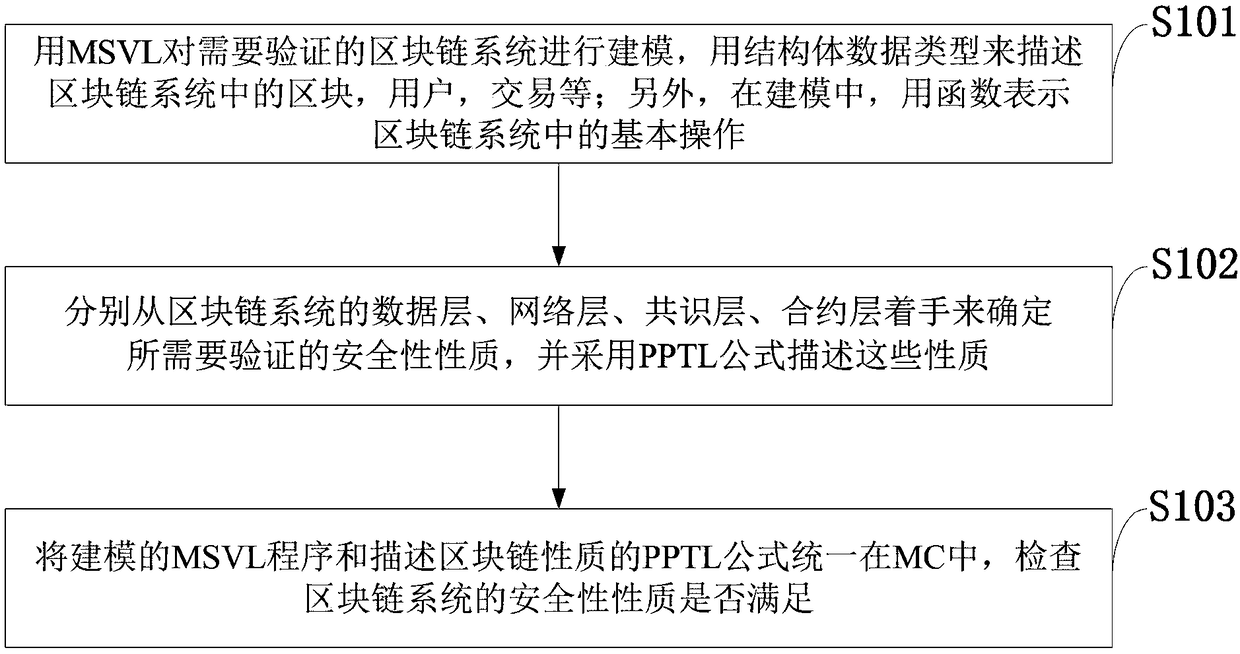
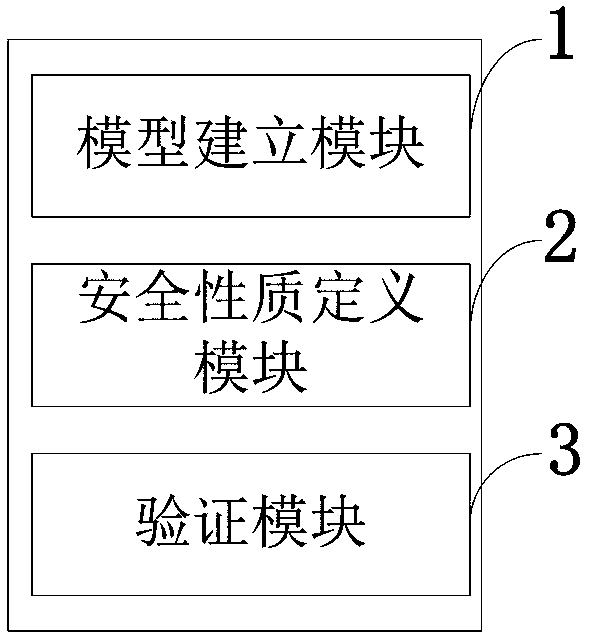
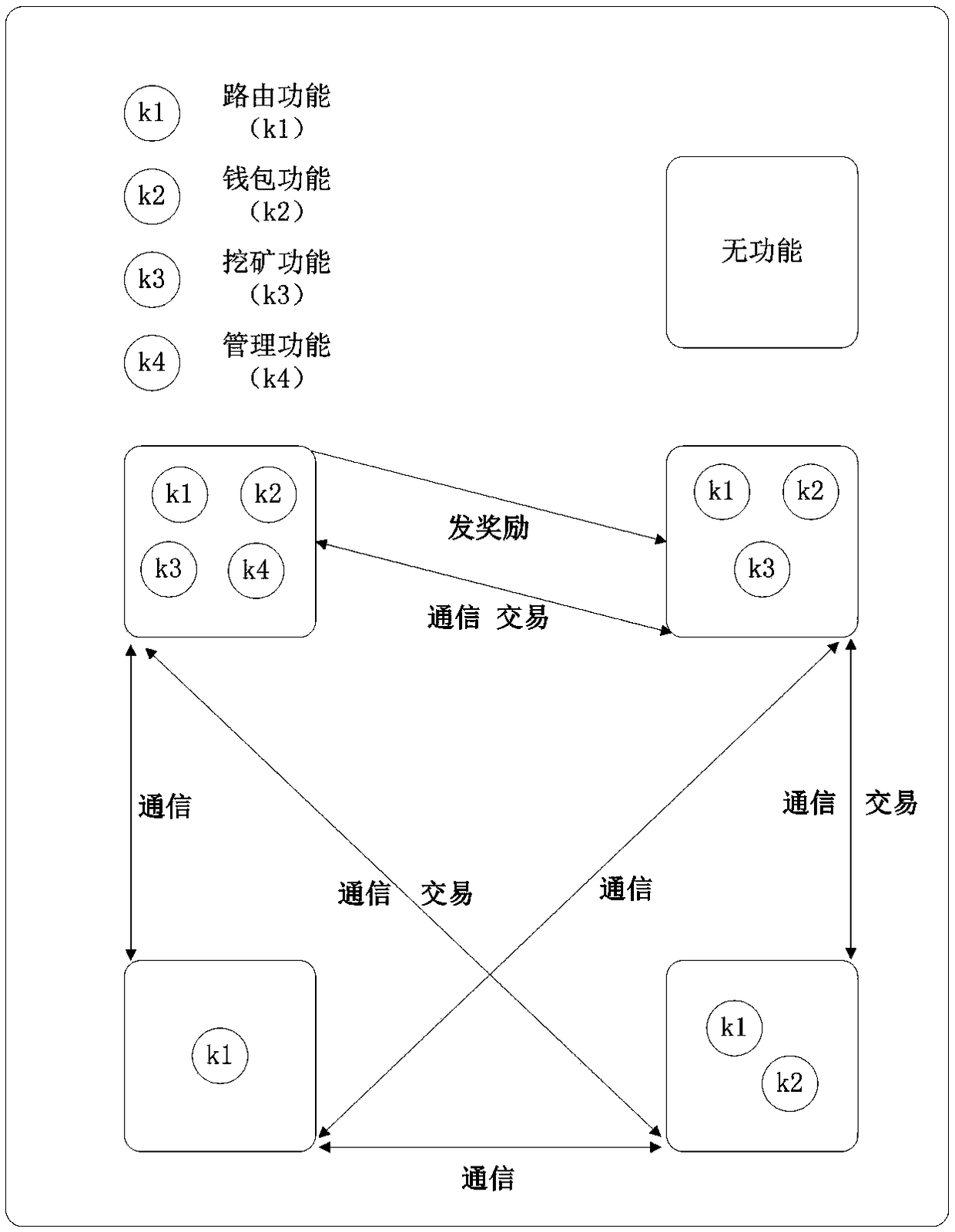
Blockchain system modeling and safety verification method and system based on MSVL
PatentActiveCN109347651A
Innovation
- Adopt the MSVL-based blockchain system modeling and security verification method, model the blockchain system through MSVL language, use PPTL formula to describe the nature of the system, and verify it in MC to check the security of the blockchain system Satisfaction of sexual nature.

Regulatory Standards for Blockchain Safety Compliance
The regulatory landscape for blockchain safety compliance has evolved significantly as governments and international organizations recognize the critical importance of establishing comprehensive frameworks for distributed ledger technologies. Current regulatory standards primarily focus on financial applications, data protection, and operational resilience, with emerging guidelines specifically addressing functional hazard assessment requirements in blockchain implementations.
International standards organizations, including ISO/IEC and IEEE, have developed foundational frameworks such as ISO/IEC 23053 for blockchain and distributed ledger technologies, which establishes baseline security and operational requirements. The European Union's Markets in Crypto-Assets (MiCA) regulation and the proposed AI Act contain provisions that directly impact blockchain system safety assessments, particularly regarding algorithmic transparency and risk management protocols.
Financial regulatory bodies worldwide have implemented specific compliance requirements that influence blockchain safety standards. The Basel Committee's guidance on crypto-asset exposures and the Financial Stability Board's recommendations establish risk assessment methodologies that blockchain systems must incorporate. These frameworks mandate comprehensive hazard identification processes, including systematic evaluation of smart contract vulnerabilities, consensus mechanism failures, and network partition scenarios.
Sector-specific regulations are emerging that directly address functional hazard assessment requirements. In healthcare, HIPAA compliance for blockchain implementations requires detailed risk assessments of patient data exposure scenarios. The automotive industry's ISO 26262 functional safety standard is being adapted for blockchain applications in autonomous vehicle systems, establishing precedents for hazard analysis and risk assessment methodologies in distributed environments.
Emerging regulatory trends indicate increasing emphasis on proactive safety compliance rather than reactive measures. The European Cyber Resilience Act proposes mandatory risk assessments for digital products, including blockchain systems, requiring manufacturers to conduct comprehensive hazard analyses throughout the system lifecycle. Similar initiatives in Asia-Pacific regions are establishing comparable requirements for blockchain safety compliance.
Cross-border regulatory harmonization efforts are addressing the global nature of blockchain networks. The Financial Action Task Force (FATF) guidelines and G20 recommendations are creating unified approaches to blockchain risk assessment, establishing common frameworks for functional hazard evaluation that transcend national boundaries and ensure consistent safety standards across jurisdictions.
International standards organizations, including ISO/IEC and IEEE, have developed foundational frameworks such as ISO/IEC 23053 for blockchain and distributed ledger technologies, which establishes baseline security and operational requirements. The European Union's Markets in Crypto-Assets (MiCA) regulation and the proposed AI Act contain provisions that directly impact blockchain system safety assessments, particularly regarding algorithmic transparency and risk management protocols.
Financial regulatory bodies worldwide have implemented specific compliance requirements that influence blockchain safety standards. The Basel Committee's guidance on crypto-asset exposures and the Financial Stability Board's recommendations establish risk assessment methodologies that blockchain systems must incorporate. These frameworks mandate comprehensive hazard identification processes, including systematic evaluation of smart contract vulnerabilities, consensus mechanism failures, and network partition scenarios.
Sector-specific regulations are emerging that directly address functional hazard assessment requirements. In healthcare, HIPAA compliance for blockchain implementations requires detailed risk assessments of patient data exposure scenarios. The automotive industry's ISO 26262 functional safety standard is being adapted for blockchain applications in autonomous vehicle systems, establishing precedents for hazard analysis and risk assessment methodologies in distributed environments.
Emerging regulatory trends indicate increasing emphasis on proactive safety compliance rather than reactive measures. The European Cyber Resilience Act proposes mandatory risk assessments for digital products, including blockchain systems, requiring manufacturers to conduct comprehensive hazard analyses throughout the system lifecycle. Similar initiatives in Asia-Pacific regions are establishing comparable requirements for blockchain safety compliance.
Cross-border regulatory harmonization efforts are addressing the global nature of blockchain networks. The Financial Action Task Force (FATF) guidelines and G20 recommendations are creating unified approaches to blockchain risk assessment, establishing common frameworks for functional hazard evaluation that transcend national boundaries and ensure consistent safety standards across jurisdictions.
Smart Contract Audit and Vulnerability Assessment
Smart contract audit and vulnerability assessment represents a critical security practice in blockchain-based systems, particularly when conducting functional hazard assessment. This specialized evaluation process focuses on identifying potential security flaws, logical errors, and operational vulnerabilities that could compromise system integrity and safety-critical functions.
The audit process encompasses multiple dimensions of smart contract security analysis. Static code analysis forms the foundation, examining contract bytecode and source code for common vulnerability patterns such as reentrancy attacks, integer overflows, and access control weaknesses. Dynamic testing complements this approach by executing contracts in controlled environments to observe runtime behavior and identify state-dependent vulnerabilities that static analysis might miss.
Formal verification techniques have emerged as essential tools for high-assurance blockchain systems. Mathematical modeling and theorem proving enable auditors to verify that smart contracts behave according to their specifications under all possible execution scenarios. This approach proves particularly valuable for safety-critical applications where functional hazards could result in significant consequences.
Vulnerability classification frameworks provide structured approaches to categorizing and prioritizing identified risks. The OWASP Smart Contract Top 10 and similar taxonomies help auditors systematically evaluate contracts against known attack vectors. These frameworks consider both technical vulnerabilities and business logic flaws that could enable unauthorized state transitions or value extraction.
Automated auditing tools have matured significantly, offering scalable solutions for large-scale contract analysis. Tools like Mythril, Slither, and Securify integrate multiple detection techniques to identify vulnerability patterns efficiently. However, manual expert review remains indispensable for evaluating complex business logic and identifying novel attack vectors that automated tools cannot detect.
The assessment process must also consider the broader system context, including oracle dependencies, cross-chain interactions, and governance mechanisms. Multi-contract systems introduce additional complexity where vulnerabilities may emerge from unexpected interactions between seemingly secure individual components. Comprehensive auditing therefore requires holistic evaluation of the entire blockchain-based system architecture rather than isolated contract analysis.
The audit process encompasses multiple dimensions of smart contract security analysis. Static code analysis forms the foundation, examining contract bytecode and source code for common vulnerability patterns such as reentrancy attacks, integer overflows, and access control weaknesses. Dynamic testing complements this approach by executing contracts in controlled environments to observe runtime behavior and identify state-dependent vulnerabilities that static analysis might miss.
Formal verification techniques have emerged as essential tools for high-assurance blockchain systems. Mathematical modeling and theorem proving enable auditors to verify that smart contracts behave according to their specifications under all possible execution scenarios. This approach proves particularly valuable for safety-critical applications where functional hazards could result in significant consequences.
Vulnerability classification frameworks provide structured approaches to categorizing and prioritizing identified risks. The OWASP Smart Contract Top 10 and similar taxonomies help auditors systematically evaluate contracts against known attack vectors. These frameworks consider both technical vulnerabilities and business logic flaws that could enable unauthorized state transitions or value extraction.
Automated auditing tools have matured significantly, offering scalable solutions for large-scale contract analysis. Tools like Mythril, Slither, and Securify integrate multiple detection techniques to identify vulnerability patterns efficiently. However, manual expert review remains indispensable for evaluating complex business logic and identifying novel attack vectors that automated tools cannot detect.
The assessment process must also consider the broader system context, including oracle dependencies, cross-chain interactions, and governance mechanisms. Multi-contract systems introduce additional complexity where vulnerabilities may emerge from unexpected interactions between seemingly secure individual components. Comprehensive auditing therefore requires holistic evaluation of the entire blockchain-based system architecture rather than isolated contract analysis.
Unlock deeper insights with Patsnap Eureka Quick Research — get a full tech report to explore trends and direct your research. Try now!
Generate Your Research Report Instantly with AI Agent
Supercharge your innovation with Patsnap Eureka AI Agent Platform!