
Quantify Human Error Implications Using Functional Hazard Assessment
JUN 11, 20269 MIN READ
Generate Your Research Report Instantly with AI Agent
Patsnap Eureka helps you evaluate technical feasibility & market potential.
Human Error Quantification in Safety-Critical Systems Background
Human error quantification in safety-critical systems has emerged as a fundamental discipline within reliability engineering and safety assessment frameworks. This field addresses the systematic evaluation of human performance degradation and its cascading effects on system safety, particularly in environments where operational failures can result in catastrophic consequences including loss of life, environmental damage, or significant economic impact.
The evolution of human error quantification began in the 1960s with early nuclear power industry initiatives, driven by the recognition that human factors contributed to approximately 70-80% of all safety incidents in complex technological systems. Initial approaches focused primarily on binary failure models, treating human actions as simple success-or-failure events without considering the nuanced cognitive and behavioral factors that influence human performance under stress.
During the 1980s and 1990s, the discipline expanded significantly following major industrial accidents such as Three Mile Island, Chernobyl, and Bhopal, which highlighted the critical need for more sophisticated human reliability analysis methodologies. These events catalyzed the development of comprehensive frameworks that could systematically assess human error probabilities while accounting for performance shaping factors including workload, training adequacy, environmental conditions, and organizational culture.
Contemporary human error quantification methodologies integrate cognitive psychology principles with probabilistic risk assessment techniques, enabling more accurate prediction of human performance in safety-critical scenarios. Modern approaches recognize that human error is not merely a random occurrence but rather a predictable outcome influenced by system design, operational procedures, training effectiveness, and situational factors.
The current technological landscape demands increasingly sophisticated human error quantification approaches as systems become more complex and automated. Aviation, nuclear power, chemical processing, medical devices, and autonomous vehicle systems all rely heavily on robust human error assessment methodologies to ensure acceptable safety levels while maintaining operational efficiency.
Functional Hazard Assessment has emerged as a particularly valuable framework for human error quantification because it provides a systematic methodology for identifying potential failure modes and their associated consequences. This approach enables organizations to proactively identify human error vulnerabilities before they manifest as actual incidents, supporting the development of targeted mitigation strategies and improved system designs that account for human performance limitations.
The evolution of human error quantification began in the 1960s with early nuclear power industry initiatives, driven by the recognition that human factors contributed to approximately 70-80% of all safety incidents in complex technological systems. Initial approaches focused primarily on binary failure models, treating human actions as simple success-or-failure events without considering the nuanced cognitive and behavioral factors that influence human performance under stress.
During the 1980s and 1990s, the discipline expanded significantly following major industrial accidents such as Three Mile Island, Chernobyl, and Bhopal, which highlighted the critical need for more sophisticated human reliability analysis methodologies. These events catalyzed the development of comprehensive frameworks that could systematically assess human error probabilities while accounting for performance shaping factors including workload, training adequacy, environmental conditions, and organizational culture.
Contemporary human error quantification methodologies integrate cognitive psychology principles with probabilistic risk assessment techniques, enabling more accurate prediction of human performance in safety-critical scenarios. Modern approaches recognize that human error is not merely a random occurrence but rather a predictable outcome influenced by system design, operational procedures, training effectiveness, and situational factors.
The current technological landscape demands increasingly sophisticated human error quantification approaches as systems become more complex and automated. Aviation, nuclear power, chemical processing, medical devices, and autonomous vehicle systems all rely heavily on robust human error assessment methodologies to ensure acceptable safety levels while maintaining operational efficiency.
Functional Hazard Assessment has emerged as a particularly valuable framework for human error quantification because it provides a systematic methodology for identifying potential failure modes and their associated consequences. This approach enables organizations to proactively identify human error vulnerabilities before they manifest as actual incidents, supporting the development of targeted mitigation strategies and improved system designs that account for human performance limitations.
Market Demand for Advanced Functional Hazard Assessment
The aviation industry represents the primary market driver for advanced functional hazard assessment technologies focused on quantifying human error implications. Commercial aviation operators face increasing regulatory pressure to demonstrate comprehensive safety management systems, with human factors accounting for the majority of aviation incidents. Airlines, aircraft manufacturers, and maintenance organizations require sophisticated tools to assess how human errors propagate through complex systems and impact overall safety performance.
Defense and aerospace sectors constitute another significant market segment, where mission-critical operations demand rigorous human error quantification methodologies. Military aviation, space exploration programs, and unmanned aerial vehicle operations require advanced assessment frameworks to evaluate human-system interactions under high-stress conditions. The growing complexity of autonomous and semi-autonomous systems creates additional demand for tools that can model human oversight failures and intervention errors.
The nuclear power industry demonstrates substantial market potential, driven by stringent safety regulations and the catastrophic consequences of human error in nuclear operations. Plant operators, regulatory bodies, and safety consultants seek advanced functional hazard assessment tools to quantify human error probabilities across various operational scenarios. Recent industry initiatives focusing on digital transformation and advanced control systems create new requirements for human error assessment in hybrid human-machine environments.
Healthcare systems increasingly recognize the value of systematic human error quantification, particularly in critical care environments and surgical procedures. Medical device manufacturers, hospital safety departments, and healthcare regulators require sophisticated assessment methodologies to evaluate human error implications in life-critical medical systems. The integration of artificial intelligence and robotic systems in healthcare amplifies the need for comprehensive human-machine interaction assessment tools.
Automotive and transportation industries present emerging market opportunities as autonomous vehicle technologies mature. Vehicle manufacturers, transportation authorities, and safety organizations need advanced assessment frameworks to evaluate human error implications in semi-autonomous driving scenarios. The transition period between manual and fully autonomous vehicles creates unique challenges requiring specialized human error quantification approaches.
Process industries including chemical manufacturing, oil and gas operations, and pharmaceutical production represent established markets for human error assessment technologies. These sectors face regulatory requirements for systematic safety analysis and risk management, driving demand for quantitative human error assessment tools integrated with functional hazard analysis methodologies.
Defense and aerospace sectors constitute another significant market segment, where mission-critical operations demand rigorous human error quantification methodologies. Military aviation, space exploration programs, and unmanned aerial vehicle operations require advanced assessment frameworks to evaluate human-system interactions under high-stress conditions. The growing complexity of autonomous and semi-autonomous systems creates additional demand for tools that can model human oversight failures and intervention errors.
The nuclear power industry demonstrates substantial market potential, driven by stringent safety regulations and the catastrophic consequences of human error in nuclear operations. Plant operators, regulatory bodies, and safety consultants seek advanced functional hazard assessment tools to quantify human error probabilities across various operational scenarios. Recent industry initiatives focusing on digital transformation and advanced control systems create new requirements for human error assessment in hybrid human-machine environments.
Healthcare systems increasingly recognize the value of systematic human error quantification, particularly in critical care environments and surgical procedures. Medical device manufacturers, hospital safety departments, and healthcare regulators require sophisticated assessment methodologies to evaluate human error implications in life-critical medical systems. The integration of artificial intelligence and robotic systems in healthcare amplifies the need for comprehensive human-machine interaction assessment tools.
Automotive and transportation industries present emerging market opportunities as autonomous vehicle technologies mature. Vehicle manufacturers, transportation authorities, and safety organizations need advanced assessment frameworks to evaluate human error implications in semi-autonomous driving scenarios. The transition period between manual and fully autonomous vehicles creates unique challenges requiring specialized human error quantification approaches.
Process industries including chemical manufacturing, oil and gas operations, and pharmaceutical production represent established markets for human error assessment technologies. These sectors face regulatory requirements for systematic safety analysis and risk management, driving demand for quantitative human error assessment tools integrated with functional hazard analysis methodologies.
Current State of Human Error Modeling in FHA
Human error modeling within Functional Hazard Assessment represents a critical intersection of safety engineering and human factors analysis. Current methodologies primarily rely on probabilistic approaches that attempt to quantify the likelihood and consequences of human errors in complex systems. The predominant frameworks include Human Error Assessment and Reduction Technique (HEART), Technique for Human Error Rate Prediction (THERP), and Cognitive Reliability and Error Analysis Method (CREAM), each offering distinct perspectives on error quantification.
Traditional FHA approaches have historically treated human error as a secondary consideration, often relegated to qualitative assessments or simplified probability assignments. Contemporary practices increasingly recognize that human operators are integral components of safety-critical systems, necessitating more sophisticated modeling approaches. The integration of human error analysis into FHA typically involves identifying human-machine interaction points, assessing error modes, and estimating their potential impact on system functionality.
Current modeling techniques face significant limitations in capturing the dynamic nature of human performance. Static probability models fail to account for contextual factors such as workload variations, environmental conditions, and organizational influences that substantially affect error rates. Most existing frameworks rely on expert judgment and historical data, which may not adequately represent modern operational environments or emerging technologies.
The quantification challenge is further complicated by the multi-dimensional nature of human error consequences. While traditional FHA focuses on direct functional impacts, human errors often propagate through complex causal chains, creating cascading effects that are difficult to predict and model. Current approaches struggle to capture these systemic interactions, particularly in highly automated systems where human roles are evolving rapidly.
Recent developments in human error modeling emphasize the importance of performance shaping factors and their quantitative integration into hazard assessment processes. Advanced methodologies attempt to incorporate cognitive workload models, situation awareness metrics, and team performance indicators. However, the validation of these models remains challenging due to the scarcity of comprehensive human error databases and the ethical constraints of conducting controlled failure experiments.
The state-of-the-art reveals a growing consensus toward hybrid approaches that combine traditional reliability engineering methods with cognitive modeling techniques. These emerging frameworks seek to bridge the gap between theoretical human factors research and practical safety assessment requirements, though standardization and industry adoption remain ongoing challenges.
Traditional FHA approaches have historically treated human error as a secondary consideration, often relegated to qualitative assessments or simplified probability assignments. Contemporary practices increasingly recognize that human operators are integral components of safety-critical systems, necessitating more sophisticated modeling approaches. The integration of human error analysis into FHA typically involves identifying human-machine interaction points, assessing error modes, and estimating their potential impact on system functionality.
Current modeling techniques face significant limitations in capturing the dynamic nature of human performance. Static probability models fail to account for contextual factors such as workload variations, environmental conditions, and organizational influences that substantially affect error rates. Most existing frameworks rely on expert judgment and historical data, which may not adequately represent modern operational environments or emerging technologies.
The quantification challenge is further complicated by the multi-dimensional nature of human error consequences. While traditional FHA focuses on direct functional impacts, human errors often propagate through complex causal chains, creating cascading effects that are difficult to predict and model. Current approaches struggle to capture these systemic interactions, particularly in highly automated systems where human roles are evolving rapidly.
Recent developments in human error modeling emphasize the importance of performance shaping factors and their quantitative integration into hazard assessment processes. Advanced methodologies attempt to incorporate cognitive workload models, situation awareness metrics, and team performance indicators. However, the validation of these models remains challenging due to the scarcity of comprehensive human error databases and the ethical constraints of conducting controlled failure experiments.
The state-of-the-art reveals a growing consensus toward hybrid approaches that combine traditional reliability engineering methods with cognitive modeling techniques. These emerging frameworks seek to bridge the gap between theoretical human factors research and practical safety assessment requirements, though standardization and industry adoption remain ongoing challenges.
Existing Human Error Quantification Methodologies in FHA
01 Automated systems for human error detection and prevention
Systems and methods that automatically detect, analyze, and prevent human errors in functional hazard assessments through real-time monitoring, pattern recognition, and predictive algorithms. These systems can identify potential error conditions before they occur and implement corrective measures to maintain safety standards.- Automated systems for human error detection and prevention: Systems and methods that automatically detect, analyze, and prevent human errors in functional hazard assessments through real-time monitoring, pattern recognition, and predictive algorithms. These systems can identify potential error conditions before they occur and provide corrective guidance to operators.
- Human factors analysis in safety-critical systems: Methodologies for analyzing human factors that contribute to errors in functional hazard assessments, including cognitive load assessment, decision-making processes, and operator interface design. These approaches focus on understanding the root causes of human error in complex systems.
- Training and simulation systems for error reduction: Training platforms and simulation environments designed to reduce human error in functional hazard assessments by providing realistic scenarios, skill development programs, and competency validation. These systems help operators develop better decision-making capabilities under various conditions.
- Error reporting and management frameworks: Comprehensive frameworks for collecting, analyzing, and managing human error data in functional hazard assessments. These systems provide structured approaches for incident reporting, trend analysis, and continuous improvement of safety processes.
- Decision support tools for hazard assessment accuracy: Intelligent decision support systems that assist operators in making accurate functional hazard assessments by providing data analysis, risk calculation tools, and expert system guidance. These tools help minimize subjective judgment errors and improve assessment consistency.
02 Risk assessment methodologies for human factor analysis
Comprehensive methodologies and frameworks for evaluating human error risks in functional hazard assessments. These approaches incorporate statistical analysis, behavioral modeling, and systematic evaluation techniques to quantify and categorize human error probabilities in various operational scenarios.Expand Specific Solutions03 Training and simulation systems for error reduction
Interactive training platforms and simulation environments designed to reduce human error rates through enhanced operator education, skill development, and scenario-based learning. These systems provide realistic training scenarios that help operators recognize and avoid common error patterns.Expand Specific Solutions04 Interface design and human-machine interaction optimization
Design principles and technologies focused on optimizing user interfaces and human-machine interactions to minimize the likelihood of human errors. These solutions include ergonomic considerations, intuitive control layouts, and feedback systems that guide operators toward correct actions.Expand Specific Solutions05 Documentation and procedural compliance monitoring
Systems for tracking, documenting, and ensuring compliance with established procedures to reduce human error in functional hazard assessments. These solutions provide structured workflows, checklists, and verification processes that help maintain consistency and accuracy in safety-critical operations.Expand Specific Solutions
Key Players in Safety Assessment and Human Factors Industry
The competitive landscape for quantifying human error implications using functional hazard assessment is characterized by an emerging market with significant growth potential across aerospace, automotive, nuclear, and industrial sectors. The industry is in a transitional phase, moving from traditional qualitative assessments to more sophisticated quantitative methodologies driven by increasing safety regulations and digital transformation initiatives. Market size is expanding as organizations recognize the critical need for systematic human error analysis in safety-critical systems. Technology maturity varies significantly among key players, with established aerospace giants like Boeing leading in comprehensive hazard assessment frameworks, while technology companies such as IBM and Toshiba contribute advanced analytics and AI-driven solutions. Academic institutions including Beihang University, Nanjing University of Aeronautics & Astronautics, and Vanderbilt University are advancing theoretical foundations and methodological innovations. Industrial players like Robert Bosch and Medtronic are implementing sector-specific applications, while emerging companies are developing specialized tools for human factors integration in safety assessments.
The Boeing Co.
Technical Solution: Boeing implements comprehensive Functional Hazard Assessment (FHA) methodologies to quantify human error implications in aerospace systems. Their approach integrates probabilistic risk assessment with human factors engineering, utilizing fault tree analysis and event tree analysis to model human error scenarios. The company employs Monte Carlo simulation techniques to quantify the probability and severity of human errors across different operational phases including maintenance, flight operations, and ground handling. Boeing's FHA framework incorporates human reliability analysis (HRA) methods such as THERP and HEART to assess cognitive failures, procedural deviations, and decision-making errors. Their systematic approach includes developing human error taxonomies, establishing error probability databases, and implementing mitigation strategies through design modifications and training programs.
Strengths: Extensive aerospace domain expertise with proven safety record, comprehensive integration of human factors with system safety analysis. Weaknesses: High implementation costs, complex methodology requiring specialized expertise and extensive validation processes.
Robert Bosch GmbH
Technical Solution: Bosch applies Functional Hazard Assessment to quantify human error implications in automotive safety systems, particularly for ADAS and autonomous driving technologies. Their methodology combines ISO 26262 functional safety standards with human-machine interaction analysis to assess driver behavior uncertainties and operational errors. The company utilizes advanced simulation platforms and real-world driving data to model human error scenarios including attention lapses, incorrect system interactions, and emergency response failures. Bosch's approach incorporates machine learning algorithms to analyze patterns in human error data, enabling predictive assessment of failure modes. Their FHA framework includes quantitative risk metrics for human-system interaction failures, supporting the development of robust fail-safe mechanisms and user interface designs that minimize error probability.
Strengths: Strong automotive safety expertise with extensive real-world validation data, advanced simulation capabilities for human-machine interaction modeling. Weaknesses: Limited to automotive domain applications, dependency on large datasets for accurate human behavior modeling.
Core Innovations in Human Error Probability Modeling
Method for quantifying influence of human errors on safety performance of chemical storage tank
PatentPendingCN117808346A
Innovation
- By constructing a domino-human intervention model, we determine the common performance conditions that affect human reliability, use human reliability analysis methods to calculate the probability of human errors, and build a human-induced fire accident analysis network based on dynamic Bayesian networks to evaluate human factors. The impact of errors on the safety performance of chemical storage tanks.


Human error mode influence analysis method
PatentActiveCN109284896A
Innovation
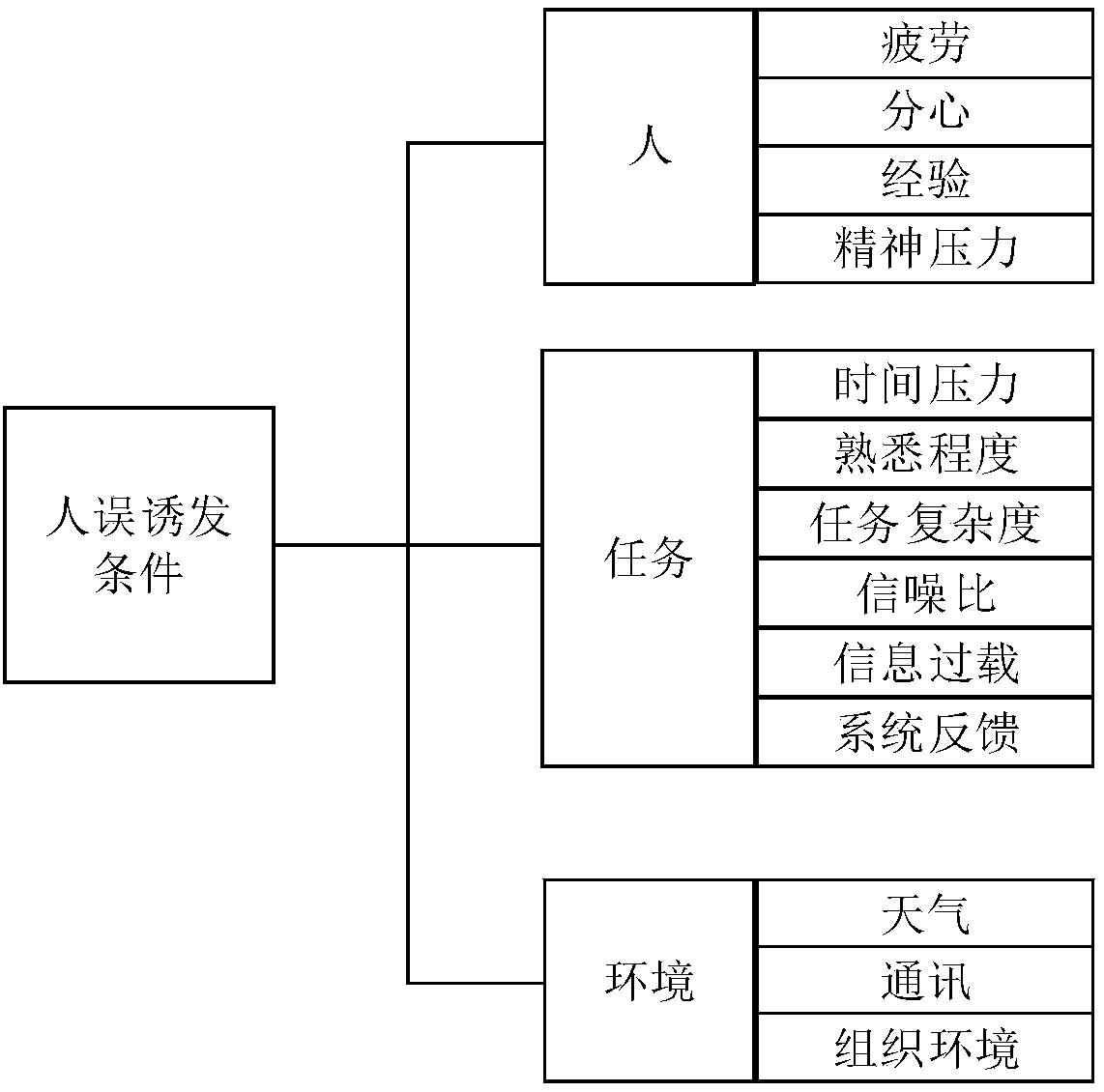
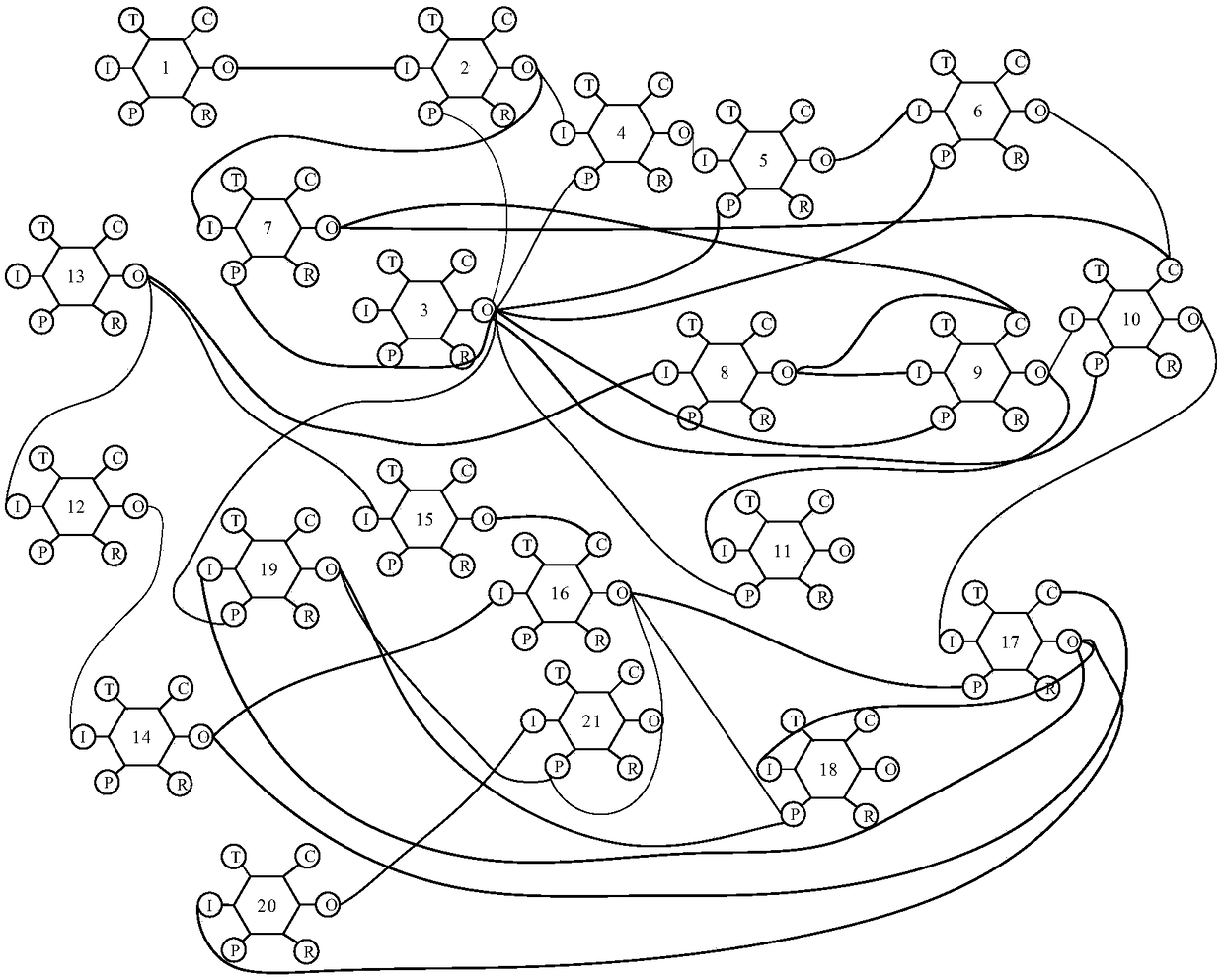
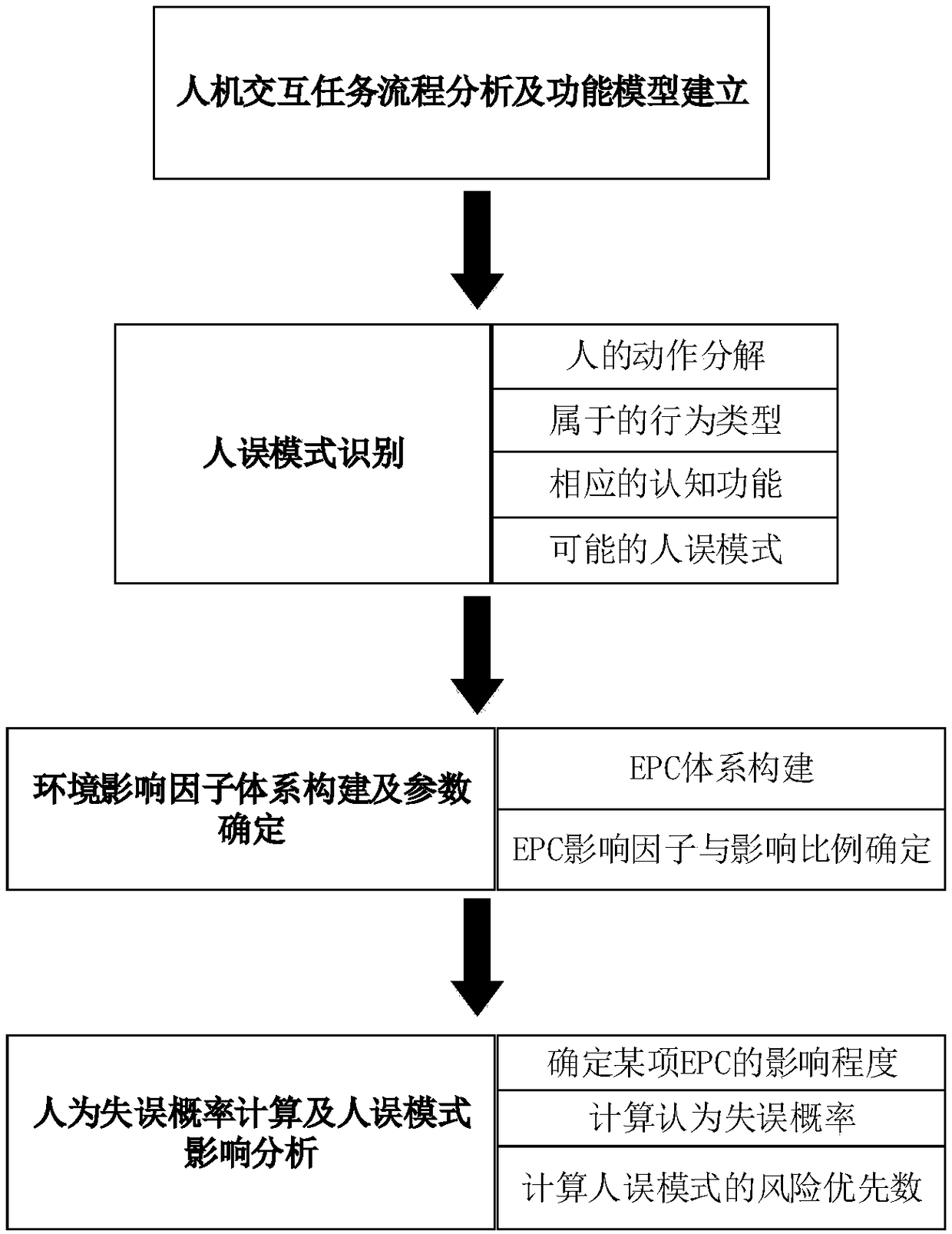
- Using a semi-quantitative method based on task process combing and human-computer interaction analysis, combined with the CREAM human error pattern classification framework and the HEART method, the probability quantification and impact analysis of human error patterns were carried out through task function decomposition, environmental impact factor system construction and parameter determination. , systematically identify and evaluate human error patterns and their impact in the transmission process.

Safety Standards and Certification Requirements for FHA
The regulatory landscape for Functional Hazard Assessment (FHA) is governed by stringent safety standards that vary across different industries and geographical regions. In aviation, the primary framework is established by DO-178C and ARP4761, which mandate comprehensive hazard identification and risk quantification processes. These standards require organizations to demonstrate systematic approaches to identifying potential failure conditions and their associated severity classifications, ranging from minor to catastrophic effects.
The Federal Aviation Administration (FAA) and European Union Aviation Safety Agency (EASA) have established specific certification requirements that demand rigorous documentation of human error considerations within FHA processes. Certification bodies require evidence of systematic human factors analysis, including detailed assessment of operator error probabilities, maintenance-induced failures, and procedural deviations. The standards mandate quantitative risk assessment methodologies that incorporate human reliability analysis techniques such as THERP (Technique for Human Error Rate Prediction) and HEART (Human Error Assessment and Reduction Technique).
International standards ISO 26262 for automotive systems and IEC 61508 for general functional safety provide additional frameworks for FHA implementation. These standards emphasize the integration of human error quantification into overall safety lifecycle processes, requiring organizations to establish clear traceability between identified hazards, safety requirements, and verification activities. The standards mandate specific documentation formats and review processes to ensure consistency and completeness of human error assessments.
Certification requirements typically include mandatory independent safety assessments conducted by designated engineering representatives or notified bodies. These assessments evaluate the adequacy of human error modeling assumptions, the completeness of hazard identification processes, and the appropriateness of selected quantification methods. Organizations must demonstrate compliance through detailed safety cases that present evidence of systematic human factors consideration throughout the FHA process.
Recent regulatory developments have emphasized the need for continuous monitoring and updating of human error assessments based on operational experience and emerging research findings. Standards now require organizations to establish feedback mechanisms that capture real-world human performance data and incorporate these insights into future FHA iterations, ensuring that certification requirements remain aligned with actual operational risks and human performance capabilities.
The Federal Aviation Administration (FAA) and European Union Aviation Safety Agency (EASA) have established specific certification requirements that demand rigorous documentation of human error considerations within FHA processes. Certification bodies require evidence of systematic human factors analysis, including detailed assessment of operator error probabilities, maintenance-induced failures, and procedural deviations. The standards mandate quantitative risk assessment methodologies that incorporate human reliability analysis techniques such as THERP (Technique for Human Error Rate Prediction) and HEART (Human Error Assessment and Reduction Technique).
International standards ISO 26262 for automotive systems and IEC 61508 for general functional safety provide additional frameworks for FHA implementation. These standards emphasize the integration of human error quantification into overall safety lifecycle processes, requiring organizations to establish clear traceability between identified hazards, safety requirements, and verification activities. The standards mandate specific documentation formats and review processes to ensure consistency and completeness of human error assessments.
Certification requirements typically include mandatory independent safety assessments conducted by designated engineering representatives or notified bodies. These assessments evaluate the adequacy of human error modeling assumptions, the completeness of hazard identification processes, and the appropriateness of selected quantification methods. Organizations must demonstrate compliance through detailed safety cases that present evidence of systematic human factors consideration throughout the FHA process.
Recent regulatory developments have emphasized the need for continuous monitoring and updating of human error assessments based on operational experience and emerging research findings. Standards now require organizations to establish feedback mechanisms that capture real-world human performance data and incorporate these insights into future FHA iterations, ensuring that certification requirements remain aligned with actual operational risks and human performance capabilities.
Risk Management Framework for Human Error Mitigation
A comprehensive risk management framework for human error mitigation requires a systematic approach that integrates proactive identification, assessment, and control measures throughout the operational lifecycle. This framework serves as the foundational structure for organizations to systematically address human factors that contribute to safety incidents and operational failures.
The framework begins with establishing a robust governance structure that defines roles, responsibilities, and accountability mechanisms across all organizational levels. Senior leadership commitment ensures adequate resource allocation and creates a culture where human error mitigation is prioritized. Clear communication channels facilitate the flow of safety-critical information between operational teams and management, enabling rapid response to emerging human factor risks.
Risk identification processes form the core component, utilizing multiple data sources including incident reports, near-miss events, operational observations, and predictive analytics. These processes employ structured methodologies such as Human Reliability Analysis (HRA) and Cognitive Task Analysis (CTA) to systematically identify potential failure modes. Regular safety assessments and workplace evaluations help capture evolving risk patterns and emerging threats.
The assessment phase quantifies identified risks using standardized metrics and probability models. This involves analyzing error likelihood, consequence severity, and existing barrier effectiveness. Integration with functional hazard assessment results provides quantitative inputs for risk prioritization and resource allocation decisions. Advanced modeling techniques, including Monte Carlo simulations and Bayesian networks, enhance the accuracy of risk quantification.
Control measures encompass both preventive and protective strategies. Preventive measures focus on reducing error probability through training programs, procedure optimization, interface design improvements, and workload management. Protective measures include redundant systems, independent verification processes, and automated safety interlocks that minimize consequence severity when errors occur.
Continuous monitoring and feedback mechanisms ensure framework effectiveness and adaptability. Performance indicators track error rates, near-miss frequencies, and barrier performance across different operational contexts. Regular framework reviews incorporate lessons learned from incidents, technological advances, and regulatory changes. This iterative approach enables organizations to maintain robust human error mitigation capabilities in dynamic operational environments.
The framework begins with establishing a robust governance structure that defines roles, responsibilities, and accountability mechanisms across all organizational levels. Senior leadership commitment ensures adequate resource allocation and creates a culture where human error mitigation is prioritized. Clear communication channels facilitate the flow of safety-critical information between operational teams and management, enabling rapid response to emerging human factor risks.
Risk identification processes form the core component, utilizing multiple data sources including incident reports, near-miss events, operational observations, and predictive analytics. These processes employ structured methodologies such as Human Reliability Analysis (HRA) and Cognitive Task Analysis (CTA) to systematically identify potential failure modes. Regular safety assessments and workplace evaluations help capture evolving risk patterns and emerging threats.
The assessment phase quantifies identified risks using standardized metrics and probability models. This involves analyzing error likelihood, consequence severity, and existing barrier effectiveness. Integration with functional hazard assessment results provides quantitative inputs for risk prioritization and resource allocation decisions. Advanced modeling techniques, including Monte Carlo simulations and Bayesian networks, enhance the accuracy of risk quantification.
Control measures encompass both preventive and protective strategies. Preventive measures focus on reducing error probability through training programs, procedure optimization, interface design improvements, and workload management. Protective measures include redundant systems, independent verification processes, and automated safety interlocks that minimize consequence severity when errors occur.
Continuous monitoring and feedback mechanisms ensure framework effectiveness and adaptability. Performance indicators track error rates, near-miss frequencies, and barrier performance across different operational contexts. Regular framework reviews incorporate lessons learned from incidents, technological advances, and regulatory changes. This iterative approach enables organizations to maintain robust human error mitigation capabilities in dynamic operational environments.
Unlock deeper insights with Patsnap Eureka Quick Research — get a full tech report to explore trends and direct your research. Try now!
Generate Your Research Report Instantly with AI Agent
Supercharge your innovation with Patsnap Eureka AI Agent Platform!