

Laryngoscope visualization: Future lens technologies.
JUL 15, 20259 MIN READ
Generate Your Research Report Instantly with AI Agent
PatSnap Eureka helps you evaluate technical feasibility & market potential.
Laryngoscope Lens Tech Evolution and Objectives
Laryngoscope visualization technology has undergone significant evolution since its inception in the early 20th century. Initially, direct laryngoscopy relied solely on the naked eye, limiting the view and precision of procedures. The introduction of fiber optic technology in the 1960s marked a pivotal moment, enabling better illumination and visualization of the larynx.
As we entered the digital age, video laryngoscopy emerged as a game-changing innovation. This technology integrates miniature cameras into the laryngoscope, projecting high-resolution images onto external screens. This advancement not only improved the view for the operator but also allowed for team-based procedures and enhanced teaching capabilities.
Recent years have seen a focus on improving image quality, with the development of high-definition and 3D imaging systems. These technologies provide depth perception and clearer visualization of anatomical structures, crucial for complex procedures. Alongside this, augmented reality (AR) applications are being explored to overlay critical information onto the laryngoscopic view in real-time.
The current trajectory of laryngoscope lens technology is aimed at further enhancing visualization while minimizing invasiveness. Objectives include the development of ultra-thin, high-resolution optical systems that can provide superior image quality without increasing the device's profile. There is also a push towards integrating artificial intelligence (AI) for real-time image analysis and guidance during procedures.
Another key goal is the creation of adaptive lens systems that can automatically adjust focus and lighting conditions, reducing the need for manual manipulation during procedures. This could significantly improve the ease of use and reduce procedure times. Additionally, researchers are exploring the potential of hyperspectral imaging in laryngoscopy, which could provide valuable tissue characterization capabilities, potentially aiding in early disease detection.
The overarching objective of future laryngoscope lens technologies is to provide clearer, more detailed, and more informative visualization while enhancing the user experience and patient outcomes. This involves not only improving optical systems but also integrating advanced digital technologies to create smarter, more capable devices that can assist in diagnosis and treatment decisions.
As we entered the digital age, video laryngoscopy emerged as a game-changing innovation. This technology integrates miniature cameras into the laryngoscope, projecting high-resolution images onto external screens. This advancement not only improved the view for the operator but also allowed for team-based procedures and enhanced teaching capabilities.
Recent years have seen a focus on improving image quality, with the development of high-definition and 3D imaging systems. These technologies provide depth perception and clearer visualization of anatomical structures, crucial for complex procedures. Alongside this, augmented reality (AR) applications are being explored to overlay critical information onto the laryngoscopic view in real-time.
The current trajectory of laryngoscope lens technology is aimed at further enhancing visualization while minimizing invasiveness. Objectives include the development of ultra-thin, high-resolution optical systems that can provide superior image quality without increasing the device's profile. There is also a push towards integrating artificial intelligence (AI) for real-time image analysis and guidance during procedures.
Another key goal is the creation of adaptive lens systems that can automatically adjust focus and lighting conditions, reducing the need for manual manipulation during procedures. This could significantly improve the ease of use and reduce procedure times. Additionally, researchers are exploring the potential of hyperspectral imaging in laryngoscopy, which could provide valuable tissue characterization capabilities, potentially aiding in early disease detection.
The overarching objective of future laryngoscope lens technologies is to provide clearer, more detailed, and more informative visualization while enhancing the user experience and patient outcomes. This involves not only improving optical systems but also integrating advanced digital technologies to create smarter, more capable devices that can assist in diagnosis and treatment decisions.
Market Needs for Advanced Laryngoscope Visualization
The market for advanced laryngoscope visualization technologies is experiencing significant growth, driven by the increasing demand for minimally invasive procedures and the need for improved patient outcomes in airway management. Healthcare professionals, particularly anesthesiologists and emergency medicine practitioners, are seeking more sophisticated tools to enhance their ability to perform intubations and other airway-related procedures with greater precision and safety.
One of the primary market needs is for enhanced image quality and clarity. Traditional laryngoscopes often provide limited visibility, especially in challenging anatomical situations. Advanced visualization technologies, such as high-definition cameras and improved lighting systems, are in high demand to provide clearer, more detailed views of the laryngeal structures. This improved visualization can lead to faster and more accurate intubations, reducing the risk of complications and improving patient safety.
Another significant market need is for real-time guidance and augmented reality features. Healthcare providers are looking for laryngoscopes that can offer real-time feedback, such as highlighting anatomical landmarks or providing visual cues for optimal tube placement. This technology can be particularly beneficial for less experienced practitioners or in difficult intubation scenarios, potentially reducing the learning curve and improving overall success rates.
Ergonomics and ease of use are also crucial factors driving market demand. Healthcare professionals require laryngoscopes that are comfortable to handle and easy to maneuver, even in high-stress situations. This includes features such as lightweight designs, intuitive controls, and adjustable handles to accommodate different user preferences and patient anatomies.
The market is also showing a growing interest in integrated documentation and data management capabilities. There is a need for laryngoscopes that can capture and store images or videos of procedures for training, quality assurance, and medicolegal purposes. Additionally, the ability to integrate with hospital information systems for seamless data transfer and record-keeping is becoming increasingly important.
Portability and durability are other key market requirements, especially in emergency and field medicine settings. Healthcare providers need robust, compact laryngoscopes that can withstand the rigors of frequent use and transportation while maintaining high performance standards.
Lastly, there is a significant market demand for cost-effective solutions that can provide advanced visualization capabilities without substantially increasing healthcare costs. Hospitals and healthcare systems are looking for technologies that offer a balance between improved clinical outcomes and economic feasibility, driving the need for innovative, value-based laryngoscope solutions.
One of the primary market needs is for enhanced image quality and clarity. Traditional laryngoscopes often provide limited visibility, especially in challenging anatomical situations. Advanced visualization technologies, such as high-definition cameras and improved lighting systems, are in high demand to provide clearer, more detailed views of the laryngeal structures. This improved visualization can lead to faster and more accurate intubations, reducing the risk of complications and improving patient safety.
Another significant market need is for real-time guidance and augmented reality features. Healthcare providers are looking for laryngoscopes that can offer real-time feedback, such as highlighting anatomical landmarks or providing visual cues for optimal tube placement. This technology can be particularly beneficial for less experienced practitioners or in difficult intubation scenarios, potentially reducing the learning curve and improving overall success rates.
Ergonomics and ease of use are also crucial factors driving market demand. Healthcare professionals require laryngoscopes that are comfortable to handle and easy to maneuver, even in high-stress situations. This includes features such as lightweight designs, intuitive controls, and adjustable handles to accommodate different user preferences and patient anatomies.
The market is also showing a growing interest in integrated documentation and data management capabilities. There is a need for laryngoscopes that can capture and store images or videos of procedures for training, quality assurance, and medicolegal purposes. Additionally, the ability to integrate with hospital information systems for seamless data transfer and record-keeping is becoming increasingly important.
Portability and durability are other key market requirements, especially in emergency and field medicine settings. Healthcare providers need robust, compact laryngoscopes that can withstand the rigors of frequent use and transportation while maintaining high performance standards.
Lastly, there is a significant market demand for cost-effective solutions that can provide advanced visualization capabilities without substantially increasing healthcare costs. Hospitals and healthcare systems are looking for technologies that offer a balance between improved clinical outcomes and economic feasibility, driving the need for innovative, value-based laryngoscope solutions.
Current Lens Tech Challenges in Laryngoscopy
Laryngoscopy, a critical procedure in medical diagnostics and interventions, heavily relies on lens technology for visualization. However, current lens technologies face several challenges that limit their effectiveness in laryngoscope applications.
One of the primary challenges is achieving optimal image quality in the confined space of the larynx. Traditional lens systems often struggle to provide clear, high-resolution images due to the limited light available and the narrow working area. This can result in reduced visibility of fine anatomical structures, potentially impacting diagnostic accuracy and procedural precision.
Another significant challenge is the trade-off between field of view and magnification. Conventional lenses typically offer either a wide field of view with lower magnification or higher magnification with a narrower field of view. This limitation can hinder the clinician's ability to simultaneously observe a broad area while examining specific details, necessitating frequent adjustments or lens changes during procedures.
Depth perception remains a persistent issue with current lens technologies. Many laryngoscopes provide two-dimensional images, which can make it difficult for practitioners to accurately gauge distances and spatial relationships within the larynx. This lack of depth information can complicate navigation and increase the risk of inadvertent tissue contact or injury during procedures.
The miniaturization of lens systems poses another challenge. As laryngoscopes evolve to become less invasive and more maneuverable, there is a growing demand for smaller, more compact lens assemblies. However, reducing lens size while maintaining optical performance is technically challenging and often leads to compromises in image quality or functionality.
Lens fogging is a common problem that affects the clarity of visualization during laryngoscopy. The warm, humid environment of the airway can cause condensation on the lens surface, obscuring the view and necessitating frequent cleaning or the use of anti-fogging solutions, which can interrupt the procedure flow.
Additionally, current lens technologies often struggle with dynamic range limitations. The stark contrast between the bright illumination source and the darker recesses of the larynx can result in overexposed or underexposed areas in the image, making it challenging to discern details across the entire field of view.
Lastly, the integration of advanced imaging modalities, such as fluorescence imaging or narrow-band imaging, with traditional lens systems presents technical hurdles. These emerging techniques require specialized optical properties that are difficult to achieve with conventional lens designs, limiting the adoption of potentially valuable diagnostic tools in laryngoscopy.
One of the primary challenges is achieving optimal image quality in the confined space of the larynx. Traditional lens systems often struggle to provide clear, high-resolution images due to the limited light available and the narrow working area. This can result in reduced visibility of fine anatomical structures, potentially impacting diagnostic accuracy and procedural precision.
Another significant challenge is the trade-off between field of view and magnification. Conventional lenses typically offer either a wide field of view with lower magnification or higher magnification with a narrower field of view. This limitation can hinder the clinician's ability to simultaneously observe a broad area while examining specific details, necessitating frequent adjustments or lens changes during procedures.
Depth perception remains a persistent issue with current lens technologies. Many laryngoscopes provide two-dimensional images, which can make it difficult for practitioners to accurately gauge distances and spatial relationships within the larynx. This lack of depth information can complicate navigation and increase the risk of inadvertent tissue contact or injury during procedures.
The miniaturization of lens systems poses another challenge. As laryngoscopes evolve to become less invasive and more maneuverable, there is a growing demand for smaller, more compact lens assemblies. However, reducing lens size while maintaining optical performance is technically challenging and often leads to compromises in image quality or functionality.
Lens fogging is a common problem that affects the clarity of visualization during laryngoscopy. The warm, humid environment of the airway can cause condensation on the lens surface, obscuring the view and necessitating frequent cleaning or the use of anti-fogging solutions, which can interrupt the procedure flow.
Additionally, current lens technologies often struggle with dynamic range limitations. The stark contrast between the bright illumination source and the darker recesses of the larynx can result in overexposed or underexposed areas in the image, making it challenging to discern details across the entire field of view.
Lastly, the integration of advanced imaging modalities, such as fluorescence imaging or narrow-band imaging, with traditional lens systems presents technical hurdles. These emerging techniques require specialized optical properties that are difficult to achieve with conventional lens designs, limiting the adoption of potentially valuable diagnostic tools in laryngoscopy.
State-of-the-Art Laryngoscope Lens Solutions
01 Enhanced visualization techniques
Various methods are employed to improve the visualization during laryngoscopy. These include the use of advanced imaging technologies, such as high-resolution cameras and video systems, to provide clearer and more detailed views of the larynx and surrounding structures. Some devices incorporate adjustable lighting or magnification features to enhance visibility in challenging anatomical situations.- Enhanced visualization techniques: Advanced imaging technologies are incorporated into laryngoscopes to improve visualization of the larynx and surrounding structures. These may include high-definition cameras, adjustable light sources, and image processing software to enhance clarity and detail during intubation procedures.
- Flexible and adjustable laryngoscope designs: Innovative laryngoscope designs feature flexible or articulating components that can be adjusted to accommodate different patient anatomies. These designs may include bendable blades or shafts, allowing for better maneuverability and improved access to the airway.
- Integration of video and display systems: Laryngoscopes are equipped with integrated video systems and display screens, providing real-time visual feedback to the operator. These systems may include wireless transmission capabilities, allowing for remote viewing and consultation during procedures.
- Augmented reality and image overlay technologies: Advanced laryngoscopes incorporate augmented reality features and image overlay technologies to provide additional information and guidance during intubation. These may include anatomical markers, depth indicators, or real-time physiological data superimposed on the laryngoscope view.
- Disposable and sterile visualization components: Laryngoscopes feature disposable or easily sterilizable visualization components to reduce the risk of cross-contamination between patients. These may include detachable camera modules, single-use blade covers with integrated optics, or modular designs that facilitate thorough cleaning and sterilization.
02 Flexible and adjustable laryngoscope designs
Innovative laryngoscope designs focus on flexibility and adjustability to accommodate different patient anatomies and improve access to the larynx. These designs may include articulating blades, adjustable handles, or modular components that can be customized for specific procedures or patient needs. The goal is to enhance maneuverability and reduce the risk of trauma during intubation.Expand Specific Solutions03 Integration of digital and smart technologies
Modern laryngoscopes increasingly incorporate digital and smart technologies to enhance functionality and user experience. This may include features such as real-time image processing, augmented reality overlays, or integration with other medical devices and systems. Some devices offer wireless connectivity for data transmission or remote viewing capabilities.Expand Specific Solutions04 Ergonomic and user-friendly designs
Emphasis is placed on creating laryngoscopes with ergonomic designs that improve handling and reduce operator fatigue. This includes considerations for grip comfort, weight distribution, and intuitive controls. Some designs incorporate features to facilitate single-handed operation or provide haptic feedback to the user.Expand Specific Solutions05 Disposable and sterile components
To address infection control concerns and improve convenience, some laryngoscope designs incorporate disposable or easily sterilizable components. This may include removable blade covers, disposable light sources, or modular designs that allow for easy cleaning and sterilization of critical parts. These features aim to enhance patient safety and streamline the preparation process for medical staff.Expand Specific Solutions
Key Players in Laryngoscope Lens Innovation
The future lens technologies for laryngoscope visualization market is in a growth phase, driven by increasing demand for advanced medical devices in airway management. The global market size is expected to expand significantly in the coming years, fueled by technological advancements and growing healthcare expenditure. Technologically, the field is rapidly evolving, with companies like Ambu A/S, Karl Storz SE & Co. KG, and Olympus Corp. leading innovation in video laryngoscopy. These firms are developing high-resolution imaging systems, AI-integrated devices, and portable solutions. Emerging players such as Zhejiang Youyi Medical Equipment Co Ltd and IntuBlade Co. are also contributing to market competitiveness with novel lens-clearing technologies and AI-enabled solutions, indicating a dynamic and increasingly mature technological landscape.
Ambu A/S
Technical Solution: Ambu has focused on developing single-use video laryngoscopes to address infection control issues. Their aScope™ 4 RhinoLaryngo Slim features a high-resolution camera and a portable display unit. The company has invested in improving the optical properties of their disposable lenses, achieving near-reusable quality in a single-use device[6]. Ambu is researching the integration of spectral imaging technology to enhance tissue differentiation during laryngoscopy. They are also developing a cloud-based platform for real-time video streaming and remote assistance during difficult intubations, potentially improving outcomes in emergency situations[7].
Strengths: Single-use design eliminates cross-contamination risks, cost-effective for hospitals. Weaknesses: Environmental concerns due to disposable nature, may have slightly lower image quality compared to high-end reusable systems.
Covidien Pte Ltd.
Technical Solution: Covidien (now part of Medtronic) has developed the McGrath™ MAC video laryngoscope, featuring a unique single-use camera and blade design. The system incorporates an adjustable LCD monitor for optimal viewing angles during intubation. Covidien is investing in research to integrate their laryngoscope technology with capnography and other patient monitoring systems for a more comprehensive airway management solution[8]. The company is also exploring the use of machine learning algorithms to provide real-time guidance and feedback during laryngoscopy procedures, potentially improving success rates for less experienced practitioners[9].
Strengths: Ergonomic design with adjustable viewing angle, potential for integrated patient monitoring. Weaknesses: Limited range of blade sizes compared to some competitors, higher per-use cost for disposable components.
Breakthrough Lens Technologies for Laryngoscopy
Laryngoscope with improved visualization
PatentWO2024220993A1
Innovation
- A laryngoscope with a built-in lens cleaner and adjustable suction tube allows for cleaning of the camera lens and clearing of debris without removing the device from the patient's mouth, using a pressurized cleaning fluid source and a suction tube that can be extended and retracted with the same hand, ensuring continuous visualization during intubation.


Image recording device having several image recording modes
PatentInactiveUS20050219376A1
Innovation
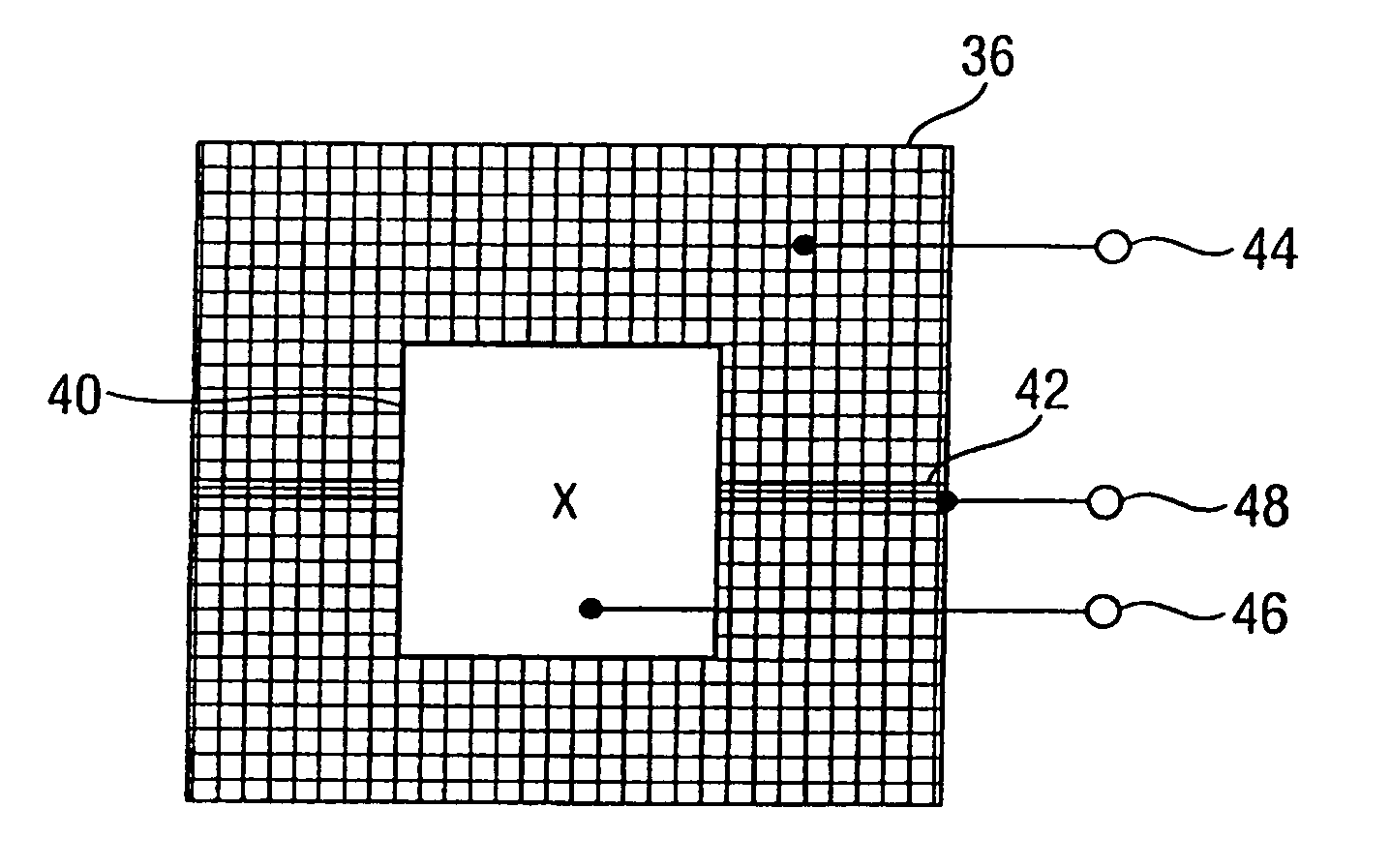
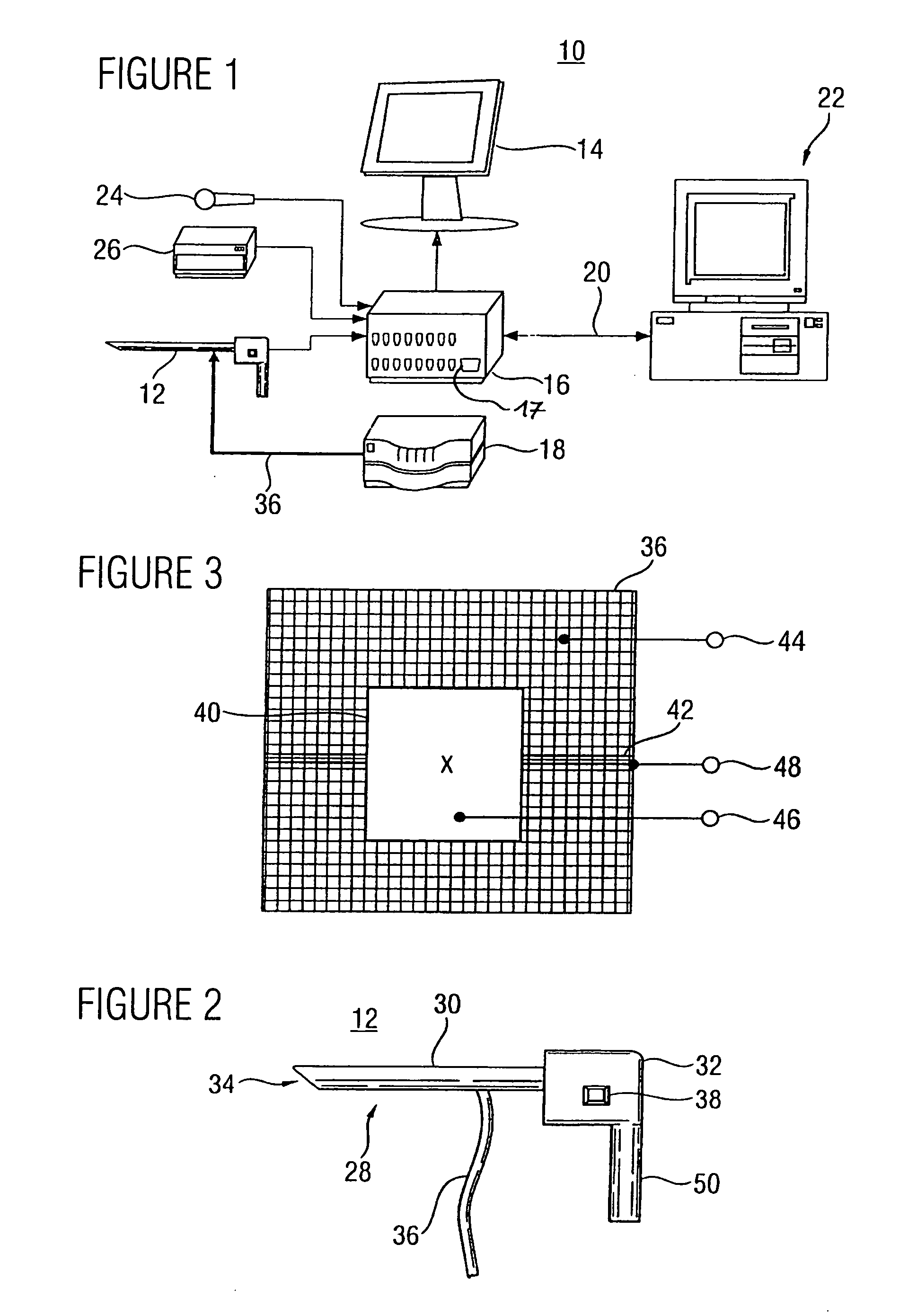
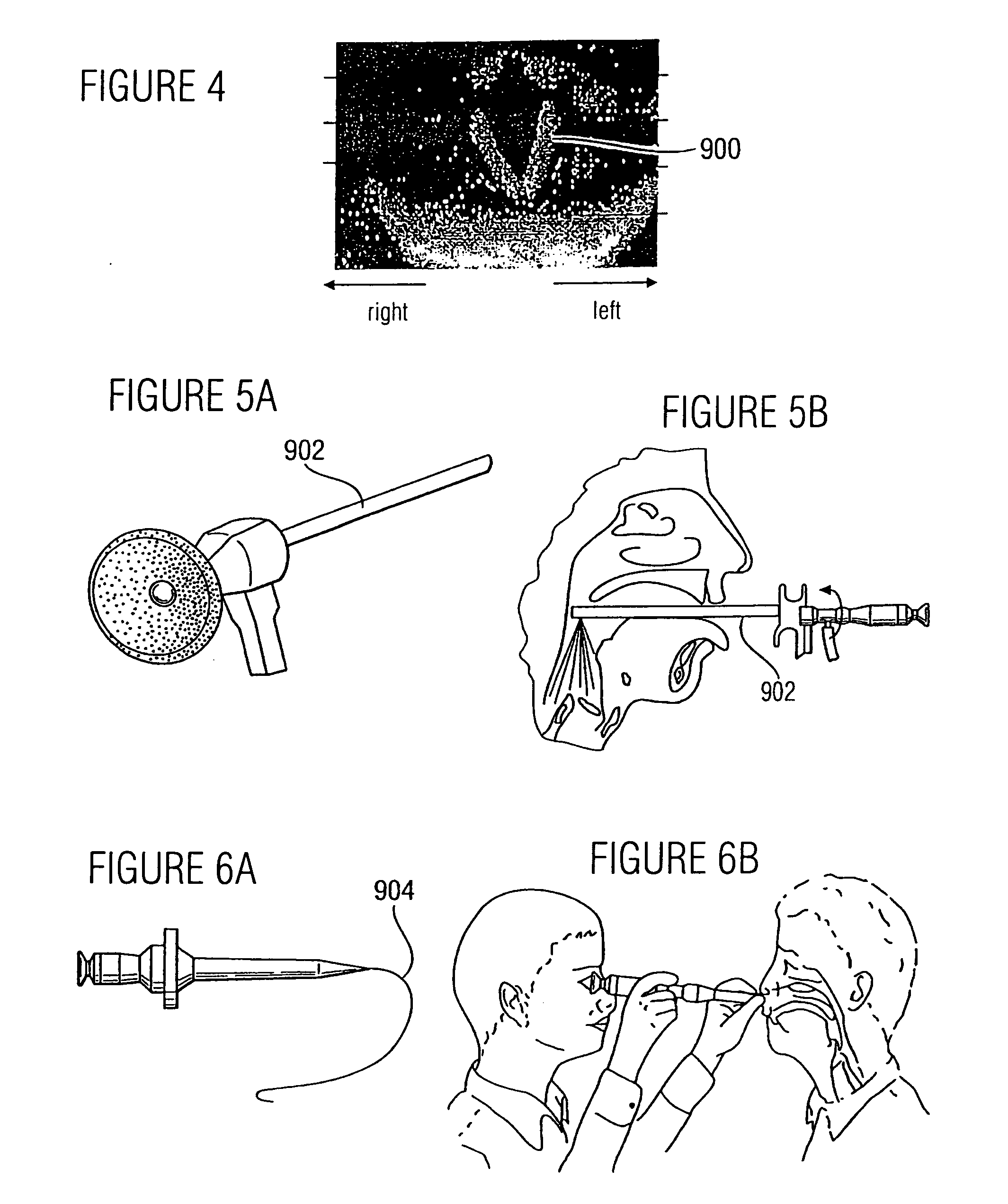
- A multi-mode image recording device with a pixel array that switches between low-resolution, high-spatial-resolution mode; high-resolution, high-temporal-resolution mode; and one-dimensional, high-temporal-resolution mode, enabling effective examination of vocal folds with adjustable sampling frequencies to capture oscillations up to 400 Hz.
Regulatory Framework for Medical Imaging Devices
The regulatory framework for medical imaging devices plays a crucial role in ensuring the safety, efficacy, and quality of laryngoscope visualization technologies. In the United States, the Food and Drug Administration (FDA) is responsible for overseeing the approval and regulation of medical devices, including laryngoscopes and their associated imaging systems.
Under the FDA's classification system, laryngoscopes are typically categorized as Class II medical devices, which require a 510(k) premarket notification submission. This process involves demonstrating that the new device is substantially equivalent to a legally marketed predicate device in terms of safety and effectiveness. For innovative lens technologies in laryngoscopes, manufacturers may need to provide extensive data on optical performance, image quality, and potential risks.
The European Union's regulatory landscape for medical devices has recently undergone significant changes with the implementation of the Medical Device Regulation (MDR). This new framework places greater emphasis on clinical evidence, post-market surveillance, and traceability. Manufacturers of advanced laryngoscope visualization systems must comply with these stringent requirements, which may involve conducting clinical investigations to demonstrate the benefits and risks of their technologies.
In Japan, the Pharmaceuticals and Medical Devices Agency (PMDA) oversees the regulation of medical devices. The approval process for new laryngoscope technologies may involve submitting a premarket approval application, which requires comprehensive safety and efficacy data. The PMDA also emphasizes post-market surveillance to ensure ongoing safety and performance.
Globally, the International Medical Device Regulators Forum (IMDRF) works to harmonize regulatory approaches across different countries. Their guidelines on Software as a Medical Device (SaMD) are particularly relevant for advanced laryngoscope visualization systems that incorporate image processing algorithms or artificial intelligence.
As lens technologies for laryngoscopes continue to evolve, regulatory bodies are likely to adapt their frameworks to address emerging challenges. This may include developing specific guidance for novel imaging modalities, such as hyperspectral imaging or augmented reality overlays. Manufacturers must stay abreast of these regulatory developments to ensure compliance and facilitate market access for their innovative products.
Under the FDA's classification system, laryngoscopes are typically categorized as Class II medical devices, which require a 510(k) premarket notification submission. This process involves demonstrating that the new device is substantially equivalent to a legally marketed predicate device in terms of safety and effectiveness. For innovative lens technologies in laryngoscopes, manufacturers may need to provide extensive data on optical performance, image quality, and potential risks.
The European Union's regulatory landscape for medical devices has recently undergone significant changes with the implementation of the Medical Device Regulation (MDR). This new framework places greater emphasis on clinical evidence, post-market surveillance, and traceability. Manufacturers of advanced laryngoscope visualization systems must comply with these stringent requirements, which may involve conducting clinical investigations to demonstrate the benefits and risks of their technologies.
In Japan, the Pharmaceuticals and Medical Devices Agency (PMDA) oversees the regulation of medical devices. The approval process for new laryngoscope technologies may involve submitting a premarket approval application, which requires comprehensive safety and efficacy data. The PMDA also emphasizes post-market surveillance to ensure ongoing safety and performance.
Globally, the International Medical Device Regulators Forum (IMDRF) works to harmonize regulatory approaches across different countries. Their guidelines on Software as a Medical Device (SaMD) are particularly relevant for advanced laryngoscope visualization systems that incorporate image processing algorithms or artificial intelligence.
As lens technologies for laryngoscopes continue to evolve, regulatory bodies are likely to adapt their frameworks to address emerging challenges. This may include developing specific guidance for novel imaging modalities, such as hyperspectral imaging or augmented reality overlays. Manufacturers must stay abreast of these regulatory developments to ensure compliance and facilitate market access for their innovative products.
Clinical Impact of Improved Laryngoscope Visualization
The clinical impact of improved laryngoscope visualization through advanced lens technologies is profound and far-reaching. Enhanced visualization during laryngoscopy procedures significantly improves patient outcomes and safety across various medical specialties, particularly in anesthesiology, emergency medicine, and critical care.
One of the primary benefits is the increased success rate of first-attempt intubations. With clearer, more detailed views of the laryngeal structures, clinicians can navigate the airway more effectively, reducing the need for multiple intubation attempts. This not only saves critical time in emergency situations but also minimizes trauma to the patient's airway tissues, decreasing the risk of complications such as bleeding, swelling, or laryngospasm.
Improved visualization also enables better identification of anatomical variations and pathological conditions. Clinicians can more easily detect tumors, polyps, or other abnormalities in the larynx and surrounding structures, leading to earlier diagnosis and intervention. This capability is particularly valuable in otolaryngology and head and neck surgery, where precise visualization is crucial for accurate assessment and treatment planning.
In pediatric patients and those with difficult airways, enhanced laryngoscope visualization proves especially beneficial. These challenging cases often require delicate maneuvering and precise placement of the endotracheal tube. Advanced lens technologies provide a clearer view of the smaller or anatomically complex airways, reducing the risk of failed intubations and associated complications in these vulnerable populations.
Furthermore, improved visualization contributes to better teaching and training experiences. Medical students and residents can observe procedures more clearly, enhancing their understanding of airway anatomy and intubation techniques. This leads to faster skill acquisition and increased confidence among trainees, ultimately improving the overall quality of care provided by future generations of clinicians.
The integration of advanced imaging technologies, such as high-definition cameras and video laryngoscopes, allows for real-time sharing of the airway view with the entire medical team. This collaborative approach enhances communication and coordination during critical procedures, particularly in emergency situations or complex surgeries involving multiple specialists.
Lastly, the improved visualization offered by advanced lens technologies in laryngoscopes contributes to the growing field of telemedicine and remote consultation. Specialists can provide expert guidance during difficult intubations or airway assessments from a distance, expanding access to specialized care in rural or underserved areas.
One of the primary benefits is the increased success rate of first-attempt intubations. With clearer, more detailed views of the laryngeal structures, clinicians can navigate the airway more effectively, reducing the need for multiple intubation attempts. This not only saves critical time in emergency situations but also minimizes trauma to the patient's airway tissues, decreasing the risk of complications such as bleeding, swelling, or laryngospasm.
Improved visualization also enables better identification of anatomical variations and pathological conditions. Clinicians can more easily detect tumors, polyps, or other abnormalities in the larynx and surrounding structures, leading to earlier diagnosis and intervention. This capability is particularly valuable in otolaryngology and head and neck surgery, where precise visualization is crucial for accurate assessment and treatment planning.
In pediatric patients and those with difficult airways, enhanced laryngoscope visualization proves especially beneficial. These challenging cases often require delicate maneuvering and precise placement of the endotracheal tube. Advanced lens technologies provide a clearer view of the smaller or anatomically complex airways, reducing the risk of failed intubations and associated complications in these vulnerable populations.
Furthermore, improved visualization contributes to better teaching and training experiences. Medical students and residents can observe procedures more clearly, enhancing their understanding of airway anatomy and intubation techniques. This leads to faster skill acquisition and increased confidence among trainees, ultimately improving the overall quality of care provided by future generations of clinicians.
The integration of advanced imaging technologies, such as high-definition cameras and video laryngoscopes, allows for real-time sharing of the airway view with the entire medical team. This collaborative approach enhances communication and coordination during critical procedures, particularly in emergency situations or complex surgeries involving multiple specialists.
Lastly, the improved visualization offered by advanced lens technologies in laryngoscopes contributes to the growing field of telemedicine and remote consultation. Specialists can provide expert guidance during difficult intubations or airway assessments from a distance, expanding access to specialized care in rural or underserved areas.
Unlock deeper insights with PatSnap Eureka Quick Research — get a full tech report to explore trends and direct your research. Try now!
Generate Your Research Report Instantly with AI Agent
Supercharge your innovation with PatSnap Eureka AI Agent Platform!