
Grid-forming Inverter vs STATCOM: Reactive Power Support
APR 7, 20269 MIN READ
Generate Your Research Report Instantly with AI Agent
Patsnap Eureka helps you evaluate technical feasibility & market potential.
Grid-forming Inverter and STATCOM Technology Background and Goals
The evolution of power grid infrastructure has undergone significant transformation over the past decades, driven by the increasing integration of renewable energy sources and the growing demand for grid stability and power quality. Traditional power systems, originally designed around centralized synchronous generators, now face unprecedented challenges as distributed energy resources proliferate across the network. This paradigm shift has necessitated the development of advanced power electronic solutions capable of providing essential grid services while maintaining system reliability.
Grid-forming inverters represent a revolutionary approach to power conversion technology, fundamentally altering how distributed energy resources interact with the electrical grid. Unlike conventional grid-following inverters that require a stable grid reference for operation, grid-forming inverters possess the capability to establish and maintain voltage and frequency references independently. This autonomous operation enables them to create stable microgrid environments and provide seamless transitions between grid-connected and islanded modes of operation.
Static Synchronous Compensators have emerged as mature and proven solutions for reactive power compensation and voltage regulation in transmission and distribution networks. These power electronic devices utilize voltage source converter technology to provide dynamic reactive power support, voltage regulation, and power factor correction. STATCOMs offer superior performance compared to traditional reactive power compensation methods, delivering faster response times and more precise control capabilities across varying operating conditions.
The primary technological objective driving both grid-forming inverter and STATCOM development centers on enhancing reactive power support capabilities within modern electrical networks. As power systems experience increasing variability due to renewable energy integration, the demand for dynamic reactive power management has intensified significantly. Both technologies aim to address voltage stability challenges, improve power quality, and ensure reliable grid operation under diverse loading conditions and system disturbances.
Contemporary research and development efforts focus on optimizing the comparative advantages of each technology while addressing their respective limitations. Grid-forming inverters target seamless integration with renewable energy sources and energy storage systems, enabling distributed generation to provide grid-supporting services traditionally reserved for conventional power plants. Meanwhile, STATCOM technology continues advancing toward higher power ratings, improved efficiency, and enhanced control algorithms for large-scale transmission system applications.
The convergence of these technologies represents a critical milestone in power system modernization, where the selection between grid-forming inverters and STATCOMs depends on specific application requirements, system characteristics, and operational objectives. Understanding their complementary roles and competitive advantages becomes essential for optimal power system planning and reactive power management strategies.
Grid-forming inverters represent a revolutionary approach to power conversion technology, fundamentally altering how distributed energy resources interact with the electrical grid. Unlike conventional grid-following inverters that require a stable grid reference for operation, grid-forming inverters possess the capability to establish and maintain voltage and frequency references independently. This autonomous operation enables them to create stable microgrid environments and provide seamless transitions between grid-connected and islanded modes of operation.
Static Synchronous Compensators have emerged as mature and proven solutions for reactive power compensation and voltage regulation in transmission and distribution networks. These power electronic devices utilize voltage source converter technology to provide dynamic reactive power support, voltage regulation, and power factor correction. STATCOMs offer superior performance compared to traditional reactive power compensation methods, delivering faster response times and more precise control capabilities across varying operating conditions.
The primary technological objective driving both grid-forming inverter and STATCOM development centers on enhancing reactive power support capabilities within modern electrical networks. As power systems experience increasing variability due to renewable energy integration, the demand for dynamic reactive power management has intensified significantly. Both technologies aim to address voltage stability challenges, improve power quality, and ensure reliable grid operation under diverse loading conditions and system disturbances.
Contemporary research and development efforts focus on optimizing the comparative advantages of each technology while addressing their respective limitations. Grid-forming inverters target seamless integration with renewable energy sources and energy storage systems, enabling distributed generation to provide grid-supporting services traditionally reserved for conventional power plants. Meanwhile, STATCOM technology continues advancing toward higher power ratings, improved efficiency, and enhanced control algorithms for large-scale transmission system applications.
The convergence of these technologies represents a critical milestone in power system modernization, where the selection between grid-forming inverters and STATCOMs depends on specific application requirements, system characteristics, and operational objectives. Understanding their complementary roles and competitive advantages becomes essential for optimal power system planning and reactive power management strategies.
Market Demand for Advanced Reactive Power Support Solutions
The global power grid infrastructure is undergoing a fundamental transformation driven by the accelerating integration of renewable energy sources and the modernization of electrical networks. This transition has created an unprecedented demand for sophisticated reactive power support solutions that can maintain grid stability while accommodating the variable nature of renewable generation.
Traditional power systems relied heavily on synchronous generators to provide reactive power support and voltage regulation. However, the increasing penetration of inverter-based resources has fundamentally altered grid dynamics, creating new challenges in maintaining power quality and system stability. This shift has generated substantial market opportunities for advanced reactive power compensation technologies.
The renewable energy sector represents the largest growth driver for reactive power support solutions. Wind and solar installations require sophisticated power electronics to manage reactive power flow and comply with grid codes. Utility-scale renewable projects increasingly demand grid-forming capabilities to enhance system resilience and reduce dependence on conventional generation sources.
Industrial and commercial sectors are experiencing growing demand for reactive power solutions due to stricter power quality regulations and rising energy costs. Manufacturing facilities with significant motor loads and power electronics equipment require dynamic reactive power compensation to optimize power factor and reduce utility penalties. Data centers and electric vehicle charging infrastructure represent emerging high-growth segments requiring advanced power quality solutions.
Grid modernization initiatives worldwide are driving substantial investments in reactive power infrastructure. Aging transmission and distribution networks require upgrades to handle bidirectional power flows and maintain voltage stability across increasingly complex grid topologies. Smart grid deployments emphasize the need for fast-responding, digitally controlled reactive power devices.
The market demand is further amplified by regulatory frameworks mandating improved grid resilience and power quality standards. Grid codes increasingly require renewable energy installations to provide ancillary services, including reactive power support and voltage regulation capabilities. These regulatory drivers are creating sustained demand for both grid-forming inverters and STATCOM technologies.
Emerging applications in microgrids and distributed energy resources are expanding market opportunities beyond traditional utility-scale deployments. Remote communities, military installations, and critical infrastructure facilities require autonomous reactive power management capabilities to ensure reliable operation during grid disturbances or islanded conditions.
Traditional power systems relied heavily on synchronous generators to provide reactive power support and voltage regulation. However, the increasing penetration of inverter-based resources has fundamentally altered grid dynamics, creating new challenges in maintaining power quality and system stability. This shift has generated substantial market opportunities for advanced reactive power compensation technologies.
The renewable energy sector represents the largest growth driver for reactive power support solutions. Wind and solar installations require sophisticated power electronics to manage reactive power flow and comply with grid codes. Utility-scale renewable projects increasingly demand grid-forming capabilities to enhance system resilience and reduce dependence on conventional generation sources.
Industrial and commercial sectors are experiencing growing demand for reactive power solutions due to stricter power quality regulations and rising energy costs. Manufacturing facilities with significant motor loads and power electronics equipment require dynamic reactive power compensation to optimize power factor and reduce utility penalties. Data centers and electric vehicle charging infrastructure represent emerging high-growth segments requiring advanced power quality solutions.
Grid modernization initiatives worldwide are driving substantial investments in reactive power infrastructure. Aging transmission and distribution networks require upgrades to handle bidirectional power flows and maintain voltage stability across increasingly complex grid topologies. Smart grid deployments emphasize the need for fast-responding, digitally controlled reactive power devices.
The market demand is further amplified by regulatory frameworks mandating improved grid resilience and power quality standards. Grid codes increasingly require renewable energy installations to provide ancillary services, including reactive power support and voltage regulation capabilities. These regulatory drivers are creating sustained demand for both grid-forming inverters and STATCOM technologies.
Emerging applications in microgrids and distributed energy resources are expanding market opportunities beyond traditional utility-scale deployments. Remote communities, military installations, and critical infrastructure facilities require autonomous reactive power management capabilities to ensure reliable operation during grid disturbances or islanded conditions.
Current State and Challenges of Grid-forming vs STATCOM Technologies
Grid-forming inverters and STATCOM technologies represent two distinct approaches to reactive power support in modern electrical grids, each at different stages of technological maturity and commercial deployment. Grid-forming inverters have emerged as a relatively recent innovation, primarily driven by the increasing penetration of renewable energy sources and the need for enhanced grid stability. These systems can autonomously establish voltage and frequency references, making them particularly valuable in weak grid conditions or islanded operations.
STATCOM technology, conversely, has achieved greater commercial maturity over the past two decades. These systems excel in dynamic reactive power compensation and voltage regulation, with proven track records in utility-scale applications. Current STATCOM implementations demonstrate superior response times, typically within milliseconds, and can provide continuous reactive power support across wide operating ranges without the constraints of active power generation requirements.
The primary technical challenge facing grid-forming inverters lies in their complex control algorithms and the need for sophisticated grid synchronization mechanisms. These systems must maintain stable operation during grid disturbances while providing both active and reactive power support. Current implementations often struggle with harmonic distortion management and require advanced filtering solutions, increasing system complexity and costs.
STATCOM technologies face different challenges, primarily related to their reliance on traditional power electronics and the need for substantial infrastructure investments. While technologically mature, these systems are geographically concentrated in developed markets with established transmission networks. The high capital costs and specialized maintenance requirements limit their deployment in emerging markets or distributed grid applications.
Geographically, STATCOM installations are predominantly located in North America, Europe, and parts of Asia, where grid infrastructure investments support large-scale reactive power compensation projects. Grid-forming inverter deployments are more distributed, often integrated with renewable energy installations across diverse geographical regions, though commercial-scale implementations remain limited.
The integration challenges for both technologies center on grid code compliance and interoperability with existing infrastructure. Grid-forming inverters must demonstrate reliable performance across varying grid conditions, while STATCOM systems require careful coordination with other grid support devices to prevent reactive power conflicts and ensure optimal system performance.
STATCOM technology, conversely, has achieved greater commercial maturity over the past two decades. These systems excel in dynamic reactive power compensation and voltage regulation, with proven track records in utility-scale applications. Current STATCOM implementations demonstrate superior response times, typically within milliseconds, and can provide continuous reactive power support across wide operating ranges without the constraints of active power generation requirements.
The primary technical challenge facing grid-forming inverters lies in their complex control algorithms and the need for sophisticated grid synchronization mechanisms. These systems must maintain stable operation during grid disturbances while providing both active and reactive power support. Current implementations often struggle with harmonic distortion management and require advanced filtering solutions, increasing system complexity and costs.
STATCOM technologies face different challenges, primarily related to their reliance on traditional power electronics and the need for substantial infrastructure investments. While technologically mature, these systems are geographically concentrated in developed markets with established transmission networks. The high capital costs and specialized maintenance requirements limit their deployment in emerging markets or distributed grid applications.
Geographically, STATCOM installations are predominantly located in North America, Europe, and parts of Asia, where grid infrastructure investments support large-scale reactive power compensation projects. Grid-forming inverter deployments are more distributed, often integrated with renewable energy installations across diverse geographical regions, though commercial-scale implementations remain limited.
The integration challenges for both technologies center on grid code compliance and interoperability with existing infrastructure. Grid-forming inverters must demonstrate reliable performance across varying grid conditions, while STATCOM systems require careful coordination with other grid support devices to prevent reactive power conflicts and ensure optimal system performance.
Current Technical Solutions for Reactive Power Support
01 Grid-forming inverter control strategies for reactive power support
Grid-forming inverters can be controlled to provide reactive power support to the grid by implementing advanced control algorithms. These control strategies enable the inverter to operate independently and establish voltage and frequency references, similar to synchronous generators. The control methods include voltage and current regulation techniques that allow the inverter to inject or absorb reactive power as needed to maintain grid stability and voltage levels.- Grid-forming inverter control strategies for voltage and frequency regulation: Grid-forming inverters employ advanced control algorithms to establish and maintain grid voltage and frequency independently. These control strategies enable the inverter to act as a voltage source, providing stable reference signals for grid operation. The control methods include droop control, virtual synchronous machine control, and direct voltage control techniques that allow the inverter to respond to grid disturbances and maintain power quality without relying on external grid references.
- STATCOM reactive power compensation and voltage support: Static synchronous compensators provide dynamic reactive power compensation to maintain voltage stability in power systems. These devices can rapidly inject or absorb reactive power to regulate voltage levels at the point of connection. The compensation mechanism involves power electronic converters that generate controllable reactive current, enabling fast response to voltage fluctuations and improving power system stability during transient conditions.
- Coordinated control between grid-forming inverters and STATCOM: Integration of grid-forming inverters with static compensators requires coordinated control strategies to optimize reactive power distribution and voltage regulation. The coordination involves communication protocols and control algorithms that enable both devices to work synergistically, sharing reactive power requirements and responding to grid events. This coordination enhances overall system stability and prevents conflicts between different reactive power sources.
- Fault ride-through capability and grid support during disturbances: Advanced grid support functions enable inverters and compensators to maintain operation during grid faults and provide critical support services. These capabilities include low voltage ride-through, reactive current injection during faults, and post-fault recovery assistance. The technologies employ sophisticated detection algorithms and control responses that allow the equipment to remain connected and support grid recovery during abnormal conditions.
- Hybrid systems combining energy storage with reactive power support: Integrated systems that combine energy storage capabilities with reactive power compensation provide enhanced grid services. These hybrid configurations enable simultaneous active and reactive power control, offering flexibility in grid support applications. The systems can provide both short-term dynamic response and sustained power quality improvement, utilizing battery storage or other energy storage technologies alongside power electronic converters for comprehensive grid support.
02 STATCOM integration with grid-forming inverters
Static synchronous compensators can be integrated with grid-forming inverter technology to enhance reactive power compensation capabilities. This integration combines the fast response characteristics of power electronics with grid-forming capabilities, enabling dynamic voltage support and improved power quality. The combined system can provide both active and reactive power control while maintaining grid stability during disturbances.Expand Specific Solutions03 Voltage regulation and power quality improvement
Grid-forming inverters and STATCOM devices work together to regulate voltage levels and improve power quality in electrical networks. These systems can compensate for voltage sags, swells, and harmonics while providing continuous reactive power support. The technology enables precise voltage control at the point of common coupling, ensuring stable operation of connected loads and maintaining power system reliability.Expand Specific Solutions04 Renewable energy integration with reactive power support
Grid-forming inverters facilitate the integration of renewable energy sources by providing essential reactive power support services. These inverters enable renewable generation systems to contribute to grid stability and voltage regulation, similar to conventional power plants. The technology allows distributed energy resources to participate in grid support functions while maintaining synchronization and power quality standards.Expand Specific Solutions05 Fault ride-through and grid stability enhancement
Advanced grid-forming inverter systems with STATCOM functionality provide fault ride-through capabilities and enhance overall grid stability. These systems can maintain operation during grid disturbances and provide dynamic reactive power injection to support voltage recovery. The technology includes protection mechanisms and control strategies that enable the system to remain connected during transient events while contributing to grid resilience.Expand Specific Solutions
Key Players in Grid-forming Inverter and STATCOM Industry
The grid-forming inverter versus STATCOM reactive power support technology represents a rapidly evolving sector within the power electronics and grid stability market. The industry is transitioning from traditional centralized grid management to distributed, renewable-integrated systems, driving significant market expansion valued at several billion dollars globally. Technology maturity varies considerably across market players, with established industrial giants like ABB Ltd., Siemens Gamesa, and Hitachi Energy leading in proven STATCOM solutions, while companies such as American Superconductor Corp. and SMA Solar Technology AG advance grid-forming inverter capabilities. State Grid Corp. of China and various research institutions including Hunan University and University of Western Ontario contribute substantial R&D investments. The competitive landscape shows traditional power equipment manufacturers competing with renewable energy specialists and emerging technology companies like Vestas Wind Systems A/S, creating a dynamic environment where both technologies coexist and complement each other in modern grid applications.
Hitachi Energy Ltd.
Technical Solution: Hitachi Energy specializes in both grid-forming inverter technology and STATCOM solutions for reactive power support applications. Their grid-forming inverters utilize advanced control strategies including virtual synchronous machine algorithms to provide grid stabilization services. The company's STATCOM systems offer rapid reactive power compensation with response times under 10ms and can provide ±300 Mvar reactive power support. Their comparative analysis shows grid-forming inverters excel in weak grid conditions by providing voltage source characteristics, while STATCOMs offer superior harmonic filtering capabilities and proven reliability in high-voltage transmission applications. Both technologies support power factor correction and voltage regulation.
Strengths: Dual expertise in both technologies, proven track record in transmission systems, fast response capabilities. Weaknesses: Higher complexity in grid-forming solutions, requires specialized maintenance expertise.
State Grid Corp. of China
Technical Solution: State Grid implements large-scale deployment of both grid-forming inverters and STATCOM systems across China's power network for reactive power management. Their grid-forming inverter projects focus on renewable energy integration, providing voltage support and grid stabilization in weak grid areas. The company operates multiple STATCOM installations with capacities ranging from ±50 Mvar to ±300 Mvar for transmission-level reactive power compensation. Their operational experience demonstrates that grid-forming inverters offer better performance in distributed generation scenarios, while STATCOMs provide superior reactive power control in high-voltage transmission corridors. The utility has developed hybrid control strategies combining both technologies for optimal grid performance.
Strengths: Extensive operational experience, large-scale deployment capabilities, comprehensive grid integration knowledge. Weaknesses: Technology dependency on international suppliers, standardization challenges across diverse applications.
Core Patents in Grid-forming and STATCOM Technologies
Statcom System For Providing Reactive And/Or Active Power To A Power Network
PatentActiveUS20100171472A1
Innovation
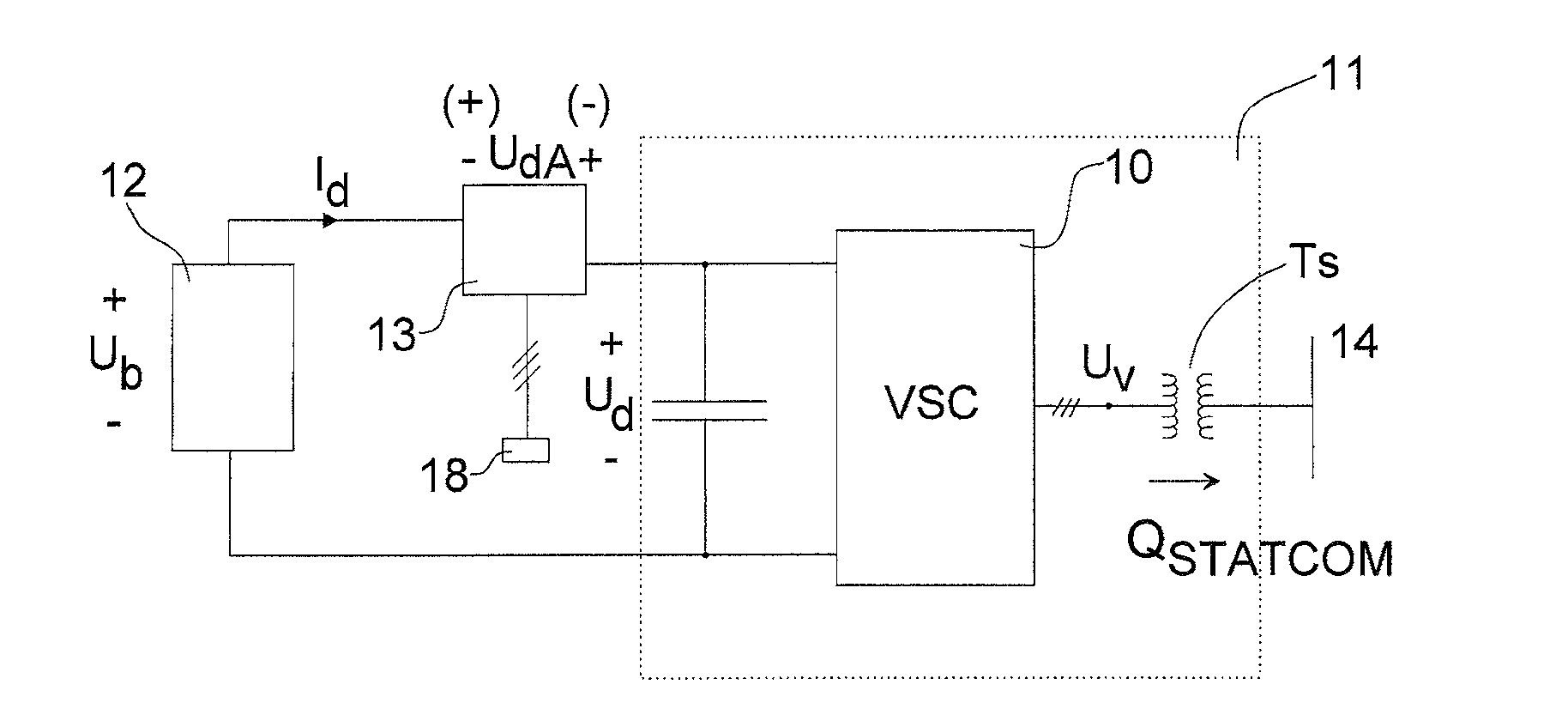
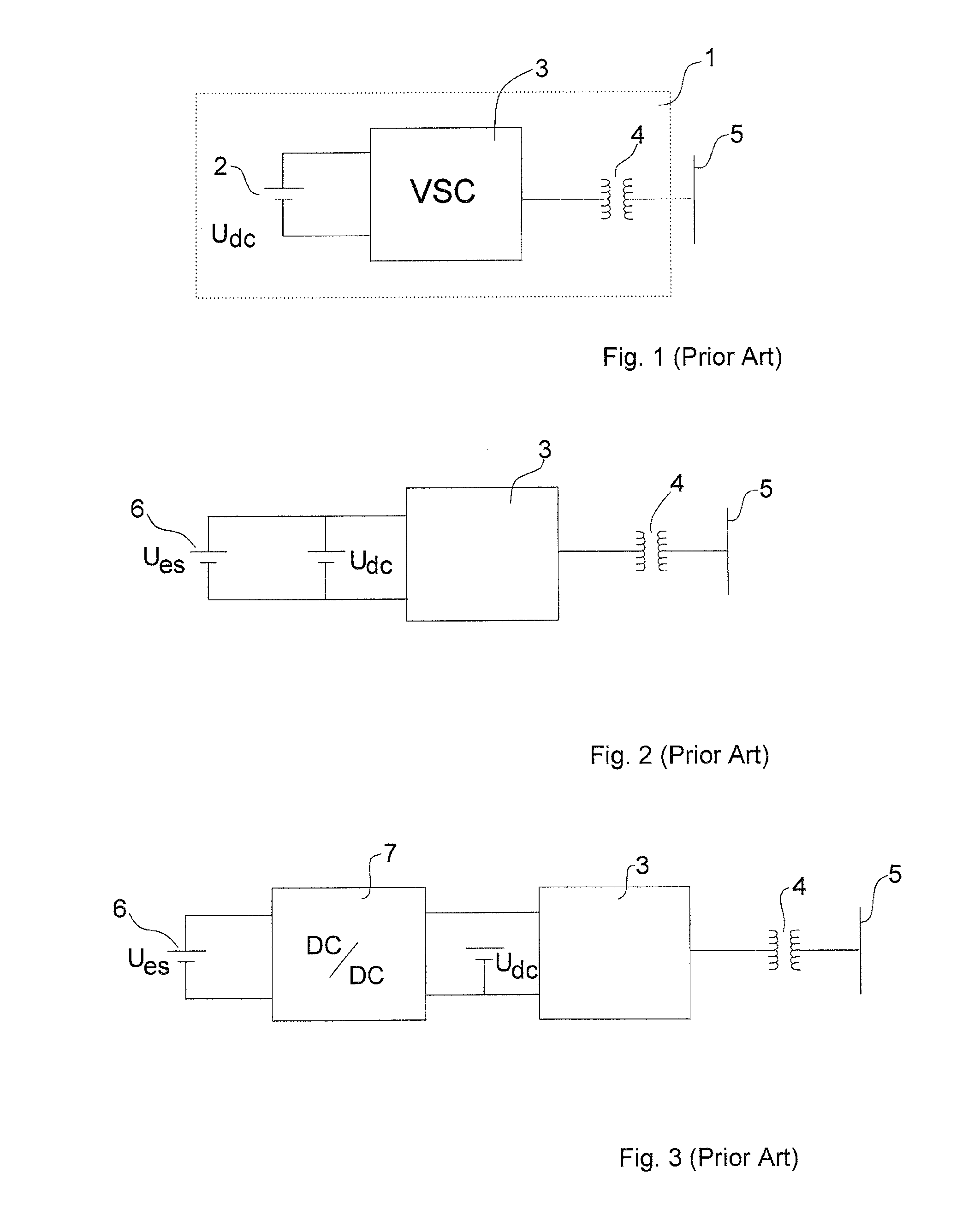
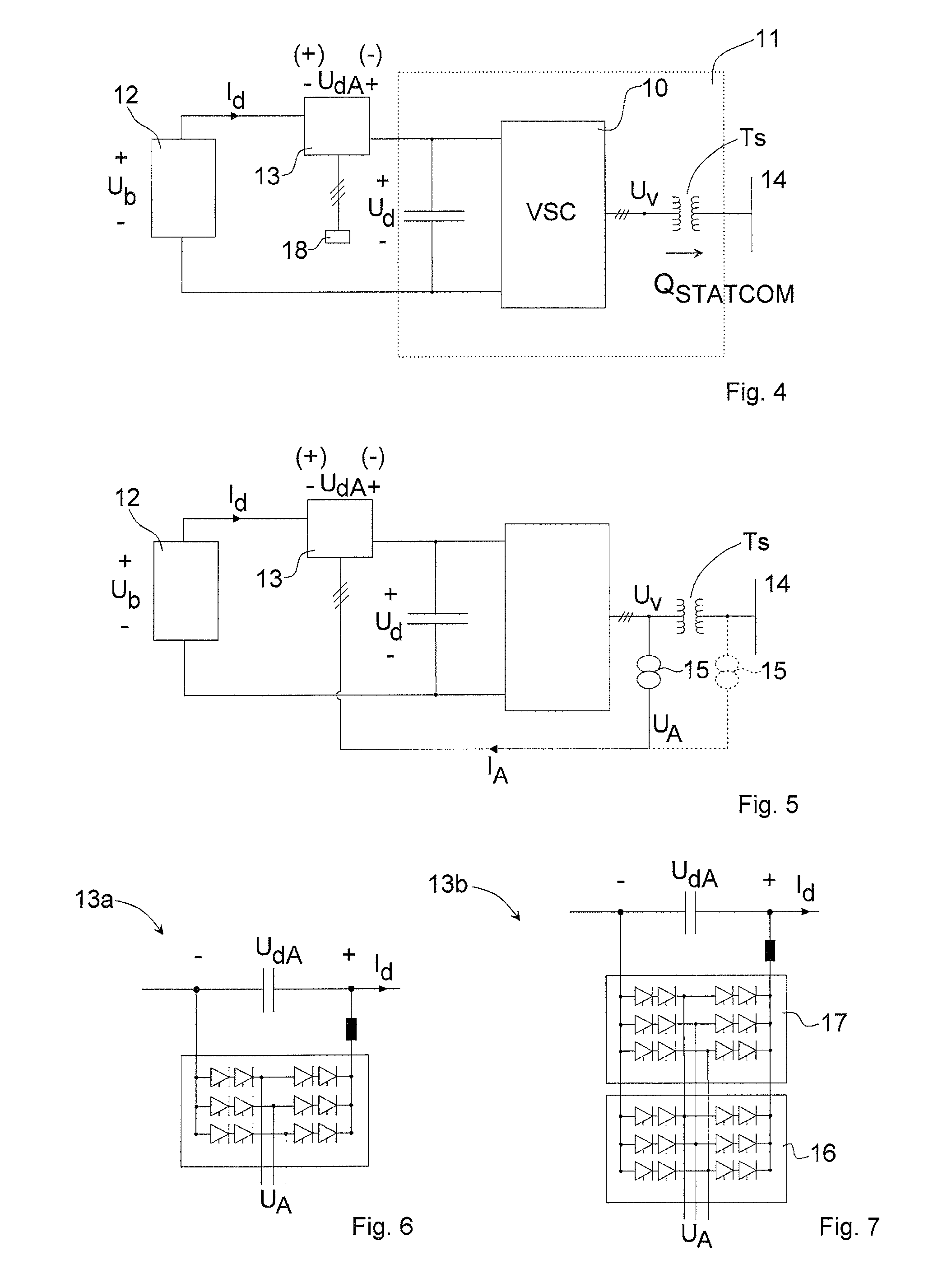
- A STATCOM system with a booster converter device connected in series with the energy storage device and in parallel with the DC capacitor, allowing for a constant DC voltage operation and reducing the need for expensive components, using a current source converter or thyristor converter to handle voltage differences and provide reactive and active power.

Utilization of distributed generator inverters as statcom
PatentWO2011032265A1
Innovation
- Utilizing solar farm inverters as static synchronous compensators (STATCOMs) to dynamically control reactive power and regulate voltage at the point of common coupling, especially at night when solar farms are not producing real power, and during partial sun hours to support wind farms and improve power system stability.


Grid Code Requirements for Reactive Power Support Systems
Grid codes worldwide have established comprehensive frameworks governing reactive power support systems to ensure power system stability and reliability. These regulatory standards define mandatory technical requirements that both grid-forming inverters and STATCOMs must satisfy when providing reactive power services to transmission and distribution networks.
The IEEE 1547 standard series represents a cornerstone in North American grid interconnection requirements, specifying voltage regulation capabilities, power factor ranges, and dynamic response characteristics for distributed energy resources. Grid-forming inverters must demonstrate continuous reactive power output within ±0.44 per unit of rated active power, while maintaining voltage regulation accuracy within ±5% during steady-state conditions. Similarly, STATCOM installations are required to provide full reactive power capacity across the entire AC voltage operating range of 0.88 to 1.1 per unit.
European grid codes, particularly the Network Code on Requirements for Generators (RfG), establish distinct reactive power capability requirements based on connection voltage levels. Type C and D generating units, which include large-scale renewable installations with grid-forming capabilities, must provide reactive power equivalent to at least 33% of maximum active power output. STATCOMs serving as reactive power compensation devices must comply with additional requirements under the Network Code on High Voltage Direct Current Connections and DC-connected Power Park Modules.
Dynamic performance specifications constitute critical compliance criteria for both technologies. Grid codes mandate specific response times for voltage disturbances, typically requiring initial response within 150 milliseconds and full reactive power deployment within 1-2 seconds. Grid-forming inverters must demonstrate seamless transition capabilities between grid-connected and islanded operation modes while maintaining reactive power support throughout the transition process.
Fault ride-through requirements represent another essential compliance dimension, where both grid-forming inverters and STATCOMs must continue providing reactive power support during voltage sags down to 0.15 per unit for durations up to 625 milliseconds. These requirements ensure system stability during grid disturbances and prevent cascading failures that could compromise overall network reliability.
The IEEE 1547 standard series represents a cornerstone in North American grid interconnection requirements, specifying voltage regulation capabilities, power factor ranges, and dynamic response characteristics for distributed energy resources. Grid-forming inverters must demonstrate continuous reactive power output within ±0.44 per unit of rated active power, while maintaining voltage regulation accuracy within ±5% during steady-state conditions. Similarly, STATCOM installations are required to provide full reactive power capacity across the entire AC voltage operating range of 0.88 to 1.1 per unit.
European grid codes, particularly the Network Code on Requirements for Generators (RfG), establish distinct reactive power capability requirements based on connection voltage levels. Type C and D generating units, which include large-scale renewable installations with grid-forming capabilities, must provide reactive power equivalent to at least 33% of maximum active power output. STATCOMs serving as reactive power compensation devices must comply with additional requirements under the Network Code on High Voltage Direct Current Connections and DC-connected Power Park Modules.
Dynamic performance specifications constitute critical compliance criteria for both technologies. Grid codes mandate specific response times for voltage disturbances, typically requiring initial response within 150 milliseconds and full reactive power deployment within 1-2 seconds. Grid-forming inverters must demonstrate seamless transition capabilities between grid-connected and islanded operation modes while maintaining reactive power support throughout the transition process.
Fault ride-through requirements represent another essential compliance dimension, where both grid-forming inverters and STATCOMs must continue providing reactive power support during voltage sags down to 0.15 per unit for durations up to 625 milliseconds. These requirements ensure system stability during grid disturbances and prevent cascading failures that could compromise overall network reliability.
Integration Challenges in Modern Power Grid Infrastructure
The integration of grid-forming inverters and STATCOMs into modern power grid infrastructure presents multifaceted challenges that require comprehensive technical and operational considerations. These challenges stem from the fundamental differences in how these technologies interact with existing grid systems and their varying operational characteristics.
Grid synchronization represents one of the most critical integration challenges. Grid-forming inverters must establish and maintain voltage and frequency references independently, which can create conflicts with existing grid control systems. Unlike traditional synchronous generators, these inverters rely on sophisticated control algorithms that may exhibit different dynamic responses during grid disturbances. The coordination between multiple grid-forming units becomes increasingly complex as penetration levels rise, potentially leading to stability issues if not properly managed.
Communication infrastructure requirements pose another significant challenge. Modern reactive power support systems demand real-time data exchange between distributed devices, grid operators, and control centers. The latency and reliability of communication networks directly impact the effectiveness of coordinated reactive power management. Legacy grid infrastructure often lacks the necessary communication capabilities, requiring substantial upgrades to support advanced control strategies.
Protection system coordination presents unique difficulties when integrating these technologies. Traditional protection schemes were designed for unidirectional power flows and predictable fault current characteristics. Grid-forming inverters and STATCOMs can alter fault current magnitudes and directions, potentially causing protection miscoordination. The adaptive nature of these devices requires protection systems to accommodate varying operational modes and dynamic impedance characteristics.
Regulatory and standardization challenges further complicate integration efforts. Existing grid codes and interconnection standards may not adequately address the operational requirements of advanced reactive power support technologies. The lack of standardized testing procedures and performance metrics creates uncertainty for both utilities and equipment manufacturers, potentially delaying widespread adoption.
Economic integration challenges include cost allocation mechanisms for reactive power services and the development of appropriate market structures. The enhanced capabilities of grid-forming inverters and STATCOMs may not be fully recognized in traditional utility planning and procurement processes, creating barriers to optimal technology deployment and investment recovery.
Grid synchronization represents one of the most critical integration challenges. Grid-forming inverters must establish and maintain voltage and frequency references independently, which can create conflicts with existing grid control systems. Unlike traditional synchronous generators, these inverters rely on sophisticated control algorithms that may exhibit different dynamic responses during grid disturbances. The coordination between multiple grid-forming units becomes increasingly complex as penetration levels rise, potentially leading to stability issues if not properly managed.
Communication infrastructure requirements pose another significant challenge. Modern reactive power support systems demand real-time data exchange between distributed devices, grid operators, and control centers. The latency and reliability of communication networks directly impact the effectiveness of coordinated reactive power management. Legacy grid infrastructure often lacks the necessary communication capabilities, requiring substantial upgrades to support advanced control strategies.
Protection system coordination presents unique difficulties when integrating these technologies. Traditional protection schemes were designed for unidirectional power flows and predictable fault current characteristics. Grid-forming inverters and STATCOMs can alter fault current magnitudes and directions, potentially causing protection miscoordination. The adaptive nature of these devices requires protection systems to accommodate varying operational modes and dynamic impedance characteristics.
Regulatory and standardization challenges further complicate integration efforts. Existing grid codes and interconnection standards may not adequately address the operational requirements of advanced reactive power support technologies. The lack of standardized testing procedures and performance metrics creates uncertainty for both utilities and equipment manufacturers, potentially delaying widespread adoption.
Economic integration challenges include cost allocation mechanisms for reactive power services and the development of appropriate market structures. The enhanced capabilities of grid-forming inverters and STATCOMs may not be fully recognized in traditional utility planning and procurement processes, creating barriers to optimal technology deployment and investment recovery.
Unlock deeper insights with Patsnap Eureka Quick Research — get a full tech report to explore trends and direct your research. Try now!
Generate Your Research Report Instantly with AI Agent
Supercharge your innovation with Patsnap Eureka AI Agent Platform!