
Harmonic Drives in Advanced Light Displays: Control Synchronization
APR 27, 20269 MIN READ
Generate Your Research Report Instantly with AI Agent
Patsnap Eureka helps you evaluate technical feasibility & market potential.
Harmonic Drive Light Display Tech Background and Goals
Harmonic drives represent a sophisticated mechanical transmission technology that has evolved significantly since their initial development in the 1950s by C.W. Musser. Originally designed for aerospace applications requiring precise motion control in compact form factors, these strain wave gears have demonstrated exceptional capabilities in achieving high reduction ratios while maintaining minimal backlash and superior positioning accuracy.
The integration of harmonic drives into advanced light display systems represents a natural evolution of precision motion control technology. Traditional light display mechanisms often rely on conventional gear systems or direct drive motors, which frequently suffer from positioning inaccuracies, mechanical vibrations, and synchronization challenges when multiple display elements must operate in perfect coordination. These limitations become particularly pronounced in large-scale installations where dozens or hundreds of individual light elements require precise angular positioning and synchronized movement patterns.
The fundamental challenge in advanced light display applications lies in achieving seamless control synchronization across multiple actuated elements while maintaining the rapid response times necessary for dynamic visual effects. Conventional transmission systems introduce cumulative positioning errors and timing delays that compromise the visual coherence of complex light patterns, particularly in applications requiring sub-degree angular precision and millisecond-level timing accuracy.
The primary technical objective for implementing harmonic drives in advanced light displays centers on establishing a robust control synchronization framework that leverages the inherent precision characteristics of strain wave gear technology. This involves developing control algorithms capable of coordinating multiple harmonic drive units while compensating for individual unit variations and environmental factors that may affect synchronization performance.
Key performance targets include achieving angular positioning accuracy within 0.1 degrees across all display elements, maintaining synchronization timing precision below 5 milliseconds between units, and ensuring consistent performance across temperature variations and extended operational periods. Additionally, the system must demonstrate scalability to support installations ranging from small artistic displays with 10-20 elements to large architectural installations incorporating hundreds of synchronized light units.
The technological framework aims to establish new standards for precision light display systems, enabling applications in architectural lighting, entertainment venues, and artistic installations where traditional mechanical systems cannot deliver the required performance levels. Success in this domain would position harmonic drive technology as the preferred solution for next-generation dynamic lighting applications requiring unprecedented levels of precision and synchronization.
The integration of harmonic drives into advanced light display systems represents a natural evolution of precision motion control technology. Traditional light display mechanisms often rely on conventional gear systems or direct drive motors, which frequently suffer from positioning inaccuracies, mechanical vibrations, and synchronization challenges when multiple display elements must operate in perfect coordination. These limitations become particularly pronounced in large-scale installations where dozens or hundreds of individual light elements require precise angular positioning and synchronized movement patterns.
The fundamental challenge in advanced light display applications lies in achieving seamless control synchronization across multiple actuated elements while maintaining the rapid response times necessary for dynamic visual effects. Conventional transmission systems introduce cumulative positioning errors and timing delays that compromise the visual coherence of complex light patterns, particularly in applications requiring sub-degree angular precision and millisecond-level timing accuracy.
The primary technical objective for implementing harmonic drives in advanced light displays centers on establishing a robust control synchronization framework that leverages the inherent precision characteristics of strain wave gear technology. This involves developing control algorithms capable of coordinating multiple harmonic drive units while compensating for individual unit variations and environmental factors that may affect synchronization performance.
Key performance targets include achieving angular positioning accuracy within 0.1 degrees across all display elements, maintaining synchronization timing precision below 5 milliseconds between units, and ensuring consistent performance across temperature variations and extended operational periods. Additionally, the system must demonstrate scalability to support installations ranging from small artistic displays with 10-20 elements to large architectural installations incorporating hundreds of synchronized light units.
The technological framework aims to establish new standards for precision light display systems, enabling applications in architectural lighting, entertainment venues, and artistic installations where traditional mechanical systems cannot deliver the required performance levels. Success in this domain would position harmonic drive technology as the preferred solution for next-generation dynamic lighting applications requiring unprecedented levels of precision and synchronization.
Market Demand for Advanced Synchronized Light Display Systems
The entertainment and events industry represents the largest market segment for advanced synchronized light display systems, driven by increasing demand for immersive experiences at concerts, festivals, and theatrical productions. Major venues worldwide are investing heavily in sophisticated lighting infrastructure that can deliver precise, coordinated visual effects synchronized with audio content. This sector particularly values the precision timing capabilities that harmonic drive technology enables, as even millisecond delays in synchronization can significantly impact audience experience quality.
Architectural and urban lighting applications constitute another rapidly expanding market segment. Smart city initiatives across developed nations are incorporating dynamic lighting systems into building facades, bridges, and public spaces. These installations require robust synchronization mechanisms to create cohesive visual narratives across multiple structures and vast distances. The reliability and precision offered by harmonic drive systems make them particularly suitable for permanent outdoor installations where maintenance accessibility is limited.
The broadcast and media production industry demonstrates strong demand for synchronized lighting systems in studio environments and live television productions. Modern broadcasting requires seamless integration between lighting effects and camera movements, demanding sub-millisecond synchronization accuracy. Production companies are increasingly seeking automated lighting solutions that can be precisely controlled and repeated for multiple takes or live broadcasts.
Corporate events and brand activation campaigns represent a growing niche market where companies seek to create memorable experiences through synchronized light displays. Trade shows, product launches, and corporate presentations increasingly incorporate sophisticated lighting systems to enhance brand messaging and audience engagement. The ability to achieve perfect synchronization across multiple display elements has become a key differentiator in this competitive market.
Theme parks and permanent entertainment installations form a specialized but lucrative market segment requiring extremely reliable synchronized lighting systems. These applications demand continuous operation over extended periods while maintaining precise synchronization across complex multi-zone displays. The durability and consistent performance characteristics of harmonic drive systems align well with the operational requirements of these high-traffic entertainment venues.
Emerging applications in retail environments and hospitality venues are creating new market opportunities for synchronized lighting systems. Shopping centers, hotels, and restaurants are incorporating dynamic lighting displays to enhance customer experiences and create distinctive atmospheres. This trend toward experiential retail and hospitality design is driving demand for more sophisticated yet cost-effective synchronization solutions.
Architectural and urban lighting applications constitute another rapidly expanding market segment. Smart city initiatives across developed nations are incorporating dynamic lighting systems into building facades, bridges, and public spaces. These installations require robust synchronization mechanisms to create cohesive visual narratives across multiple structures and vast distances. The reliability and precision offered by harmonic drive systems make them particularly suitable for permanent outdoor installations where maintenance accessibility is limited.
The broadcast and media production industry demonstrates strong demand for synchronized lighting systems in studio environments and live television productions. Modern broadcasting requires seamless integration between lighting effects and camera movements, demanding sub-millisecond synchronization accuracy. Production companies are increasingly seeking automated lighting solutions that can be precisely controlled and repeated for multiple takes or live broadcasts.
Corporate events and brand activation campaigns represent a growing niche market where companies seek to create memorable experiences through synchronized light displays. Trade shows, product launches, and corporate presentations increasingly incorporate sophisticated lighting systems to enhance brand messaging and audience engagement. The ability to achieve perfect synchronization across multiple display elements has become a key differentiator in this competitive market.
Theme parks and permanent entertainment installations form a specialized but lucrative market segment requiring extremely reliable synchronized lighting systems. These applications demand continuous operation over extended periods while maintaining precise synchronization across complex multi-zone displays. The durability and consistent performance characteristics of harmonic drive systems align well with the operational requirements of these high-traffic entertainment venues.
Emerging applications in retail environments and hospitality venues are creating new market opportunities for synchronized lighting systems. Shopping centers, hotels, and restaurants are incorporating dynamic lighting displays to enhance customer experiences and create distinctive atmospheres. This trend toward experiential retail and hospitality design is driving demand for more sophisticated yet cost-effective synchronization solutions.
Current State and Challenges of Harmonic Drive Control Sync
The current landscape of harmonic drive control synchronization in advanced light displays presents a complex technical environment characterized by both significant achievements and persistent challenges. Modern implementations have successfully demonstrated precise angular positioning capabilities with typical accuracies ranging from 10 to 30 arc-seconds, making them suitable for high-precision optical applications. However, the integration of multiple harmonic drives within synchronized light display systems continues to face substantial technical hurdles.
Synchronization accuracy remains the most critical challenge, particularly when coordinating multiple harmonic drives across large-scale display installations. Current systems struggle to maintain phase coherence below 0.1 milliseconds across distributed drive units, leading to visible artifacts in dynamic light patterns. The inherent backlash characteristics of harmonic drives, typically ranging from 1 to 3 arc-minutes, compound synchronization difficulties when rapid directional changes are required.
Thermal management presents another significant constraint affecting synchronization performance. Temperature variations of just 10-15°C can introduce timing drift of up to 50 microseconds per drive unit, severely impacting multi-drive coordination. Current thermal compensation algorithms show limited effectiveness in real-time applications, particularly during rapid thermal transients common in high-intensity lighting environments.
Control bandwidth limitations further restrict synchronization capabilities. Most commercial harmonic drive controllers operate with closed-loop bandwidths between 10-50 Hz, insufficient for the sub-millisecond response times demanded by advanced light display applications. This bandwidth constraint becomes particularly problematic when implementing complex choreographed sequences requiring precise temporal coordination across multiple optical elements.
Communication latency between distributed control nodes introduces additional synchronization challenges. Current fieldbus and Ethernet-based control networks typically exhibit jitter ranges of 100-500 microseconds, which directly translates to visible timing discrepancies in synchronized light displays. The lack of deterministic communication protocols specifically optimized for harmonic drive coordination represents a significant gap in current technological capabilities.
Sensor feedback integration remains problematic, with most systems relying on encoder resolutions that prove inadequate for the precision requirements of advanced light displays. Current absolute encoders typically provide 17-20 bit resolution, resulting in quantization errors that accumulate across multiple synchronized axes, degrading overall system performance and limiting the achievable synchronization precision in demanding display applications.
Synchronization accuracy remains the most critical challenge, particularly when coordinating multiple harmonic drives across large-scale display installations. Current systems struggle to maintain phase coherence below 0.1 milliseconds across distributed drive units, leading to visible artifacts in dynamic light patterns. The inherent backlash characteristics of harmonic drives, typically ranging from 1 to 3 arc-minutes, compound synchronization difficulties when rapid directional changes are required.
Thermal management presents another significant constraint affecting synchronization performance. Temperature variations of just 10-15°C can introduce timing drift of up to 50 microseconds per drive unit, severely impacting multi-drive coordination. Current thermal compensation algorithms show limited effectiveness in real-time applications, particularly during rapid thermal transients common in high-intensity lighting environments.
Control bandwidth limitations further restrict synchronization capabilities. Most commercial harmonic drive controllers operate with closed-loop bandwidths between 10-50 Hz, insufficient for the sub-millisecond response times demanded by advanced light display applications. This bandwidth constraint becomes particularly problematic when implementing complex choreographed sequences requiring precise temporal coordination across multiple optical elements.
Communication latency between distributed control nodes introduces additional synchronization challenges. Current fieldbus and Ethernet-based control networks typically exhibit jitter ranges of 100-500 microseconds, which directly translates to visible timing discrepancies in synchronized light displays. The lack of deterministic communication protocols specifically optimized for harmonic drive coordination represents a significant gap in current technological capabilities.
Sensor feedback integration remains problematic, with most systems relying on encoder resolutions that prove inadequate for the precision requirements of advanced light displays. Current absolute encoders typically provide 17-20 bit resolution, resulting in quantization errors that accumulate across multiple synchronized axes, degrading overall system performance and limiting the achievable synchronization precision in demanding display applications.
Existing Harmonic Drive Synchronization Solutions
01 Multi-axis harmonic drive synchronization control systems
Control systems designed to synchronize multiple harmonic drives operating in parallel or coordinated configurations. These systems employ advanced control algorithms to ensure precise timing and positioning across multiple axes, enabling coordinated motion control in complex mechanical systems. The synchronization is achieved through feedback control mechanisms that monitor and adjust the relative positions and velocities of each harmonic drive unit.- Multi-axis harmonic drive synchronization control: Control systems that coordinate multiple harmonic drives operating simultaneously to achieve precise synchronized motion. These systems employ advanced algorithms to ensure that multiple axes move in perfect coordination, compensating for individual drive characteristics and maintaining synchronization even under varying load conditions. The control methods include cross-coupling compensation and master-slave configurations.
- Feedback control systems for harmonic drive positioning: Closed-loop control architectures that utilize position and velocity feedback to maintain accurate synchronization of harmonic drives. These systems incorporate encoders and sensors to continuously monitor drive performance and make real-time adjustments to maintain synchronization accuracy. The feedback mechanisms help compensate for backlash, compliance, and other mechanical variations inherent in harmonic drives.
- Phase synchronization algorithms for harmonic drives: Specialized control algorithms designed to maintain phase relationships between multiple harmonic drives in synchronized systems. These algorithms monitor the relative phase positions of drives and apply corrective actions to prevent drift and maintain precise timing relationships. The methods include predictive control and adaptive synchronization techniques that account for dynamic system changes.
- Communication protocols for distributed harmonic drive control: Network-based communication systems that enable coordinated control of harmonic drives across distributed locations. These protocols facilitate real-time data exchange between drive controllers, allowing for synchronized operation even when drives are physically separated. The systems support various industrial communication standards and provide deterministic timing for critical synchronization applications.
- Compensation methods for harmonic drive nonlinearities: Advanced control techniques that address the inherent nonlinear characteristics of harmonic drives to improve synchronization performance. These methods include compliance compensation, friction modeling, and backlash correction algorithms that enhance the precision of synchronized motion. The compensation techniques are particularly important for applications requiring high accuracy and repeatability.
02 Feedback control mechanisms for harmonic drive positioning
Implementation of closed-loop feedback systems that monitor the actual position and velocity of harmonic drives and compare them with desired setpoints. These mechanisms utilize various sensors and encoders to provide real-time position data, enabling precise control and correction of any deviations. The feedback systems are essential for maintaining accuracy and repeatability in harmonic drive applications.Expand Specific Solutions03 Electronic control units for harmonic drive coordination
Dedicated electronic control systems that manage the operation and synchronization of harmonic drives through digital signal processing and control algorithms. These units process input commands and sensor feedback to generate appropriate control signals for maintaining synchronization between multiple drives. The electronic controllers often incorporate programmable logic and communication interfaces for integration with larger automation systems.Expand Specific Solutions04 Communication protocols for distributed harmonic drive networks
Network communication systems that enable multiple harmonic drives to share position, velocity, and status information for coordinated operation. These protocols facilitate real-time data exchange between distributed drive units and central control systems, ensuring synchronized operation across complex mechanical assemblies. The communication systems support various industrial networking standards and real-time performance requirements.Expand Specific Solutions05 Adaptive control algorithms for harmonic drive synchronization
Advanced control algorithms that automatically adjust control parameters based on system performance and operating conditions to maintain optimal synchronization. These algorithms can compensate for mechanical variations, load changes, and environmental factors that might affect synchronization accuracy. The adaptive nature allows the system to maintain performance over time and across varying operating conditions without manual tuning.Expand Specific Solutions
Key Players in Harmonic Drive and Light Display Industry
The harmonic drives in advanced light displays market represents an emerging technological convergence currently in its early development stage, with significant growth potential driven by increasing demand for precision control in next-generation display systems. The market size remains relatively modest but is expanding rapidly as applications in holographic displays, high-resolution projectors, and synchronized LED arrays gain traction. Technology maturity varies significantly across the competitive landscape, with established display giants like Samsung Display, LG Display, and BOE Technology leading in core display technologies, while companies like Kino-Mo specialize in innovative holographic solutions. Traditional electronics manufacturers including Sony, Canon, and Seiko Epson bring advanced optical and mechanical expertise, whereas specialized firms like Himax Technologies and Harvatek focus on display drivers and LED components essential for precise synchronization control systems.
Samsung Display Co., Ltd.
Technical Solution: Samsung Display has developed advanced synchronization control systems for their OLED and QLED displays that utilize harmonic drive mechanisms for precise pixel timing control. Their technology incorporates high-precision servo motors with harmonic reducers to achieve sub-microsecond synchronization accuracy across large display panels. The system employs distributed control architecture where multiple harmonic drive units work in coordination to maintain uniform brightness and color consistency across the entire display surface. Samsung's implementation includes real-time feedback loops that monitor and adjust the harmonic drive parameters to compensate for environmental factors and aging effects, ensuring long-term display performance stability.
Strengths: Industry-leading precision in synchronization control, extensive R&D resources, proven track record in display technology. Weaknesses: High manufacturing costs, complex system integration requirements.
LG Display Co., Ltd.
Technical Solution: LG Display has implemented harmonic drive technology in their advanced OLED display systems to achieve precise control synchronization for large-scale installations and curved display applications. Their approach focuses on using compact harmonic drives integrated with stepper motors to control the mechanical positioning of display elements and maintain optical alignment. The system features adaptive synchronization algorithms that can dynamically adjust timing parameters based on content requirements and environmental conditions. LG's solution includes proprietary control software that manages multiple harmonic drive units simultaneously, enabling seamless operation of complex display configurations such as video walls and flexible displays.
Strengths: Strong expertise in OLED technology, innovative flexible display solutions, good market presence. Weaknesses: Limited experience with mechanical drive systems, dependency on external suppliers for harmonic components.
Core Patents in Harmonic Drive Display Control Tech
Closed-loop compensation for kinematic error in harmonic driver for precision control applications
PatentInactiveUS6459940B1
Innovation
- Development of nonlinear control algorithms that use both load side and motor side feedback to compensate for kinematic error in harmonic drives, based on a mathematical model representing dynamic effects, ensuring complete compensation in set-point and trajectory tracking without prior information about the error form, employing Lyapunov theory for stability analysis.


Apparatus and method of driving light source for image display device and image display device having the same
PatentInactiveUS7612756B2
Innovation
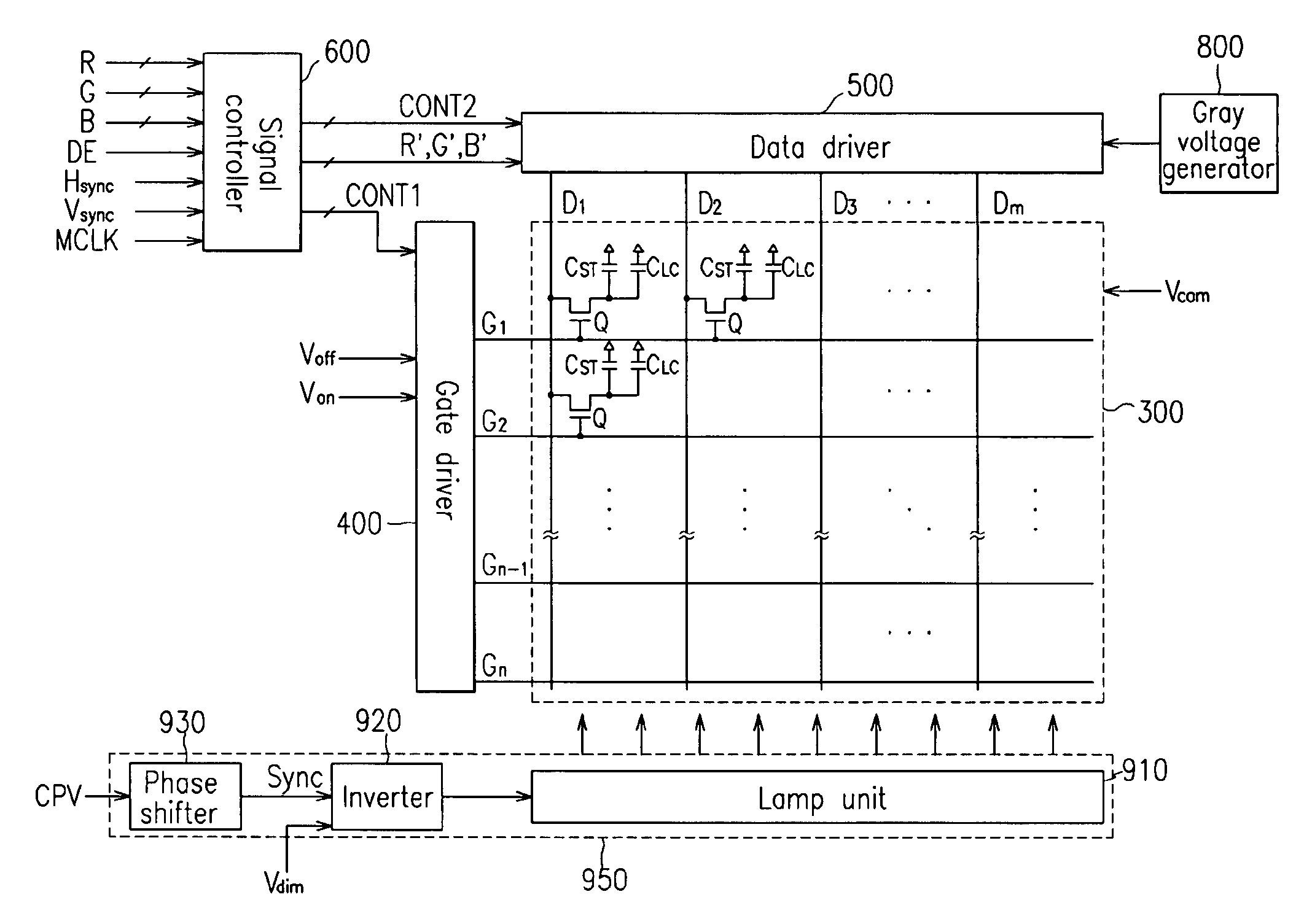
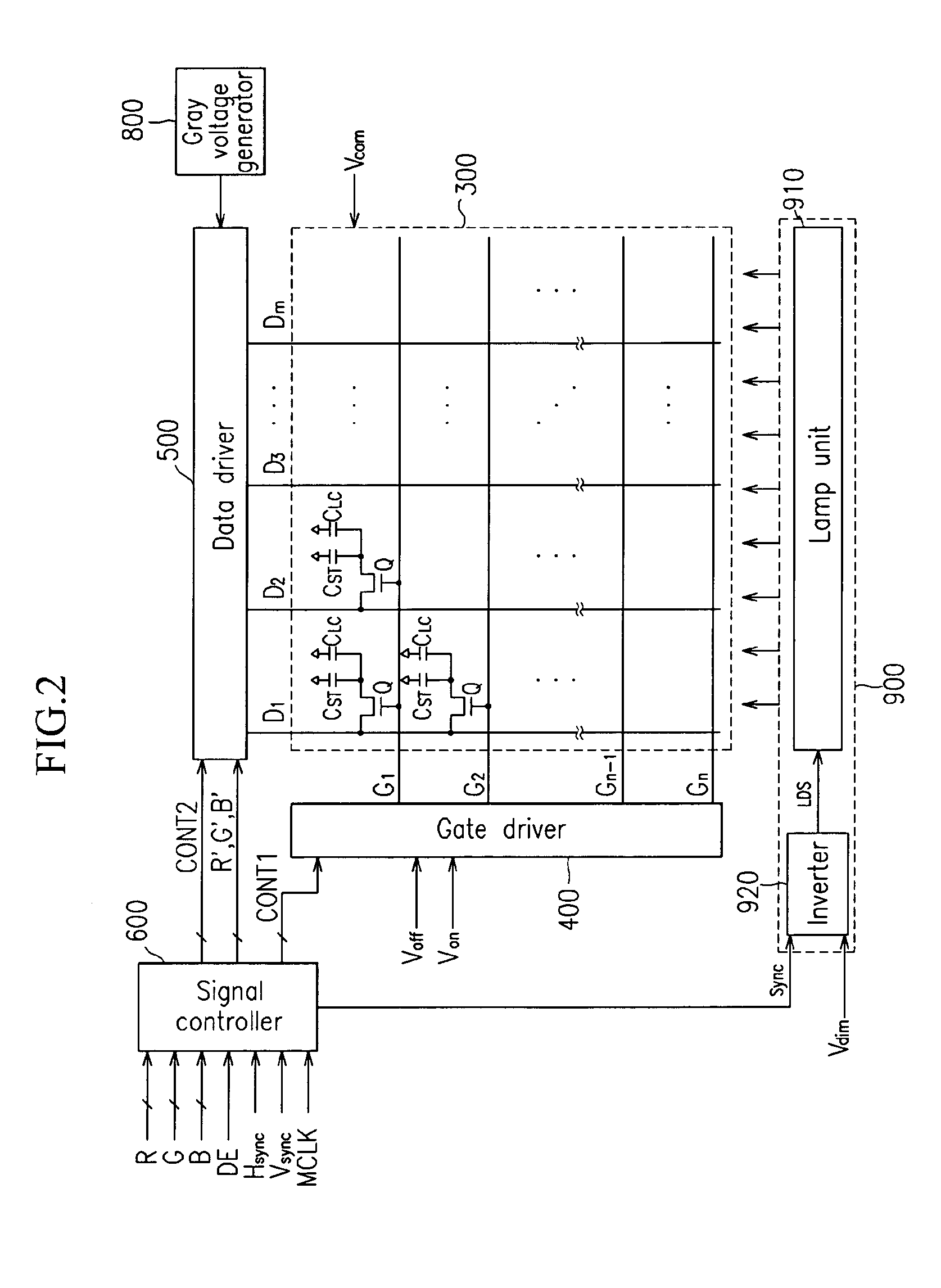
- A signal controller generates a synchronization signal with a 90° phase difference to the gate control signal, and an inverter produces a lamp driving signal with equal rising and falling slope intervals, ensuring the lamp driving signal is synchronized with the gate-on voltage interval, reducing interference and improving image clarity.

Safety Standards for Advanced Light Display Systems
Safety standards for advanced light display systems incorporating harmonic drives represent a critical framework for ensuring operational integrity and personnel protection. These standards encompass electromagnetic compatibility requirements, mechanical safety protocols, and environmental protection measures specifically tailored to precision-controlled lighting installations.
The International Electrotechnical Commission (IEC) 62471 standard forms the foundation for photobiological safety in LED-based display systems. This standard establishes exposure limits for optical radiation and mandates risk group classifications based on luminous intensity and spectral distribution. For harmonic drive-controlled systems, additional considerations include mechanical failure modes and their potential impact on light beam trajectories.
Electrical safety requirements follow IEC 60598 series standards, which address insulation coordination, grounding systems, and protection against electric shock. Harmonic drive systems introduce unique challenges due to their high-precision servo control requirements, necessitating enhanced electromagnetic interference shielding and power quality management to prevent control signal corruption.
Mechanical safety protocols must address the high torque multiplication characteristics of harmonic drives. Safety standards require fail-safe mechanisms that prevent uncontrolled movement in case of drive system failure. Emergency stop functions must be capable of immediately halting all motion while maintaining structural integrity of the display apparatus.
Environmental protection standards, particularly IP ratings according to IEC 60529, become crucial for outdoor installations. Harmonic drives require protection from moisture and particulate ingress that could compromise their precision operation. Temperature management standards ensure optimal performance across varying environmental conditions while preventing thermal-induced safety hazards.
Functional safety requirements following IEC 61508 principles mandate systematic approaches to risk assessment and mitigation. This includes redundant control systems, diagnostic capabilities, and predictive maintenance protocols specific to harmonic drive applications in entertainment and architectural lighting systems.
The International Electrotechnical Commission (IEC) 62471 standard forms the foundation for photobiological safety in LED-based display systems. This standard establishes exposure limits for optical radiation and mandates risk group classifications based on luminous intensity and spectral distribution. For harmonic drive-controlled systems, additional considerations include mechanical failure modes and their potential impact on light beam trajectories.
Electrical safety requirements follow IEC 60598 series standards, which address insulation coordination, grounding systems, and protection against electric shock. Harmonic drive systems introduce unique challenges due to their high-precision servo control requirements, necessitating enhanced electromagnetic interference shielding and power quality management to prevent control signal corruption.
Mechanical safety protocols must address the high torque multiplication characteristics of harmonic drives. Safety standards require fail-safe mechanisms that prevent uncontrolled movement in case of drive system failure. Emergency stop functions must be capable of immediately halting all motion while maintaining structural integrity of the display apparatus.
Environmental protection standards, particularly IP ratings according to IEC 60529, become crucial for outdoor installations. Harmonic drives require protection from moisture and particulate ingress that could compromise their precision operation. Temperature management standards ensure optimal performance across varying environmental conditions while preventing thermal-induced safety hazards.
Functional safety requirements following IEC 61508 principles mandate systematic approaches to risk assessment and mitigation. This includes redundant control systems, diagnostic capabilities, and predictive maintenance protocols specific to harmonic drive applications in entertainment and architectural lighting systems.
Energy Efficiency Considerations in Harmonic Drive Displays
Energy efficiency represents a critical design consideration in harmonic drive-based advanced light display systems, where precise control synchronization must be balanced against power consumption requirements. The inherent mechanical advantage of harmonic drives, typically ranging from 50:1 to 320:1 reduction ratios, enables significant energy savings compared to conventional servo systems by reducing the motor torque requirements for positioning accuracy.
The energy consumption profile of harmonic drive displays exhibits distinct characteristics during different operational phases. During static positioning phases, the zero-backlash property of harmonic drives eliminates the need for continuous corrective movements, reducing standby power consumption by approximately 15-25% compared to traditional gear systems. However, dynamic positioning phases present unique challenges where the flexspline deformation and wave generator rotation create internal friction losses that must be carefully managed through optimized control algorithms.
Thermal management emerges as a crucial factor affecting both energy efficiency and synchronization performance. The cyclic flexing of the flexspline generates heat that can reach 40-60°C during intensive operation, potentially degrading positioning accuracy and increasing power requirements for cooling systems. Advanced thermal modeling indicates that implementing active cooling strategies can improve overall system efficiency by 8-12% while maintaining synchronization precision within ±0.1 arcminutes.
Control algorithm optimization plays a pivotal role in maximizing energy efficiency without compromising synchronization performance. Predictive control strategies that anticipate display movement patterns can reduce peak power consumption by pre-positioning elements during low-demand periods. Feed-forward compensation techniques, when properly calibrated to harmonic drive characteristics, demonstrate energy savings of 18-22% while maintaining sub-millisecond synchronization accuracy across multiple display elements.
Power electronics integration significantly impacts overall system efficiency, with modern servo drives achieving 92-96% efficiency when properly matched to harmonic drive load characteristics. The implementation of regenerative braking capabilities during deceleration phases can recover 25-35% of kinetic energy, particularly beneficial in large-scale display installations where frequent directional changes occur. Energy storage systems, including supercapacitors and battery backup units, provide additional efficiency gains by smoothing power demand peaks and enabling operation during brief power interruptions without losing synchronization.
The energy consumption profile of harmonic drive displays exhibits distinct characteristics during different operational phases. During static positioning phases, the zero-backlash property of harmonic drives eliminates the need for continuous corrective movements, reducing standby power consumption by approximately 15-25% compared to traditional gear systems. However, dynamic positioning phases present unique challenges where the flexspline deformation and wave generator rotation create internal friction losses that must be carefully managed through optimized control algorithms.
Thermal management emerges as a crucial factor affecting both energy efficiency and synchronization performance. The cyclic flexing of the flexspline generates heat that can reach 40-60°C during intensive operation, potentially degrading positioning accuracy and increasing power requirements for cooling systems. Advanced thermal modeling indicates that implementing active cooling strategies can improve overall system efficiency by 8-12% while maintaining synchronization precision within ±0.1 arcminutes.
Control algorithm optimization plays a pivotal role in maximizing energy efficiency without compromising synchronization performance. Predictive control strategies that anticipate display movement patterns can reduce peak power consumption by pre-positioning elements during low-demand periods. Feed-forward compensation techniques, when properly calibrated to harmonic drive characteristics, demonstrate energy savings of 18-22% while maintaining sub-millisecond synchronization accuracy across multiple display elements.
Power electronics integration significantly impacts overall system efficiency, with modern servo drives achieving 92-96% efficiency when properly matched to harmonic drive load characteristics. The implementation of regenerative braking capabilities during deceleration phases can recover 25-35% of kinetic energy, particularly beneficial in large-scale display installations where frequent directional changes occur. Energy storage systems, including supercapacitors and battery backup units, provide additional efficiency gains by smoothing power demand peaks and enabling operation during brief power interruptions without losing synchronization.
Unlock deeper insights with Patsnap Eureka Quick Research — get a full tech report to explore trends and direct your research. Try now!
Generate Your Research Report Instantly with AI Agent
Supercharge your innovation with Patsnap Eureka AI Agent Platform!