High performance membranes based on ceramic proton conductors
OCT 27, 20259 MIN READ
Generate Your Research Report Instantly with AI Agent
PatSnap Eureka helps you evaluate technical feasibility & market potential.
Ceramic Proton Conductors Background and Objectives
Ceramic proton conductors have emerged as a critical technology in the field of energy conversion and storage systems over the past few decades. Initially developed in the 1980s, these materials have evolved from simple oxide structures to complex perovskite-based compounds with increasingly sophisticated compositions. The fundamental principle behind ceramic proton conductors lies in their ability to transport protons through a solid oxide matrix, offering significant advantages over traditional polymer-based membranes in terms of thermal stability and chemical resistance.
The evolution of ceramic proton conductors has been marked by several key milestones, including the discovery of proton conduction in SrCeO3-based perovskites by Iwahara et al. in 1981, followed by the development of BaCeO3 and BaZrO3-based materials in the 1990s. Recent advancements have focused on creating composite structures and doped systems that optimize both conductivity and stability, addressing the traditional trade-off between these properties.
Current research objectives in this field are multifaceted, aiming to overcome persistent challenges that have limited widespread commercial adoption. Primary goals include achieving proton conductivity exceeding 0.1 S/cm at intermediate temperatures (400-600°C), enhancing chemical stability in CO2 and H2O-rich environments, and developing fabrication methods that produce thin, defect-free membranes with mechanical durability under thermal cycling conditions.
The technological trajectory indicates a growing emphasis on multi-functional ceramic proton conductors that can operate effectively across broader temperature ranges while maintaining structural integrity. This includes exploring novel dopant strategies, interface engineering, and advanced manufacturing techniques such as atomic layer deposition and 3D printing to create hierarchically structured membranes.
From a broader perspective, ceramic proton conductors represent a critical enabling technology for the hydrogen economy and sustainable energy infrastructure. Their continued development aligns with global initiatives to reduce carbon emissions and transition to renewable energy sources. The ultimate objective is to create high-performance membranes that can revolutionize applications in fuel cells, electrolyzers, gas separation systems, and chemical synthesis processes.
The field is now at an inflection point where fundamental materials science meets practical engineering challenges, with significant opportunities for breakthrough innovations that could dramatically accelerate commercial deployment and market penetration of these promising materials.
The evolution of ceramic proton conductors has been marked by several key milestones, including the discovery of proton conduction in SrCeO3-based perovskites by Iwahara et al. in 1981, followed by the development of BaCeO3 and BaZrO3-based materials in the 1990s. Recent advancements have focused on creating composite structures and doped systems that optimize both conductivity and stability, addressing the traditional trade-off between these properties.
Current research objectives in this field are multifaceted, aiming to overcome persistent challenges that have limited widespread commercial adoption. Primary goals include achieving proton conductivity exceeding 0.1 S/cm at intermediate temperatures (400-600°C), enhancing chemical stability in CO2 and H2O-rich environments, and developing fabrication methods that produce thin, defect-free membranes with mechanical durability under thermal cycling conditions.
The technological trajectory indicates a growing emphasis on multi-functional ceramic proton conductors that can operate effectively across broader temperature ranges while maintaining structural integrity. This includes exploring novel dopant strategies, interface engineering, and advanced manufacturing techniques such as atomic layer deposition and 3D printing to create hierarchically structured membranes.
From a broader perspective, ceramic proton conductors represent a critical enabling technology for the hydrogen economy and sustainable energy infrastructure. Their continued development aligns with global initiatives to reduce carbon emissions and transition to renewable energy sources. The ultimate objective is to create high-performance membranes that can revolutionize applications in fuel cells, electrolyzers, gas separation systems, and chemical synthesis processes.
The field is now at an inflection point where fundamental materials science meets practical engineering challenges, with significant opportunities for breakthrough innovations that could dramatically accelerate commercial deployment and market penetration of these promising materials.
Market Analysis for High-Performance Ceramic Membranes
The global market for high-performance ceramic membranes based on proton conductors is experiencing significant growth, driven by increasing demand for clean energy solutions and efficient industrial processes. Current market valuations indicate that the ceramic membrane sector reached approximately 5 billion USD in 2022, with proton-conducting ceramic membranes representing a rapidly expanding segment projected to grow at a compound annual growth rate of 12% through 2030.
Energy conversion and storage applications constitute the largest market segment, accounting for nearly 40% of the total market share. This is primarily due to the critical role of ceramic proton conductors in solid oxide fuel cells (SOFCs), electrolyzers, and hydrogen separation technologies. The hydrogen economy's expansion has created substantial market pull for these advanced materials, particularly in regions with strong decarbonization policies.
Industrial gas separation represents the second-largest application segment at 25% of the market. Here, ceramic proton-conducting membranes offer superior performance in harsh operating environments compared to polymeric alternatives, particularly for hydrogen purification and carbon capture processes. This segment is expected to grow substantially as industries seek more energy-efficient separation technologies.
Geographically, North America and Europe currently dominate the market with a combined share of 65%, largely due to extensive research infrastructure and early adoption of hydrogen technologies. However, the Asia-Pacific region, particularly China, Japan, and South Korea, is demonstrating the fastest growth rate at 15% annually, fueled by aggressive government investments in clean energy infrastructure and manufacturing capabilities.
End-user analysis reveals that energy companies and chemical manufacturers represent the primary customer base, collectively accounting for over 60% of market demand. These sectors value the high temperature stability, chemical resistance, and long operational lifetimes of ceramic proton conductors, despite their higher initial costs compared to conventional membrane technologies.
Price sensitivity varies significantly by application. In high-value sectors such as medical applications and specialized industrial processes, performance characteristics outweigh cost considerations. Conversely, in energy applications, cost remains a critical barrier to widespread adoption, with current ceramic proton-conducting membranes costing 3-5 times more than conventional alternatives.
Market forecasts suggest that technological advancements reducing manufacturing costs and improving performance metrics will be key drivers for market expansion. As production scales and manufacturing processes mature, the price-performance ratio is expected to improve substantially, potentially opening new market segments and applications previously constrained by economic factors.
Energy conversion and storage applications constitute the largest market segment, accounting for nearly 40% of the total market share. This is primarily due to the critical role of ceramic proton conductors in solid oxide fuel cells (SOFCs), electrolyzers, and hydrogen separation technologies. The hydrogen economy's expansion has created substantial market pull for these advanced materials, particularly in regions with strong decarbonization policies.
Industrial gas separation represents the second-largest application segment at 25% of the market. Here, ceramic proton-conducting membranes offer superior performance in harsh operating environments compared to polymeric alternatives, particularly for hydrogen purification and carbon capture processes. This segment is expected to grow substantially as industries seek more energy-efficient separation technologies.
Geographically, North America and Europe currently dominate the market with a combined share of 65%, largely due to extensive research infrastructure and early adoption of hydrogen technologies. However, the Asia-Pacific region, particularly China, Japan, and South Korea, is demonstrating the fastest growth rate at 15% annually, fueled by aggressive government investments in clean energy infrastructure and manufacturing capabilities.
End-user analysis reveals that energy companies and chemical manufacturers represent the primary customer base, collectively accounting for over 60% of market demand. These sectors value the high temperature stability, chemical resistance, and long operational lifetimes of ceramic proton conductors, despite their higher initial costs compared to conventional membrane technologies.
Price sensitivity varies significantly by application. In high-value sectors such as medical applications and specialized industrial processes, performance characteristics outweigh cost considerations. Conversely, in energy applications, cost remains a critical barrier to widespread adoption, with current ceramic proton-conducting membranes costing 3-5 times more than conventional alternatives.
Market forecasts suggest that technological advancements reducing manufacturing costs and improving performance metrics will be key drivers for market expansion. As production scales and manufacturing processes mature, the price-performance ratio is expected to improve substantially, potentially opening new market segments and applications previously constrained by economic factors.
Technical Challenges in Ceramic Proton Conductors
Despite significant advancements in ceramic proton conductors, several technical challenges continue to impede their widespread implementation in high-performance membrane applications. The primary obstacle remains achieving sufficient proton conductivity at intermediate temperatures (200-600°C). While traditional polymer electrolyte membranes operate effectively below 100°C and oxide ion conductors function well above 800°C, ceramic proton conductors struggle to maintain high conductivity in this critical intermediate range.
Material stability presents another significant challenge, particularly in humid environments where many promising ceramic proton conductors undergo chemical degradation. Barium zirconate-based materials, for instance, demonstrate excellent bulk conductivity but suffer from poor chemical stability in CO2-containing atmospheres, forming carbonates that diminish performance over time.
Grain boundary resistance constitutes a major limitation in polycrystalline ceramic proton conductors. These boundaries act as barriers to proton transport, significantly reducing overall conductivity. Current sintering techniques often require extremely high temperatures (>1600°C) to minimize grain boundary effects, making manufacturing energy-intensive and costly.
Mechanical integrity poses additional difficulties, as ceramic membranes must withstand thermal cycling and maintain gas-tight seals under operating conditions. The inherent brittleness of ceramic materials leads to fracture risks during thermal expansion/contraction cycles, particularly in stack configurations where mechanical stress concentrates at sealing interfaces.
Fabrication challenges further complicate development, with difficulties in producing thin (<20 μm) yet defect-free membranes necessary for high performance. Current processing methods struggle to consistently produce membranes with uniform thickness and microstructure while maintaining mechanical robustness.
Chemical compatibility with electrode materials represents another significant hurdle. Interface reactions between ceramic proton conductors and electrode materials often create resistive interlayers that impede proton transfer, reducing overall system efficiency.
Cost factors also present substantial barriers to commercialization. The rare-earth dopants commonly used to enhance conductivity (such as Y, Gd, Sm) significantly increase material costs, while complex processing requirements add further economic challenges to scaling production.
Finally, fundamental understanding of proton transport mechanisms in ceramic structures remains incomplete. The complex interplay between dopant concentration, defect chemistry, and proton mobility requires further elucidation to guide rational material design for next-generation ceramic proton conductors.
Material stability presents another significant challenge, particularly in humid environments where many promising ceramic proton conductors undergo chemical degradation. Barium zirconate-based materials, for instance, demonstrate excellent bulk conductivity but suffer from poor chemical stability in CO2-containing atmospheres, forming carbonates that diminish performance over time.
Grain boundary resistance constitutes a major limitation in polycrystalline ceramic proton conductors. These boundaries act as barriers to proton transport, significantly reducing overall conductivity. Current sintering techniques often require extremely high temperatures (>1600°C) to minimize grain boundary effects, making manufacturing energy-intensive and costly.
Mechanical integrity poses additional difficulties, as ceramic membranes must withstand thermal cycling and maintain gas-tight seals under operating conditions. The inherent brittleness of ceramic materials leads to fracture risks during thermal expansion/contraction cycles, particularly in stack configurations where mechanical stress concentrates at sealing interfaces.
Fabrication challenges further complicate development, with difficulties in producing thin (<20 μm) yet defect-free membranes necessary for high performance. Current processing methods struggle to consistently produce membranes with uniform thickness and microstructure while maintaining mechanical robustness.
Chemical compatibility with electrode materials represents another significant hurdle. Interface reactions between ceramic proton conductors and electrode materials often create resistive interlayers that impede proton transfer, reducing overall system efficiency.
Cost factors also present substantial barriers to commercialization. The rare-earth dopants commonly used to enhance conductivity (such as Y, Gd, Sm) significantly increase material costs, while complex processing requirements add further economic challenges to scaling production.
Finally, fundamental understanding of proton transport mechanisms in ceramic structures remains incomplete. The complex interplay between dopant concentration, defect chemistry, and proton mobility requires further elucidation to guide rational material design for next-generation ceramic proton conductors.
Current Membrane Design Solutions
01 Perovskite-based ceramic proton conductors
Perovskite-type ceramic materials have emerged as promising proton conductors due to their high ionic conductivity and stability at elevated temperatures. These materials, typically with ABO₃ structure, can be doped with various elements to enhance proton conductivity. The incorporation of elements like barium, strontium, and zirconium in the crystal structure creates oxygen vacancies that facilitate proton transport. These perovskite-based conductors demonstrate excellent performance in intermediate temperature ranges (400-700°C) and are suitable for applications in solid oxide fuel cells and electrolyzers.- Perovskite-based ceramic proton conductors: Perovskite-type ceramic materials have emerged as promising proton conductors due to their high ionic conductivity and stability at elevated temperatures. These materials, typically with ABO₃ structure, can be doped with various elements to enhance proton conductivity. The incorporation of elements like barium, strontium, and zirconium in the crystal structure creates oxygen vacancies that facilitate proton transport. These materials demonstrate excellent performance in intermediate temperature ranges (400-700°C) and are suitable for applications in solid oxide fuel cells and electrolyzers.
- Rare-earth doped ceramic proton conductors: Ceramic proton conductors doped with rare-earth elements exhibit enhanced proton conductivity and improved thermal stability. The incorporation of rare-earth elements such as yttrium, gadolinium, and samarium into ceramic matrices creates defects in the crystal structure that serve as proton transport pathways. These materials show promising performance in intermediate-to-high temperature applications and demonstrate good chemical stability in both oxidizing and reducing environments, making them suitable for various electrochemical devices including fuel cells and hydrogen sensors.
- Composite ceramic proton conductors: Composite ceramic proton conductors combine different materials to achieve synergistic effects and enhanced performance. These composites typically consist of a proton-conducting ceramic matrix with secondary phases that improve mechanical strength, chemical stability, or conductivity. The introduction of heterogeneous interfaces in these composites can create additional pathways for proton transport, resulting in higher overall conductivity. Composite structures also help mitigate issues related to thermal expansion mismatch and improve the durability of electrochemical devices operating at high temperatures.
- Low-temperature ceramic proton conductors: Specialized ceramic proton conductors designed for low-temperature operation (below 400°C) represent an important advancement in the field. These materials incorporate novel dopants and structural modifications to enable efficient proton transport at reduced temperatures. Low-temperature ceramic proton conductors often utilize hydrated structures where water molecules play a crucial role in the conduction mechanism. The ability to operate at lower temperatures reduces thermal stress, extends device lifetime, and enables the use of less expensive peripheral components in fuel cells and electrolyzers.
- Thin-film ceramic proton conductors: Thin-film ceramic proton conductors offer advantages in terms of reduced resistance and improved performance in electrochemical devices. These films, typically ranging from nanometers to micrometers in thickness, can be fabricated using various deposition techniques such as pulsed laser deposition, sputtering, and chemical vapor deposition. The reduced thickness minimizes the ohmic resistance while maintaining high proton conductivity. Additionally, thin-film structures allow for precise control over composition and microstructure, enabling tailored interfaces and enhanced performance in solid-state devices like micro-SOFCs and hydrogen separation membranes.
02 Rare-earth doped ceramic proton conductors
Doping ceramic materials with rare-earth elements significantly improves proton conductivity performance. The incorporation of elements such as yttrium, gadolinium, and samarium into ceramic structures creates defects and oxygen vacancies that serve as pathways for proton transport. These rare-earth doped ceramics exhibit enhanced stability in both oxidizing and reducing atmospheres while maintaining high proton conductivity. The conductivity can be further optimized by controlling the concentration and distribution of the dopants within the ceramic matrix, making these materials suitable for next-generation energy conversion devices.Expand Specific Solutions03 Composite ceramic proton conductors
Composite ceramic proton conductors combine multiple phases or materials to achieve superior performance compared to single-phase conductors. These composites typically consist of a proton-conducting ceramic matrix with secondary phases that enhance mechanical strength, chemical stability, or conductivity. The interfaces between different phases often create additional pathways for proton transport, resulting in higher overall conductivity. Some composites incorporate nanostructured components or heterojunctions that significantly reduce the activation energy for proton migration. These materials demonstrate improved performance under varying operating conditions and extended durability for practical applications.Expand Specific Solutions04 Low-temperature ceramic proton conductors
Developing ceramic proton conductors that operate efficiently at lower temperatures (below 400°C) represents a significant advancement in the field. These materials often incorporate novel chemical compositions or structural modifications that lower the activation energy for proton transport. Strategies include the use of highly defective structures, nanoscale engineering, and surface modifications to enhance proton mobility at reduced temperatures. Low-temperature ceramic proton conductors enable more energy-efficient operation of electrochemical devices and expand the range of potential applications, including portable power sources and room-temperature hydrogen sensors.Expand Specific Solutions05 Fabrication methods affecting proton conductor performance
The fabrication and processing methods significantly impact the performance of ceramic proton conductors. Advanced synthesis techniques such as sol-gel processing, solid-state reaction, hydrothermal synthesis, and spark plasma sintering can produce materials with controlled microstructure, grain size, and density. The sintering conditions, including temperature profiles and atmosphere, directly affect the grain boundary properties and bulk conductivity. Post-processing treatments like annealing in specific atmospheres can optimize defect concentrations and improve proton transport properties. Innovative fabrication approaches that enable precise control over material composition and microstructure are essential for achieving high-performance ceramic proton conductors.Expand Specific Solutions
Leading Manufacturers and Research Institutions
The ceramic proton conductor membrane market is in an early growth phase, characterized by significant research activity but limited commercial deployment. The global market size remains relatively modest but is expected to expand rapidly as hydrogen technologies gain traction in energy transition applications. From a technological maturity perspective, the field is advancing from laboratory research toward commercial viability, with academic institutions (Harbin Institute of Technology, University of Washington, Tianjin University) driving fundamental research while industrial players develop practical applications. Companies like CoorsTek, Topsoe, and BASF are leveraging their materials expertise to overcome key challenges in proton conductivity and stability. Japanese corporations (Honda, Sony, FUJIFILM) are particularly active in this space, focusing on applications in fuel cells and hydrogen separation technologies, indicating regional leadership in commercialization efforts.
CoorsTek, Inc.
Technical Solution: CoorsTek has developed advanced ceramic proton conductors based on their proprietary CeraLyte™ technology platform. Their high-performance membranes utilize doped barium zirconate and barium cerate materials (BZY/BCY) with optimized grain boundary conductivity. The company has pioneered a unique manufacturing process that reduces sintering temperatures while maintaining nanoscale grain structures, achieving proton conductivity exceeding 0.1 S/cm at operating temperatures of 400-600°C. CoorsTek's ceramic proton conductors feature engineered microstructures with controlled porosity and thickness (typically 10-50μm), enabling high hydrogen flux rates while maintaining mechanical stability. Their membranes incorporate specialized surface catalysts to enhance hydrogen dissociation and incorporation, significantly improving overall performance in applications such as hydrogen separation, fuel cells, and electrolyzers.
Strengths: Superior chemical stability in acidic environments and high temperatures; excellent mechanical properties allowing for thinner membranes; scalable manufacturing process suitable for industrial applications. Weaknesses: Higher production costs compared to polymer alternatives; requires specialized sealing solutions for integration into devices; performance degradation under certain contaminants like sulfur compounds.
Topsoe A/S
Technical Solution: Topsoe has developed a breakthrough ceramic proton conductor technology called SOEC (Solid Oxide Electrolysis Cell) based on their proprietary materials science expertise. Their high-performance membranes utilize a composite structure of doped barium zirconate-cerate (BZCYYb) with engineered interfaces to maximize proton conductivity while maintaining chemical stability. The company's manufacturing process employs advanced tape casting and sintering techniques to create membranes with controlled thickness (15-30μm) and optimized microstructure. Topsoe's ceramic proton conductors achieve conductivity values of 0.05-0.08 S/cm at 500-700°C operating temperatures, with exceptional durability under pressurized hydrogen environments. Their technology incorporates specialized electrode materials with tailored porosity and catalytic activity, enabling efficient hydrogen transport across the membrane while minimizing electronic conductivity that would reduce efficiency.
Strengths: Exceptional thermal cycling stability; high resistance to poisoning from carbon-containing gases; proven scalability for industrial applications with demonstrated lifetimes exceeding 20,000 hours. Weaknesses: Requires relatively high operating temperatures compared to some competing technologies; manufacturing complexity increases costs; sensitive to certain impurities that can block proton transport pathways.
Key Patents and Scientific Breakthroughs
Cation-conducting or proton-conducting ceramic membrane infiltrated with an ionic liquid, method for the production thereof and use of the same
PatentInactiveEP1345675A1
Innovation
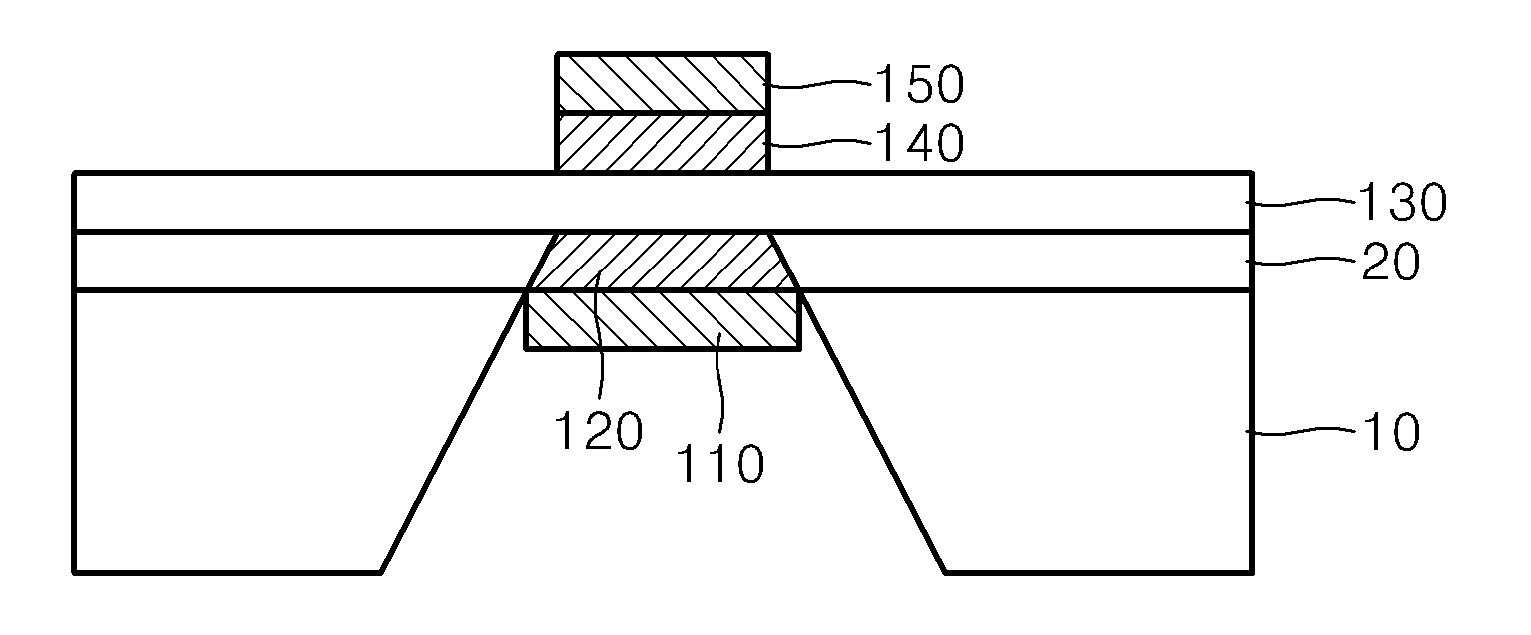
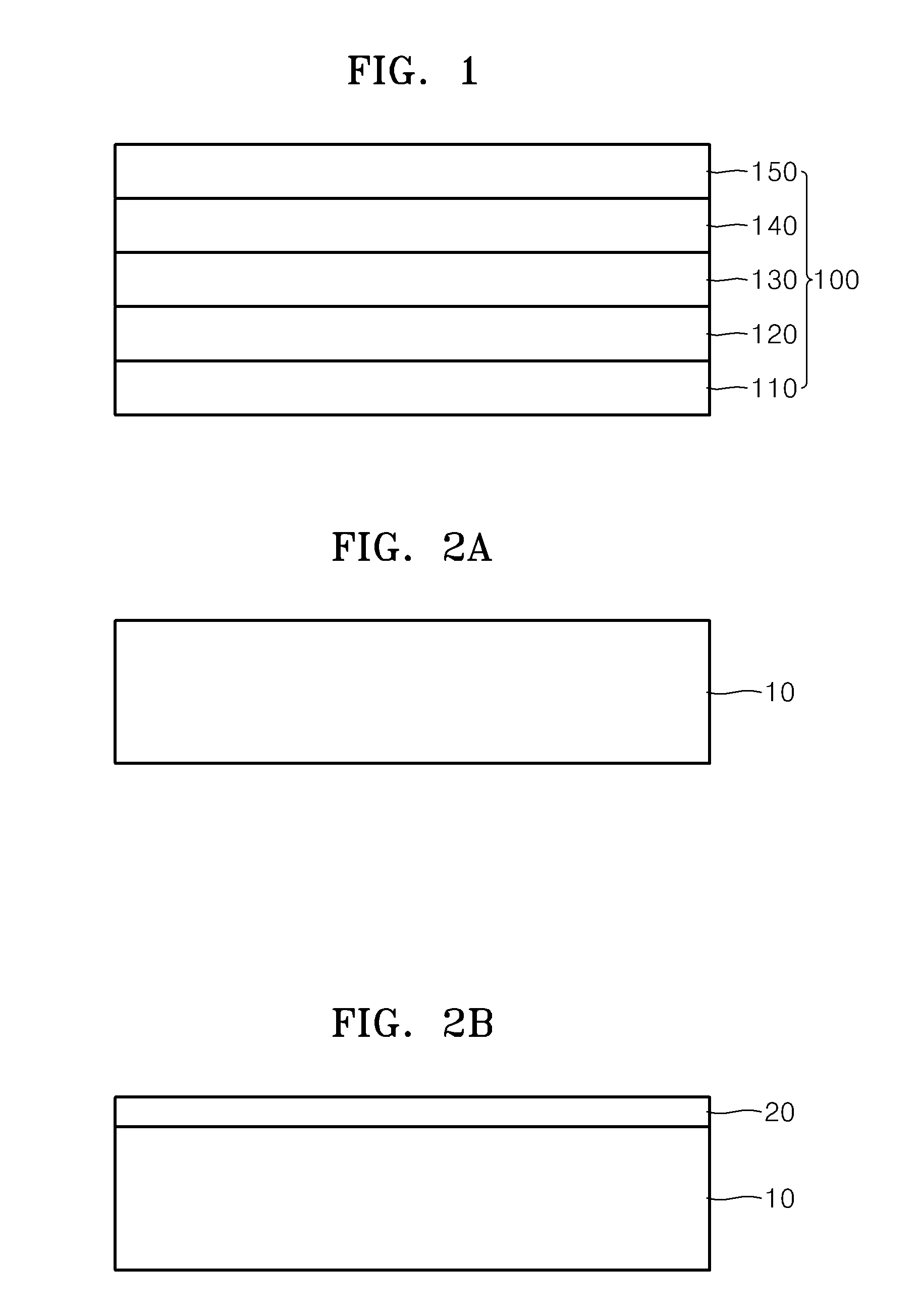
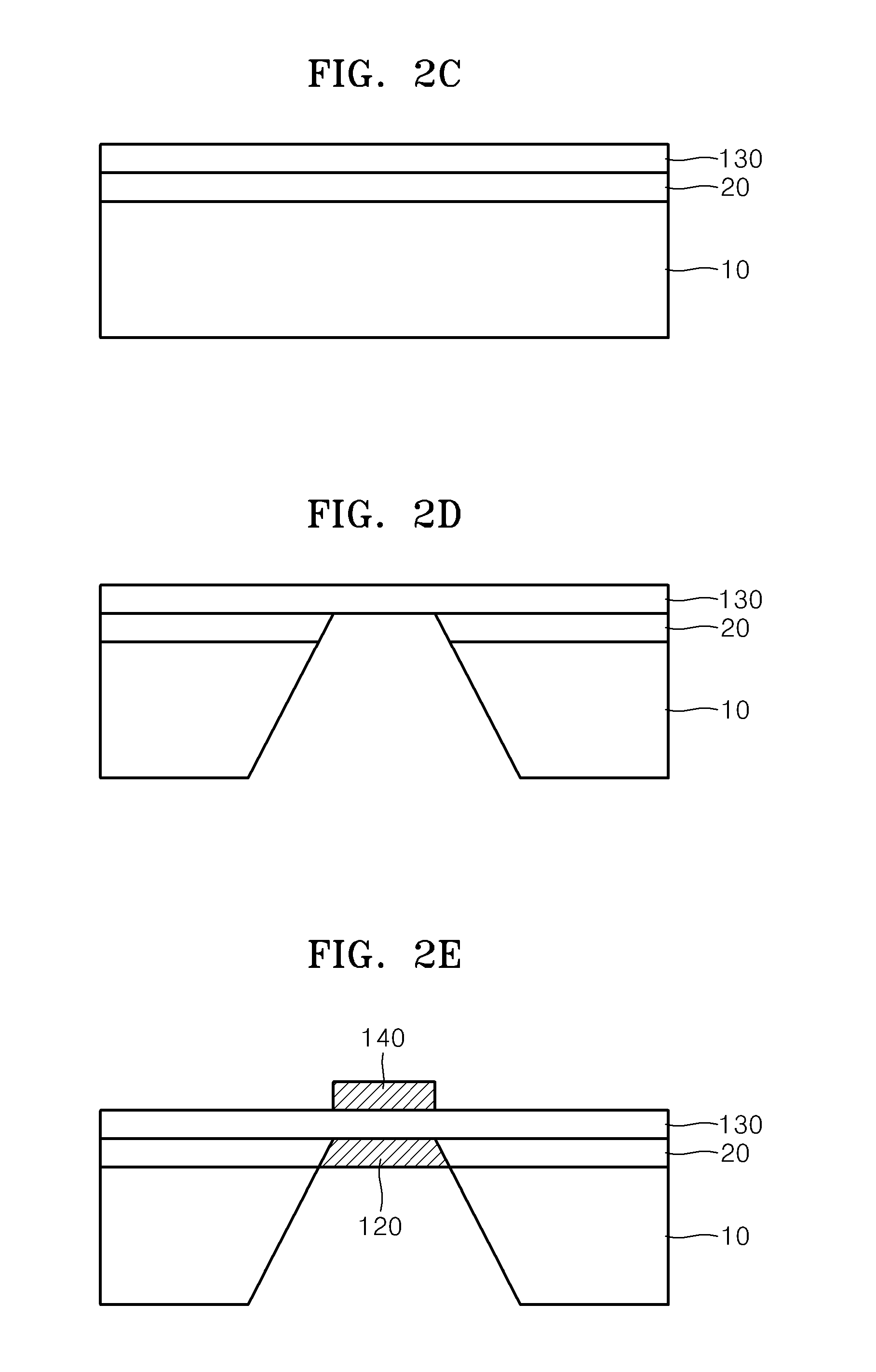
- A cation/proton-conductive ceramic membrane with an ionic liquid infiltrated into a porous and permeable ceramic support, which acts as a composite material, providing high proton conductivity and low methanol permeability even at elevated temperatures, thus serving as a more stable alternative to traditional polymer membranes.
Proton conducting electrolyte membranes having nano-grain YSZ as protective layers, and membrane electrode assemblies and ceramic fuel cells comprising same
PatentInactiveUS20110262839A1
Innovation
- A proton conducting electrolyte membrane with a ceramic protective layer of nano-grain yttrium-stabilized zirconia (YSZ) is used, which has proton conductivity and prevents CO2 penetration, enhancing the compatibility and stability of the ceramic electrolyte layer, and is formed using techniques like atomic layer deposition (ALD) or pulsed laser deposition (PLD).

Materials Science Advancements
Recent advancements in materials science have significantly propelled the development of high-performance ceramic proton conductors for membrane applications. The evolution of these materials has been marked by breakthroughs in understanding the fundamental mechanisms of proton transport in solid-state systems. Traditional ceramic proton conductors, such as acceptor-doped BaZrO₃ and BaCeO₃, have undergone substantial improvements through innovative doping strategies and novel synthesis methods, resulting in enhanced proton conductivity and chemical stability.
Nanoscale engineering has emerged as a critical approach in optimizing ceramic proton conductors. Researchers have successfully manipulated grain boundaries and interfaces at the nanometer scale, significantly reducing the resistance to proton transport. The development of nanocomposite structures, combining different ceramic materials with complementary properties, has led to membranes with superior performance characteristics, including improved mechanical strength and reduced degradation under operating conditions.
Advanced characterization techniques have played a pivotal role in these developments. High-resolution transmission electron microscopy (HRTEM), neutron diffraction, and synchrotron-based X-ray techniques now allow scientists to visualize and analyze proton conduction pathways with unprecedented precision. These insights have guided the rational design of new materials with optimized crystal structures and defect chemistries tailored specifically for enhanced proton conductivity.
Computational materials science has accelerated the discovery process through predictive modeling of proton transport mechanisms. Density functional theory (DFT) calculations and molecular dynamics simulations have revealed the energy landscapes governing proton migration in ceramic structures, enabling researchers to screen potential candidate materials before experimental validation. This computational approach has significantly reduced the time and resources required for materials development.
Surface modification strategies have also contributed to performance enhancements. Techniques such as atomic layer deposition (ALD) and pulsed laser deposition (PLD) allow precise control over the surface properties of ceramic membranes, improving their compatibility with electrode materials and enhancing their durability in aggressive chemical environments. These surface treatments have been particularly effective in mitigating degradation mechanisms that previously limited the operational lifetime of ceramic proton-conducting membranes.
The integration of ceramic proton conductors with supporting structures has addressed mechanical stability challenges. Advances in fabrication techniques now enable the production of thin-film ceramic membranes supported on porous substrates, combining high proton conductivity with sufficient mechanical robustness for practical applications. These composite structures represent a significant step toward commercially viable ceramic proton-conducting membranes for energy conversion and storage technologies.
Nanoscale engineering has emerged as a critical approach in optimizing ceramic proton conductors. Researchers have successfully manipulated grain boundaries and interfaces at the nanometer scale, significantly reducing the resistance to proton transport. The development of nanocomposite structures, combining different ceramic materials with complementary properties, has led to membranes with superior performance characteristics, including improved mechanical strength and reduced degradation under operating conditions.
Advanced characterization techniques have played a pivotal role in these developments. High-resolution transmission electron microscopy (HRTEM), neutron diffraction, and synchrotron-based X-ray techniques now allow scientists to visualize and analyze proton conduction pathways with unprecedented precision. These insights have guided the rational design of new materials with optimized crystal structures and defect chemistries tailored specifically for enhanced proton conductivity.
Computational materials science has accelerated the discovery process through predictive modeling of proton transport mechanisms. Density functional theory (DFT) calculations and molecular dynamics simulations have revealed the energy landscapes governing proton migration in ceramic structures, enabling researchers to screen potential candidate materials before experimental validation. This computational approach has significantly reduced the time and resources required for materials development.
Surface modification strategies have also contributed to performance enhancements. Techniques such as atomic layer deposition (ALD) and pulsed laser deposition (PLD) allow precise control over the surface properties of ceramic membranes, improving their compatibility with electrode materials and enhancing their durability in aggressive chemical environments. These surface treatments have been particularly effective in mitigating degradation mechanisms that previously limited the operational lifetime of ceramic proton-conducting membranes.
The integration of ceramic proton conductors with supporting structures has addressed mechanical stability challenges. Advances in fabrication techniques now enable the production of thin-film ceramic membranes supported on porous substrates, combining high proton conductivity with sufficient mechanical robustness for practical applications. These composite structures represent a significant step toward commercially viable ceramic proton-conducting membranes for energy conversion and storage technologies.
Energy Efficiency and Sustainability Impact
Ceramic proton conductors in high-performance membranes represent a significant advancement in energy technology with profound implications for energy efficiency and sustainability. These advanced materials enable more efficient energy conversion processes, particularly in fuel cells and electrolyzers, achieving efficiency rates up to 60% compared to conventional systems that typically operate at 30-40% efficiency. This substantial improvement translates directly into reduced primary energy consumption and lower greenhouse gas emissions.
The environmental impact of these ceramic proton-conducting membranes extends beyond operational efficiency. Their production requires significantly fewer rare earth elements compared to alternative technologies, reducing the environmental footprint associated with mining and processing these materials. Additionally, the extended operational lifetime of ceramic-based systems—often exceeding 40,000 hours compared to 20,000 hours for polymer alternatives—decreases replacement frequency and associated waste generation.
From a sustainability perspective, these membranes facilitate the integration of renewable energy sources into existing infrastructure. By enabling efficient hydrogen production through electrolysis powered by intermittent renewable sources, they provide a viable pathway for energy storage and subsequent power generation with minimal carbon emissions. This capability addresses one of the fundamental challenges in renewable energy deployment: the mismatch between generation and demand timing.
Life cycle assessments indicate that systems incorporating ceramic proton conductors achieve carbon payback periods approximately 30% shorter than conventional alternatives. The carbon intensity of energy produced using these technologies can be reduced by up to 85% when powered by renewable sources, representing a transformative improvement in sustainability metrics.
The economic dimensions of energy efficiency also merit consideration. Despite higher initial capital costs, systems utilizing ceramic proton-conducting membranes demonstrate lower levelized cost of energy (LCOE) over their operational lifetime due to reduced fuel consumption and maintenance requirements. This economic advantage accelerates market adoption and broadens the potential impact on global energy systems.
Furthermore, these membranes contribute to circular economy principles through their recyclability. End-of-life ceramic components can be processed and reincorporated into new manufacturing cycles, recovering up to 70% of critical materials and further reducing environmental impact. This characteristic aligns with increasingly stringent regulatory frameworks focused on resource efficiency and waste reduction.
The environmental impact of these ceramic proton-conducting membranes extends beyond operational efficiency. Their production requires significantly fewer rare earth elements compared to alternative technologies, reducing the environmental footprint associated with mining and processing these materials. Additionally, the extended operational lifetime of ceramic-based systems—often exceeding 40,000 hours compared to 20,000 hours for polymer alternatives—decreases replacement frequency and associated waste generation.
From a sustainability perspective, these membranes facilitate the integration of renewable energy sources into existing infrastructure. By enabling efficient hydrogen production through electrolysis powered by intermittent renewable sources, they provide a viable pathway for energy storage and subsequent power generation with minimal carbon emissions. This capability addresses one of the fundamental challenges in renewable energy deployment: the mismatch between generation and demand timing.
Life cycle assessments indicate that systems incorporating ceramic proton conductors achieve carbon payback periods approximately 30% shorter than conventional alternatives. The carbon intensity of energy produced using these technologies can be reduced by up to 85% when powered by renewable sources, representing a transformative improvement in sustainability metrics.
The economic dimensions of energy efficiency also merit consideration. Despite higher initial capital costs, systems utilizing ceramic proton-conducting membranes demonstrate lower levelized cost of energy (LCOE) over their operational lifetime due to reduced fuel consumption and maintenance requirements. This economic advantage accelerates market adoption and broadens the potential impact on global energy systems.
Furthermore, these membranes contribute to circular economy principles through their recyclability. End-of-life ceramic components can be processed and reincorporated into new manufacturing cycles, recovering up to 70% of critical materials and further reducing environmental impact. This characteristic aligns with increasingly stringent regulatory frameworks focused on resource efficiency and waste reduction.
Unlock deeper insights with PatSnap Eureka Quick Research — get a full tech report to explore trends and direct your research. Try now!
Generate Your Research Report Instantly with AI Agent
Supercharge your innovation with PatSnap Eureka AI Agent Platform!