

How AI Algorithms Can Automate Error-Free Cell Degassing layihacc
MAY 28, 20269 MIN READ
Generate Your Research Report Instantly with AI Agent
PatSnap Eureka helps you evaluate technical feasibility & market potential.
AI-Driven Cell Degassing Background and Objectives
Cell degassing represents a critical process in various industrial applications, particularly in battery manufacturing, semiconductor production, and advanced materials processing. Traditional degassing methods have relied heavily on manual intervention and time-based protocols, often resulting in inconsistent outcomes and potential quality defects. The emergence of artificial intelligence algorithms presents unprecedented opportunities to revolutionize this fundamental manufacturing process through automated, precision-driven approaches.
The evolution of cell degassing technology has progressed from simple vacuum-based systems to sophisticated multi-parameter control environments. Early degassing processes were characterized by fixed temperature and pressure cycles, with limited real-time monitoring capabilities. As manufacturing demands increased for higher precision and repeatability, the industry recognized the need for more intelligent control systems capable of adapting to varying cell characteristics and environmental conditions.
Current market drivers emphasize the critical importance of error-free degassing processes. In lithium-ion battery production, incomplete degassing can lead to reduced capacity, shortened lifespan, and safety hazards. Similarly, in semiconductor manufacturing, residual gases can compromise device performance and yield rates. These quality imperatives have created substantial demand for automated solutions that can eliminate human error while optimizing process parameters in real-time.
The primary objective of AI-driven cell degassing automation centers on achieving consistent, error-free outcomes through intelligent process control. Machine learning algorithms can analyze vast datasets of process parameters, environmental conditions, and quality outcomes to identify optimal degassing protocols for specific cell types and manufacturing conditions. This approach enables predictive adjustments that prevent defects before they occur, rather than relying on post-process quality control measures.
Advanced sensor integration forms the foundation for AI-enabled degassing systems. Real-time monitoring of pressure differentials, temperature gradients, gas composition, and cell behavior provides the data streams necessary for intelligent decision-making. AI algorithms can process these multi-dimensional inputs to detect subtle patterns and anomalies that would be impossible for human operators to identify consistently.
The strategic vision for AI-driven degassing encompasses both immediate quality improvements and long-term manufacturing optimization. Short-term objectives focus on eliminating process variability and reducing defect rates through automated parameter adjustment. Long-term goals include developing self-learning systems that continuously improve performance based on accumulated process knowledge and emerging best practices across multiple production facilities.
The evolution of cell degassing technology has progressed from simple vacuum-based systems to sophisticated multi-parameter control environments. Early degassing processes were characterized by fixed temperature and pressure cycles, with limited real-time monitoring capabilities. As manufacturing demands increased for higher precision and repeatability, the industry recognized the need for more intelligent control systems capable of adapting to varying cell characteristics and environmental conditions.
Current market drivers emphasize the critical importance of error-free degassing processes. In lithium-ion battery production, incomplete degassing can lead to reduced capacity, shortened lifespan, and safety hazards. Similarly, in semiconductor manufacturing, residual gases can compromise device performance and yield rates. These quality imperatives have created substantial demand for automated solutions that can eliminate human error while optimizing process parameters in real-time.
The primary objective of AI-driven cell degassing automation centers on achieving consistent, error-free outcomes through intelligent process control. Machine learning algorithms can analyze vast datasets of process parameters, environmental conditions, and quality outcomes to identify optimal degassing protocols for specific cell types and manufacturing conditions. This approach enables predictive adjustments that prevent defects before they occur, rather than relying on post-process quality control measures.
Advanced sensor integration forms the foundation for AI-enabled degassing systems. Real-time monitoring of pressure differentials, temperature gradients, gas composition, and cell behavior provides the data streams necessary for intelligent decision-making. AI algorithms can process these multi-dimensional inputs to detect subtle patterns and anomalies that would be impossible for human operators to identify consistently.
The strategic vision for AI-driven degassing encompasses both immediate quality improvements and long-term manufacturing optimization. Short-term objectives focus on eliminating process variability and reducing defect rates through automated parameter adjustment. Long-term goals include developing self-learning systems that continuously improve performance based on accumulated process knowledge and emerging best practices across multiple production facilities.
Market Demand for Automated Cell Processing Solutions
The global cell processing market is experiencing unprecedented growth driven by expanding applications in biopharmaceutical manufacturing, regenerative medicine, and advanced therapeutic development. Cell degassing represents a critical bottleneck in automated cell processing workflows, where traditional manual methods introduce variability, contamination risks, and scalability limitations that hinder industrial adoption.
Biopharmaceutical companies are increasingly demanding automated solutions that can handle large-scale cell culture operations while maintaining sterility and process consistency. The shift toward continuous manufacturing processes in biologics production requires reliable degassing systems capable of operating without human intervention for extended periods. Current market pain points include batch-to-batch variability, operator-dependent outcomes, and the inability to scale manual degassing procedures to meet growing production volumes.
The regenerative medicine sector presents particularly compelling demand drivers for automated cell degassing solutions. Cell therapy manufacturers require precise control over dissolved gas concentrations to maintain cell viability and therapeutic efficacy. Manual degassing processes introduce unacceptable risks of contamination and inconsistent results that can compromise entire therapeutic batches worth millions of dollars.
Contract development and manufacturing organizations are actively seeking technologies that can reduce operational costs while improving process reliability. Automated degassing systems powered by AI algorithms offer the potential to eliminate human error, reduce labor costs, and provide real-time process optimization that manual methods cannot achieve. The ability to integrate seamlessly with existing bioprocessing equipment represents a key market requirement.
Quality control and regulatory compliance considerations are driving demand for automated solutions that provide comprehensive data logging and process validation capabilities. Regulatory agencies increasingly expect robust process control documentation that manual degassing procedures struggle to deliver consistently. AI-driven systems can provide the traceability and reproducibility that modern regulatory frameworks demand.
The market opportunity extends beyond traditional pharmaceutical applications into emerging areas such as cellular agriculture, where large-scale cell cultivation for food production requires efficient degassing solutions. Research institutions and academic laboratories also represent growing market segments seeking cost-effective automation solutions that can improve experimental reproducibility and throughput.
Biopharmaceutical companies are increasingly demanding automated solutions that can handle large-scale cell culture operations while maintaining sterility and process consistency. The shift toward continuous manufacturing processes in biologics production requires reliable degassing systems capable of operating without human intervention for extended periods. Current market pain points include batch-to-batch variability, operator-dependent outcomes, and the inability to scale manual degassing procedures to meet growing production volumes.
The regenerative medicine sector presents particularly compelling demand drivers for automated cell degassing solutions. Cell therapy manufacturers require precise control over dissolved gas concentrations to maintain cell viability and therapeutic efficacy. Manual degassing processes introduce unacceptable risks of contamination and inconsistent results that can compromise entire therapeutic batches worth millions of dollars.
Contract development and manufacturing organizations are actively seeking technologies that can reduce operational costs while improving process reliability. Automated degassing systems powered by AI algorithms offer the potential to eliminate human error, reduce labor costs, and provide real-time process optimization that manual methods cannot achieve. The ability to integrate seamlessly with existing bioprocessing equipment represents a key market requirement.
Quality control and regulatory compliance considerations are driving demand for automated solutions that provide comprehensive data logging and process validation capabilities. Regulatory agencies increasingly expect robust process control documentation that manual degassing procedures struggle to deliver consistently. AI-driven systems can provide the traceability and reproducibility that modern regulatory frameworks demand.
The market opportunity extends beyond traditional pharmaceutical applications into emerging areas such as cellular agriculture, where large-scale cell cultivation for food production requires efficient degassing solutions. Research institutions and academic laboratories also represent growing market segments seeking cost-effective automation solutions that can improve experimental reproducibility and throughput.
Current Degassing Challenges and AI Integration Status
Cell degassing processes in manufacturing environments face significant operational challenges that limit efficiency and product quality. Traditional degassing methods rely heavily on manual monitoring and control systems, leading to inconsistent results and potential contamination risks. Operators must continuously adjust vacuum levels, temperature parameters, and processing times based on visual observations and basic sensor readings, creating opportunities for human error and suboptimal outcomes.
Current degassing systems struggle with real-time process optimization due to limited feedback mechanisms and inadequate data integration capabilities. Most existing equipment operates on predetermined cycles without adaptive responses to varying cell compositions, environmental conditions, or batch-specific requirements. This rigid approach results in over-processing or under-processing scenarios, directly impacting cell viability and performance characteristics.
Quality control remains a persistent challenge as conventional degassing methods lack comprehensive monitoring of critical parameters such as dissolved gas concentrations, pressure differentials, and temperature gradients throughout the process. The absence of predictive analytics capabilities means potential issues are often detected only after completion, leading to costly rework and material waste.
AI integration in cell degassing applications is currently in its nascent stages, with limited commercial implementations available in the market. Early adopters have begun exploring machine learning algorithms for process parameter optimization, utilizing sensor data fusion techniques to improve monitoring accuracy. These preliminary systems demonstrate promising results in reducing processing variability and enhancing repeatability compared to traditional methods.
Several research institutions and technology companies are developing AI-powered solutions that incorporate computer vision systems for real-time bubble detection and characterization. These emerging technologies utilize deep learning models trained on extensive datasets of degassing patterns to identify optimal processing conditions automatically. However, most implementations remain in prototype or pilot testing phases.
The integration status reveals significant gaps in standardized AI frameworks specifically designed for degassing applications. Current AI solutions often require extensive customization and calibration for different cell types and processing environments. Data collection and preprocessing remain major bottlenecks, as existing degassing equipment frequently lacks the sophisticated sensor arrays necessary for comprehensive AI algorithm training and deployment.
Regulatory compliance considerations further complicate AI integration efforts, particularly in pharmaceutical and biotechnology applications where validation requirements are stringent. The lack of established guidelines for AI-driven degassing processes creates uncertainty for manufacturers considering technology adoption, slowing overall market penetration and development momentum.
Current degassing systems struggle with real-time process optimization due to limited feedback mechanisms and inadequate data integration capabilities. Most existing equipment operates on predetermined cycles without adaptive responses to varying cell compositions, environmental conditions, or batch-specific requirements. This rigid approach results in over-processing or under-processing scenarios, directly impacting cell viability and performance characteristics.
Quality control remains a persistent challenge as conventional degassing methods lack comprehensive monitoring of critical parameters such as dissolved gas concentrations, pressure differentials, and temperature gradients throughout the process. The absence of predictive analytics capabilities means potential issues are often detected only after completion, leading to costly rework and material waste.
AI integration in cell degassing applications is currently in its nascent stages, with limited commercial implementations available in the market. Early adopters have begun exploring machine learning algorithms for process parameter optimization, utilizing sensor data fusion techniques to improve monitoring accuracy. These preliminary systems demonstrate promising results in reducing processing variability and enhancing repeatability compared to traditional methods.
Several research institutions and technology companies are developing AI-powered solutions that incorporate computer vision systems for real-time bubble detection and characterization. These emerging technologies utilize deep learning models trained on extensive datasets of degassing patterns to identify optimal processing conditions automatically. However, most implementations remain in prototype or pilot testing phases.
The integration status reveals significant gaps in standardized AI frameworks specifically designed for degassing applications. Current AI solutions often require extensive customization and calibration for different cell types and processing environments. Data collection and preprocessing remain major bottlenecks, as existing degassing equipment frequently lacks the sophisticated sensor arrays necessary for comprehensive AI algorithm training and deployment.
Regulatory compliance considerations further complicate AI integration efforts, particularly in pharmaceutical and biotechnology applications where validation requirements are stringent. The lack of established guidelines for AI-driven degassing processes creates uncertainty for manufacturers considering technology adoption, slowing overall market penetration and development momentum.
Existing AI-Based Cell Degassing Solutions
01 Machine learning model validation and verification techniques
Advanced validation methodologies are employed to ensure AI algorithms operate without errors through comprehensive testing frameworks. These techniques include cross-validation, statistical analysis, and performance metrics evaluation to identify and eliminate potential algorithmic flaws before deployment. The approaches focus on systematic verification of model accuracy and reliability across different datasets and scenarios.- Machine learning model validation and verification techniques: Advanced validation methodologies are employed to ensure AI algorithms operate without errors through comprehensive testing frameworks. These techniques include cross-validation, statistical analysis, and performance monitoring systems that detect and prevent algorithmic failures before deployment. The approaches focus on systematic verification of model accuracy and reliability across different datasets and operational conditions.
- Error detection and correction mechanisms in neural networks: Sophisticated error detection systems are integrated into neural network architectures to identify and correct computational errors in real-time. These mechanisms utilize redundancy checks, anomaly detection algorithms, and self-correcting protocols that automatically adjust network parameters when errors are detected. The systems ensure continuous operation and maintain high accuracy levels throughout the AI processing pipeline.
- Robust algorithm design for fault tolerance: Fault-tolerant algorithm architectures are developed to maintain functionality even when individual components fail or produce incorrect results. These designs incorporate multiple processing pathways, error-resilient data structures, and adaptive recovery mechanisms that ensure system stability. The algorithms are engineered to handle unexpected inputs and maintain performance standards under various operational stress conditions.
- Quality assurance frameworks for AI system deployment: Comprehensive quality assurance protocols are established to guarantee error-free operation of AI systems in production environments. These frameworks include automated testing suites, continuous monitoring systems, and compliance verification tools that ensure algorithms meet specified performance criteria. The methodologies encompass pre-deployment validation, runtime monitoring, and post-deployment analysis to maintain system integrity.
- Predictive error prevention and mitigation strategies: Proactive error prevention systems utilize predictive analytics and machine learning techniques to anticipate potential algorithmic failures before they occur. These strategies implement early warning systems, preventive maintenance protocols, and adaptive learning mechanisms that continuously improve error detection capabilities. The approaches focus on identifying patterns that lead to errors and implementing corrective measures to prevent system failures.
02 Error detection and correction mechanisms in AI systems
Sophisticated error detection systems are integrated into AI algorithms to automatically identify and correct computational mistakes during runtime. These mechanisms utilize redundancy checks, anomaly detection, and self-correcting protocols to maintain algorithmic integrity. The systems continuously monitor algorithm performance and implement corrective measures when deviations from expected behavior are detected.Expand Specific Solutions03 Robust algorithm design for fault tolerance
AI algorithms are designed with inherent fault tolerance capabilities to prevent errors from propagating through the system. These designs incorporate multiple layers of error handling, graceful degradation mechanisms, and backup processing pathways. The robust architecture ensures continued operation even when individual components encounter unexpected conditions or inputs.Expand Specific Solutions04 Real-time monitoring and quality assurance systems
Continuous monitoring systems track AI algorithm performance in real-time to ensure error-free operation throughout the execution lifecycle. These systems implement quality assurance protocols that include performance benchmarking, output validation, and automated alert mechanisms. The monitoring infrastructure provides immediate feedback on algorithm health and triggers corrective actions when necessary.Expand Specific Solutions05 Automated testing and debugging frameworks
Comprehensive automated testing frameworks are developed to systematically identify and eliminate errors in AI algorithms before production deployment. These frameworks include unit testing, integration testing, and stress testing capabilities specifically designed for machine learning systems. The debugging tools provide detailed analysis of algorithm behavior and facilitate rapid identification of error sources.Expand Specific Solutions
Key Players in AI Cell Processing Industry
The AI-driven cell degassing automation market represents an emerging technological frontier within the broader battery manufacturing and semiconductor processing industries, currently in its early development stage with significant growth potential. The market encompasses diverse sectors including energy storage, semiconductor fabrication, and biotechnology applications, with an estimated addressable market reaching billions as battery production scales globally. Technology maturity varies significantly across key players, with established manufacturers like LG Energy Solution Ltd., Samsung SDI Co. Ltd., and LG Chem Ltd. leading in battery cell production expertise, while semiconductor equipment specialists such as Applied Materials Inc. and Hitachi High-Tech America Inc. contribute advanced automation capabilities. Industrial automation leaders including Robert Bosch GmbH, Yokogawa Electric Corp., and Dürr Systems AG bring sophisticated process control technologies, complemented by AI specialists like IBM and emerging biotech automation companies such as MitoAI Inc. Research institutions including Vanderbilt University and Harbin Engineering University provide foundational algorithm development, creating a competitive landscape where traditional manufacturing expertise intersects with cutting-edge AI technologies to address critical quality control challenges in high-precision cell manufacturing processes.
Applied Materials, Inc.
Technical Solution: Applied Materials has developed AI-driven automation solutions for semiconductor and materials processing that include sophisticated degassing technologies. Their AI algorithms utilize sensor fusion and predictive modeling to control degassing chambers with nanometer-level precision. The system employs neural networks to learn optimal degassing profiles for different materials and automatically adjusts process parameters including chamber pressure, temperature gradients, and gas flow rates. Their machine learning models can predict potential degassing failures before they occur, enabling preventive maintenance and ensuring consistent error-free operations across multiple processing chambers simultaneously.
Strengths: Industry-leading precision control, extensive semiconductor expertise, proven automation track record. Weaknesses: Primarily focused on semiconductor applications, limited biological cell experience.
Samsung Electronics Co., Ltd.
Technical Solution: Samsung has implemented AI-powered quality control systems in their manufacturing processes that include automated degassing capabilities for electronic components and battery cells. Their AI algorithms use deep learning models trained on vast datasets of degassing processes to identify optimal parameters for different cell types. The system incorporates computer vision for real-time bubble detection and machine learning algorithms that continuously optimize degassing cycles based on environmental conditions, cell characteristics, and quality metrics. Their solution features adaptive control mechanisms that can automatically adjust degassing protocols to maintain consistent results across varying production conditions.
Strengths: Large-scale manufacturing experience, advanced AI research capabilities, comprehensive quality control systems. Weaknesses: Primarily focused on electronics manufacturing, limited specialized biological applications.
Core AI Algorithms for Error-Free Degassing
Method of training AI for label-free cell viability determination and label-free cell viability determination method by trained AI
PatentActiveUS12099053B2
Innovation
- A method involving AI training using fluorescence and digital holographic microscopy (DHM) images to classify cell viability, where fluorescence images determine viability and DHM images are labeled as models for training, enabling automated and label-free determination of CAR-T cell viability.


Cell analysis method, cell analysis device, cell analysis system, cell analysis program, and trained artificial intelligence algorithm generation method
PatentPendingUS20210164886A1
Innovation
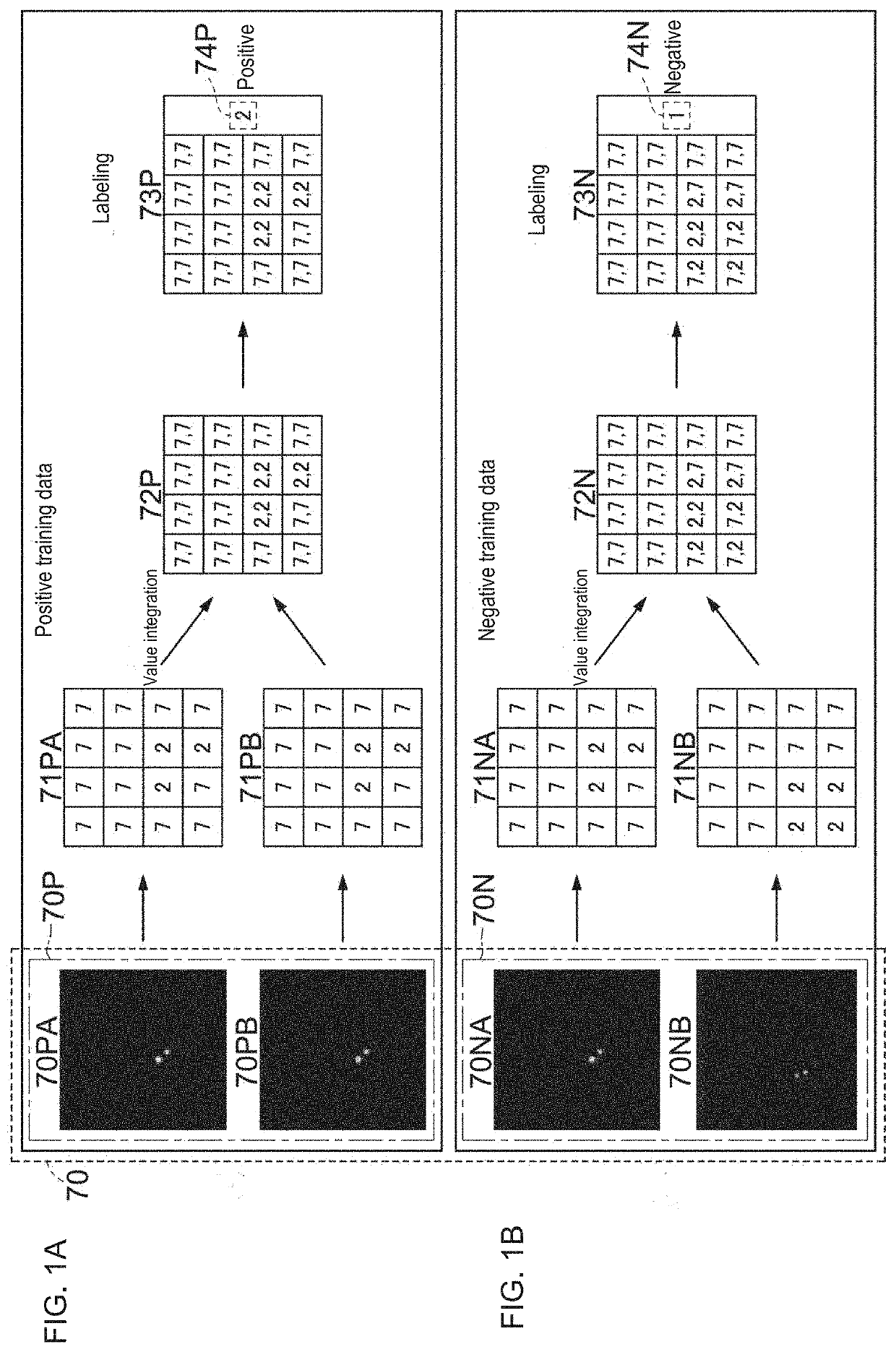
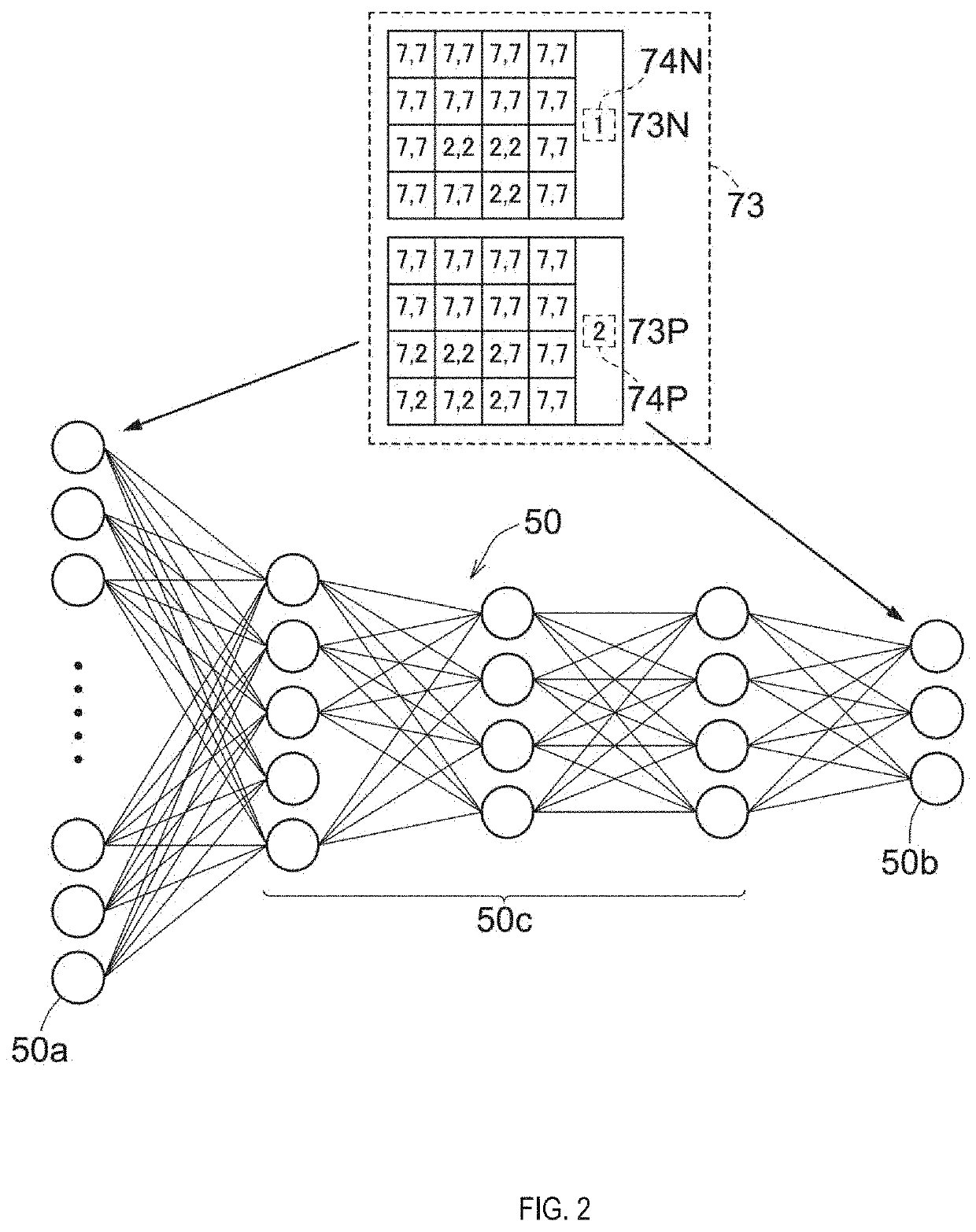
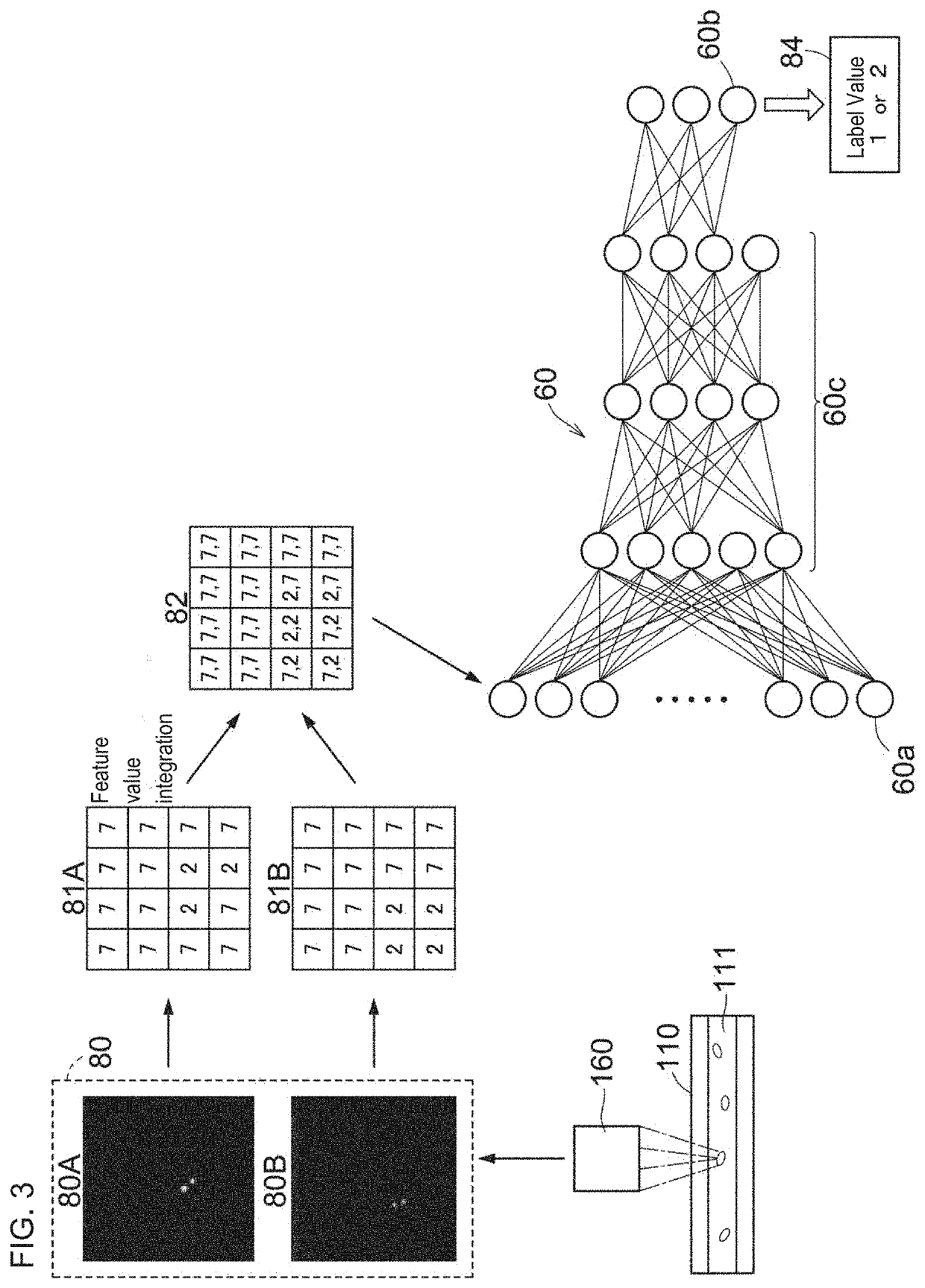
- A cell analysis method utilizing an artificial intelligence algorithm that causes a sample to flow through a flow channel, generates analysis images, and inputs this data into the AI for high-speed and high-accuracy analysis, enabling the detection of cell properties like chromosomal abnormalities and peripheral circulating tumor cells.

Quality Standards for Automated Cell Manufacturing
The establishment of comprehensive quality standards for automated cell manufacturing represents a critical foundation for implementing AI-driven degassing systems. These standards must encompass both traditional manufacturing quality metrics and novel parameters specific to automated cellular processes. Current regulatory frameworks, including FDA guidelines for cell therapy manufacturing and ISO 13485 standards, provide baseline requirements that must be adapted to accommodate AI-integrated systems.
Quality standards for automated cell degassing specifically require precise measurement protocols for dissolved gas concentrations, with acceptable thresholds typically ranging from 5-15% dissolved oxygen depending on cell type and application. Temperature control standards mandate maintenance within ±0.5°C of target values during degassing operations, while pH stability must remain within ±0.1 units to prevent cellular stress responses.
Validation protocols for AI-driven degassing systems demand extensive documentation of algorithm performance across diverse operational scenarios. These protocols must demonstrate consistent achievement of target gas concentrations while maintaining cell viability above 95% and preserving critical cellular functions. Statistical process control methods, including control charts and capability studies, provide quantitative frameworks for monitoring system performance against established benchmarks.
Traceability requirements necessitate comprehensive data logging of all process parameters, AI decision points, and corrective actions throughout the degassing cycle. This documentation must support regulatory compliance while enabling continuous improvement of algorithmic performance. Real-time monitoring systems must capture deviations from standard operating parameters and trigger appropriate responses within defined timeframes.
Quality assurance frameworks must incorporate risk-based approaches that account for the probabilistic nature of AI decision-making processes. These frameworks require establishment of acceptable confidence intervals for AI predictions and clear escalation procedures when system confidence falls below predetermined thresholds. Regular calibration and validation of sensors, actuators, and AI models ensure sustained compliance with quality standards throughout the manufacturing lifecycle.
Quality standards for automated cell degassing specifically require precise measurement protocols for dissolved gas concentrations, with acceptable thresholds typically ranging from 5-15% dissolved oxygen depending on cell type and application. Temperature control standards mandate maintenance within ±0.5°C of target values during degassing operations, while pH stability must remain within ±0.1 units to prevent cellular stress responses.
Validation protocols for AI-driven degassing systems demand extensive documentation of algorithm performance across diverse operational scenarios. These protocols must demonstrate consistent achievement of target gas concentrations while maintaining cell viability above 95% and preserving critical cellular functions. Statistical process control methods, including control charts and capability studies, provide quantitative frameworks for monitoring system performance against established benchmarks.
Traceability requirements necessitate comprehensive data logging of all process parameters, AI decision points, and corrective actions throughout the degassing cycle. This documentation must support regulatory compliance while enabling continuous improvement of algorithmic performance. Real-time monitoring systems must capture deviations from standard operating parameters and trigger appropriate responses within defined timeframes.
Quality assurance frameworks must incorporate risk-based approaches that account for the probabilistic nature of AI decision-making processes. These frameworks require establishment of acceptable confidence intervals for AI predictions and clear escalation procedures when system confidence falls below predetermined thresholds. Regular calibration and validation of sensors, actuators, and AI models ensure sustained compliance with quality standards throughout the manufacturing lifecycle.
Risk Assessment in AI-Controlled Cell Operations
The implementation of AI algorithms in automated cell degassing operations introduces several critical risk factors that must be systematically evaluated and managed. These risks span across technical, operational, and safety domains, each requiring specific mitigation strategies to ensure reliable and safe cell processing outcomes.
Technical risks primarily center around algorithm reliability and sensor accuracy. AI models may experience degradation in performance when encountering cell conditions outside their training parameters, potentially leading to incomplete degassing or over-processing. Sensor malfunctions or calibration drift can provide erroneous data inputs, causing the AI system to make incorrect decisions about degassing duration and intensity. Additionally, software bugs or unexpected algorithm behaviors could result in process interruptions or inappropriate parameter adjustments during critical degassing phases.
Operational risks emerge from the complex interaction between AI systems and existing laboratory infrastructure. Integration challenges may arise when AI-controlled degassing equipment interfaces with legacy systems, potentially creating communication failures or data synchronization issues. Human operator dependency remains a significant factor, as inadequate training or over-reliance on automated systems can lead to delayed responses during emergency situations or system anomalies.
Safety considerations encompass both immediate and long-term consequences of AI-controlled operations. Improper degassing parameters could compromise cell viability, affecting downstream research or therapeutic applications. The risk of cross-contamination increases when AI systems fail to properly sequence degassing operations across multiple cell lines. Furthermore, inadequate fail-safe mechanisms may result in equipment damage or exposure of personnel to hazardous conditions.
Mitigation strategies must address these multifaceted risks through comprehensive validation protocols, redundant safety systems, and continuous monitoring frameworks. Regular algorithm retraining with diverse datasets, implementation of robust sensor validation procedures, and establishment of clear human oversight protocols are essential components of effective risk management in AI-controlled cell degassing operations.
Technical risks primarily center around algorithm reliability and sensor accuracy. AI models may experience degradation in performance when encountering cell conditions outside their training parameters, potentially leading to incomplete degassing or over-processing. Sensor malfunctions or calibration drift can provide erroneous data inputs, causing the AI system to make incorrect decisions about degassing duration and intensity. Additionally, software bugs or unexpected algorithm behaviors could result in process interruptions or inappropriate parameter adjustments during critical degassing phases.
Operational risks emerge from the complex interaction between AI systems and existing laboratory infrastructure. Integration challenges may arise when AI-controlled degassing equipment interfaces with legacy systems, potentially creating communication failures or data synchronization issues. Human operator dependency remains a significant factor, as inadequate training or over-reliance on automated systems can lead to delayed responses during emergency situations or system anomalies.
Safety considerations encompass both immediate and long-term consequences of AI-controlled operations. Improper degassing parameters could compromise cell viability, affecting downstream research or therapeutic applications. The risk of cross-contamination increases when AI systems fail to properly sequence degassing operations across multiple cell lines. Furthermore, inadequate fail-safe mechanisms may result in equipment damage or exposure of personnel to hazardous conditions.
Mitigation strategies must address these multifaceted risks through comprehensive validation protocols, redundant safety systems, and continuous monitoring frameworks. Regular algorithm retraining with diverse datasets, implementation of robust sensor validation procedures, and establishment of clear human oversight protocols are essential components of effective risk management in AI-controlled cell degassing operations.
Unlock deeper insights with PatSnap Eureka Quick Research — get a full tech report to explore trends and direct your research. Try now!
Generate Your Research Report Instantly with AI Agent
Supercharge your innovation with PatSnap Eureka AI Agent Platform!