

Top Design Considerations for Compact Wearable Degassing Systems
MAY 28, 20269 MIN READ
Generate Your Research Report Instantly with AI Agent
PatSnap Eureka helps you evaluate technical feasibility & market potential.
Compact Wearable Degassing Background and Objectives
Wearable degassing systems represent a critical advancement in portable medical technology, addressing the fundamental challenge of removing gas bubbles from fluid delivery systems in ambulatory healthcare applications. The evolution of these systems stems from the growing demand for continuous, patient-centric medical treatments that extend beyond traditional clinical settings. Historical development traces back to early extracorporeal circulation devices in the 1950s, which required large, stationary degassing chambers unsuitable for portable applications.
The technological progression has been driven by miniaturization trends in medical devices and the increasing prevalence of chronic conditions requiring long-term fluid management. Traditional degassing methods relied on gravity-based separation, membrane contactors, and vacuum-assisted removal systems, all of which presented significant size and power constraints for wearable applications. The shift toward compact solutions emerged in the early 2000s with advances in microfluidics and MEMS technology.
Current technological evolution focuses on integrating multiple degassing mechanisms within severely constrained form factors while maintaining clinical efficacy. Key developmental milestones include the introduction of hydrophobic membrane degassers in the 1990s, followed by acoustic-based bubble removal systems in the 2010s, and recent innovations in electrochemical degassing approaches. These advancements have progressively reduced system volumes from liters to milliliters while improving energy efficiency.
The primary technical objectives center on achieving comprehensive gas removal efficiency exceeding 95% while operating within power budgets below 100 milliwatts. Size constraints typically limit total system volume to less than 10 cubic centimeters, necessitating innovative approaches to fluid handling and gas separation. Performance targets include processing flow rates between 0.1 to 10 mL/min while maintaining biocompatibility and sterility requirements.
Secondary objectives encompass real-time monitoring capabilities, fail-safe operation modes, and integration compatibility with existing wearable platforms. The technology must demonstrate reliability across varying environmental conditions, including temperature fluctuations, humidity changes, and patient mobility scenarios. Long-term operational stability becomes crucial for applications requiring continuous operation over days or weeks without maintenance intervention.
Future technological goals emphasize autonomous operation with minimal user intervention, predictive maintenance capabilities, and seamless integration with digital health ecosystems. The convergence of artificial intelligence and sensor technologies promises enhanced system optimization and personalized treatment delivery, representing the next frontier in wearable degassing system development.
The technological progression has been driven by miniaturization trends in medical devices and the increasing prevalence of chronic conditions requiring long-term fluid management. Traditional degassing methods relied on gravity-based separation, membrane contactors, and vacuum-assisted removal systems, all of which presented significant size and power constraints for wearable applications. The shift toward compact solutions emerged in the early 2000s with advances in microfluidics and MEMS technology.
Current technological evolution focuses on integrating multiple degassing mechanisms within severely constrained form factors while maintaining clinical efficacy. Key developmental milestones include the introduction of hydrophobic membrane degassers in the 1990s, followed by acoustic-based bubble removal systems in the 2010s, and recent innovations in electrochemical degassing approaches. These advancements have progressively reduced system volumes from liters to milliliters while improving energy efficiency.
The primary technical objectives center on achieving comprehensive gas removal efficiency exceeding 95% while operating within power budgets below 100 milliwatts. Size constraints typically limit total system volume to less than 10 cubic centimeters, necessitating innovative approaches to fluid handling and gas separation. Performance targets include processing flow rates between 0.1 to 10 mL/min while maintaining biocompatibility and sterility requirements.
Secondary objectives encompass real-time monitoring capabilities, fail-safe operation modes, and integration compatibility with existing wearable platforms. The technology must demonstrate reliability across varying environmental conditions, including temperature fluctuations, humidity changes, and patient mobility scenarios. Long-term operational stability becomes crucial for applications requiring continuous operation over days or weeks without maintenance intervention.
Future technological goals emphasize autonomous operation with minimal user intervention, predictive maintenance capabilities, and seamless integration with digital health ecosystems. The convergence of artificial intelligence and sensor technologies promises enhanced system optimization and personalized treatment delivery, representing the next frontier in wearable degassing system development.
Market Demand for Portable Degassing Solutions
The market demand for portable degassing solutions is experiencing significant growth driven by expanding applications across multiple industries and evolving technological requirements. Healthcare sectors represent the primary demand driver, particularly in medical device manufacturing, pharmaceutical processing, and point-of-care diagnostics where air bubble removal is critical for device functionality and patient safety.
Laboratory and research environments constitute another substantial market segment, where portable degassing systems enable field research, mobile laboratories, and decentralized testing facilities. The increasing trend toward miniaturized analytical instruments and portable diagnostic equipment has created substantial demand for compact degassing solutions that can maintain laboratory-grade performance in mobile applications.
Industrial applications are emerging as a rapidly growing market segment, particularly in additive manufacturing, microfluidics, and precision coating processes. The shift toward distributed manufacturing and on-site production capabilities has increased demand for portable degassing systems that can support quality control and process optimization in diverse operational environments.
The automotive and aerospace industries are driving demand for portable degassing solutions in maintenance, repair, and field testing applications. These sectors require reliable degassing capabilities for hydraulic systems, fuel systems, and specialized fluids in remote or mobile service environments where traditional stationary equipment is impractical.
Consumer electronics manufacturing represents an expanding market opportunity, particularly for applications involving adhesives, encapsulants, and thermal interface materials. The trend toward smaller production facilities and rapid prototyping capabilities has increased demand for compact degassing systems that can support flexible manufacturing processes.
Geographic market distribution shows strong demand concentration in developed regions with established manufacturing bases, while emerging markets are experiencing rapid growth driven by expanding industrial capabilities and healthcare infrastructure development. The market exhibits seasonal variations related to research funding cycles and capital equipment procurement patterns.
Market growth is further accelerated by regulatory requirements in pharmaceutical and medical device industries that mandate bubble-free processing for critical applications. Environmental regulations promoting solvent-free and low-emission processes are also driving adoption of advanced degassing technologies in various industrial applications.
Laboratory and research environments constitute another substantial market segment, where portable degassing systems enable field research, mobile laboratories, and decentralized testing facilities. The increasing trend toward miniaturized analytical instruments and portable diagnostic equipment has created substantial demand for compact degassing solutions that can maintain laboratory-grade performance in mobile applications.
Industrial applications are emerging as a rapidly growing market segment, particularly in additive manufacturing, microfluidics, and precision coating processes. The shift toward distributed manufacturing and on-site production capabilities has increased demand for portable degassing systems that can support quality control and process optimization in diverse operational environments.
The automotive and aerospace industries are driving demand for portable degassing solutions in maintenance, repair, and field testing applications. These sectors require reliable degassing capabilities for hydraulic systems, fuel systems, and specialized fluids in remote or mobile service environments where traditional stationary equipment is impractical.
Consumer electronics manufacturing represents an expanding market opportunity, particularly for applications involving adhesives, encapsulants, and thermal interface materials. The trend toward smaller production facilities and rapid prototyping capabilities has increased demand for compact degassing systems that can support flexible manufacturing processes.
Geographic market distribution shows strong demand concentration in developed regions with established manufacturing bases, while emerging markets are experiencing rapid growth driven by expanding industrial capabilities and healthcare infrastructure development. The market exhibits seasonal variations related to research funding cycles and capital equipment procurement patterns.
Market growth is further accelerated by regulatory requirements in pharmaceutical and medical device industries that mandate bubble-free processing for critical applications. Environmental regulations promoting solvent-free and low-emission processes are also driving adoption of advanced degassing technologies in various industrial applications.
Current State and Challenges of Miniaturized Degassing
The miniaturized degassing technology landscape presents a complex array of technical achievements alongside persistent engineering challenges. Current state-of-the-art systems primarily rely on membrane-based separation, vacuum degassing, and electrochemical methods, each adapted for portable applications. Membrane degassing systems have achieved significant size reduction through hollow fiber configurations and selective permeable materials, enabling integration into devices as small as 50mm³. However, these systems struggle with long-term membrane stability and selective permeability degradation under varying environmental conditions.
Vacuum-based miniaturized degassing represents another mature approach, utilizing micro-pumps and miniaturized chambers to create controlled low-pressure environments. Recent developments have produced systems capable of achieving vacuum levels below 10 Torr while maintaining power consumption under 2 watts. Despite these advances, vacuum systems face fundamental limitations in power efficiency and noise generation, making them less suitable for continuous wearable applications.
Electrochemical degassing methods have emerged as promising alternatives, leveraging electrochemical reactions to selectively remove dissolved gases. These systems demonstrate excellent miniaturization potential and low power requirements, typically operating at voltages below 5V. Current implementations can process fluid volumes up to 10ml/min while maintaining compact form factors suitable for wearable integration.
The primary technical challenges encompass several critical areas that limit widespread adoption. Power consumption remains the most significant constraint, with existing systems requiring 1-5 watts of continuous power, far exceeding typical wearable device energy budgets. Battery life considerations force designers to compromise between degassing efficiency and operational duration, often resulting in intermittent operation modes that may not meet application requirements.
Fluid handling complexity presents another substantial challenge, particularly in maintaining consistent flow rates and preventing system contamination. Miniaturized pumps and valves exhibit reliability issues under continuous operation, with mean time between failures often falling below 1000 hours. Additionally, the integration of multiple fluid pathways within compact geometries creates manufacturing complexity and increases potential failure points.
Temperature management emerges as a critical constraint, especially for electrochemical systems that generate heat during operation. Thermal dissipation in wearable form factors requires innovative heat spreading solutions that do not compromise user comfort or system reliability. Current thermal management approaches add 15-30% to overall system volume, limiting further miniaturization efforts.
Selectivity and efficiency trade-offs represent ongoing technical hurdles, where improved gas removal rates often come at the expense of system complexity or power consumption. Achieving selective removal of target gases while preserving beneficial dissolved species requires sophisticated control algorithms and sensing capabilities that challenge current miniaturization limits.
Vacuum-based miniaturized degassing represents another mature approach, utilizing micro-pumps and miniaturized chambers to create controlled low-pressure environments. Recent developments have produced systems capable of achieving vacuum levels below 10 Torr while maintaining power consumption under 2 watts. Despite these advances, vacuum systems face fundamental limitations in power efficiency and noise generation, making them less suitable for continuous wearable applications.
Electrochemical degassing methods have emerged as promising alternatives, leveraging electrochemical reactions to selectively remove dissolved gases. These systems demonstrate excellent miniaturization potential and low power requirements, typically operating at voltages below 5V. Current implementations can process fluid volumes up to 10ml/min while maintaining compact form factors suitable for wearable integration.
The primary technical challenges encompass several critical areas that limit widespread adoption. Power consumption remains the most significant constraint, with existing systems requiring 1-5 watts of continuous power, far exceeding typical wearable device energy budgets. Battery life considerations force designers to compromise between degassing efficiency and operational duration, often resulting in intermittent operation modes that may not meet application requirements.
Fluid handling complexity presents another substantial challenge, particularly in maintaining consistent flow rates and preventing system contamination. Miniaturized pumps and valves exhibit reliability issues under continuous operation, with mean time between failures often falling below 1000 hours. Additionally, the integration of multiple fluid pathways within compact geometries creates manufacturing complexity and increases potential failure points.
Temperature management emerges as a critical constraint, especially for electrochemical systems that generate heat during operation. Thermal dissipation in wearable form factors requires innovative heat spreading solutions that do not compromise user comfort or system reliability. Current thermal management approaches add 15-30% to overall system volume, limiting further miniaturization efforts.
Selectivity and efficiency trade-offs represent ongoing technical hurdles, where improved gas removal rates often come at the expense of system complexity or power consumption. Achieving selective removal of target gases while preserving beneficial dissolved species requires sophisticated control algorithms and sensing capabilities that challenge current miniaturization limits.
Existing Compact Degassing Design Solutions
01 Vacuum-based degassing systems for compact applications
Compact degassing systems that utilize vacuum technology to remove dissolved gases from liquids. These systems employ vacuum chambers or pumps to create low-pressure environments that facilitate gas extraction from various fluids. The compact design allows for integration into space-constrained applications while maintaining effective degassing performance.- Vacuum-based degassing systems for liquid processing: Compact degassing systems that utilize vacuum technology to remove dissolved gases from liquids. These systems typically employ vacuum chambers or vacuum pumps to create low-pressure environments that facilitate gas extraction from various liquid media. The compact design allows for integration into existing processing lines while maintaining efficient degassing performance.
- Membrane-based degassing technology: Systems that use selective permeable membranes to separate and remove gases from liquids in a compact configuration. These membrane degassing units operate on the principle of differential gas permeability, allowing gases to pass through while retaining the liquid phase. The technology offers continuous operation with minimal maintenance requirements.
- Ultrasonic degassing methods: Compact degassing systems that employ ultrasonic energy to enhance gas removal from liquids. The ultrasonic waves create cavitation effects that help release dissolved gases and facilitate their separation. These systems are particularly effective for applications requiring gentle processing conditions and can be designed in space-efficient configurations.
- Centrifugal degassing apparatus: Compact systems that utilize centrifugal force to separate gases from liquids through rotational motion. These degassing units create high gravitational forces that enhance the separation of gas bubbles from the liquid medium. The compact design incorporates rotating elements within a confined space to achieve efficient degassing performance.
- Thermal degassing systems: Compact degassing equipment that uses controlled heating to reduce gas solubility and promote gas release from liquids. These systems operate on the principle that gas solubility decreases with increasing temperature, allowing for effective degassing through thermal treatment. The compact design incorporates heating elements and temperature control systems in space-efficient configurations.
02 Membrane-based degassing technology
Degassing systems that employ selective permeable membranes to separate gases from liquids in compact configurations. These systems use specialized membrane materials that allow gas molecules to pass through while retaining the liquid phase. The membrane approach enables continuous operation and can be designed in modular, space-efficient formats suitable for various industrial applications.Expand Specific Solutions03 Ultrasonic degassing methods
Compact degassing systems that utilize ultrasonic energy to enhance gas removal from liquids. These systems generate high-frequency sound waves that create cavitation bubbles, facilitating the coalescence and removal of dissolved gases. The ultrasonic approach can be implemented in relatively small devices and is particularly effective for applications requiring gentle degassing without thermal treatment.Expand Specific Solutions04 Centrifugal degassing systems
Compact degassing equipment that employs centrifugal force to separate gases from liquids. These systems use rotating mechanisms to create pressure differentials that drive gas separation through centrifugal action. The compact design allows for high-throughput processing while maintaining a small footprint, making them suitable for applications where space is limited but efficient degassing is required.Expand Specific Solutions05 Integrated heating and cooling degassing systems
Compact degassing systems that combine thermal management with gas removal processes. These systems integrate heating elements to reduce gas solubility and cooling components to condense and separate gases from the liquid phase. The integrated approach allows for precise temperature control in a compact package, enabling effective degassing across various operating conditions and fluid types.Expand Specific Solutions
Key Players in Wearable Degassing Systems Industry
The compact wearable degassing systems market is in its emerging phase, driven by increasing demand for miniaturized medical devices and wearable health monitoring technologies. The market shows significant growth potential as healthcare shifts toward portable, patient-centric solutions. Technology maturity varies considerably across key players, with established companies like Nitto Denko Corp., Toyobo Co. Ltd., and IDEX Health & Science LLC leveraging their expertise in materials science, filtration, and microfluidics to develop advanced degassing solutions. Industrial giants such as thyssenkrupp AG and Kobe Steel Ltd. contribute manufacturing capabilities, while specialized firms like Porvair Plc and HYDAC Technology GmbH focus on filtration technologies. The competitive landscape reflects a convergence of materials engineering, precision manufacturing, and biomedical applications, indicating strong technological foundations for future market expansion.
IDEX Health & Science LLC
Technical Solution: Specializes in microfluidic degassing solutions using proprietary membrane contactors with PTFE membranes achieving sub-micron bubble removal. Their wearable degassing systems feature modular design with integrated pumps and sensors, operating at flow rates from 0.1-50 mL/min with minimal dead volume. The system incorporates smart pressure regulation and automated bubble detection algorithms. Design considerations focus on chemical compatibility, temperature stability, and miniaturization for portable analytical instruments and wearable biosensors.
Strengths: Excellent chemical compatibility, precise flow control, modular design flexibility. Weaknesses: Limited scalability for high-flow applications, requires specialized maintenance.
Porvair Plc
Technical Solution: Develops porous membrane degassing technology using sintered metal and polymer membranes with controlled pore structures. Their compact degassing systems achieve 95% gas removal efficiency while maintaining flow rates up to 100 mL/min in wearable configurations. The design incorporates lightweight materials with corrosion-resistant coatings and energy-efficient vacuum generation. Key considerations include membrane durability, fouling resistance, and integration with existing fluid handling systems for industrial and analytical applications.
Strengths: Robust membrane technology, good flow capacity, industrial-grade durability. Weaknesses: Lower degassing efficiency compared to competitors, bulkier design for wearable applications.
Core Innovations in Miniaturized Degassing Patents
Degassing device for liquids in a closed or open circuit
PatentInactiveEP1262720A3
Innovation
- A compact degassing device with a small degassing container (0.5 to 0.7 liters) using an injector nozzle for efficient gas release, a vertically movable float for gas measurement, and automatic water refilling, eliminating the need for solenoid valves, pressure control valves, and orifices, and utilizing low negative pressures to ensure reliable operation.


Degassing membrane for dialysis
PatentActiveUS20160166752A1
Innovation
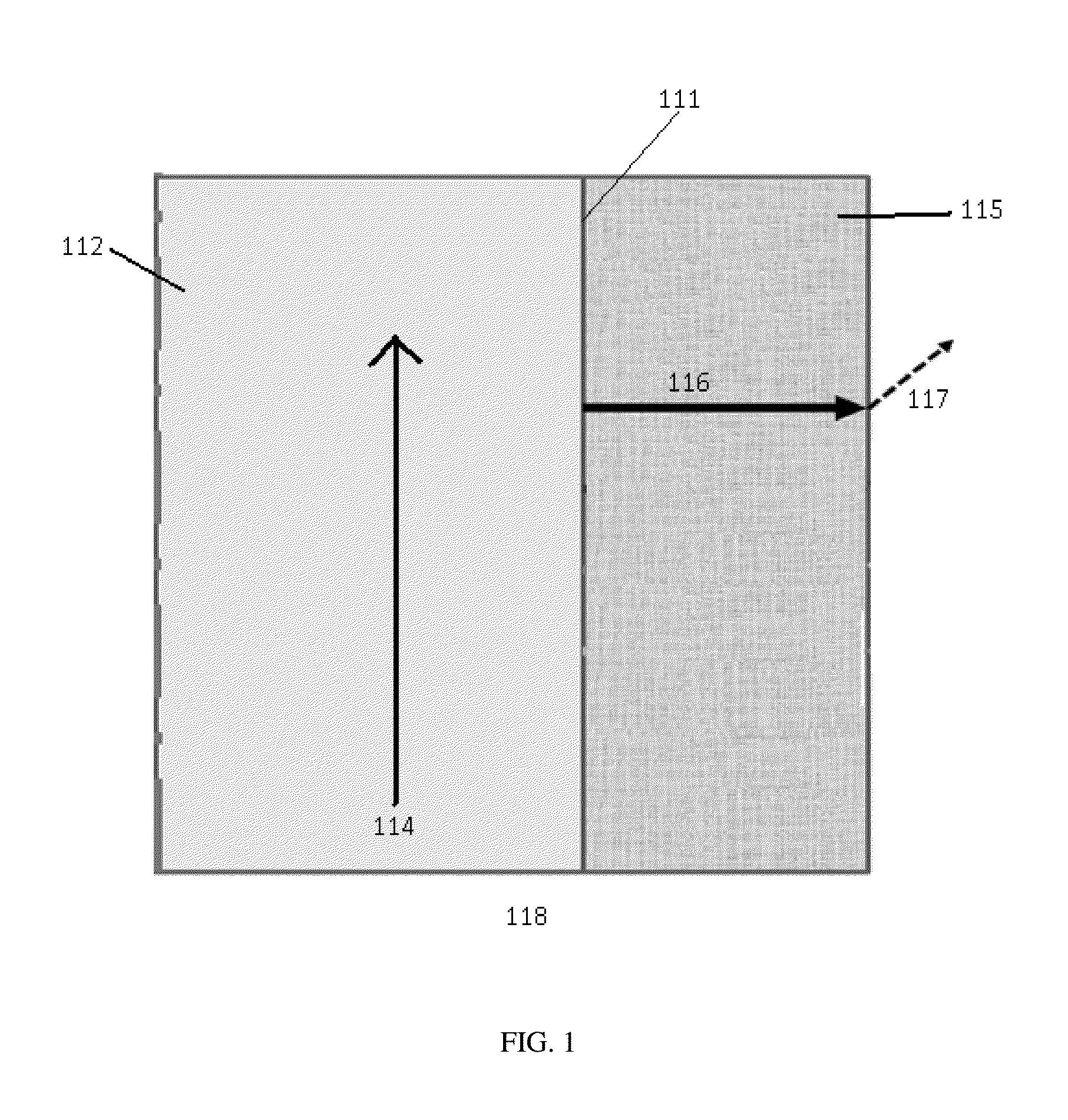
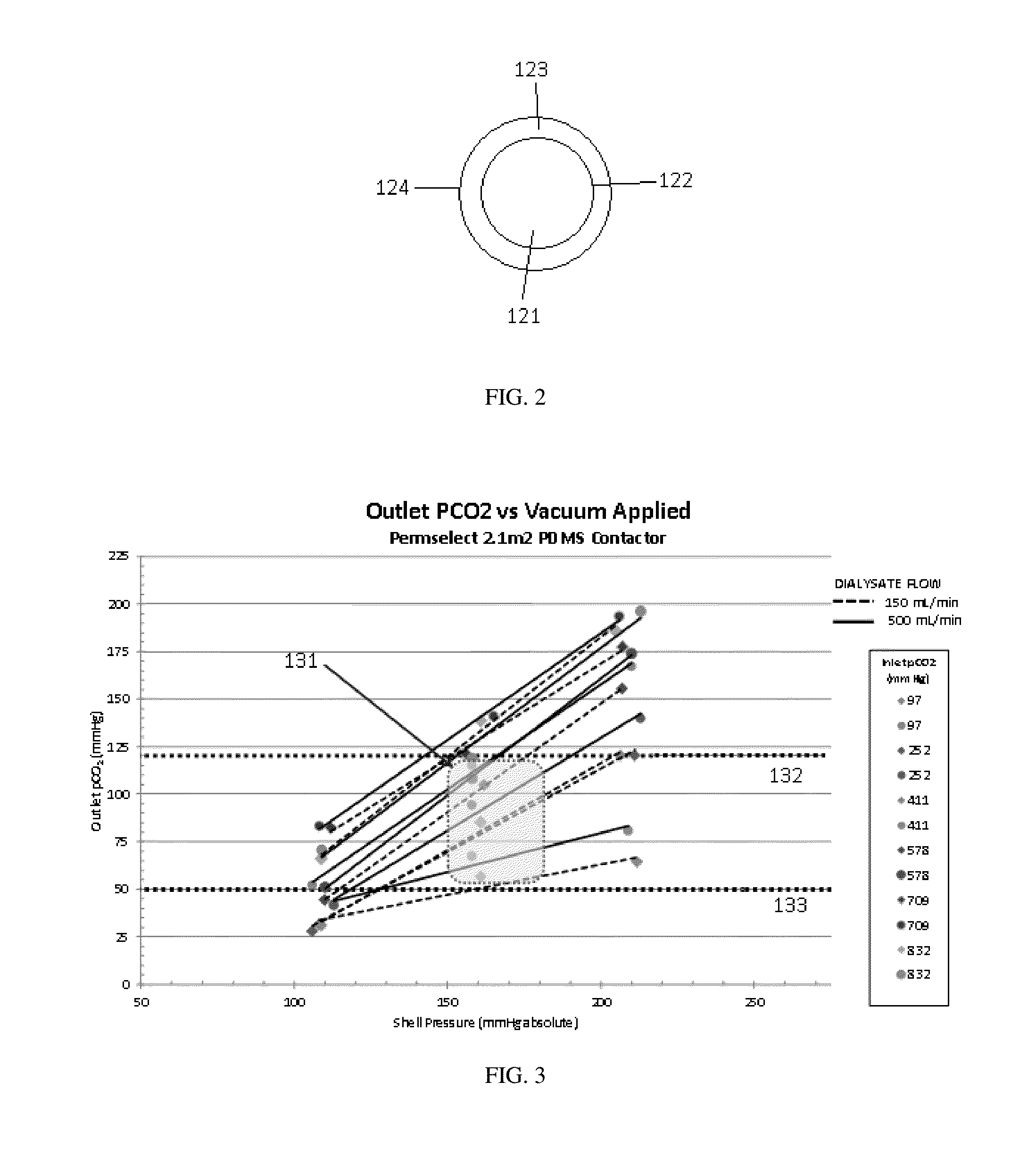
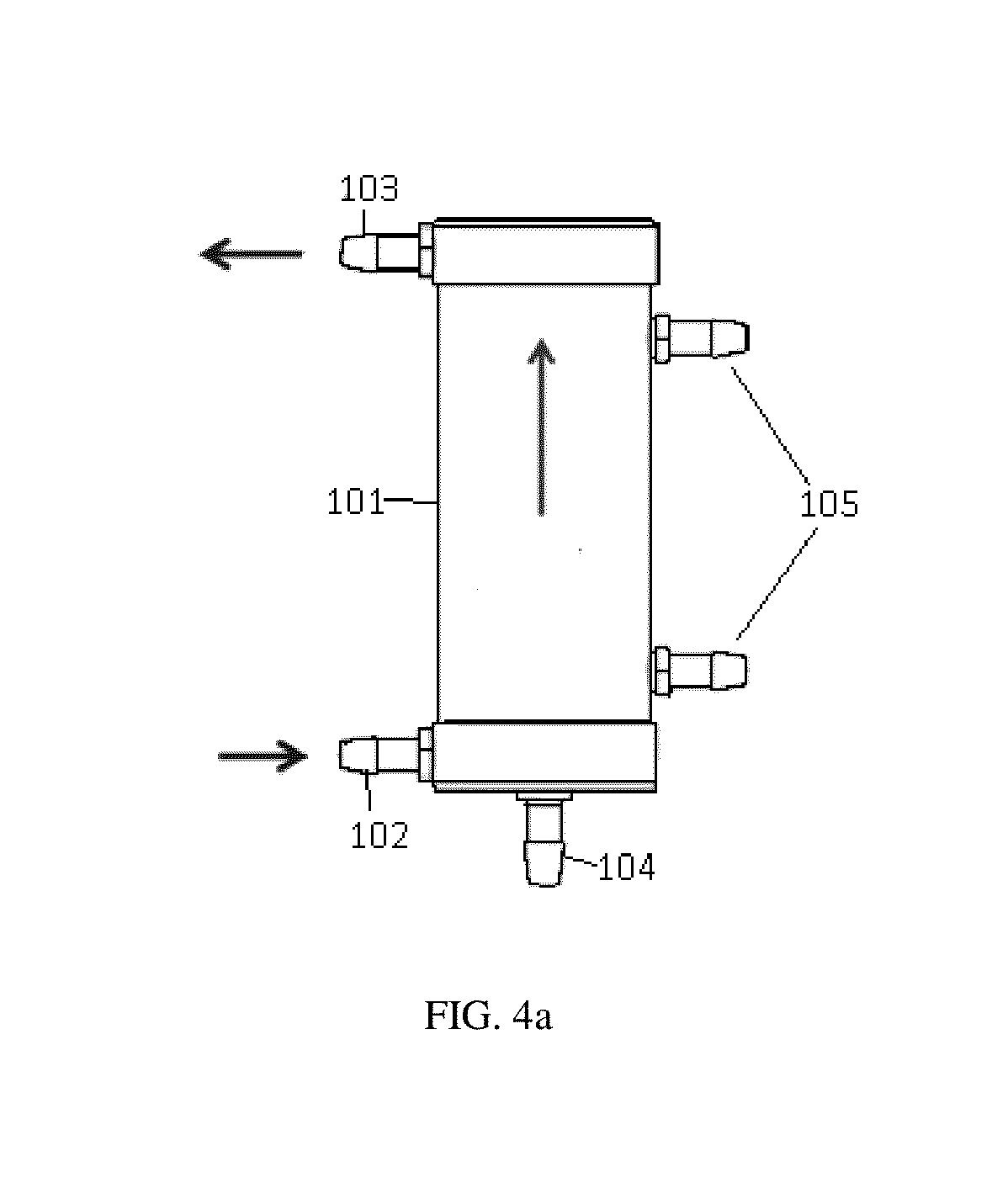
- A degassing system utilizing a membrane with a higher permeability coefficient for carbon dioxide than oxygen and nitrogen, constructed from non-porous silicone or poly(dimethylsiloxane), positioned in a degassing vessel with a vacuum pump to create a low-pressure environment for selective gas removal, allowing precise control of gas levels and compatibility with high temperatures and disinfectants.

Safety Standards for Wearable Gas Processing Devices
The development of safety standards for wearable gas processing devices represents a critical regulatory framework that ensures user protection while enabling technological innovation in compact degassing systems. Current safety protocols are primarily derived from established industrial gas handling standards, adapted to address the unique challenges posed by personal wearable applications.
International safety organizations, including ISO and IEC, have begun developing specific guidelines for wearable gas processing equipment. These standards focus on maximum allowable gas concentrations, emergency shutdown mechanisms, and fail-safe design principles. The European Union's Personal Protective Equipment Regulation (EU 2016/425) provides foundational requirements, while ANSI/ISEA standards offer complementary guidelines for occupational safety applications.
Key safety parameters include gas leak detection thresholds, typically set at 10% of the Lower Explosive Limit (LEL) for flammable gases, and maximum processing volumes limited to 50ml/min for portable systems. Temperature monitoring requirements mandate continuous thermal sensing with automatic shutdown at 60°C surface temperature to prevent user burns.
Certification processes require extensive testing protocols, including drop tests from 1.5 meters, ingress protection ratings of IP65 or higher, and biocompatibility assessments for skin-contact materials. Electromagnetic compatibility standards ensure devices operate safely in various electronic environments without interference.
Emergency response protocols mandate dual-redundant safety systems, including primary and backup gas detection sensors, automatic valve closure mechanisms, and user-accessible emergency stops. Battery safety standards require thermal runaway protection and overcharge prevention systems specifically designed for wearable applications.
Regulatory compliance varies significantly across regions, with the FDA requiring 510(k) clearance for medical applications, while industrial applications fall under OSHA guidelines. The harmonization of these standards remains an ongoing challenge, particularly for devices intended for multiple market segments.
Future regulatory developments are expected to address wireless connectivity security, data privacy for sensor information, and standardized testing methodologies for long-term wearability assessments, ensuring comprehensive user protection as these technologies mature.
International safety organizations, including ISO and IEC, have begun developing specific guidelines for wearable gas processing equipment. These standards focus on maximum allowable gas concentrations, emergency shutdown mechanisms, and fail-safe design principles. The European Union's Personal Protective Equipment Regulation (EU 2016/425) provides foundational requirements, while ANSI/ISEA standards offer complementary guidelines for occupational safety applications.
Key safety parameters include gas leak detection thresholds, typically set at 10% of the Lower Explosive Limit (LEL) for flammable gases, and maximum processing volumes limited to 50ml/min for portable systems. Temperature monitoring requirements mandate continuous thermal sensing with automatic shutdown at 60°C surface temperature to prevent user burns.
Certification processes require extensive testing protocols, including drop tests from 1.5 meters, ingress protection ratings of IP65 or higher, and biocompatibility assessments for skin-contact materials. Electromagnetic compatibility standards ensure devices operate safely in various electronic environments without interference.
Emergency response protocols mandate dual-redundant safety systems, including primary and backup gas detection sensors, automatic valve closure mechanisms, and user-accessible emergency stops. Battery safety standards require thermal runaway protection and overcharge prevention systems specifically designed for wearable applications.
Regulatory compliance varies significantly across regions, with the FDA requiring 510(k) clearance for medical applications, while industrial applications fall under OSHA guidelines. The harmonization of these standards remains an ongoing challenge, particularly for devices intended for multiple market segments.
Future regulatory developments are expected to address wireless connectivity security, data privacy for sensor information, and standardized testing methodologies for long-term wearability assessments, ensuring comprehensive user protection as these technologies mature.
Power Management Strategies for Portable Degassing
Power management represents the most critical design challenge in compact wearable degassing systems, directly impacting device portability, operational duration, and user acceptance. The inherent constraints of wearable form factors demand innovative approaches to energy optimization while maintaining effective degassing performance across diverse application scenarios.
Battery technology selection forms the foundation of power management strategy. Lithium-ion batteries remain the predominant choice due to their high energy density and established manufacturing infrastructure. However, emerging solid-state batteries offer superior safety profiles and potentially higher energy densities, making them attractive for next-generation systems. The trade-off between battery capacity and device weight requires careful optimization, with typical wearable degassing systems targeting operational periods of 8-12 hours on a single charge.
Dynamic power scaling techniques enable significant energy savings by adjusting system performance based on real-time degassing requirements. Advanced microcontrollers implement variable frequency scaling and selective component activation, reducing power consumption during low-demand periods. Smart algorithms monitor gas concentration levels and automatically modulate pump speeds, valve operations, and sensor sampling rates to optimize energy utilization without compromising degassing effectiveness.
Thermal management integration with power systems presents unique challenges in compact designs. Heat generated by power electronics and degassing components must be efficiently dissipated to prevent performance degradation and ensure user comfort. Innovative heat spreading materials and micro-channel cooling solutions are being developed specifically for wearable applications, enabling sustained high-performance operation within strict thermal constraints.
Energy harvesting technologies offer promising supplementary power sources for extended operational autonomy. Piezoelectric generators can capture energy from user movement, while thermoelectric modules exploit body heat differentials. Although current energy harvesting capabilities remain limited, ongoing research in flexible photovoltaics and advanced piezoelectric materials suggests potential for meaningful power contribution in future designs.
Wireless charging implementation addresses user convenience while maintaining device sealing integrity. Inductive charging systems eliminate the need for physical connectors, reducing contamination risks and improving device durability. Recent advances in resonant wireless power transfer enable efficient charging through protective casings, supporting the hermetic sealing requirements essential for degassing system reliability.
Battery technology selection forms the foundation of power management strategy. Lithium-ion batteries remain the predominant choice due to their high energy density and established manufacturing infrastructure. However, emerging solid-state batteries offer superior safety profiles and potentially higher energy densities, making them attractive for next-generation systems. The trade-off between battery capacity and device weight requires careful optimization, with typical wearable degassing systems targeting operational periods of 8-12 hours on a single charge.
Dynamic power scaling techniques enable significant energy savings by adjusting system performance based on real-time degassing requirements. Advanced microcontrollers implement variable frequency scaling and selective component activation, reducing power consumption during low-demand periods. Smart algorithms monitor gas concentration levels and automatically modulate pump speeds, valve operations, and sensor sampling rates to optimize energy utilization without compromising degassing effectiveness.
Thermal management integration with power systems presents unique challenges in compact designs. Heat generated by power electronics and degassing components must be efficiently dissipated to prevent performance degradation and ensure user comfort. Innovative heat spreading materials and micro-channel cooling solutions are being developed specifically for wearable applications, enabling sustained high-performance operation within strict thermal constraints.
Energy harvesting technologies offer promising supplementary power sources for extended operational autonomy. Piezoelectric generators can capture energy from user movement, while thermoelectric modules exploit body heat differentials. Although current energy harvesting capabilities remain limited, ongoing research in flexible photovoltaics and advanced piezoelectric materials suggests potential for meaningful power contribution in future designs.
Wireless charging implementation addresses user convenience while maintaining device sealing integrity. Inductive charging systems eliminate the need for physical connectors, reducing contamination risks and improving device durability. Recent advances in resonant wireless power transfer enable efficient charging through protective casings, supporting the hermetic sealing requirements essential for degassing system reliability.
Unlock deeper insights with PatSnap Eureka Quick Research — get a full tech report to explore trends and direct your research. Try now!
Generate Your Research Report Instantly with AI Agent
Supercharge your innovation with PatSnap Eureka AI Agent Platform!