How Antifreeze Supports Cold Chain Logistics Optimization?
JUL 2, 20259 MIN READ
Generate Your Research Report Instantly with AI Agent
PatSnap Eureka helps you evaluate technical feasibility & market potential.
Antifreeze in Cold Chain
Antifreeze plays a crucial role in optimizing cold chain logistics by ensuring temperature stability and preventing freezing during transportation and storage of temperature-sensitive products. The primary function of antifreeze in cold chain applications is to lower the freezing point of water-based solutions, allowing them to remain liquid at temperatures below 0°C (32°F).
In cold chain logistics, antifreeze is commonly used in refrigeration systems, cooling units, and temperature-controlled packaging. These systems often employ a mixture of water and antifreeze, known as coolant or heat transfer fluid, to maintain consistent temperatures and prevent damage to perishable goods.
One of the key benefits of using antifreeze in cold chain logistics is its ability to enhance the efficiency of refrigeration systems. By lowering the freezing point of the coolant, antifreeze allows for more effective heat transfer and improved temperature control. This results in reduced energy consumption and increased reliability of cooling equipment, ultimately leading to cost savings and improved performance in cold chain operations.
Antifreeze also provides protection against freezing and expansion of liquids in cooling systems, which is particularly important in cold climates or during long-distance transportation. By preventing the formation of ice crystals, antifreeze helps maintain the integrity of refrigeration equipment and reduces the risk of system failures or damage to temperature-sensitive products.
Furthermore, antifreeze solutions can be customized to meet specific temperature requirements for different types of perishable goods. By adjusting the concentration of antifreeze in the coolant mixture, cold chain operators can achieve precise temperature control for various products, such as pharmaceuticals, fresh produce, or frozen foods.
In addition to its primary function, antifreeze often contains corrosion inhibitors and other additives that help protect refrigeration equipment from wear and tear. This extended equipment lifespan contributes to the overall efficiency and reliability of cold chain logistics operations.
As cold chain logistics continue to evolve and face new challenges, the role of antifreeze in supporting optimization efforts becomes increasingly important. Ongoing research and development in antifreeze technology focus on improving thermal properties, environmental sustainability, and compatibility with advanced refrigeration systems, further enhancing its contribution to cold chain efficiency and reliability.
In cold chain logistics, antifreeze is commonly used in refrigeration systems, cooling units, and temperature-controlled packaging. These systems often employ a mixture of water and antifreeze, known as coolant or heat transfer fluid, to maintain consistent temperatures and prevent damage to perishable goods.
One of the key benefits of using antifreeze in cold chain logistics is its ability to enhance the efficiency of refrigeration systems. By lowering the freezing point of the coolant, antifreeze allows for more effective heat transfer and improved temperature control. This results in reduced energy consumption and increased reliability of cooling equipment, ultimately leading to cost savings and improved performance in cold chain operations.
Antifreeze also provides protection against freezing and expansion of liquids in cooling systems, which is particularly important in cold climates or during long-distance transportation. By preventing the formation of ice crystals, antifreeze helps maintain the integrity of refrigeration equipment and reduces the risk of system failures or damage to temperature-sensitive products.
Furthermore, antifreeze solutions can be customized to meet specific temperature requirements for different types of perishable goods. By adjusting the concentration of antifreeze in the coolant mixture, cold chain operators can achieve precise temperature control for various products, such as pharmaceuticals, fresh produce, or frozen foods.
In addition to its primary function, antifreeze often contains corrosion inhibitors and other additives that help protect refrigeration equipment from wear and tear. This extended equipment lifespan contributes to the overall efficiency and reliability of cold chain logistics operations.
As cold chain logistics continue to evolve and face new challenges, the role of antifreeze in supporting optimization efforts becomes increasingly important. Ongoing research and development in antifreeze technology focus on improving thermal properties, environmental sustainability, and compatibility with advanced refrigeration systems, further enhancing its contribution to cold chain efficiency and reliability.
Market Demand Analysis
The market demand for antifreeze solutions in cold chain logistics has been experiencing significant growth in recent years. This surge is primarily driven by the expanding global cold chain market, which is projected to reach $447.50 billion by 2025, growing at a CAGR of 15.1% from 2018 to 2025. The increasing need for temperature-sensitive product transportation, particularly in pharmaceuticals and food industries, is a key factor fueling this demand.
In the pharmaceutical sector, the rise of biopharmaceuticals and personalized medicines has created a pressing need for advanced cold chain solutions. These products often require strict temperature control during storage and transportation, typically between 2°C and 8°C. The COVID-19 pandemic has further accelerated this trend, with vaccines requiring ultra-low temperature storage and distribution, highlighting the critical role of antifreeze technologies in maintaining product efficacy.
The food industry is another major driver of antifreeze demand in cold chain logistics. With consumers increasingly demanding fresh, high-quality produce year-round, there's a growing need for efficient cold chain solutions to minimize food waste and extend shelf life. The global food cold chain market is expected to reach $183.2 billion by 2025, growing at a CAGR of 11.7% from 2020 to 2025.
Emerging markets, particularly in Asia-Pacific and Latin America, are showing rapid growth in cold chain infrastructure development. This expansion is creating new opportunities for antifreeze technologies to support the optimization of cold chain logistics in these regions. The Asia-Pacific cold chain market, for instance, is projected to grow at a CAGR of 18.2% from 2020 to 2025, outpacing the global average.
Environmental concerns and stringent regulations are also shaping market demand for antifreeze solutions. There's an increasing focus on developing eco-friendly and sustainable antifreeze products that can effectively maintain low temperatures while minimizing environmental impact. This trend is particularly evident in developed markets where environmental regulations are more stringent.
The e-commerce boom and the rise of online grocery shopping have further intensified the need for efficient cold chain logistics. As consumers expect faster deliveries of perishable goods, companies are investing in advanced cold chain technologies, including innovative antifreeze solutions, to meet these demands while ensuring product quality and safety.
In conclusion, the market demand for antifreeze solutions in cold chain logistics is robust and multifaceted, driven by various industry needs, technological advancements, and changing consumer behaviors. The ability of antifreeze technologies to support cold chain optimization is becoming increasingly critical in ensuring the integrity and efficiency of global supply chains for temperature-sensitive products.
In the pharmaceutical sector, the rise of biopharmaceuticals and personalized medicines has created a pressing need for advanced cold chain solutions. These products often require strict temperature control during storage and transportation, typically between 2°C and 8°C. The COVID-19 pandemic has further accelerated this trend, with vaccines requiring ultra-low temperature storage and distribution, highlighting the critical role of antifreeze technologies in maintaining product efficacy.
The food industry is another major driver of antifreeze demand in cold chain logistics. With consumers increasingly demanding fresh, high-quality produce year-round, there's a growing need for efficient cold chain solutions to minimize food waste and extend shelf life. The global food cold chain market is expected to reach $183.2 billion by 2025, growing at a CAGR of 11.7% from 2020 to 2025.
Emerging markets, particularly in Asia-Pacific and Latin America, are showing rapid growth in cold chain infrastructure development. This expansion is creating new opportunities for antifreeze technologies to support the optimization of cold chain logistics in these regions. The Asia-Pacific cold chain market, for instance, is projected to grow at a CAGR of 18.2% from 2020 to 2025, outpacing the global average.
Environmental concerns and stringent regulations are also shaping market demand for antifreeze solutions. There's an increasing focus on developing eco-friendly and sustainable antifreeze products that can effectively maintain low temperatures while minimizing environmental impact. This trend is particularly evident in developed markets where environmental regulations are more stringent.
The e-commerce boom and the rise of online grocery shopping have further intensified the need for efficient cold chain logistics. As consumers expect faster deliveries of perishable goods, companies are investing in advanced cold chain technologies, including innovative antifreeze solutions, to meet these demands while ensuring product quality and safety.
In conclusion, the market demand for antifreeze solutions in cold chain logistics is robust and multifaceted, driven by various industry needs, technological advancements, and changing consumer behaviors. The ability of antifreeze technologies to support cold chain optimization is becoming increasingly critical in ensuring the integrity and efficiency of global supply chains for temperature-sensitive products.
Technical Challenges
The use of antifreeze in cold chain logistics presents several technical challenges that need to be addressed for optimal performance. One of the primary issues is the selection of appropriate antifreeze formulations that can maintain their effectiveness across a wide range of temperatures encountered in various cold chain scenarios. Different products require different temperature ranges, and finding a universal solution that works efficiently for all situations is complex.
Another significant challenge lies in the thermal management systems used in cold chain vehicles and storage facilities. Integrating antifreeze into these systems while ensuring uniform temperature distribution and minimizing energy consumption requires sophisticated engineering. The design of heat exchangers, pumps, and circulation systems must be optimized to work effectively with antifreeze solutions, considering factors such as viscosity changes at different temperatures.
Corrosion prevention is a critical technical hurdle in antifreeze applications for cold chain logistics. Many antifreeze formulations can be corrosive to metal components in cooling systems, potentially leading to equipment damage and reduced efficiency over time. Developing corrosion-resistant antifreeze solutions or implementing effective corrosion inhibitors without compromising the thermal properties of the antifreeze is an ongoing challenge for researchers and engineers.
The environmental impact of antifreeze use in cold chain logistics is another area of technical concern. Traditional antifreeze formulations often contain toxic substances that can be harmful if released into the environment. Creating eco-friendly alternatives that maintain the same level of performance while reducing environmental risks is a significant challenge facing the industry.
Monitoring and control systems for antifreeze-based cold chain solutions present additional technical difficulties. Developing accurate sensors and control algorithms that can precisely measure and adjust antifreeze concentrations and temperatures in real-time is crucial for maintaining product quality and safety. These systems must be robust enough to function reliably in harsh transportation environments and integrate seamlessly with existing logistics management platforms.
Lastly, the compatibility of antifreeze solutions with various packaging materials and products in the cold chain is a complex technical issue. Different materials may react differently to prolonged exposure to antifreeze, potentially affecting product integrity or packaging stability. Ensuring that antifreeze solutions do not compromise the quality or safety of transported goods across diverse product categories requires extensive testing and validation processes.
Another significant challenge lies in the thermal management systems used in cold chain vehicles and storage facilities. Integrating antifreeze into these systems while ensuring uniform temperature distribution and minimizing energy consumption requires sophisticated engineering. The design of heat exchangers, pumps, and circulation systems must be optimized to work effectively with antifreeze solutions, considering factors such as viscosity changes at different temperatures.
Corrosion prevention is a critical technical hurdle in antifreeze applications for cold chain logistics. Many antifreeze formulations can be corrosive to metal components in cooling systems, potentially leading to equipment damage and reduced efficiency over time. Developing corrosion-resistant antifreeze solutions or implementing effective corrosion inhibitors without compromising the thermal properties of the antifreeze is an ongoing challenge for researchers and engineers.
The environmental impact of antifreeze use in cold chain logistics is another area of technical concern. Traditional antifreeze formulations often contain toxic substances that can be harmful if released into the environment. Creating eco-friendly alternatives that maintain the same level of performance while reducing environmental risks is a significant challenge facing the industry.
Monitoring and control systems for antifreeze-based cold chain solutions present additional technical difficulties. Developing accurate sensors and control algorithms that can precisely measure and adjust antifreeze concentrations and temperatures in real-time is crucial for maintaining product quality and safety. These systems must be robust enough to function reliably in harsh transportation environments and integrate seamlessly with existing logistics management platforms.
Lastly, the compatibility of antifreeze solutions with various packaging materials and products in the cold chain is a complex technical issue. Different materials may react differently to prolonged exposure to antifreeze, potentially affecting product integrity or packaging stability. Ensuring that antifreeze solutions do not compromise the quality or safety of transported goods across diverse product categories requires extensive testing and validation processes.
Current Solutions
01 Composition of antifreeze solutions
Antifreeze solutions typically consist of a mixture of water and chemical compounds designed to lower the freezing point of the solution. Common ingredients include glycols, alcohols, and corrosion inhibitors. These solutions are formulated to provide protection against freezing in various applications, such as automotive cooling systems and industrial processes.- Composition of antifreeze solutions: Antifreeze solutions typically consist of a mixture of water and chemical compounds such as ethylene glycol or propylene glycol. These solutions lower the freezing point of water and raise its boiling point, making them effective in preventing freezing in various applications, including automotive cooling systems.
- Additives for enhanced antifreeze performance: Various additives are incorporated into antifreeze formulations to improve their performance. These may include corrosion inhibitors, anti-foaming agents, and lubricants. Such additives help protect metal components, prevent foam formation, and enhance the overall efficiency of the antifreeze solution.
- Environmental considerations in antifreeze development: There is a growing focus on developing environmentally friendly antifreeze solutions. This includes the use of biodegradable components, reducing toxicity, and improving recyclability. Some formulations aim to minimize environmental impact while maintaining effective freeze protection properties.
- Application-specific antifreeze formulations: Antifreeze solutions are tailored for specific applications beyond automotive use. These include formulations for industrial processes, HVAC systems, and even specialized applications like cryopreservation. The composition and properties of these antifreeze solutions are optimized for their intended use.
- Antifreeze recycling and disposal methods: Given the potential environmental hazards of antifreeze, proper recycling and disposal methods are crucial. Technologies and processes have been developed to reclaim used antifreeze, purify it for reuse, or safely dispose of it. These methods aim to reduce environmental impact and conserve resources.
02 Antifreeze recycling and purification methods
Various techniques have been developed to recycle and purify used antifreeze solutions. These methods often involve filtration, distillation, or chemical treatment to remove contaminants and restore the antifreeze properties. Recycling antifreeze helps reduce environmental impact and conserve resources.Expand Specific Solutions03 Antifreeze applications in renewable energy systems
Antifreeze solutions play a crucial role in renewable energy systems, particularly in solar thermal and geothermal applications. These solutions help maintain system efficiency by preventing freezing in cold climates and enabling heat transfer in various temperature conditions.Expand Specific Solutions04 Environmentally friendly antifreeze formulations
Research efforts have focused on developing more environmentally friendly antifreeze formulations. These may include bio-based ingredients, reduced toxicity compounds, and biodegradable additives. The goal is to minimize environmental impact while maintaining effective freeze protection and heat transfer properties.Expand Specific Solutions05 Antifreeze testing and quality control methods
Various testing and quality control methods have been developed to ensure the effectiveness and safety of antifreeze solutions. These may include freezing point depression tests, corrosion inhibition assessments, and chemical composition analyses. Proper testing helps maintain product quality and performance in different applications.Expand Specific Solutions
Industry Key Players
The antifreeze market in cold chain logistics optimization is in a growth phase, driven by increasing demand for temperature-sensitive product transportation. The global market size is expanding, with projections indicating significant growth in the coming years. Technologically, the field is advancing rapidly, with companies like Carrier Corp. and Air Liquide SA leading innovations in refrigeration and cryogenic solutions. China Railway Siyuan Survey & Design Group Co., Ltd. is contributing to infrastructure development, while Anhui Mettle Foods Co., Ltd. and Sichuan Port Investment are focusing on practical applications in food logistics. Academic institutions such as Southwest Jiaotong University and Fujian Agriculture & Forestry University are conducting research to further improve antifreeze technologies for cold chain applications.
Carrier Corp.
Technical Solution: Carrier Corp. has developed advanced antifreeze solutions for cold chain logistics optimization. Their technology utilizes a proprietary blend of ethylene glycol-based antifreeze with corrosion inhibitors, designed to maintain optimal temperatures in refrigerated transport units. This solution prevents freezing in cold environments while also providing protection against overheating in warmer conditions. Carrier's antifreeze technology is integrated into their transport refrigeration systems, allowing for precise temperature control throughout the entire cold chain journey. The company has also implemented smart sensors and IoT connectivity to monitor antifreeze levels and performance in real-time, enabling predictive maintenance and reducing the risk of system failures[1][3].
Strengths: Proprietary antifreeze blend, integrated refrigeration systems, IoT-enabled monitoring. Weaknesses: Potential environmental concerns with ethylene glycol-based solutions, higher initial implementation costs.
International Business Machines Corp.
Technical Solution: IBM has developed an AI-powered cold chain logistics optimization system that incorporates antifreeze management. Their solution uses machine learning algorithms to predict optimal antifreeze concentrations based on route conditions, cargo type, and weather forecasts. The system integrates with IoT sensors to monitor antifreeze levels and coolant temperatures in real-time. IBM's blockchain technology is also employed to ensure transparency and traceability of antifreeze usage throughout the supply chain. The company's cognitive computing capabilities enable dynamic route optimization that considers antifreeze requirements, minimizing the risk of freezing while maximizing energy efficiency. Additionally, IBM has developed a cloud-based platform that allows for remote monitoring and management of antifreeze systems across multiple vehicles and storage facilities[2][5].
Strengths: AI-powered predictive analytics, blockchain integration for traceability, comprehensive cloud-based management. Weaknesses: Reliance on extensive data infrastructure, potential complexity for smaller operations.
Key Innovations
Apparatus allowing cryogenic deep-freezing of food products during transport
PatentWO2020049229A1
Innovation
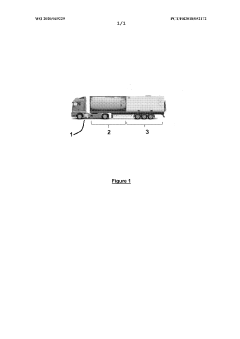
- A hybrid refrigerated transport vehicle combining horizontal cryogenic storage and a refrigerated container with mechanical refrigeration, utilizing direct cryogenic fluid injection and additional fans to optimize heat exchange, allowing for simultaneous freezing and transport of food products, thereby integrating freezing and transport stages.
Additive for an antifreeze product
PatentInactiveEP0348303A1
Innovation
- The use of saturated straight-chain aliphatic diacids such as succinic, adipic, and sebacic acids, aromatic acids like salicylic and acetylsalicylic acids, and their imides, along with alkaline salts like neutral potassium or sodium succinate, as additives in cooling liquids to enhance thermal stability and inhibit corrosion, with concentrations between 0.1% and 5% by weight, which can withstand temperatures above 170°C.

Environmental Impact
The use of antifreeze in cold chain logistics optimization has significant environmental implications that warrant careful consideration. While antifreeze solutions play a crucial role in maintaining temperature-sensitive products during transportation and storage, their environmental impact extends across multiple dimensions.
One of the primary environmental concerns associated with antifreeze is its potential for contamination of soil and water resources. Traditional antifreeze formulations often contain ethylene glycol or propylene glycol, which can be toxic to plants, animals, and aquatic ecosystems if released into the environment. Improper disposal or accidental spills during transportation can lead to soil and groundwater pollution, posing risks to local ecosystems and potentially entering the food chain.
Moreover, the production of antifreeze compounds contributes to carbon emissions and energy consumption. The manufacturing process involves the use of petrochemicals and energy-intensive operations, which can have a substantial carbon footprint. As the demand for cold chain logistics grows, the increased production of antifreeze solutions may exacerbate these environmental challenges.
However, advancements in antifreeze technology are addressing some of these environmental concerns. The development of bio-based and biodegradable antifreeze solutions offers a more sustainable alternative to traditional petroleum-derived products. These eco-friendly formulations can reduce the environmental impact of cold chain operations while maintaining the necessary thermal properties for effective temperature control.
Additionally, the optimization of antifreeze usage in cold chain logistics can lead to improved energy efficiency. By fine-tuning the concentration and application of antifreeze solutions, companies can minimize waste and reduce the overall volume of chemicals required. This not only decreases the environmental footprint but also contributes to cost savings and operational efficiency.
The recycling and proper disposal of antifreeze solutions present both challenges and opportunities for environmental stewardship. Implementing closed-loop systems for antifreeze recovery and reprocessing can significantly reduce waste and minimize the need for new production. However, this requires investment in infrastructure and the development of efficient recycling technologies.
As regulations surrounding environmental protection become more stringent, the cold chain industry is increasingly focusing on sustainable practices. This includes the adoption of environmentally friendly antifreeze solutions and the implementation of responsible handling and disposal protocols. Such measures not only mitigate environmental risks but also align with growing consumer demand for sustainable supply chain practices.
In conclusion, while antifreeze plays a vital role in cold chain logistics optimization, its environmental impact necessitates a balanced approach. The industry must continue to innovate and adopt sustainable solutions to minimize negative environmental effects while maintaining the integrity of temperature-sensitive supply chains.
One of the primary environmental concerns associated with antifreeze is its potential for contamination of soil and water resources. Traditional antifreeze formulations often contain ethylene glycol or propylene glycol, which can be toxic to plants, animals, and aquatic ecosystems if released into the environment. Improper disposal or accidental spills during transportation can lead to soil and groundwater pollution, posing risks to local ecosystems and potentially entering the food chain.
Moreover, the production of antifreeze compounds contributes to carbon emissions and energy consumption. The manufacturing process involves the use of petrochemicals and energy-intensive operations, which can have a substantial carbon footprint. As the demand for cold chain logistics grows, the increased production of antifreeze solutions may exacerbate these environmental challenges.
However, advancements in antifreeze technology are addressing some of these environmental concerns. The development of bio-based and biodegradable antifreeze solutions offers a more sustainable alternative to traditional petroleum-derived products. These eco-friendly formulations can reduce the environmental impact of cold chain operations while maintaining the necessary thermal properties for effective temperature control.
Additionally, the optimization of antifreeze usage in cold chain logistics can lead to improved energy efficiency. By fine-tuning the concentration and application of antifreeze solutions, companies can minimize waste and reduce the overall volume of chemicals required. This not only decreases the environmental footprint but also contributes to cost savings and operational efficiency.
The recycling and proper disposal of antifreeze solutions present both challenges and opportunities for environmental stewardship. Implementing closed-loop systems for antifreeze recovery and reprocessing can significantly reduce waste and minimize the need for new production. However, this requires investment in infrastructure and the development of efficient recycling technologies.
As regulations surrounding environmental protection become more stringent, the cold chain industry is increasingly focusing on sustainable practices. This includes the adoption of environmentally friendly antifreeze solutions and the implementation of responsible handling and disposal protocols. Such measures not only mitigate environmental risks but also align with growing consumer demand for sustainable supply chain practices.
In conclusion, while antifreeze plays a vital role in cold chain logistics optimization, its environmental impact necessitates a balanced approach. The industry must continue to innovate and adopt sustainable solutions to minimize negative environmental effects while maintaining the integrity of temperature-sensitive supply chains.
Regulatory Compliance
Regulatory compliance plays a crucial role in the use of antifreeze for cold chain logistics optimization. As the cold chain industry continues to grow and evolve, governments and regulatory bodies worldwide have implemented stringent guidelines to ensure the safety, quality, and efficacy of temperature-sensitive products during transportation and storage.
In the context of antifreeze usage, compliance with food safety regulations is paramount. Many countries have specific requirements for food-grade antifreeze solutions used in refrigeration systems that come into contact with food products. These regulations typically mandate the use of propylene glycol-based antifreeze instead of ethylene glycol, as the former is considered less toxic and safer for potential food contact.
Environmental regulations also significantly impact antifreeze selection and disposal in cold chain logistics. Many jurisdictions have strict guidelines on the handling, storage, and disposal of antifreeze solutions to prevent environmental contamination. Companies must adhere to proper disposal methods and recycling programs to comply with these regulations and minimize ecological impact.
Transportation safety regulations further influence antifreeze usage in cold chain vehicles. Compliance with hazardous materials transportation rules is essential, particularly for cross-border shipments. This includes proper labeling, documentation, and handling procedures for antifreeze solutions classified as hazardous materials.
The pharmaceutical industry faces additional regulatory challenges when using antifreeze in cold chain logistics. Good Distribution Practice (GDP) guidelines, enforced by various health authorities, require strict temperature control and monitoring throughout the supply chain. Compliance with these regulations often necessitates the use of validated antifreeze solutions and temperature-controlled packaging systems.
Regulatory bodies also mandate regular inspections and audits of cold chain facilities and vehicles. Companies must maintain detailed records of antifreeze usage, maintenance schedules, and temperature monitoring data to demonstrate compliance during these inspections. Failure to meet regulatory standards can result in severe penalties, product recalls, and reputational damage.
As sustainability becomes an increasingly important focus for regulators, companies are encouraged to adopt eco-friendly antifreeze solutions. This includes the use of biodegradable formulations and the implementation of closed-loop systems to minimize waste and environmental impact. Compliance with these emerging regulations can provide a competitive advantage in the market.
In conclusion, navigating the complex landscape of regulatory compliance is essential for companies leveraging antifreeze in cold chain logistics optimization. Staying informed about evolving regulations and proactively adapting to new requirements is crucial for maintaining compliance and ensuring the safe, efficient, and sustainable operation of cold chain systems.
In the context of antifreeze usage, compliance with food safety regulations is paramount. Many countries have specific requirements for food-grade antifreeze solutions used in refrigeration systems that come into contact with food products. These regulations typically mandate the use of propylene glycol-based antifreeze instead of ethylene glycol, as the former is considered less toxic and safer for potential food contact.
Environmental regulations also significantly impact antifreeze selection and disposal in cold chain logistics. Many jurisdictions have strict guidelines on the handling, storage, and disposal of antifreeze solutions to prevent environmental contamination. Companies must adhere to proper disposal methods and recycling programs to comply with these regulations and minimize ecological impact.
Transportation safety regulations further influence antifreeze usage in cold chain vehicles. Compliance with hazardous materials transportation rules is essential, particularly for cross-border shipments. This includes proper labeling, documentation, and handling procedures for antifreeze solutions classified as hazardous materials.
The pharmaceutical industry faces additional regulatory challenges when using antifreeze in cold chain logistics. Good Distribution Practice (GDP) guidelines, enforced by various health authorities, require strict temperature control and monitoring throughout the supply chain. Compliance with these regulations often necessitates the use of validated antifreeze solutions and temperature-controlled packaging systems.
Regulatory bodies also mandate regular inspections and audits of cold chain facilities and vehicles. Companies must maintain detailed records of antifreeze usage, maintenance schedules, and temperature monitoring data to demonstrate compliance during these inspections. Failure to meet regulatory standards can result in severe penalties, product recalls, and reputational damage.
As sustainability becomes an increasingly important focus for regulators, companies are encouraged to adopt eco-friendly antifreeze solutions. This includes the use of biodegradable formulations and the implementation of closed-loop systems to minimize waste and environmental impact. Compliance with these emerging regulations can provide a competitive advantage in the market.
In conclusion, navigating the complex landscape of regulatory compliance is essential for companies leveraging antifreeze in cold chain logistics optimization. Staying informed about evolving regulations and proactively adapting to new requirements is crucial for maintaining compliance and ensuring the safe, efficient, and sustainable operation of cold chain systems.
Unlock deeper insights with PatSnap Eureka Quick Research — get a full tech report to explore trends and direct your research. Try now!
Generate Your Research Report Instantly with AI Agent
Supercharge your innovation with PatSnap Eureka AI Agent Platform!