How Do Metal Grid Conductors Support Green Technologies
SEP 28, 20259 MIN READ
Generate Your Research Report Instantly with AI Agent
PatSnap Eureka helps you evaluate technical feasibility & market potential.
Metal Grid Conductors Background and Objectives
Metal grid conductors have evolved significantly over the past decades, transforming from simple conductive elements to sophisticated components integral to numerous green technologies. Originally developed for basic electrical applications, these grid structures now represent a critical intersection of materials science, electrical engineering, and sustainable technology development. The evolution has been driven by increasing demands for energy efficiency, resource conservation, and environmental protection across multiple industries.
The technological trajectory of metal grid conductors shows a clear progression from copper and aluminum-based systems to more advanced materials incorporating silver, gold, and various alloys. Recent innovations have focused on nanoscale engineering of these grids to optimize conductivity while minimizing material usage. This miniaturization trend has enabled unprecedented performance in applications ranging from solar panels to energy-efficient displays and smart windows.
Current research objectives in metal grid conductor technology center on enhancing three key parameters: transparency, conductivity, and flexibility. These properties are particularly crucial for integration into next-generation green technologies such as building-integrated photovoltaics, transparent electronics, and energy-efficient lighting systems. The goal is to develop conductors that maintain excellent electrical performance while allowing maximum light transmission and conforming to various surface geometries.
Another significant objective is reducing the environmental footprint of metal grid production and deployment. This includes developing manufacturing processes that minimize waste, utilize recycled materials, and reduce energy consumption. Additionally, research aims to eliminate or reduce dependence on rare or toxic metals, replacing them with more abundant and environmentally benign alternatives without compromising performance.
The integration of metal grid conductors with emerging sustainable technologies represents a primary focus area. Researchers are exploring how these conductors can enhance the efficiency of renewable energy systems, improve energy storage capabilities, and enable more effective energy management in smart buildings and transportation systems. The ultimate goal is to create a technological ecosystem where metal grid conductors serve as enablers for broader green technology adoption.
Looking forward, the field aims to develop self-healing and adaptive metal grid systems that can respond to environmental changes and operational demands, further extending their utility in sustainable applications. This includes conductors that can reconfigure their properties based on external stimuli or self-repair when damaged, significantly extending operational lifespans and reducing replacement needs.
The technological trajectory of metal grid conductors shows a clear progression from copper and aluminum-based systems to more advanced materials incorporating silver, gold, and various alloys. Recent innovations have focused on nanoscale engineering of these grids to optimize conductivity while minimizing material usage. This miniaturization trend has enabled unprecedented performance in applications ranging from solar panels to energy-efficient displays and smart windows.
Current research objectives in metal grid conductor technology center on enhancing three key parameters: transparency, conductivity, and flexibility. These properties are particularly crucial for integration into next-generation green technologies such as building-integrated photovoltaics, transparent electronics, and energy-efficient lighting systems. The goal is to develop conductors that maintain excellent electrical performance while allowing maximum light transmission and conforming to various surface geometries.
Another significant objective is reducing the environmental footprint of metal grid production and deployment. This includes developing manufacturing processes that minimize waste, utilize recycled materials, and reduce energy consumption. Additionally, research aims to eliminate or reduce dependence on rare or toxic metals, replacing them with more abundant and environmentally benign alternatives without compromising performance.
The integration of metal grid conductors with emerging sustainable technologies represents a primary focus area. Researchers are exploring how these conductors can enhance the efficiency of renewable energy systems, improve energy storage capabilities, and enable more effective energy management in smart buildings and transportation systems. The ultimate goal is to create a technological ecosystem where metal grid conductors serve as enablers for broader green technology adoption.
Looking forward, the field aims to develop self-healing and adaptive metal grid systems that can respond to environmental changes and operational demands, further extending their utility in sustainable applications. This includes conductors that can reconfigure their properties based on external stimuli or self-repair when damaged, significantly extending operational lifespans and reducing replacement needs.
Market Analysis for Green Technology Applications
The global market for green technologies has experienced remarkable growth in recent years, with metal grid conductors playing an increasingly vital role in this expansion. As of 2023, the global green technology market is valued at approximately $12 trillion, with projections indicating a compound annual growth rate of 26.6% through 2030. Metal grid conductors, as essential components in numerous sustainable technologies, are positioned to capture a significant portion of this expanding market.
In the renewable energy sector, metal grid conductors are fundamental to solar photovoltaic systems, which represented a $182 billion market in 2022. These conductors enhance energy collection efficiency by up to 25% compared to traditional methods, directly addressing the industry's demand for higher performance at lower costs. The transparent conductive films market, where metal grid technology is gaining prominence, is expected to reach $8.5 billion by 2027.
Wind energy generation, another major application area, relies heavily on advanced metal grid conductors for efficient power transmission. This sector is projected to grow at 14.2% annually through 2028, creating substantial demand for high-performance conductive materials that can withstand harsh environmental conditions while maintaining optimal electrical properties.
The electric vehicle market presents perhaps the most explosive growth opportunity, with global sales increasing by 55% in 2022 alone. Metal grid conductors are critical in EV battery technology, charging infrastructure, and power management systems. Their superior conductivity properties enable faster charging times and extended range capabilities – two factors consistently identified as primary consumer concerns in EV adoption surveys.
Energy storage systems represent another significant market segment, valued at $211 billion in 2022 and expected to triple by 2030. Metal grid conductors enhance the efficiency and longevity of these systems, addressing the intermittency challenges inherent in renewable energy generation.
Regional analysis reveals Asia-Pacific as the dominant market for metal grid conductor applications in green technologies, accounting for 42% of global demand. This is primarily driven by China's aggressive renewable energy deployment and manufacturing capabilities. North America and Europe follow with 28% and 24% market share respectively, with particularly strong growth in electric mobility and smart grid applications.
Consumer and industrial demand for sustainable technologies continues to rise, supported by increasingly stringent environmental regulations and corporate sustainability commitments. This trend is creating a robust market environment for metal grid conductors across multiple green technology applications, with particular emphasis on solutions that can demonstrate measurable improvements in energy efficiency, material sustainability, and overall environmental impact.
In the renewable energy sector, metal grid conductors are fundamental to solar photovoltaic systems, which represented a $182 billion market in 2022. These conductors enhance energy collection efficiency by up to 25% compared to traditional methods, directly addressing the industry's demand for higher performance at lower costs. The transparent conductive films market, where metal grid technology is gaining prominence, is expected to reach $8.5 billion by 2027.
Wind energy generation, another major application area, relies heavily on advanced metal grid conductors for efficient power transmission. This sector is projected to grow at 14.2% annually through 2028, creating substantial demand for high-performance conductive materials that can withstand harsh environmental conditions while maintaining optimal electrical properties.
The electric vehicle market presents perhaps the most explosive growth opportunity, with global sales increasing by 55% in 2022 alone. Metal grid conductors are critical in EV battery technology, charging infrastructure, and power management systems. Their superior conductivity properties enable faster charging times and extended range capabilities – two factors consistently identified as primary consumer concerns in EV adoption surveys.
Energy storage systems represent another significant market segment, valued at $211 billion in 2022 and expected to triple by 2030. Metal grid conductors enhance the efficiency and longevity of these systems, addressing the intermittency challenges inherent in renewable energy generation.
Regional analysis reveals Asia-Pacific as the dominant market for metal grid conductor applications in green technologies, accounting for 42% of global demand. This is primarily driven by China's aggressive renewable energy deployment and manufacturing capabilities. North America and Europe follow with 28% and 24% market share respectively, with particularly strong growth in electric mobility and smart grid applications.
Consumer and industrial demand for sustainable technologies continues to rise, supported by increasingly stringent environmental regulations and corporate sustainability commitments. This trend is creating a robust market environment for metal grid conductors across multiple green technology applications, with particular emphasis on solutions that can demonstrate measurable improvements in energy efficiency, material sustainability, and overall environmental impact.
Current Status and Technical Challenges
Metal grid conductors have emerged as a critical component in various green technologies, with significant advancements observed globally. Currently, these conductors are widely implemented in solar photovoltaics, where transparent conductive electrodes utilizing metal grid patterns achieve efficiency rates of 22-25% in commercial applications, with laboratory prototypes reaching up to 29%. However, manufacturing scalability remains a persistent challenge, particularly in achieving uniform conductivity across large surface areas.
The global landscape of metal grid conductor technology shows distinct regional specialization. European research institutions lead in fundamental materials science, while Asian manufacturers, particularly in China and South Korea, dominate large-scale production capabilities. North American companies excel in innovative design approaches and specialized applications for extreme environments.
A significant technical challenge facing the industry is the trade-off between optical transparency and electrical conductivity. Current metal grid designs struggle to simultaneously maximize light transmission while maintaining low sheet resistance, especially critical for applications in building-integrated photovoltaics and transparent displays for energy management systems.
Material compatibility presents another substantial hurdle. The integration of metal grids with various substrate materials often results in adhesion issues and thermal expansion mismatches. This becomes particularly problematic in flexible green technology applications such as bendable solar panels and wearable energy harvesting devices, where repeated mechanical stress can compromise conductor integrity.
Corrosion resistance remains an ongoing concern, especially for outdoor applications exposed to varying environmental conditions. While silver-based grids offer superior conductivity, they are susceptible to sulfidation and oxidation, reducing long-term performance. Alternative materials like copper and aluminum present their own challenges related to oxidation and integration complexity.
Manufacturing cost efficiency represents a major barrier to widespread adoption. Current precision deposition techniques for high-performance metal grids, such as photolithography and laser ablation, involve expensive equipment and complex processes. This significantly impacts the economic viability of metal grid conductors in cost-sensitive green technology markets like mass-market solar installations and energy-efficient lighting.
Recent technological developments have focused on nanomaterial composites that combine metal grids with carbon-based materials to address these challenges. However, these hybrid approaches introduce new complexities in terms of material sourcing, processing compatibility, and long-term stability that require further research and development before commercial viability can be achieved.
The global landscape of metal grid conductor technology shows distinct regional specialization. European research institutions lead in fundamental materials science, while Asian manufacturers, particularly in China and South Korea, dominate large-scale production capabilities. North American companies excel in innovative design approaches and specialized applications for extreme environments.
A significant technical challenge facing the industry is the trade-off between optical transparency and electrical conductivity. Current metal grid designs struggle to simultaneously maximize light transmission while maintaining low sheet resistance, especially critical for applications in building-integrated photovoltaics and transparent displays for energy management systems.
Material compatibility presents another substantial hurdle. The integration of metal grids with various substrate materials often results in adhesion issues and thermal expansion mismatches. This becomes particularly problematic in flexible green technology applications such as bendable solar panels and wearable energy harvesting devices, where repeated mechanical stress can compromise conductor integrity.
Corrosion resistance remains an ongoing concern, especially for outdoor applications exposed to varying environmental conditions. While silver-based grids offer superior conductivity, they are susceptible to sulfidation and oxidation, reducing long-term performance. Alternative materials like copper and aluminum present their own challenges related to oxidation and integration complexity.
Manufacturing cost efficiency represents a major barrier to widespread adoption. Current precision deposition techniques for high-performance metal grids, such as photolithography and laser ablation, involve expensive equipment and complex processes. This significantly impacts the economic viability of metal grid conductors in cost-sensitive green technology markets like mass-market solar installations and energy-efficient lighting.
Recent technological developments have focused on nanomaterial composites that combine metal grids with carbon-based materials to address these challenges. However, these hybrid approaches introduce new complexities in terms of material sourcing, processing compatibility, and long-term stability that require further research and development before commercial viability can be achieved.
Current Technical Solutions in Green Applications
01 Metal grid conductor manufacturing techniques
Various manufacturing techniques are employed to create metal grid conductors, including etching, deposition, and printing processes. These methods allow for precise control over the grid geometry, thickness, and spacing, which are critical factors affecting the conductivity and transparency of the grid. Advanced manufacturing techniques enable the production of fine metal grid patterns with high aspect ratios, improving electrical performance while maintaining optical transparency for applications requiring both properties.- Metal grid conductors for transparent electrodes: Metal grid conductors are used as transparent electrodes in various electronic devices. These grids allow light to pass through while maintaining electrical conductivity. The design typically involves fine metal lines arranged in grid patterns on transparent substrates. This technology is particularly important for touch screens, displays, and photovoltaic cells where both optical transparency and electrical conductivity are required.
- Manufacturing methods for metal grid conductors: Various manufacturing techniques are employed to create metal grid conductors, including photolithography, printing, etching, and deposition processes. These methods allow for precise control of grid dimensions, spacing, and patterns. Advanced manufacturing approaches enable the creation of increasingly fine grid structures with optimized electrical and optical properties, suitable for high-performance electronic applications.
- Metal grid conductors for electromagnetic shielding: Metal grid structures are utilized for electromagnetic shielding applications. These grids can block or attenuate electromagnetic interference while allowing for other desirable properties such as visibility, ventilation, or light transmission. The spacing, thickness, and material composition of the grid elements determine the shielding effectiveness across different frequency ranges.
- Materials and coatings for enhanced grid conductor performance: Various materials and coatings are applied to metal grid conductors to enhance their performance characteristics. These include corrosion-resistant layers, adhesion promoters, and materials that improve conductivity or durability. Composite structures combining different metals or metal alloys can optimize electrical conductivity while maintaining mechanical strength and environmental stability.
- Grid geometry optimization for electrical applications: The geometry of metal grid conductors is optimized for specific electrical applications. Parameters such as line width, spacing, pattern design, and junction characteristics significantly impact the overall performance. Advanced designs incorporate variable grid densities, hierarchical structures, or non-uniform patterns to balance competing requirements such as conductivity, transparency, and mechanical flexibility.
02 Metal grid conductors for transparent electrodes
Metal grid conductors are widely used as transparent electrodes in various optoelectronic devices. These structures combine high electrical conductivity with optical transparency by utilizing thin metal lines arranged in grid patterns. The spacing and width of the grid lines are optimized to balance light transmission and electrical resistance. These transparent conductive grids serve as alternatives to traditional transparent conductive oxides in applications such as touch screens, displays, and solar cells.Expand Specific Solutions03 Metal grid conductor materials and compositions
The choice of materials for metal grid conductors significantly impacts their performance characteristics. Common materials include silver, copper, gold, and aluminum, each offering different conductivity, cost, and processing advantages. Alloys and composite structures are also employed to enhance specific properties such as adhesion, corrosion resistance, or flexibility. Material selection is often application-specific, balancing electrical conductivity requirements with other factors like environmental stability and manufacturing compatibility.Expand Specific Solutions04 Metal grid conductors for electromagnetic shielding
Metal grid conductors are effective for electromagnetic interference (EMI) shielding applications. The grid structure provides a conductive path that blocks or attenuates electromagnetic radiation while allowing for other desirable properties such as optical transparency or ventilation. The shielding effectiveness depends on the grid density, conductor material, and geometry. These structures are used in electronic devices, windows, and enclosures where EMI protection is required without completely blocking light or air flow.Expand Specific Solutions05 Metal grid conductors for heating elements
Metal grid patterns are utilized as resistive heating elements in various applications. The grid design allows for uniform heat distribution across surfaces while maintaining other functional properties like transparency. By controlling the grid geometry, material composition, and electrical parameters, the heating performance can be precisely tailored. These heating elements are employed in defrosting systems, heated windows, floor heating, and other applications requiring controlled surface heating with minimal visual obstruction.Expand Specific Solutions
Key Industry Players and Competitive Landscape
The metal grid conductor market is experiencing rapid growth in the green technology sector, currently in an early expansion phase with increasing adoption across renewable energy applications. The market size is projected to grow significantly as industries prioritize sustainable solutions, with metal grid conductors enabling more efficient power transmission and reduced energy losses. From a technological maturity perspective, companies are at varying development stages: TS Conductor and Wolfspeed lead with innovative grid solutions specifically designed for renewable integration; established players like Samsung Electronics, LG Chem, and Taiwan Semiconductor are leveraging their manufacturing expertise to enhance conductor performance; while research-focused entities like Fraunhofer-Gesellschaft and Tsinghua University are developing next-generation materials. The competitive landscape reflects a blend of specialized startups, industrial conglomerates, and academic institutions collaborating to advance metal grid conductor technologies for green applications.
TS Conductor Corp.
Technical Solution: TS Conductor has developed an innovative carbon composite core conductor technology specifically designed to enhance power transmission efficiency in electrical grids. Their metal grid conductors feature a carbon fiber composite core wrapped with aluminum strands, creating a conductor that can operate at higher temperatures while maintaining lower sag characteristics compared to conventional ACSR (Aluminum Conductor Steel Reinforced) conductors. This technology allows for up to 2.5 times greater current carrying capacity while reducing line losses by approximately 25-30%. The carbon composite core provides superior strength-to-weight ratio and thermal expansion properties, enabling existing transmission infrastructure to carry more renewable energy without requiring extensive tower modifications or new right-of-ways. TS Conductor's technology directly supports green energy integration by addressing one of the key bottlenecks in renewable energy deployment – transmission capacity constraints that prevent efficient delivery of wind and solar power from remote generation sites to urban load centers.
Strengths: Enables significant capacity increases on existing transmission lines without major infrastructure changes, reducing environmental impact and costs associated with new line construction. The reduced line losses translate to improved energy efficiency across the grid. Weaknesses: Higher initial material costs compared to traditional conductors, and relatively new technology with limited long-term performance data in all environmental conditions.
Alliance for Sustainable Energy LLC
Technical Solution: Alliance for Sustainable Energy has pioneered advanced metal grid conductor technologies focused on enhancing renewable energy integration into existing power infrastructures. Their approach centers on developing high-temperature, low-sag (HTLS) conductors utilizing specialized aluminum alloys and composite core materials that can withstand operating temperatures up to 180-200°C, significantly higher than conventional conductors. These conductors maintain critical clearance requirements while allowing for increased power flow capacity—often doubling transmission capabilities on existing rights-of-way. The company has also developed specialized surface treatments and coatings for these conductors that reduce corona discharge and RF interference while improving weathering resistance. Their research extends to dynamic line rating systems that work in conjunction with these advanced conductors, allowing real-time adjustment of transmission capacity based on actual weather conditions rather than worst-case scenarios. This comprehensive approach enables more efficient utilization of transmission assets for variable renewable energy sources like wind and solar.
Strengths: Holistic approach that combines material science innovations with smart grid technologies to maximize renewable energy transmission. Their solutions require minimal modifications to existing infrastructure while significantly increasing capacity. Weaknesses: Implementation requires sophisticated monitoring systems and operator training, and the technology may have higher upfront costs compared to conventional solutions despite long-term benefits.
Core Patents and Technical Literature Analysis
Method of manufacturing a field emission display and process of welding a metal grid to a pair of blackened-treated fixing elements
PatentInactiveUS7591700B2
Innovation
- The use of fixing rails and grid holders with a blackening process, along with magnetic elements and welding, secures the metal grid to the substrates, preventing deformation and ensuring precise alignment through magnetic force and welding, and cutting the grid at non-pixel areas to maintain tension.


Green technologies: 7less microsystems
PatentInactiveUS7663349B2
Innovation
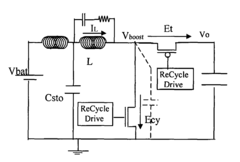
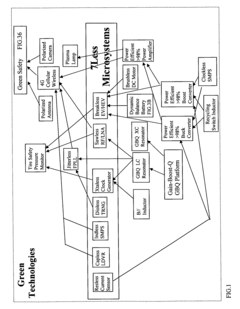
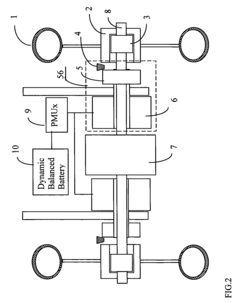
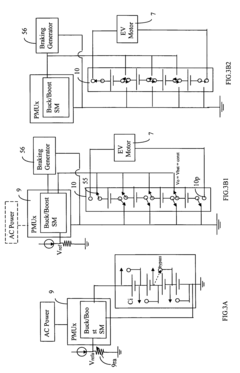
- The implementation of 7-Less Microsystems technology, which includes clockless SMPS, capless LDVR, inductorless SMPS, diodeless TRNG, resistorless current sensors, sawless RF, and brakeless EV, along with the Gain-Boost-Q resonator platform, enables energy recycling and high power efficiency across various applications.
Environmental Impact Assessment
The environmental impact of metal grid conductors in green technologies represents a critical area of assessment when evaluating their overall sustainability. Metal grid conductors, while essential for renewable energy systems and other green technologies, create environmental footprints throughout their lifecycle that must be carefully analyzed.
The extraction and processing of metals used in grid conductors—primarily copper, aluminum, silver, and gold—involve significant environmental considerations. Mining operations can lead to habitat destruction, soil erosion, and water contamination. The energy-intensive refining processes contribute substantially to carbon emissions, with copper refining alone requiring approximately 3-4 MWh of energy per ton of refined metal.
Water usage presents another significant environmental concern, with metal processing requiring between 10,000-30,000 gallons of water per ton of processed material. This consumption becomes particularly problematic in water-stressed regions where metal extraction often occurs.
Chemical pollution associated with metal processing introduces toxins including sulfuric acid, cyanide, and heavy metals into ecosystems. These substances can persist in the environment for decades, affecting biodiversity and potentially entering the food chain.
However, metal grid conductors deliver substantial environmental benefits when deployed in green technologies. In solar panel applications, silver-based grid conductors improve energy conversion efficiency by 2-3% compared to alternatives, resulting in greater renewable energy generation per unit area. Similarly, in wind turbines, copper conductors with enhanced grid designs reduce transmission losses by up to 15%, maximizing clean energy delivery.
The recyclability of metals represents a significant environmental advantage. Copper and aluminum can be recycled with approximately 95% efficiency, requiring only 5-10% of the energy needed for primary production. This circular economy approach substantially reduces the need for new mining activities.
End-of-life considerations remain challenging, as separating metals from composite materials in green technology applications often requires specialized processes. Current recovery rates vary widely, from 60-95% depending on the metal and application context.
When comparing environmental impacts across the technology lifecycle, metal grid conductors typically demonstrate lower cumulative environmental impacts than alternatives when accounting for their efficiency benefits, longevity, and recyclability potential.
The extraction and processing of metals used in grid conductors—primarily copper, aluminum, silver, and gold—involve significant environmental considerations. Mining operations can lead to habitat destruction, soil erosion, and water contamination. The energy-intensive refining processes contribute substantially to carbon emissions, with copper refining alone requiring approximately 3-4 MWh of energy per ton of refined metal.
Water usage presents another significant environmental concern, with metal processing requiring between 10,000-30,000 gallons of water per ton of processed material. This consumption becomes particularly problematic in water-stressed regions where metal extraction often occurs.
Chemical pollution associated with metal processing introduces toxins including sulfuric acid, cyanide, and heavy metals into ecosystems. These substances can persist in the environment for decades, affecting biodiversity and potentially entering the food chain.
However, metal grid conductors deliver substantial environmental benefits when deployed in green technologies. In solar panel applications, silver-based grid conductors improve energy conversion efficiency by 2-3% compared to alternatives, resulting in greater renewable energy generation per unit area. Similarly, in wind turbines, copper conductors with enhanced grid designs reduce transmission losses by up to 15%, maximizing clean energy delivery.
The recyclability of metals represents a significant environmental advantage. Copper and aluminum can be recycled with approximately 95% efficiency, requiring only 5-10% of the energy needed for primary production. This circular economy approach substantially reduces the need for new mining activities.
End-of-life considerations remain challenging, as separating metals from composite materials in green technology applications often requires specialized processes. Current recovery rates vary widely, from 60-95% depending on the metal and application context.
When comparing environmental impacts across the technology lifecycle, metal grid conductors typically demonstrate lower cumulative environmental impacts than alternatives when accounting for their efficiency benefits, longevity, and recyclability potential.
Policy Frameworks and Incentives
The development of effective policy frameworks and incentives has become crucial for accelerating the adoption of metal grid conductors in green technologies. Governments worldwide are implementing comprehensive regulatory structures that promote the integration of advanced conductive materials in renewable energy systems, energy-efficient buildings, and sustainable transportation solutions.
Financial incentives represent a cornerstone of these policy frameworks. Tax credits, subsidies, and grants specifically targeting technologies that incorporate high-efficiency metal grid conductors have proven effective in stimulating market growth. For instance, several European countries offer substantial tax reductions for manufacturing facilities that produce transparent conductive films with metal grid structures for solar applications, directly lowering the production costs and market prices of these critical components.
Research and development funding programs constitute another vital policy mechanism. Government-backed initiatives in North America, Europe, and Asia have established dedicated funding streams for innovations in conductive materials that enhance energy efficiency. These programs typically prioritize projects focused on improving the conductivity, transparency, and durability of metal grid systems while reducing their environmental footprint during production and disposal phases.
Regulatory standards and certification systems also play a significant role in driving adoption. Energy efficiency requirements for buildings and electronic devices increasingly recognize the performance advantages of metal grid conductors, creating market pull for these technologies. The establishment of standardized testing protocols for conductivity, transparency, and durability has further facilitated market acceptance by providing reliable performance metrics for comparison.
Public procurement policies represent a powerful but often underutilized tool. When government agencies prioritize green technologies incorporating advanced metal grid conductors in their purchasing decisions, they create substantial initial market demand that can help emerging technologies achieve economies of scale. Several municipalities have successfully implemented such procurement strategies for energy-efficient lighting systems and solar installations.
International cooperation frameworks have emerged as essential for harmonizing standards and accelerating global adoption. Bilateral and multilateral agreements focusing on clean technology transfer have facilitated the dissemination of metal grid conductor innovations across borders. These frameworks often include provisions for technical assistance and capacity building in developing countries, expanding the global market for these technologies while supporting sustainable development goals.
Financial incentives represent a cornerstone of these policy frameworks. Tax credits, subsidies, and grants specifically targeting technologies that incorporate high-efficiency metal grid conductors have proven effective in stimulating market growth. For instance, several European countries offer substantial tax reductions for manufacturing facilities that produce transparent conductive films with metal grid structures for solar applications, directly lowering the production costs and market prices of these critical components.
Research and development funding programs constitute another vital policy mechanism. Government-backed initiatives in North America, Europe, and Asia have established dedicated funding streams for innovations in conductive materials that enhance energy efficiency. These programs typically prioritize projects focused on improving the conductivity, transparency, and durability of metal grid systems while reducing their environmental footprint during production and disposal phases.
Regulatory standards and certification systems also play a significant role in driving adoption. Energy efficiency requirements for buildings and electronic devices increasingly recognize the performance advantages of metal grid conductors, creating market pull for these technologies. The establishment of standardized testing protocols for conductivity, transparency, and durability has further facilitated market acceptance by providing reliable performance metrics for comparison.
Public procurement policies represent a powerful but often underutilized tool. When government agencies prioritize green technologies incorporating advanced metal grid conductors in their purchasing decisions, they create substantial initial market demand that can help emerging technologies achieve economies of scale. Several municipalities have successfully implemented such procurement strategies for energy-efficient lighting systems and solar installations.
International cooperation frameworks have emerged as essential for harmonizing standards and accelerating global adoption. Bilateral and multilateral agreements focusing on clean technology transfer have facilitated the dissemination of metal grid conductor innovations across borders. These frameworks often include provisions for technical assistance and capacity building in developing countries, expanding the global market for these technologies while supporting sustainable development goals.
Unlock deeper insights with PatSnap Eureka Quick Research — get a full tech report to explore trends and direct your research. Try now!
Generate Your Research Report Instantly with AI Agent
Supercharge your innovation with PatSnap Eureka AI Agent Platform!