
How Embedded AI Models Revolutionize Current Leak Detection Techniques
JUN 10, 20269 MIN READ
Generate Your Research Report Instantly with AI Agent
Patsnap Eureka helps you evaluate technical feasibility & market potential.
Embedded AI Leak Detection Background and Objectives
Leak detection has evolved from a reactive maintenance practice to a proactive, technology-driven discipline over the past several decades. Traditional methods relied heavily on manual inspection, acoustic sensors, and basic pressure monitoring systems that often detected leaks only after significant damage had occurred. The integration of digital technologies in the 1990s marked the first major advancement, introducing automated monitoring systems and basic data logging capabilities.
The emergence of Internet of Things (IoT) technologies in the 2010s revolutionized leak detection by enabling distributed sensor networks and real-time data transmission. However, these systems still required centralized processing and often suffered from high false positive rates due to environmental noise and system limitations. The current paradigm shift toward embedded artificial intelligence represents the next evolutionary leap, promising to address these fundamental challenges through intelligent, autonomous detection capabilities.
Modern leak detection faces unprecedented demands driven by aging infrastructure, environmental regulations, and economic pressures. Water utilities worldwide lose approximately 30% of treated water through distribution system leaks, representing billions of dollars in economic losses annually. Industrial facilities face even higher stakes, where undetected leaks can result in environmental disasters, regulatory penalties, and operational shutdowns.
The primary objective of embedded AI integration is to achieve real-time, autonomous leak detection with significantly reduced false positive rates. Unlike traditional centralized AI systems, embedded models operate directly at sensor nodes, enabling immediate response capabilities without dependence on network connectivity. This approach aims to detect anomalies within milliseconds rather than minutes or hours, potentially preventing catastrophic failures.
Secondary objectives include predictive maintenance capabilities, where embedded AI models analyze subtle pattern changes to predict potential leak locations before actual failures occur. The technology also targets adaptive learning, allowing systems to continuously improve detection accuracy by learning from local environmental conditions and operational patterns.
The ultimate goal extends beyond mere detection to encompass intelligent decision-making at the edge. Embedded AI systems are designed to automatically classify leak severity, prioritize response actions, and coordinate with broader infrastructure management systems. This comprehensive approach promises to transform leak detection from a reactive monitoring function into a proactive, intelligent infrastructure protection system that significantly reduces water loss, environmental impact, and operational costs across multiple industries.
The emergence of Internet of Things (IoT) technologies in the 2010s revolutionized leak detection by enabling distributed sensor networks and real-time data transmission. However, these systems still required centralized processing and often suffered from high false positive rates due to environmental noise and system limitations. The current paradigm shift toward embedded artificial intelligence represents the next evolutionary leap, promising to address these fundamental challenges through intelligent, autonomous detection capabilities.
Modern leak detection faces unprecedented demands driven by aging infrastructure, environmental regulations, and economic pressures. Water utilities worldwide lose approximately 30% of treated water through distribution system leaks, representing billions of dollars in economic losses annually. Industrial facilities face even higher stakes, where undetected leaks can result in environmental disasters, regulatory penalties, and operational shutdowns.
The primary objective of embedded AI integration is to achieve real-time, autonomous leak detection with significantly reduced false positive rates. Unlike traditional centralized AI systems, embedded models operate directly at sensor nodes, enabling immediate response capabilities without dependence on network connectivity. This approach aims to detect anomalies within milliseconds rather than minutes or hours, potentially preventing catastrophic failures.
Secondary objectives include predictive maintenance capabilities, where embedded AI models analyze subtle pattern changes to predict potential leak locations before actual failures occur. The technology also targets adaptive learning, allowing systems to continuously improve detection accuracy by learning from local environmental conditions and operational patterns.
The ultimate goal extends beyond mere detection to encompass intelligent decision-making at the edge. Embedded AI systems are designed to automatically classify leak severity, prioritize response actions, and coordinate with broader infrastructure management systems. This comprehensive approach promises to transform leak detection from a reactive monitoring function into a proactive, intelligent infrastructure protection system that significantly reduces water loss, environmental impact, and operational costs across multiple industries.
Market Demand for Smart Leak Detection Systems
The global water infrastructure faces unprecedented challenges as aging pipeline systems, increasing urbanization, and stringent environmental regulations drive demand for advanced leak detection solutions. Traditional methods, including visual inspections and acoustic monitoring, have proven inadequate for modern infrastructure requirements, creating substantial market opportunities for intelligent detection systems powered by embedded AI technologies.
Water utilities worldwide are experiencing mounting pressure to reduce non-revenue water losses, which represent significant economic and environmental concerns. Municipal water systems lose substantial volumes annually through undetected leaks, translating to billions in lost revenue and wasted resources. This challenge is particularly acute in developed nations with aging infrastructure and emerging markets with rapidly expanding urban populations.
The industrial sector presents another substantial demand driver, encompassing oil and gas pipelines, chemical processing facilities, and manufacturing plants. These environments require continuous monitoring capabilities that can differentiate between various types of leaks and provide real-time alerts to prevent catastrophic failures. Traditional detection methods often fail to meet the speed and accuracy requirements of these critical applications.
Smart building management systems are increasingly incorporating intelligent leak detection as part of comprehensive facility monitoring solutions. Property managers and building owners seek integrated systems that can prevent water damage, reduce insurance costs, and ensure regulatory compliance. The demand extends beyond simple detection to include predictive maintenance capabilities that can identify potential failure points before leaks occur.
Environmental compliance requirements are intensifying globally, with regulatory bodies mandating more frequent monitoring and faster response times for leak incidents. Water utilities and industrial operators must demonstrate proactive leak management to avoid penalties and maintain operating licenses. This regulatory pressure creates sustained demand for advanced detection technologies that can provide documented compliance evidence.
The market shows strong preference for systems offering remote monitoring capabilities, integration with existing infrastructure management platforms, and scalable deployment options. End users increasingly demand solutions that minimize false alarms while providing comprehensive coverage across diverse operating environments. Cost-effectiveness remains crucial, with buyers seeking systems that demonstrate clear return on investment through reduced water losses, lower maintenance costs, and improved operational efficiency.
Emerging markets present significant growth opportunities as infrastructure development accelerates and water scarcity concerns intensify. These regions often lack legacy detection systems, creating opportunities for direct deployment of advanced AI-powered solutions without compatibility constraints from existing technologies.
Water utilities worldwide are experiencing mounting pressure to reduce non-revenue water losses, which represent significant economic and environmental concerns. Municipal water systems lose substantial volumes annually through undetected leaks, translating to billions in lost revenue and wasted resources. This challenge is particularly acute in developed nations with aging infrastructure and emerging markets with rapidly expanding urban populations.
The industrial sector presents another substantial demand driver, encompassing oil and gas pipelines, chemical processing facilities, and manufacturing plants. These environments require continuous monitoring capabilities that can differentiate between various types of leaks and provide real-time alerts to prevent catastrophic failures. Traditional detection methods often fail to meet the speed and accuracy requirements of these critical applications.
Smart building management systems are increasingly incorporating intelligent leak detection as part of comprehensive facility monitoring solutions. Property managers and building owners seek integrated systems that can prevent water damage, reduce insurance costs, and ensure regulatory compliance. The demand extends beyond simple detection to include predictive maintenance capabilities that can identify potential failure points before leaks occur.
Environmental compliance requirements are intensifying globally, with regulatory bodies mandating more frequent monitoring and faster response times for leak incidents. Water utilities and industrial operators must demonstrate proactive leak management to avoid penalties and maintain operating licenses. This regulatory pressure creates sustained demand for advanced detection technologies that can provide documented compliance evidence.
The market shows strong preference for systems offering remote monitoring capabilities, integration with existing infrastructure management platforms, and scalable deployment options. End users increasingly demand solutions that minimize false alarms while providing comprehensive coverage across diverse operating environments. Cost-effectiveness remains crucial, with buyers seeking systems that demonstrate clear return on investment through reduced water losses, lower maintenance costs, and improved operational efficiency.
Emerging markets present significant growth opportunities as infrastructure development accelerates and water scarcity concerns intensify. These regions often lack legacy detection systems, creating opportunities for direct deployment of advanced AI-powered solutions without compatibility constraints from existing technologies.
Current State of AI-Enhanced Leak Detection Technologies
The integration of artificial intelligence into leak detection systems has reached a significant maturity level, with embedded AI models now being deployed across various industrial sectors. Current AI-enhanced leak detection technologies primarily leverage machine learning algorithms, computer vision, and sensor fusion techniques to identify and locate leaks with unprecedented accuracy and speed.
Machine learning-based approaches dominate the current landscape, utilizing supervised learning algorithms trained on extensive datasets of leak signatures. These systems employ neural networks, support vector machines, and ensemble methods to analyze acoustic signatures, pressure variations, and flow patterns. Deep learning models, particularly convolutional neural networks, have shown remarkable success in processing acoustic data from hydrophones and accelerometers to detect minute changes indicative of pipeline leaks.
Computer vision technologies represent another major advancement, where AI models process thermal imaging, optical imagery, and hyperspectral data to identify visual indicators of leaks. These systems can detect temperature anomalies, vegetation stress patterns, and surface moisture changes that traditional methods might miss. Edge computing implementations enable real-time processing of visual data directly at sensor locations, reducing latency and bandwidth requirements.
Sensor fusion approaches combine multiple data streams including acoustic, pressure, temperature, and chemical sensors with AI algorithms to create comprehensive leak detection systems. These multi-modal systems demonstrate superior performance compared to single-sensor approaches, achieving detection accuracies exceeding 95% in controlled environments while significantly reducing false positive rates.
Current embedded AI implementations face several technical constraints including limited computational resources, power consumption requirements, and the need for robust operation in harsh industrial environments. Edge AI processors specifically designed for industrial applications have emerged to address these challenges, offering optimized performance for inference tasks while maintaining low power consumption profiles.
The technology has progressed from laboratory prototypes to commercial deployments across oil and gas pipelines, water distribution networks, and chemical processing facilities. Real-world implementations demonstrate detection capabilities for leaks as small as 0.1% of normal flow rates, with response times measured in seconds rather than hours or days typical of traditional monitoring systems.
Machine learning-based approaches dominate the current landscape, utilizing supervised learning algorithms trained on extensive datasets of leak signatures. These systems employ neural networks, support vector machines, and ensemble methods to analyze acoustic signatures, pressure variations, and flow patterns. Deep learning models, particularly convolutional neural networks, have shown remarkable success in processing acoustic data from hydrophones and accelerometers to detect minute changes indicative of pipeline leaks.
Computer vision technologies represent another major advancement, where AI models process thermal imaging, optical imagery, and hyperspectral data to identify visual indicators of leaks. These systems can detect temperature anomalies, vegetation stress patterns, and surface moisture changes that traditional methods might miss. Edge computing implementations enable real-time processing of visual data directly at sensor locations, reducing latency and bandwidth requirements.
Sensor fusion approaches combine multiple data streams including acoustic, pressure, temperature, and chemical sensors with AI algorithms to create comprehensive leak detection systems. These multi-modal systems demonstrate superior performance compared to single-sensor approaches, achieving detection accuracies exceeding 95% in controlled environments while significantly reducing false positive rates.
Current embedded AI implementations face several technical constraints including limited computational resources, power consumption requirements, and the need for robust operation in harsh industrial environments. Edge AI processors specifically designed for industrial applications have emerged to address these challenges, offering optimized performance for inference tasks while maintaining low power consumption profiles.
The technology has progressed from laboratory prototypes to commercial deployments across oil and gas pipelines, water distribution networks, and chemical processing facilities. Real-world implementations demonstrate detection capabilities for leaks as small as 0.1% of normal flow rates, with response times measured in seconds rather than hours or days typical of traditional monitoring systems.
Existing Embedded AI Leak Detection Approaches
01 AI model vulnerability detection and security assessment
Methods and systems for detecting vulnerabilities in embedded artificial intelligence models through comprehensive security assessments. These approaches involve analyzing model architectures, identifying potential attack vectors, and evaluating the robustness of AI systems against various types of security threats. The techniques include automated scanning tools and frameworks that can systematically examine embedded AI models for potential weaknesses.- AI Model Privacy Protection and Data Leakage Prevention: Techniques for protecting embedded AI models from unauthorized access and preventing sensitive data leakage during model inference and training processes. These methods focus on implementing privacy-preserving mechanisms that ensure confidential information within AI models remains secure while maintaining model functionality and performance.
- Model Extraction and Reverse Engineering Detection: Systems and methods for detecting attempts to extract or reverse engineer embedded AI models through various attack vectors. These approaches monitor model behavior patterns and implement detection mechanisms to identify unauthorized model extraction attempts, protecting intellectual property and preventing model theft.
- Membership Inference Attack Detection: Technologies designed to detect and prevent membership inference attacks where adversaries attempt to determine whether specific data points were used in training embedded AI models. These solutions implement statistical analysis and anomaly detection to identify potential privacy breaches and protect training data confidentiality.
- Gradient and Parameter Leakage Monitoring: Methods for monitoring and detecting information leakage through model gradients and parameters in distributed learning environments. These techniques analyze gradient updates and parameter changes to identify potential information disclosure that could compromise sensitive data or model integrity in federated learning scenarios.
- Real-time Anomaly Detection for Model Behavior: Real-time monitoring systems that detect anomalous behavior in embedded AI models that may indicate potential security breaches or data leakage. These systems implement continuous surveillance mechanisms to identify deviations from normal model operation patterns and trigger appropriate security responses.
02 Data leakage prevention in AI model training and deployment
Techniques for preventing sensitive data leakage during the training and deployment phases of embedded AI models. These methods focus on implementing privacy-preserving mechanisms that ensure confidential information is not inadvertently exposed through model outputs or intermediate processing stages. The approaches include data sanitization, secure training protocols, and runtime monitoring systems.Expand Specific Solutions03 Model extraction and intellectual property protection
Systems and methods for detecting unauthorized extraction or replication of proprietary AI models embedded in devices or systems. These solutions implement protective measures to prevent reverse engineering and unauthorized copying of trained models. The techniques include model fingerprinting, access control mechanisms, and detection algorithms that can identify when models are being improperly accessed or replicated.Expand Specific Solutions04 Runtime monitoring and anomaly detection for AI systems
Real-time monitoring solutions that detect abnormal behavior and potential security breaches in embedded AI models during operation. These systems continuously analyze model performance, input patterns, and output behaviors to identify deviations that may indicate security compromises or data leaks. The monitoring frameworks can trigger alerts and implement protective measures when suspicious activities are detected.Expand Specific Solutions05 Secure communication and data transmission for AI models
Methods for ensuring secure communication channels and data transmission protocols when embedded AI models interact with external systems or cloud services. These approaches implement encryption, authentication, and secure protocols to prevent interception or manipulation of data flowing to and from AI models. The solutions address both local processing and distributed AI architectures.Expand Specific Solutions
Key Players in AI Leak Detection Solutions
The embedded AI models for leak detection market represents an emerging sector within the broader infrastructure monitoring industry, currently in its early growth phase with significant expansion potential driven by increasing water scarcity concerns and smart city initiatives. The market demonstrates substantial scalability as utilities worldwide seek cost-effective solutions to reduce non-revenue water losses, which average 30% globally. Technology maturity varies significantly across market participants, with specialized companies like Pipesense LLC and WI. Plat Co., Ltd. leading innovation through AI-driven pressure diagnostics and IoT-integrated acoustic sensors respectively. Established industrial giants including ABB Ltd., Hitachi Ltd., and OMRON Corp. leverage their automation expertise to develop comprehensive monitoring solutions, while semiconductor leaders like STMicroelectronics and ZTE Corp. contribute essential hardware components. Academic institutions such as Qilu University of Technology and Universitas Airlangga drive fundamental research, creating a robust innovation ecosystem that positions this technology for rapid commercial adoption.
Veolia Environnement SA
Technical Solution: Veolia Environnement SA has implemented embedded AI models specifically designed for water distribution network leak detection, leveraging their extensive experience in water management services. Their technology utilizes compact AI processors embedded in smart water meters and monitoring devices throughout distribution networks. The AI algorithms are trained on historical flow patterns, pressure variations, and acoustic signatures to identify anomalies indicative of leaks. Their embedded systems feature adaptive learning capabilities that continuously improve detection accuracy based on local network characteristics and seasonal variations. The technology includes edge-based data fusion techniques that combine information from multiple monitoring points to provide precise leak localization. Veolia's approach emphasizes energy-efficient operation suitable for battery-powered remote monitoring devices deployed across extensive water networks.
Strengths: Extensive water infrastructure domain expertise with proven large-scale deployment capabilities. Weaknesses: Technology primarily focused on water systems with limited applicability to other fluid types.
ABB Ltd.
Technical Solution: ABB Ltd. has developed comprehensive embedded AI solutions for industrial leak detection that integrate seamlessly with their existing automation and control systems. Their approach combines multiple sensor modalities including acoustic, thermal, and pressure sensors with embedded neural networks capable of real-time processing. The AI models are optimized for deployment on industrial-grade edge computing platforms, providing millisecond-level response times for critical leak detection scenarios. ABB's system architecture supports distributed intelligence across multiple monitoring points, enabling coordinated leak detection and localization across large industrial facilities. Their embedded AI algorithms incorporate predictive maintenance capabilities, identifying potential leak sources before actual failures occur. The technology is designed for harsh industrial environments with robust hardware and software redundancy features.
Strengths: Comprehensive industrial automation expertise with multi-modal sensor integration capabilities. Weaknesses: Higher implementation costs due to complex system architecture requirements.
Core AI Algorithms for Real-time Leak Identification
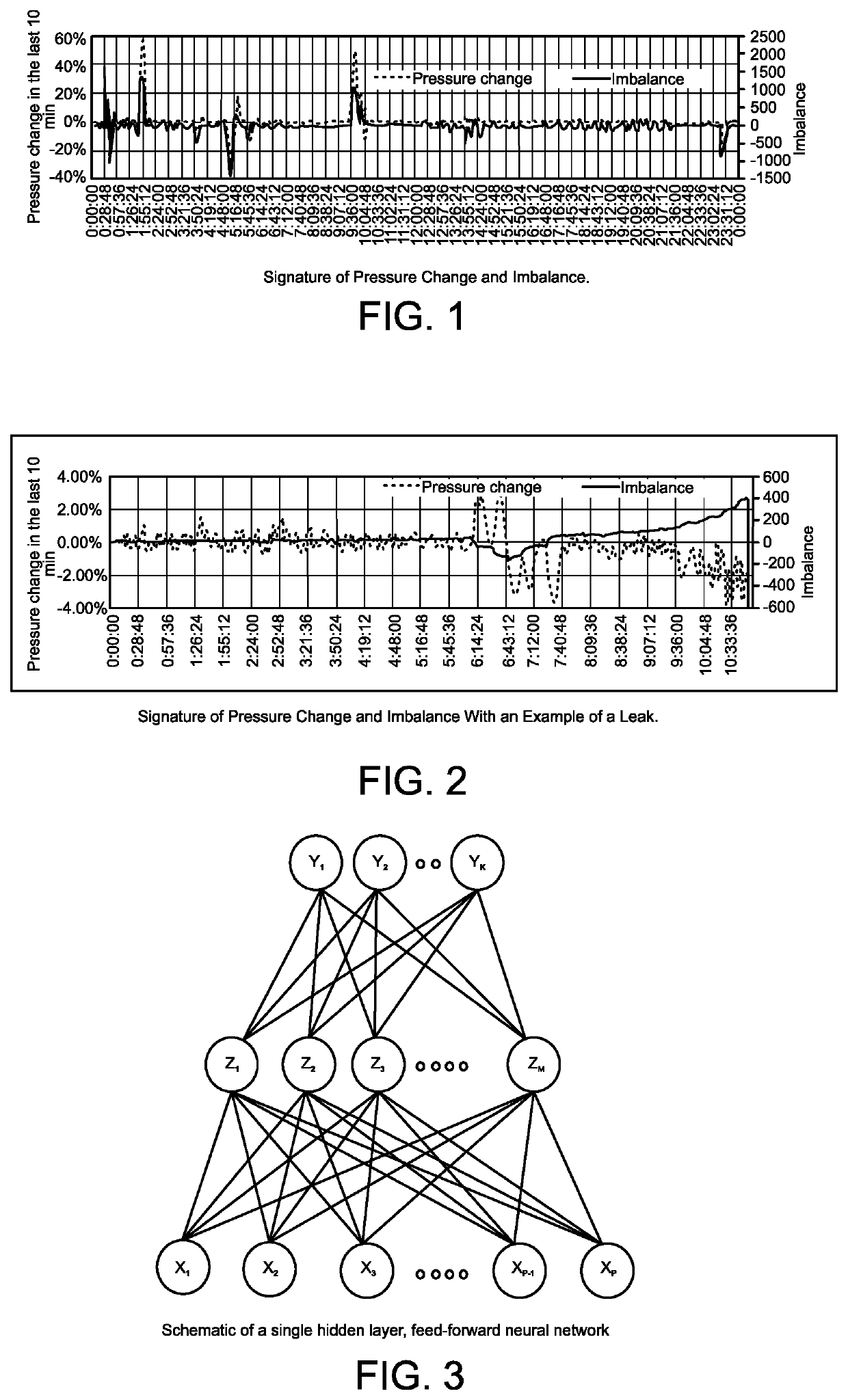
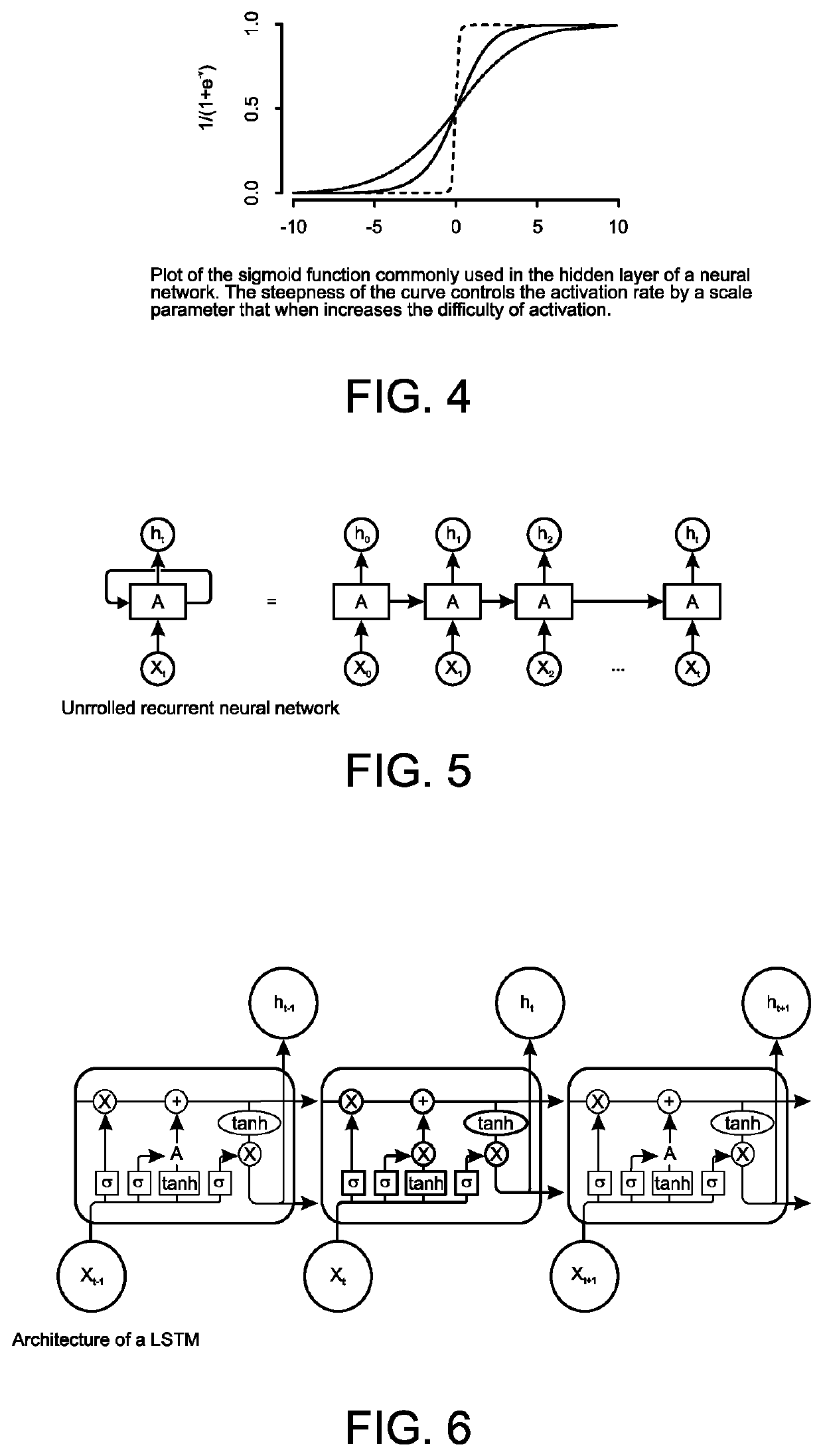
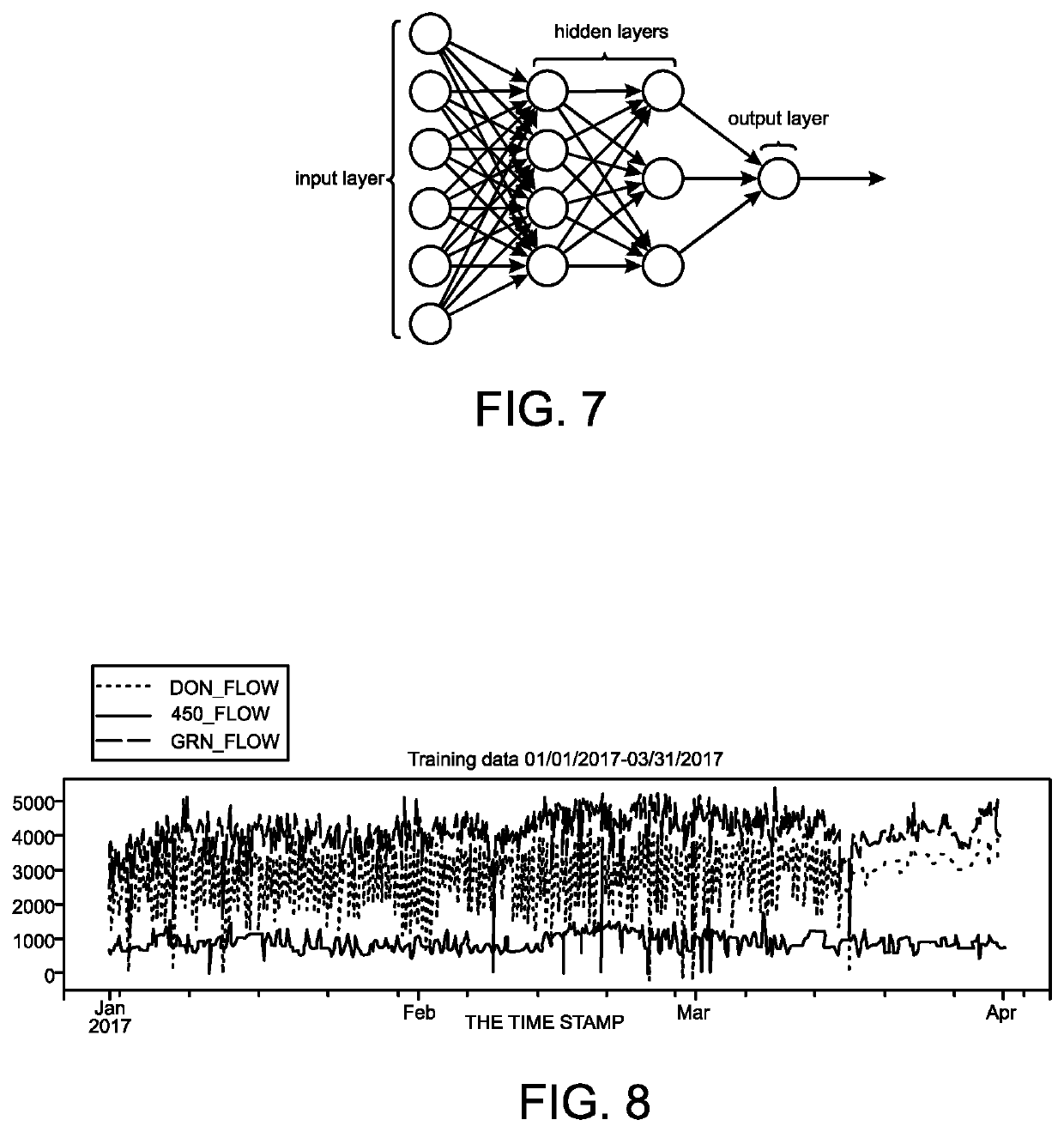
Oil pipeline leak detection
PatentPendingUS20250238657A1
Innovation
- Implementing a deep learning-based leak detection system that uses existing pipeline equipment, allowing for rapid installation and adaptation to changes without reconfiguring software, utilizing multiple deep learning layers and metamodels to analyze data from sensors for real-time leak detection, and employing unsupervised learning to adapt to pipeline modifications.


Leak detection with artificial intelligence
PatentInactiveUS20210216852A1
Innovation
- The development of software and computer-implemented methods using artificial intelligence and deep learning to detect leaks in pipelines by training AI to understand the physics of internal pipe flow, eliminating the need for detailed hydro modeling of each pipeline segment and utilizing existing equipment, allowing for quicker installation and adaptation to changes.

Safety Standards for AI-Powered Leak Detection
The integration of embedded AI models into leak detection systems necessitates comprehensive safety standards to ensure reliable operation and minimize risks associated with automated decision-making processes. Current regulatory frameworks are evolving to address the unique challenges posed by AI-powered detection systems, particularly in critical infrastructure applications where false positives or missed detections can have severe consequences.
Functional safety standards such as IEC 61508 and domain-specific standards like API 1160 for pipeline systems are being adapted to incorporate AI-specific requirements. These adaptations focus on establishing acceptable performance thresholds for AI model accuracy, defining fail-safe mechanisms when AI systems encounter uncertain conditions, and implementing redundancy protocols to maintain detection capabilities during AI system failures.
Data integrity and cybersecurity standards have become paramount concerns for AI-powered leak detection systems. Standards such as IEC 62443 provide frameworks for securing industrial automation systems, while emerging guidelines specifically address AI model protection against adversarial attacks that could compromise detection accuracy. These standards mandate secure data transmission protocols, encrypted model parameters, and robust authentication mechanisms for system access.
Validation and verification procedures for AI-powered leak detection systems require specialized testing protocols that go beyond traditional sensor validation. Standards are being developed to define minimum training dataset requirements, acceptable model performance metrics across diverse operating conditions, and continuous monitoring protocols to detect model degradation over time. These procedures must account for the probabilistic nature of AI predictions and establish confidence intervals for detection decisions.
Human oversight requirements represent a critical component of safety standards for AI-powered systems. Regulatory frameworks emphasize the need for qualified personnel to supervise AI operations, interpret system outputs, and intervene when necessary. Standards define minimum training requirements for operators, establish clear escalation procedures for uncertain detections, and mandate regular human validation of AI decisions to maintain system reliability and regulatory compliance.
Functional safety standards such as IEC 61508 and domain-specific standards like API 1160 for pipeline systems are being adapted to incorporate AI-specific requirements. These adaptations focus on establishing acceptable performance thresholds for AI model accuracy, defining fail-safe mechanisms when AI systems encounter uncertain conditions, and implementing redundancy protocols to maintain detection capabilities during AI system failures.
Data integrity and cybersecurity standards have become paramount concerns for AI-powered leak detection systems. Standards such as IEC 62443 provide frameworks for securing industrial automation systems, while emerging guidelines specifically address AI model protection against adversarial attacks that could compromise detection accuracy. These standards mandate secure data transmission protocols, encrypted model parameters, and robust authentication mechanisms for system access.
Validation and verification procedures for AI-powered leak detection systems require specialized testing protocols that go beyond traditional sensor validation. Standards are being developed to define minimum training dataset requirements, acceptable model performance metrics across diverse operating conditions, and continuous monitoring protocols to detect model degradation over time. These procedures must account for the probabilistic nature of AI predictions and establish confidence intervals for detection decisions.
Human oversight requirements represent a critical component of safety standards for AI-powered systems. Regulatory frameworks emphasize the need for qualified personnel to supervise AI operations, interpret system outputs, and intervene when necessary. Standards define minimum training requirements for operators, establish clear escalation procedures for uncertain detections, and mandate regular human validation of AI decisions to maintain system reliability and regulatory compliance.
Edge Computing Infrastructure for Leak Monitoring
Edge computing infrastructure represents a fundamental paradigm shift in leak monitoring systems, enabling real-time data processing and decision-making at the network periphery rather than relying solely on centralized cloud computing. This distributed computing approach positions computational resources closer to leak detection sensors and monitoring devices, significantly reducing latency and bandwidth requirements while enhancing system responsiveness.
The core architecture of edge computing infrastructure for leak monitoring consists of edge nodes strategically deployed throughout pipeline networks, industrial facilities, and water distribution systems. These nodes typically incorporate ruggedized computing hardware capable of withstanding harsh environmental conditions, including temperature extremes, moisture, and vibrations commonly encountered in industrial settings. Each edge node serves as a local processing hub, equipped with sufficient computational power to run embedded AI models for real-time leak detection analysis.
Network connectivity forms the backbone of edge computing infrastructure, utilizing a hybrid approach that combines cellular networks, Wi-Fi, and low-power wide-area networks such as LoRaWAN or NB-IoT. This multi-connectivity strategy ensures robust communication between distributed sensors and edge nodes while maintaining redundancy for critical monitoring applications. The infrastructure supports both real-time streaming data for immediate leak detection and batch processing for historical trend analysis.
Data management within edge computing infrastructure employs intelligent caching and filtering mechanisms to optimize bandwidth utilization. Edge nodes perform preliminary data processing, filtering out noise and irrelevant information before transmitting only critical alerts and processed insights to central monitoring systems. This approach reduces network congestion and ensures that bandwidth-limited connections can effectively support comprehensive leak monitoring operations.
Security considerations are paramount in edge computing infrastructure design, implementing multi-layered protection including encrypted communications, secure boot processes, and tamper-resistant hardware. Edge nodes incorporate local authentication mechanisms and maintain secure communication channels with both sensors and central management systems, ensuring data integrity throughout the monitoring network.
The scalability of edge computing infrastructure allows for dynamic expansion of monitoring coverage as operational requirements evolve. Standardized interfaces and modular hardware designs enable seamless integration of additional sensors and monitoring points without requiring comprehensive system redesign, supporting both small-scale installations and large industrial deployments.
The core architecture of edge computing infrastructure for leak monitoring consists of edge nodes strategically deployed throughout pipeline networks, industrial facilities, and water distribution systems. These nodes typically incorporate ruggedized computing hardware capable of withstanding harsh environmental conditions, including temperature extremes, moisture, and vibrations commonly encountered in industrial settings. Each edge node serves as a local processing hub, equipped with sufficient computational power to run embedded AI models for real-time leak detection analysis.
Network connectivity forms the backbone of edge computing infrastructure, utilizing a hybrid approach that combines cellular networks, Wi-Fi, and low-power wide-area networks such as LoRaWAN or NB-IoT. This multi-connectivity strategy ensures robust communication between distributed sensors and edge nodes while maintaining redundancy for critical monitoring applications. The infrastructure supports both real-time streaming data for immediate leak detection and batch processing for historical trend analysis.
Data management within edge computing infrastructure employs intelligent caching and filtering mechanisms to optimize bandwidth utilization. Edge nodes perform preliminary data processing, filtering out noise and irrelevant information before transmitting only critical alerts and processed insights to central monitoring systems. This approach reduces network congestion and ensures that bandwidth-limited connections can effectively support comprehensive leak monitoring operations.
Security considerations are paramount in edge computing infrastructure design, implementing multi-layered protection including encrypted communications, secure boot processes, and tamper-resistant hardware. Edge nodes incorporate local authentication mechanisms and maintain secure communication channels with both sensors and central management systems, ensuring data integrity throughout the monitoring network.
The scalability of edge computing infrastructure allows for dynamic expansion of monitoring coverage as operational requirements evolve. Standardized interfaces and modular hardware designs enable seamless integration of additional sensors and monitoring points without requiring comprehensive system redesign, supporting both small-scale installations and large industrial deployments.
Unlock deeper insights with Patsnap Eureka Quick Research — get a full tech report to explore trends and direct your research. Try now!
Generate Your Research Report Instantly with AI Agent
Supercharge your innovation with Patsnap Eureka AI Agent Platform!