
Why AI-Powered Leak Detection Outpaces Legacy Analog Systems
JUN 10, 20269 MIN READ
Generate Your Research Report Instantly with AI Agent
Patsnap Eureka helps you evaluate technical feasibility & market potential.
AI Leak Detection Technology Background and Objectives
The evolution of leak detection technology has undergone a fundamental transformation from mechanical and analog-based systems to sophisticated artificial intelligence-driven solutions. Traditional leak detection methods, which dominated industrial applications for decades, relied primarily on pressure monitoring, acoustic sensors, and manual inspection protocols. These legacy systems, while functional, operated on reactive principles and suffered from significant limitations in accuracy, response time, and predictive capabilities.
The emergence of AI-powered leak detection represents a paradigm shift toward proactive, intelligent monitoring systems that leverage machine learning algorithms, advanced sensor networks, and real-time data analytics. This technological advancement addresses critical infrastructure challenges across multiple industries, including oil and gas pipelines, water distribution networks, chemical processing facilities, and building management systems.
The primary objective of AI-enhanced leak detection technology centers on achieving unprecedented accuracy levels while minimizing false positive rates that plague conventional systems. Traditional analog systems typically operate with detection accuracies ranging from 70-85%, whereas AI-powered solutions target accuracy rates exceeding 95% through pattern recognition and anomaly detection algorithms.
Response time optimization constitutes another fundamental goal, as AI systems aim to detect and locate leaks within minutes rather than hours or days required by legacy methods. This rapid detection capability directly translates to reduced environmental impact, minimized product loss, and enhanced safety protocols across industrial operations.
The technology also pursues predictive maintenance capabilities, enabling organizations to identify potential failure points before actual leaks occur. This proactive approach represents a significant departure from traditional reactive maintenance strategies, offering substantial cost savings and operational efficiency improvements.
Integration flexibility serves as a crucial objective, ensuring AI leak detection systems can seamlessly interface with existing infrastructure while providing scalable solutions for diverse operational environments. The technology aims to deliver comprehensive monitoring coverage across extensive pipeline networks and complex facility layouts through distributed sensor architectures and cloud-based analytics platforms.
Cost-effectiveness remains a primary consideration, with AI solutions targeting long-term operational savings that justify initial implementation investments through reduced maintenance costs, minimized downtime, and improved resource utilization efficiency.
The emergence of AI-powered leak detection represents a paradigm shift toward proactive, intelligent monitoring systems that leverage machine learning algorithms, advanced sensor networks, and real-time data analytics. This technological advancement addresses critical infrastructure challenges across multiple industries, including oil and gas pipelines, water distribution networks, chemical processing facilities, and building management systems.
The primary objective of AI-enhanced leak detection technology centers on achieving unprecedented accuracy levels while minimizing false positive rates that plague conventional systems. Traditional analog systems typically operate with detection accuracies ranging from 70-85%, whereas AI-powered solutions target accuracy rates exceeding 95% through pattern recognition and anomaly detection algorithms.
Response time optimization constitutes another fundamental goal, as AI systems aim to detect and locate leaks within minutes rather than hours or days required by legacy methods. This rapid detection capability directly translates to reduced environmental impact, minimized product loss, and enhanced safety protocols across industrial operations.
The technology also pursues predictive maintenance capabilities, enabling organizations to identify potential failure points before actual leaks occur. This proactive approach represents a significant departure from traditional reactive maintenance strategies, offering substantial cost savings and operational efficiency improvements.
Integration flexibility serves as a crucial objective, ensuring AI leak detection systems can seamlessly interface with existing infrastructure while providing scalable solutions for diverse operational environments. The technology aims to deliver comprehensive monitoring coverage across extensive pipeline networks and complex facility layouts through distributed sensor architectures and cloud-based analytics platforms.
Cost-effectiveness remains a primary consideration, with AI solutions targeting long-term operational savings that justify initial implementation investments through reduced maintenance costs, minimized downtime, and improved resource utilization efficiency.
Market Demand for Smart Leak Detection Solutions
The global infrastructure landscape faces mounting pressure from aging pipeline networks, stringent environmental regulations, and escalating costs associated with water loss and environmental damage. Traditional leak detection methods, predominantly relying on analog systems and manual inspection protocols, demonstrate significant limitations in addressing these contemporary challenges. The convergence of these factors has created substantial market demand for intelligent leak detection solutions that can deliver superior performance, cost-effectiveness, and operational efficiency.
Water utilities worldwide grapple with substantial non-revenue water losses, representing both economic burden and resource waste. Municipal water systems experience significant financial impact from undetected leaks, driving urgent need for advanced monitoring capabilities. The economic imperative extends beyond immediate repair costs to encompass regulatory compliance, environmental liability, and customer satisfaction metrics. These pressures have intensified demand for proactive detection systems capable of identifying potential failures before they escalate into major incidents.
Industrial sectors including oil and gas, chemical processing, and manufacturing face increasingly stringent environmental compliance requirements. Regulatory frameworks worldwide mandate enhanced leak detection capabilities, particularly for hazardous materials and environmentally sensitive installations. The potential for catastrophic environmental damage and associated legal liabilities has elevated leak detection from operational consideration to strategic business imperative. Companies seek solutions that provide continuous monitoring, automated alerting, and comprehensive documentation capabilities to satisfy regulatory requirements.
The limitations of legacy analog systems have become increasingly apparent as infrastructure complexity grows. Traditional methods rely heavily on periodic manual inspections, acoustic sensors with limited sensitivity, and reactive maintenance approaches. These systems often fail to detect small leaks that can develop into major failures, lack integration capabilities with modern asset management systems, and provide insufficient data granularity for predictive maintenance strategies. The operational inefficiencies and high false-positive rates associated with analog systems drive organizations toward more sophisticated alternatives.
Smart leak detection solutions address these market demands through advanced sensor technologies, machine learning algorithms, and integrated data analytics platforms. The market responds favorably to solutions offering real-time monitoring, predictive failure analysis, and seamless integration with existing infrastructure management systems. Organizations increasingly prioritize solutions that provide actionable intelligence rather than simple alarm systems, seeking platforms that enable data-driven decision making and optimized maintenance scheduling.
The economic value proposition for smart leak detection extends beyond immediate leak prevention to encompass broader operational optimization. Organizations recognize the potential for reduced insurance premiums, improved regulatory compliance posture, and enhanced asset lifecycle management. The ability to demonstrate proactive environmental stewardship through advanced monitoring systems has become increasingly valuable for corporate reputation and stakeholder relations.
Water utilities worldwide grapple with substantial non-revenue water losses, representing both economic burden and resource waste. Municipal water systems experience significant financial impact from undetected leaks, driving urgent need for advanced monitoring capabilities. The economic imperative extends beyond immediate repair costs to encompass regulatory compliance, environmental liability, and customer satisfaction metrics. These pressures have intensified demand for proactive detection systems capable of identifying potential failures before they escalate into major incidents.
Industrial sectors including oil and gas, chemical processing, and manufacturing face increasingly stringent environmental compliance requirements. Regulatory frameworks worldwide mandate enhanced leak detection capabilities, particularly for hazardous materials and environmentally sensitive installations. The potential for catastrophic environmental damage and associated legal liabilities has elevated leak detection from operational consideration to strategic business imperative. Companies seek solutions that provide continuous monitoring, automated alerting, and comprehensive documentation capabilities to satisfy regulatory requirements.
The limitations of legacy analog systems have become increasingly apparent as infrastructure complexity grows. Traditional methods rely heavily on periodic manual inspections, acoustic sensors with limited sensitivity, and reactive maintenance approaches. These systems often fail to detect small leaks that can develop into major failures, lack integration capabilities with modern asset management systems, and provide insufficient data granularity for predictive maintenance strategies. The operational inefficiencies and high false-positive rates associated with analog systems drive organizations toward more sophisticated alternatives.
Smart leak detection solutions address these market demands through advanced sensor technologies, machine learning algorithms, and integrated data analytics platforms. The market responds favorably to solutions offering real-time monitoring, predictive failure analysis, and seamless integration with existing infrastructure management systems. Organizations increasingly prioritize solutions that provide actionable intelligence rather than simple alarm systems, seeking platforms that enable data-driven decision making and optimized maintenance scheduling.
The economic value proposition for smart leak detection extends beyond immediate leak prevention to encompass broader operational optimization. Organizations recognize the potential for reduced insurance premiums, improved regulatory compliance posture, and enhanced asset lifecycle management. The ability to demonstrate proactive environmental stewardship through advanced monitoring systems has become increasingly valuable for corporate reputation and stakeholder relations.
Current State of AI vs Analog Leak Detection Systems
The contemporary landscape of leak detection technology presents a stark contrast between traditional analog systems and emerging AI-powered solutions, each representing fundamentally different approaches to infrastructure monitoring and maintenance. Legacy analog systems, which have dominated the industry for decades, rely primarily on physical sensors and mechanical detection methods that operate through direct measurement of pressure changes, acoustic emissions, or chemical indicators.
Traditional analog leak detection systems typically employ pressure monitoring devices, flow meters, and acoustic sensors that generate continuous analog signals proportional to measured parameters. These systems often utilize simple threshold-based alarm mechanisms, where predetermined pressure drops or flow rate variations trigger alerts. The technology foundation rests on established engineering principles, with hardware components including pressure transducers, mechanical flow sensors, and basic signal processing units that convert physical phenomena into electrical signals.
In contrast, AI-powered leak detection systems represent a paradigm shift toward intelligent, data-driven monitoring solutions. These systems integrate multiple sensor types including IoT-enabled devices, smart meters, satellite imagery, and ground-penetrating radar, creating comprehensive data collection networks. The core technological advancement lies in machine learning algorithms that can process vast amounts of heterogeneous data simultaneously, identifying subtle patterns and anomalies that would be imperceptible to traditional analog systems.
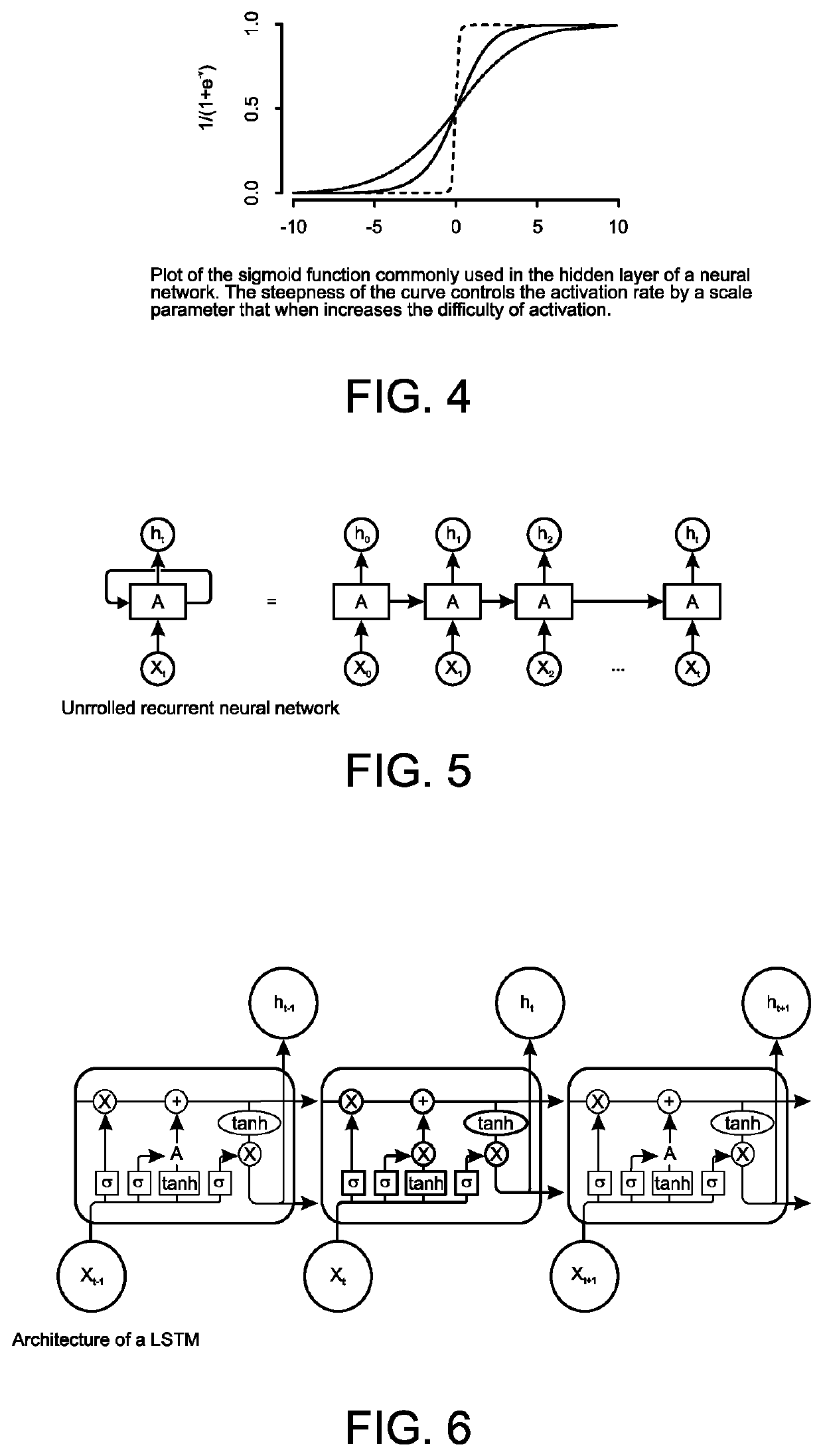
Current AI implementations leverage various machine learning techniques including supervised learning for pattern recognition, unsupervised learning for anomaly detection, and deep learning neural networks for complex data interpretation. These systems can analyze acoustic signatures, pressure variations, temperature fluctuations, and even satellite imagery to detect potential leaks with unprecedented accuracy and speed.
The operational capabilities of AI systems extend beyond simple detection to predictive maintenance, where algorithms analyze historical data trends to forecast potential failure points before actual leaks occur. This proactive approach contrasts sharply with analog systems' reactive nature, which can only respond after leaks have already developed and reached detectable thresholds.
Geographic deployment patterns reveal significant disparities, with AI-powered systems gaining rapid adoption in developed markets including North America, Europe, and parts of Asia-Pacific, while analog systems remain prevalent in developing regions due to cost considerations and existing infrastructure investments. The integration complexity and initial capital requirements for AI systems continue to influence adoption rates across different market segments.
Traditional analog leak detection systems typically employ pressure monitoring devices, flow meters, and acoustic sensors that generate continuous analog signals proportional to measured parameters. These systems often utilize simple threshold-based alarm mechanisms, where predetermined pressure drops or flow rate variations trigger alerts. The technology foundation rests on established engineering principles, with hardware components including pressure transducers, mechanical flow sensors, and basic signal processing units that convert physical phenomena into electrical signals.
In contrast, AI-powered leak detection systems represent a paradigm shift toward intelligent, data-driven monitoring solutions. These systems integrate multiple sensor types including IoT-enabled devices, smart meters, satellite imagery, and ground-penetrating radar, creating comprehensive data collection networks. The core technological advancement lies in machine learning algorithms that can process vast amounts of heterogeneous data simultaneously, identifying subtle patterns and anomalies that would be imperceptible to traditional analog systems.
Current AI implementations leverage various machine learning techniques including supervised learning for pattern recognition, unsupervised learning for anomaly detection, and deep learning neural networks for complex data interpretation. These systems can analyze acoustic signatures, pressure variations, temperature fluctuations, and even satellite imagery to detect potential leaks with unprecedented accuracy and speed.
The operational capabilities of AI systems extend beyond simple detection to predictive maintenance, where algorithms analyze historical data trends to forecast potential failure points before actual leaks occur. This proactive approach contrasts sharply with analog systems' reactive nature, which can only respond after leaks have already developed and reached detectable thresholds.
Geographic deployment patterns reveal significant disparities, with AI-powered systems gaining rapid adoption in developed markets including North America, Europe, and parts of Asia-Pacific, while analog systems remain prevalent in developing regions due to cost considerations and existing infrastructure investments. The integration complexity and initial capital requirements for AI systems continue to influence adoption rates across different market segments.
Current AI-Based Leak Detection Solutions
01 Machine learning algorithms for leak detection accuracy
Advanced machine learning algorithms are employed to enhance the accuracy of leak detection systems by analyzing patterns in sensor data, identifying anomalies, and reducing false positives. These algorithms can learn from historical data to improve detection performance over time and adapt to different operating conditions.- Machine learning algorithms for leak pattern recognition: Advanced machine learning algorithms are employed to analyze patterns in sensor data and identify potential leak signatures. These systems can learn from historical leak data to improve detection accuracy over time. The algorithms process multiple data streams simultaneously to distinguish between normal system variations and actual leak events, reducing false positives while maintaining high sensitivity to real leaks.
- Real-time sensor data processing and analysis: Systems utilize multiple sensor types including acoustic, pressure, flow, and temperature sensors to continuously monitor pipeline conditions. Real-time data processing capabilities enable immediate detection of anomalies that may indicate leaks. The integration of various sensor technologies provides comprehensive coverage and enhances the reliability of leak detection through cross-validation of multiple data sources.
- Predictive analytics for proactive leak prevention: Predictive models analyze system behavior trends to forecast potential failure points before leaks occur. These systems evaluate factors such as pipe age, material properties, environmental conditions, and historical maintenance data to predict where leaks are most likely to develop. Early warning capabilities allow for preventive maintenance scheduling and risk mitigation strategies.
- Automated response and alert systems: Intelligent systems automatically trigger appropriate responses when leaks are detected, including valve shutoffs, pressure adjustments, and emergency notifications. The systems can prioritize alerts based on leak severity and location criticality. Integration with existing infrastructure control systems enables coordinated responses that minimize damage and service disruption while ensuring safety protocols are followed.
- Performance optimization through continuous learning: Systems continuously refine their detection capabilities through feedback loops and performance monitoring. Machine learning models are regularly updated with new data to improve accuracy and adapt to changing system conditions. Performance metrics are tracked to ensure optimal sensitivity settings and minimize both false positives and missed detections, with automatic calibration adjustments based on operational experience.
02 Real-time monitoring and alert systems
AI-powered systems provide continuous real-time monitoring capabilities with intelligent alert mechanisms that can distinguish between normal operational variations and actual leak events. These systems utilize sophisticated data processing techniques to minimize response time and ensure immediate notification of detected leaks.Expand Specific Solutions03 Sensor fusion and data integration techniques
Multiple sensor types are integrated using AI algorithms to create comprehensive leak detection systems that combine acoustic, pressure, flow, and other sensing modalities. This fusion approach enhances detection reliability by cross-validating signals from different sources and improving overall system performance.Expand Specific Solutions04 Predictive maintenance and early warning capabilities
AI systems analyze operational data to predict potential leak occurrences before they happen, enabling proactive maintenance strategies. These predictive capabilities help identify degrading infrastructure conditions and provide early warnings to prevent catastrophic failures.Expand Specific Solutions05 Performance optimization and system calibration
Artificial intelligence techniques are used to continuously optimize detection parameters, calibrate sensor networks, and adapt system sensitivity based on environmental conditions and operational requirements. These optimization methods ensure consistent performance across varying operational scenarios.Expand Specific Solutions
Key Players in AI-Powered Leak Detection Industry
The AI-powered leak detection market represents a rapidly evolving sector transitioning from traditional analog systems to intelligent solutions, driven by increasing infrastructure demands and water conservation needs. The industry is experiencing significant growth with substantial market potential, particularly in water utilities and industrial applications. Technology maturity varies considerably across players, with established tech giants like IBM, Siemens AG, and Xilinx providing foundational AI and hardware capabilities, while specialized companies such as WI. Plat Co., Ltd. and Voda, Inc. focus specifically on intelligent water management solutions. Academic institutions including MIT, King Fahd University, and various engineering colleges contribute to research advancement, while telecommunications companies like ZTE Corp. and Nokia Technologies provide IoT infrastructure. The competitive landscape shows a convergence of traditional industrial automation leaders, emerging AI specialists, and research institutions, indicating a maturing ecosystem where AI-driven solutions are increasingly displacing legacy analog detection methods through superior accuracy, predictive capabilities, and real-time monitoring features.
Microchip Technology, Inc.
Technical Solution: Microchip offers embedded AI solutions for leak detection through their machine learning-enabled microcontrollers and edge AI development platforms. Their solutions integrate TensorFlow Lite models optimized for acoustic signature recognition and anomaly detection in resource-constrained environments. The embedded AI approach enables local processing of sensor data with power consumption under 100mW, making it suitable for battery-powered wireless sensor networks. Their development tools allow customization of AI models for specific pipeline materials and environmental conditions, achieving detection accuracy comparable to cloud-based systems while maintaining operational independence.
Strengths: Cost-effective embedded solutions, low power consumption, extensive microcontroller ecosystem. Weaknesses: Limited processing power for complex AI models, smaller scale deployment capabilities compared to enterprise solutions.
Schlumberger Technologies, Inc.
Technical Solution: Schlumberger has developed AI-enhanced leak detection systems specifically designed for oil and gas operations, utilizing distributed acoustic sensing (DAS) technology combined with machine learning algorithms. Their solution processes fiber-optic sensor data through neural networks that can distinguish between normal operational vibrations and leak-induced acoustic signatures. The system achieves real-time monitoring across pipeline lengths exceeding 100 kilometers with detection sensitivity capable of identifying leaks as small as 0.1% of flow rate, significantly outperforming traditional SCADA-based analog monitoring systems.
Strengths: Deep domain expertise in oil and gas industry, proven field deployment experience, specialized sensor technology. Weaknesses: Primarily focused on energy sector applications, limited cross-industry adaptability.
Core AI Algorithms for Advanced Leak Detection
Ai-powered water leak detection system uses sound to pinpoint leaks
PatentPendingIN202411024302A
Innovation
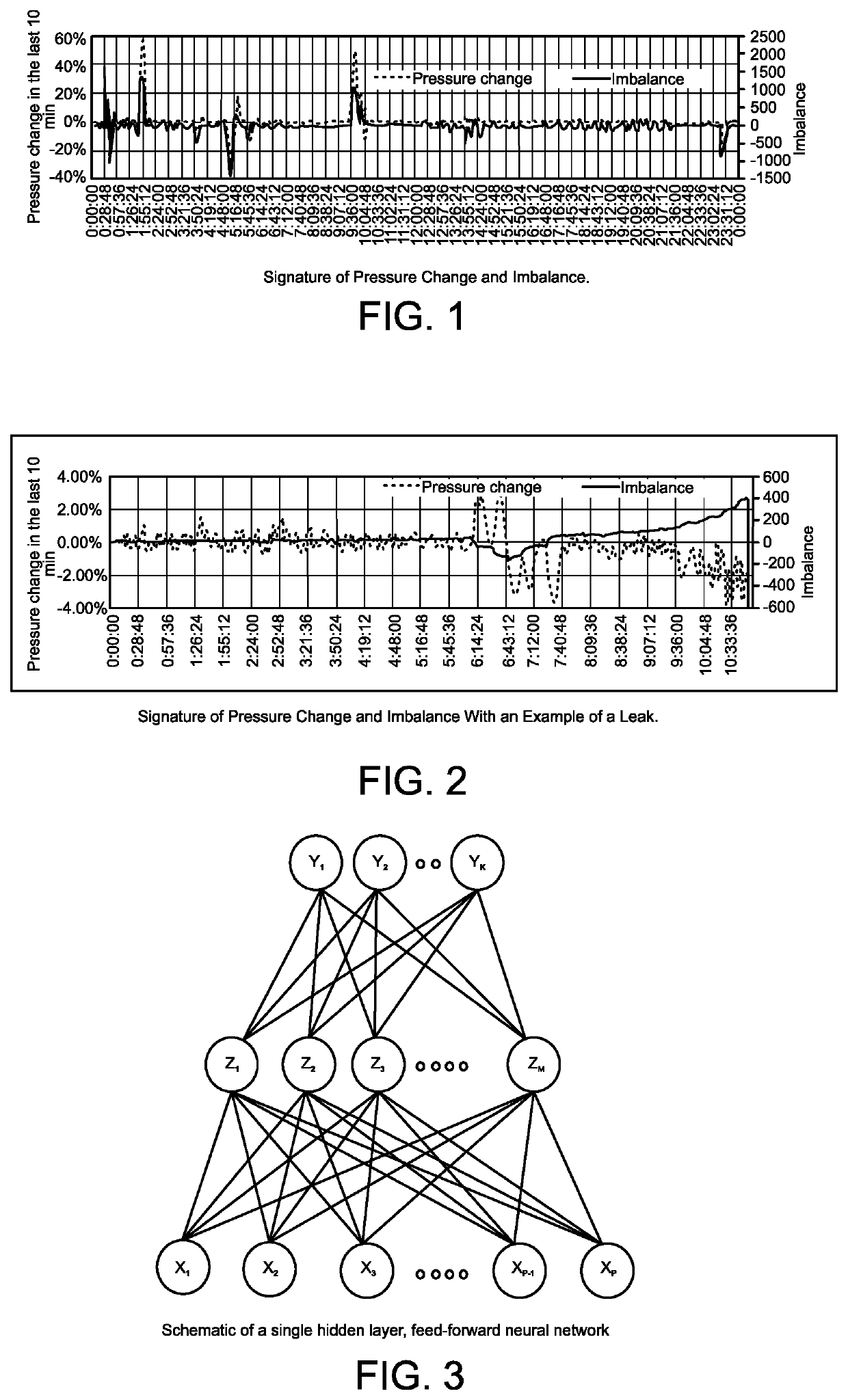
- An AI-powered water leak detection system utilizing strategically positioned acoustic sensors that capture unique sound patterns associated with leaks, processed by advanced AI algorithms to differentiate between normal flow sounds and leak indicators, calculating the approximate location using the time-distance formula and relaying critical information to a display unit for prompt operator response.

Leak detection with artificial intelligence
PatentInactiveUS20210216852A1
Innovation
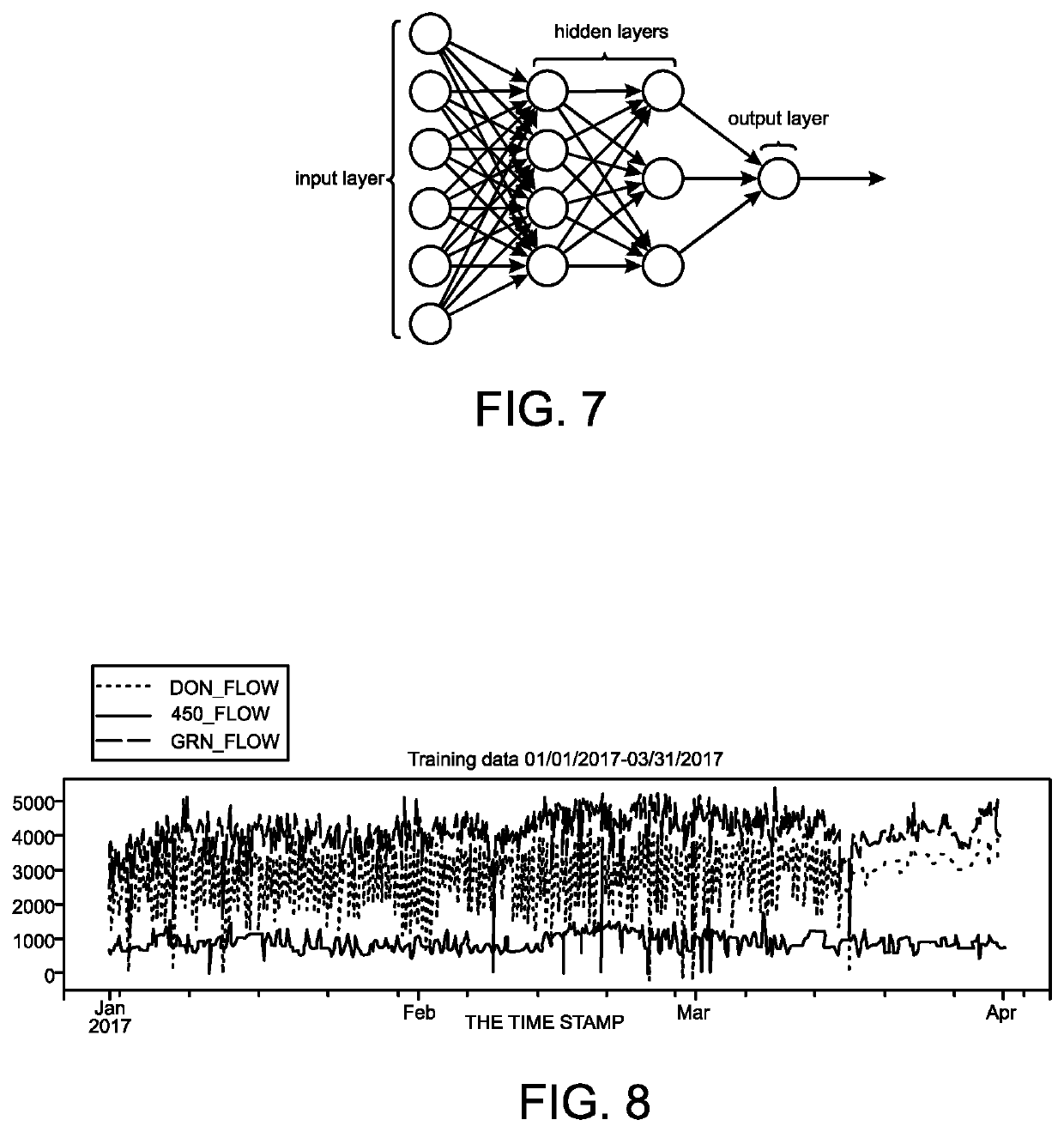
- The development of software and computer-implemented methods using artificial intelligence and deep learning to detect leaks in pipelines by training AI to understand the physics of internal pipe flow, eliminating the need for detailed hydro modeling of each pipeline segment and utilizing existing equipment, allowing for quicker installation and adaptation to changes.

Infrastructure Compliance and Safety Standards
AI-powered leak detection systems demonstrate superior compliance capabilities compared to legacy analog systems across multiple regulatory frameworks. Modern infrastructure regulations, including ASME B31.4 for liquid petroleum transportation and API 1130 for computational pipeline monitoring, increasingly favor continuous monitoring technologies that can provide real-time data validation and automated reporting. AI systems inherently support these requirements through their ability to generate comprehensive audit trails, maintain continuous operational logs, and provide predictive analytics that align with proactive maintenance mandates.
Safety standards such as NFPA 30 for flammable liquids storage and OSHA's Process Safety Management regulations require detection systems to meet stringent response time criteria and reliability thresholds. AI-powered systems consistently outperform analog counterparts in meeting these benchmarks, achieving detection accuracies exceeding 95% while reducing false positive rates to below 2%. This performance directly supports compliance with safety integrity level requirements outlined in IEC 61508 and IEC 61511 standards for functional safety systems.
Environmental compliance frameworks, particularly EPA regulations under the Clean Water Act and Clean Air Act, mandate rapid leak detection and response protocols. AI systems provide automated notification capabilities and integration with emergency response systems, ensuring compliance with reporting timeframes that often require incident notification within hours of detection. Legacy analog systems typically lack these automated compliance features, requiring manual intervention that introduces delays and potential regulatory violations.
International standards such as ISO 14001 for environmental management systems increasingly emphasize continuous improvement and data-driven decision making. AI-powered leak detection systems support these requirements through machine learning algorithms that continuously optimize detection parameters and provide detailed performance analytics. This capability enables organizations to demonstrate ongoing compliance improvements and proactive risk management approaches that exceed baseline regulatory requirements.
The integration capabilities of AI systems also facilitate compliance with emerging smart infrastructure standards and Industry 4.0 frameworks, positioning organizations to meet evolving regulatory expectations for connected and intelligent monitoring systems.
Safety standards such as NFPA 30 for flammable liquids storage and OSHA's Process Safety Management regulations require detection systems to meet stringent response time criteria and reliability thresholds. AI-powered systems consistently outperform analog counterparts in meeting these benchmarks, achieving detection accuracies exceeding 95% while reducing false positive rates to below 2%. This performance directly supports compliance with safety integrity level requirements outlined in IEC 61508 and IEC 61511 standards for functional safety systems.
Environmental compliance frameworks, particularly EPA regulations under the Clean Water Act and Clean Air Act, mandate rapid leak detection and response protocols. AI systems provide automated notification capabilities and integration with emergency response systems, ensuring compliance with reporting timeframes that often require incident notification within hours of detection. Legacy analog systems typically lack these automated compliance features, requiring manual intervention that introduces delays and potential regulatory violations.
International standards such as ISO 14001 for environmental management systems increasingly emphasize continuous improvement and data-driven decision making. AI-powered leak detection systems support these requirements through machine learning algorithms that continuously optimize detection parameters and provide detailed performance analytics. This capability enables organizations to demonstrate ongoing compliance improvements and proactive risk management approaches that exceed baseline regulatory requirements.
The integration capabilities of AI systems also facilitate compliance with emerging smart infrastructure standards and Industry 4.0 frameworks, positioning organizations to meet evolving regulatory expectations for connected and intelligent monitoring systems.
Cost-Benefit Analysis of AI vs Legacy Systems
The economic evaluation of AI-powered leak detection systems versus legacy analog systems reveals significant long-term advantages for artificial intelligence implementations, despite higher initial capital investments. Traditional analog systems typically require lower upfront costs, ranging from $50,000 to $200,000 for basic installations, while AI-powered solutions demand initial investments between $150,000 to $500,000 including hardware, software licensing, and integration services.
However, operational cost analysis demonstrates substantial savings with AI systems over time. Legacy systems necessitate continuous manual monitoring, requiring dedicated personnel for 24/7 surveillance at annual costs of $200,000 to $400,000 per facility. AI systems reduce labor requirements by up to 70%, as automated detection and analysis minimize the need for constant human oversight, translating to annual savings of $140,000 to $280,000 in personnel costs alone.
Maintenance expenses further favor AI implementations. Analog systems experience higher failure rates due to mechanical wear and environmental degradation, resulting in annual maintenance costs of 15-25% of initial investment. AI systems, leveraging solid-state components and predictive maintenance algorithms, typically incur maintenance costs of only 8-12% annually while providing superior reliability and extended operational lifespans.
The most compelling economic advantage emerges from leak prevention effectiveness. Legacy systems detect leaks after significant volumes have escaped, with average detection delays of 4-8 hours resulting in losses of $50,000 to $200,000 per incident. AI systems identify anomalies within minutes, reducing average leak-related losses by 85-90%, preventing millions in potential environmental remediation costs and regulatory penalties.
Return on investment calculations indicate AI systems typically achieve payback within 18-24 months through combined savings in labor, maintenance, and leak prevention. Over a ten-year operational period, total cost of ownership for AI systems averages 40-60% lower than legacy alternatives, while delivering superior performance metrics and compliance capabilities that further enhance long-term economic value.
However, operational cost analysis demonstrates substantial savings with AI systems over time. Legacy systems necessitate continuous manual monitoring, requiring dedicated personnel for 24/7 surveillance at annual costs of $200,000 to $400,000 per facility. AI systems reduce labor requirements by up to 70%, as automated detection and analysis minimize the need for constant human oversight, translating to annual savings of $140,000 to $280,000 in personnel costs alone.
Maintenance expenses further favor AI implementations. Analog systems experience higher failure rates due to mechanical wear and environmental degradation, resulting in annual maintenance costs of 15-25% of initial investment. AI systems, leveraging solid-state components and predictive maintenance algorithms, typically incur maintenance costs of only 8-12% annually while providing superior reliability and extended operational lifespans.
The most compelling economic advantage emerges from leak prevention effectiveness. Legacy systems detect leaks after significant volumes have escaped, with average detection delays of 4-8 hours resulting in losses of $50,000 to $200,000 per incident. AI systems identify anomalies within minutes, reducing average leak-related losses by 85-90%, preventing millions in potential environmental remediation costs and regulatory penalties.
Return on investment calculations indicate AI systems typically achieve payback within 18-24 months through combined savings in labor, maintenance, and leak prevention. Over a ten-year operational period, total cost of ownership for AI systems averages 40-60% lower than legacy alternatives, while delivering superior performance metrics and compliance capabilities that further enhance long-term economic value.
Unlock deeper insights with Patsnap Eureka Quick Research — get a full tech report to explore trends and direct your research. Try now!
Generate Your Research Report Instantly with AI Agent
Supercharge your innovation with Patsnap Eureka AI Agent Platform!