How to Administer Remote Diagnostics to Synchronous Generators
JAN 7, 20269 MIN READ
Generate Your Research Report Instantly with AI Agent
Patsnap Eureka helps you evaluate technical feasibility & market potential.
Remote Diagnostics for Synchronous Generators: Background and Objectives
Synchronous generators serve as the backbone of modern power generation systems, converting mechanical energy into electrical energy with high efficiency and reliability. These critical assets are deployed across diverse applications including thermal power plants, hydroelectric facilities, nuclear stations, and industrial cogeneration systems. As power grids evolve toward greater complexity and renewable energy integration, the operational demands on synchronous generators have intensified significantly. Traditional maintenance approaches relying on scheduled inspections and on-site diagnostics are increasingly inadequate for meeting contemporary requirements of continuous operation, predictive maintenance, and rapid fault response.
The evolution of remote diagnostics technology has been driven by several converging factors. First, the geographical dispersion of generation assets, particularly in renewable energy installations and distributed generation networks, makes frequent on-site inspections economically prohibitive. Second, the increasing sophistication of generator control systems and monitoring equipment has created vast streams of operational data that remain underutilized without advanced analytical capabilities. Third, the competitive pressures in deregulated energy markets demand maximum asset availability and optimized maintenance expenditures.
Remote diagnostics represents a paradigm shift from reactive to proactive asset management. By leveraging real-time data acquisition, advanced signal processing, and intelligent analytics, remote diagnostic systems enable continuous health monitoring of synchronous generators without requiring physical presence at the installation site. This approach facilitates early detection of incipient faults, optimization of maintenance schedules based on actual equipment condition rather than fixed intervals, and rapid expert consultation during abnormal operating conditions.
The primary objectives of implementing remote diagnostics for synchronous generators encompass multiple dimensions. Technically, the goal is to establish comprehensive monitoring of critical parameters including electrical characteristics, mechanical vibrations, thermal profiles, and insulation conditions. Operationally, the objective centers on minimizing unplanned downtime through predictive fault detection and enabling data-driven maintenance decisions. Economically, remote diagnostics aims to reduce maintenance costs, extend asset lifespan, and improve overall equipment effectiveness. Strategically, these systems support the transition toward digital power plants and smart grid integration, positioning operators to leverage emerging technologies in artificial intelligence and industrial internet of things.
The evolution of remote diagnostics technology has been driven by several converging factors. First, the geographical dispersion of generation assets, particularly in renewable energy installations and distributed generation networks, makes frequent on-site inspections economically prohibitive. Second, the increasing sophistication of generator control systems and monitoring equipment has created vast streams of operational data that remain underutilized without advanced analytical capabilities. Third, the competitive pressures in deregulated energy markets demand maximum asset availability and optimized maintenance expenditures.
Remote diagnostics represents a paradigm shift from reactive to proactive asset management. By leveraging real-time data acquisition, advanced signal processing, and intelligent analytics, remote diagnostic systems enable continuous health monitoring of synchronous generators without requiring physical presence at the installation site. This approach facilitates early detection of incipient faults, optimization of maintenance schedules based on actual equipment condition rather than fixed intervals, and rapid expert consultation during abnormal operating conditions.
The primary objectives of implementing remote diagnostics for synchronous generators encompass multiple dimensions. Technically, the goal is to establish comprehensive monitoring of critical parameters including electrical characteristics, mechanical vibrations, thermal profiles, and insulation conditions. Operationally, the objective centers on minimizing unplanned downtime through predictive fault detection and enabling data-driven maintenance decisions. Economically, remote diagnostics aims to reduce maintenance costs, extend asset lifespan, and improve overall equipment effectiveness. Strategically, these systems support the transition toward digital power plants and smart grid integration, positioning operators to leverage emerging technologies in artificial intelligence and industrial internet of things.
Market Demand for Generator Remote Monitoring Solutions
The global power generation industry is experiencing a fundamental shift toward predictive maintenance and intelligent asset management, driving substantial demand for remote monitoring solutions for synchronous generators. Traditional maintenance approaches based on fixed schedules or reactive repairs are increasingly viewed as inefficient and costly, particularly as aging generator fleets require more sophisticated oversight. Power utilities, industrial facilities, and independent power producers are actively seeking technologies that enable continuous condition monitoring without requiring on-site personnel, thereby reducing operational expenses while improving equipment reliability.
Market demand is particularly pronounced in regions with extensive distributed generation infrastructure and aging power plants. Utilities operating multiple generation sites face significant challenges in maintaining adequate technical staff at each location, making remote diagnostic capabilities economically attractive. The integration of renewable energy sources has also intensified the need for reliable synchronous generator monitoring, as these machines play critical roles in grid stabilization and frequency regulation. Operators require real-time visibility into generator health to ensure grid stability during fluctuating renewable energy inputs.
Industrial sectors including oil and gas, mining, manufacturing, and data centers represent another major demand segment. These industries depend on continuous power supply and cannot afford unplanned generator outages. Remote monitoring solutions enable these operators to detect early warning signs of mechanical or electrical failures, schedule maintenance during planned downtime, and avoid catastrophic equipment failures that could halt production processes.
The COVID-19 pandemic accelerated adoption of remote diagnostic technologies as travel restrictions and safety protocols limited on-site inspections. This experience demonstrated the viability of remote monitoring and created lasting organizational acceptance of digital diagnostic tools. Regulatory pressures regarding grid reliability and environmental compliance further drive demand, as operators must demonstrate proactive equipment management and minimize emissions from inefficient or failing generators.
Emerging markets present significant growth opportunities as developing nations expand their power generation capacity while facing skilled labor shortages. These regions increasingly favor solutions that enable centralized monitoring of geographically dispersed assets. The market also benefits from declining sensor costs, improved wireless connectivity, and advances in cloud computing infrastructure that make comprehensive remote monitoring systems more accessible and cost-effective across diverse operational scales.
Market demand is particularly pronounced in regions with extensive distributed generation infrastructure and aging power plants. Utilities operating multiple generation sites face significant challenges in maintaining adequate technical staff at each location, making remote diagnostic capabilities economically attractive. The integration of renewable energy sources has also intensified the need for reliable synchronous generator monitoring, as these machines play critical roles in grid stabilization and frequency regulation. Operators require real-time visibility into generator health to ensure grid stability during fluctuating renewable energy inputs.
Industrial sectors including oil and gas, mining, manufacturing, and data centers represent another major demand segment. These industries depend on continuous power supply and cannot afford unplanned generator outages. Remote monitoring solutions enable these operators to detect early warning signs of mechanical or electrical failures, schedule maintenance during planned downtime, and avoid catastrophic equipment failures that could halt production processes.
The COVID-19 pandemic accelerated adoption of remote diagnostic technologies as travel restrictions and safety protocols limited on-site inspections. This experience demonstrated the viability of remote monitoring and created lasting organizational acceptance of digital diagnostic tools. Regulatory pressures regarding grid reliability and environmental compliance further drive demand, as operators must demonstrate proactive equipment management and minimize emissions from inefficient or failing generators.
Emerging markets present significant growth opportunities as developing nations expand their power generation capacity while facing skilled labor shortages. These regions increasingly favor solutions that enable centralized monitoring of geographically dispersed assets. The market also benefits from declining sensor costs, improved wireless connectivity, and advances in cloud computing infrastructure that make comprehensive remote monitoring systems more accessible and cost-effective across diverse operational scales.
Current State and Challenges in Synchronous Generator Diagnostics
Synchronous generators remain critical assets in power generation infrastructure worldwide, serving applications ranging from large-scale utility plants to industrial facilities and marine propulsion systems. The current diagnostic landscape reveals a significant technological divide between traditional on-site inspection methods and emerging remote monitoring capabilities. Conventional diagnostic approaches predominantly rely on periodic manual inspections, vibration analysis through portable equipment, and thermal imaging conducted by specialized personnel during scheduled maintenance windows. These methods, while proven effective, introduce operational constraints including generator downtime, safety risks associated with physical access to high-voltage equipment, and delayed fault detection that may result in catastrophic failures.
The integration of remote diagnostic systems has accelerated in recent years, driven by advances in sensor technology, industrial Internet of Things platforms, and cloud-based analytics. Modern installations increasingly incorporate embedded sensors monitoring parameters such as stator winding temperature, rotor eccentricity, bearing vibration signatures, and partial discharge activity. However, significant technical challenges persist in achieving comprehensive remote diagnostic capabilities. Data transmission reliability remains problematic in harsh electromagnetic environments characteristic of generator installations, where signal interference and communication protocol vulnerabilities compromise monitoring accuracy.
Cybersecurity concerns present another substantial barrier, as remote access systems create potential entry points for malicious attacks on critical infrastructure. The industry faces ongoing challenges in balancing accessibility requirements with robust security protocols. Additionally, the heterogeneity of generator designs across manufacturers complicates standardization efforts, with diagnostic algorithms requiring customization for different machine configurations and operational profiles.
Current diagnostic technologies struggle with early-stage fault detection, particularly for insulation degradation and inter-turn short circuits that manifest subtle signatures easily masked by normal operational variations. The lack of universally accepted diagnostic thresholds and interpretation standards further complicates remote assessment, often necessitating expert intervention for anomaly verification. Geographic distribution of technical expertise creates response delays, especially for installations in remote locations where specialized knowledge is not readily available.
The integration of remote diagnostic systems has accelerated in recent years, driven by advances in sensor technology, industrial Internet of Things platforms, and cloud-based analytics. Modern installations increasingly incorporate embedded sensors monitoring parameters such as stator winding temperature, rotor eccentricity, bearing vibration signatures, and partial discharge activity. However, significant technical challenges persist in achieving comprehensive remote diagnostic capabilities. Data transmission reliability remains problematic in harsh electromagnetic environments characteristic of generator installations, where signal interference and communication protocol vulnerabilities compromise monitoring accuracy.
Cybersecurity concerns present another substantial barrier, as remote access systems create potential entry points for malicious attacks on critical infrastructure. The industry faces ongoing challenges in balancing accessibility requirements with robust security protocols. Additionally, the heterogeneity of generator designs across manufacturers complicates standardization efforts, with diagnostic algorithms requiring customization for different machine configurations and operational profiles.
Current diagnostic technologies struggle with early-stage fault detection, particularly for insulation degradation and inter-turn short circuits that manifest subtle signatures easily masked by normal operational variations. The lack of universally accepted diagnostic thresholds and interpretation standards further complicates remote assessment, often necessitating expert intervention for anomaly verification. Geographic distribution of technical expertise creates response delays, especially for installations in remote locations where specialized knowledge is not readily available.
Existing Remote Diagnostic Solutions for Synchronous Generators
01 Remote monitoring and diagnostic systems for synchronous generators
Systems and methods for remotely monitoring the operational status and performance of synchronous generators through communication networks. These systems enable real-time data collection, analysis, and transmission of generator parameters to remote locations for diagnostic purposes. The technology allows operators to monitor generator health, detect anomalies, and perform predictive maintenance without physical presence at the generator site.- Remote monitoring and diagnostic systems for synchronous generators: Systems and methods for remotely monitoring the operational status and performance of synchronous generators through communication networks. These systems collect real-time data from generators and transmit it to remote monitoring centers for analysis and diagnostics. The technology enables operators to detect anomalies, predict failures, and optimize maintenance schedules without physical presence at the generator site.
- Fault detection and predictive maintenance for synchronous generators: Advanced diagnostic techniques that analyze operational parameters to identify potential faults and predict maintenance needs in synchronous generators. These methods utilize sensor data, pattern recognition, and machine learning algorithms to detect early signs of degradation or malfunction. The approach helps prevent unexpected failures and extends equipment lifespan through timely interventions.
- Communication protocols and data transmission for generator diagnostics: Technologies for establishing reliable communication channels between synchronous generators and remote diagnostic systems. These include wireless and wired communication protocols, data encryption methods, and network architectures designed for industrial environments. The systems ensure secure and efficient transmission of diagnostic data from generator sites to control centers.
- Condition monitoring sensors and data acquisition for synchronous generators: Sensor systems and data acquisition methods specifically designed for monitoring critical parameters of synchronous generators. These include temperature sensors, vibration monitors, electrical parameter measurement devices, and integrated monitoring units. The collected data provides comprehensive information about generator health and operational conditions for diagnostic purposes.
- Cloud-based diagnostic platforms and analytics for generator management: Cloud computing platforms that aggregate and analyze diagnostic data from multiple synchronous generators across different locations. These platforms provide centralized dashboards, automated alert systems, and advanced analytics tools for fleet management. The technology enables comparative analysis, benchmarking, and optimization of generator performance across entire power generation networks.
02 Fault detection and condition monitoring in synchronous generators
Technologies for detecting faults and monitoring the condition of synchronous generators through sensor networks and diagnostic algorithms. These methods involve continuous monitoring of electrical and mechanical parameters to identify potential failures before they occur. The systems can detect issues such as winding faults, bearing problems, and insulation degradation through pattern recognition and signal analysis.Expand Specific Solutions03 Communication protocols and data transmission for generator diagnostics
Implementation of communication protocols and data transmission methods specifically designed for transmitting diagnostic information from synchronous generators to remote monitoring stations. These technologies enable secure and reliable data exchange using various communication channels including wireless networks, internet protocols, and dedicated communication lines. The systems ensure data integrity and real-time transmission of critical generator parameters.Expand Specific Solutions04 Predictive maintenance and performance optimization systems
Advanced diagnostic systems that utilize machine learning and artificial intelligence algorithms to predict maintenance needs and optimize the performance of synchronous generators. These systems analyze historical data, operational patterns, and real-time measurements to forecast potential failures and recommend maintenance schedules. The technology helps extend generator lifespan and improve operational efficiency through data-driven decision making.Expand Specific Solutions05 Integrated diagnostic platforms with user interfaces
Comprehensive diagnostic platforms that provide user-friendly interfaces for visualizing and analyzing synchronous generator data remotely. These platforms integrate multiple diagnostic functions including data visualization, alarm management, reporting capabilities, and historical trend analysis. The systems enable operators to access diagnostic information through web-based interfaces or dedicated applications, facilitating informed decision-making and efficient troubleshooting.Expand Specific Solutions
Key Players in Generator Monitoring and Diagnostic Systems
The remote diagnostics technology for synchronous generators is experiencing rapid evolution as the power industry transitions toward smart grid infrastructure and digitalized operations. The market demonstrates substantial growth potential, driven by aging power generation assets requiring enhanced monitoring capabilities and the integration of renewable energy sources demanding sophisticated diagnostic solutions. Key players including State Grid Corporation of China, NARI Technology, and NR Electric are advancing the technology's maturity through development of intelligent monitoring systems, cloud-based diagnostic platforms, and AI-powered predictive maintenance tools. Research institutions like China Electric Power Research Institute and North China Electric Power University contribute significantly to innovation in remote sensing, data analytics, and communication protocols. The competitive landscape shows strong collaboration between utilities, equipment manufacturers like FANUC, and technology providers, indicating a maturing ecosystem where standardization and interoperability are becoming critical differentiators for market leadership.
State Grid Corp. of China
Technical Solution: State Grid has developed a comprehensive remote diagnostics platform for synchronous generators integrated with their smart grid infrastructure. The system employs distributed sensor networks and SCADA integration to collect real-time operational data including voltage, current, temperature, vibration, and partial discharge measurements. Advanced signal processing algorithms analyze generator parameters to detect anomalies such as rotor eccentricity, stator winding faults, and bearing degradation. The platform utilizes cloud-based data analytics with machine learning models trained on historical fault patterns to enable predictive maintenance. Remote monitoring centers can access generator health status across multiple power plants simultaneously, with automated alert systems triggering when parameters exceed predefined thresholds. The solution supports both online continuous monitoring and offline diagnostic analysis capabilities.
Strengths: Extensive deployment experience across China's power grid with proven reliability; integrated ecosystem approach. Weaknesses: System complexity may require significant infrastructure investment; primarily optimized for large-scale utility applications.
China Electric Power Research Institute Ltd.
Technical Solution: China Electric Power Research Institute (CEPRI) has developed an advanced remote diagnostics framework for synchronous generators based on extensive research in power system monitoring and fault analysis. Their solution incorporates multi-source data fusion techniques combining electrical measurements, thermal imaging, partial discharge detection, and chemical analysis of insulating materials. The system employs sophisticated pattern recognition algorithms and knowledge-based expert systems trained on decades of generator fault case studies. Remote diagnostics capabilities include real-time condition assessment, fault location identification, and remaining life prediction for critical components. The platform supports both centralized monitoring of multiple generator units and detailed forensic analysis of specific fault events. Integration with digital substations and smart grid infrastructure enables coordinated diagnostics across generation, transmission, and distribution assets. Research-backed diagnostic criteria and threshold settings ensure high accuracy in fault detection while minimizing false alarms.
Strengths: Strong research foundation with extensive fault database; comprehensive multi-parameter diagnostic approach. Weaknesses: Academic research focus may result in longer commercialization cycles; system complexity may challenge smaller utilities.
Core Technologies in Remote Condition Monitoring
Interactive diagnostic data transfer system for remote diagnostics
PatentInactiveEP0599606A3
Innovation
- A system that selectively provides a data summary of key performance parameters from machines to remote servers, allowing for initial diagnostic analysis and querying of specific areas, reducing the amount of data transmitted and processed, utilizing low-level and high-level diagnostic software cooperation to generate and analyze this summary.


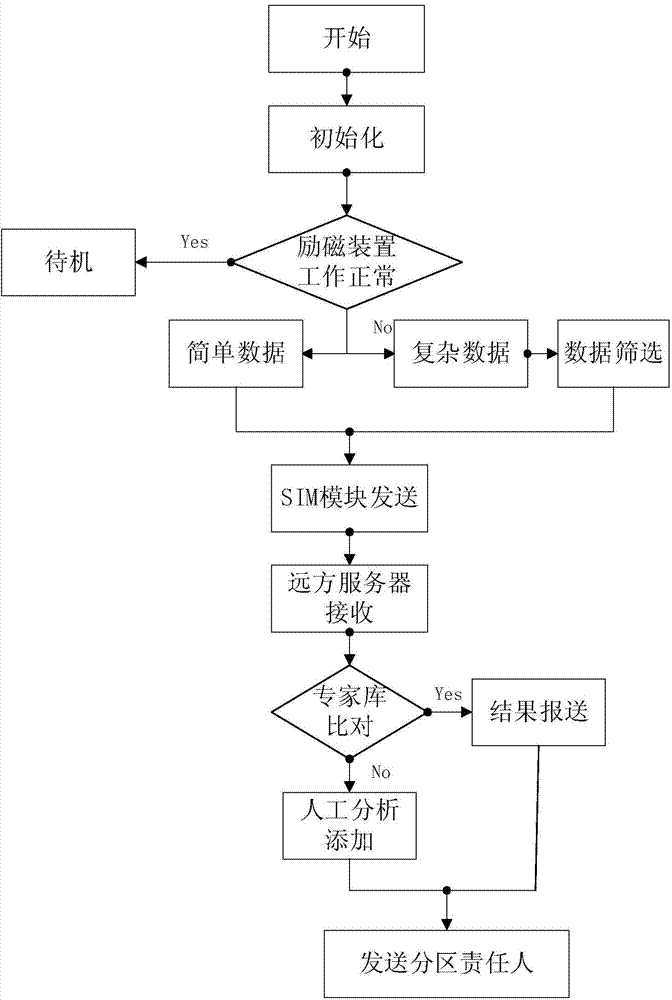
Remote fault diagnosis method of generator excitation system
PatentActiveCN104267346A
Innovation
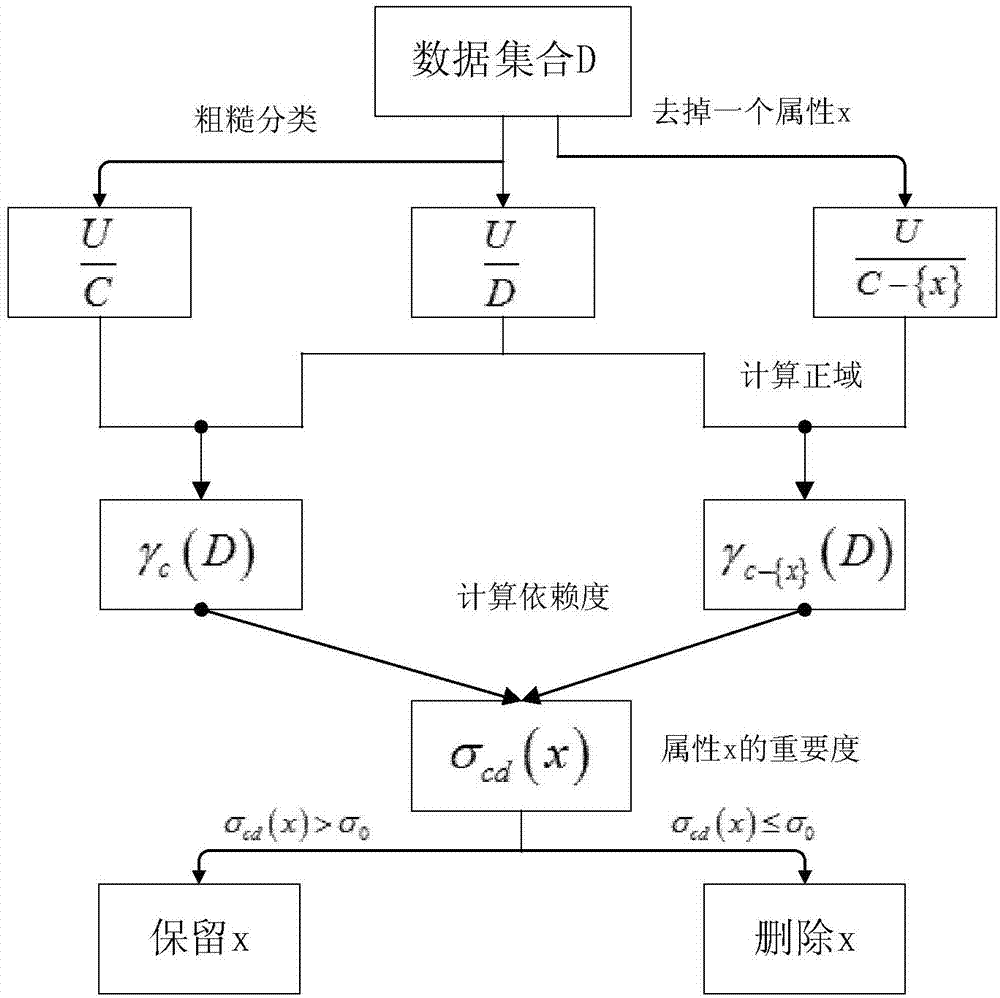
- The data screening algorithm rules are used to screen and compress abnormal data, and the SIM module is used for one-way transmission to the remote server. The expert knowledge base is used for fault location and early warning to ensure the security and accuracy of data transmission.
Cybersecurity Considerations for Remote Access Systems
Remote diagnostic systems for synchronous generators inherently introduce cybersecurity vulnerabilities that must be systematically addressed to protect critical power generation infrastructure. The convergence of operational technology and information technology networks creates multiple attack surfaces that malicious actors can exploit to disrupt operations, steal sensitive data, or cause physical damage to equipment. As remote access becomes increasingly essential for efficient maintenance and real-time monitoring, implementing robust cybersecurity measures transitions from optional enhancement to fundamental requirement.
Authentication and access control represent the first line of defense in securing remote diagnostic systems. Multi-factor authentication protocols should be mandatory for all remote connections, combining password credentials with biometric verification or hardware tokens. Role-based access control mechanisms must restrict diagnostic capabilities according to user privileges, ensuring maintenance personnel can only access functions relevant to their responsibilities. Session management protocols should enforce automatic timeouts and require re-authentication for sensitive operations, while maintaining comprehensive audit trails of all access attempts and diagnostic activities.
Network security architecture requires careful design to isolate remote diagnostic channels from both public networks and critical control systems. Virtual private networks with military-grade encryption standards should establish secure tunnels for all remote communications. Implementing network segmentation through firewalls and demilitarized zones prevents lateral movement if perimeter defenses are breached. Intrusion detection and prevention systems must continuously monitor traffic patterns for anomalous behavior, automatically blocking suspicious connections while alerting security personnel to potential threats.
Data protection throughout the diagnostic process demands encryption both in transit and at rest. Diagnostic data transmitted between generators and remote monitoring centers must utilize end-to-end encryption protocols resistant to interception and tampering. Stored diagnostic records, configuration files, and historical performance data require encryption with regularly rotated keys managed through secure key management systems. Additionally, data integrity verification mechanisms should detect unauthorized modifications to diagnostic parameters or firmware updates.
Regular security assessments and incident response planning complete the cybersecurity framework. Penetration testing should periodically evaluate system vulnerabilities, while security patches and firmware updates must be applied promptly following thorough validation. Establishing clear incident response procedures ensures rapid containment and recovery when security breaches occur, minimizing operational disruption and equipment damage risks.
Authentication and access control represent the first line of defense in securing remote diagnostic systems. Multi-factor authentication protocols should be mandatory for all remote connections, combining password credentials with biometric verification or hardware tokens. Role-based access control mechanisms must restrict diagnostic capabilities according to user privileges, ensuring maintenance personnel can only access functions relevant to their responsibilities. Session management protocols should enforce automatic timeouts and require re-authentication for sensitive operations, while maintaining comprehensive audit trails of all access attempts and diagnostic activities.
Network security architecture requires careful design to isolate remote diagnostic channels from both public networks and critical control systems. Virtual private networks with military-grade encryption standards should establish secure tunnels for all remote communications. Implementing network segmentation through firewalls and demilitarized zones prevents lateral movement if perimeter defenses are breached. Intrusion detection and prevention systems must continuously monitor traffic patterns for anomalous behavior, automatically blocking suspicious connections while alerting security personnel to potential threats.
Data protection throughout the diagnostic process demands encryption both in transit and at rest. Diagnostic data transmitted between generators and remote monitoring centers must utilize end-to-end encryption protocols resistant to interception and tampering. Stored diagnostic records, configuration files, and historical performance data require encryption with regularly rotated keys managed through secure key management systems. Additionally, data integrity verification mechanisms should detect unauthorized modifications to diagnostic parameters or firmware updates.
Regular security assessments and incident response planning complete the cybersecurity framework. Penetration testing should periodically evaluate system vulnerabilities, while security patches and firmware updates must be applied promptly following thorough validation. Establishing clear incident response procedures ensures rapid containment and recovery when security breaches occur, minimizing operational disruption and equipment damage risks.
Integration with Industrial IoT and Digital Twin Platforms
The convergence of Industrial Internet of Things (IIoT) and Digital Twin technologies represents a transformative approach to remote diagnostics of synchronous generators. IIoT platforms enable comprehensive data acquisition through distributed sensor networks that continuously monitor critical parameters such as temperature, vibration, electrical characteristics, and operational loads. These platforms facilitate seamless connectivity between physical generator assets and cloud-based analytical systems, creating a foundation for real-time monitoring and predictive maintenance strategies.
Digital Twin technology complements IIoT infrastructure by creating virtual replicas of physical synchronous generators that mirror their operational behavior in real-time. These sophisticated models integrate historical performance data, design specifications, and live sensor feeds to simulate generator responses under various operating conditions. The digital twin serves as a dynamic testing environment where diagnostic algorithms can be validated and failure scenarios can be predicted without disrupting actual operations.
Integration between IIoT platforms and Digital Twin systems enables advanced diagnostic capabilities through bidirectional data flow. Sensor data collected via IIoT networks continuously updates the digital twin model, ensuring accuracy in virtual representations. Simultaneously, the digital twin generates predictive insights and anomaly detection alerts that inform maintenance decisions. This synergy allows engineers to conduct what-if analyses, optimize operational parameters, and identify potential failures before they manifest in physical equipment.
The implementation of edge computing within this integrated framework addresses latency concerns critical for time-sensitive diagnostics. Local processing nodes filter and analyze data streams at the generator site, transmitting only relevant information to centralized platforms. This architecture reduces bandwidth requirements while enabling immediate response to critical events. Machine learning algorithms deployed across both edge devices and cloud platforms enhance diagnostic accuracy through pattern recognition and adaptive learning from operational data.
Standardized communication protocols such as OPC UA and MQTT facilitate interoperability between diverse IIoT devices and Digital Twin platforms, ensuring scalability across multi-vendor environments. Security frameworks incorporating encryption, authentication, and access control mechanisms protect sensitive operational data throughout the diagnostic workflow, addressing cybersecurity concerns inherent in connected industrial systems.
Digital Twin technology complements IIoT infrastructure by creating virtual replicas of physical synchronous generators that mirror their operational behavior in real-time. These sophisticated models integrate historical performance data, design specifications, and live sensor feeds to simulate generator responses under various operating conditions. The digital twin serves as a dynamic testing environment where diagnostic algorithms can be validated and failure scenarios can be predicted without disrupting actual operations.
Integration between IIoT platforms and Digital Twin systems enables advanced diagnostic capabilities through bidirectional data flow. Sensor data collected via IIoT networks continuously updates the digital twin model, ensuring accuracy in virtual representations. Simultaneously, the digital twin generates predictive insights and anomaly detection alerts that inform maintenance decisions. This synergy allows engineers to conduct what-if analyses, optimize operational parameters, and identify potential failures before they manifest in physical equipment.
The implementation of edge computing within this integrated framework addresses latency concerns critical for time-sensitive diagnostics. Local processing nodes filter and analyze data streams at the generator site, transmitting only relevant information to centralized platforms. This architecture reduces bandwidth requirements while enabling immediate response to critical events. Machine learning algorithms deployed across both edge devices and cloud platforms enhance diagnostic accuracy through pattern recognition and adaptive learning from operational data.
Standardized communication protocols such as OPC UA and MQTT facilitate interoperability between diverse IIoT devices and Digital Twin platforms, ensuring scalability across multi-vendor environments. Security frameworks incorporating encryption, authentication, and access control mechanisms protect sensitive operational data throughout the diagnostic workflow, addressing cybersecurity concerns inherent in connected industrial systems.
Unlock deeper insights with Patsnap Eureka Quick Research — get a full tech report to explore trends and direct your research. Try now!
Generate Your Research Report Instantly with AI Agent
Supercharge your innovation with Patsnap Eureka AI Agent Platform!


