

How to Amplify Reactor Integrity through Smart Materials
APR 28, 20269 MIN READ
Generate Your Research Report Instantly with AI Agent
PatSnap Eureka helps you evaluate technical feasibility & market potential.
Smart Materials for Nuclear Reactor Safety Enhancement Goals
The integration of smart materials into nuclear reactor systems represents a paradigm shift toward proactive safety enhancement and autonomous structural health management. The primary objective centers on developing materials that can respond intelligently to environmental changes, detect structural anomalies, and initiate corrective actions without human intervention. This approach aims to transform traditional passive safety systems into dynamic, self-monitoring infrastructures capable of real-time adaptation to operational stresses and potential failure modes.
A fundamental goal involves establishing comprehensive structural health monitoring capabilities through embedded sensor networks within reactor components. Smart materials equipped with piezoelectric, fiber optic, or magnetostrictive sensing elements can continuously monitor stress distributions, temperature variations, and material degradation patterns. These materials enable early detection of micro-cracks, corrosion initiation, and fatigue accumulation, providing critical data for predictive maintenance strategies and preventing catastrophic failures.
Self-healing functionality represents another crucial objective, where smart materials can autonomously repair minor structural damage before it propagates into major safety concerns. Shape memory alloys and self-healing polymers integrated into reactor vessel linings and piping systems can seal micro-cracks, restore structural integrity, and maintain containment effectiveness. This capability significantly extends component lifespans while reducing maintenance requirements and operational downtime.
The development of adaptive structural response systems constitutes a key technological target. Smart materials with variable stiffness properties can automatically adjust their mechanical characteristics in response to changing load conditions, seismic events, or thermal transients. This adaptive behavior helps maintain structural stability under extreme conditions and provides additional safety margins during emergency scenarios.
Enhanced radiation tolerance through smart material design addresses the unique challenges of nuclear environments. Advanced ceramic matrix composites and nanostructured materials with self-repairing capabilities can withstand prolonged neutron bombardment while maintaining their sensing and actuation functions. These materials must demonstrate long-term stability and reliability under intense radiation fields.
Integration of artificial intelligence and machine learning algorithms with smart material systems enables predictive analytics and autonomous decision-making capabilities. The ultimate goal involves creating intelligent reactor systems that can anticipate potential failures, optimize operational parameters, and implement preventive measures automatically, thereby achieving unprecedented levels of safety and reliability in nuclear power generation.
A fundamental goal involves establishing comprehensive structural health monitoring capabilities through embedded sensor networks within reactor components. Smart materials equipped with piezoelectric, fiber optic, or magnetostrictive sensing elements can continuously monitor stress distributions, temperature variations, and material degradation patterns. These materials enable early detection of micro-cracks, corrosion initiation, and fatigue accumulation, providing critical data for predictive maintenance strategies and preventing catastrophic failures.
Self-healing functionality represents another crucial objective, where smart materials can autonomously repair minor structural damage before it propagates into major safety concerns. Shape memory alloys and self-healing polymers integrated into reactor vessel linings and piping systems can seal micro-cracks, restore structural integrity, and maintain containment effectiveness. This capability significantly extends component lifespans while reducing maintenance requirements and operational downtime.
The development of adaptive structural response systems constitutes a key technological target. Smart materials with variable stiffness properties can automatically adjust their mechanical characteristics in response to changing load conditions, seismic events, or thermal transients. This adaptive behavior helps maintain structural stability under extreme conditions and provides additional safety margins during emergency scenarios.
Enhanced radiation tolerance through smart material design addresses the unique challenges of nuclear environments. Advanced ceramic matrix composites and nanostructured materials with self-repairing capabilities can withstand prolonged neutron bombardment while maintaining their sensing and actuation functions. These materials must demonstrate long-term stability and reliability under intense radiation fields.
Integration of artificial intelligence and machine learning algorithms with smart material systems enables predictive analytics and autonomous decision-making capabilities. The ultimate goal involves creating intelligent reactor systems that can anticipate potential failures, optimize operational parameters, and implement preventive measures automatically, thereby achieving unprecedented levels of safety and reliability in nuclear power generation.
Market Demand for Advanced Reactor Integrity Solutions
The global nuclear power industry is experiencing unprecedented growth driven by increasing energy demands and climate change mitigation goals. This expansion has created substantial market demand for advanced reactor integrity solutions, particularly those incorporating smart materials technology. Nuclear operators worldwide are seeking innovative approaches to enhance safety margins, extend operational lifespans, and reduce maintenance costs while maintaining the highest safety standards.
Current market drivers stem from aging nuclear infrastructure in developed nations and rapid nuclear capacity expansion in emerging economies. Existing reactor fleets, many approaching or exceeding their original design lifespans, require sophisticated integrity monitoring and enhancement solutions. Traditional inspection and maintenance approaches are proving insufficient for meeting evolving safety requirements and economic pressures.
The demand for smart materials-based reactor integrity solutions is particularly acute in critical reactor components including pressure vessels, steam generators, and containment structures. These components face extreme operating conditions including high radiation, temperature fluctuations, and mechanical stress that can compromise structural integrity over time. Market analysis indicates strong demand for materials that can provide real-time health monitoring, self-healing capabilities, and predictive maintenance insights.
Regulatory frameworks worldwide are increasingly emphasizing proactive integrity management approaches rather than reactive maintenance strategies. This regulatory shift is creating market opportunities for smart materials that can provide continuous structural health monitoring and early warning systems. Nuclear regulatory bodies are showing growing interest in technologies that can enhance safety margins while reducing inspection-related downtime.
Economic factors are driving market demand as nuclear plant operators seek to optimize operational efficiency and extend plant lifespans. Smart materials offering autonomous monitoring capabilities can significantly reduce inspection costs and maintenance intervals while providing superior safety assurance. The potential for these materials to enable condition-based maintenance strategies represents substantial economic value for plant operators.
Emerging markets present significant growth opportunities as new nuclear programs prioritize advanced safety technologies from initial construction phases. These markets are particularly receptive to integrated smart materials solutions that can provide comprehensive reactor integrity management throughout plant lifecycles. The convergence of safety enhancement and operational optimization requirements is creating a robust market foundation for advanced reactor integrity solutions incorporating smart materials technology.
Current market drivers stem from aging nuclear infrastructure in developed nations and rapid nuclear capacity expansion in emerging economies. Existing reactor fleets, many approaching or exceeding their original design lifespans, require sophisticated integrity monitoring and enhancement solutions. Traditional inspection and maintenance approaches are proving insufficient for meeting evolving safety requirements and economic pressures.
The demand for smart materials-based reactor integrity solutions is particularly acute in critical reactor components including pressure vessels, steam generators, and containment structures. These components face extreme operating conditions including high radiation, temperature fluctuations, and mechanical stress that can compromise structural integrity over time. Market analysis indicates strong demand for materials that can provide real-time health monitoring, self-healing capabilities, and predictive maintenance insights.
Regulatory frameworks worldwide are increasingly emphasizing proactive integrity management approaches rather than reactive maintenance strategies. This regulatory shift is creating market opportunities for smart materials that can provide continuous structural health monitoring and early warning systems. Nuclear regulatory bodies are showing growing interest in technologies that can enhance safety margins while reducing inspection-related downtime.
Economic factors are driving market demand as nuclear plant operators seek to optimize operational efficiency and extend plant lifespans. Smart materials offering autonomous monitoring capabilities can significantly reduce inspection costs and maintenance intervals while providing superior safety assurance. The potential for these materials to enable condition-based maintenance strategies represents substantial economic value for plant operators.
Emerging markets present significant growth opportunities as new nuclear programs prioritize advanced safety technologies from initial construction phases. These markets are particularly receptive to integrated smart materials solutions that can provide comprehensive reactor integrity management throughout plant lifecycles. The convergence of safety enhancement and operational optimization requirements is creating a robust market foundation for advanced reactor integrity solutions incorporating smart materials technology.
Current State and Challenges of Smart Materials in Reactors
Smart materials represent a transformative approach to enhancing reactor integrity, yet their implementation in nuclear environments faces significant technological and regulatory hurdles. Currently, shape memory alloys, piezoelectric ceramics, and fiber-optic sensors constitute the primary smart material technologies being evaluated for reactor applications. These materials demonstrate promising capabilities in real-time monitoring, self-healing, and adaptive response to environmental changes.
The integration of smart materials in existing reactor infrastructure presents substantial engineering challenges. Traditional reactor designs were not conceived to accommodate dynamic material properties, creating compatibility issues with established safety protocols and maintenance procedures. Material degradation under intense radiation exposure remains a critical concern, as neutron bombardment can alter the fundamental properties that make these materials "smart."
Temperature extremes within reactor environments pose another significant obstacle. Most smart materials exhibit optimal performance within specific temperature ranges, yet reactor conditions often exceed these operational limits. High-temperature superconductors and advanced ceramics show promise but require extensive testing to validate long-term stability under reactor conditions.
Regulatory frameworks lag behind technological capabilities, creating uncertainty for implementation timelines. Nuclear regulatory bodies maintain conservative approaches to material approval, requiring extensive documentation of performance under all conceivable operating scenarios. This regulatory caution, while necessary for safety, significantly extends development cycles and increases implementation costs.
Current smart material applications in reactors remain largely experimental or limited to non-critical systems. Structural health monitoring using embedded sensors represents the most mature application, providing real-time data on component stress, temperature, and potential failure modes. However, these systems typically operate in peripheral roles rather than as integral structural components.
Manufacturing scalability presents economic challenges for widespread adoption. Many smart materials require specialized production processes that are not yet optimized for large-scale reactor component fabrication. Quality control and standardization across different manufacturing facilities remain inconsistent, raising concerns about material reliability and performance predictability.
The harsh chemical environment within reactors, including exposure to coolants and potential corrosive agents, affects smart material longevity. Protective coatings and encapsulation methods are being developed but add complexity and potential failure points to smart material systems.
Despite these challenges, ongoing research demonstrates significant potential for smart materials to revolutionize reactor safety and efficiency. Advanced computational modeling and accelerated testing protocols are helping to address some current limitations, paving the way for more comprehensive integration in future reactor designs.
The integration of smart materials in existing reactor infrastructure presents substantial engineering challenges. Traditional reactor designs were not conceived to accommodate dynamic material properties, creating compatibility issues with established safety protocols and maintenance procedures. Material degradation under intense radiation exposure remains a critical concern, as neutron bombardment can alter the fundamental properties that make these materials "smart."
Temperature extremes within reactor environments pose another significant obstacle. Most smart materials exhibit optimal performance within specific temperature ranges, yet reactor conditions often exceed these operational limits. High-temperature superconductors and advanced ceramics show promise but require extensive testing to validate long-term stability under reactor conditions.
Regulatory frameworks lag behind technological capabilities, creating uncertainty for implementation timelines. Nuclear regulatory bodies maintain conservative approaches to material approval, requiring extensive documentation of performance under all conceivable operating scenarios. This regulatory caution, while necessary for safety, significantly extends development cycles and increases implementation costs.
Current smart material applications in reactors remain largely experimental or limited to non-critical systems. Structural health monitoring using embedded sensors represents the most mature application, providing real-time data on component stress, temperature, and potential failure modes. However, these systems typically operate in peripheral roles rather than as integral structural components.
Manufacturing scalability presents economic challenges for widespread adoption. Many smart materials require specialized production processes that are not yet optimized for large-scale reactor component fabrication. Quality control and standardization across different manufacturing facilities remain inconsistent, raising concerns about material reliability and performance predictability.
The harsh chemical environment within reactors, including exposure to coolants and potential corrosive agents, affects smart material longevity. Protective coatings and encapsulation methods are being developed but add complexity and potential failure points to smart material systems.
Despite these challenges, ongoing research demonstrates significant potential for smart materials to revolutionize reactor safety and efficiency. Advanced computational modeling and accelerated testing protocols are helping to address some current limitations, paving the way for more comprehensive integration in future reactor designs.
Existing Smart Material Solutions for Reactor Integrity
01 Smart material-based monitoring systems for reactor integrity
Implementation of intelligent materials that can continuously monitor reactor conditions and structural integrity through embedded sensors and responsive materials. These systems provide real-time feedback on temperature, pressure, and structural changes within reactor environments, enabling proactive maintenance and safety measures.- Smart material-based monitoring systems for reactor integrity: Implementation of intelligent materials that can continuously monitor structural health and detect potential failures in reactor systems. These materials incorporate sensing capabilities to provide real-time feedback on stress, temperature, and other critical parameters affecting reactor integrity.
- Self-healing materials for reactor component protection: Development of advanced materials with autonomous repair capabilities that can automatically respond to damage or degradation in reactor components. These materials help maintain structural integrity by filling cracks, preventing corrosion, or restoring mechanical properties without external intervention.
- Shape memory alloys for reactor safety mechanisms: Utilization of materials that can change shape or properties in response to specific environmental conditions such as temperature or pressure changes. These materials serve as passive safety devices that can automatically activate protective measures when reactor conditions exceed safe operating parameters.
- Adaptive coating systems for reactor vessel protection: Application of intelligent coating materials that can dynamically respond to environmental changes to protect reactor vessels from corrosion, radiation damage, and thermal stress. These coatings can alter their properties to provide optimal protection under varying operating conditions.
- Multi-functional composite materials for structural integrity enhancement: Integration of smart composite materials that combine multiple functionalities including structural support, damage detection, and environmental resistance. These materials provide enhanced mechanical properties while incorporating embedded sensors and responsive elements for comprehensive reactor integrity management.
02 Self-healing materials for reactor component protection
Development of advanced materials with autonomous repair capabilities that can detect and respond to micro-cracks, corrosion, or other forms of degradation in reactor components. These materials extend operational lifespan and maintain structural integrity without requiring immediate human intervention.Expand Specific Solutions03 Shape memory alloys for reactor safety mechanisms
Utilization of materials that can change shape or properties in response to specific environmental conditions such as temperature or pressure variations. These materials serve as passive safety systems that automatically activate protective measures when predetermined thresholds are exceeded.Expand Specific Solutions04 Adaptive structural materials for reactor containment
Integration of materials that can dynamically adjust their mechanical properties to accommodate changing operational conditions and maintain containment integrity. These materials provide enhanced resistance to thermal cycling, radiation exposure, and mechanical stress while adapting to varying reactor conditions.Expand Specific Solutions05 Intelligent coating systems for reactor surface protection
Application of smart coating technologies that provide enhanced protection against corrosion, erosion, and radiation damage while offering diagnostic capabilities. These coatings can indicate when maintenance is required and provide barrier protection that adapts to environmental conditions.Expand Specific Solutions
Key Players in Smart Materials and Nuclear Technology
The smart materials sector for reactor integrity enhancement is experiencing rapid growth, driven by increasing nuclear safety demands and technological convergence. The market demonstrates significant scale with major players spanning nuclear specialists, advanced materials manufacturers, and semiconductor companies. Key nuclear engineering entities like Shanghai Nuclear Engineering Research & Design Institute and China Nuclear Power Research & Design Institute lead domain-specific applications, while technology giants including Samsung Electronics, Intel Corp., and Taiwan Semiconductor Manufacturing provide critical materials innovation. The technology maturity varies considerably across segments - established players like 3M Innovative Properties, Dow Silicones Corp., and Shin-Etsu Chemical offer proven material solutions, whereas emerging companies like Caladan Bio represent next-generation biotechnology approaches. The competitive landscape reflects a maturing industry with both specialized nuclear expertise and cross-sector materials science convergence driving innovation in reactor safety applications.
Shanghai Nuclear Engineering Research & Design Institute
Technical Solution: Develops advanced smart material systems for nuclear reactor integrity monitoring, including shape memory alloys and fiber optic sensors integrated into reactor vessel structures. Their approach utilizes self-healing concrete materials embedded with microcapsules containing healing agents that activate under stress conditions. The institute has pioneered the use of piezoelectric materials for real-time structural health monitoring, enabling continuous assessment of reactor component integrity through vibration analysis and crack detection systems.
Strengths: Deep nuclear engineering expertise and regulatory compliance knowledge. Weaknesses: Limited commercial scalability and slower technology transfer processes.
China Nuclear Power Research & Design Institute
Technical Solution: Focuses on smart material applications for reactor pressure vessel monitoring using distributed fiber optic sensing networks and temperature-responsive polymer coatings. Their technology incorporates thermochromic materials that provide visual indicators of temperature anomalies in critical reactor components. The institute has developed advanced ceramic matrix composites with embedded sensors for fuel assembly monitoring, enabling real-time detection of structural changes and potential failure modes in high-radiation environments.
Strengths: Comprehensive nuclear safety protocols and extensive testing capabilities. Weaknesses: Technology primarily focused on domestic applications with limited international collaboration.
Core Innovations in Self-Healing and Adaptive Materials
Switchable materials, methods and uses thereof
PatentActiveUS20160244548A1
Innovation
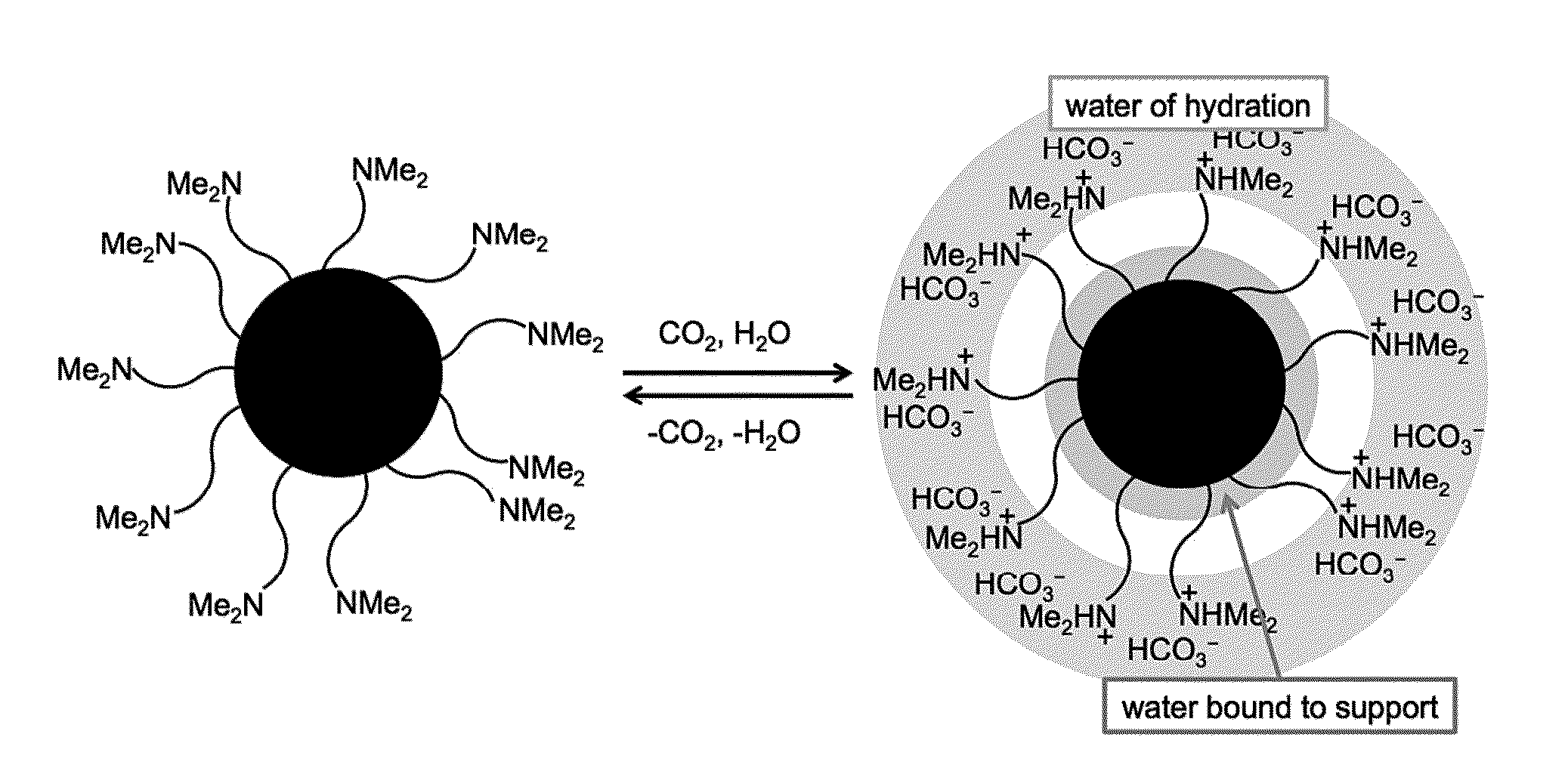
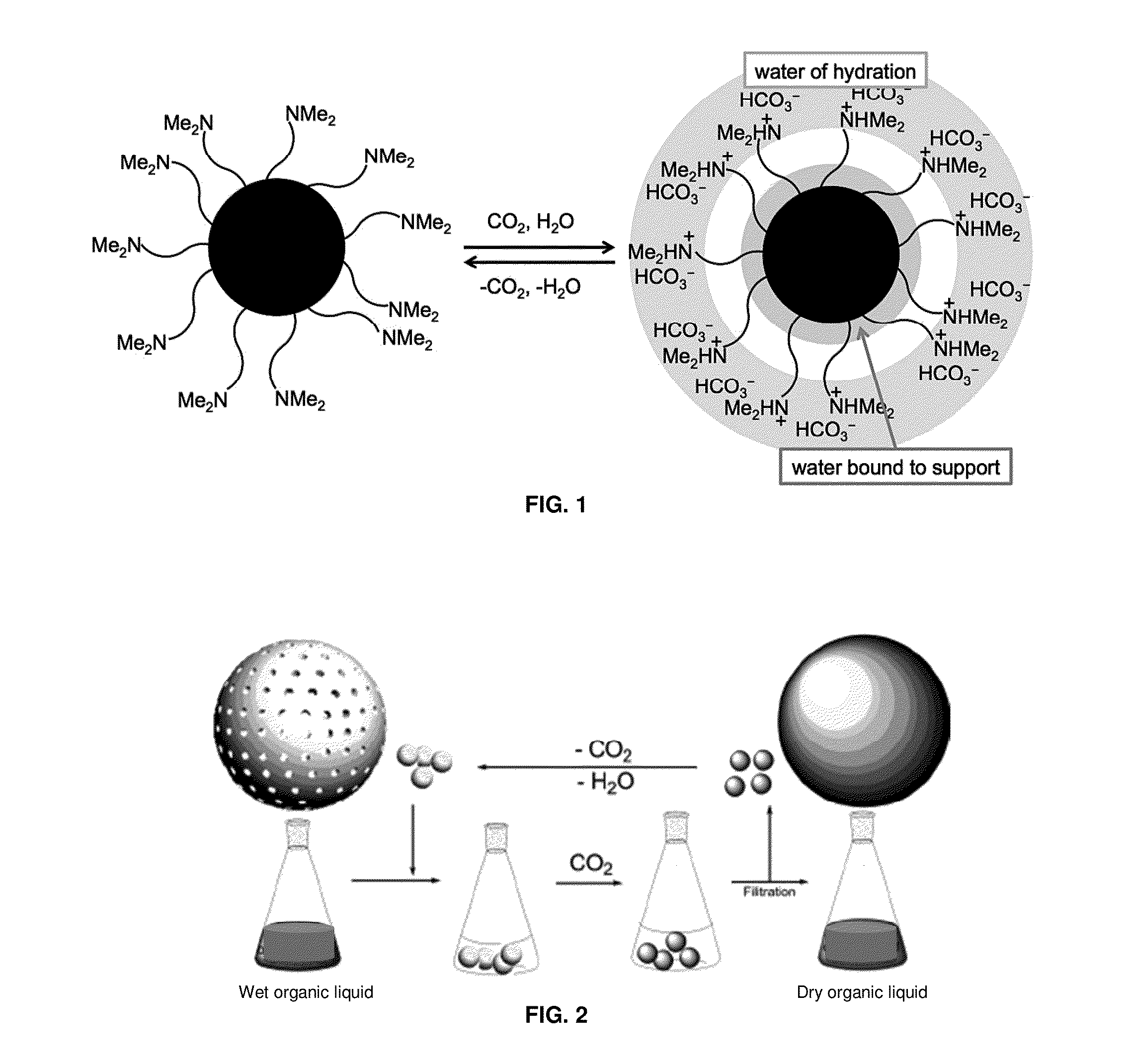
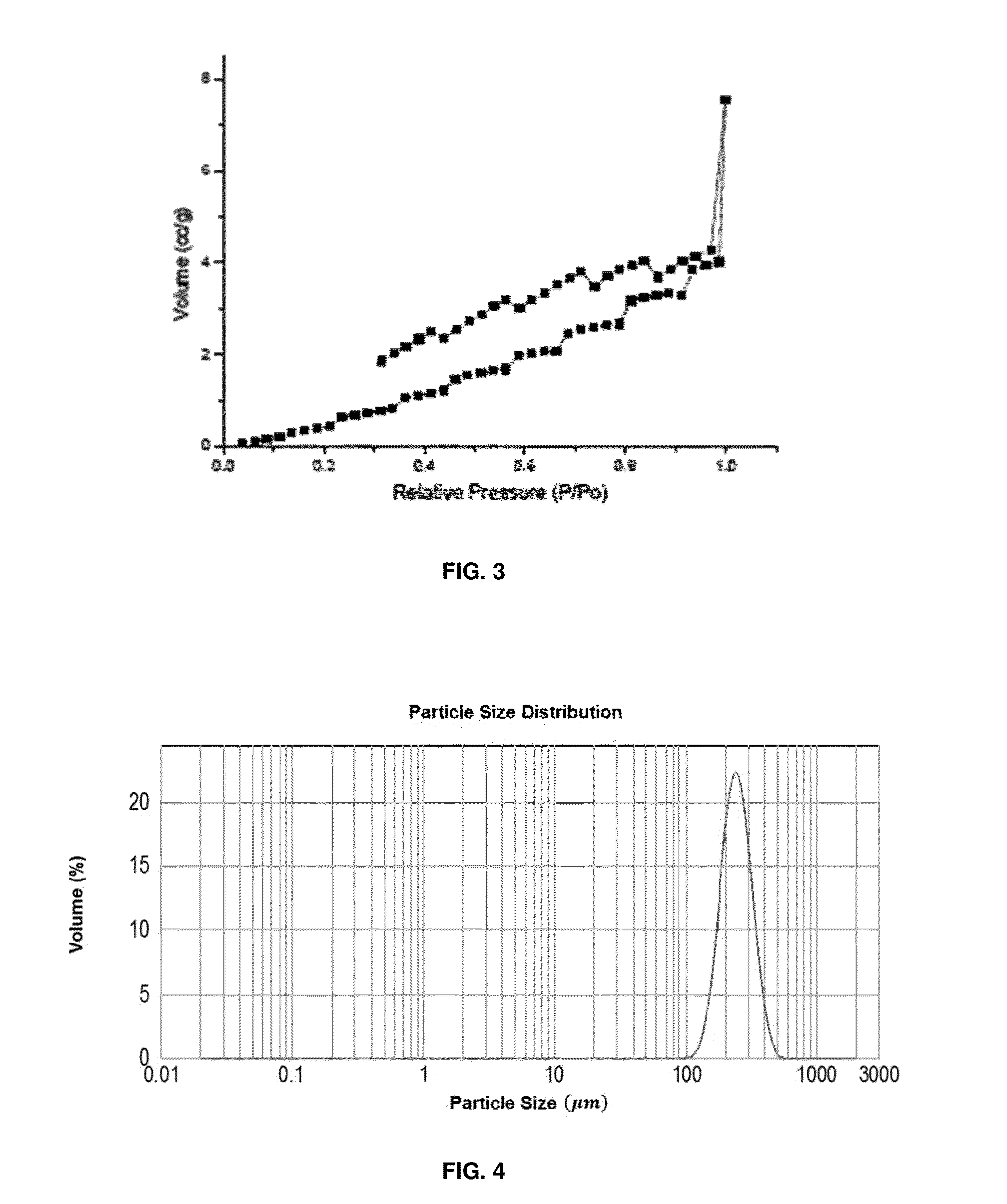
- Development of a composite material that is reversibly switchable between hydrophobic and hydrophilic states using CO2 as a stimulus, allowing it to act as a desiccant or non-desiccant, with the ability to capture and release water, and can be easily regenerated by heat or inert gases.

Multi mode production complex for nano-particles of metal
PatentInactiveEP2425915A3
Innovation
- A production complex comprising a cluster of functional sub-units, including a reactor with controlled ambient temperature, magnetic field detection, and infrared monitoring, capable of producing metal nano-particles with high purity and versatility, utilizing organometallic compounds and various energy sources to control reaction conditions, and incorporating multiple feeders and cleaning systems for precise control of particle size and morphology.


Nuclear Safety Regulations and Smart Material Standards
The integration of smart materials into nuclear reactor systems operates within a complex regulatory framework that demands rigorous compliance with established nuclear safety standards. Current nuclear safety regulations, primarily governed by organizations such as the Nuclear Regulatory Commission (NRC) in the United States, the International Atomic Energy Agency (IAEA) globally, and equivalent national bodies, establish fundamental requirements for reactor integrity monitoring and structural health management. These regulations mandate continuous surveillance of critical reactor components, real-time detection of structural anomalies, and immediate response protocols for integrity threats.
Smart material standards for nuclear applications represent an emerging regulatory landscape that bridges traditional nuclear safety requirements with advanced material science innovations. The IEEE 1451 series provides foundational standards for smart transducer interfaces, while ASTM International has developed specific guidelines for shape memory alloys and piezoelectric materials in high-radiation environments. These standards address critical parameters including radiation tolerance, thermal stability, electromagnetic compatibility, and long-term reliability under extreme operational conditions.
Regulatory compliance for smart materials in reactor integrity applications requires adherence to qualification processes outlined in ASME Section III for nuclear components and IEEE 323 for electrical equipment in nuclear power plants. Smart materials must demonstrate performance consistency across temperature ranges from ambient to 350°C, radiation exposure levels up to 10^8 Gy, and mechanical stress cycles exceeding 10^6 iterations. Material certification processes demand extensive testing protocols including accelerated aging studies, radiation exposure testing, and seismic qualification procedures.
The regulatory framework also encompasses cybersecurity standards for smart material sensor networks, following guidelines established in NIST Cybersecurity Framework and NRC Regulatory Guide 5.71. Data integrity, secure communication protocols, and fail-safe operational modes represent critical compliance requirements for smart material systems integrated into reactor safety systems.
Emerging international standards, including ISO 14040 series for lifecycle assessment and IEC 61513 for instrumentation and control systems, provide additional regulatory guidance for smart material implementation. These standards emphasize environmental impact assessment, sustainable material selection, and comprehensive risk analysis methodologies essential for regulatory approval of innovative reactor integrity enhancement technologies.
Smart material standards for nuclear applications represent an emerging regulatory landscape that bridges traditional nuclear safety requirements with advanced material science innovations. The IEEE 1451 series provides foundational standards for smart transducer interfaces, while ASTM International has developed specific guidelines for shape memory alloys and piezoelectric materials in high-radiation environments. These standards address critical parameters including radiation tolerance, thermal stability, electromagnetic compatibility, and long-term reliability under extreme operational conditions.
Regulatory compliance for smart materials in reactor integrity applications requires adherence to qualification processes outlined in ASME Section III for nuclear components and IEEE 323 for electrical equipment in nuclear power plants. Smart materials must demonstrate performance consistency across temperature ranges from ambient to 350°C, radiation exposure levels up to 10^8 Gy, and mechanical stress cycles exceeding 10^6 iterations. Material certification processes demand extensive testing protocols including accelerated aging studies, radiation exposure testing, and seismic qualification procedures.
The regulatory framework also encompasses cybersecurity standards for smart material sensor networks, following guidelines established in NIST Cybersecurity Framework and NRC Regulatory Guide 5.71. Data integrity, secure communication protocols, and fail-safe operational modes represent critical compliance requirements for smart material systems integrated into reactor safety systems.
Emerging international standards, including ISO 14040 series for lifecycle assessment and IEC 61513 for instrumentation and control systems, provide additional regulatory guidance for smart material implementation. These standards emphasize environmental impact assessment, sustainable material selection, and comprehensive risk analysis methodologies essential for regulatory approval of innovative reactor integrity enhancement technologies.
Risk Assessment Framework for Smart Material Integration
The integration of smart materials into nuclear reactor systems necessitates a comprehensive risk assessment framework that addresses both traditional safety concerns and novel failure modes unique to these advanced materials. This framework must evaluate the probabilistic behavior of smart materials under extreme operational conditions, including high radiation fields, thermal cycling, and chemical exposure that characterize reactor environments.
A multi-layered risk assessment approach should incorporate material degradation modeling that accounts for the time-dependent properties of smart materials. Shape memory alloys, for instance, may experience fatigue-induced functional degradation over extended operational periods, potentially compromising their ability to respond appropriately to thermal transients. The framework must establish quantitative metrics for measuring the reliability of smart material responses across their operational lifetime.
Failure mode and effects analysis specific to smart materials requires consideration of both passive and active failure states. Unlike conventional materials that typically fail through predictable mechanisms such as fatigue or corrosion, smart materials may exhibit partial functionality loss, delayed response times, or incorrect actuation under degraded conditions. These intermediate failure states present unique challenges for safety system design and require sophisticated monitoring protocols.
The risk assessment framework should incorporate real-time monitoring capabilities that can detect early indicators of smart material degradation or malfunction. Advanced sensor networks must be capable of distinguishing between normal operational variations and potential failure precursors, enabling predictive maintenance strategies that prevent catastrophic failures.
Regulatory compliance considerations form a critical component of the risk assessment framework, as current nuclear safety standards may not adequately address the unique characteristics of smart materials. The framework must demonstrate that smart material integration maintains or enhances overall reactor safety margins while providing clear pathways for regulatory approval and ongoing oversight of these innovative technologies.
A multi-layered risk assessment approach should incorporate material degradation modeling that accounts for the time-dependent properties of smart materials. Shape memory alloys, for instance, may experience fatigue-induced functional degradation over extended operational periods, potentially compromising their ability to respond appropriately to thermal transients. The framework must establish quantitative metrics for measuring the reliability of smart material responses across their operational lifetime.
Failure mode and effects analysis specific to smart materials requires consideration of both passive and active failure states. Unlike conventional materials that typically fail through predictable mechanisms such as fatigue or corrosion, smart materials may exhibit partial functionality loss, delayed response times, or incorrect actuation under degraded conditions. These intermediate failure states present unique challenges for safety system design and require sophisticated monitoring protocols.
The risk assessment framework should incorporate real-time monitoring capabilities that can detect early indicators of smart material degradation or malfunction. Advanced sensor networks must be capable of distinguishing between normal operational variations and potential failure precursors, enabling predictive maintenance strategies that prevent catastrophic failures.
Regulatory compliance considerations form a critical component of the risk assessment framework, as current nuclear safety standards may not adequately address the unique characteristics of smart materials. The framework must demonstrate that smart material integration maintains or enhances overall reactor safety margins while providing clear pathways for regulatory approval and ongoing oversight of these innovative technologies.
Unlock deeper insights with PatSnap Eureka Quick Research — get a full tech report to explore trends and direct your research. Try now!
Generate Your Research Report Instantly with AI Agent
Supercharge your innovation with PatSnap Eureka AI Agent Platform!