

How to Synchronize Pressurized Water Reactors with Smart Grids
APR 28, 20269 MIN READ
Generate Your Research Report Instantly with AI Agent
PatSnap Eureka helps you evaluate technical feasibility & market potential.
PWR Smart Grid Integration Background and Objectives
The integration of Pressurized Water Reactors (PWRs) with smart grids represents a critical evolution in nuclear power generation, driven by the increasing complexity of modern electrical systems and the growing demand for flexible, responsive energy infrastructure. This technological convergence addresses the fundamental challenge of harmonizing nuclear power's traditionally baseload characteristics with the dynamic, real-time requirements of intelligent grid networks.
Historically, nuclear power plants operated as isolated baseload generators, providing constant power output with minimal grid interaction. However, the proliferation of renewable energy sources, distributed generation systems, and advanced grid management technologies has fundamentally altered the operational landscape. Modern smart grids require unprecedented levels of coordination, real-time communication, and adaptive response capabilities from all connected generation assets, including nuclear facilities.
The technological evolution toward PWR-smart grid integration has been accelerated by several key developments. Advanced digital instrumentation and control systems have replaced analog counterparts in nuclear facilities, enabling more sophisticated monitoring and control capabilities. Simultaneously, smart grid infrastructure has matured to support bidirectional communication protocols, predictive analytics, and automated demand response mechanisms. These parallel advancements have created the technical foundation necessary for meaningful integration.
The primary objective of PWR-smart grid synchronization is to transform nuclear power plants from passive baseload generators into active, responsive grid participants. This transformation encompasses multiple dimensions, including real-time load following capabilities, enhanced grid stability support, and seamless integration with renewable energy sources. The technology aims to optimize overall grid efficiency while maintaining the stringent safety and reliability standards inherent to nuclear operations.
Key technical goals include developing robust communication interfaces between PWR control systems and smart grid management platforms, implementing advanced load-following algorithms that respect nuclear safety constraints, and establishing predictive maintenance protocols that leverage smart grid data analytics. Additionally, the integration seeks to enhance grid resilience through improved coordination during emergency scenarios and system disturbances.
The strategic importance of this technological development extends beyond operational efficiency improvements. As global energy systems transition toward decarbonization, nuclear power's role as a clean, reliable baseload source becomes increasingly valuable when coupled with smart grid flexibility. This integration represents a pathway for nuclear energy to remain competitive and relevant in future energy markets characterized by high renewable penetration and dynamic demand patterns.
Historically, nuclear power plants operated as isolated baseload generators, providing constant power output with minimal grid interaction. However, the proliferation of renewable energy sources, distributed generation systems, and advanced grid management technologies has fundamentally altered the operational landscape. Modern smart grids require unprecedented levels of coordination, real-time communication, and adaptive response capabilities from all connected generation assets, including nuclear facilities.
The technological evolution toward PWR-smart grid integration has been accelerated by several key developments. Advanced digital instrumentation and control systems have replaced analog counterparts in nuclear facilities, enabling more sophisticated monitoring and control capabilities. Simultaneously, smart grid infrastructure has matured to support bidirectional communication protocols, predictive analytics, and automated demand response mechanisms. These parallel advancements have created the technical foundation necessary for meaningful integration.
The primary objective of PWR-smart grid synchronization is to transform nuclear power plants from passive baseload generators into active, responsive grid participants. This transformation encompasses multiple dimensions, including real-time load following capabilities, enhanced grid stability support, and seamless integration with renewable energy sources. The technology aims to optimize overall grid efficiency while maintaining the stringent safety and reliability standards inherent to nuclear operations.
Key technical goals include developing robust communication interfaces between PWR control systems and smart grid management platforms, implementing advanced load-following algorithms that respect nuclear safety constraints, and establishing predictive maintenance protocols that leverage smart grid data analytics. Additionally, the integration seeks to enhance grid resilience through improved coordination during emergency scenarios and system disturbances.
The strategic importance of this technological development extends beyond operational efficiency improvements. As global energy systems transition toward decarbonization, nuclear power's role as a clean, reliable baseload source becomes increasingly valuable when coupled with smart grid flexibility. This integration represents a pathway for nuclear energy to remain competitive and relevant in future energy markets characterized by high renewable penetration and dynamic demand patterns.
Market Demand for Nuclear-Grid Synchronization Solutions
The global energy transition toward renewable sources has created unprecedented challenges for grid stability and reliability, driving substantial market demand for advanced nuclear-grid synchronization solutions. Traditional grid management systems struggle to accommodate the intermittent nature of renewable energy sources while maintaining the consistent baseload power that pressurized water reactors provide. This fundamental mismatch has created a critical market opportunity for technologies that can seamlessly integrate nuclear power plants with modern smart grid infrastructure.
Utility companies worldwide are increasingly recognizing the need for sophisticated load-following capabilities in their nuclear facilities. The ability to adjust reactor output in real-time to match grid demand fluctuations has become essential for maintaining grid stability while maximizing the economic value of nuclear assets. This demand is particularly pronounced in regions with high renewable energy penetration, where nuclear plants must complement rather than compete with variable renewable sources.
The market demand extends beyond traditional utility operators to include grid management companies, energy trading firms, and regulatory bodies seeking enhanced grid control capabilities. Independent system operators require advanced forecasting and control systems that can predict and respond to rapid changes in energy supply and demand. These organizations are actively seeking solutions that can provide millisecond-level response times while maintaining the safety and operational integrity of nuclear facilities.
Emerging markets in developing countries present significant growth opportunities for nuclear-grid synchronization technologies. Nations investing in both nuclear power and smart grid infrastructure simultaneously create ideal conditions for integrated solutions from the outset. These markets often lack legacy system constraints, enabling more innovative approaches to nuclear-grid integration.
The increasing frequency of extreme weather events and cybersecurity threats has amplified demand for resilient grid management solutions. Nuclear-grid synchronization systems that incorporate advanced cybersecurity features and climate resilience capabilities command premium market positioning. Utilities are willing to invest substantially in technologies that can maintain grid stability during crisis situations while protecting critical infrastructure from both physical and digital threats.
Financial markets are also driving demand through carbon pricing mechanisms and clean energy incentives. Nuclear-grid synchronization solutions that optimize carbon-free energy dispatch and maximize renewable energy utilization align with evolving regulatory frameworks and environmental mandates, creating additional market value propositions for technology providers.
Utility companies worldwide are increasingly recognizing the need for sophisticated load-following capabilities in their nuclear facilities. The ability to adjust reactor output in real-time to match grid demand fluctuations has become essential for maintaining grid stability while maximizing the economic value of nuclear assets. This demand is particularly pronounced in regions with high renewable energy penetration, where nuclear plants must complement rather than compete with variable renewable sources.
The market demand extends beyond traditional utility operators to include grid management companies, energy trading firms, and regulatory bodies seeking enhanced grid control capabilities. Independent system operators require advanced forecasting and control systems that can predict and respond to rapid changes in energy supply and demand. These organizations are actively seeking solutions that can provide millisecond-level response times while maintaining the safety and operational integrity of nuclear facilities.
Emerging markets in developing countries present significant growth opportunities for nuclear-grid synchronization technologies. Nations investing in both nuclear power and smart grid infrastructure simultaneously create ideal conditions for integrated solutions from the outset. These markets often lack legacy system constraints, enabling more innovative approaches to nuclear-grid integration.
The increasing frequency of extreme weather events and cybersecurity threats has amplified demand for resilient grid management solutions. Nuclear-grid synchronization systems that incorporate advanced cybersecurity features and climate resilience capabilities command premium market positioning. Utilities are willing to invest substantially in technologies that can maintain grid stability during crisis situations while protecting critical infrastructure from both physical and digital threats.
Financial markets are also driving demand through carbon pricing mechanisms and clean energy incentives. Nuclear-grid synchronization solutions that optimize carbon-free energy dispatch and maximize renewable energy utilization align with evolving regulatory frameworks and environmental mandates, creating additional market value propositions for technology providers.
Current PWR Grid Integration Challenges and Limitations
Pressurized Water Reactors face significant operational constraints when integrating with modern smart grid systems, primarily due to their inherent design characteristics that prioritize steady-state operation. Traditional PWRs are engineered for baseload power generation, operating most efficiently at constant output levels between 90-100% capacity. This operational philosophy conflicts fundamentally with smart grid requirements for dynamic load following and rapid response capabilities.
The thermal inertia of PWR systems presents a major technical barrier to grid synchronization. Large reactor pressure vessels and steam generators require substantial time to adjust thermal output, typically taking 30-60 minutes to achieve significant power level changes. This response time is incompatible with smart grid demands for minute-by-minute or even second-by-second power adjustments needed to balance renewable energy fluctuations and demand variations.
Control rod positioning systems in current PWR designs limit flexible power modulation capabilities. Frequent control rod movements for load following operations can lead to xenon poisoning effects, creating additional operational complexities and potentially reducing fuel efficiency. The xenon-135 buildup during power reductions can prevent rapid power increases for several hours, creating grid reliability concerns during peak demand periods.
Steam turbine systems in PWR plants encounter mechanical stress limitations during frequent cycling operations. Repeated thermal expansion and contraction cycles can accelerate component fatigue, particularly in high-pressure turbine sections. These mechanical constraints force operators to maintain relatively stable power outputs, limiting participation in grid frequency regulation and ancillary services markets.
Economic factors compound technical limitations, as PWR plants face substantial financial penalties for reduced capacity factors. The high capital costs of nuclear facilities necessitate maximum utilization rates to achieve acceptable returns on investment. Load following operations inherently reduce overall power generation, creating economic disincentives for flexible operation even when technically feasible.
Regulatory frameworks governing PWR operations often lack provisions for dynamic grid integration scenarios. Existing safety protocols and operational procedures are primarily designed around steady-state conditions, requiring extensive modifications to accommodate variable power output profiles demanded by smart grid integration.
The thermal inertia of PWR systems presents a major technical barrier to grid synchronization. Large reactor pressure vessels and steam generators require substantial time to adjust thermal output, typically taking 30-60 minutes to achieve significant power level changes. This response time is incompatible with smart grid demands for minute-by-minute or even second-by-second power adjustments needed to balance renewable energy fluctuations and demand variations.
Control rod positioning systems in current PWR designs limit flexible power modulation capabilities. Frequent control rod movements for load following operations can lead to xenon poisoning effects, creating additional operational complexities and potentially reducing fuel efficiency. The xenon-135 buildup during power reductions can prevent rapid power increases for several hours, creating grid reliability concerns during peak demand periods.
Steam turbine systems in PWR plants encounter mechanical stress limitations during frequent cycling operations. Repeated thermal expansion and contraction cycles can accelerate component fatigue, particularly in high-pressure turbine sections. These mechanical constraints force operators to maintain relatively stable power outputs, limiting participation in grid frequency regulation and ancillary services markets.
Economic factors compound technical limitations, as PWR plants face substantial financial penalties for reduced capacity factors. The high capital costs of nuclear facilities necessitate maximum utilization rates to achieve acceptable returns on investment. Load following operations inherently reduce overall power generation, creating economic disincentives for flexible operation even when technically feasible.
Regulatory frameworks governing PWR operations often lack provisions for dynamic grid integration scenarios. Existing safety protocols and operational procedures are primarily designed around steady-state conditions, requiring extensive modifications to accommodate variable power output profiles demanded by smart grid integration.
Existing PWR Smart Grid Synchronization Solutions
01 Control rod drive mechanisms for reactor synchronization
Control rod drive mechanisms are essential components for achieving synchronization in pressurized water reactors. These systems provide precise positioning and movement control of control rods, enabling coordinated reactor operation. The mechanisms incorporate various drive technologies including magnetic, hydraulic, and mechanical systems to ensure accurate and reliable control rod positioning for maintaining reactor criticality and power distribution.- Control rod drive mechanisms for reactor synchronization: Control rod drive mechanisms are essential components for achieving synchronization in pressurized water reactors. These systems provide precise positioning and movement control of control rods, enabling coordinated reactor operation. The mechanisms incorporate various drive technologies including magnetic, hydraulic, and mechanical systems to ensure accurate and reliable control rod positioning for maintaining reactor criticality and power distribution.
- Nuclear reactor control systems and instrumentation: Advanced control systems and instrumentation are crucial for pressurized water reactor synchronization. These systems monitor reactor parameters, process control signals, and coordinate various reactor subsystems to maintain synchronized operation. The control systems integrate sensors, processors, and actuators to provide real-time monitoring and automatic adjustment capabilities for optimal reactor performance and safety.
- Reactor core monitoring and neutron flux control: Neutron flux monitoring and control systems enable precise synchronization of nuclear reactions within the reactor core. These systems measure neutron flux distribution, detect power variations, and provide feedback for maintaining uniform power generation across the core. The monitoring systems utilize various detector technologies and signal processing methods to ensure accurate measurement and control of nuclear chain reactions.
- Steam generator and primary loop synchronization: Steam generator systems and primary coolant loop components require precise synchronization for efficient heat transfer and power generation. These systems coordinate water circulation, steam production, and heat exchange processes to maintain optimal thermal efficiency. The synchronization involves controlling flow rates, temperatures, and pressures across multiple loops and heat exchangers to ensure balanced operation.
- Safety systems integration and emergency response coordination: Safety systems integration ensures coordinated emergency response and protective actions during reactor operation. These systems synchronize various safety mechanisms including emergency cooling, containment systems, and shutdown procedures. The integration provides automatic activation of safety measures, coordinates multiple protection systems, and ensures proper sequencing of emergency responses to maintain reactor safety under all operating conditions.
02 Nuclear reactor control systems and instrumentation
Advanced control systems and instrumentation are crucial for pressurized water reactor synchronization. These systems monitor reactor parameters, process control signals, and coordinate various reactor subsystems to maintain synchronized operation. The control systems integrate sensors, processors, and actuators to provide real-time monitoring and automatic adjustment capabilities for optimal reactor performance and safety.Expand Specific Solutions03 Reactor core monitoring and neutron flux control
Neutron flux monitoring and control systems enable precise synchronization of nuclear reactions within the reactor core. These systems measure neutron flux distribution, detect power variations, and provide feedback for maintaining uniform power generation across the core. The monitoring systems utilize various detector technologies and signal processing methods to ensure accurate measurement and control of nuclear chain reactions.Expand Specific Solutions04 Steam generator and primary loop synchronization
Steam generator systems and primary coolant loop components require precise synchronization for efficient heat transfer and power generation. These systems coordinate water circulation, steam production, and heat exchange processes to maintain optimal thermal efficiency. The synchronization involves controlling flow rates, temperatures, and pressures across multiple loops and heat exchangers to ensure balanced operation.Expand Specific Solutions05 Safety systems integration and emergency response coordination
Integrated safety systems provide coordinated emergency response and protection functions for pressurized water reactors. These systems synchronize various safety mechanisms including emergency core cooling, containment systems, and shutdown procedures. The integration ensures that all safety systems operate in harmony during normal and emergency conditions, providing multiple layers of protection and automatic response capabilities.Expand Specific Solutions
Key Players in Nuclear Smart Grid Integration Industry
The synchronization of pressurized water reactors with smart grids represents an emerging technological frontier in the mature nuclear power industry, currently valued at approximately $300 billion globally. The industry is transitioning from traditional centralized power generation to intelligent, adaptive grid integration. Technology maturity varies significantly among key players: established nuclear operators like CGN Power, China General Nuclear Power Corp., and China Yangtze Power possess extensive reactor operation expertise but are developing smart grid integration capabilities. Grid technology leaders including State Grid Corp. of China, NARI Technology, and Mitsubishi Electric Corp. offer advanced automation and smart grid solutions but require nuclear-specific adaptations. Research institutions such as Shanghai Nuclear Engineering Research & Design Institute and State Grid Electric Power Research Institute are pioneering integration technologies, while companies like Xi'an Thermal Power Research Institute bridge thermal and nuclear applications, creating a competitive landscape where collaboration between nuclear and grid technology specialists is essential for advancement.
NARI Technology Co., Ltd.
Technical Solution: NARI Technology has developed comprehensive power system automation solutions that enable effective synchronization between nuclear power plants and smart grid networks. Their technical approach utilizes advanced SCADA systems integrated with intelligent power management platforms specifically designed for nuclear facility grid integration. The solution incorporates real-time power flow optimization algorithms that coordinate reactor output scheduling with grid demand forecasting. Their technology features sophisticated protection and control systems that ensure safe reactor operation during grid synchronization events. The platform includes automated load dispatch systems with predictive capabilities that optimize reactor power output while maintaining grid stability and frequency regulation requirements throughout the network.
Strengths: Strong power system automation expertise and proven grid integration solutions. Weaknesses: Limited specialized experience with nuclear reactor control systems compared to dedicated nuclear technology companies.
Mitsubishi Electric Corp.
Technical Solution: Mitsubishi Electric has developed advanced power electronics and control systems for nuclear power plant grid synchronization applications. Their solution incorporates sophisticated turbine-generator control systems with fast-response capabilities designed specifically for pressurized water reactor applications. The technology utilizes advanced power conversion systems and intelligent grid interface equipment that enables seamless integration with smart grid infrastructure. Their approach includes predictive maintenance systems and real-time monitoring capabilities that optimize reactor-grid synchronization performance. The solution features automated power quality management systems and grid stability enhancement technologies that ensure reliable operation during various grid conditions and load following scenarios.
Strengths: Advanced power electronics expertise and proven industrial automation solutions. Weaknesses: Limited direct experience with nuclear power plant operations compared to specialized nuclear technology providers.
Core Technologies for Real-time Nuclear Grid Coordination
Smart gridable nuclear desalination plant
PatentInactiveKR1020110094632A
Innovation
- A nuclear desalination plant is designed to variably allocate steam or power production to produce desalinated water, using a variable valve to control steam intake and a high-pressure pump speed in real-time, integrating with an intelligent power grid for demand response and real-time market participation.


Combined method for controlling water level and pressure of voltage stabilizer for nuclear power plant of pressurized water reactor
PatentInactiveCN102543232A
Innovation
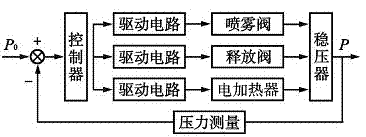
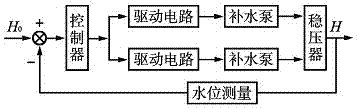
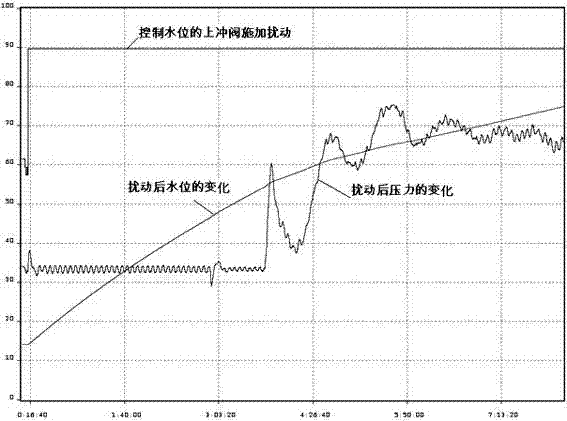
- By testing the characteristics of the voltage regulator control system on the pressurized water reactor nuclear power plant simulation test platform, fitting the transfer functions of the water level and pressure response curves, designing a decoupling network to achieve complete decoupling of water level and pressure, and combining traditional PID control with fuzzy Intelligent control forms a composite control scheme.

Nuclear Safety Regulations for Smart Grid Integration
The integration of pressurized water reactors with smart grids necessitates a comprehensive regulatory framework that addresses the unique safety challenges arising from this technological convergence. Current nuclear safety regulations, primarily designed for traditional grid connections, require substantial modifications to accommodate the dynamic and bidirectional nature of smart grid operations.
Existing regulatory frameworks such as those established by the Nuclear Regulatory Commission and International Atomic Energy Agency provide foundational safety principles but lack specific provisions for smart grid integration scenarios. These regulations must evolve to address real-time communication protocols, cybersecurity vulnerabilities, and automated control systems that characterize modern smart grid infrastructure.
The regulatory landscape must encompass stringent cybersecurity standards to protect against potential digital threats that could compromise reactor safety systems. This includes establishing mandatory encryption protocols, network segmentation requirements, and continuous monitoring systems for all communication channels between nuclear facilities and grid operators. Regular penetration testing and vulnerability assessments should become standard regulatory requirements.
Safety regulations must also define clear operational boundaries for automated grid synchronization processes. This includes establishing maximum allowable response times for reactor power adjustments, minimum human oversight requirements for critical decisions, and fail-safe mechanisms that prioritize reactor safety over grid stability demands. Emergency shutdown procedures must be updated to account for smart grid dependencies and potential cascading failures.
Regulatory compliance frameworks should mandate comprehensive risk assessment methodologies that evaluate both nuclear safety and grid stability implications simultaneously. These assessments must consider scenarios involving communication failures, cyberattacks, and equipment malfunctions that could affect the reactor-grid interface.
Furthermore, regulations must establish clear liability frameworks and incident reporting requirements specific to smart grid integration events. This includes defining responsibilities between nuclear operators and grid management entities, establishing communication protocols during emergency situations, and creating standardized documentation requirements for all automated transactions between reactor control systems and smart grid infrastructure.
Existing regulatory frameworks such as those established by the Nuclear Regulatory Commission and International Atomic Energy Agency provide foundational safety principles but lack specific provisions for smart grid integration scenarios. These regulations must evolve to address real-time communication protocols, cybersecurity vulnerabilities, and automated control systems that characterize modern smart grid infrastructure.
The regulatory landscape must encompass stringent cybersecurity standards to protect against potential digital threats that could compromise reactor safety systems. This includes establishing mandatory encryption protocols, network segmentation requirements, and continuous monitoring systems for all communication channels between nuclear facilities and grid operators. Regular penetration testing and vulnerability assessments should become standard regulatory requirements.
Safety regulations must also define clear operational boundaries for automated grid synchronization processes. This includes establishing maximum allowable response times for reactor power adjustments, minimum human oversight requirements for critical decisions, and fail-safe mechanisms that prioritize reactor safety over grid stability demands. Emergency shutdown procedures must be updated to account for smart grid dependencies and potential cascading failures.
Regulatory compliance frameworks should mandate comprehensive risk assessment methodologies that evaluate both nuclear safety and grid stability implications simultaneously. These assessments must consider scenarios involving communication failures, cyberattacks, and equipment malfunctions that could affect the reactor-grid interface.
Furthermore, regulations must establish clear liability frameworks and incident reporting requirements specific to smart grid integration events. This includes defining responsibilities between nuclear operators and grid management entities, establishing communication protocols during emergency situations, and creating standardized documentation requirements for all automated transactions between reactor control systems and smart grid infrastructure.
Cybersecurity Framework for Nuclear Grid Communications
The integration of pressurized water reactors with smart grid systems necessitates a robust cybersecurity framework specifically designed for nuclear grid communications. This framework must address the unique security challenges that arise when critical nuclear infrastructure interfaces with digitally-enabled power distribution networks.
The foundation of nuclear grid cybersecurity rests on multi-layered defense architectures that implement strict network segmentation between operational technology and information technology systems. Critical reactor control systems require air-gapped isolation from external networks, while communication pathways for grid synchronization must traverse secure, encrypted channels with multiple authentication protocols.
Authentication mechanisms for nuclear grid communications demand advanced cryptographic standards beyond conventional power system requirements. Multi-factor authentication systems incorporating biometric verification, hardware security modules, and time-synchronized tokens ensure that only authorized personnel can access reactor-grid interface systems. These authentication layers must operate seamlessly during both normal operations and emergency scenarios.
Real-time monitoring capabilities form another crucial component of the cybersecurity framework. Advanced intrusion detection systems specifically calibrated for nuclear environments must continuously analyze communication patterns between reactor systems and grid infrastructure. These monitoring systems employ machine learning algorithms to identify anomalous behavior patterns that could indicate cyber threats or unauthorized access attempts.
Data integrity protection mechanisms ensure that critical operational data transmitted between reactor systems and smart grid infrastructure remains uncompromised. Digital signatures, hash verification protocols, and blockchain-based audit trails provide comprehensive data validation throughout the communication process. These measures prevent malicious data manipulation that could compromise reactor safety or grid stability.
The framework also incorporates incident response protocols tailored for nuclear-grid cyber events. Rapid isolation procedures enable immediate disconnection of compromised communication channels while maintaining essential safety functions. Coordinated response teams trained in both nuclear safety and cybersecurity principles ensure effective threat mitigation without compromising reactor operations or public safety.
Regular security assessments and penetration testing validate the framework's effectiveness against evolving cyber threats. These evaluations must account for the unique operational requirements of nuclear facilities while addressing the dynamic nature of smart grid technologies and their associated vulnerabilities.
The foundation of nuclear grid cybersecurity rests on multi-layered defense architectures that implement strict network segmentation between operational technology and information technology systems. Critical reactor control systems require air-gapped isolation from external networks, while communication pathways for grid synchronization must traverse secure, encrypted channels with multiple authentication protocols.
Authentication mechanisms for nuclear grid communications demand advanced cryptographic standards beyond conventional power system requirements. Multi-factor authentication systems incorporating biometric verification, hardware security modules, and time-synchronized tokens ensure that only authorized personnel can access reactor-grid interface systems. These authentication layers must operate seamlessly during both normal operations and emergency scenarios.
Real-time monitoring capabilities form another crucial component of the cybersecurity framework. Advanced intrusion detection systems specifically calibrated for nuclear environments must continuously analyze communication patterns between reactor systems and grid infrastructure. These monitoring systems employ machine learning algorithms to identify anomalous behavior patterns that could indicate cyber threats or unauthorized access attempts.
Data integrity protection mechanisms ensure that critical operational data transmitted between reactor systems and smart grid infrastructure remains uncompromised. Digital signatures, hash verification protocols, and blockchain-based audit trails provide comprehensive data validation throughout the communication process. These measures prevent malicious data manipulation that could compromise reactor safety or grid stability.
The framework also incorporates incident response protocols tailored for nuclear-grid cyber events. Rapid isolation procedures enable immediate disconnection of compromised communication channels while maintaining essential safety functions. Coordinated response teams trained in both nuclear safety and cybersecurity principles ensure effective threat mitigation without compromising reactor operations or public safety.
Regular security assessments and penetration testing validate the framework's effectiveness against evolving cyber threats. These evaluations must account for the unique operational requirements of nuclear facilities while addressing the dynamic nature of smart grid technologies and their associated vulnerabilities.
Unlock deeper insights with PatSnap Eureka Quick Research — get a full tech report to explore trends and direct your research. Try now!
Generate Your Research Report Instantly with AI Agent
Supercharge your innovation with PatSnap Eureka AI Agent Platform!