

How to Compare Force Control vs Tactile Sensing for Force Estimation
MAY 8, 20269 MIN READ
Generate Your Research Report Instantly with AI Agent
PatSnap Eureka helps you evaluate technical feasibility & market potential.
Force Control vs Tactile Sensing Background and Objectives
Force estimation represents a fundamental challenge in robotics, manufacturing automation, and human-machine interaction systems. The ability to accurately perceive and quantify forces is essential for tasks ranging from delicate assembly operations to safe collaborative robotics. Two primary approaches have emerged as dominant paradigms: force control systems and tactile sensing technologies, each offering distinct methodologies for force measurement and estimation.
Force control systems have evolved from traditional industrial automation requirements, where precise force application was critical for manufacturing processes. These systems typically employ force/torque sensors, load cells, or motor current feedback to estimate applied forces. The approach relies on direct measurement of mechanical forces through dedicated sensing hardware, often integrated into robotic joints or end-effectors. This methodology has proven effective in structured environments where force vectors are predictable and sensor placement can be optimized.
Tactile sensing represents an alternative paradigm that mimics biological touch perception. This approach utilizes distributed sensor arrays, pressure-sensitive materials, or vision-based tactile sensors to infer forces through contact deformation and pressure distribution patterns. Tactile sensing systems can capture rich spatial information about contact interactions, enabling force estimation through sophisticated signal processing and machine learning algorithms.
The technological landscape has witnessed significant advancement in both domains over the past decade. Force control systems have benefited from improved sensor miniaturization, enhanced signal processing capabilities, and more robust control algorithms. Meanwhile, tactile sensing has experienced revolutionary progress through developments in flexible electronics, artificial skin technologies, and deep learning-based force inference methods.
The primary objective of comparing these approaches centers on establishing comprehensive evaluation criteria that encompass accuracy, response time, spatial resolution, cost-effectiveness, and integration complexity. Understanding the fundamental trade-offs between direct force measurement and tactile-based force inference is crucial for selecting appropriate solutions for specific applications.
Contemporary research aims to bridge the gap between these methodologies, exploring hybrid approaches that leverage the strengths of both paradigms. The ultimate goal involves developing unified frameworks that can guide engineers and researchers in selecting optimal force estimation strategies based on application requirements, environmental constraints, and performance specifications.
Force control systems have evolved from traditional industrial automation requirements, where precise force application was critical for manufacturing processes. These systems typically employ force/torque sensors, load cells, or motor current feedback to estimate applied forces. The approach relies on direct measurement of mechanical forces through dedicated sensing hardware, often integrated into robotic joints or end-effectors. This methodology has proven effective in structured environments where force vectors are predictable and sensor placement can be optimized.
Tactile sensing represents an alternative paradigm that mimics biological touch perception. This approach utilizes distributed sensor arrays, pressure-sensitive materials, or vision-based tactile sensors to infer forces through contact deformation and pressure distribution patterns. Tactile sensing systems can capture rich spatial information about contact interactions, enabling force estimation through sophisticated signal processing and machine learning algorithms.
The technological landscape has witnessed significant advancement in both domains over the past decade. Force control systems have benefited from improved sensor miniaturization, enhanced signal processing capabilities, and more robust control algorithms. Meanwhile, tactile sensing has experienced revolutionary progress through developments in flexible electronics, artificial skin technologies, and deep learning-based force inference methods.
The primary objective of comparing these approaches centers on establishing comprehensive evaluation criteria that encompass accuracy, response time, spatial resolution, cost-effectiveness, and integration complexity. Understanding the fundamental trade-offs between direct force measurement and tactile-based force inference is crucial for selecting appropriate solutions for specific applications.
Contemporary research aims to bridge the gap between these methodologies, exploring hybrid approaches that leverage the strengths of both paradigms. The ultimate goal involves developing unified frameworks that can guide engineers and researchers in selecting optimal force estimation strategies based on application requirements, environmental constraints, and performance specifications.
Market Demand for Advanced Force Estimation Technologies
The global market for advanced force estimation technologies is experiencing unprecedented growth driven by the convergence of robotics, automation, and precision manufacturing demands. Industries ranging from automotive assembly to medical device manufacturing are increasingly recognizing the critical importance of accurate force measurement and control systems. This surge in demand stems from the need for higher product quality, enhanced safety standards, and improved operational efficiency across manufacturing processes.
Manufacturing sectors are particularly driving market expansion as they seek to implement more sophisticated automation solutions. The automotive industry requires precise force control for assembly operations, welding processes, and quality inspection procedures. Similarly, electronics manufacturing demands ultra-precise force estimation for component placement, testing, and packaging operations. These applications necessitate advanced comparison methodologies between force control and tactile sensing approaches to optimize performance outcomes.
The medical and healthcare technology sector represents another significant growth driver for force estimation technologies. Surgical robotics, rehabilitation devices, and diagnostic equipment increasingly rely on sophisticated force feedback systems. The ability to accurately compare and select between force control and tactile sensing methodologies directly impacts patient safety and treatment efficacy, creating substantial market opportunities for advanced force estimation solutions.
Emerging applications in collaborative robotics and human-machine interaction are expanding market boundaries beyond traditional industrial settings. Service robotics, prosthetics, and assistive technologies require nuanced force estimation capabilities that can adapt to dynamic environments and varying operational conditions. This diversification is creating new market segments with distinct requirements for force estimation technology comparison and implementation.
The market landscape is further influenced by regulatory requirements and safety standards that mandate precise force monitoring and control across various industries. Compliance with international safety protocols drives continuous investment in advanced force estimation technologies, particularly those offering superior comparison capabilities between different sensing and control methodologies.
Geographic market distribution shows strong growth in Asia-Pacific regions, driven by manufacturing expansion and automation adoption. North American and European markets focus on high-precision applications and advanced research developments. This global distribution creates diverse market demands for force estimation technologies, each requiring tailored approaches to comparing force control versus tactile sensing solutions based on regional industrial priorities and technological infrastructure capabilities.
Manufacturing sectors are particularly driving market expansion as they seek to implement more sophisticated automation solutions. The automotive industry requires precise force control for assembly operations, welding processes, and quality inspection procedures. Similarly, electronics manufacturing demands ultra-precise force estimation for component placement, testing, and packaging operations. These applications necessitate advanced comparison methodologies between force control and tactile sensing approaches to optimize performance outcomes.
The medical and healthcare technology sector represents another significant growth driver for force estimation technologies. Surgical robotics, rehabilitation devices, and diagnostic equipment increasingly rely on sophisticated force feedback systems. The ability to accurately compare and select between force control and tactile sensing methodologies directly impacts patient safety and treatment efficacy, creating substantial market opportunities for advanced force estimation solutions.
Emerging applications in collaborative robotics and human-machine interaction are expanding market boundaries beyond traditional industrial settings. Service robotics, prosthetics, and assistive technologies require nuanced force estimation capabilities that can adapt to dynamic environments and varying operational conditions. This diversification is creating new market segments with distinct requirements for force estimation technology comparison and implementation.
The market landscape is further influenced by regulatory requirements and safety standards that mandate precise force monitoring and control across various industries. Compliance with international safety protocols drives continuous investment in advanced force estimation technologies, particularly those offering superior comparison capabilities between different sensing and control methodologies.
Geographic market distribution shows strong growth in Asia-Pacific regions, driven by manufacturing expansion and automation adoption. North American and European markets focus on high-precision applications and advanced research developments. This global distribution creates diverse market demands for force estimation technologies, each requiring tailored approaches to comparing force control versus tactile sensing solutions based on regional industrial priorities and technological infrastructure capabilities.
Current State and Challenges in Force Control and Tactile Sensing
Force control and tactile sensing represent two fundamental approaches to force estimation in robotic systems, each with distinct technological foundations and implementation challenges. Force control systems typically rely on joint torque sensors, force/torque sensors at the end-effector, or model-based estimation techniques to measure and regulate applied forces. These systems excel in providing direct force measurements with high accuracy and real-time feedback capabilities, making them suitable for precision assembly tasks and compliant manipulation.
Tactile sensing technologies have evolved significantly, encompassing resistive, capacitive, piezoelectric, and optical sensing principles. Modern tactile sensors can provide distributed force measurements across contact surfaces, offering spatial resolution that force control systems cannot match. However, tactile sensing faces inherent challenges in signal processing complexity, sensor durability, and calibration stability over extended operational periods.
Current force control implementations demonstrate superior performance in structured environments where contact locations are predictable and force requirements are well-defined. Industrial applications such as automated assembly lines and precision machining operations heavily rely on force control due to its proven reliability and straightforward integration with existing control architectures. The technology benefits from mature hardware solutions and established control algorithms, including impedance control and hybrid position-force control strategies.
Tactile sensing technology confronts several critical challenges that limit widespread adoption. Sensor hysteresis, temperature sensitivity, and mechanical wear significantly impact measurement accuracy and long-term reliability. Additionally, the computational overhead required for processing high-dimensional tactile data poses real-time control challenges, particularly in applications demanding rapid response times. Cross-talk between adjacent sensing elements and non-linear sensor characteristics further complicate signal interpretation and force estimation accuracy.
Integration challenges emerge when attempting to combine both approaches for enhanced force estimation capabilities. Sensor fusion algorithms must address temporal synchronization, coordinate frame transformations, and conflicting measurements between force control and tactile sensing modalities. The lack of standardized interfaces and communication protocols between different sensor types creates additional complexity in system integration and maintenance.
Manufacturing scalability represents another significant challenge, particularly for tactile sensing systems. While force control sensors benefit from established production processes and supply chains, tactile sensors often require specialized fabrication techniques and materials, resulting in higher costs and limited availability. This economic barrier restricts tactile sensing adoption in cost-sensitive applications where force control solutions remain more viable.
Tactile sensing technologies have evolved significantly, encompassing resistive, capacitive, piezoelectric, and optical sensing principles. Modern tactile sensors can provide distributed force measurements across contact surfaces, offering spatial resolution that force control systems cannot match. However, tactile sensing faces inherent challenges in signal processing complexity, sensor durability, and calibration stability over extended operational periods.
Current force control implementations demonstrate superior performance in structured environments where contact locations are predictable and force requirements are well-defined. Industrial applications such as automated assembly lines and precision machining operations heavily rely on force control due to its proven reliability and straightforward integration with existing control architectures. The technology benefits from mature hardware solutions and established control algorithms, including impedance control and hybrid position-force control strategies.
Tactile sensing technology confronts several critical challenges that limit widespread adoption. Sensor hysteresis, temperature sensitivity, and mechanical wear significantly impact measurement accuracy and long-term reliability. Additionally, the computational overhead required for processing high-dimensional tactile data poses real-time control challenges, particularly in applications demanding rapid response times. Cross-talk between adjacent sensing elements and non-linear sensor characteristics further complicate signal interpretation and force estimation accuracy.
Integration challenges emerge when attempting to combine both approaches for enhanced force estimation capabilities. Sensor fusion algorithms must address temporal synchronization, coordinate frame transformations, and conflicting measurements between force control and tactile sensing modalities. The lack of standardized interfaces and communication protocols between different sensor types creates additional complexity in system integration and maintenance.
Manufacturing scalability represents another significant challenge, particularly for tactile sensing systems. While force control sensors benefit from established production processes and supply chains, tactile sensors often require specialized fabrication techniques and materials, resulting in higher costs and limited availability. This economic barrier restricts tactile sensing adoption in cost-sensitive applications where force control solutions remain more viable.
Existing Force Control and Tactile Sensing Solutions
01 Direct force control systems and methods
Systems that implement direct force control mechanisms using feedback loops and control algorithms to regulate applied forces. These systems typically employ force sensors and actuators to maintain desired force levels through real-time adjustments. The control methods include proportional-integral-derivative controllers and adaptive control strategies to ensure precise force regulation in various applications.- Force control systems with feedback mechanisms: Force control systems utilize feedback mechanisms to regulate and maintain desired force levels in robotic and mechanical applications. These systems employ control algorithms that continuously monitor force output and adjust actuator commands to achieve precise force regulation. The feedback loop ensures stability and accuracy in force application across various operational conditions.
- Tactile sensing for force measurement and estimation: Tactile sensing technologies enable the measurement and estimation of applied forces through specialized sensor arrays and signal processing techniques. These systems convert mechanical stimuli into electrical signals that can be processed to determine force magnitude, direction, and distribution. Advanced algorithms are employed to enhance the accuracy and reliability of force estimation from tactile sensor data.
- Hybrid force control and tactile sensing integration: Integration of force control systems with tactile sensing capabilities creates hybrid approaches that combine the benefits of both technologies. These integrated systems use tactile feedback to enhance force control precision and provide real-time force estimation. The combination allows for more sophisticated manipulation tasks and improved interaction with unknown environments.
- Machine learning approaches for force estimation: Machine learning and artificial intelligence techniques are applied to improve force estimation accuracy from sensor data. These approaches use neural networks, deep learning, and other computational methods to process complex sensor signals and predict force characteristics. The learning algorithms can adapt to different conditions and improve performance over time through training on diverse datasets.
- Robotic manipulation with force-tactile sensing: Robotic manipulation systems incorporate both force control and tactile sensing for enhanced object handling and interaction capabilities. These systems enable robots to perform delicate tasks requiring precise force application while simultaneously gathering tactile information about object properties. The integration supports advanced manipulation strategies including grasping, assembly, and surface exploration tasks.
02 Tactile sensing technologies for force measurement
Advanced tactile sensing systems that utilize various sensor technologies to detect and measure contact forces. These systems incorporate pressure-sensitive materials, capacitive sensors, and piezoelectric elements to capture tactile information. The sensing technologies enable real-time force detection and provide detailed spatial and temporal force distribution data for robotic and automation applications.Expand Specific Solutions03 Force estimation algorithms and computational methods
Computational approaches for estimating forces through indirect measurement and algorithmic processing. These methods utilize machine learning techniques, signal processing algorithms, and mathematical models to predict force values from sensor data. The estimation techniques can process multiple input parameters and provide accurate force predictions without direct force measurement.Expand Specific Solutions04 Hybrid force control and sensing integration
Integrated systems that combine both force control and tactile sensing capabilities for enhanced performance. These hybrid approaches utilize multiple sensing modalities and control strategies to achieve superior force regulation and feedback. The integration enables simultaneous force control and tactile perception, providing comprehensive force management solutions for complex applications.Expand Specific Solutions05 Robotic applications and automation systems
Specialized implementations of force control and tactile sensing in robotic systems and automated manufacturing processes. These applications focus on manipulation tasks, assembly operations, and human-robot interaction scenarios. The systems incorporate advanced control algorithms and sensing technologies to enable robots to perform delicate operations requiring precise force management and tactile feedback.Expand Specific Solutions
Key Players in Robotics and Force Sensing Industry
The force control versus tactile sensing technology landscape represents a rapidly evolving sector within the broader robotics and automation industry, currently in its growth phase with significant market expansion driven by increasing demand for precise manipulation in manufacturing, healthcare, and consumer electronics. The market demonstrates substantial scale potential, evidenced by major players like Sony Group Corp., Samsung Electronics, Siemens AG, and Toyota Research Institute investing heavily in force estimation technologies. Technology maturity varies significantly across the competitive landscape, with established corporations such as Canon Inc., Philips, and OMRON Corp. offering mature force control solutions, while specialized companies like Immersion Corp. and Shenzhen New Degree Technology focus on advanced tactile sensing innovations. Research institutions including University of Washington, National University of Singapore, and Fraunhofer-Gesellschaft contribute cutting-edge developments, indicating strong academic-industry collaboration that accelerates technological advancement and creates a dynamic competitive environment where both established industrial giants and emerging technology specialists compete for market leadership.
Sony Group Corp.
Technical Solution: Sony has developed advanced tactile sensing technologies integrated with force control systems for robotic applications. Their approach combines capacitive tactile sensors with force feedback mechanisms to enable precise force estimation in manipulation tasks. The company's tactile sensing solutions utilize multi-modal sensor arrays that can detect both normal and shear forces, providing comprehensive haptic feedback. Sony's force control algorithms incorporate machine learning techniques to adaptively adjust force parameters based on tactile input, enabling more accurate force estimation compared to traditional force-only approaches. Their systems demonstrate superior performance in delicate manipulation tasks such as electronic component assembly and medical device handling.
Strengths: Advanced sensor fusion capabilities and strong AI integration for adaptive control. Weaknesses: Higher complexity and cost compared to pure force control systems.
OMRON Corp.
Technical Solution: OMRON has developed industrial automation solutions that incorporate both force control and tactile sensing for enhanced force estimation in manufacturing applications. Their systems utilize load cells for direct force measurement combined with tactile sensor arrays for surface contact detection and force distribution analysis. OMRON's approach emphasizes the complementary nature of these technologies, where force control provides global force regulation while tactile sensing offers local force distribution information. Their comparative studies show that integrated systems achieve better force estimation accuracy in applications involving complex geometries or varying surface properties. The company's solutions are particularly effective in assembly operations where both precise force application and surface quality assessment are required simultaneously.
Strengths: Strong industrial automation expertise with proven reliability in manufacturing environments. Weaknesses: Limited to industrial applications with less focus on advanced AI-driven adaptive control.
Core Technologies in Force Estimation Methods
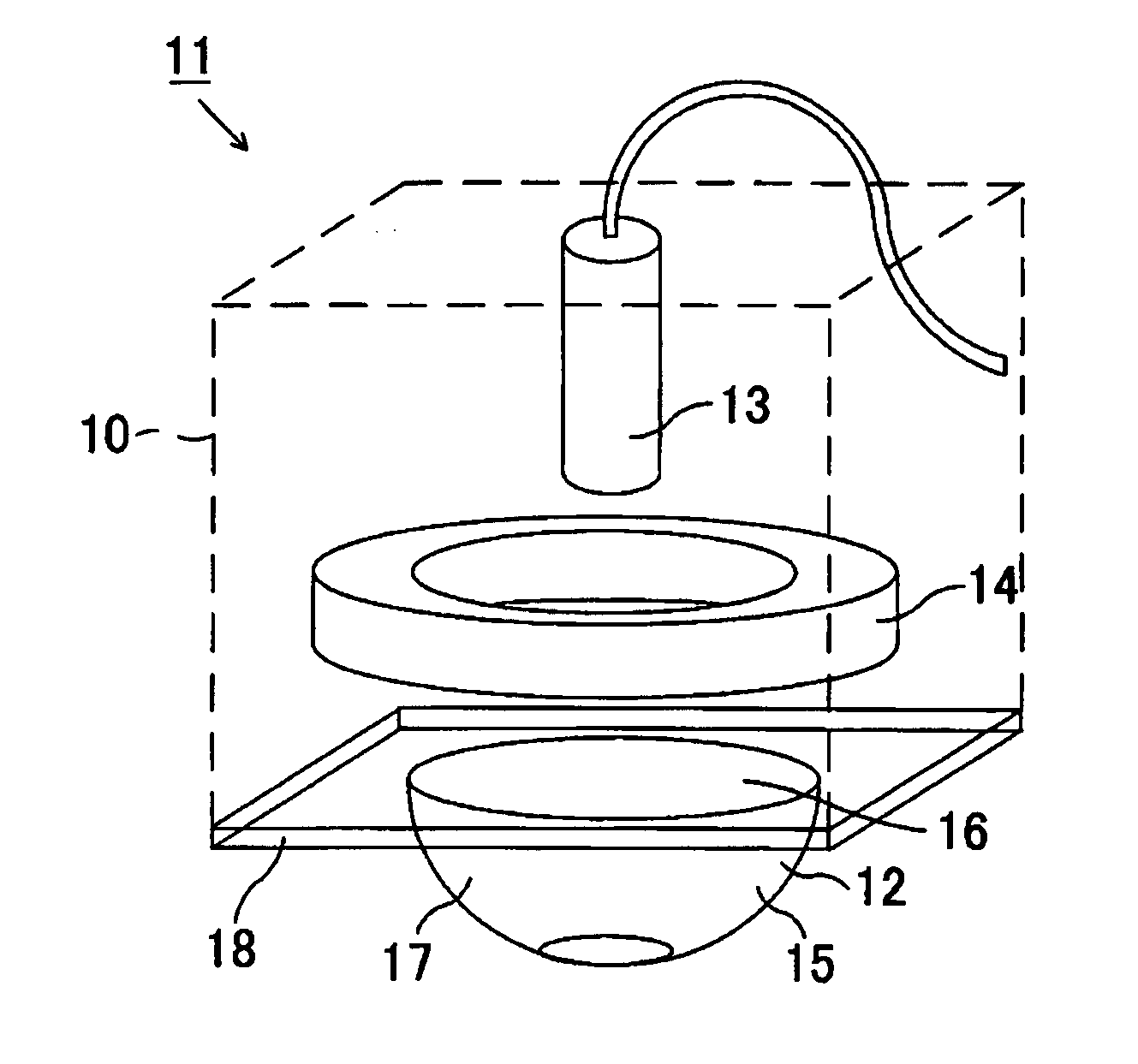
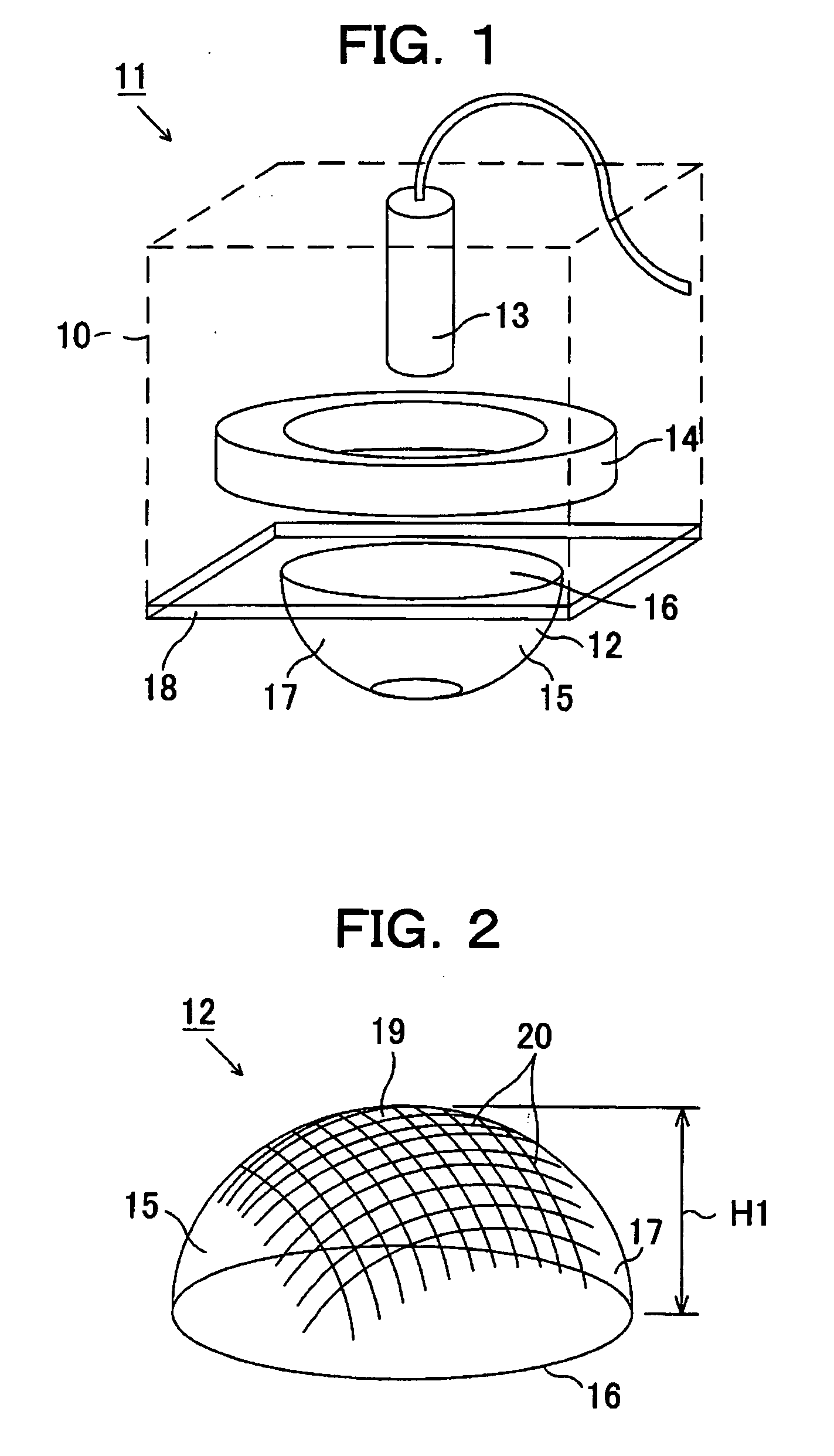
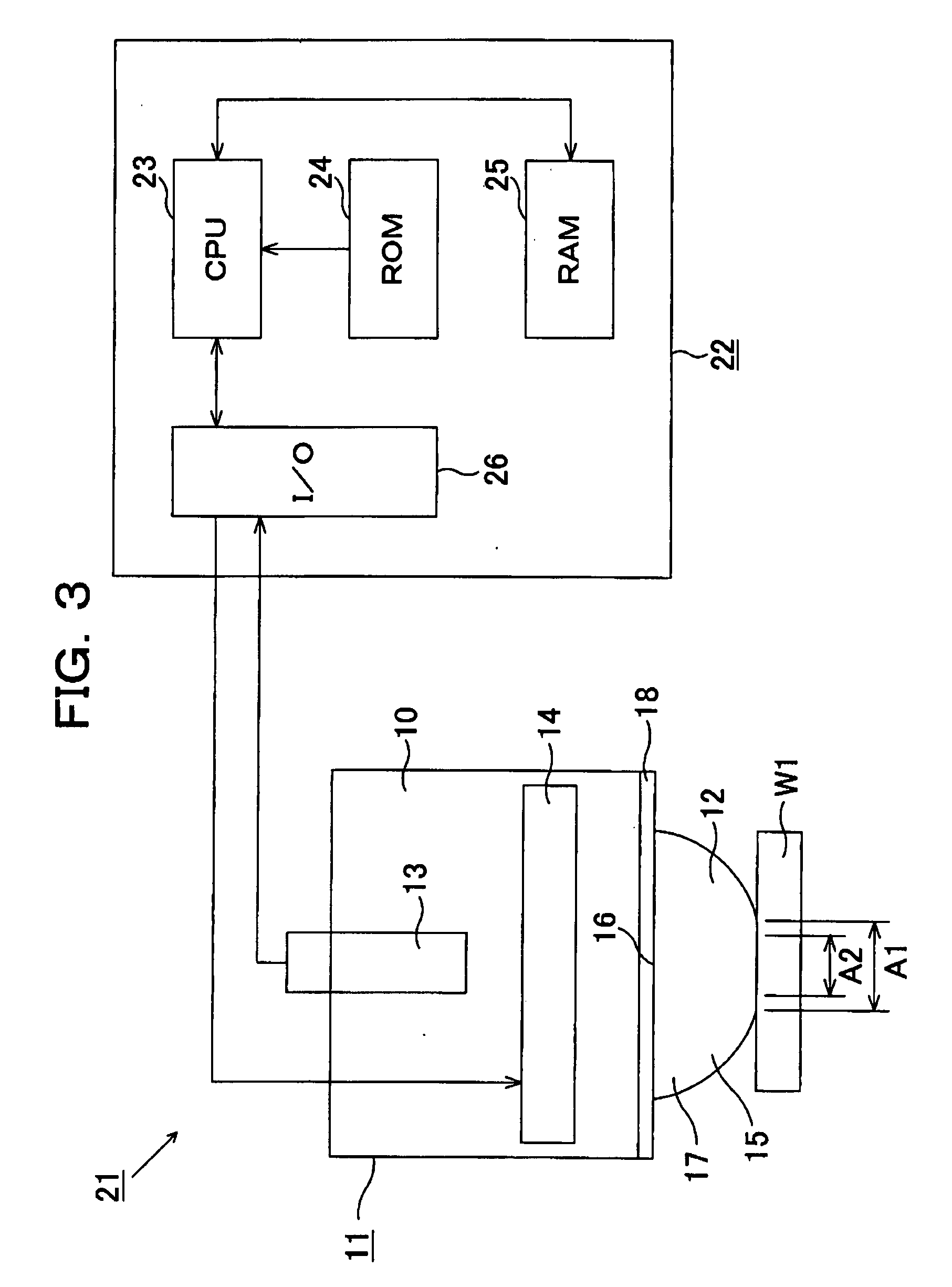
Optical Tactile Sensor, Sensing Method, Sensing System, Object Operation Force Controlling Method, Object Operation Force Controlling Device, Object Holding Force Controlling Method, and Robot Hand
PatentActiveUS20080027582A1
Innovation
- An optical tactile sensor with a convex curved surface and imaging means captures deformation data from a marker portion, allowing for the simultaneous measurement of normal force, tangential force, coefficient of friction, and torque without the need for multiple sensors, using an optically transparent elastic body and a digital camera, facilitating easy manufacturing and accurate force determination.

Force sensors and devices incorporating force sensors
PatentActiveUS20240210260A1
Innovation
- A force sensor assembly comprising a deformable substrate and a magnet with Hall effect sensors, which measures normal and tri-axis contact forces through relative displacement, allowing for high-resolution force sensing and contact location estimation, integrated into a multilayer structure with piezoresistive sensors for enhanced sensitivity and robustness.


Safety Standards for Force-Controlled Robotic Systems
Safety standards for force-controlled robotic systems represent a critical framework governing the deployment of robots that interact physically with humans and environments. These standards establish mandatory protocols for both force control and tactile sensing implementations, ensuring that force estimation mechanisms operate within acceptable risk parameters. The regulatory landscape encompasses international standards such as ISO 10218 for industrial robots, ISO 13482 for personal care robots, and emerging guidelines specifically addressing collaborative robotics applications.
Force control systems must comply with stringent safety requirements that mandate real-time monitoring of applied forces and immediate response mechanisms when predetermined thresholds are exceeded. Standards typically require force-controlled systems to implement multiple layers of protection, including software-based force limiting, hardware emergency stops, and fail-safe mechanisms that default to safe states upon system failure. The acceptable force limits vary significantly based on application context, with collaborative industrial robots typically restricted to 150N maximum contact force, while medical robotics applications may require sub-Newton precision with even lower safety thresholds.
Tactile sensing systems face distinct regulatory challenges due to their reliance on sensor accuracy and response time. Safety standards mandate that tactile-based force estimation systems demonstrate consistent performance across environmental variations, including temperature fluctuations, humidity changes, and electromagnetic interference. Certification processes require extensive validation testing to prove that tactile sensors can reliably detect contact forces within specified accuracy ranges, typically demanding measurement precision within 5-10% of actual applied forces across the operational range.
Compliance verification procedures differ substantially between force control and tactile sensing approaches. Force control systems undergo standardized testing protocols that evaluate closed-loop response characteristics, including settling time, overshoot limitations, and steady-state accuracy. Tactile sensing systems require additional calibration procedures and long-term stability assessments to ensure sensor drift remains within acceptable bounds throughout the system's operational lifetime.
The certification process involves rigorous documentation requirements, including detailed failure mode analysis, risk assessment matrices, and comprehensive testing reports. Manufacturers must demonstrate that their force estimation approach, whether based on force control or tactile sensing, meets or exceeds minimum safety performance criteria established by relevant regulatory bodies. This includes proving system reliability under various operational scenarios and environmental conditions that may be encountered during normal use.
Force control systems must comply with stringent safety requirements that mandate real-time monitoring of applied forces and immediate response mechanisms when predetermined thresholds are exceeded. Standards typically require force-controlled systems to implement multiple layers of protection, including software-based force limiting, hardware emergency stops, and fail-safe mechanisms that default to safe states upon system failure. The acceptable force limits vary significantly based on application context, with collaborative industrial robots typically restricted to 150N maximum contact force, while medical robotics applications may require sub-Newton precision with even lower safety thresholds.
Tactile sensing systems face distinct regulatory challenges due to their reliance on sensor accuracy and response time. Safety standards mandate that tactile-based force estimation systems demonstrate consistent performance across environmental variations, including temperature fluctuations, humidity changes, and electromagnetic interference. Certification processes require extensive validation testing to prove that tactile sensors can reliably detect contact forces within specified accuracy ranges, typically demanding measurement precision within 5-10% of actual applied forces across the operational range.
Compliance verification procedures differ substantially between force control and tactile sensing approaches. Force control systems undergo standardized testing protocols that evaluate closed-loop response characteristics, including settling time, overshoot limitations, and steady-state accuracy. Tactile sensing systems require additional calibration procedures and long-term stability assessments to ensure sensor drift remains within acceptable bounds throughout the system's operational lifetime.
The certification process involves rigorous documentation requirements, including detailed failure mode analysis, risk assessment matrices, and comprehensive testing reports. Manufacturers must demonstrate that their force estimation approach, whether based on force control or tactile sensing, meets or exceeds minimum safety performance criteria established by relevant regulatory bodies. This includes proving system reliability under various operational scenarios and environmental conditions that may be encountered during normal use.
Performance Metrics for Force Estimation Accuracy
Establishing robust performance metrics for force estimation accuracy is fundamental when comparing force control and tactile sensing approaches. The evaluation framework must encompass multiple dimensions to provide comprehensive insights into each method's effectiveness across different operational scenarios.
Root Mean Square Error (RMSE) serves as the primary quantitative metric for assessing force estimation precision. This metric captures both systematic bias and random variations in force measurements, providing a single numerical value that reflects overall accuracy. For force control systems, RMSE typically ranges from 0.1N to 2.0N depending on actuator resolution and control loop performance. Tactile sensing systems generally exhibit RMSE values between 0.05N to 1.5N, with variations based on sensor density and signal processing algorithms.
Mean Absolute Error (MAE) complements RMSE by offering insights into average deviation magnitude without emphasizing outliers. This metric proves particularly valuable when evaluating system performance under steady-state conditions. Force control approaches often demonstrate consistent MAE values across different force ranges, while tactile sensing systems may show varying performance depending on contact area and pressure distribution patterns.
Response time metrics evaluate the temporal characteristics of force estimation systems. Force control methods typically achieve response times between 1-10 milliseconds, limited primarily by actuator dynamics and feedback loop delays. Tactile sensing approaches generally exhibit faster initial detection capabilities, often responding within 0.1-5 milliseconds, though complete force magnitude estimation may require additional processing time for sensor fusion and calibration.
Bandwidth analysis reveals frequency response characteristics crucial for dynamic force estimation scenarios. Force control systems demonstrate reliable performance within 10-100 Hz frequency ranges, with performance degradation at higher frequencies due to mechanical system limitations. Tactile sensing systems often provide superior high-frequency response capabilities, maintaining accuracy up to 500-1000 Hz depending on sensor technology and sampling rates.
Robustness metrics assess performance consistency under varying environmental conditions, including temperature fluctuations, surface texture variations, and contact geometry changes. These metrics reveal fundamental differences between the two approaches, with force control systems showing greater sensitivity to mechanical wear and calibration drift, while tactile sensing systems demonstrate varying performance based on surface contact characteristics and sensor aging effects.
Root Mean Square Error (RMSE) serves as the primary quantitative metric for assessing force estimation precision. This metric captures both systematic bias and random variations in force measurements, providing a single numerical value that reflects overall accuracy. For force control systems, RMSE typically ranges from 0.1N to 2.0N depending on actuator resolution and control loop performance. Tactile sensing systems generally exhibit RMSE values between 0.05N to 1.5N, with variations based on sensor density and signal processing algorithms.
Mean Absolute Error (MAE) complements RMSE by offering insights into average deviation magnitude without emphasizing outliers. This metric proves particularly valuable when evaluating system performance under steady-state conditions. Force control approaches often demonstrate consistent MAE values across different force ranges, while tactile sensing systems may show varying performance depending on contact area and pressure distribution patterns.
Response time metrics evaluate the temporal characteristics of force estimation systems. Force control methods typically achieve response times between 1-10 milliseconds, limited primarily by actuator dynamics and feedback loop delays. Tactile sensing approaches generally exhibit faster initial detection capabilities, often responding within 0.1-5 milliseconds, though complete force magnitude estimation may require additional processing time for sensor fusion and calibration.
Bandwidth analysis reveals frequency response characteristics crucial for dynamic force estimation scenarios. Force control systems demonstrate reliable performance within 10-100 Hz frequency ranges, with performance degradation at higher frequencies due to mechanical system limitations. Tactile sensing systems often provide superior high-frequency response capabilities, maintaining accuracy up to 500-1000 Hz depending on sensor technology and sampling rates.
Robustness metrics assess performance consistency under varying environmental conditions, including temperature fluctuations, surface texture variations, and contact geometry changes. These metrics reveal fundamental differences between the two approaches, with force control systems showing greater sensitivity to mechanical wear and calibration drift, while tactile sensing systems demonstrate varying performance based on surface contact characteristics and sensor aging effects.
Unlock deeper insights with PatSnap Eureka Quick Research — get a full tech report to explore trends and direct your research. Try now!
Generate Your Research Report Instantly with AI Agent
Supercharge your innovation with PatSnap Eureka AI Agent Platform!