How to Construct Bioactive Surfaces Using Magnesium Polyphosphate Coatings
MAR 18, 20269 MIN READ
Generate Your Research Report Instantly with AI Agent
Patsnap Eureka helps you evaluate technical feasibility & market potential.
Magnesium Polyphosphate Coating Background and Objectives
Magnesium polyphosphate coatings represent an emerging class of bioactive surface modification technologies that have gained significant attention in the biomedical field over the past decade. These coatings are characterized by their unique chemical composition, combining magnesium ions with polyphosphate chains to create surfaces that exhibit both biocompatibility and bioactivity. The development of these coatings stems from the growing understanding of how inorganic phosphate compounds can influence cellular behavior and tissue regeneration processes.
The historical evolution of magnesium polyphosphate coating technology can be traced back to early research on calcium phosphate ceramics and their biological applications. As researchers explored alternative metal phosphate systems, magnesium emerged as a particularly promising candidate due to its essential role in human metabolism and bone formation. The transition from simple magnesium phosphate compounds to complex polyphosphate structures marked a significant advancement in coating technology, enabling enhanced control over surface properties and biological responses.
Current technological trends in this field focus on developing more sophisticated coating architectures that can provide controlled release of bioactive ions while maintaining structural integrity. The integration of nanotechnology approaches has enabled the creation of hierarchical surface structures that mimic natural bone morphology. Additionally, the incorporation of organic-inorganic hybrid systems has opened new possibilities for tailoring coating properties to specific biomedical applications.
The primary technical objectives driving magnesium polyphosphate coating development center on achieving optimal bioactivity while ensuring long-term stability and mechanical performance. Key goals include establishing precise control over magnesium ion release kinetics, which directly influences osteoblast proliferation and differentiation. Another critical objective involves developing coating processes that can be applied to complex three-dimensional geometries without compromising uniformity or adhesion properties.
Surface bioactivity enhancement represents a fundamental target, with researchers aiming to create coatings that can actively promote bone-implant integration through biochemical signaling pathways. The objective extends beyond simple biocompatibility to encompass active participation in tissue regeneration processes. This includes stimulating angiogenesis, promoting protein adsorption, and facilitating cellular attachment and proliferation.
Manufacturing scalability and reproducibility constitute additional strategic objectives, as laboratory-scale successes must translate into commercially viable production methods. The development of standardized coating protocols and quality control measures remains essential for widespread clinical adoption. Furthermore, achieving cost-effective production while maintaining high-quality standards represents a continuing challenge that drives ongoing research efforts in process optimization and material engineering.
The historical evolution of magnesium polyphosphate coating technology can be traced back to early research on calcium phosphate ceramics and their biological applications. As researchers explored alternative metal phosphate systems, magnesium emerged as a particularly promising candidate due to its essential role in human metabolism and bone formation. The transition from simple magnesium phosphate compounds to complex polyphosphate structures marked a significant advancement in coating technology, enabling enhanced control over surface properties and biological responses.
Current technological trends in this field focus on developing more sophisticated coating architectures that can provide controlled release of bioactive ions while maintaining structural integrity. The integration of nanotechnology approaches has enabled the creation of hierarchical surface structures that mimic natural bone morphology. Additionally, the incorporation of organic-inorganic hybrid systems has opened new possibilities for tailoring coating properties to specific biomedical applications.
The primary technical objectives driving magnesium polyphosphate coating development center on achieving optimal bioactivity while ensuring long-term stability and mechanical performance. Key goals include establishing precise control over magnesium ion release kinetics, which directly influences osteoblast proliferation and differentiation. Another critical objective involves developing coating processes that can be applied to complex three-dimensional geometries without compromising uniformity or adhesion properties.
Surface bioactivity enhancement represents a fundamental target, with researchers aiming to create coatings that can actively promote bone-implant integration through biochemical signaling pathways. The objective extends beyond simple biocompatibility to encompass active participation in tissue regeneration processes. This includes stimulating angiogenesis, promoting protein adsorption, and facilitating cellular attachment and proliferation.
Manufacturing scalability and reproducibility constitute additional strategic objectives, as laboratory-scale successes must translate into commercially viable production methods. The development of standardized coating protocols and quality control measures remains essential for widespread clinical adoption. Furthermore, achieving cost-effective production while maintaining high-quality standards represents a continuing challenge that drives ongoing research efforts in process optimization and material engineering.
Market Demand for Bioactive Surface Solutions
The global biomedical implant market continues to experience robust growth driven by aging populations, increasing prevalence of chronic diseases, and rising demand for minimally invasive surgical procedures. Orthopedic implants, dental implants, and cardiovascular devices represent the largest segments requiring advanced bioactive surface solutions to improve osseointegration and reduce complications.
Healthcare providers increasingly prioritize implant longevity and patient outcomes, creating substantial demand for surface modification technologies that enhance biocompatibility. Traditional titanium and stainless steel implants often suffer from poor initial bone integration, leading to revision surgeries and increased healthcare costs. This challenge has intensified the search for innovative coating solutions that can actively promote bone formation and tissue integration.
The dental implant sector demonstrates particularly strong demand for bioactive surfaces, as immediate loading protocols and aesthetic requirements drive the need for faster osseointegration. Magnesium polyphosphate coatings address this need by providing controlled ion release that stimulates osteoblast activity and accelerates bone formation around implant surfaces.
Orthopedic applications present another significant market opportunity, especially in joint replacement surgeries where implant fixation remains critical for long-term success. The ability of magnesium polyphosphate coatings to promote bone ingrowth while gradually dissolving offers advantages over permanent coating materials that may cause long-term complications.
Emerging applications in spinal fusion devices and trauma fixation hardware further expand market potential. These applications require coatings that can withstand mechanical stress while maintaining bioactive properties throughout the healing process.
Regulatory trends favor bioactive surface technologies that demonstrate clear clinical benefits in terms of reduced healing time and improved patient outcomes. The growing emphasis on personalized medicine and patient-specific implant solutions creates additional opportunities for customizable bioactive coating technologies.
Market demand is also influenced by cost-effectiveness considerations, as healthcare systems seek solutions that reduce overall treatment costs through improved success rates and reduced revision procedures. Magnesium polyphosphate coatings offer economic advantages by potentially eliminating the need for bone grafting materials and reducing surgical complexity.
Healthcare providers increasingly prioritize implant longevity and patient outcomes, creating substantial demand for surface modification technologies that enhance biocompatibility. Traditional titanium and stainless steel implants often suffer from poor initial bone integration, leading to revision surgeries and increased healthcare costs. This challenge has intensified the search for innovative coating solutions that can actively promote bone formation and tissue integration.
The dental implant sector demonstrates particularly strong demand for bioactive surfaces, as immediate loading protocols and aesthetic requirements drive the need for faster osseointegration. Magnesium polyphosphate coatings address this need by providing controlled ion release that stimulates osteoblast activity and accelerates bone formation around implant surfaces.
Orthopedic applications present another significant market opportunity, especially in joint replacement surgeries where implant fixation remains critical for long-term success. The ability of magnesium polyphosphate coatings to promote bone ingrowth while gradually dissolving offers advantages over permanent coating materials that may cause long-term complications.
Emerging applications in spinal fusion devices and trauma fixation hardware further expand market potential. These applications require coatings that can withstand mechanical stress while maintaining bioactive properties throughout the healing process.
Regulatory trends favor bioactive surface technologies that demonstrate clear clinical benefits in terms of reduced healing time and improved patient outcomes. The growing emphasis on personalized medicine and patient-specific implant solutions creates additional opportunities for customizable bioactive coating technologies.
Market demand is also influenced by cost-effectiveness considerations, as healthcare systems seek solutions that reduce overall treatment costs through improved success rates and reduced revision procedures. Magnesium polyphosphate coatings offer economic advantages by potentially eliminating the need for bone grafting materials and reducing surgical complexity.
Current State of Magnesium Polyphosphate Coating Technology
Magnesium polyphosphate coating technology has emerged as a promising approach for developing bioactive surfaces, particularly in biomedical applications. Current research demonstrates that these coatings can be successfully deposited on various metallic substrates, including titanium alloys, stainless steel, and magnesium-based implants, through multiple deposition techniques such as plasma electrolytic oxidation, sol-gel processing, and electrochemical deposition methods.
The technology has achieved significant milestones in controlling coating composition and structure. Researchers have successfully synthesized coatings with varying polyphosphate chain lengths, from short-chain metaphosphates to long-chain polyphosphates, enabling tunable dissolution rates and bioactivity levels. The incorporation of magnesium ions within the polyphosphate matrix has been optimized to achieve controlled release profiles that promote cellular activities while maintaining structural integrity.
Current coating methodologies face several technical challenges that limit widespread implementation. Adhesion strength between the coating and substrate remains inconsistent, particularly under physiological conditions where hydrolytic degradation occurs. The control of coating thickness uniformity across complex geometries presents manufacturing difficulties, with variations often exceeding 20% across treated surfaces. Additionally, the reproducibility of coating properties between different batches requires further standardization of processing parameters.
Geographically, the development of magnesium polyphosphate coating technology shows concentrated activity in specific regions. European research institutions, particularly in Germany and the United Kingdom, lead in fundamental coating chemistry and characterization techniques. Asian countries, especially China and Japan, focus on large-scale manufacturing processes and cost-effective deposition methods. North American research centers emphasize biocompatibility testing and regulatory pathway development for medical device applications.
The current state reveals a technology transition from laboratory-scale demonstrations to pilot-scale manufacturing. While basic coating formation mechanisms are well understood, the integration of advanced characterization techniques such as in-situ monitoring during deposition and real-time bioactivity assessment remains in early development stages. The technology shows particular promise for orthopedic and dental implant applications, where controlled magnesium release can enhance bone integration while the polyphosphate matrix provides structural support during tissue regeneration.
The technology has achieved significant milestones in controlling coating composition and structure. Researchers have successfully synthesized coatings with varying polyphosphate chain lengths, from short-chain metaphosphates to long-chain polyphosphates, enabling tunable dissolution rates and bioactivity levels. The incorporation of magnesium ions within the polyphosphate matrix has been optimized to achieve controlled release profiles that promote cellular activities while maintaining structural integrity.
Current coating methodologies face several technical challenges that limit widespread implementation. Adhesion strength between the coating and substrate remains inconsistent, particularly under physiological conditions where hydrolytic degradation occurs. The control of coating thickness uniformity across complex geometries presents manufacturing difficulties, with variations often exceeding 20% across treated surfaces. Additionally, the reproducibility of coating properties between different batches requires further standardization of processing parameters.
Geographically, the development of magnesium polyphosphate coating technology shows concentrated activity in specific regions. European research institutions, particularly in Germany and the United Kingdom, lead in fundamental coating chemistry and characterization techniques. Asian countries, especially China and Japan, focus on large-scale manufacturing processes and cost-effective deposition methods. North American research centers emphasize biocompatibility testing and regulatory pathway development for medical device applications.
The current state reveals a technology transition from laboratory-scale demonstrations to pilot-scale manufacturing. While basic coating formation mechanisms are well understood, the integration of advanced characterization techniques such as in-situ monitoring during deposition and real-time bioactivity assessment remains in early development stages. The technology shows particular promise for orthopedic and dental implant applications, where controlled magnesium release can enhance bone integration while the polyphosphate matrix provides structural support during tissue regeneration.
Existing Magnesium Polyphosphate Coating Techniques
01 Magnesium polyphosphate coatings for biomedical implants
Magnesium polyphosphate coatings can be applied to biomedical implants to enhance biocompatibility and bioactivity. These coatings provide controlled degradation properties and promote bone tissue integration. The polyphosphate structure offers excellent adhesion to metallic substrates while maintaining bioactive characteristics that support cellular attachment and proliferation.- Magnesium polyphosphate coatings for biomedical implants: Magnesium polyphosphate coatings can be applied to biomedical implants to enhance their biocompatibility and bioactivity. These coatings provide a bioactive surface that promotes cell adhesion, proliferation, and differentiation. The polyphosphate structure allows for controlled degradation and release of magnesium ions, which are beneficial for bone tissue regeneration and healing. The coatings can be applied through various deposition techniques to create uniform and adherent layers on metallic substrates.
- Preparation methods for magnesium phosphate-based coatings: Various preparation methods can be employed to create magnesium phosphate-based coatings on substrates. These methods include electrochemical deposition, chemical conversion, sol-gel processes, and thermal spraying techniques. The preparation parameters such as temperature, pH, concentration, and treatment time significantly influence the coating morphology, composition, and properties. Optimization of these parameters enables the formation of dense, uniform coatings with desired bioactive characteristics.
- Composite coatings incorporating magnesium polyphosphate with other materials: Composite coatings that combine magnesium polyphosphate with other bioactive materials can be developed to enhance surface functionality. These composites may include calcium phosphates, hydroxyapatite, bioactive glasses, or polymeric materials. The combination improves mechanical properties, corrosion resistance, and biological performance. Such composite structures provide synergistic effects that promote better osseointegration and long-term stability of implanted devices.
- Bioactive surface modification for enhanced cellular response: Surface modification techniques using magnesium polyphosphate coatings can significantly enhance cellular responses on implant surfaces. The bioactive surfaces facilitate protein adsorption, cell attachment, and mineralization processes. The release of magnesium and phosphate ions creates a favorable microenvironment for osteoblast activity and bone formation. These modifications are particularly beneficial for orthopedic and dental applications where rapid tissue integration is desired.
- Corrosion protection and degradation control of magnesium-based coatings: Magnesium polyphosphate coatings provide effective corrosion protection for metallic substrates while offering controlled degradation characteristics. The coating acts as a barrier layer that reduces the corrosion rate of underlying materials in physiological environments. The degradation rate can be tailored by adjusting the coating composition and structure to match the tissue healing timeline. This controlled degradation ensures sustained release of beneficial ions while maintaining mechanical integrity during the critical healing period.
02 Surface modification techniques for magnesium-based bioactive coatings
Various surface modification methods are employed to create magnesium polyphosphate coatings with enhanced bioactive properties. These techniques include electrochemical deposition, plasma spraying, and sol-gel processes that enable precise control over coating thickness, porosity, and crystallinity. The modified surfaces demonstrate improved corrosion resistance and biological response.Expand Specific Solutions03 Composite magnesium polyphosphate coatings with bioactive additives
Composite coatings incorporating magnesium polyphosphate with bioactive additives such as calcium phosphates, hydroxyapatite, or bioactive glasses enhance the overall biological performance. These multi-component systems provide synergistic effects including improved osteoconductivity, antibacterial properties, and controlled ion release for tissue regeneration applications.Expand Specific Solutions04 Corrosion protection and degradation control of magnesium polyphosphate surfaces
Magnesium polyphosphate coatings serve as effective barriers against rapid corrosion of magnesium-based substrates in physiological environments. The polyphosphate layer provides controlled degradation kinetics that match tissue healing rates while maintaining mechanical integrity. This protection mechanism extends the functional lifetime of biodegradable implants.Expand Specific Solutions05 Bioactive surface functionalization for enhanced cellular response
Functionalization of magnesium polyphosphate coatings with bioactive molecules or surface treatments creates surfaces that actively promote specific cellular behaviors. These functionalized surfaces can be tailored to enhance cell adhesion, differentiation, and tissue integration through controlled surface chemistry, topography, and ion release profiles.Expand Specific Solutions
Key Players in Bioactive Coating Industry
The bioactive surface construction using magnesium polyphosphate coatings represents an emerging technology in the early development stage, primarily driven by academic research institutions. The market remains nascent with limited commercial penetration, though it shows significant potential in biomedical applications, particularly orthopedic implants and dental devices. Technology maturity varies considerably across key players. Leading research universities like Shanghai Jiao Tong University, Northwestern University, and Kyoto University are advancing fundamental coating methodologies and biocompatibility studies. Industrial players including Nobel Biocare Services AG, Shanghai MicroPort Orthopedics, and Warsaw Orthopedic are exploring commercial applications, while chemical companies like Degussa AG and Bayer provide material science expertise. The competitive landscape indicates a technology transition phase where academic breakthroughs are beginning to attract industrial interest, suggesting future market consolidation as applications mature.
Shanghai Jiao Tong University
Technical Solution: Shanghai Jiao Tong University has developed advanced magnesium polyphosphate coating technologies through electrochemical deposition and sol-gel methods. Their research focuses on creating bioactive surfaces that promote osteoblast adhesion and proliferation while providing controlled degradation rates. The university's approach involves optimizing the Mg/P ratio in polyphosphate coatings to achieve enhanced biocompatibility and mechanical properties. Their coating systems demonstrate improved corrosion resistance and sustained release of bioactive ions, making them suitable for orthopedic and dental implant applications. The research team has successfully demonstrated that these coatings can stimulate bone formation and integration in both in vitro and in vivo studies.
Strengths: Strong research foundation, proven biocompatibility results, controlled ion release mechanisms. Weaknesses: Limited industrial scale production capabilities, primarily academic research focus.
Wuhan University of Technology
Technical Solution: Wuhan University of Technology has developed innovative magnesium polyphosphate coating systems using microarc oxidation and hydrothermal treatment methods. Their research focuses on creating multifunctional coatings that combine bioactivity with antimicrobial properties through controlled incorporation of bioactive elements. The university's approach involves optimizing processing parameters to achieve desired surface morphology and chemical composition for enhanced biological performance. Their coatings demonstrate superior mechanical properties and controlled degradation behavior, making them suitable for load-bearing implant applications. The research team has successfully demonstrated improved bone formation and reduced infection rates in preclinical studies.
Strengths: Multifunctional coating capabilities, strong materials science expertise, cost-effective processing methods. Weaknesses: Limited clinical validation, technology transfer barriers, scalability challenges for commercial production.
Core Patents in Polyphosphate Surface Modification
Process for forming bioactive composite coatings on implantable devices
PatentInactiveCA2073781A1
Innovation
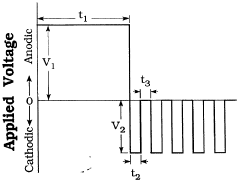
- A two-layer composite coating process using a single electrolyte bath with Ca- and P-containing ions, comprising a base layer of metal oxide and an outer layer of calcium phosphate compounds like tricalcium phosphate or hydroxyapatite, formed through anodic and cathodic current electrodeposition, to improve corrosion resistance and bioactivity.
Multifunctional composite drug coating sustained release system and method for manufacturing same
PatentInactiveUS20150273109A1
Innovation
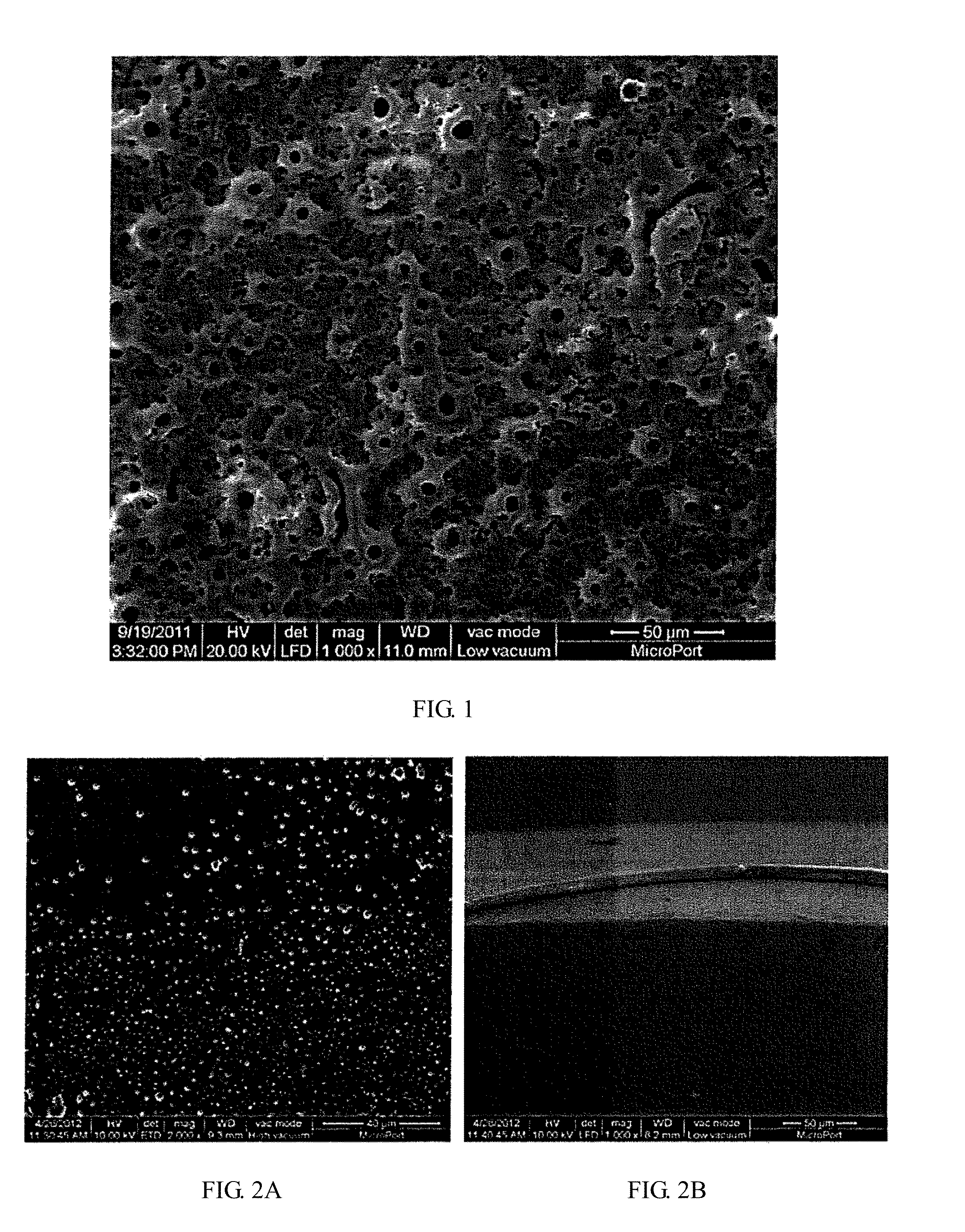
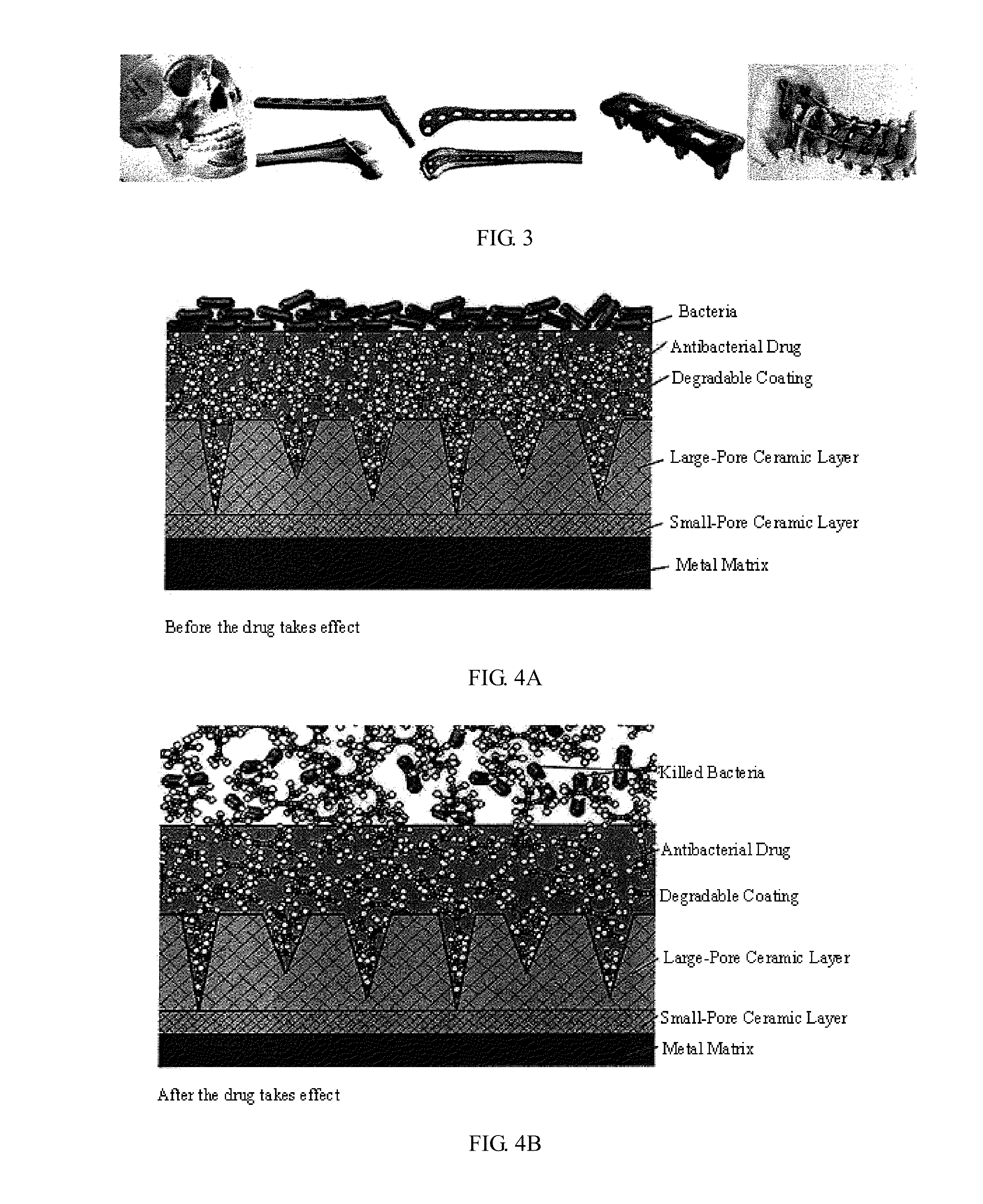
- A multifunctional composite drug coating system featuring a porous ceramic transition layer and a degradable polymeric coating, which includes a dense lower layer and a porous upper layer, providing increased bonding strength and sustained drug release, suitable for titanium or magnesium alloy implants.
Biocompatibility Standards for Medical Coatings
The development of biocompatible medical coatings requires adherence to stringent regulatory standards that ensure patient safety and device efficacy. For magnesium polyphosphate coatings intended for biomedical applications, compliance with established biocompatibility frameworks is essential for successful clinical translation and regulatory approval.
The ISO 10993 series represents the gold standard for biological evaluation of medical devices, providing comprehensive guidelines for assessing the biocompatibility of coating materials. This standard encompasses multiple evaluation categories including cytotoxicity, sensitization, irritation, systemic toxicity, genotoxicity, implantation effects, and hemocompatibility. Magnesium polyphosphate coatings must demonstrate compliance across relevant categories based on their intended application and contact duration with biological tissues.
ASTM F748 specifically addresses the selection of implant materials and coatings, establishing criteria for corrosion resistance, mechanical properties, and biological response. For magnesium polyphosphate systems, this standard provides crucial guidance on degradation behavior assessment and ion release kinetics, which are particularly relevant given magnesium's biodegradable nature.
The FDA's guidance documents, including those for cardiovascular devices and orthopedic implants, outline specific biocompatibility requirements for different medical applications. These guidelines emphasize the importance of demonstrating that coating degradation products do not elicit adverse biological responses and that the coating maintains its protective function throughout the intended service life.
European regulations under the Medical Device Regulation require comprehensive biological safety data, including long-term biocompatibility studies for permanent implants. The evaluation must consider not only the coating material itself but also its interaction with the substrate and surrounding biological environment.
Testing protocols typically involve in vitro cytotoxicity assays using standardized cell lines, followed by in vivo studies in appropriate animal models. For magnesium polyphosphate coatings, particular attention must be paid to local tissue response, systemic effects of released ions, and the coating's influence on osseointegration or tissue healing processes.
Quality management systems compliant with ISO 13485 ensure consistent manufacturing processes that maintain biocompatibility characteristics throughout production. This includes validation of sterilization methods, shelf-life studies, and batch-to-batch consistency verification to guarantee that biocompatibility performance remains stable over time.
The ISO 10993 series represents the gold standard for biological evaluation of medical devices, providing comprehensive guidelines for assessing the biocompatibility of coating materials. This standard encompasses multiple evaluation categories including cytotoxicity, sensitization, irritation, systemic toxicity, genotoxicity, implantation effects, and hemocompatibility. Magnesium polyphosphate coatings must demonstrate compliance across relevant categories based on their intended application and contact duration with biological tissues.
ASTM F748 specifically addresses the selection of implant materials and coatings, establishing criteria for corrosion resistance, mechanical properties, and biological response. For magnesium polyphosphate systems, this standard provides crucial guidance on degradation behavior assessment and ion release kinetics, which are particularly relevant given magnesium's biodegradable nature.
The FDA's guidance documents, including those for cardiovascular devices and orthopedic implants, outline specific biocompatibility requirements for different medical applications. These guidelines emphasize the importance of demonstrating that coating degradation products do not elicit adverse biological responses and that the coating maintains its protective function throughout the intended service life.
European regulations under the Medical Device Regulation require comprehensive biological safety data, including long-term biocompatibility studies for permanent implants. The evaluation must consider not only the coating material itself but also its interaction with the substrate and surrounding biological environment.
Testing protocols typically involve in vitro cytotoxicity assays using standardized cell lines, followed by in vivo studies in appropriate animal models. For magnesium polyphosphate coatings, particular attention must be paid to local tissue response, systemic effects of released ions, and the coating's influence on osseointegration or tissue healing processes.
Quality management systems compliant with ISO 13485 ensure consistent manufacturing processes that maintain biocompatibility characteristics throughout production. This includes validation of sterilization methods, shelf-life studies, and batch-to-batch consistency verification to guarantee that biocompatibility performance remains stable over time.
Environmental Impact of Phosphate-Based Coatings
The environmental implications of phosphate-based coatings, particularly magnesium polyphosphate systems, present a complex landscape of both benefits and challenges that require careful consideration in biomedical applications. These coatings demonstrate significantly improved environmental compatibility compared to traditional heavy metal-based surface treatments, marking a substantial advancement in sustainable biomaterial development.
Magnesium polyphosphate coatings exhibit excellent biocompatibility and biodegradability characteristics, which minimize long-term environmental accumulation concerns. Unlike conventional chromium or nickel-based coatings that pose significant ecological risks, these phosphate systems naturally integrate into biological cycles through controlled dissolution and metabolic processing. The magnesium component provides essential nutrients for biological systems, while polyphosphate chains undergo gradual hydrolysis into harmless phosphate ions.
Manufacturing processes for magnesium polyphosphate coatings generate considerably lower toxic emissions compared to traditional electroplating or chemical vapor deposition methods. The aqueous-based synthesis routes typically employed eliminate the need for organic solvents and reduce energy consumption through lower processing temperatures. This translates to reduced carbon footprint and minimized hazardous waste generation during production phases.
However, phosphate release into aquatic environments raises concerns regarding eutrophication potential. Excessive phosphate concentrations can trigger algal blooms and disrupt aquatic ecosystems, necessitating careful waste management protocols during manufacturing and end-of-life disposal. Advanced treatment systems must be implemented to capture and neutralize phosphate-containing effluents before environmental release.
The lifecycle assessment of phosphate-based coatings reveals favorable environmental profiles when compared to alternative surface modification technologies. Raw material extraction for magnesium and phosphate precursors involves less environmentally intensive mining operations than rare earth elements or heavy metals. Additionally, the potential for recycling and reprocessing these materials further enhances their environmental sustainability credentials.
Regulatory frameworks increasingly favor phosphate-based systems due to their reduced toxicity profiles and improved biodegradation characteristics. This regulatory alignment supports broader adoption while ensuring environmental protection standards are maintained throughout the product lifecycle.
Magnesium polyphosphate coatings exhibit excellent biocompatibility and biodegradability characteristics, which minimize long-term environmental accumulation concerns. Unlike conventional chromium or nickel-based coatings that pose significant ecological risks, these phosphate systems naturally integrate into biological cycles through controlled dissolution and metabolic processing. The magnesium component provides essential nutrients for biological systems, while polyphosphate chains undergo gradual hydrolysis into harmless phosphate ions.
Manufacturing processes for magnesium polyphosphate coatings generate considerably lower toxic emissions compared to traditional electroplating or chemical vapor deposition methods. The aqueous-based synthesis routes typically employed eliminate the need for organic solvents and reduce energy consumption through lower processing temperatures. This translates to reduced carbon footprint and minimized hazardous waste generation during production phases.
However, phosphate release into aquatic environments raises concerns regarding eutrophication potential. Excessive phosphate concentrations can trigger algal blooms and disrupt aquatic ecosystems, necessitating careful waste management protocols during manufacturing and end-of-life disposal. Advanced treatment systems must be implemented to capture and neutralize phosphate-containing effluents before environmental release.
The lifecycle assessment of phosphate-based coatings reveals favorable environmental profiles when compared to alternative surface modification technologies. Raw material extraction for magnesium and phosphate precursors involves less environmentally intensive mining operations than rare earth elements or heavy metals. Additionally, the potential for recycling and reprocessing these materials further enhances their environmental sustainability credentials.
Regulatory frameworks increasingly favor phosphate-based systems due to their reduced toxicity profiles and improved biodegradation characteristics. This regulatory alignment supports broader adoption while ensuring environmental protection standards are maintained throughout the product lifecycle.
Unlock deeper insights with Patsnap Eureka Quick Research — get a full tech report to explore trends and direct your research. Try now!
Generate Your Research Report Instantly with AI Agent
Supercharge your innovation with Patsnap Eureka AI Agent Platform!