Tailoring Magnesium Polyphosphate for High-Performance Fuel Cells
MAR 18, 20269 MIN READ
Generate Your Research Report Instantly with AI Agent
Patsnap Eureka helps you evaluate technical feasibility & market potential.
Magnesium Polyphosphate Fuel Cell Technology Background and Objectives
Fuel cell technology has emerged as a critical component in the global transition toward sustainable energy systems, offering clean and efficient power generation across diverse applications from automotive to stationary power systems. Traditional fuel cells rely heavily on expensive platinum-based catalysts and complex polymer electrolyte membranes, creating significant cost barriers and limiting widespread commercial adoption. The development of alternative materials that can deliver comparable or superior performance while reducing costs represents a fundamental challenge in advancing fuel cell technology.
Magnesium polyphosphate has gained considerable attention as a promising candidate for next-generation fuel cell applications due to its unique electrochemical properties and structural characteristics. This inorganic polymer exhibits exceptional ionic conductivity, thermal stability, and chemical resistance, making it particularly suitable for harsh operating environments typical in fuel cell systems. The material's ability to facilitate proton transport while maintaining structural integrity under varying temperature and humidity conditions positions it as a potential game-changer in fuel cell electrolyte design.
The historical development of magnesium polyphosphate in electrochemical applications traces back to early research in solid-state ionics, where scientists recognized its potential for ion transport mechanisms. Recent advances in materials science have enabled precise control over the polymer's chain length, cross-linking density, and morphological structure, opening new possibilities for tailoring its properties to specific fuel cell requirements. These developments have coincided with growing demand for more sustainable and cost-effective energy conversion technologies.
Current research efforts focus on optimizing magnesium polyphosphate's proton conductivity through strategic modification of its molecular structure and incorporation of functional additives. The primary technical objectives include achieving proton conductivity levels comparable to state-of-the-art Nafion membranes while maintaining superior mechanical properties and reduced material costs. Additionally, researchers aim to enhance the material's compatibility with various fuel cell architectures and operating conditions.
The overarching goal of tailoring magnesium polyphosphate for high-performance fuel cells encompasses developing scalable synthesis methods, establishing structure-property relationships, and demonstrating practical device performance. Success in these areas could revolutionize fuel cell technology by providing a cost-effective, high-performance alternative to conventional materials, thereby accelerating the adoption of clean energy technologies across multiple sectors and contributing significantly to global decarbonization efforts.
Magnesium polyphosphate has gained considerable attention as a promising candidate for next-generation fuel cell applications due to its unique electrochemical properties and structural characteristics. This inorganic polymer exhibits exceptional ionic conductivity, thermal stability, and chemical resistance, making it particularly suitable for harsh operating environments typical in fuel cell systems. The material's ability to facilitate proton transport while maintaining structural integrity under varying temperature and humidity conditions positions it as a potential game-changer in fuel cell electrolyte design.
The historical development of magnesium polyphosphate in electrochemical applications traces back to early research in solid-state ionics, where scientists recognized its potential for ion transport mechanisms. Recent advances in materials science have enabled precise control over the polymer's chain length, cross-linking density, and morphological structure, opening new possibilities for tailoring its properties to specific fuel cell requirements. These developments have coincided with growing demand for more sustainable and cost-effective energy conversion technologies.
Current research efforts focus on optimizing magnesium polyphosphate's proton conductivity through strategic modification of its molecular structure and incorporation of functional additives. The primary technical objectives include achieving proton conductivity levels comparable to state-of-the-art Nafion membranes while maintaining superior mechanical properties and reduced material costs. Additionally, researchers aim to enhance the material's compatibility with various fuel cell architectures and operating conditions.
The overarching goal of tailoring magnesium polyphosphate for high-performance fuel cells encompasses developing scalable synthesis methods, establishing structure-property relationships, and demonstrating practical device performance. Success in these areas could revolutionize fuel cell technology by providing a cost-effective, high-performance alternative to conventional materials, thereby accelerating the adoption of clean energy technologies across multiple sectors and contributing significantly to global decarbonization efforts.
Market Demand Analysis for High-Performance Fuel Cell Applications
The global fuel cell market is experiencing unprecedented growth driven by the urgent need for clean energy solutions and decarbonization initiatives across multiple sectors. Transportation electrification, particularly in heavy-duty vehicles, buses, and maritime applications, represents the largest demand segment where high-performance fuel cells offer superior energy density and rapid refueling capabilities compared to battery-electric alternatives. Stationary power generation applications, including backup power systems for telecommunications infrastructure and distributed energy systems, constitute another significant market driver requiring reliable, long-duration energy storage solutions.
Industrial applications are emerging as a critical demand sector, with manufacturing facilities, data centers, and remote operations seeking fuel cell systems that can provide continuous, clean power with minimal maintenance requirements. The aerospace and defense sectors present specialized high-value applications where weight reduction and performance reliability are paramount, creating demand for advanced fuel cell technologies with enhanced power-to-weight ratios and operational durability.
Market dynamics are increasingly influenced by stringent environmental regulations and carbon reduction mandates implemented across major economies. Government incentives, including tax credits, grants, and procurement programs, are accelerating adoption rates while creating stable demand forecasts for fuel cell manufacturers. The hydrogen economy development, supported by national hydrogen strategies and infrastructure investments, is establishing the foundation for widespread fuel cell deployment.
Performance requirements are becoming more demanding as applications mature and competition intensifies. End-users are seeking fuel cell systems with improved efficiency, extended operational lifespans, reduced degradation rates, and enhanced cold-start capabilities. Cost reduction remains a critical market requirement, with target price points driving the need for advanced materials and manufacturing processes that can deliver superior performance while achieving economic viability.
The integration of renewable energy sources with fuel cell systems is creating new market opportunities in grid stabilization and energy storage applications. This convergence is driving demand for fuel cells that can operate efficiently across variable load conditions and provide rapid response capabilities for grid balancing services, establishing fuel cells as essential components in future energy infrastructure.
Industrial applications are emerging as a critical demand sector, with manufacturing facilities, data centers, and remote operations seeking fuel cell systems that can provide continuous, clean power with minimal maintenance requirements. The aerospace and defense sectors present specialized high-value applications where weight reduction and performance reliability are paramount, creating demand for advanced fuel cell technologies with enhanced power-to-weight ratios and operational durability.
Market dynamics are increasingly influenced by stringent environmental regulations and carbon reduction mandates implemented across major economies. Government incentives, including tax credits, grants, and procurement programs, are accelerating adoption rates while creating stable demand forecasts for fuel cell manufacturers. The hydrogen economy development, supported by national hydrogen strategies and infrastructure investments, is establishing the foundation for widespread fuel cell deployment.
Performance requirements are becoming more demanding as applications mature and competition intensifies. End-users are seeking fuel cell systems with improved efficiency, extended operational lifespans, reduced degradation rates, and enhanced cold-start capabilities. Cost reduction remains a critical market requirement, with target price points driving the need for advanced materials and manufacturing processes that can deliver superior performance while achieving economic viability.
The integration of renewable energy sources with fuel cell systems is creating new market opportunities in grid stabilization and energy storage applications. This convergence is driving demand for fuel cells that can operate efficiently across variable load conditions and provide rapid response capabilities for grid balancing services, establishing fuel cells as essential components in future energy infrastructure.
Current Status and Challenges in Magnesium Polyphosphate Development
Magnesium polyphosphate has emerged as a promising electrolyte material for high-performance fuel cells due to its unique structural properties and ionic conductivity characteristics. Currently, the development of magnesium polyphosphate-based electrolytes is in the early-to-intermediate research phase, with significant variations in synthesis methods and material properties reported across different research groups. The material demonstrates potential for operating at intermediate temperatures, typically ranging from 200°C to 400°C, which positions it favorably between low-temperature polymer electrolyte membrane fuel cells and high-temperature solid oxide fuel cells.
The primary technical challenge lies in achieving optimal ionic conductivity while maintaining structural stability under fuel cell operating conditions. Current magnesium polyphosphate formulations exhibit conductivity values that vary significantly depending on synthesis parameters, with reported values ranging from 10⁻⁴ to 10⁻² S/cm at operating temperatures. This wide variation indicates inconsistencies in material preparation and characterization methods across research institutions.
Structural optimization represents another critical challenge, as the polyphosphate chain length and cross-linking density directly influence both mechanical properties and ionic transport mechanisms. Researchers have identified that controlling the P-O-P bond formation and preventing excessive crystallization are essential for maintaining adequate ionic pathways. However, achieving this balance consistently remains problematic due to the complex thermodynamics involved in polyphosphate formation.
Chemical stability under fuel cell environments poses additional constraints, particularly regarding water uptake and thermal cycling effects. Magnesium polyphosphate tends to be hygroscopic, which can lead to structural degradation and reduced performance over extended operating periods. The material's interaction with fuel cell gases, including hydrogen and oxygen, requires further investigation to ensure long-term durability.
Manufacturing scalability presents practical challenges for commercial implementation. Current synthesis methods often involve complex multi-step processes with precise temperature and atmosphere control requirements. The reproducibility of material properties at larger scales remains unproven, creating uncertainty for potential industrial applications.
Geographically, research activities are concentrated primarily in North America, Europe, and East Asia, with notable contributions from academic institutions and national laboratories. However, the fragmented nature of current research efforts has resulted in limited standardization of characterization protocols and performance metrics, hindering direct comparison of results across different studies and slowing overall progress in the field.
The primary technical challenge lies in achieving optimal ionic conductivity while maintaining structural stability under fuel cell operating conditions. Current magnesium polyphosphate formulations exhibit conductivity values that vary significantly depending on synthesis parameters, with reported values ranging from 10⁻⁴ to 10⁻² S/cm at operating temperatures. This wide variation indicates inconsistencies in material preparation and characterization methods across research institutions.
Structural optimization represents another critical challenge, as the polyphosphate chain length and cross-linking density directly influence both mechanical properties and ionic transport mechanisms. Researchers have identified that controlling the P-O-P bond formation and preventing excessive crystallization are essential for maintaining adequate ionic pathways. However, achieving this balance consistently remains problematic due to the complex thermodynamics involved in polyphosphate formation.
Chemical stability under fuel cell environments poses additional constraints, particularly regarding water uptake and thermal cycling effects. Magnesium polyphosphate tends to be hygroscopic, which can lead to structural degradation and reduced performance over extended operating periods. The material's interaction with fuel cell gases, including hydrogen and oxygen, requires further investigation to ensure long-term durability.
Manufacturing scalability presents practical challenges for commercial implementation. Current synthesis methods often involve complex multi-step processes with precise temperature and atmosphere control requirements. The reproducibility of material properties at larger scales remains unproven, creating uncertainty for potential industrial applications.
Geographically, research activities are concentrated primarily in North America, Europe, and East Asia, with notable contributions from academic institutions and national laboratories. However, the fragmented nature of current research efforts has resulted in limited standardization of characterization protocols and performance metrics, hindering direct comparison of results across different studies and slowing overall progress in the field.
Current Technical Solutions for Magnesium Polyphosphate Optimization
01 Flame retardant properties of magnesium polyphosphate
Magnesium polyphosphate exhibits excellent flame retardant characteristics when incorporated into various materials. It functions as an intumescent flame retardant that forms a protective char layer when exposed to heat, effectively reducing flammability and smoke generation. The compound demonstrates thermal stability and can be used in polymers, coatings, and composite materials to enhance fire resistance performance. Its mechanism involves endothermic decomposition and the formation of a barrier that insulates the substrate from heat and oxygen.- Flame retardant properties of magnesium polyphosphate: Magnesium polyphosphate exhibits excellent flame retardant performance when incorporated into various materials. It acts as an intumescent flame retardant by forming a protective char layer upon exposure to heat, which insulates the underlying material and prevents further combustion. The compound releases water vapor during decomposition, which dilutes flammable gases and cools the combustion zone. This makes it particularly effective in polymer compositions, coatings, and construction materials where fire resistance is critical.
- Thermal stability and decomposition characteristics: Magnesium polyphosphate demonstrates superior thermal stability at elevated temperatures, maintaining its structural integrity until reaching specific decomposition thresholds. The material undergoes endothermic decomposition, absorbing significant heat energy during the process. This thermal behavior contributes to its effectiveness in high-temperature applications. The decomposition process is gradual and controlled, releasing phosphoric acid derivatives that further enhance protective barrier formation. These thermal properties make it suitable for applications requiring sustained performance under heat exposure.
- Mechanical reinforcement and composite enhancement: When incorporated into composite materials, magnesium polyphosphate serves as a functional filler that improves mechanical properties. It enhances tensile strength, flexural modulus, and impact resistance of polymer matrices. The compound exhibits good dispersion characteristics within various resin systems, creating uniform distribution throughout the composite structure. The particle size and morphology can be optimized to achieve desired mechanical performance. This reinforcement effect is particularly valuable in engineering plastics and structural composites.
- Synergistic effects with other additives: Magnesium polyphosphate demonstrates synergistic performance when combined with other functional additives in formulations. It works cooperatively with nitrogen-containing compounds, metal hydroxides, and other phosphorus-based materials to achieve enhanced overall performance. These synergistic combinations often result in improved flame retardancy at lower total additive loadings, better smoke suppression, and reduced toxic gas emission. The compatibility with various additive systems allows for tailored formulations meeting specific performance requirements. This versatility enables optimization of multiple properties simultaneously.
- Environmental and processing advantages: Magnesium polyphosphate offers environmental benefits as a halogen-free flame retardant alternative with low toxicity and reduced smoke generation during combustion. The material exhibits good processing compatibility with standard manufacturing techniques including extrusion, injection molding, and coating applications. It maintains stability during typical processing temperatures without significant degradation or adverse effects on processing equipment. The compound shows minimal impact on the color and transparency of final products when properly formulated. These characteristics support its adoption in applications where environmental compliance and processing efficiency are important considerations.
02 Synthesis and preparation methods of magnesium polyphosphate
Various synthesis routes have been developed to produce magnesium polyphosphate with controlled properties. These methods include solid-state reactions, precipitation techniques, and hydrothermal processes that allow for optimization of particle size, morphology, and chain length. The preparation conditions such as temperature, pH, and reactant ratios significantly influence the final product characteristics. Advanced manufacturing techniques enable the production of magnesium polyphosphate with specific surface areas and crystalline structures tailored for different applications.Expand Specific Solutions03 Application in polymer composites and coatings
Magnesium polyphosphate serves as an effective additive in polymer matrices and coating formulations to improve multiple performance characteristics. When incorporated into plastics, rubbers, and resins, it enhances mechanical strength, thermal stability, and flame resistance without significantly compromising processability. In coating applications, it provides corrosion protection, improved adhesion, and fire-retardant properties. The compatibility with various polymer systems makes it a versatile functional filler for composite materials.Expand Specific Solutions04 Thermal stability and decomposition behavior
The thermal performance of magnesium polyphosphate is characterized by its high decomposition temperature and endothermic behavior during heating. It undergoes controlled degradation that releases water and forms metaphosphate structures, contributing to its flame retardant mechanism. The material maintains structural integrity at elevated temperatures and exhibits minimal volatile organic compound emissions. Its thermal decomposition kinetics and the nature of residual char formation are critical factors determining its effectiveness in high-temperature applications.Expand Specific Solutions05 Synergistic effects with other additives
Magnesium polyphosphate demonstrates enhanced performance when combined with other functional additives in formulations. Synergistic combinations with metal hydroxides, carbon-based materials, or other phosphorus compounds result in improved flame retardancy, mechanical properties, and processing characteristics. These combinations allow for reduced loading levels while maintaining or exceeding performance targets. The interactions between magnesium polyphosphate and co-additives create multi-functional systems with optimized cost-performance ratios for various industrial applications.Expand Specific Solutions
Major Players in Magnesium Polyphosphate Fuel Cell Industry
The magnesium polyphosphate fuel cell technology represents an emerging niche within the broader fuel cell market, currently in early development stages with significant growth potential. The global fuel cell market, valued at approximately $5.8 billion in 2023, is experiencing rapid expansion driven by clean energy transitions. Key players demonstrate varying technological maturity levels: established companies like LG Chem, Honda Motor, and Hyundai Motor possess advanced fuel cell capabilities and manufacturing infrastructure, while specialized firms such as HyAxiom, Intelligent Energy, and BASF Fuel Cell focus specifically on fuel cell technologies. Research institutions including KAIST, King Fahd University, and Shandong University contribute fundamental research, though commercial applications remain limited. The competitive landscape shows fragmented development with most participants still in R&D phases for magnesium polyphosphate applications.
Dalian Institute of Chemical Physics of CAS
Technical Solution: DICP has established leading research programs in magnesium polyphosphate electrolyte development for high-performance fuel cells. Their technology focuses on creating hierarchical polyphosphate structures with controlled magnesium incorporation to enhance both mechanical properties and ionic conductivity. The institute has developed novel synthesis routes including microwave-assisted processing and template-directed assembly to achieve optimal polyphosphate morphologies. Their research emphasizes fundamental understanding of proton transport in magnesium polyphosphate systems and development of composite electrolytes that combine polyphosphate matrices with conductive additives for enhanced performance in various fuel cell configurations including PEMFC and high-temperature applications.
Strengths: Strong fundamental research capabilities and extensive expertise in electrochemical materials with comprehensive characterization facilities. Weaknesses: Academic focus with limited commercial partnerships and challenges in technology transfer to industrial applications.
HyAxiom, Inc.
Technical Solution: HyAxiom specializes in developing advanced fuel cell systems with focus on phosphoric acid fuel cells (PAFC) technology. The company has developed proprietary electrolyte management systems that utilize modified polyphosphate compounds to enhance proton conductivity and thermal stability. Their approach involves tailoring magnesium polyphosphate matrices through controlled crystallization processes and dopant incorporation to achieve optimal ionic conductivity while maintaining structural integrity at operating temperatures up to 200°C. The technology incorporates advanced membrane electrode assemblies with customized catalyst layers optimized for polyphosphate electrolyte systems.
Strengths: Extensive experience in phosphoric acid fuel cell commercialization and proven track record in electrolyte optimization. Weaknesses: Limited diversification beyond PAFC technology and higher manufacturing costs compared to polymer electrolyte systems.
Key Innovations in Magnesium Polyphosphate Material Engineering
Magnesium phosphate cement based bipolar plate composite material
PatentActiveUS20170062845A1
Innovation
- A bipolar plate composite material using magnesium phosphate cement as a low-pH binder with graphite powder, carbon black, carbon nanotubes, and carbon fibers, combined with macro-reinforcement and polymer surface treatment, to achieve high electrical conductivity, flexural strength, and corrosion resistance.
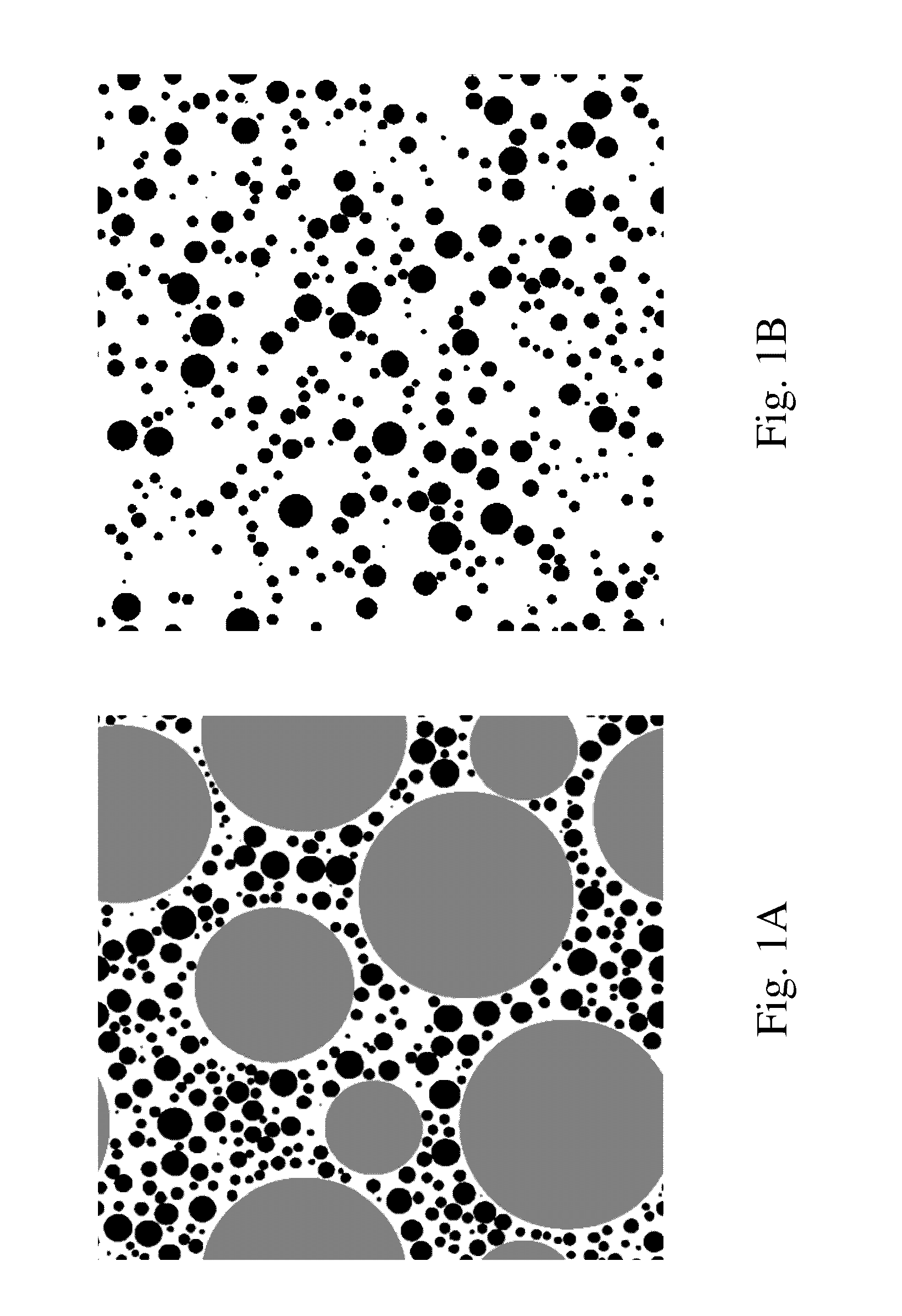
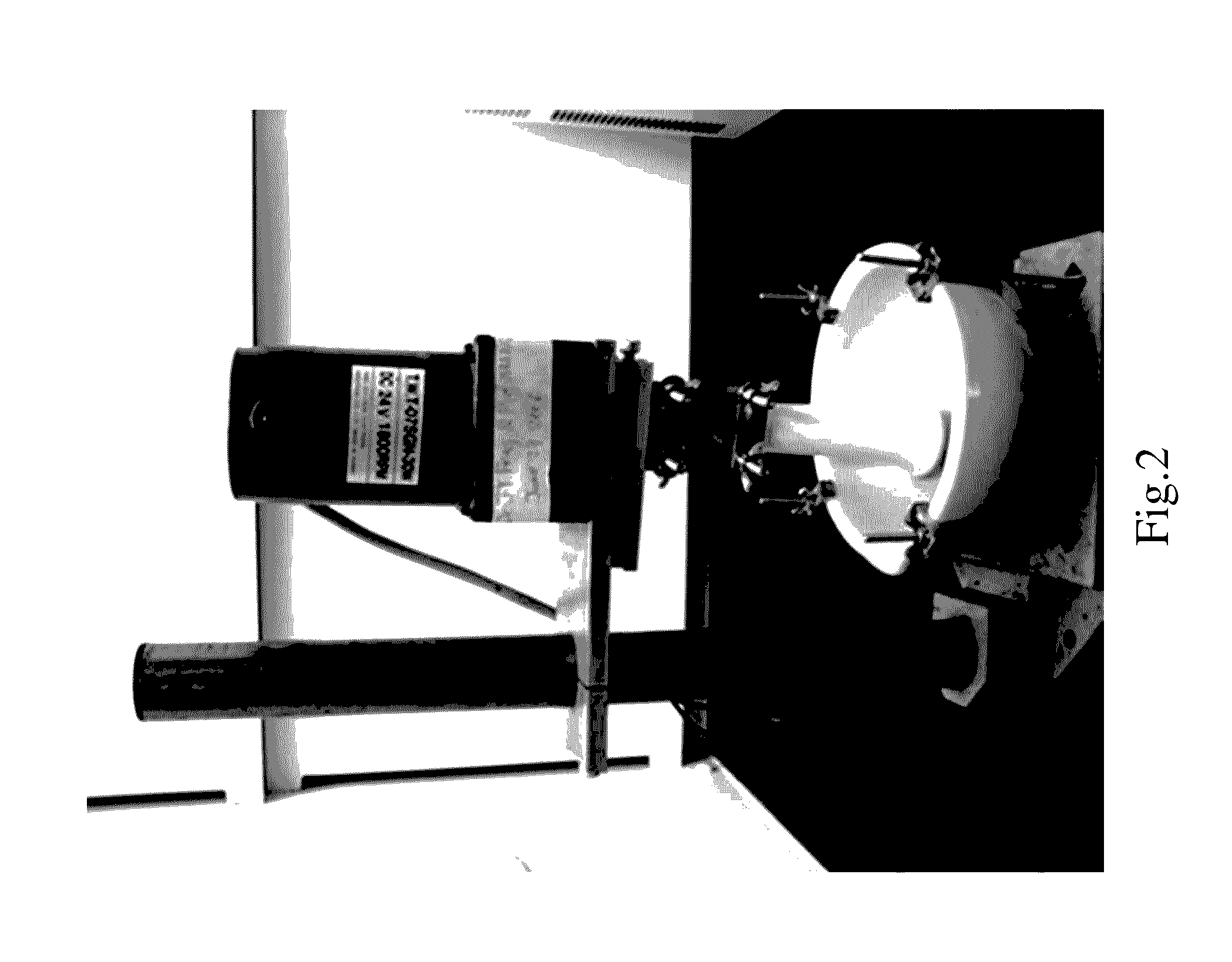

Fuel cell comprising an ammonium polyphosphate composite as a proton-conducting solid electrolyte, for operating at temperatures between 200 and 600 DEG c
PatentWO2002056406A1
Innovation
- A proton-conducting solid electrolyte using ammonium polyphosphate composite embedded in a porous matrix, which is thermally, chemically, and mechanically stable, and gas-tight, allowing for reduced carbon monoxide poisoning and direct oxidation of reformed methanol, with high protonic conductivity and stability across the 200-600°C range.


Environmental Impact Assessment of Magnesium Polyphosphate Systems
The environmental implications of magnesium polyphosphate systems in fuel cell applications present a complex landscape of both opportunities and challenges that require comprehensive evaluation across multiple dimensions. As these materials gain prominence in high-performance fuel cell development, understanding their environmental footprint becomes crucial for sustainable technology advancement.
Magnesium polyphosphate systems demonstrate significant environmental advantages compared to traditional fuel cell materials, particularly in terms of resource availability and extraction impact. Magnesium ranks as the eighth most abundant element in Earth's crust, ensuring minimal supply chain disruption and reduced mining pressure on rare earth elements typically required in conventional fuel cell technologies. The extraction processes for magnesium compounds generally involve lower energy consumption and generate fewer toxic byproducts compared to platinum-based catalysts or rare earth materials.
The manufacturing phase of magnesium polyphosphate systems exhibits relatively favorable environmental characteristics. Production processes typically operate at moderate temperatures and pressures, resulting in reduced energy consumption during synthesis. The chemical pathways involved in creating these polyphosphate structures generate minimal hazardous waste streams, with most byproducts being water-soluble and readily treatable through conventional wastewater management systems.
Lifecycle assessment considerations reveal promising sustainability metrics for magnesium polyphosphate fuel cell components. These materials demonstrate excellent chemical stability under operational conditions, potentially extending fuel cell lifespan and reducing replacement frequency. The enhanced durability translates to reduced material consumption over the system's operational lifetime, contributing to overall environmental benefit through decreased manufacturing demand.
End-of-life management presents favorable scenarios for magnesium polyphosphate systems. The constituent materials are generally non-toxic and can be processed through established recycling pathways. Magnesium compounds can be recovered and reprocessed for various industrial applications, while phosphate components find utility in fertilizer production or other chemical processes. This circular economy potential significantly reduces the environmental burden associated with waste disposal.
However, certain environmental considerations require ongoing attention. The phosphate component raises concerns regarding potential eutrophication if released into aquatic systems during manufacturing or disposal processes. Proper containment and treatment protocols must be implemented to prevent environmental contamination. Additionally, the energy requirements for large-scale production need optimization to minimize carbon footprint.
Water usage during manufacturing and processing represents another environmental factor requiring management. While magnesium polyphosphate production generally requires less water than alternative fuel cell materials, industrial-scale manufacturing must incorporate water recycling and treatment systems to minimize freshwater consumption and prevent contamination of local water resources.
Magnesium polyphosphate systems demonstrate significant environmental advantages compared to traditional fuel cell materials, particularly in terms of resource availability and extraction impact. Magnesium ranks as the eighth most abundant element in Earth's crust, ensuring minimal supply chain disruption and reduced mining pressure on rare earth elements typically required in conventional fuel cell technologies. The extraction processes for magnesium compounds generally involve lower energy consumption and generate fewer toxic byproducts compared to platinum-based catalysts or rare earth materials.
The manufacturing phase of magnesium polyphosphate systems exhibits relatively favorable environmental characteristics. Production processes typically operate at moderate temperatures and pressures, resulting in reduced energy consumption during synthesis. The chemical pathways involved in creating these polyphosphate structures generate minimal hazardous waste streams, with most byproducts being water-soluble and readily treatable through conventional wastewater management systems.
Lifecycle assessment considerations reveal promising sustainability metrics for magnesium polyphosphate fuel cell components. These materials demonstrate excellent chemical stability under operational conditions, potentially extending fuel cell lifespan and reducing replacement frequency. The enhanced durability translates to reduced material consumption over the system's operational lifetime, contributing to overall environmental benefit through decreased manufacturing demand.
End-of-life management presents favorable scenarios for magnesium polyphosphate systems. The constituent materials are generally non-toxic and can be processed through established recycling pathways. Magnesium compounds can be recovered and reprocessed for various industrial applications, while phosphate components find utility in fertilizer production or other chemical processes. This circular economy potential significantly reduces the environmental burden associated with waste disposal.
However, certain environmental considerations require ongoing attention. The phosphate component raises concerns regarding potential eutrophication if released into aquatic systems during manufacturing or disposal processes. Proper containment and treatment protocols must be implemented to prevent environmental contamination. Additionally, the energy requirements for large-scale production need optimization to minimize carbon footprint.
Water usage during manufacturing and processing represents another environmental factor requiring management. While magnesium polyphosphate production generally requires less water than alternative fuel cell materials, industrial-scale manufacturing must incorporate water recycling and treatment systems to minimize freshwater consumption and prevent contamination of local water resources.
Manufacturing Scalability and Cost Analysis for Commercial Deployment
The manufacturing scalability of tailored magnesium polyphosphate for fuel cell applications presents significant challenges that must be addressed for successful commercial deployment. Current laboratory-scale synthesis methods, including sol-gel processes and controlled precipitation techniques, require substantial modifications to achieve industrial-scale production volumes. The transition from batch processing to continuous manufacturing systems demands careful optimization of reaction parameters, temperature control, and material handling protocols to maintain the precise stoichiometric ratios and morphological characteristics essential for fuel cell performance.
Production cost analysis reveals that raw material expenses constitute approximately 40-50% of total manufacturing costs, with magnesium oxide and phosphoric acid representing the primary cost drivers. The synthesis process energy requirements, particularly for calcination and drying operations, contribute an additional 25-30% to overall production costs. Labor and equipment depreciation account for the remaining cost components, with automated production systems offering potential cost reductions of 15-20% compared to manual operations.
Scale-up feasibility studies indicate that achieving commercial production volumes of 10-100 tons annually requires investment in specialized equipment including high-temperature rotary kilns, precision mixing systems, and controlled atmosphere processing chambers. The capital expenditure for establishing a commercial-scale facility ranges from $5-15 million, depending on production capacity and automation levels. Quality control systems must be integrated throughout the manufacturing process to ensure consistent particle size distribution, surface area, and ionic conductivity properties.
Economic viability analysis suggests that production costs can be reduced from current laboratory-scale estimates of $200-300 per kilogram to $15-25 per kilogram at commercial volumes. This cost reduction trajectory aligns with fuel cell industry requirements for competitive material pricing. Supply chain considerations include securing reliable sources of high-purity precursor materials and establishing strategic partnerships with equipment manufacturers specializing in phosphate processing technologies.
Manufacturing optimization strategies focus on implementing lean production principles, waste heat recovery systems, and recycling protocols for unreacted precursors. These approaches can further reduce production costs by 10-15% while minimizing environmental impact. The establishment of regional production facilities near major fuel cell manufacturing centers offers additional cost advantages through reduced transportation expenses and enhanced supply chain responsiveness.
Production cost analysis reveals that raw material expenses constitute approximately 40-50% of total manufacturing costs, with magnesium oxide and phosphoric acid representing the primary cost drivers. The synthesis process energy requirements, particularly for calcination and drying operations, contribute an additional 25-30% to overall production costs. Labor and equipment depreciation account for the remaining cost components, with automated production systems offering potential cost reductions of 15-20% compared to manual operations.
Scale-up feasibility studies indicate that achieving commercial production volumes of 10-100 tons annually requires investment in specialized equipment including high-temperature rotary kilns, precision mixing systems, and controlled atmosphere processing chambers. The capital expenditure for establishing a commercial-scale facility ranges from $5-15 million, depending on production capacity and automation levels. Quality control systems must be integrated throughout the manufacturing process to ensure consistent particle size distribution, surface area, and ionic conductivity properties.
Economic viability analysis suggests that production costs can be reduced from current laboratory-scale estimates of $200-300 per kilogram to $15-25 per kilogram at commercial volumes. This cost reduction trajectory aligns with fuel cell industry requirements for competitive material pricing. Supply chain considerations include securing reliable sources of high-purity precursor materials and establishing strategic partnerships with equipment manufacturers specializing in phosphate processing technologies.
Manufacturing optimization strategies focus on implementing lean production principles, waste heat recovery systems, and recycling protocols for unreacted precursors. These approaches can further reduce production costs by 10-15% while minimizing environmental impact. The establishment of regional production facilities near major fuel cell manufacturing centers offers additional cost advantages through reduced transportation expenses and enhanced supply chain responsiveness.
Unlock deeper insights with Patsnap Eureka Quick Research — get a full tech report to explore trends and direct your research. Try now!
Generate Your Research Report Instantly with AI Agent
Supercharge your innovation with Patsnap Eureka AI Agent Platform!