

How To Decrease Capacity Fade In Sodium Sulfur Batteries After Cycling
JUN 3, 20269 MIN READ
Generate Your Research Report Instantly with AI Agent
Patsnap Eureka helps you evaluate technical feasibility & market potential.
Sodium Sulfur Battery Capacity Fade Background and Goals
Sodium sulfur (Na-S) batteries represent a promising energy storage technology that has garnered significant attention due to their high theoretical energy density, abundant raw materials, and potential cost advantages. These batteries operate at elevated temperatures, typically between 300-350°C, where both sodium and sulfur exist in molten states, enabling rapid ion transport and high power delivery capabilities.
The historical development of Na-S battery technology traces back to the 1960s when Ford Motor Company first explored this electrochemical system. The technology gained momentum in the 1980s and 1990s through collaborative efforts between Japanese companies and research institutions, leading to the first commercial deployments for grid-scale energy storage applications. The fundamental appeal of Na-S batteries lies in their theoretical specific energy of approximately 760 Wh/kg, significantly higher than conventional lithium-ion systems.
However, the practical implementation of Na-S batteries faces a critical challenge in the form of capacity fade during cycling operations. This degradation phenomenon manifests as a gradual reduction in the battery's ability to store and deliver energy over successive charge-discharge cycles. The capacity fade issue has emerged as one of the primary barriers preventing widespread adoption of Na-S technology, particularly in applications requiring long-term reliability and consistent performance.
The capacity degradation in Na-S batteries stems from multiple interconnected mechanisms occurring during cycling. Polysulfide dissolution and migration lead to active material loss, while volume changes during charge-discharge cycles cause mechanical stress on the solid electrolyte separator. Additionally, corrosion of current collectors and formation of inactive compounds contribute to the overall capacity decline.
Current research objectives focus on developing comprehensive strategies to mitigate capacity fade while maintaining the inherent advantages of Na-S battery systems. The primary goal involves extending cycle life to commercially viable levels, typically targeting over 4,500 cycles with less than 20% capacity loss. Secondary objectives include improving operational safety, reducing maintenance requirements, and optimizing thermal management systems.
The technological advancement in this field aims to achieve stable long-term performance through materials engineering, cell design optimization, and advanced battery management systems. Success in addressing capacity fade challenges would unlock the full potential of Na-S batteries for large-scale energy storage applications, supporting renewable energy integration and grid stabilization initiatives.
The historical development of Na-S battery technology traces back to the 1960s when Ford Motor Company first explored this electrochemical system. The technology gained momentum in the 1980s and 1990s through collaborative efforts between Japanese companies and research institutions, leading to the first commercial deployments for grid-scale energy storage applications. The fundamental appeal of Na-S batteries lies in their theoretical specific energy of approximately 760 Wh/kg, significantly higher than conventional lithium-ion systems.
However, the practical implementation of Na-S batteries faces a critical challenge in the form of capacity fade during cycling operations. This degradation phenomenon manifests as a gradual reduction in the battery's ability to store and deliver energy over successive charge-discharge cycles. The capacity fade issue has emerged as one of the primary barriers preventing widespread adoption of Na-S technology, particularly in applications requiring long-term reliability and consistent performance.
The capacity degradation in Na-S batteries stems from multiple interconnected mechanisms occurring during cycling. Polysulfide dissolution and migration lead to active material loss, while volume changes during charge-discharge cycles cause mechanical stress on the solid electrolyte separator. Additionally, corrosion of current collectors and formation of inactive compounds contribute to the overall capacity decline.
Current research objectives focus on developing comprehensive strategies to mitigate capacity fade while maintaining the inherent advantages of Na-S battery systems. The primary goal involves extending cycle life to commercially viable levels, typically targeting over 4,500 cycles with less than 20% capacity loss. Secondary objectives include improving operational safety, reducing maintenance requirements, and optimizing thermal management systems.
The technological advancement in this field aims to achieve stable long-term performance through materials engineering, cell design optimization, and advanced battery management systems. Success in addressing capacity fade challenges would unlock the full potential of Na-S batteries for large-scale energy storage applications, supporting renewable energy integration and grid stabilization initiatives.
Market Demand for Long-Life Sodium Sulfur Energy Storage
The global energy storage market is experiencing unprecedented growth driven by the accelerating transition to renewable energy sources and the urgent need for grid stabilization solutions. Sodium sulfur batteries have emerged as a critical technology for large-scale energy storage applications, particularly in utility-scale installations where long-duration storage capabilities are essential. The technology's ability to operate at high temperatures and deliver consistent performance over extended periods makes it particularly attractive for grid-scale applications.
Current market dynamics reveal significant demand for energy storage solutions that can maintain performance over thousands of charge-discharge cycles. Utility companies and independent power producers are increasingly seeking storage technologies that can provide reliable service for decades rather than years. The capacity fade issue in sodium sulfur batteries directly impacts the total cost of ownership and return on investment calculations that drive procurement decisions in this sector.
Industrial applications represent another substantial market segment where long-life sodium sulfur batteries could capture significant value. Manufacturing facilities, data centers, and critical infrastructure operators require backup power systems that maintain capacity over extended operational periods. The high energy density and thermal stability of sodium sulfur technology align well with these requirements, provided that capacity degradation can be minimized through improved cycling performance.
The renewable energy integration market presents particularly compelling opportunities for enhanced sodium sulfur battery technology. Wind and solar installations require storage systems capable of handling frequent cycling while maintaining capacity over project lifespans that typically extend beyond twenty years. Addressing capacity fade challenges would position sodium sulfur batteries as preferred solutions for these applications, competing effectively against lithium-ion and other emerging storage technologies.
Geographic markets show varying levels of demand intensity, with regions experiencing rapid renewable energy deployment demonstrating the strongest interest in long-life storage solutions. Countries with aggressive decarbonization targets and substantial renewable energy investments are actively seeking storage technologies that can support grid reliability while delivering favorable economics over extended operational periods.
The economic value proposition for improved sodium sulfur battery longevity extends beyond initial capital costs to encompass reduced maintenance requirements, lower replacement frequencies, and enhanced revenue generation potential through extended operational life. Market participants consistently identify capacity retention as a primary factor in technology selection decisions, indicating substantial commercial opportunities for solutions that effectively address cycling-induced degradation.
Current market dynamics reveal significant demand for energy storage solutions that can maintain performance over thousands of charge-discharge cycles. Utility companies and independent power producers are increasingly seeking storage technologies that can provide reliable service for decades rather than years. The capacity fade issue in sodium sulfur batteries directly impacts the total cost of ownership and return on investment calculations that drive procurement decisions in this sector.
Industrial applications represent another substantial market segment where long-life sodium sulfur batteries could capture significant value. Manufacturing facilities, data centers, and critical infrastructure operators require backup power systems that maintain capacity over extended operational periods. The high energy density and thermal stability of sodium sulfur technology align well with these requirements, provided that capacity degradation can be minimized through improved cycling performance.
The renewable energy integration market presents particularly compelling opportunities for enhanced sodium sulfur battery technology. Wind and solar installations require storage systems capable of handling frequent cycling while maintaining capacity over project lifespans that typically extend beyond twenty years. Addressing capacity fade challenges would position sodium sulfur batteries as preferred solutions for these applications, competing effectively against lithium-ion and other emerging storage technologies.
Geographic markets show varying levels of demand intensity, with regions experiencing rapid renewable energy deployment demonstrating the strongest interest in long-life storage solutions. Countries with aggressive decarbonization targets and substantial renewable energy investments are actively seeking storage technologies that can support grid reliability while delivering favorable economics over extended operational periods.
The economic value proposition for improved sodium sulfur battery longevity extends beyond initial capital costs to encompass reduced maintenance requirements, lower replacement frequencies, and enhanced revenue generation potential through extended operational life. Market participants consistently identify capacity retention as a primary factor in technology selection decisions, indicating substantial commercial opportunities for solutions that effectively address cycling-induced degradation.
Current Capacity Degradation Challenges in Na-S Batteries
Sodium-sulfur batteries face significant capacity degradation challenges that limit their commercial viability and long-term performance. The primary degradation mechanism stems from the corrosive nature of polysulfide intermediates formed during discharge cycles. These polysulfides react aggressively with the beta-alumina solid electrolyte, causing structural deterioration and increased internal resistance over time.
The beta-alumina ceramic electrolyte, while providing excellent sodium ion conductivity at operating temperatures of 300-350°C, suffers from chemical attack by sulfur-containing species. This interaction leads to the formation of sodium aluminate and aluminum sulfide compounds, which compromise the electrolyte's integrity and create pathways for electronic conduction, resulting in self-discharge and capacity loss.
Thermal cycling presents another critical challenge, as repeated heating and cooling cycles induce mechanical stress within the ceramic electrolyte. The differential thermal expansion between the electrolyte and electrode materials creates micro-cracks that propagate over time, leading to electrolyte failure and cell degradation. These thermal stresses are particularly pronounced during startup and shutdown operations.
Sulfur electrode morphology changes represent a fundamental degradation pathway. During cycling, sulfur undergoes volumetric expansion and contraction, causing active material redistribution and loss of electrical contact with current collectors. The formation of insulating sulfur deposits on electrode surfaces further reduces accessible capacity and increases polarization losses.
Sodium metal electrode degradation occurs through dendrite formation and surface passivation. Non-uniform sodium deposition creates dendrites that can penetrate the electrolyte, causing short circuits and safety hazards. Additionally, impurities in the sodium metal react to form resistive surface layers that impede ion transport and contribute to capacity fade.
Seal degradation at high operating temperatures allows moisture and oxygen ingress, leading to parasitic reactions that consume active materials. The harsh operating environment accelerates seal material aging, compromising cell hermeticity and enabling contamination that accelerates capacity loss through irreversible side reactions.
Current mitigation strategies show limited effectiveness in addressing these multifaceted degradation mechanisms simultaneously, highlighting the need for comprehensive solutions that target the root causes of capacity fade while maintaining the inherent advantages of sodium-sulfur battery technology.
The beta-alumina ceramic electrolyte, while providing excellent sodium ion conductivity at operating temperatures of 300-350°C, suffers from chemical attack by sulfur-containing species. This interaction leads to the formation of sodium aluminate and aluminum sulfide compounds, which compromise the electrolyte's integrity and create pathways for electronic conduction, resulting in self-discharge and capacity loss.
Thermal cycling presents another critical challenge, as repeated heating and cooling cycles induce mechanical stress within the ceramic electrolyte. The differential thermal expansion between the electrolyte and electrode materials creates micro-cracks that propagate over time, leading to electrolyte failure and cell degradation. These thermal stresses are particularly pronounced during startup and shutdown operations.
Sulfur electrode morphology changes represent a fundamental degradation pathway. During cycling, sulfur undergoes volumetric expansion and contraction, causing active material redistribution and loss of electrical contact with current collectors. The formation of insulating sulfur deposits on electrode surfaces further reduces accessible capacity and increases polarization losses.
Sodium metal electrode degradation occurs through dendrite formation and surface passivation. Non-uniform sodium deposition creates dendrites that can penetrate the electrolyte, causing short circuits and safety hazards. Additionally, impurities in the sodium metal react to form resistive surface layers that impede ion transport and contribute to capacity fade.
Seal degradation at high operating temperatures allows moisture and oxygen ingress, leading to parasitic reactions that consume active materials. The harsh operating environment accelerates seal material aging, compromising cell hermeticity and enabling contamination that accelerates capacity loss through irreversible side reactions.
Current mitigation strategies show limited effectiveness in addressing these multifaceted degradation mechanisms simultaneously, highlighting the need for comprehensive solutions that target the root causes of capacity fade while maintaining the inherent advantages of sodium-sulfur battery technology.
Existing Solutions for Mitigating Na-S Capacity Loss
01 Electrolyte composition optimization for capacity retention
Optimization of electrolyte composition in sodium sulfur batteries to minimize capacity fade through improved ionic conductivity and reduced side reactions. This involves modifying the sodium polysulfide electrolyte system and incorporating additives that enhance the stability of the electrochemical interface, thereby maintaining battery performance over extended cycling periods.- Electrolyte composition optimization for capacity retention: Optimizing the electrolyte composition in sodium sulfur batteries can significantly improve capacity retention by reducing side reactions and improving ionic conductivity. Advanced electrolyte formulations help maintain stable electrochemical performance over extended cycling periods and minimize capacity degradation mechanisms.
- Electrode material modifications to prevent capacity fade: Modifying electrode materials through surface treatments, coatings, or structural enhancements can effectively reduce capacity fade in sodium sulfur batteries. These modifications help maintain electrode integrity during charge-discharge cycles and prevent material degradation that leads to capacity loss.
- Battery cell design and construction improvements: Enhanced battery cell design and construction methods can mitigate capacity fade by improving thermal management, reducing internal resistance, and optimizing current distribution. These design improvements help maintain consistent performance and extend battery life by addressing structural factors that contribute to capacity degradation.
- Separator and membrane technology enhancements: Advanced separator and membrane technologies play a crucial role in preventing capacity fade by maintaining proper ion transport while preventing unwanted reactions. Improved separator materials and designs help maintain battery performance by controlling ion flow and preventing cross-contamination between electrodes.
- Thermal management and operating condition optimization: Proper thermal management and optimization of operating conditions are essential for minimizing capacity fade in sodium sulfur batteries. Controlling temperature profiles, charge-discharge rates, and environmental conditions helps prevent accelerated degradation and maintains long-term capacity retention.
02 Electrode material enhancement and surface treatment
Development of advanced electrode materials and surface treatments to reduce capacity degradation in sodium sulfur batteries. This includes modification of sulfur cathode materials and sodium anode surfaces to improve structural stability during charge-discharge cycles and prevent material dissolution that leads to capacity loss.Expand Specific Solutions03 Battery cell design and separator technology
Improvements in battery cell architecture and separator materials to address capacity fade issues. This encompasses the development of solid electrolyte separators with enhanced ionic conductivity and mechanical stability, as well as optimized cell configurations that minimize internal resistance and prevent cross-contamination between electrodes.Expand Specific Solutions04 Temperature management and thermal stability
Implementation of temperature control systems and thermal management strategies to maintain optimal operating conditions and prevent capacity fade caused by thermal degradation. This includes the development of heating systems, insulation materials, and thermal monitoring technologies that ensure consistent battery performance across different operating temperatures.Expand Specific Solutions05 Charging protocols and cycle life optimization
Development of advanced charging algorithms and operational protocols specifically designed to extend cycle life and minimize capacity fade in sodium sulfur batteries. This involves optimizing charge-discharge rates, voltage limits, and rest periods to reduce stress on battery components and maintain electrochemical stability over numerous cycles.Expand Specific Solutions
Key Players in Sodium Sulfur Battery Industry
The sodium-sulfur battery industry is experiencing a transitional phase from early commercialization to broader market adoption, driven by growing demand for grid-scale energy storage solutions. The market remains relatively niche but shows significant growth potential as renewable energy integration accelerates globally. Technology maturity varies considerably across market players, with established companies like NGK Corp. leading commercial deployment of high-temperature sodium-sulfur systems, while emerging players such as Gelion Technologies focus on next-generation room-temperature variants. Major battery manufacturers including LG Energy Solution, Samsung SDI, and Contemporary Amperex Technology are investing in advanced sodium-sulfur research to address capacity fade challenges through improved electrolyte formulations and electrode materials. Research institutions like University of Waterloo, Texas A&M University, and Advanced Industrial Science & Technology contribute fundamental breakthroughs in battery chemistry and cycling stability, while automotive giants Toyota Motor Corp. and component suppliers like Robert Bosch GmbH explore applications beyond stationary storage into transportation sectors.
NGK Corp.
Technical Solution: NGK has developed advanced ceramic separator technology for sodium sulfur batteries, focusing on beta-alumina solid electrolyte optimization to reduce capacity fade. Their approach involves improving the microstructure and ionic conductivity of the ceramic separator while maintaining mechanical stability at high operating temperatures around 300-350°C. The company has implemented advanced manufacturing processes to minimize defects in the beta-alumina electrolyte that can lead to capacity degradation over cycling.
Strengths: Leading expertise in ceramic materials and proven commercial NAS battery systems. Weaknesses: High operating temperature requirements and complex thermal management needs.
LG Energy Solution Ltd.
Technical Solution: LG Energy Solution has developed room-temperature sodium sulfur battery technology using advanced polymer electrolytes and carbon-sulfur composite cathodes to address capacity fade issues. Their approach focuses on encapsulating sulfur in porous carbon matrices and utilizing solid polymer electrolytes to prevent polysulfide dissolution, which is a major cause of capacity loss in traditional sodium-sulfur systems. The company has also implemented advanced battery management systems with precise voltage and temperature control algorithms.
Strengths: Extensive battery manufacturing experience and advanced polymer electrolyte technology. Weaknesses: Lower energy density compared to high-temperature systems and scalability challenges for large-scale applications.
Core Innovations in Capacity Retention Technologies
Evaluating capacity fade in dual insertion batteries using potential and temperature measurements
PatentActiveUS10886575B2
Innovation
- A method that estimates the open-circuit potential and capacity fade of lithium-ion batteries by measuring temperature and state of charge, using a battery management system to regulate charging/discharging based on these estimates, and utilizing the ratio of change in open-circuit potential relative to temperature to collect data points for accurate capacity fade analysis.


Device and Method for Measuring the Capacity Degradation of a Battery
PatentInactiveUS20140052396A1
Innovation
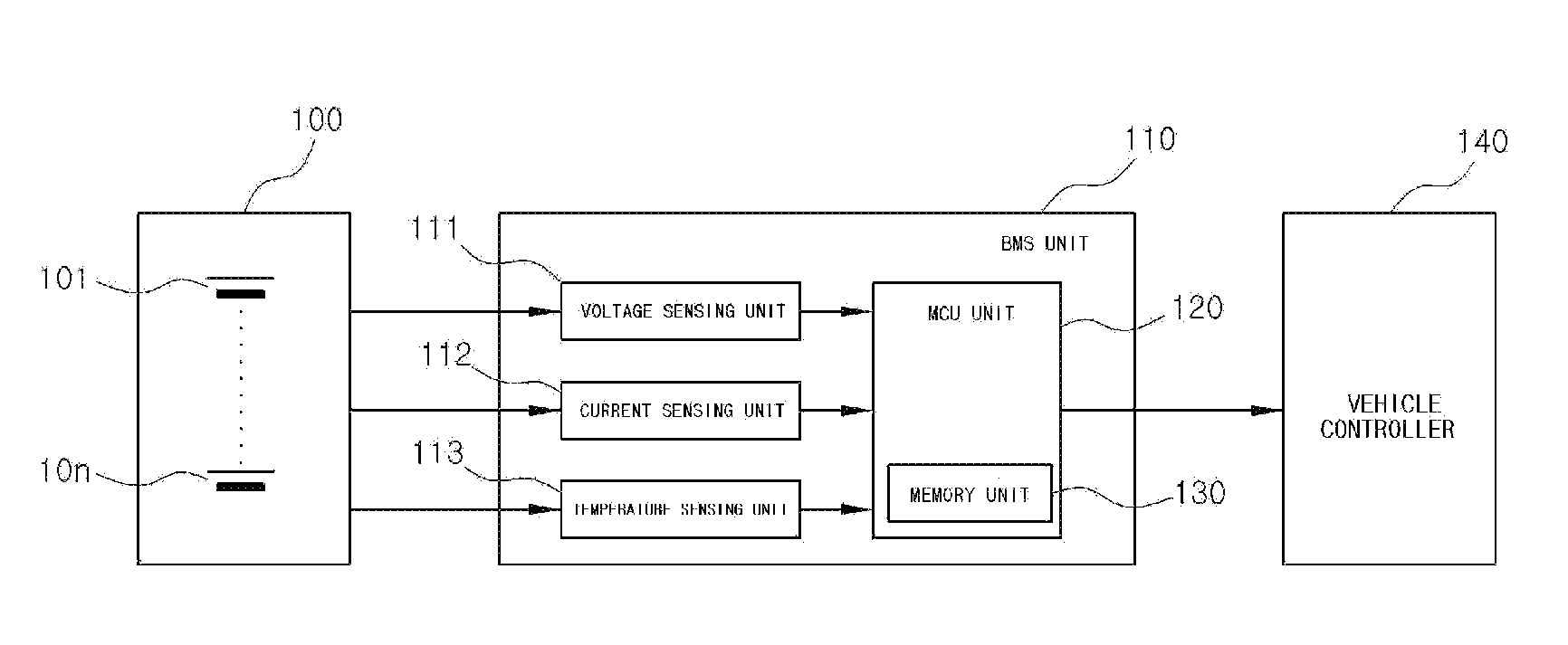
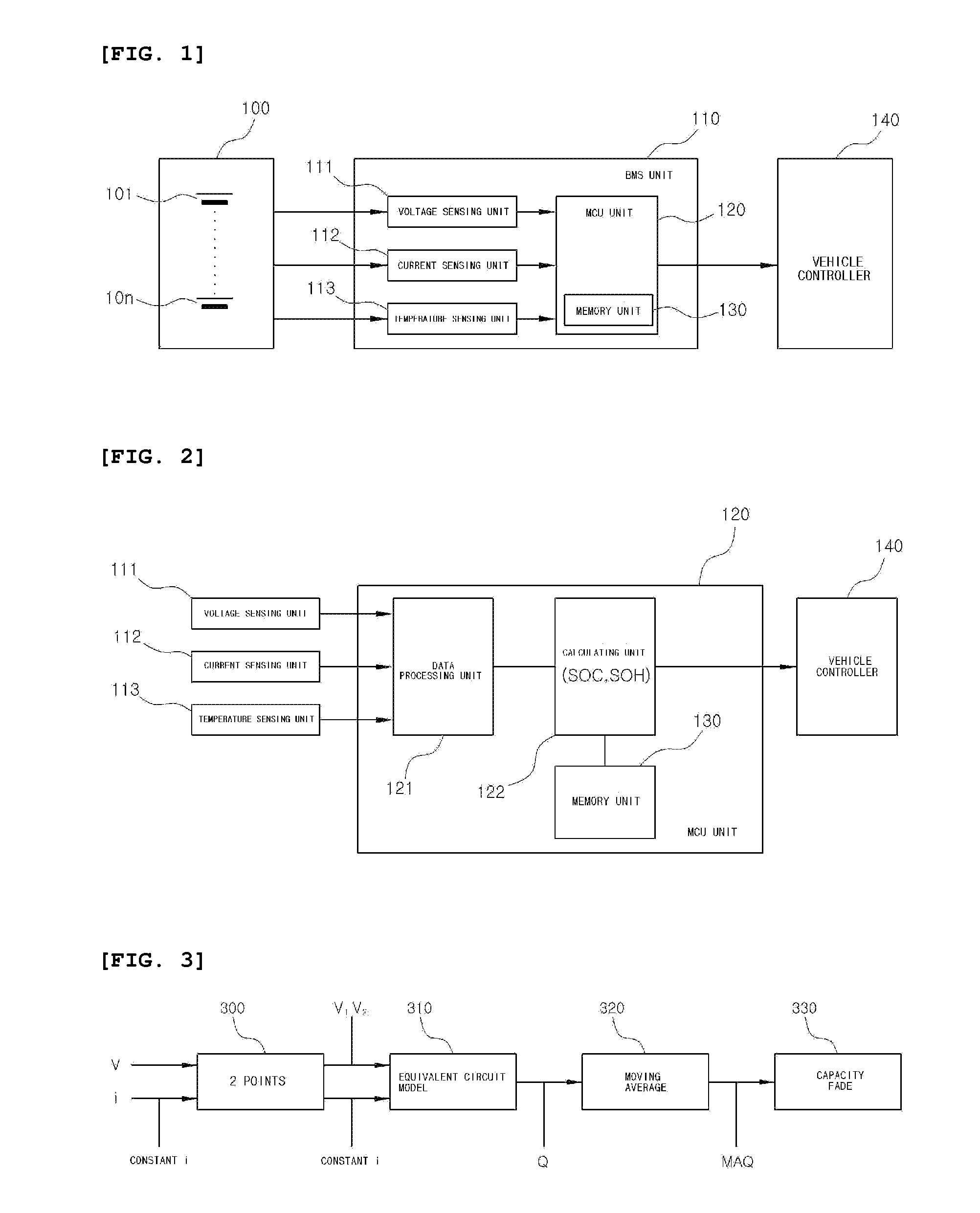
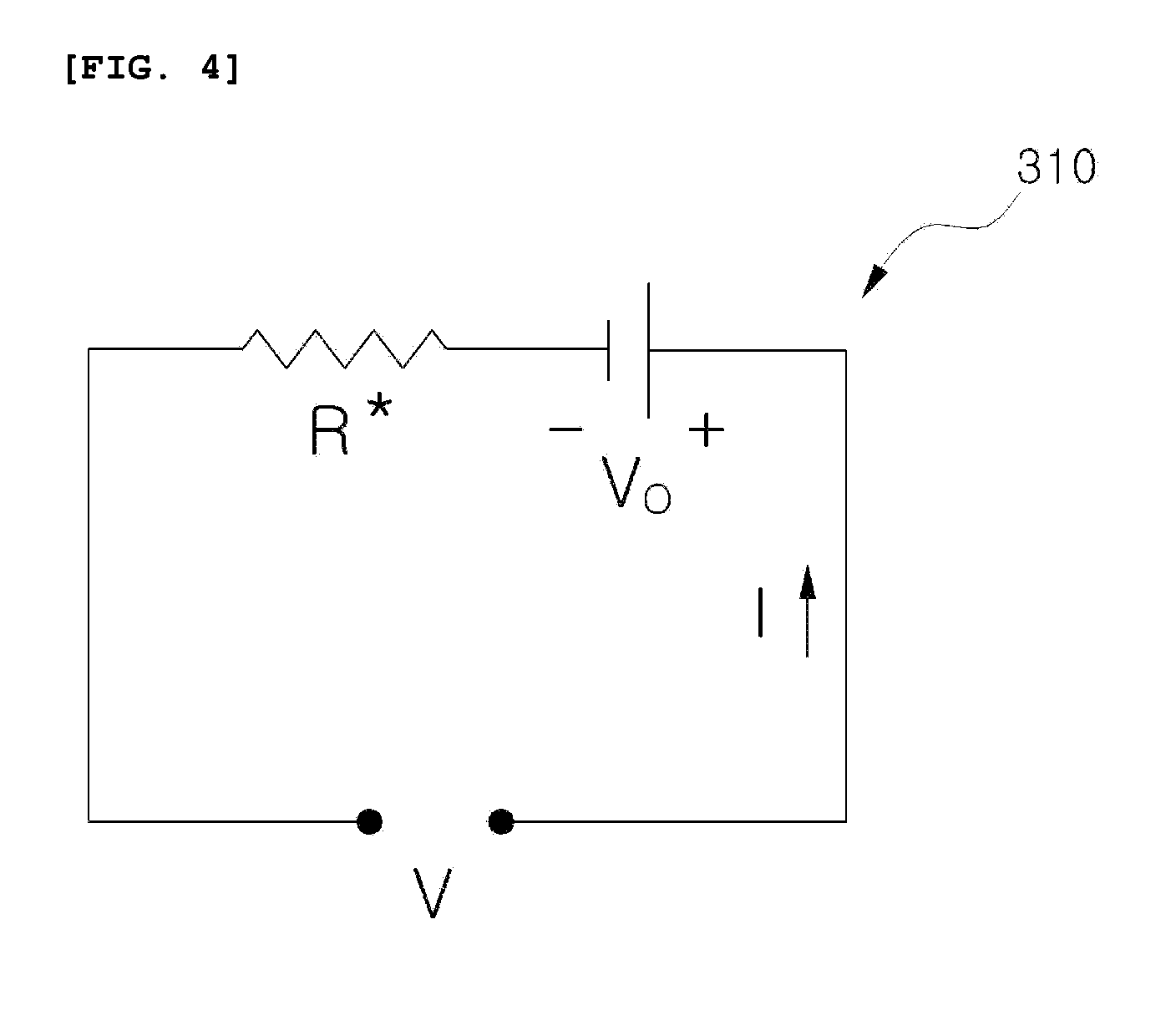
- An apparatus and method that includes a sensing unit for current, voltage, and temperature, a data processing unit for measuring voltage and current data during constant current charging, and a calculating unit that applies voltage data to an equivalent circuit model to calculate faded capacity, allowing for real-time measurement and moving average calculation of capacity fade, regardless of current amplitude.

Safety Standards for High-Temperature Battery Systems
Safety standards for high-temperature battery systems, particularly sodium-sulfur batteries, represent a critical framework for addressing the inherent risks associated with operating electrochemical energy storage devices at elevated temperatures. These standards encompass thermal management protocols, containment requirements, and emergency response procedures specifically designed for systems operating between 300-350°C.
The International Electrotechnical Commission (IEC) 62933 series provides foundational guidelines for battery energy storage systems, while specialized standards such as UL 1973 and IEEE 2450 address stationary battery installations. For sodium-sulfur technology, additional considerations include molten electrolyte containment, ceramic electrolyte integrity monitoring, and thermal runaway prevention mechanisms that differ significantly from conventional battery chemistries.
Thermal management standards mandate multi-layered insulation systems, precise temperature control within ±5°C operational windows, and fail-safe heating element designs. Emergency shutdown protocols require rapid cooling capabilities while maintaining electrolyte solidification procedures to prevent catastrophic failure modes. Ventilation requirements address potential sulfur vapor release and ensure adequate air circulation around battery modules.
Fire suppression systems for high-temperature batteries must accommodate unique combustion characteristics of sodium and sulfur compounds. Traditional water-based systems are contraindicated due to violent reactions with molten sodium, necessitating specialized dry chemical or inert gas suppression methods. Detection systems incorporate both thermal and chemical sensors to identify early warning signs of system degradation.
Personnel safety protocols emphasize protective equipment rated for high-temperature environments, emergency response training specific to alkali metal hazards, and restricted access zones around operational battery systems. Maintenance procedures require specialized tools and techniques for working with systems containing corrosive molten materials at extreme temperatures.
Regulatory compliance frameworks vary by jurisdiction but consistently emphasize third-party testing, regular safety audits, and comprehensive documentation of operational parameters. These standards continue evolving as deployment experience grows and new failure modes are identified in field applications.
The International Electrotechnical Commission (IEC) 62933 series provides foundational guidelines for battery energy storage systems, while specialized standards such as UL 1973 and IEEE 2450 address stationary battery installations. For sodium-sulfur technology, additional considerations include molten electrolyte containment, ceramic electrolyte integrity monitoring, and thermal runaway prevention mechanisms that differ significantly from conventional battery chemistries.
Thermal management standards mandate multi-layered insulation systems, precise temperature control within ±5°C operational windows, and fail-safe heating element designs. Emergency shutdown protocols require rapid cooling capabilities while maintaining electrolyte solidification procedures to prevent catastrophic failure modes. Ventilation requirements address potential sulfur vapor release and ensure adequate air circulation around battery modules.
Fire suppression systems for high-temperature batteries must accommodate unique combustion characteristics of sodium and sulfur compounds. Traditional water-based systems are contraindicated due to violent reactions with molten sodium, necessitating specialized dry chemical or inert gas suppression methods. Detection systems incorporate both thermal and chemical sensors to identify early warning signs of system degradation.
Personnel safety protocols emphasize protective equipment rated for high-temperature environments, emergency response training specific to alkali metal hazards, and restricted access zones around operational battery systems. Maintenance procedures require specialized tools and techniques for working with systems containing corrosive molten materials at extreme temperatures.
Regulatory compliance frameworks vary by jurisdiction but consistently emphasize third-party testing, regular safety audits, and comprehensive documentation of operational parameters. These standards continue evolving as deployment experience grows and new failure modes are identified in field applications.
Environmental Impact of Sodium Sulfur Battery Lifecycle
The environmental implications of sodium sulfur battery lifecycle present a complex interplay between technological advancement and ecological responsibility. While these batteries offer promising solutions for large-scale energy storage, their environmental footprint extends across multiple phases from raw material extraction to end-of-life management. Understanding these impacts becomes particularly crucial when addressing capacity fade issues, as environmental considerations often influence the selection and implementation of fade mitigation strategies.
Raw material extraction for sodium sulfur batteries involves mining operations for sulfur and sodium compounds, which can result in habitat disruption and soil contamination. However, both sodium and sulfur are relatively abundant elements, reducing the environmental pressure compared to lithium-ion alternatives. The manufacturing phase generates industrial emissions and requires energy-intensive processes, particularly for creating the specialized ceramic electrolytes essential for battery operation.
During the operational phase, sodium sulfur batteries demonstrate significant environmental benefits through their role in renewable energy integration and grid stabilization. Their ability to store excess renewable energy reduces reliance on fossil fuel-based backup power systems, contributing to overall carbon footprint reduction. The high energy density and long cycle life of these batteries, when properly maintained to minimize capacity fade, maximize their environmental value proposition.
Capacity fade mitigation strategies themselves carry environmental implications that must be carefully evaluated. Advanced thermal management systems, while effective in reducing degradation, consume additional energy and require sophisticated materials. Similarly, electrolyte additives or advanced electrode materials designed to combat fade may introduce new environmental considerations regarding their production and disposal.
End-of-life management presents both challenges and opportunities for sodium sulfur batteries. The ceramic electrolyte components are chemically stable and potentially recyclable, while the metallic sodium and sulfur can be recovered and reprocessed. However, the high-temperature operating conditions and reactive nature of sodium require specialized handling procedures during decommissioning and recycling processes.
The lifecycle carbon footprint analysis reveals that sodium sulfur batteries typically achieve carbon neutrality within 2-3 years of operation when deployed for renewable energy storage applications. This relatively short payback period, combined with their 15-20 year operational lifespan, results in substantial net environmental benefits over their complete lifecycle, provided that capacity fade is effectively managed to maintain performance throughout their intended service life.
Raw material extraction for sodium sulfur batteries involves mining operations for sulfur and sodium compounds, which can result in habitat disruption and soil contamination. However, both sodium and sulfur are relatively abundant elements, reducing the environmental pressure compared to lithium-ion alternatives. The manufacturing phase generates industrial emissions and requires energy-intensive processes, particularly for creating the specialized ceramic electrolytes essential for battery operation.
During the operational phase, sodium sulfur batteries demonstrate significant environmental benefits through their role in renewable energy integration and grid stabilization. Their ability to store excess renewable energy reduces reliance on fossil fuel-based backup power systems, contributing to overall carbon footprint reduction. The high energy density and long cycle life of these batteries, when properly maintained to minimize capacity fade, maximize their environmental value proposition.
Capacity fade mitigation strategies themselves carry environmental implications that must be carefully evaluated. Advanced thermal management systems, while effective in reducing degradation, consume additional energy and require sophisticated materials. Similarly, electrolyte additives or advanced electrode materials designed to combat fade may introduce new environmental considerations regarding their production and disposal.
End-of-life management presents both challenges and opportunities for sodium sulfur batteries. The ceramic electrolyte components are chemically stable and potentially recyclable, while the metallic sodium and sulfur can be recovered and reprocessed. However, the high-temperature operating conditions and reactive nature of sodium require specialized handling procedures during decommissioning and recycling processes.
The lifecycle carbon footprint analysis reveals that sodium sulfur batteries typically achieve carbon neutrality within 2-3 years of operation when deployed for renewable energy storage applications. This relatively short payback period, combined with their 15-20 year operational lifespan, results in substantial net environmental benefits over their complete lifecycle, provided that capacity fade is effectively managed to maintain performance throughout their intended service life.
Unlock deeper insights with Patsnap Eureka Quick Research — get a full tech report to explore trends and direct your research. Try now!
Generate Your Research Report Instantly with AI Agent
Supercharge your innovation with Patsnap Eureka AI Agent Platform!