
How to Diagnose ATS Phase-Sequence Detection Errors
AUG 25, 20269 MIN READ
Generate Your Research Report Instantly with AI Agent
Patsnap Eureka helps you evaluate technical feasibility & market potential.
ATS Phase-Sequence Detection Background and Objectives
Automatic Transfer Switch (ATS) systems serve as critical components in power distribution infrastructure, ensuring seamless transition between primary and backup power sources during utility failures or maintenance operations. The phase-sequence detection mechanism within ATS units represents a fundamental safety feature designed to verify correct phase rotation and prevent equipment damage from reverse phase conditions. However, phase-sequence detection errors have emerged as a persistent challenge in modern electrical installations, leading to system malfunctions, unnecessary power interruptions, and potential equipment failures.
The evolution of ATS technology has progressed from simple mechanical contactors to sophisticated microprocessor-controlled systems with advanced monitoring capabilities. Early ATS designs relied on basic electromechanical phase-sequence relays, which proved vulnerable to environmental factors and component aging. Contemporary systems incorporate digital signal processing and programmable logic controllers, yet phase-sequence detection remains susceptible to various error conditions including voltage imbalances, harmonic distortions, transient disturbances, and sensor degradation.
The primary objective of addressing phase-sequence detection errors is to establish reliable diagnostic methodologies that enable rapid identification and resolution of false triggering conditions while maintaining system integrity. This involves developing comprehensive testing protocols that can differentiate between genuine phase-sequence faults and spurious error signals caused by external factors. Enhanced diagnostic capabilities must account for diverse installation environments, varying load characteristics, and the increasing complexity of modern power distribution networks.
Furthermore, the integration of renewable energy sources and distributed generation systems has introduced additional variables affecting phase-sequence stability. Grid-tied inverters, variable frequency drives, and power quality issues create challenging operating conditions that traditional detection algorithms may misinterpret. Establishing robust diagnostic frameworks requires understanding these evolving power system dynamics and developing adaptive detection strategies that minimize false positives while ensuring fail-safe operation during actual phase-sequence anomalies.
The evolution of ATS technology has progressed from simple mechanical contactors to sophisticated microprocessor-controlled systems with advanced monitoring capabilities. Early ATS designs relied on basic electromechanical phase-sequence relays, which proved vulnerable to environmental factors and component aging. Contemporary systems incorporate digital signal processing and programmable logic controllers, yet phase-sequence detection remains susceptible to various error conditions including voltage imbalances, harmonic distortions, transient disturbances, and sensor degradation.
The primary objective of addressing phase-sequence detection errors is to establish reliable diagnostic methodologies that enable rapid identification and resolution of false triggering conditions while maintaining system integrity. This involves developing comprehensive testing protocols that can differentiate between genuine phase-sequence faults and spurious error signals caused by external factors. Enhanced diagnostic capabilities must account for diverse installation environments, varying load characteristics, and the increasing complexity of modern power distribution networks.
Furthermore, the integration of renewable energy sources and distributed generation systems has introduced additional variables affecting phase-sequence stability. Grid-tied inverters, variable frequency drives, and power quality issues create challenging operating conditions that traditional detection algorithms may misinterpret. Establishing robust diagnostic frameworks requires understanding these evolving power system dynamics and developing adaptive detection strategies that minimize false positives while ensuring fail-safe operation during actual phase-sequence anomalies.
Market Demand for Reliable ATS Systems
The global demand for reliable Automatic Transfer Switch (ATS) systems has experienced substantial growth driven by increasing dependence on uninterrupted power supply across critical infrastructure sectors. Healthcare facilities, data centers, telecommunications networks, and industrial manufacturing plants require continuous electrical power to maintain operations and prevent catastrophic failures. Any disruption in power continuity can result in significant financial losses, compromised safety, and operational downtime, making ATS reliability a paramount concern for facility managers and electrical engineers.
Phase-sequence detection errors represent a critical vulnerability in ATS performance that directly impacts system reliability. When an ATS fails to correctly identify phase rotation or sequence, it may transfer loads to an improperly phased power source, potentially damaging sensitive equipment or causing complete system failure. This technical challenge has intensified market demand for ATS solutions incorporating advanced diagnostic capabilities and fail-safe mechanisms. End users increasingly prioritize systems that can proactively identify and alert operators to phase-sequence anomalies before they compromise power transfer operations.
The market landscape reflects growing awareness of phase-sequence related failures and their consequences. Regulatory standards and industry certifications now emphasize comprehensive testing protocols for ATS phase detection accuracy. Organizations are willing to invest in premium ATS solutions that offer enhanced diagnostic features, real-time monitoring capabilities, and predictive maintenance functions. This shift indicates a transition from cost-driven purchasing decisions toward value-based procurement focused on long-term reliability and operational continuity.
Emerging market segments demonstrate particularly strong demand for diagnostic-capable ATS systems. Edge computing facilities, renewable energy integration projects, and mission-critical government installations require ATS solutions with sophisticated self-diagnostic capabilities. These applications cannot tolerate even brief power quality issues, creating opportunities for manufacturers who can deliver systems with robust phase-sequence verification and error detection mechanisms. The convergence of digitalization trends and power reliability requirements continues to expand the addressable market for intelligent ATS technologies capable of diagnosing complex electrical anomalies including phase-sequence detection errors.
Phase-sequence detection errors represent a critical vulnerability in ATS performance that directly impacts system reliability. When an ATS fails to correctly identify phase rotation or sequence, it may transfer loads to an improperly phased power source, potentially damaging sensitive equipment or causing complete system failure. This technical challenge has intensified market demand for ATS solutions incorporating advanced diagnostic capabilities and fail-safe mechanisms. End users increasingly prioritize systems that can proactively identify and alert operators to phase-sequence anomalies before they compromise power transfer operations.
The market landscape reflects growing awareness of phase-sequence related failures and their consequences. Regulatory standards and industry certifications now emphasize comprehensive testing protocols for ATS phase detection accuracy. Organizations are willing to invest in premium ATS solutions that offer enhanced diagnostic features, real-time monitoring capabilities, and predictive maintenance functions. This shift indicates a transition from cost-driven purchasing decisions toward value-based procurement focused on long-term reliability and operational continuity.
Emerging market segments demonstrate particularly strong demand for diagnostic-capable ATS systems. Edge computing facilities, renewable energy integration projects, and mission-critical government installations require ATS solutions with sophisticated self-diagnostic capabilities. These applications cannot tolerate even brief power quality issues, creating opportunities for manufacturers who can deliver systems with robust phase-sequence verification and error detection mechanisms. The convergence of digitalization trends and power reliability requirements continues to expand the addressable market for intelligent ATS technologies capable of diagnosing complex electrical anomalies including phase-sequence detection errors.
Current ATS Phase Detection Challenges and Constraints
Automatic Transfer Switch (ATS) systems face significant technical challenges in accurately detecting and verifying phase sequences, which directly impacts their reliability in critical power distribution applications. The primary constraint stems from the complexity of simultaneously monitoring multiple voltage parameters across three-phase systems while maintaining real-time response capabilities. Traditional detection methods often struggle with transient conditions during power source transitions, where voltage fluctuations and harmonic distortions can obscure true phase relationships.
Environmental factors present substantial constraints to phase detection accuracy. Temperature variations affect sensor calibration and electronic component performance, leading to measurement drift over time. Electromagnetic interference from adjacent high-power equipment can introduce noise into detection circuits, particularly in industrial settings where ATS units operate alongside heavy machinery. These environmental stressors compound the difficulty of maintaining consistent detection thresholds across varying operational conditions.
Hardware limitations constitute another critical challenge area. Many existing ATS installations utilize analog detection circuits with inherent tolerance variations and aging characteristics that degrade measurement precision. The physical placement of voltage sensing points within electrical panels may introduce phase shifts due to cable impedance and length differences, creating systematic errors in phase-sequence determination. Cost constraints often prevent the implementation of high-precision measurement components, forcing designers to balance accuracy against economic feasibility.
Software and algorithmic constraints further complicate phase detection reliability. Real-time processing requirements limit the complexity of analysis algorithms that can be implemented in embedded controllers. Distinguishing between genuine phase-sequence errors and temporary anomalies caused by load switching or utility disturbances requires sophisticated filtering techniques that may not be feasible within existing computational resources. The lack of standardized diagnostic protocols across different ATS manufacturers creates inconsistencies in how phase-sequence errors are identified and reported.
Integration challenges emerge when ATS systems must interface with building management systems or remote monitoring platforms. Communication protocol limitations may prevent detailed diagnostic data transmission, restricting troubleshooting capabilities to basic status indicators. Legacy systems often lack the data logging infrastructure necessary for post-event analysis, making it difficult to identify intermittent phase detection issues that occur sporadically under specific load or environmental conditions.
Environmental factors present substantial constraints to phase detection accuracy. Temperature variations affect sensor calibration and electronic component performance, leading to measurement drift over time. Electromagnetic interference from adjacent high-power equipment can introduce noise into detection circuits, particularly in industrial settings where ATS units operate alongside heavy machinery. These environmental stressors compound the difficulty of maintaining consistent detection thresholds across varying operational conditions.
Hardware limitations constitute another critical challenge area. Many existing ATS installations utilize analog detection circuits with inherent tolerance variations and aging characteristics that degrade measurement precision. The physical placement of voltage sensing points within electrical panels may introduce phase shifts due to cable impedance and length differences, creating systematic errors in phase-sequence determination. Cost constraints often prevent the implementation of high-precision measurement components, forcing designers to balance accuracy against economic feasibility.
Software and algorithmic constraints further complicate phase detection reliability. Real-time processing requirements limit the complexity of analysis algorithms that can be implemented in embedded controllers. Distinguishing between genuine phase-sequence errors and temporary anomalies caused by load switching or utility disturbances requires sophisticated filtering techniques that may not be feasible within existing computational resources. The lack of standardized diagnostic protocols across different ATS manufacturers creates inconsistencies in how phase-sequence errors are identified and reported.
Integration challenges emerge when ATS systems must interface with building management systems or remote monitoring platforms. Communication protocol limitations may prevent detailed diagnostic data transmission, restricting troubleshooting capabilities to basic status indicators. Legacy systems often lack the data logging infrastructure necessary for post-event analysis, making it difficult to identify intermittent phase detection issues that occur sporadically under specific load or environmental conditions.
Existing Phase-Sequence Error Diagnostic Solutions
01 Phase-sequence detection using voltage signal analysis
This approach involves analyzing voltage signals from three-phase power systems to determine the correct phase sequence. The method typically uses voltage transformers or direct voltage sampling to capture phase relationships. Detection circuits compare the phase angles between different phases to identify whether the sequence is correct or reversed. This technique can identify phase-sequence errors by measuring the time delays or phase differences between voltage waveforms.- Phase-sequence detection using voltage signal analysis: This approach involves analyzing voltage signals from three-phase power systems to determine the correct phase sequence. The method typically employs voltage sampling circuits and comparison algorithms to identify phase relationships. Detection errors can be minimized by implementing filtering techniques and signal conditioning to reduce noise interference. The system can distinguish between positive and negative phase sequences by comparing the timing and amplitude characteristics of the voltage waveforms.
- Digital signal processing for phase-sequence verification: Digital signal processing techniques are employed to enhance the accuracy of phase-sequence detection in automatic transfer switch systems. This method involves converting analog signals to digital format and applying mathematical algorithms to analyze phase relationships. Error detection mechanisms include cross-checking multiple sampling points and implementing redundancy checks. The approach can effectively identify incorrect phase connections and provide real-time alerts to prevent equipment damage.
- Hardware-based phase-sequence detection circuits: Dedicated hardware circuits are designed to detect phase sequence errors through direct electrical signal monitoring. These circuits typically incorporate comparators, logic gates, and timing elements to evaluate phase relationships. The hardware approach offers fast response times and can operate independently of software systems. Protection mechanisms are integrated to prevent false triggering due to transient conditions or voltage fluctuations.
- Intelligent fault diagnosis and error correction: Advanced systems incorporate intelligent algorithms for automatic detection and correction of phase-sequence errors. These systems utilize machine learning or expert system approaches to identify abnormal patterns and distinguish between actual errors and temporary disturbances. The method includes self-diagnostic capabilities and can adapt to different operating conditions. Error logging and reporting features enable systematic analysis of detection accuracy and system performance.
- Multi-parameter monitoring for enhanced detection reliability: This comprehensive approach combines multiple electrical parameters including voltage, current, and frequency to improve phase-sequence detection reliability. The system monitors various indicators simultaneously to cross-validate detection results and reduce false alarms. Integration with communication protocols enables remote monitoring and diagnostics. The method incorporates adaptive thresholds and filtering algorithms to accommodate different power quality conditions and minimize detection errors.
02 Digital signal processing for phase-sequence verification
Digital methods employ microprocessors or digital signal processors to analyze phase-sequence information. These systems sample voltage or current signals, convert them to digital form, and apply algorithms to determine phase order. The digital approach allows for more sophisticated error detection, including the ability to detect intermittent faults and provide detailed diagnostic information. Software-based filtering and analysis techniques enhance accuracy and reduce false detections.Expand Specific Solutions03 Zero-crossing detection methods
This technique identifies phase sequence by detecting and comparing the zero-crossing points of voltage or current waveforms in each phase. The temporal relationship between zero-crossings reveals the phase order. Detection circuits trigger at each zero-crossing event and logic circuits analyze the sequence pattern. This method is particularly effective for identifying reversed phase connections and can operate reliably even under varying load conditions.Expand Specific Solutions04 Automatic transfer switch phase-sequence monitoring
Specialized monitoring systems integrated into automatic transfer switches continuously verify phase sequence before and during switching operations. These systems prevent connection errors that could damage equipment when transferring between power sources. The monitoring function includes pre-transfer verification, real-time sequence checking during operation, and alarm generation when discrepancies are detected. Protection mechanisms prevent switching operations when phase-sequence errors are identified.Expand Specific Solutions05 Multi-parameter phase-sequence detection with fault diagnosis
Advanced detection systems combine phase-sequence verification with additional parameters such as voltage magnitude, frequency, and harmonic content to provide comprehensive fault diagnosis. These systems can distinguish between true phase-sequence errors and other power quality issues that might affect detection accuracy. Integration with communication networks allows remote monitoring and diagnostic capabilities. The approach improves reliability by cross-validating phase-sequence information with other electrical parameters.Expand Specific Solutions
Major ATS Manufacturers and Market Landscape
The ATS phase-sequence detection error diagnosis field represents a mature yet evolving technical domain within power management and cardiac rhythm management sectors. The competitive landscape spans diverse industries, from semiconductor manufacturers like STMicroelectronics, Cirrus Logic, and National Semiconductor providing foundational detection components, to medical device leaders including Medtronic, BIOTRONIK, Pacesetter, and Siemens Healthineers developing sophisticated cardiac monitoring systems with advanced phase-detection capabilities. Industrial automation players such as Siemens AG, Mitsubishi Electric, Panasonic Holdings, and Ericsson contribute infrastructure solutions, while emerging Asian competitors like ZTE, Loongson Technology, and ChenXin Technology drive innovation in communication and industrial SoC applications. The market demonstrates strong consolidation with established players dominating medical and industrial segments, though technological maturity varies significantly across applications, creating opportunities for specialized diagnostic solutions and AI-enhanced error detection methodologies.
STMicroelectronics, Inc.
Technical Solution: STMicroelectronics provides comprehensive phase-sequence detection solutions through integrated power management ICs and monitoring circuits. Their approach utilizes hardware-based phase comparators that continuously monitor the voltage waveforms across all three phases of the ATS input. The system employs zero-crossing detection algorithms combined with time-domain analysis to determine correct phase rotation (ABC vs ACB sequence). When phase-sequence errors are detected, the protection circuit immediately triggers fault indicators and prevents automatic transfer to avoid equipment damage. The diagnostic system includes built-in self-test capabilities and provides real-time status reporting through digital interfaces, enabling quick identification of wiring errors, phase loss, or reversed connections during installation and maintenance procedures.
Strengths: Highly integrated solution with low power consumption and fast detection response time. Weaknesses: Requires careful calibration for different voltage levels and may be sensitive to harmonic distortion in power systems.
ZTE Corp.
Technical Solution: ZTE Corporation implements digital-based phase-sequence detection and diagnostic systems in their power distribution and telecom power solutions. Their technology utilizes high-speed analog-to-digital converters to sample three-phase voltage waveforms, followed by digital signal processing algorithms that determine phase rotation and sequence correctness. The diagnostic system performs continuous self-monitoring of the detection circuitry, including sensor health checks and signal integrity verification. When phase-sequence detection errors occur, the system generates timestamped alarm records with specific error classifications such as sensor failure, incorrect wiring, or transient phase disturbances. The solution provides remote diagnostic capabilities through network interfaces, allowing engineers to access real-time phase measurements, historical trend data, and perform remote testing procedures. The diagnostic software includes automated test routines that can verify detection circuit functionality without requiring manual intervention or specialized test equipment.
Strengths: Advanced digital processing with excellent remote diagnostic capabilities and automated testing features. Weaknesses: Dependent on stable communication infrastructure for remote diagnostics and may require firmware updates for enhanced functionality.
Core Diagnostic Technologies and Patent Analysis
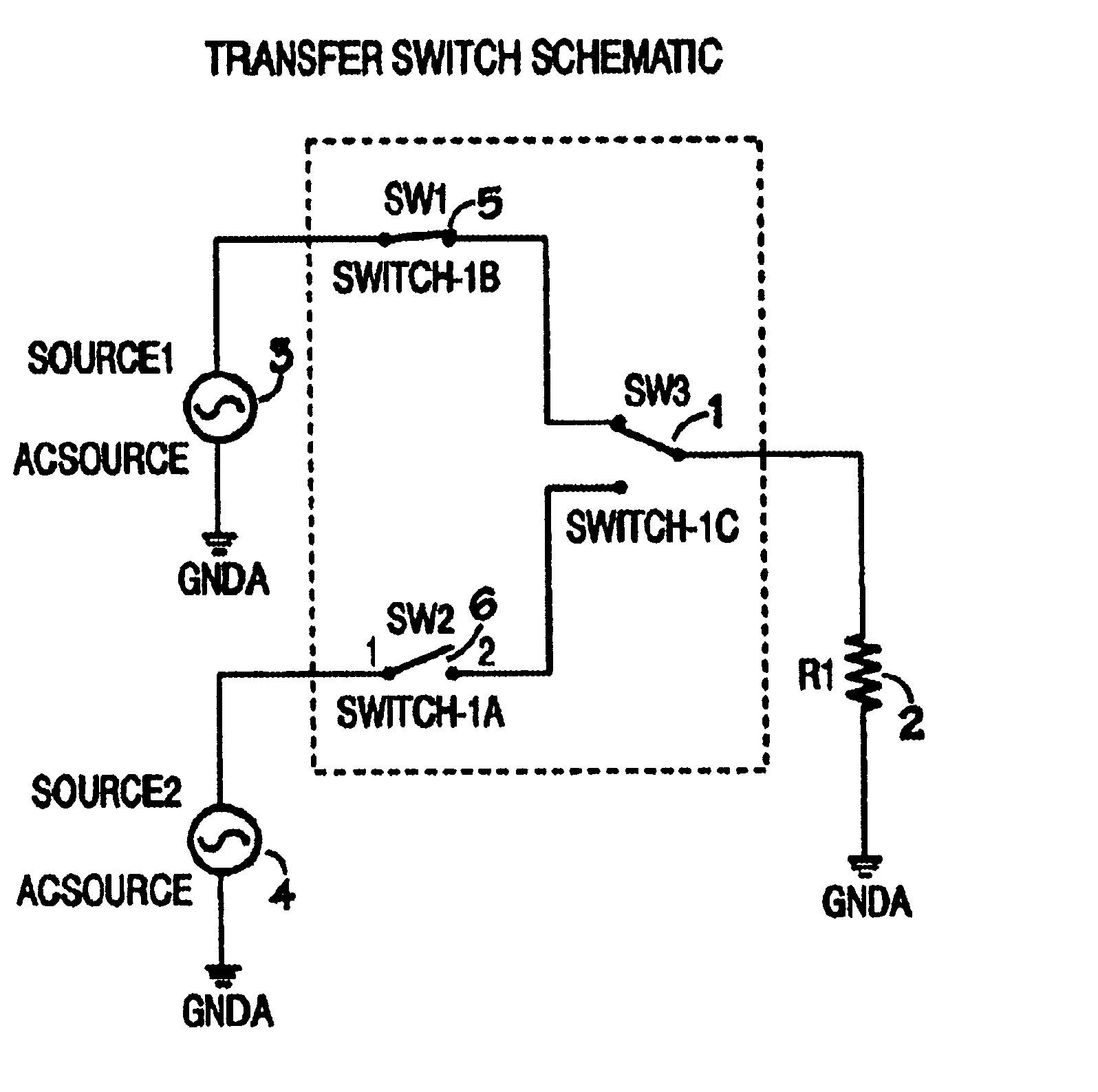
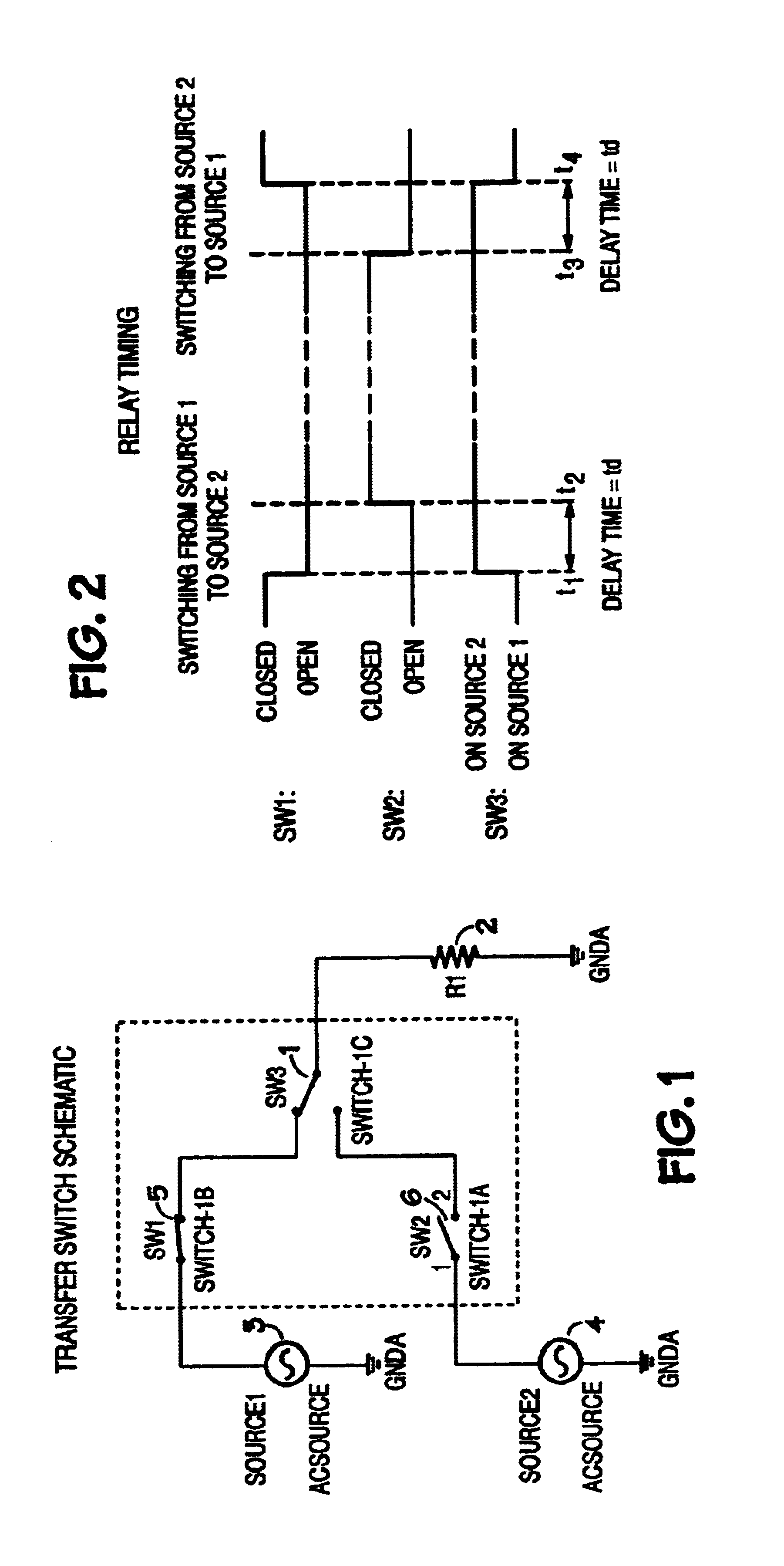
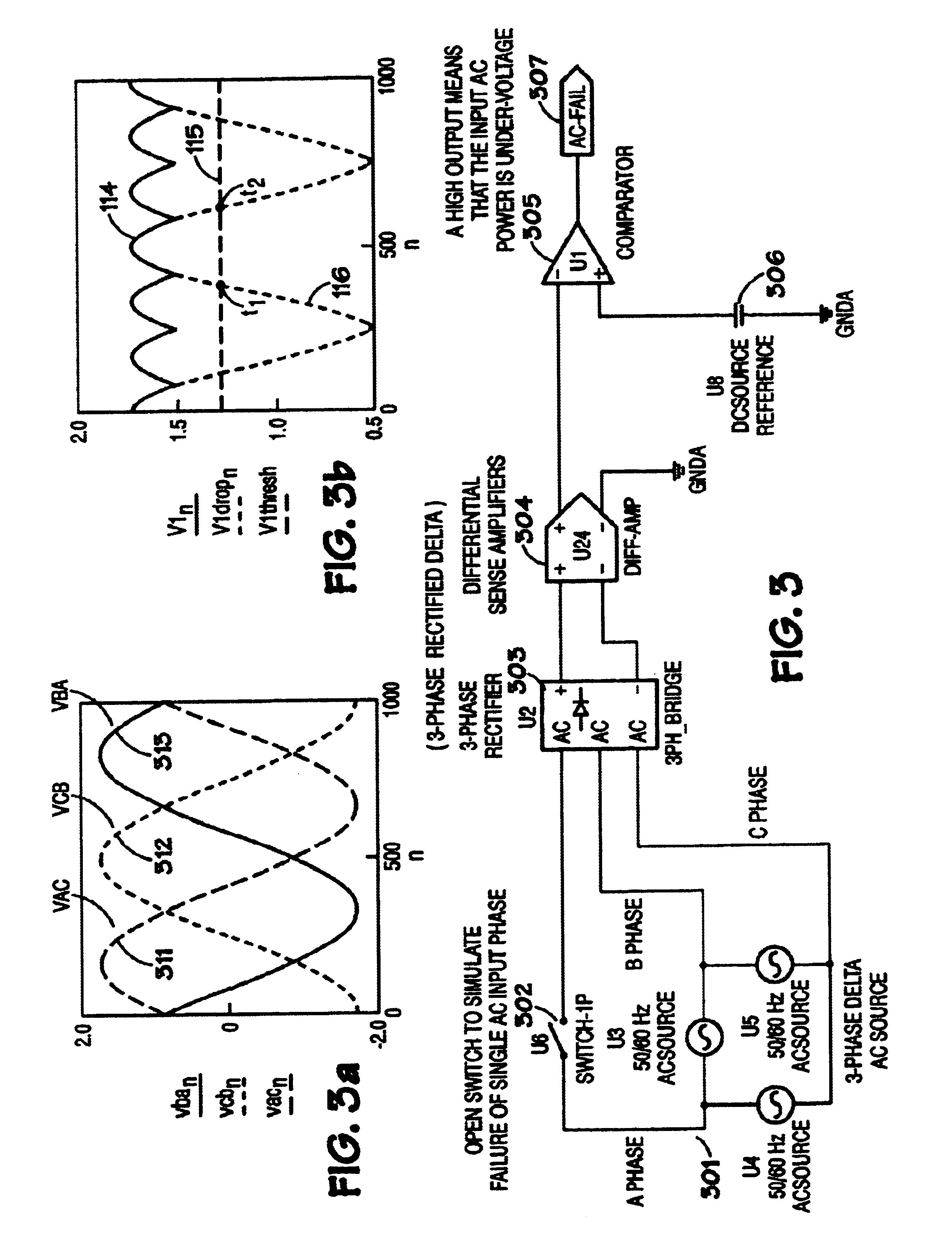
Method and apparatus for transfer control and undervoltage detection in an automatic transfer switch
PatentInactiveUS6879060B2
Innovation
- The solution involves using a relay in series for arc quenching and a technique that tracks the slope of the AC signal in addition to its magnitude to quickly detect source failures, preventing cross-conduction and ensuring reliable transfer switching.

Detecting misconfigured power sources for a device
PatentActiveUS9973006B1
Innovation
- An automatic transfer switch (ATS) is configured to determine the electrical characteristics of multiple power inputs, comparing them to identify if they are from the same or different power systems, and perform corrective actions to ensure proper switching by analyzing voltage, current harmonics, waveform characteristics, and other measurable electrical features, potentially modifying these characteristics to create differences for identification.


Electrical Safety Standards and Compliance Requirements
The diagnosis of Automatic Transfer Switch (ATS) phase-sequence detection errors must be conducted within a framework of stringent electrical safety standards and compliance requirements. These standards are established by international and regional regulatory bodies to ensure the safe operation of power distribution systems and protect both equipment and personnel. Key organizations such as the International Electrotechnical Commission (IEC), National Electrical Code (NEC), Underwriters Laboratories (UL), and the Institute of Electrical and Electronics Engineers (IEEE) have developed comprehensive guidelines that govern ATS installation, testing, and maintenance procedures.
IEC 60947-6-1 specifically addresses low-voltage switchgear and controlgear assemblies, including automatic transfer switching equipment. This standard mandates rigorous testing protocols for phase-sequence detection mechanisms, requiring verification of correct phase rotation identification under various load conditions and voltage fluctuations. Compliance with this standard ensures that ATS systems can reliably detect incorrect phase sequences that could lead to motor damage, equipment malfunction, or safety hazards.
In North America, the NEC Article 700 and 701 establish requirements for emergency and legally required standby power systems, which frequently incorporate ATS devices. These regulations specify that phase-sequence monitoring must be continuously operational and capable of preventing transfer operations when improper phase rotation is detected. Additionally, UL 1008 certification is mandatory for ATS equipment used in commercial and industrial applications, requiring manufacturers to demonstrate that their phase-sequence detection systems meet minimum performance and safety thresholds.
Compliance requirements extend beyond initial installation to encompass periodic testing and documentation. NFPA 110 mandates monthly and annual testing protocols for emergency power supply systems, including verification of phase-sequence detection functionality. Maintenance personnel must document all diagnostic procedures, test results, and corrective actions to demonstrate ongoing compliance with applicable standards. Failure to maintain proper documentation can result in regulatory violations and potential liability issues.
Furthermore, occupational safety standards such as OSHA regulations in the United States require that all diagnostic work on ATS systems be performed by qualified personnel following lockout-tagout procedures and appropriate personal protective equipment protocols. These requirements ensure that troubleshooting activities do not compromise worker safety while maintaining system integrity and regulatory compliance throughout the diagnostic process.
IEC 60947-6-1 specifically addresses low-voltage switchgear and controlgear assemblies, including automatic transfer switching equipment. This standard mandates rigorous testing protocols for phase-sequence detection mechanisms, requiring verification of correct phase rotation identification under various load conditions and voltage fluctuations. Compliance with this standard ensures that ATS systems can reliably detect incorrect phase sequences that could lead to motor damage, equipment malfunction, or safety hazards.
In North America, the NEC Article 700 and 701 establish requirements for emergency and legally required standby power systems, which frequently incorporate ATS devices. These regulations specify that phase-sequence monitoring must be continuously operational and capable of preventing transfer operations when improper phase rotation is detected. Additionally, UL 1008 certification is mandatory for ATS equipment used in commercial and industrial applications, requiring manufacturers to demonstrate that their phase-sequence detection systems meet minimum performance and safety thresholds.
Compliance requirements extend beyond initial installation to encompass periodic testing and documentation. NFPA 110 mandates monthly and annual testing protocols for emergency power supply systems, including verification of phase-sequence detection functionality. Maintenance personnel must document all diagnostic procedures, test results, and corrective actions to demonstrate ongoing compliance with applicable standards. Failure to maintain proper documentation can result in regulatory violations and potential liability issues.
Furthermore, occupational safety standards such as OSHA regulations in the United States require that all diagnostic work on ATS systems be performed by qualified personnel following lockout-tagout procedures and appropriate personal protective equipment protocols. These requirements ensure that troubleshooting activities do not compromise worker safety while maintaining system integrity and regulatory compliance throughout the diagnostic process.
Predictive Maintenance and Remote Monitoring Strategies
Predictive maintenance and remote monitoring strategies represent critical advancements in managing ATS phase-sequence detection systems, enabling organizations to transition from reactive troubleshooting to proactive system management. These approaches leverage real-time data collection, advanced analytics, and connectivity technologies to identify potential failures before they occur, thereby minimizing downtime and reducing maintenance costs associated with phase-sequence detection errors.
Modern predictive maintenance frameworks for ATS systems incorporate continuous monitoring of electrical parameters including voltage levels, phase angles, frequency variations, and harmonic distortions. By establishing baseline operational profiles and employing machine learning algorithms, these systems can detect subtle deviations that precede phase-sequence detection failures. Pattern recognition techniques identify anomalies such as gradual sensor drift, intermittent connection issues, or environmental factors affecting detection accuracy, allowing maintenance teams to schedule interventions during planned downtime rather than responding to emergency failures.
Remote monitoring infrastructure enables centralized oversight of distributed ATS installations across multiple facilities or geographic locations. Cloud-based platforms aggregate data from individual units, providing dashboard visualizations that highlight systems operating outside normal parameters. This centralized approach proves particularly valuable for organizations managing large portfolios of critical power infrastructure, as it reduces the need for routine on-site inspections while improving response times to emerging issues.
Integration of Internet of Things sensors and edge computing capabilities enhances diagnostic precision by capturing high-frequency data that traditional monitoring systems might miss. These technologies enable real-time analysis of transient events and intermittent faults that contribute to phase-sequence detection errors. Automated alert systems notify maintenance personnel immediately when predefined thresholds are exceeded, complete with diagnostic information that accelerates troubleshooting processes.
The economic benefits of implementing predictive maintenance strategies extend beyond reduced emergency repair costs. Organizations report significant improvements in system reliability metrics, extended equipment lifespan through optimized maintenance scheduling, and enhanced compliance with regulatory requirements for critical power systems. Furthermore, the historical data accumulated through continuous monitoring provides valuable insights for refining detection algorithms and informing future system design improvements.
Modern predictive maintenance frameworks for ATS systems incorporate continuous monitoring of electrical parameters including voltage levels, phase angles, frequency variations, and harmonic distortions. By establishing baseline operational profiles and employing machine learning algorithms, these systems can detect subtle deviations that precede phase-sequence detection failures. Pattern recognition techniques identify anomalies such as gradual sensor drift, intermittent connection issues, or environmental factors affecting detection accuracy, allowing maintenance teams to schedule interventions during planned downtime rather than responding to emergency failures.
Remote monitoring infrastructure enables centralized oversight of distributed ATS installations across multiple facilities or geographic locations. Cloud-based platforms aggregate data from individual units, providing dashboard visualizations that highlight systems operating outside normal parameters. This centralized approach proves particularly valuable for organizations managing large portfolios of critical power infrastructure, as it reduces the need for routine on-site inspections while improving response times to emerging issues.
Integration of Internet of Things sensors and edge computing capabilities enhances diagnostic precision by capturing high-frequency data that traditional monitoring systems might miss. These technologies enable real-time analysis of transient events and intermittent faults that contribute to phase-sequence detection errors. Automated alert systems notify maintenance personnel immediately when predefined thresholds are exceeded, complete with diagnostic information that accelerates troubleshooting processes.
The economic benefits of implementing predictive maintenance strategies extend beyond reduced emergency repair costs. Organizations report significant improvements in system reliability metrics, extended equipment lifespan through optimized maintenance scheduling, and enhanced compliance with regulatory requirements for critical power systems. Furthermore, the historical data accumulated through continuous monitoring provides valuable insights for refining detection algorithms and informing future system design improvements.
Unlock deeper insights with Patsnap Eureka Quick Research — get a full tech report to explore trends and direct your research. Try now!
Generate Your Research Report Instantly with AI Agent
Supercharge your innovation with Patsnap Eureka AI Agent Platform!