

How to Document VRLA Battery Failures for Continuous Improvement
MAR 20, 20269 MIN READ
Generate Your Research Report Instantly with AI Agent
PatSnap Eureka helps you evaluate technical feasibility & market potential.
VRLA Battery Failure Documentation Background and Objectives
Valve Regulated Lead Acid (VRLA) batteries have emerged as critical energy storage components across diverse industrial applications, from telecommunications infrastructure to uninterruptible power systems and renewable energy installations. These maintenance-free batteries, encompassing both Absorbed Glass Mat (AGM) and gel electrolyte technologies, have gained widespread adoption due to their sealed construction, reduced maintenance requirements, and operational flexibility. However, their sealed nature presents unique challenges in monitoring internal conditions and predicting failure modes.
The evolution of VRLA battery technology spans several decades, beginning with the fundamental breakthrough of oxygen recombination chemistry in the 1970s. Early developments focused on eliminating water loss through internal gas recombination, leading to the sealed battery concept. Subsequent technological advances addressed thermal management, grid alloy optimization, and separator material improvements. The progression from flooded lead-acid systems to VRLA technology represented a paradigm shift in battery design philosophy, prioritizing operational convenience while introducing new failure mechanisms.
Contemporary VRLA battery applications demand unprecedented reliability levels, particularly in mission-critical environments where power interruption carries significant consequences. The technology has evolved from simple standby power applications to complex grid-scale energy storage systems, each presenting distinct operational stresses and failure patterns. This expansion has revealed the inadequacy of traditional battery monitoring approaches, which relied primarily on voltage measurements and periodic capacity testing.
The primary objective of systematic VRLA battery failure documentation centers on establishing comprehensive data collection frameworks that capture the multifaceted nature of battery degradation processes. This encompasses not only catastrophic failure events but also gradual performance deterioration patterns that precede complete battery failure. The documentation process aims to correlate operational parameters, environmental conditions, and maintenance practices with specific failure modes, enabling predictive maintenance strategies.
A secondary objective involves creating standardized failure classification systems that facilitate meaningful data comparison across different installations, manufacturers, and operational environments. This standardization effort seeks to establish common terminology, measurement protocols, and reporting formats that enable industry-wide knowledge sharing and collaborative improvement initiatives.
The ultimate goal extends beyond mere data collection to encompass the development of actionable intelligence for continuous improvement programs. This involves transforming raw failure data into strategic insights that inform design modifications, operational procedure refinements, and maintenance schedule optimizations. The documentation framework must therefore support both immediate troubleshooting needs and long-term reliability enhancement initiatives, creating a feedback loop that drives systematic performance improvements across the entire VRLA battery ecosystem.
The evolution of VRLA battery technology spans several decades, beginning with the fundamental breakthrough of oxygen recombination chemistry in the 1970s. Early developments focused on eliminating water loss through internal gas recombination, leading to the sealed battery concept. Subsequent technological advances addressed thermal management, grid alloy optimization, and separator material improvements. The progression from flooded lead-acid systems to VRLA technology represented a paradigm shift in battery design philosophy, prioritizing operational convenience while introducing new failure mechanisms.
Contemporary VRLA battery applications demand unprecedented reliability levels, particularly in mission-critical environments where power interruption carries significant consequences. The technology has evolved from simple standby power applications to complex grid-scale energy storage systems, each presenting distinct operational stresses and failure patterns. This expansion has revealed the inadequacy of traditional battery monitoring approaches, which relied primarily on voltage measurements and periodic capacity testing.
The primary objective of systematic VRLA battery failure documentation centers on establishing comprehensive data collection frameworks that capture the multifaceted nature of battery degradation processes. This encompasses not only catastrophic failure events but also gradual performance deterioration patterns that precede complete battery failure. The documentation process aims to correlate operational parameters, environmental conditions, and maintenance practices with specific failure modes, enabling predictive maintenance strategies.
A secondary objective involves creating standardized failure classification systems that facilitate meaningful data comparison across different installations, manufacturers, and operational environments. This standardization effort seeks to establish common terminology, measurement protocols, and reporting formats that enable industry-wide knowledge sharing and collaborative improvement initiatives.
The ultimate goal extends beyond mere data collection to encompass the development of actionable intelligence for continuous improvement programs. This involves transforming raw failure data into strategic insights that inform design modifications, operational procedure refinements, and maintenance schedule optimizations. The documentation framework must therefore support both immediate troubleshooting needs and long-term reliability enhancement initiatives, creating a feedback loop that drives systematic performance improvements across the entire VRLA battery ecosystem.
Market Demand for Reliable VRLA Battery Performance
The global market for VRLA batteries has experienced substantial growth driven by increasing demand for reliable energy storage solutions across multiple sectors. Telecommunications infrastructure, data centers, uninterruptible power supply systems, and renewable energy installations represent the primary demand drivers for high-performance VRLA battery systems. These applications require consistent power delivery with minimal downtime, making battery reliability a critical performance parameter.
Data center operators face mounting pressure to maintain continuous operations as digital transformation accelerates across industries. Power outages in these facilities can result in significant financial losses and service disruptions, creating strong market demand for VRLA batteries with documented reliability records. The telecommunications sector similarly requires robust backup power systems to ensure network availability, particularly as 5G infrastructure deployment expands globally.
The renewable energy sector presents emerging opportunities for VRLA battery applications, particularly in grid-scale energy storage and residential solar installations. Market participants increasingly prioritize battery systems with proven track records of consistent performance and well-documented failure analysis protocols. This trend reflects growing awareness that systematic failure documentation directly correlates with improved product reliability and reduced total cost of ownership.
Industrial applications including emergency lighting, security systems, and medical equipment backup power represent additional market segments demanding reliable VRLA battery performance. These applications often involve critical safety functions where battery failure can have serious consequences, driving procurement decisions toward suppliers with comprehensive quality documentation systems.
Market research indicates that end users increasingly evaluate VRLA battery suppliers based on their ability to provide detailed performance data and failure analysis reports. This shift reflects a broader industry trend toward data-driven decision making and predictive maintenance strategies. Organizations seek battery suppliers who can demonstrate continuous improvement processes supported by systematic failure documentation and analysis.
The competitive landscape shows differentiation occurring not only through technical specifications but also through quality assurance capabilities and failure tracking systems. Suppliers who can provide comprehensive documentation of battery performance, including detailed failure analysis and corrective action records, gain competitive advantages in procurement processes. This market dynamic creates strong incentives for developing robust failure documentation methodologies that support continuous improvement initiatives.
Data center operators face mounting pressure to maintain continuous operations as digital transformation accelerates across industries. Power outages in these facilities can result in significant financial losses and service disruptions, creating strong market demand for VRLA batteries with documented reliability records. The telecommunications sector similarly requires robust backup power systems to ensure network availability, particularly as 5G infrastructure deployment expands globally.
The renewable energy sector presents emerging opportunities for VRLA battery applications, particularly in grid-scale energy storage and residential solar installations. Market participants increasingly prioritize battery systems with proven track records of consistent performance and well-documented failure analysis protocols. This trend reflects growing awareness that systematic failure documentation directly correlates with improved product reliability and reduced total cost of ownership.
Industrial applications including emergency lighting, security systems, and medical equipment backup power represent additional market segments demanding reliable VRLA battery performance. These applications often involve critical safety functions where battery failure can have serious consequences, driving procurement decisions toward suppliers with comprehensive quality documentation systems.
Market research indicates that end users increasingly evaluate VRLA battery suppliers based on their ability to provide detailed performance data and failure analysis reports. This shift reflects a broader industry trend toward data-driven decision making and predictive maintenance strategies. Organizations seek battery suppliers who can demonstrate continuous improvement processes supported by systematic failure documentation and analysis.
The competitive landscape shows differentiation occurring not only through technical specifications but also through quality assurance capabilities and failure tracking systems. Suppliers who can provide comprehensive documentation of battery performance, including detailed failure analysis and corrective action records, gain competitive advantages in procurement processes. This market dynamic creates strong incentives for developing robust failure documentation methodologies that support continuous improvement initiatives.
Current VRLA Failure Analysis and Documentation Challenges
VRLA battery failure analysis and documentation face significant challenges across multiple dimensions, creating barriers to effective continuous improvement initiatives. The complexity of failure modes in valve-regulated lead-acid batteries presents the first major obstacle, as these systems can fail through various mechanisms including thermal runaway, sulfation, grid corrosion, electrolyte stratification, and valve malfunction. Each failure mode requires specific diagnostic approaches and documentation protocols, yet many organizations lack standardized procedures to capture this technical diversity comprehensively.
Data collection inconsistencies represent another critical challenge in current VRLA failure documentation practices. Field technicians often rely on subjective observations and inconsistent measurement protocols, leading to incomplete or unreliable failure records. The absence of standardized data collection forms and procedures results in missing critical parameters such as operating temperature profiles, charge-discharge cycle history, environmental conditions, and maintenance records. This inconsistency makes it difficult to establish meaningful correlations between operating conditions and failure patterns.
Integration of failure data across different organizational systems poses substantial technical barriers. Many facilities operate with disparate data management systems where battery monitoring data, maintenance records, and failure reports exist in isolated databases. The lack of interoperability between these systems prevents comprehensive failure analysis and limits the ability to identify systemic issues or trends that span multiple battery installations or time periods.
Root cause analysis capabilities remain underdeveloped in many organizations dealing with VRLA battery failures. Traditional failure documentation often focuses on immediate symptoms rather than underlying causes, limiting the effectiveness of corrective actions. The complexity of electrochemical failure mechanisms requires specialized knowledge that may not be readily available to field personnel responsible for initial failure documentation. This knowledge gap results in superficial failure reports that fail to capture the technical depth necessary for meaningful continuous improvement.
Temporal aspects of VRLA battery degradation create additional documentation challenges. Battery failures often result from gradual degradation processes that occur over months or years, making it difficult to establish clear failure timelines and identify contributing factors. Current documentation systems typically lack the capability to track long-term performance trends and correlate them with specific operational events or environmental conditions.
The economic constraints of comprehensive failure documentation present practical challenges for many organizations. Detailed failure analysis requires specialized equipment, trained personnel, and significant time investment, creating tension between thorough documentation and operational efficiency. This economic pressure often results in abbreviated failure reports that sacrifice technical detail for expedited battery replacement and system restoration.
Data collection inconsistencies represent another critical challenge in current VRLA failure documentation practices. Field technicians often rely on subjective observations and inconsistent measurement protocols, leading to incomplete or unreliable failure records. The absence of standardized data collection forms and procedures results in missing critical parameters such as operating temperature profiles, charge-discharge cycle history, environmental conditions, and maintenance records. This inconsistency makes it difficult to establish meaningful correlations between operating conditions and failure patterns.
Integration of failure data across different organizational systems poses substantial technical barriers. Many facilities operate with disparate data management systems where battery monitoring data, maintenance records, and failure reports exist in isolated databases. The lack of interoperability between these systems prevents comprehensive failure analysis and limits the ability to identify systemic issues or trends that span multiple battery installations or time periods.
Root cause analysis capabilities remain underdeveloped in many organizations dealing with VRLA battery failures. Traditional failure documentation often focuses on immediate symptoms rather than underlying causes, limiting the effectiveness of corrective actions. The complexity of electrochemical failure mechanisms requires specialized knowledge that may not be readily available to field personnel responsible for initial failure documentation. This knowledge gap results in superficial failure reports that fail to capture the technical depth necessary for meaningful continuous improvement.
Temporal aspects of VRLA battery degradation create additional documentation challenges. Battery failures often result from gradual degradation processes that occur over months or years, making it difficult to establish clear failure timelines and identify contributing factors. Current documentation systems typically lack the capability to track long-term performance trends and correlate them with specific operational events or environmental conditions.
The economic constraints of comprehensive failure documentation present practical challenges for many organizations. Detailed failure analysis requires specialized equipment, trained personnel, and significant time investment, creating tension between thorough documentation and operational efficiency. This economic pressure often results in abbreviated failure reports that sacrifice technical detail for expedited battery replacement and system restoration.
Existing VRLA Battery Failure Documentation Solutions
01 Battery monitoring and diagnostic systems for failure detection
Advanced monitoring systems can be implemented to continuously track VRLA battery parameters such as voltage, current, temperature, and internal resistance. These systems utilize sensors and data acquisition methods to detect anomalies and predict potential failures before they occur. Real-time monitoring enables early warning of degradation patterns and helps document failure modes through systematic data collection and analysis.- Battery monitoring and diagnostic systems for failure detection: Advanced monitoring systems can be implemented to continuously track VRLA battery parameters such as voltage, current, temperature, and internal resistance. These systems utilize sensors and data acquisition methods to detect anomalies and predict potential failures before they occur. Real-time monitoring enables early warning of degradation patterns and helps document failure modes through systematic data collection and analysis.
- Failure mode analysis and classification methods: Systematic approaches for documenting and classifying different types of VRLA battery failures including sulfation, grid corrosion, thermal runaway, and electrolyte dry-out. These methods involve establishing standardized protocols for failure investigation, root cause analysis, and documentation procedures. Classification systems help organize failure data into categories that enable pattern recognition and preventive maintenance strategies.
- Data logging and recording systems for battery performance: Implementation of comprehensive data logging systems that capture and store battery operational history, performance metrics, and environmental conditions. These systems maintain detailed records of charge-discharge cycles, maintenance activities, and operational events. The documented data serves as a foundation for failure analysis, warranty claims, and long-term reliability studies.
- Testing and inspection protocols for failure documentation: Standardized testing procedures and inspection protocols designed to identify and document VRLA battery failures. These include capacity testing, impedance measurements, visual inspections, and post-mortem analysis techniques. Documentation protocols ensure consistent recording of test results, physical observations, and failure characteristics to build comprehensive failure databases.
- Management systems for battery failure records and reporting: Integrated management systems that organize, store, and analyze battery failure documentation. These systems provide structured databases for failure records, automated reporting capabilities, and analytical tools for trend analysis. The systems facilitate information sharing among stakeholders and support decision-making for maintenance scheduling, replacement planning, and quality improvement initiatives.
02 Failure mode analysis and classification methods
Systematic approaches for documenting and classifying different types of VRLA battery failures including sulfation, grid corrosion, thermal runaway, and electrolyte dry-out. These methods involve establishing standardized protocols for failure investigation, root cause analysis, and documentation procedures. Classification systems help organize failure data into categories that enable pattern recognition and preventive maintenance strategies.Expand Specific Solutions03 Data logging and recording systems for battery performance
Implementation of comprehensive data logging systems that capture and store historical performance data of VRLA batteries throughout their operational lifecycle. These systems record critical parameters at regular intervals and during failure events, creating detailed documentation that can be analyzed for failure trends. The recorded data serves as evidence for warranty claims and helps improve battery management practices.Expand Specific Solutions04 Testing and inspection protocols for failure documentation
Standardized testing procedures and inspection protocols designed specifically for documenting VRLA battery failures. These include capacity testing, impedance measurements, visual inspections, and post-mortem analysis techniques. The protocols ensure consistent documentation practices across different facilities and enable comparison of failure data from various sources to identify common failure mechanisms.Expand Specific Solutions05 Digital documentation and reporting systems
Electronic systems for creating, storing, and managing VRLA battery failure documentation including digital forms, databases, and reporting tools. These systems facilitate the organization of failure reports, photographs, test results, and maintenance records in a centralized repository. Digital documentation enables efficient retrieval, analysis, and sharing of failure information among stakeholders for continuous improvement purposes.Expand Specific Solutions
Key Players in VRLA Battery and Documentation Systems
The VRLA battery failure documentation landscape represents a mature industrial sector experiencing steady growth driven by increasing demand for reliable backup power systems across telecommunications, data centers, and renewable energy applications. The market demonstrates significant scale with established players spanning from specialized battery manufacturers like East Penn Manufacturing and Daramic LLC to comprehensive technology providers including Huawei Technologies, IBM, and Eaton Intelligent Power. Technology maturity varies considerably across the competitive landscape, with traditional manufacturers like East Penn and Daramic possessing decades of lead-acid battery expertise, while technology giants such as Huawei and IBM leverage advanced IoT, AI, and cloud computing capabilities for sophisticated battery monitoring and failure prediction systems. Chinese companies including Hangzhou Gold Electronic Equipment and various energy technology firms represent emerging players focusing on intelligent battery management systems and testing equipment, indicating the industry's evolution toward digitalized failure documentation and predictive maintenance solutions.
Eaton Intelligent Power Ltd.
Technical Solution: Eaton implements comprehensive VRLA battery failure documentation through their Battery Management System (BMS) that continuously monitors key parameters including voltage, current, temperature, and internal resistance. Their approach involves real-time data logging with automated alert systems that capture failure precursors and root cause analysis. The system generates detailed failure reports with timestamp data, environmental conditions, and performance degradation patterns. Eaton's methodology includes standardized failure classification codes, maintenance history tracking, and predictive analytics to identify recurring failure modes. Their documentation framework supports continuous improvement through statistical analysis of failure trends and implementation of corrective actions based on documented patterns.
Strengths: Comprehensive real-time monitoring capabilities and established industry expertise in power management systems. Weaknesses: High implementation costs and complexity requiring specialized technical expertise for optimal utilization.
Huawei Technologies Co., Ltd.
Technical Solution: Huawei's VRLA battery failure documentation system integrates AI-powered analytics with IoT sensors for comprehensive monitoring and failure prediction. Their solution captures multi-dimensional data including electrochemical impedance spectroscopy results, thermal imaging data, and performance metrics over battery lifecycle. The system employs machine learning algorithms to identify failure patterns and automatically generates structured failure reports with root cause analysis. Huawei's approach includes cloud-based data storage with advanced visualization tools for trend analysis and predictive maintenance scheduling. Their documentation framework supports continuous improvement through automated correlation analysis between environmental factors, usage patterns, and failure modes, enabling proactive maintenance strategies.
Strengths: Advanced AI-driven analytics and comprehensive IoT integration for real-time monitoring. Weaknesses: Dependency on complex technology infrastructure and potential data security concerns in cloud-based systems.
Core Innovations in Battery Failure Analysis Methods
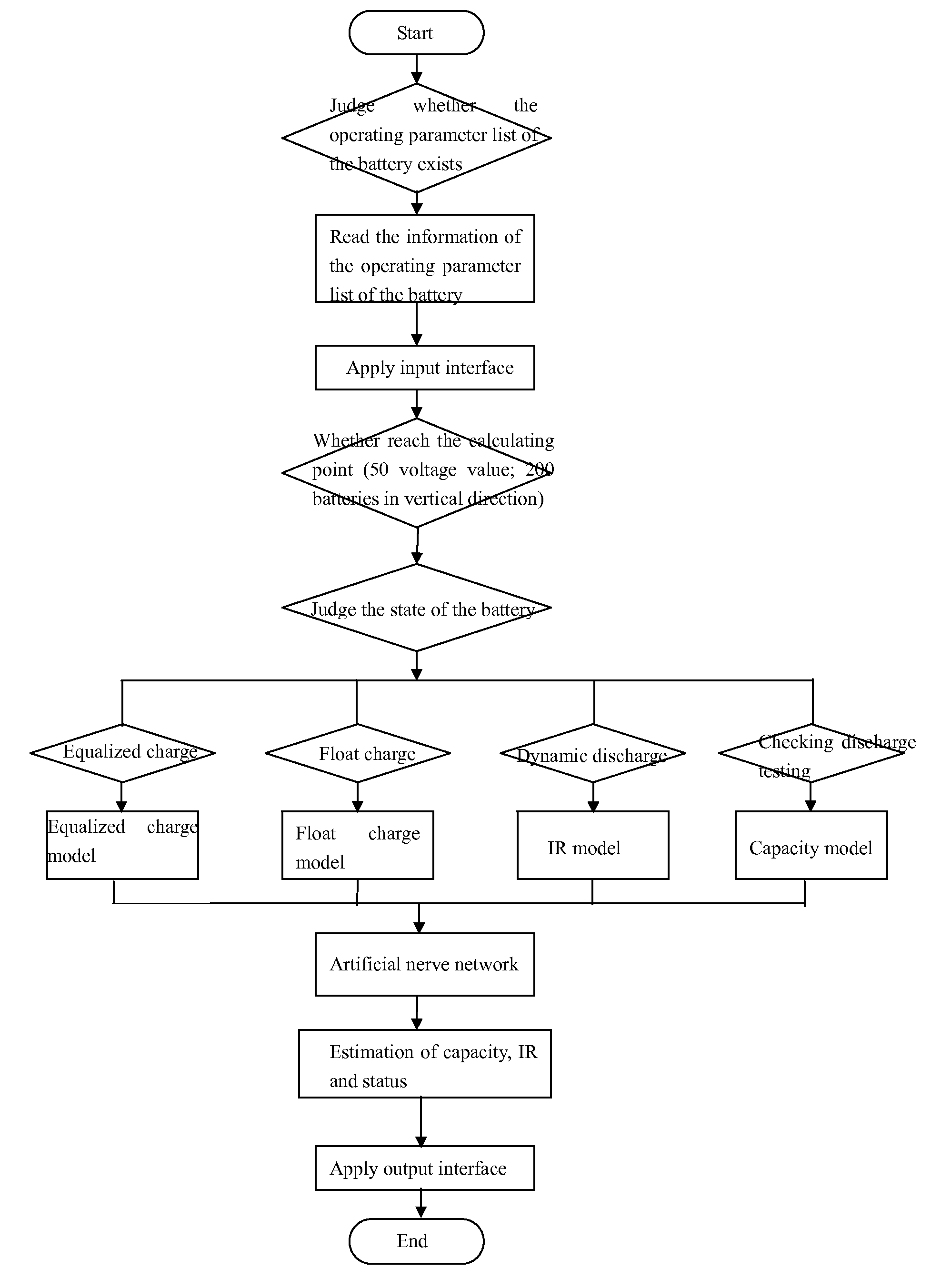
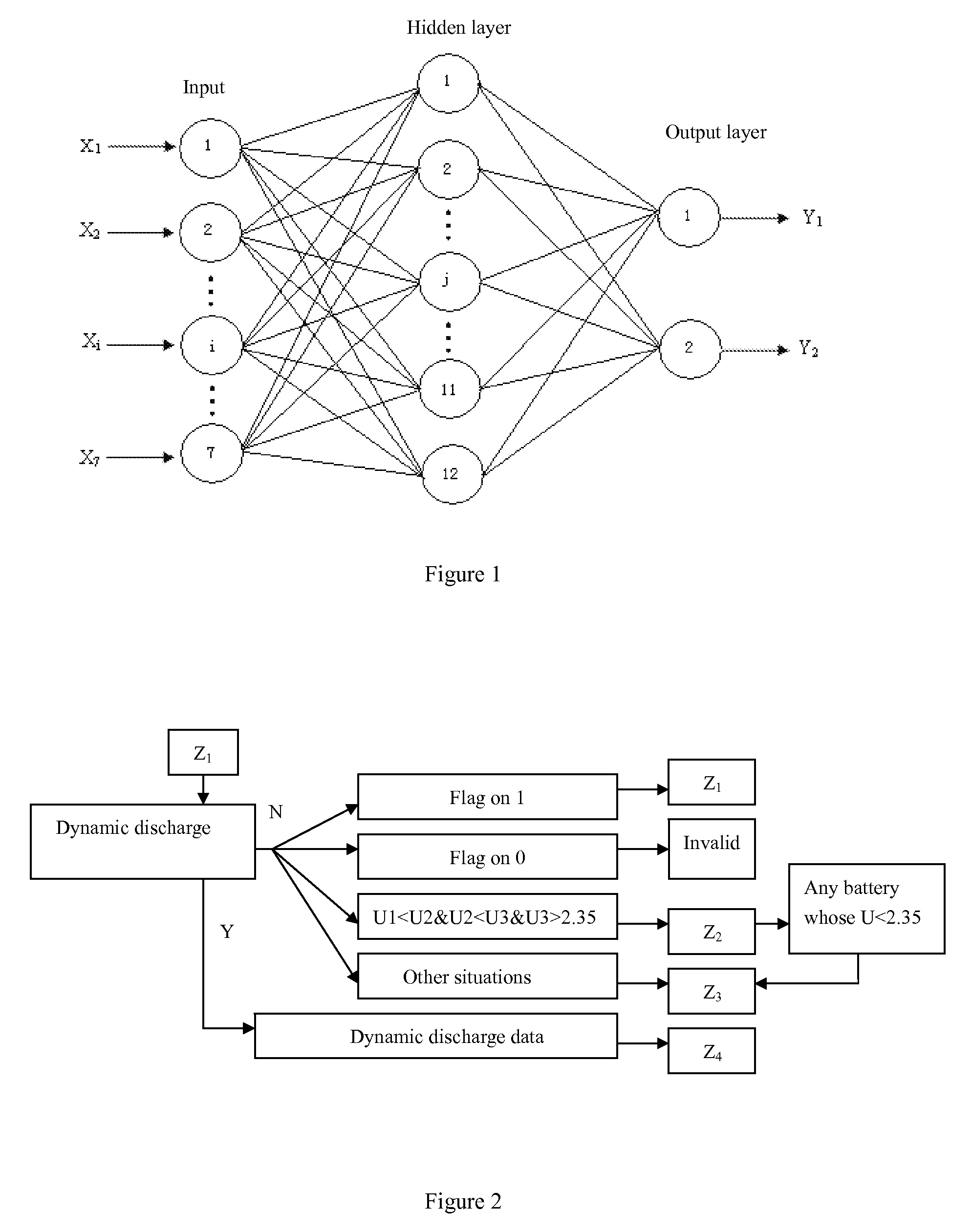
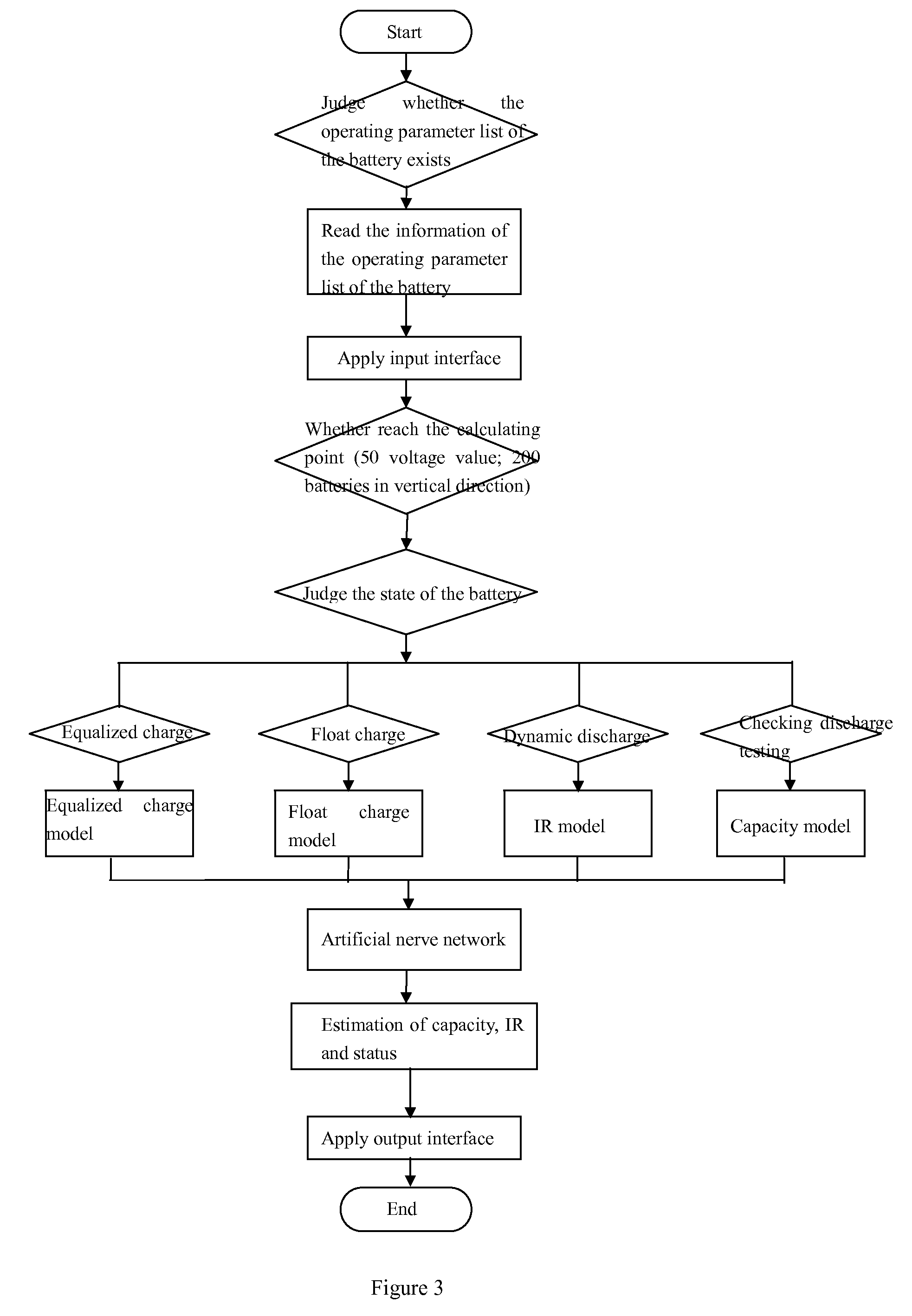
Professional diagnosis method of battery performance analysis
PatentActiveUS20110054815A1
Innovation
- A professional diagnosis method using multiple online parameters such as voltage, current, and temperature, fed into an artificial neural network for comprehensive performance prediction and real-time monitoring, avoiding frequent deep discharge tests and maintaining battery cycle life.

Apparatus, methods and computer program products for estimation of battery reserve life using adaptively modified state of health indicator-based reserve life models
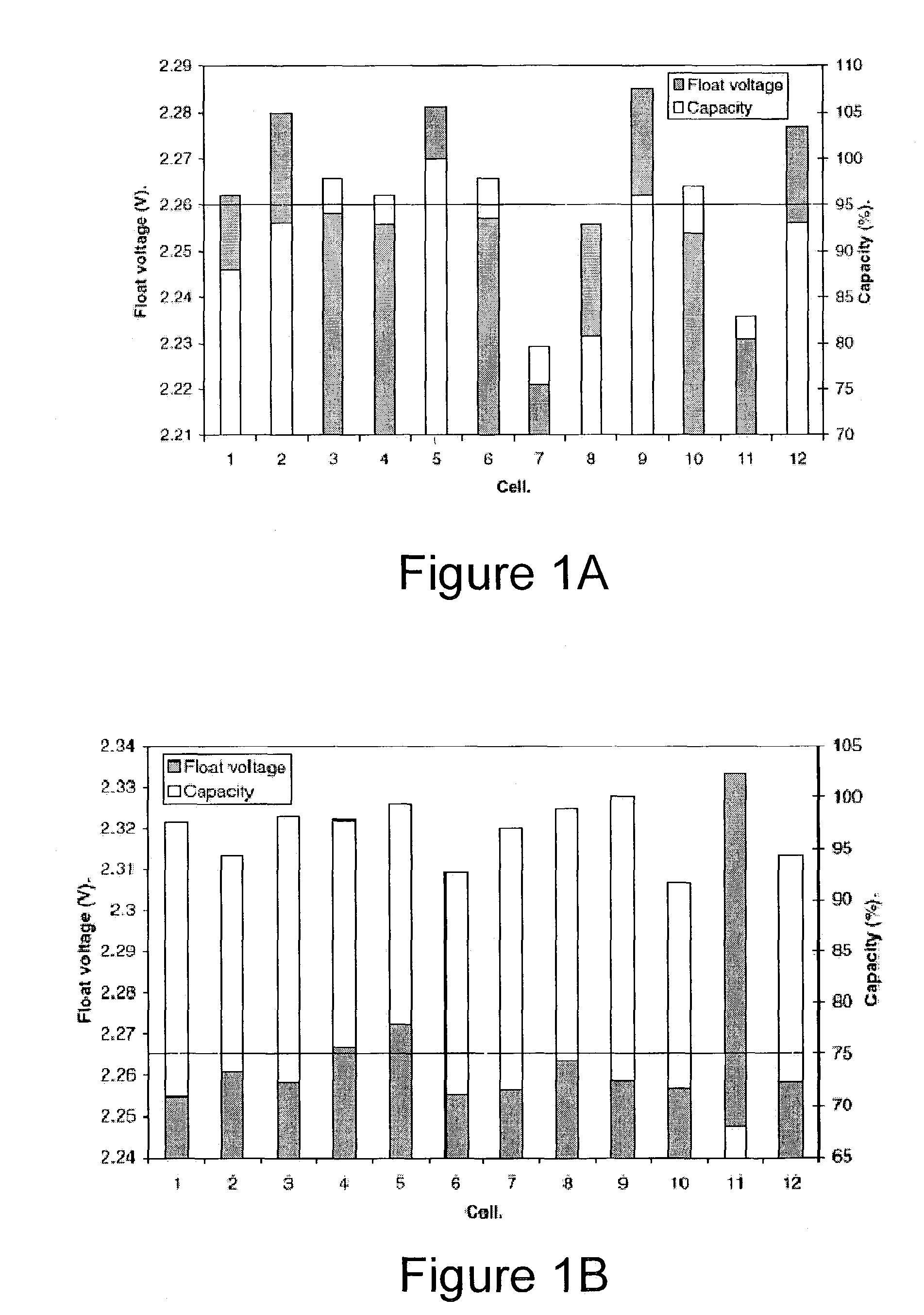
PatentInactiveUS7199557B2
Innovation
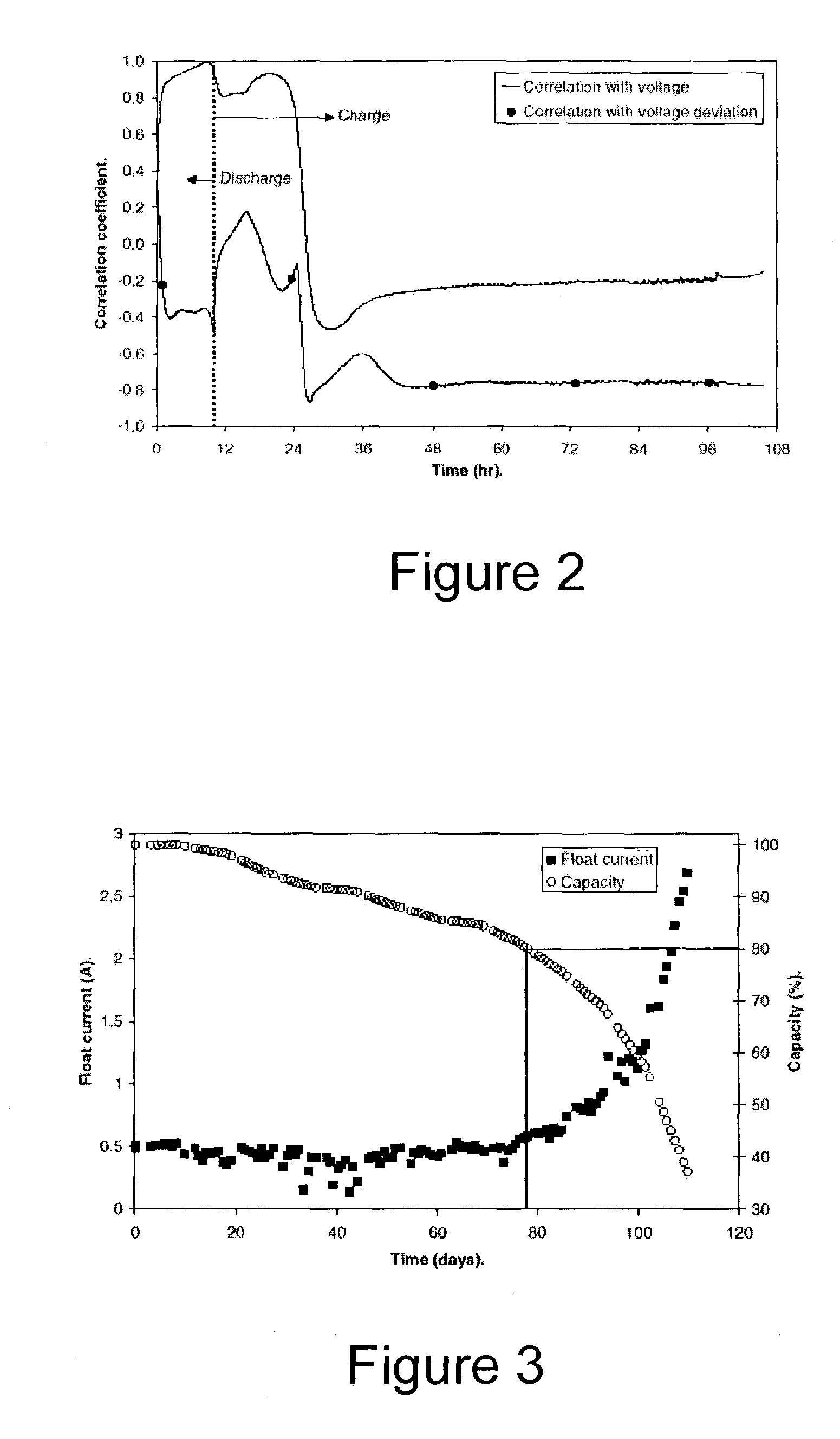
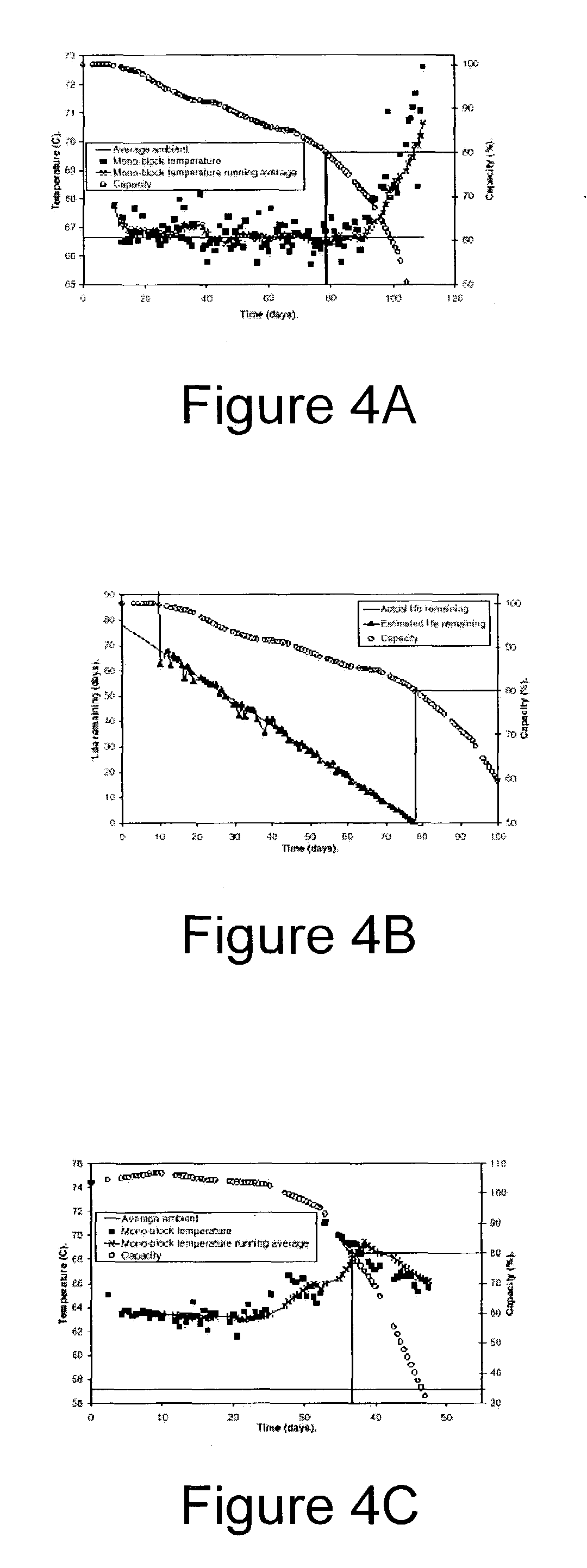
- A model that adaptively modifies battery reserve life estimates based on state of health (SOH) indicators, such as float voltage, temperature, charge/discharge cycling, impedance, conductance, resistance, and coup de fouet parameters, allowing for intermittent capacity tests to predict reserve life and inform monitoring and maintenance systems.

Safety Standards for VRLA Battery Failure Handling
VRLA battery failure handling requires adherence to comprehensive safety standards that protect personnel, equipment, and the environment during documentation and remediation processes. These standards establish critical protocols for managing hazardous conditions that may arise during battery failure events, including thermal runaway, electrolyte leakage, and gas emissions.
Personnel safety protocols form the foundation of VRLA battery failure handling standards. Workers must be equipped with appropriate personal protective equipment including acid-resistant gloves, safety goggles, and respiratory protection when documenting failures involving electrolyte exposure or gas venting. Emergency shower stations and eyewash facilities must be readily accessible in battery storage areas, with clear evacuation procedures established for severe failure scenarios.
Electrical safety standards mandate immediate isolation of failed battery systems to prevent shock hazards and secondary failures. Lockout/tagout procedures must be implemented before personnel approach failed units for documentation purposes. Voltage testing protocols require verification of zero energy state using calibrated multimeters, with specific procedures for handling batteries that may retain residual charge despite system shutdown.
Environmental containment standards address the management of hazardous materials released during battery failures. Spill containment systems must be capable of capturing electrolyte leaks, with neutralization agents readily available for acid spills. Ventilation requirements specify minimum air exchange rates to prevent accumulation of hydrogen gas, particularly in enclosed battery rooms where documentation activities occur.
Documentation safety standards establish protocols for safe data collection during failure events. Remote monitoring capabilities should be utilized when possible to minimize personnel exposure to hazardous conditions. When direct inspection is necessary, buddy system protocols ensure no individual works alone around failed battery systems. Temperature monitoring requirements mandate the use of infrared thermometers to detect thermal anomalies without physical contact.
Emergency response standards define immediate actions required when safety thresholds are exceeded during documentation activities. These include automatic system shutdown triggers, emergency communication protocols, and coordination procedures with local fire departments familiar with battery-specific hazards. Regular safety training and drill requirements ensure personnel maintain proficiency in emergency procedures while conducting failure documentation activities.
Personnel safety protocols form the foundation of VRLA battery failure handling standards. Workers must be equipped with appropriate personal protective equipment including acid-resistant gloves, safety goggles, and respiratory protection when documenting failures involving electrolyte exposure or gas venting. Emergency shower stations and eyewash facilities must be readily accessible in battery storage areas, with clear evacuation procedures established for severe failure scenarios.
Electrical safety standards mandate immediate isolation of failed battery systems to prevent shock hazards and secondary failures. Lockout/tagout procedures must be implemented before personnel approach failed units for documentation purposes. Voltage testing protocols require verification of zero energy state using calibrated multimeters, with specific procedures for handling batteries that may retain residual charge despite system shutdown.
Environmental containment standards address the management of hazardous materials released during battery failures. Spill containment systems must be capable of capturing electrolyte leaks, with neutralization agents readily available for acid spills. Ventilation requirements specify minimum air exchange rates to prevent accumulation of hydrogen gas, particularly in enclosed battery rooms where documentation activities occur.
Documentation safety standards establish protocols for safe data collection during failure events. Remote monitoring capabilities should be utilized when possible to minimize personnel exposure to hazardous conditions. When direct inspection is necessary, buddy system protocols ensure no individual works alone around failed battery systems. Temperature monitoring requirements mandate the use of infrared thermometers to detect thermal anomalies without physical contact.
Emergency response standards define immediate actions required when safety thresholds are exceeded during documentation activities. These include automatic system shutdown triggers, emergency communication protocols, and coordination procedures with local fire departments familiar with battery-specific hazards. Regular safety training and drill requirements ensure personnel maintain proficiency in emergency procedures while conducting failure documentation activities.
Data Management Systems for Battery Lifecycle Tracking
Effective data management systems for VRLA battery lifecycle tracking represent a critical infrastructure component for comprehensive failure documentation and continuous improvement initiatives. These systems must integrate multiple data streams including real-time monitoring parameters, maintenance records, environmental conditions, and failure event documentation to create a holistic view of battery performance throughout their operational lifespan.
Modern battery lifecycle tracking systems typically employ cloud-based architectures that enable centralized data collection from distributed battery installations. These platforms utilize IoT sensors and smart monitoring devices to continuously capture voltage, current, temperature, and impedance measurements at predetermined intervals. The data architecture must accommodate both structured data from automated monitoring systems and unstructured data from maintenance reports and failure incident documentation.
Database design considerations for battery lifecycle tracking require careful attention to temporal data management and scalability requirements. Time-series databases such as InfluxDB or TimescaleDB are increasingly preferred for handling the high-frequency measurement data, while relational databases manage asset information, maintenance schedules, and failure classification data. The integration between these database systems enables comprehensive correlation analysis between operational parameters and failure patterns.
Data standardization protocols play a crucial role in ensuring consistency across different battery installations and monitoring systems. Industry standards such as IEC 61427 and IEEE 1188 provide frameworks for battery testing and monitoring data formats, while custom data schemas must accommodate specific organizational requirements for failure documentation and root cause analysis workflows.
Advanced analytics capabilities within these systems enable predictive maintenance algorithms and failure pattern recognition. Machine learning models can process historical performance data to identify early warning indicators of potential failures, while statistical analysis tools support continuous improvement initiatives by quantifying the effectiveness of maintenance interventions and design modifications.
Integration with enterprise asset management systems ensures that battery lifecycle data contributes to broader organizational maintenance strategies and capital planning decisions. APIs and data export capabilities enable seamless information flow between battery monitoring systems and corporate databases, supporting comprehensive asset lifecycle management and regulatory compliance requirements.
Modern battery lifecycle tracking systems typically employ cloud-based architectures that enable centralized data collection from distributed battery installations. These platforms utilize IoT sensors and smart monitoring devices to continuously capture voltage, current, temperature, and impedance measurements at predetermined intervals. The data architecture must accommodate both structured data from automated monitoring systems and unstructured data from maintenance reports and failure incident documentation.
Database design considerations for battery lifecycle tracking require careful attention to temporal data management and scalability requirements. Time-series databases such as InfluxDB or TimescaleDB are increasingly preferred for handling the high-frequency measurement data, while relational databases manage asset information, maintenance schedules, and failure classification data. The integration between these database systems enables comprehensive correlation analysis between operational parameters and failure patterns.
Data standardization protocols play a crucial role in ensuring consistency across different battery installations and monitoring systems. Industry standards such as IEC 61427 and IEEE 1188 provide frameworks for battery testing and monitoring data formats, while custom data schemas must accommodate specific organizational requirements for failure documentation and root cause analysis workflows.
Advanced analytics capabilities within these systems enable predictive maintenance algorithms and failure pattern recognition. Machine learning models can process historical performance data to identify early warning indicators of potential failures, while statistical analysis tools support continuous improvement initiatives by quantifying the effectiveness of maintenance interventions and design modifications.
Integration with enterprise asset management systems ensures that battery lifecycle data contributes to broader organizational maintenance strategies and capital planning decisions. APIs and data export capabilities enable seamless information flow between battery monitoring systems and corporate databases, supporting comprehensive asset lifecycle management and regulatory compliance requirements.
Unlock deeper insights with PatSnap Eureka Quick Research — get a full tech report to explore trends and direct your research. Try now!
Generate Your Research Report Instantly with AI Agent
Supercharge your innovation with PatSnap Eureka AI Agent Platform!