

How To Enhance Electrolyte Wetting Using Surfactant Additives
MAY 15, 20269 MIN READ
Generate Your Research Report Instantly with AI Agent
PatSnap Eureka helps you evaluate technical feasibility & market potential.
Electrolyte Wetting Enhancement Background and Objectives
Electrolyte wetting represents a fundamental challenge in electrochemical energy storage systems, particularly in lithium-ion batteries, supercapacitors, and fuel cells. The phenomenon involves the ability of liquid electrolytes to penetrate and uniformly distribute throughout porous electrode structures, directly impacting device performance, safety, and longevity. Poor wetting characteristics can lead to increased internal resistance, reduced capacity utilization, and accelerated degradation mechanisms.
The evolution of electrolyte wetting enhancement has progressed through several distinct phases since the early development of electrochemical devices in the 1970s. Initial approaches focused primarily on electrolyte formulation optimization through solvent selection and salt concentration adjustments. The 1990s marked a significant shift toward understanding interfacial phenomena, driven by the commercialization of lithium-ion batteries and the need for improved performance metrics.
The introduction of surfactant additives emerged as a promising solution in the early 2000s, coinciding with advances in surface chemistry and materials science. This approach gained momentum as researchers recognized that traditional electrolyte optimization had reached practical limitations, necessitating innovative strategies to address wetting challenges in increasingly complex electrode architectures.
Contemporary market demands for higher energy density, faster charging capabilities, and extended cycle life have intensified the focus on electrolyte wetting enhancement. The proliferation of electric vehicles, grid-scale energy storage, and portable electronics has created unprecedented performance requirements that cannot be met without addressing fundamental wetting limitations.
The primary objective of surfactant-enhanced electrolyte wetting is to reduce surface tension at the electrolyte-electrode interface, thereby improving penetration into microporous structures. This enhancement aims to achieve uniform electrolyte distribution, minimize concentration gradients, and optimize ionic conductivity pathways throughout the electrode volume.
Secondary objectives include maintaining electrochemical stability, preventing adverse reactions with electrode materials, and ensuring compatibility with existing manufacturing processes. The ultimate goal is to develop surfactant additive systems that provide measurable improvements in device performance while maintaining safety standards and cost-effectiveness for commercial applications.
The evolution of electrolyte wetting enhancement has progressed through several distinct phases since the early development of electrochemical devices in the 1970s. Initial approaches focused primarily on electrolyte formulation optimization through solvent selection and salt concentration adjustments. The 1990s marked a significant shift toward understanding interfacial phenomena, driven by the commercialization of lithium-ion batteries and the need for improved performance metrics.
The introduction of surfactant additives emerged as a promising solution in the early 2000s, coinciding with advances in surface chemistry and materials science. This approach gained momentum as researchers recognized that traditional electrolyte optimization had reached practical limitations, necessitating innovative strategies to address wetting challenges in increasingly complex electrode architectures.
Contemporary market demands for higher energy density, faster charging capabilities, and extended cycle life have intensified the focus on electrolyte wetting enhancement. The proliferation of electric vehicles, grid-scale energy storage, and portable electronics has created unprecedented performance requirements that cannot be met without addressing fundamental wetting limitations.
The primary objective of surfactant-enhanced electrolyte wetting is to reduce surface tension at the electrolyte-electrode interface, thereby improving penetration into microporous structures. This enhancement aims to achieve uniform electrolyte distribution, minimize concentration gradients, and optimize ionic conductivity pathways throughout the electrode volume.
Secondary objectives include maintaining electrochemical stability, preventing adverse reactions with electrode materials, and ensuring compatibility with existing manufacturing processes. The ultimate goal is to develop surfactant additive systems that provide measurable improvements in device performance while maintaining safety standards and cost-effectiveness for commercial applications.
Market Demand for Advanced Electrolyte Systems
The global energy storage market is experiencing unprecedented growth, driven by the accelerating transition toward renewable energy sources and the widespread adoption of electric vehicles. This transformation has created substantial demand for advanced electrolyte systems that can deliver superior performance, safety, and reliability across diverse applications. Traditional electrolyte formulations increasingly struggle to meet the stringent requirements of next-generation battery technologies, particularly in terms of wetting characteristics and interfacial stability.
Battery manufacturers face mounting pressure to improve energy density, charging speeds, and cycle life while maintaining cost competitiveness. Poor electrolyte wetting represents a critical bottleneck that directly impacts battery performance metrics, including capacity retention, power delivery, and thermal management. The automotive sector, which accounts for the largest share of advanced battery demand, requires electrolyte systems capable of operating across extreme temperature ranges while ensuring consistent performance throughout extended service lives.
Consumer electronics manufacturers continue to push for thinner, lighter devices with longer battery life, necessitating electrolyte formulations that maximize active material utilization through enhanced wetting properties. The proliferation of portable devices, wearables, and Internet of Things applications has expanded the addressable market for specialized electrolyte solutions that can accommodate unique form factors and operating conditions.
Grid-scale energy storage applications present another significant growth driver, where electrolyte performance directly influences system economics and operational reliability. Utility companies and independent power producers increasingly prioritize battery technologies that demonstrate superior calendar life and minimal degradation, characteristics heavily influenced by electrolyte-electrode interfacial behavior.
The semiconductor industry's growing power requirements and the emergence of data centers as major energy consumers have created additional demand for high-performance battery systems. These applications require electrolyte formulations that maintain stable performance under continuous operation and varying load conditions.
Regulatory frameworks worldwide increasingly favor technologies that enhance battery safety and environmental sustainability. Advanced electrolyte systems incorporating surfactant additives align with these regulatory trends by potentially reducing thermal runaway risks and improving overall system reliability. The convergence of performance requirements, safety considerations, and regulatory pressures has established a robust market foundation for innovative electrolyte technologies that address fundamental wetting challenges through sophisticated additive engineering approaches.
Battery manufacturers face mounting pressure to improve energy density, charging speeds, and cycle life while maintaining cost competitiveness. Poor electrolyte wetting represents a critical bottleneck that directly impacts battery performance metrics, including capacity retention, power delivery, and thermal management. The automotive sector, which accounts for the largest share of advanced battery demand, requires electrolyte systems capable of operating across extreme temperature ranges while ensuring consistent performance throughout extended service lives.
Consumer electronics manufacturers continue to push for thinner, lighter devices with longer battery life, necessitating electrolyte formulations that maximize active material utilization through enhanced wetting properties. The proliferation of portable devices, wearables, and Internet of Things applications has expanded the addressable market for specialized electrolyte solutions that can accommodate unique form factors and operating conditions.
Grid-scale energy storage applications present another significant growth driver, where electrolyte performance directly influences system economics and operational reliability. Utility companies and independent power producers increasingly prioritize battery technologies that demonstrate superior calendar life and minimal degradation, characteristics heavily influenced by electrolyte-electrode interfacial behavior.
The semiconductor industry's growing power requirements and the emergence of data centers as major energy consumers have created additional demand for high-performance battery systems. These applications require electrolyte formulations that maintain stable performance under continuous operation and varying load conditions.
Regulatory frameworks worldwide increasingly favor technologies that enhance battery safety and environmental sustainability. Advanced electrolyte systems incorporating surfactant additives align with these regulatory trends by potentially reducing thermal runaway risks and improving overall system reliability. The convergence of performance requirements, safety considerations, and regulatory pressures has established a robust market foundation for innovative electrolyte technologies that address fundamental wetting challenges through sophisticated additive engineering approaches.
Current Wetting Challenges in Electrolyte Applications
Electrolyte wetting represents a fundamental challenge across multiple electrochemical applications, where insufficient interfacial contact between liquid electrolytes and solid surfaces significantly compromises system performance. In lithium-ion batteries, poor electrolyte penetration into porous electrode structures creates high interfacial resistance, leading to reduced ionic conductivity and uneven current distribution. This phenomenon becomes particularly pronounced in high-energy-density electrodes with complex three-dimensional architectures, where electrolyte accessibility to active materials remains limited.
Fuel cell technologies face similar wetting obstacles, especially in proton exchange membrane fuel cells where electrolyte distribution across catalyst layers directly impacts electrochemical reaction efficiency. The hydrophobic nature of many electrode materials, combined with surface roughness variations, creates preferential wetting pathways that result in incomplete electrolyte coverage. These non-uniform wetting patterns generate localized hot spots and accelerate degradation mechanisms, ultimately reducing operational lifespan.
Supercapacitor applications encounter wetting challenges primarily related to microporous carbon electrodes, where electrolyte penetration into narrow pore structures becomes kinetically limited. The high surface tension of conventional electrolytes prevents effective infiltration into sub-nanometer pores, significantly reducing accessible surface area for charge storage. This limitation becomes more severe at higher charging rates, where incomplete wetting leads to substantial capacity fade and power density reduction.
Electroplating and electrochemical processing industries struggle with wetting uniformity across large-area substrates, where surface energy variations create inconsistent electrolyte contact angles. Poor wetting results in non-uniform current density distribution, leading to irregular deposit thickness and compromised product quality. The challenge intensifies when processing complex geometries or textured surfaces, where electrolyte must conform to intricate topographical features.
Temperature-dependent wetting behavior presents additional complications across all applications, as electrolyte viscosity and surface tension variations with thermal cycling create dynamic wetting challenges. Low-temperature operations particularly suffer from increased electrolyte viscosity, which impedes penetration kinetics and extends equilibration times. These thermal effects compound existing wetting limitations and necessitate robust solutions that maintain consistent performance across operational temperature ranges.
Fuel cell technologies face similar wetting obstacles, especially in proton exchange membrane fuel cells where electrolyte distribution across catalyst layers directly impacts electrochemical reaction efficiency. The hydrophobic nature of many electrode materials, combined with surface roughness variations, creates preferential wetting pathways that result in incomplete electrolyte coverage. These non-uniform wetting patterns generate localized hot spots and accelerate degradation mechanisms, ultimately reducing operational lifespan.
Supercapacitor applications encounter wetting challenges primarily related to microporous carbon electrodes, where electrolyte penetration into narrow pore structures becomes kinetically limited. The high surface tension of conventional electrolytes prevents effective infiltration into sub-nanometer pores, significantly reducing accessible surface area for charge storage. This limitation becomes more severe at higher charging rates, where incomplete wetting leads to substantial capacity fade and power density reduction.
Electroplating and electrochemical processing industries struggle with wetting uniformity across large-area substrates, where surface energy variations create inconsistent electrolyte contact angles. Poor wetting results in non-uniform current density distribution, leading to irregular deposit thickness and compromised product quality. The challenge intensifies when processing complex geometries or textured surfaces, where electrolyte must conform to intricate topographical features.
Temperature-dependent wetting behavior presents additional complications across all applications, as electrolyte viscosity and surface tension variations with thermal cycling create dynamic wetting challenges. Low-temperature operations particularly suffer from increased electrolyte viscosity, which impedes penetration kinetics and extends equilibration times. These thermal effects compound existing wetting limitations and necessitate robust solutions that maintain consistent performance across operational temperature ranges.
Existing Surfactant Solutions for Wetting Enhancement
01 Electrolyte-enhanced surfactant formulations for improved wetting
Electrolyte additives can be incorporated into surfactant systems to enhance wetting properties by modifying surface tension and improving the interaction between the surfactant and substrate surfaces. The presence of specific electrolytes helps optimize the critical micelle concentration and reduces interfacial tension, leading to better spreading and penetration characteristics.- Electrolyte-enhanced surfactant formulations for improved wetting: Surfactant compositions are enhanced with specific electrolytes to improve their wetting properties on various surfaces. The addition of electrolytes modifies the surface tension and interfacial properties of the surfactant solutions, leading to better spreading and penetration characteristics. These formulations are particularly effective for applications requiring enhanced surface coverage and reduced contact angles.
- Ionic surfactant systems with controlled electrolyte balance: Ionic surfactant systems utilize controlled electrolyte concentrations to optimize wetting performance while maintaining stability. The electrolyte balance affects micelle formation, critical micelle concentration, and overall surfactant efficiency. These systems demonstrate improved performance in high-salinity environments and provide consistent wetting behavior across varying ionic strength conditions.
- Nonionic surfactant additives for electrolyte-tolerant wetting agents: Nonionic surfactant additives are formulated to maintain wetting effectiveness in the presence of electrolytes. These additives help overcome the negative effects of salt precipitation and maintain surface activity in high ionic strength solutions. The formulations provide stable wetting performance across a wide range of electrolyte concentrations and types.
- Synergistic surfactant-electrolyte combinations for enhanced penetration: Specific combinations of surfactants and electrolytes create synergistic effects that enhance liquid penetration into porous materials and difficult-to-wet surfaces. These formulations optimize the balance between surface tension reduction and electrostatic interactions to achieve superior wetting and spreading properties. The combinations are designed to work effectively in various pH and temperature conditions.
- Specialized electrolyte wetting agents for industrial applications: Industrial-grade wetting agents incorporate specialized electrolyte systems designed for specific manufacturing processes and harsh operating conditions. These formulations address challenges such as hard water compatibility, extreme temperatures, and chemical resistance while maintaining consistent wetting performance. The agents are optimized for applications in textile processing, metal treatment, and cleaning operations.
02 Salt-based additives for surfactant performance optimization
Various salt compounds serve as effective additives in surfactant formulations to improve electrolyte wetting behavior. These additives work by altering the ionic strength of the solution, which influences micelle formation and stability, ultimately enhancing the wetting efficiency on different substrate materials.Expand Specific Solutions03 Ionic surfactant systems with electrolyte modifiers
Ionic surfactants combined with specific electrolyte modifiers create synergistic effects that significantly improve wetting performance. The electrolyte components help stabilize the surfactant structure while promoting better surface coverage and reducing contact angles on various materials.Expand Specific Solutions04 Electrolyte concentration control in wetting applications
Precise control of electrolyte concentration in surfactant solutions is crucial for achieving optimal wetting properties. The balance between electrolyte content and surfactant activity determines the effectiveness of the formulation in reducing surface tension and improving substrate penetration across different industrial applications.Expand Specific Solutions05 Multi-component electrolyte systems for enhanced surface activity
Complex electrolyte systems incorporating multiple ionic species work together with surfactants to achieve superior wetting characteristics. These multi-component formulations provide enhanced stability, improved performance across varying pH conditions, and better compatibility with different substrate types while maintaining consistent wetting properties.Expand Specific Solutions
Key Players in Surfactant and Electrolyte Industries
The electrolyte wetting enhancement using surfactant additives represents a rapidly evolving field within the broader battery technology sector, currently in its growth phase driven by increasing demand for high-performance energy storage solutions. The market demonstrates significant expansion potential, particularly in electric vehicle and grid storage applications, with substantial investments flowing into research and development. Technology maturity varies considerably across different approaches, with established chemical companies like BASF Corp., Henkel AG & Co. KGaA, and Evonik Operations GmbH leveraging their extensive surfactant expertise, while specialized firms such as Daramic LLC focus on battery-specific separator technologies. Major petrochemical players including China Petroleum & Chemical Corp. and Air Products & Chemicals provide foundational chemical building blocks, creating a competitive landscape where traditional chemical expertise intersects with emerging battery technology requirements, positioning the field for continued innovation and market growth.
Air Products & Chemicals, Inc.
Technical Solution: Air Products has developed surfactant additive technologies primarily for fuel cell and advanced battery applications, focusing on fluorochemical and specialty gas-derived surfactants. Their approach utilizes perfluorinated surfactants and gas-phase synthesis methods to create highly effective wetting agents with surface tensions below 15 mN/m. The technology includes temperature-resistant formulations stable up to 200°C and chemically inert surfactants that don't participate in electrochemical reactions. Their surfactants demonstrate exceptional performance in non-aqueous electrolytes, achieving complete electrode wetting in under 10 seconds for typical lithium-ion configurations. The company's expertise in gas handling enables unique surfactant delivery methods and specialized atmospheric processing.
Strengths: High-performance fluorochemicals, excellent thermal stability, unique synthesis capabilities. Weaknesses: High cost of fluorinated materials, environmental concerns with PFAS compounds, limited commercial availability.
Henkel AG & Co. KGaA
Technical Solution: Henkel has developed surfactant additive technologies primarily for industrial battery applications, focusing on water-based and organic electrolyte systems. Their LOCTITE battery materials portfolio includes wetting agents that reduce electrolyte-electrode interfacial resistance by 15-30%. The technology utilizes non-ionic surfactants with optimized molecular weights (500-2000 Da) to enhance capillary penetration without compromising electrochemical performance. Their formulations demonstrate particular effectiveness in high-viscosity electrolytes and gel polymer systems, achieving uniform wetting across large-format battery cells. The surfactants maintain stability under cycling conditions and show minimal degradation after 1000+ charge-discharge cycles.
Strengths: Industrial application focus, proven cycling stability, cost-effective solutions. Weaknesses: Limited research in advanced battery chemistries, primarily focused on conventional systems, slower innovation pace.
Core Surfactant Mechanisms for Electrolyte Wetting
Lithium ion battery and electrolyte thereof
PatentActiveUS20150056500A1
Innovation
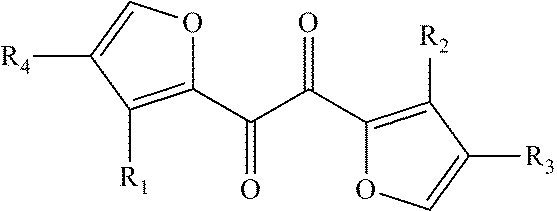
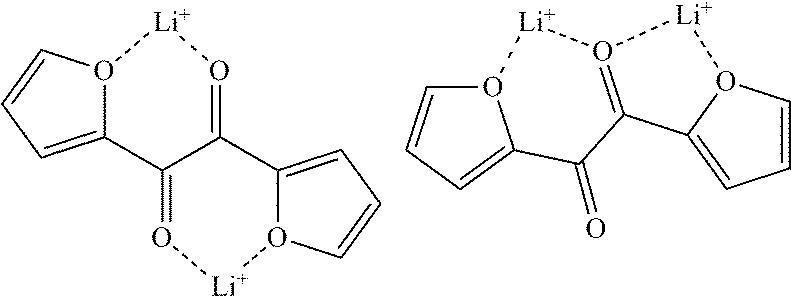
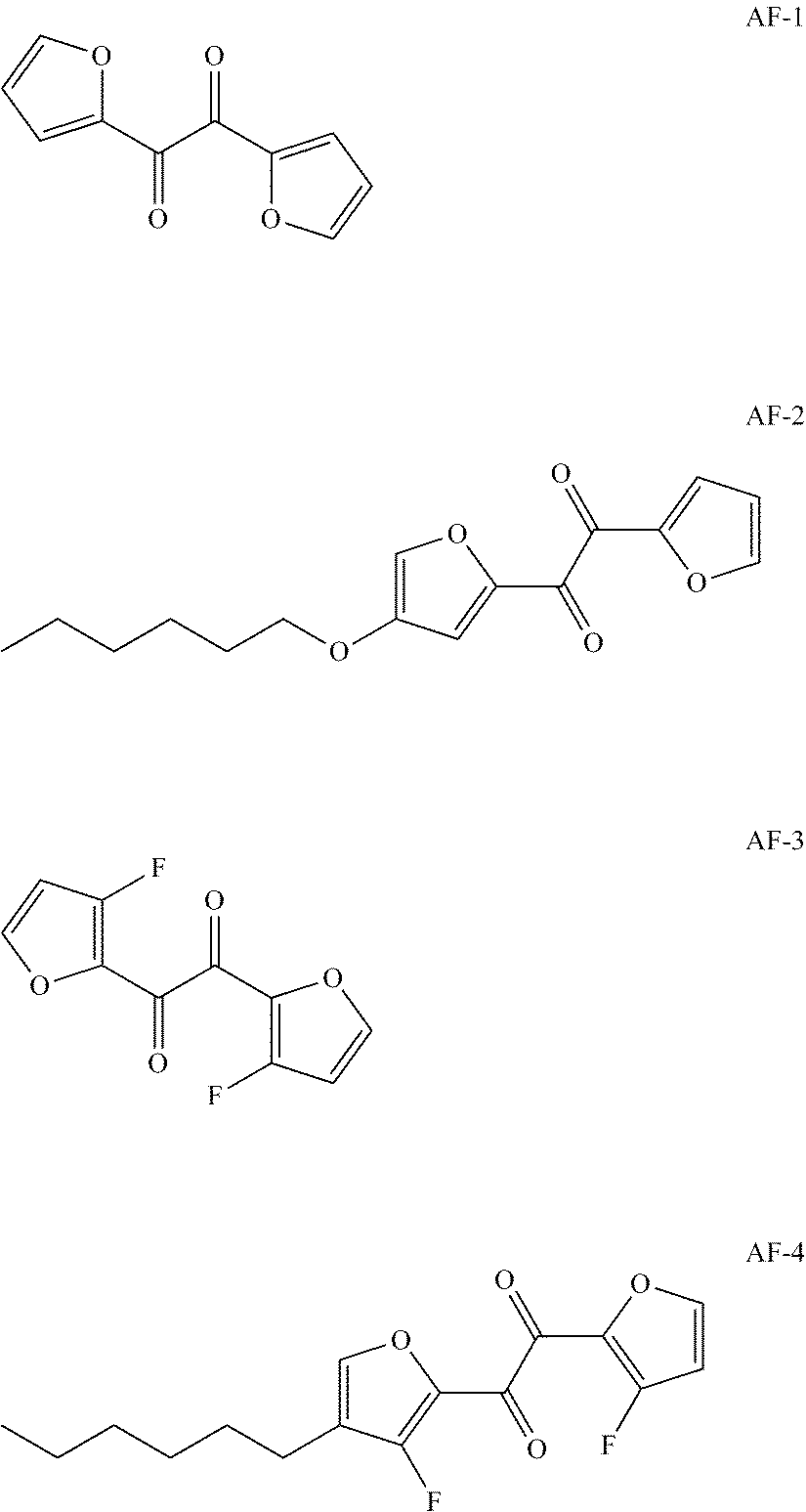
- Incorporating furil and its derivatives as SEI film forming additives in the electrolyte, which enhance wettability through intermolecular hydrogen bonding and improve the stability and compactness of the SEI films by forming stable five- or six-membered rings with lithium ions, thereby reducing surface tension and increasing affinity with separator and electrode materials.

Method and composition to enhance wetting of ECP electrolyte to copper seed
PatentInactiveUS20050211564A1
Innovation
- A composition comprising an organic acid, such as citric acid or acetic acid, and a low molecular weight non-ionic polymer, like an alkoxylated alcohol or amine, is used to enhance the wetting of the electrolyte solution on the seed layer, forming a wetting layer that promotes uniform electroplating and reduces contact angle, thereby minimizing structural defects.


Environmental Impact of Surfactant Additives
The environmental implications of surfactant additives in electrolyte systems present a complex landscape of ecological considerations that must be carefully evaluated alongside their technical benefits. Traditional surfactants, particularly those derived from petroleum-based sources, pose significant environmental challenges due to their persistence in natural systems and potential bioaccumulation effects. These compounds can disrupt aquatic ecosystems when released through manufacturing processes or end-of-life disposal of battery systems.
Biodegradability represents a critical factor in assessing environmental impact. Conventional surfactants such as alkyl sulfates and ethoxylated compounds often exhibit slow degradation rates in natural environments, leading to accumulation in soil and water systems. This persistence can result in long-term ecological disruption, affecting microbial communities and aquatic organisms through altered surface tension properties and membrane interactions.
The toxicity profile of surfactant additives varies significantly across different chemical families. Fluorinated surfactants, while highly effective for wetting enhancement, raise particular environmental concerns due to their extreme persistence and potential for bioaccumulation in food chains. These compounds have been detected in remote environments and living organisms worldwide, prompting regulatory scrutiny and industry movement toward alternative formulations.
Emerging bio-based surfactant alternatives offer promising pathways for reducing environmental impact while maintaining electrolyte wetting performance. Plant-derived surfactants, including those based on fatty acid derivatives and natural glycolipids, demonstrate improved biodegradability profiles and reduced aquatic toxicity. However, their production may involve land use considerations and agricultural resource allocation that require comprehensive life cycle assessment.
Manufacturing and disposal processes contribute significantly to the overall environmental footprint of surfactant additives. Synthesis routes for conventional surfactants often involve energy-intensive processes and generate chemical waste streams. Additionally, the concentration levels required for effective wetting enhancement, typically ranging from 0.1% to 2% by weight, influence both performance optimization and environmental load calculations.
Regulatory frameworks are evolving to address surfactant environmental impacts, with increasing emphasis on green chemistry principles and sustainable material selection. This regulatory landscape is driving innovation toward environmentally benign alternatives that maintain the critical wetting enhancement properties required for advanced electrolyte systems while minimizing ecological risks.
Biodegradability represents a critical factor in assessing environmental impact. Conventional surfactants such as alkyl sulfates and ethoxylated compounds often exhibit slow degradation rates in natural environments, leading to accumulation in soil and water systems. This persistence can result in long-term ecological disruption, affecting microbial communities and aquatic organisms through altered surface tension properties and membrane interactions.
The toxicity profile of surfactant additives varies significantly across different chemical families. Fluorinated surfactants, while highly effective for wetting enhancement, raise particular environmental concerns due to their extreme persistence and potential for bioaccumulation in food chains. These compounds have been detected in remote environments and living organisms worldwide, prompting regulatory scrutiny and industry movement toward alternative formulations.
Emerging bio-based surfactant alternatives offer promising pathways for reducing environmental impact while maintaining electrolyte wetting performance. Plant-derived surfactants, including those based on fatty acid derivatives and natural glycolipids, demonstrate improved biodegradability profiles and reduced aquatic toxicity. However, their production may involve land use considerations and agricultural resource allocation that require comprehensive life cycle assessment.
Manufacturing and disposal processes contribute significantly to the overall environmental footprint of surfactant additives. Synthesis routes for conventional surfactants often involve energy-intensive processes and generate chemical waste streams. Additionally, the concentration levels required for effective wetting enhancement, typically ranging from 0.1% to 2% by weight, influence both performance optimization and environmental load calculations.
Regulatory frameworks are evolving to address surfactant environmental impacts, with increasing emphasis on green chemistry principles and sustainable material selection. This regulatory landscape is driving innovation toward environmentally benign alternatives that maintain the critical wetting enhancement properties required for advanced electrolyte systems while minimizing ecological risks.
Safety Standards for Electrolyte Surfactant Systems
The development of safety standards for electrolyte surfactant systems represents a critical aspect of advancing battery technology while ensuring operational safety. Current regulatory frameworks primarily focus on traditional electrolyte compositions, creating gaps in addressing the unique safety considerations introduced by surfactant additives. These additives, while enhancing wetting properties, can alter the thermal, chemical, and electrochemical behavior of electrolyte systems in ways that existing standards may not adequately cover.
International standards organizations, including IEC, UL, and ISO, are actively working to establish comprehensive guidelines for surfactant-modified electrolytes. The primary safety concerns center around thermal stability, as surfactants can modify the decomposition pathways of electrolytes under elevated temperatures. Additionally, the interaction between surfactant molecules and electrode materials may create new failure modes that require specific testing protocols and safety thresholds.
Toxicity assessment protocols have become increasingly important as surfactant additives introduce new chemical species into battery systems. Current standards require comprehensive evaluation of surfactant biocompatibility, particularly for applications in consumer electronics and electric vehicles where human exposure risks exist. The evaluation includes acute toxicity testing, skin and eye irritation assessments, and long-term environmental impact studies.
Fire safety standards specifically address the flammability characteristics of surfactant-modified electrolytes. Many surfactants can alter the ignition temperature and combustion behavior of electrolyte solutions, necessitating updated fire suppression strategies and containment protocols. Testing methodologies now include modified cone calorimetry and thermal runaway propagation studies to assess fire risks under various operating conditions.
Electrochemical safety standards focus on the stability window and gas evolution characteristics of surfactant systems. New testing protocols evaluate the potential for surfactant decomposition products to catalyze unwanted side reactions or compromise the solid electrolyte interphase integrity. These standards also address the long-term stability of surfactant additives under cycling conditions and their impact on battery safety margins throughout the operational lifetime.
International standards organizations, including IEC, UL, and ISO, are actively working to establish comprehensive guidelines for surfactant-modified electrolytes. The primary safety concerns center around thermal stability, as surfactants can modify the decomposition pathways of electrolytes under elevated temperatures. Additionally, the interaction between surfactant molecules and electrode materials may create new failure modes that require specific testing protocols and safety thresholds.
Toxicity assessment protocols have become increasingly important as surfactant additives introduce new chemical species into battery systems. Current standards require comprehensive evaluation of surfactant biocompatibility, particularly for applications in consumer electronics and electric vehicles where human exposure risks exist. The evaluation includes acute toxicity testing, skin and eye irritation assessments, and long-term environmental impact studies.
Fire safety standards specifically address the flammability characteristics of surfactant-modified electrolytes. Many surfactants can alter the ignition temperature and combustion behavior of electrolyte solutions, necessitating updated fire suppression strategies and containment protocols. Testing methodologies now include modified cone calorimetry and thermal runaway propagation studies to assess fire risks under various operating conditions.
Electrochemical safety standards focus on the stability window and gas evolution characteristics of surfactant systems. New testing protocols evaluate the potential for surfactant decomposition products to catalyze unwanted side reactions or compromise the solid electrolyte interphase integrity. These standards also address the long-term stability of surfactant additives under cycling conditions and their impact on battery safety margins throughout the operational lifetime.
Unlock deeper insights with PatSnap Eureka Quick Research — get a full tech report to explore trends and direct your research. Try now!
Generate Your Research Report Instantly with AI Agent
Supercharge your innovation with PatSnap Eureka AI Agent Platform!