How to Formulate Comprehensive Nitrogen Monoxide Legislation
JAN 27, 20269 MIN READ
Generate Your Research Report Instantly with AI Agent
PatSnap Eureka helps you evaluate technical feasibility & market potential.
Nitrogen Monoxide Regulation Background and Objectives
Nitrogen monoxide, commonly referred to as nitric oxide (NO), has emerged as a critical environmental and public health concern since the mid-20th century. As a primary air pollutant generated from combustion processes in vehicles, industrial facilities, and power plants, nitrogen monoxide plays a significant role in the formation of ground-level ozone and photochemical smog. The compound also serves as a precursor to nitrogen dioxide and contributes to acid rain formation, posing threats to ecosystems, agricultural productivity, and human respiratory health. The recognition of these impacts has driven governments and international organizations to prioritize nitrogen monoxide control within broader air quality management frameworks.
The evolution of nitrogen monoxide regulation traces back to the 1970s when industrialized nations first acknowledged the connection between vehicular emissions and urban air pollution. Early legislative efforts focused primarily on setting ambient air quality standards and establishing emission limits for stationary sources. However, the complexity of nitrogen oxide chemistry and its interactions with other atmospheric compounds necessitated more sophisticated regulatory approaches. Over subsequent decades, technological advancements in emission control systems, monitoring capabilities, and atmospheric modeling have enabled more precise and effective regulatory strategies.
The primary objective of comprehensive nitrogen monoxide legislation is to establish a multi-layered regulatory framework that addresses emissions across all major source categories while considering regional variations in pollution levels and economic development stages. Such legislation aims to achieve measurable reductions in ambient nitrogen monoxide concentrations, thereby protecting public health and environmental quality. Secondary objectives include promoting technological innovation in emission control technologies, incentivizing cleaner production processes, and fostering international cooperation on transboundary air pollution issues.
Contemporary regulatory approaches must balance environmental protection goals with economic feasibility and social equity considerations. This requires establishing scientifically-grounded emission standards, implementing effective monitoring and enforcement mechanisms, and providing adequate transition periods for compliance. The legislation must also incorporate flexibility to accommodate emerging scientific understanding and technological capabilities while maintaining stringent long-term reduction targets aligned with international environmental commitments and sustainable development goals.
The evolution of nitrogen monoxide regulation traces back to the 1970s when industrialized nations first acknowledged the connection between vehicular emissions and urban air pollution. Early legislative efforts focused primarily on setting ambient air quality standards and establishing emission limits for stationary sources. However, the complexity of nitrogen oxide chemistry and its interactions with other atmospheric compounds necessitated more sophisticated regulatory approaches. Over subsequent decades, technological advancements in emission control systems, monitoring capabilities, and atmospheric modeling have enabled more precise and effective regulatory strategies.
The primary objective of comprehensive nitrogen monoxide legislation is to establish a multi-layered regulatory framework that addresses emissions across all major source categories while considering regional variations in pollution levels and economic development stages. Such legislation aims to achieve measurable reductions in ambient nitrogen monoxide concentrations, thereby protecting public health and environmental quality. Secondary objectives include promoting technological innovation in emission control technologies, incentivizing cleaner production processes, and fostering international cooperation on transboundary air pollution issues.
Contemporary regulatory approaches must balance environmental protection goals with economic feasibility and social equity considerations. This requires establishing scientifically-grounded emission standards, implementing effective monitoring and enforcement mechanisms, and providing adequate transition periods for compliance. The legislation must also incorporate flexibility to accommodate emerging scientific understanding and technological capabilities while maintaining stringent long-term reduction targets aligned with international environmental commitments and sustainable development goals.
Market and Environmental Demand for NO Control
The escalating concerns over air quality and public health have positioned nitrogen oxides (NOx), particularly nitrogen monoxide (NO), as critical pollutants requiring stringent regulatory frameworks. Urban centers worldwide face mounting pressure to address vehicular emissions, industrial discharges, and power generation activities that contribute significantly to atmospheric NO concentrations. The correlation between elevated NO levels and respiratory diseases, cardiovascular complications, and premature mortality has been extensively documented in epidemiological studies, creating urgent demand for effective legislative interventions.
Market dynamics are increasingly shaped by environmental compliance requirements, with industries facing substantial operational adjustments to meet emission standards. The automotive sector has witnessed transformative shifts toward cleaner technologies, driven by regulatory mandates rather than purely market forces. Similarly, power generation facilities and manufacturing plants are compelled to invest in emission control technologies, creating substantial markets for catalytic converters, selective catalytic reduction systems, and continuous emission monitoring equipment.
International environmental agreements and regional air quality directives have established precedents for NO control legislation, yet significant gaps remain in comprehensive regulatory coverage. Developing economies face particular challenges balancing industrial growth aspirations with environmental protection imperatives. The absence of harmonized global standards creates competitive disparities and potential regulatory arbitrage, undermining collective emission reduction efforts.
Public awareness campaigns and citizen advocacy movements have amplified demands for transparent air quality monitoring and enforceable emission limits. Urban populations increasingly prioritize environmental quality in residential and commercial location decisions, generating economic incentives for jurisdictions to implement robust NO control measures. This societal pressure complements scientific evidence, creating a multifaceted demand structure for comprehensive legislation.
The economic costs of inaction further justify regulatory intervention. Healthcare expenditures attributable to NO-related illnesses, productivity losses from pollution-induced morbidity, and ecosystem degradation impose substantial societal burdens. Cost-benefit analyses consistently demonstrate that proactive emission control legislation yields net positive economic returns when accounting for avoided health impacts and environmental preservation benefits. These converging factors establish compelling market and environmental imperatives for formulating comprehensive nitrogen monoxide legislation that addresses both immediate public health concerns and long-term sustainability objectives.
Market dynamics are increasingly shaped by environmental compliance requirements, with industries facing substantial operational adjustments to meet emission standards. The automotive sector has witnessed transformative shifts toward cleaner technologies, driven by regulatory mandates rather than purely market forces. Similarly, power generation facilities and manufacturing plants are compelled to invest in emission control technologies, creating substantial markets for catalytic converters, selective catalytic reduction systems, and continuous emission monitoring equipment.
International environmental agreements and regional air quality directives have established precedents for NO control legislation, yet significant gaps remain in comprehensive regulatory coverage. Developing economies face particular challenges balancing industrial growth aspirations with environmental protection imperatives. The absence of harmonized global standards creates competitive disparities and potential regulatory arbitrage, undermining collective emission reduction efforts.
Public awareness campaigns and citizen advocacy movements have amplified demands for transparent air quality monitoring and enforceable emission limits. Urban populations increasingly prioritize environmental quality in residential and commercial location decisions, generating economic incentives for jurisdictions to implement robust NO control measures. This societal pressure complements scientific evidence, creating a multifaceted demand structure for comprehensive legislation.
The economic costs of inaction further justify regulatory intervention. Healthcare expenditures attributable to NO-related illnesses, productivity losses from pollution-induced morbidity, and ecosystem degradation impose substantial societal burdens. Cost-benefit analyses consistently demonstrate that proactive emission control legislation yields net positive economic returns when accounting for avoided health impacts and environmental preservation benefits. These converging factors establish compelling market and environmental imperatives for formulating comprehensive nitrogen monoxide legislation that addresses both immediate public health concerns and long-term sustainability objectives.
Current NO Legislation Status and Challenges
Nitrogen monoxide (NO) legislation currently exists in a fragmented state across different jurisdictions, with significant variations in regulatory approaches, emission standards, and enforcement mechanisms. Most developed nations have established baseline frameworks primarily targeting NO emissions from industrial sources and vehicular exhaust, yet these regulations often lack the comprehensive scope necessary to address the full spectrum of NO pollution sources. The European Union's Industrial Emissions Directive and the United States' Clean Air Act represent the most advanced legislative frameworks, setting ambient air quality standards and source-specific emission limits. However, these regulations predominantly focus on nitrogen oxides (NOx) as a collective category rather than specifically addressing nitrogen monoxide's unique environmental and health impacts.
A critical challenge facing current NO legislation is the absence of unified international standards and harmonized measurement protocols. Different countries employ varying monitoring methodologies, emission calculation approaches, and compliance thresholds, creating barriers for multinational corporations and hindering effective cross-border pollution control. This regulatory inconsistency particularly affects industries with global supply chains, where facilities in different regions face disparate compliance requirements and reporting obligations.
The enforcement infrastructure presents another substantial obstacle. Many jurisdictions lack adequate real-time monitoring systems and suffer from insufficient regulatory resources to ensure consistent compliance verification. Small and medium-sized enterprises often struggle with the technical and financial burdens of meeting emission standards, while enforcement agencies face difficulties in tracking diffuse sources such as agricultural activities and residential combustion. The penalty structures in existing legislation frequently fail to provide sufficient deterrence, with fines often representing minimal operational costs for major polluters.
Emerging challenges include addressing NO emissions from previously unregulated or under-regulated sectors, particularly agricultural operations, maritime transport, and distributed energy systems. The rapid evolution of industrial processes and energy technologies has outpaced legislative updates, creating regulatory gaps. Additionally, the complex atmospheric chemistry of NO and its transformation into secondary pollutants complicates the establishment of effective control strategies. Climate change interactions further complicate matters, as temperature variations affect NO formation rates and atmospheric lifetimes, necessitating adaptive regulatory frameworks that current legislation does not adequately provide.
A critical challenge facing current NO legislation is the absence of unified international standards and harmonized measurement protocols. Different countries employ varying monitoring methodologies, emission calculation approaches, and compliance thresholds, creating barriers for multinational corporations and hindering effective cross-border pollution control. This regulatory inconsistency particularly affects industries with global supply chains, where facilities in different regions face disparate compliance requirements and reporting obligations.
The enforcement infrastructure presents another substantial obstacle. Many jurisdictions lack adequate real-time monitoring systems and suffer from insufficient regulatory resources to ensure consistent compliance verification. Small and medium-sized enterprises often struggle with the technical and financial burdens of meeting emission standards, while enforcement agencies face difficulties in tracking diffuse sources such as agricultural activities and residential combustion. The penalty structures in existing legislation frequently fail to provide sufficient deterrence, with fines often representing minimal operational costs for major polluters.
Emerging challenges include addressing NO emissions from previously unregulated or under-regulated sectors, particularly agricultural operations, maritime transport, and distributed energy systems. The rapid evolution of industrial processes and energy technologies has outpaced legislative updates, creating regulatory gaps. Additionally, the complex atmospheric chemistry of NO and its transformation into secondary pollutants complicates the establishment of effective control strategies. Climate change interactions further complicate matters, as temperature variations affect NO formation rates and atmospheric lifetimes, necessitating adaptive regulatory frameworks that current legislation does not adequately provide.
Existing NO Legislative Frameworks
01 Catalytic reduction systems for nitrogen oxide emissions control
Technologies for reducing nitrogen oxides through catalytic conversion processes, including selective catalytic reduction (SCR) systems and catalytic converters. These systems utilize catalysts to convert nitrogen oxides into nitrogen and water, helping vehicles and industrial facilities meet emission standards. The methods involve specific catalyst compositions and operating conditions optimized for effective NOx reduction while maintaining system efficiency.- Catalytic reduction systems for nitrogen oxide emissions control: Technologies involving catalytic converters and reduction systems designed to meet legislative requirements for nitrogen oxide emissions. These systems utilize catalysts to convert nitrogen oxides into less harmful substances through chemical reactions, often employing selective catalytic reduction (SCR) or other catalytic processes to achieve compliance with environmental regulations.
- Exhaust gas treatment methods for nitrogen oxide removal: Various exhaust gas treatment technologies and methods specifically designed to reduce nitrogen oxide emissions from combustion processes. These approaches include gas scrubbing, absorption techniques, and chemical treatment processes that help industries and vehicles meet stringent nitrogen oxide emission standards mandated by legislation.
- Monitoring and measurement systems for nitrogen oxide compliance: Devices and systems for detecting, measuring, and monitoring nitrogen oxide levels to ensure compliance with legislative limits. These technologies include sensors, analyzers, and continuous emission monitoring systems that provide real-time data on nitrogen oxide concentrations, enabling operators to maintain emissions within legally prescribed boundaries.
- Engine design modifications for nitrogen oxide reduction: Innovations in engine design and combustion optimization aimed at reducing nitrogen oxide formation at the source. These modifications include combustion chamber geometry changes, fuel injection timing adjustments, and air-fuel ratio control systems that minimize nitrogen oxide production during the combustion process to meet legislative requirements.
- Industrial process adaptations for nitrogen oxide emission control: Modifications and adaptations to industrial processes and manufacturing operations to reduce nitrogen oxide emissions in compliance with legislation. These include process optimization, alternative fuel usage, temperature control methods, and integrated pollution prevention techniques that minimize nitrogen oxide generation across various industrial applications.
02 Exhaust gas treatment and purification methods
Comprehensive exhaust gas treatment systems designed to remove nitrogen oxides from combustion emissions. These technologies include multi-stage purification processes, scrubbing systems, and chemical treatment methods that capture and neutralize NOx compounds. The systems are applicable to various sources including automotive engines, power plants, and industrial furnaces, incorporating both wet and dry treatment approaches.Expand Specific Solutions03 Combustion optimization and low-NOx burner technologies
Advanced combustion control systems and burner designs that minimize nitrogen oxide formation during the combustion process. These technologies focus on controlling flame temperature, air-fuel mixing ratios, and combustion staging to reduce NOx generation at the source. Methods include lean-burn technologies, staged combustion, and flue gas recirculation systems that prevent excessive NOx formation.Expand Specific Solutions04 Monitoring and measurement systems for nitrogen oxide compliance
Sensor technologies and monitoring systems for real-time detection and measurement of nitrogen oxide emissions to ensure regulatory compliance. These systems include continuous emission monitoring equipment, portable analyzers, and integrated diagnostic tools that provide accurate NOx concentration data. The technologies enable facilities to track emissions, verify compliance with legislation, and optimize control strategies.Expand Specific Solutions05 Urea-based and ammonia injection systems for NOx reduction
Technologies utilizing urea or ammonia as reducing agents for selective catalytic reduction of nitrogen oxides. These systems inject precise amounts of reagent into exhaust streams where it reacts with NOx over a catalyst to form nitrogen and water. The methods include dosing control systems, reagent storage and delivery mechanisms, and optimization algorithms for maximizing reduction efficiency across varying operating conditions.Expand Specific Solutions
Key Stakeholders in NO Regulation
The nitrogen monoxide legislation landscape operates within a maturing regulatory environment driven by increasingly stringent emission standards across automotive, industrial, and energy sectors. Major chemical manufacturers including BASF Corp., Johnson Matthey Plc, and Air Products & Chemicals lead in catalyst and emission control technologies, while automotive giants Honda Motor Co., Nissan Motor Co., and General Electric Company drive implementation through advanced exhaust systems. The market demonstrates significant scale with established players like China Petroleum & Chemical Corp., Shell Oil Co., and Air Liquide SA providing industrial gas solutions. Technology maturity varies across applications, with Johnson Matthey Plc and BASF Corp. demonstrating advanced catalyst formulations for NOx reduction, while research institutions including Huazhong University of Science & Technology and Yantai University contribute to next-generation abatement methods. The competitive landscape reflects a consolidation phase where integrated solutions combining monitoring, catalytic conversion, and process optimization define market leadership.
Johnson Matthey Plc
Technical Solution: Johnson Matthey has developed comprehensive nitrogen oxide (NOx) emission control technologies centered on advanced catalytic converter systems. Their approach includes Selective Catalytic Reduction (SCR) technology using platinum group metal catalysts, which can achieve NOx conversion rates exceeding 90% in diesel engine applications. The company's legislative framework recommendations emphasize establishing tiered emission standards based on vehicle categories, implementing real-world driving emission testing protocols, and mandating on-board diagnostics systems for continuous monitoring. Their technical solutions integrate catalyst formulation optimization, thermal management systems, and ammonia dosing control strategies to ensure compliance across varying operating conditions. Johnson Matthey advocates for legislation that includes catalyst durability requirements, regular emission testing intervals, and penalties for tampering with emission control devices.
Strengths: Industry-leading catalyst technology with proven high conversion efficiency; extensive experience in automotive emission control systems. Weaknesses: High implementation costs for advanced catalyst materials; performance degradation in extreme temperature conditions.
BASF Corp.
Technical Solution: BASF has developed a multi-faceted approach to nitrogen oxide legislation formulation focusing on their DeNOx catalyst technology and emission control systems. Their technical framework incorporates vanadium-based and zeolite-based SCR catalysts capable of reducing NOx emissions by up to 95% in industrial and automotive applications. BASF's legislative recommendations include establishing sector-specific emission limits for stationary sources, mobile sources, and industrial processes, implementing continuous emission monitoring systems (CEMS) requirements, and creating incentive programs for early adoption of advanced emission control technologies. Their approach emphasizes life-cycle assessment methodologies for evaluating emission reduction technologies, mandatory reporting requirements for NOx emissions, and graduated compliance timelines based on facility size and economic capacity. The company also advocates for harmonized international standards to facilitate technology transfer and global emission reduction efforts.
Strengths: Comprehensive catalyst portfolio covering multiple applications; strong R&D capabilities in emission control chemistry. Weaknesses: Complex installation requirements for industrial-scale systems; sensitivity to catalyst poisoning from fuel contaminants.
Core Technical Standards in NO Legislation
NOx CONTROL SYSTEMS AND METHODS FOR CONTROLLING NOx EMISSIONS
PatentInactiveUS20090133384A1
Innovation
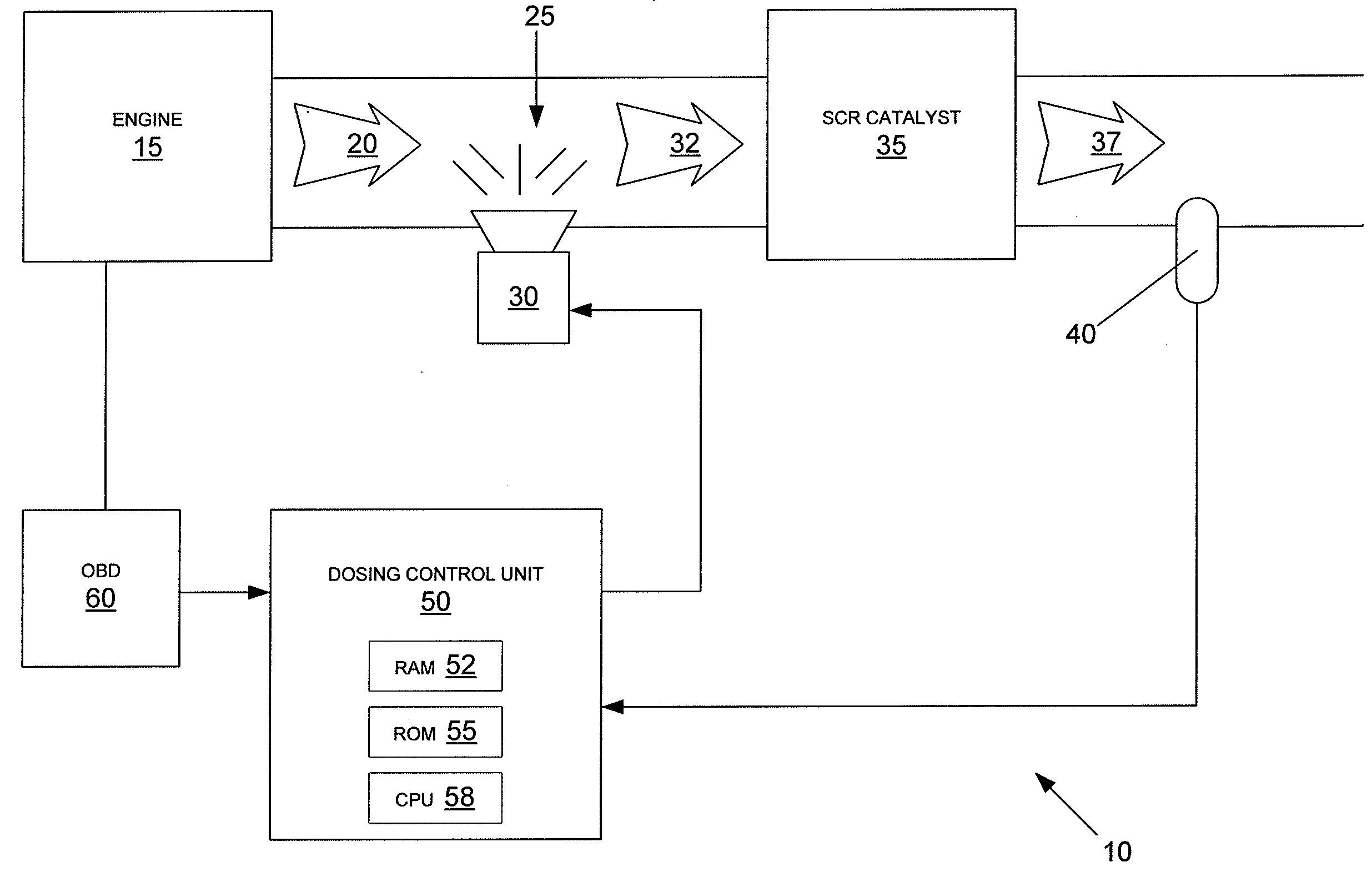
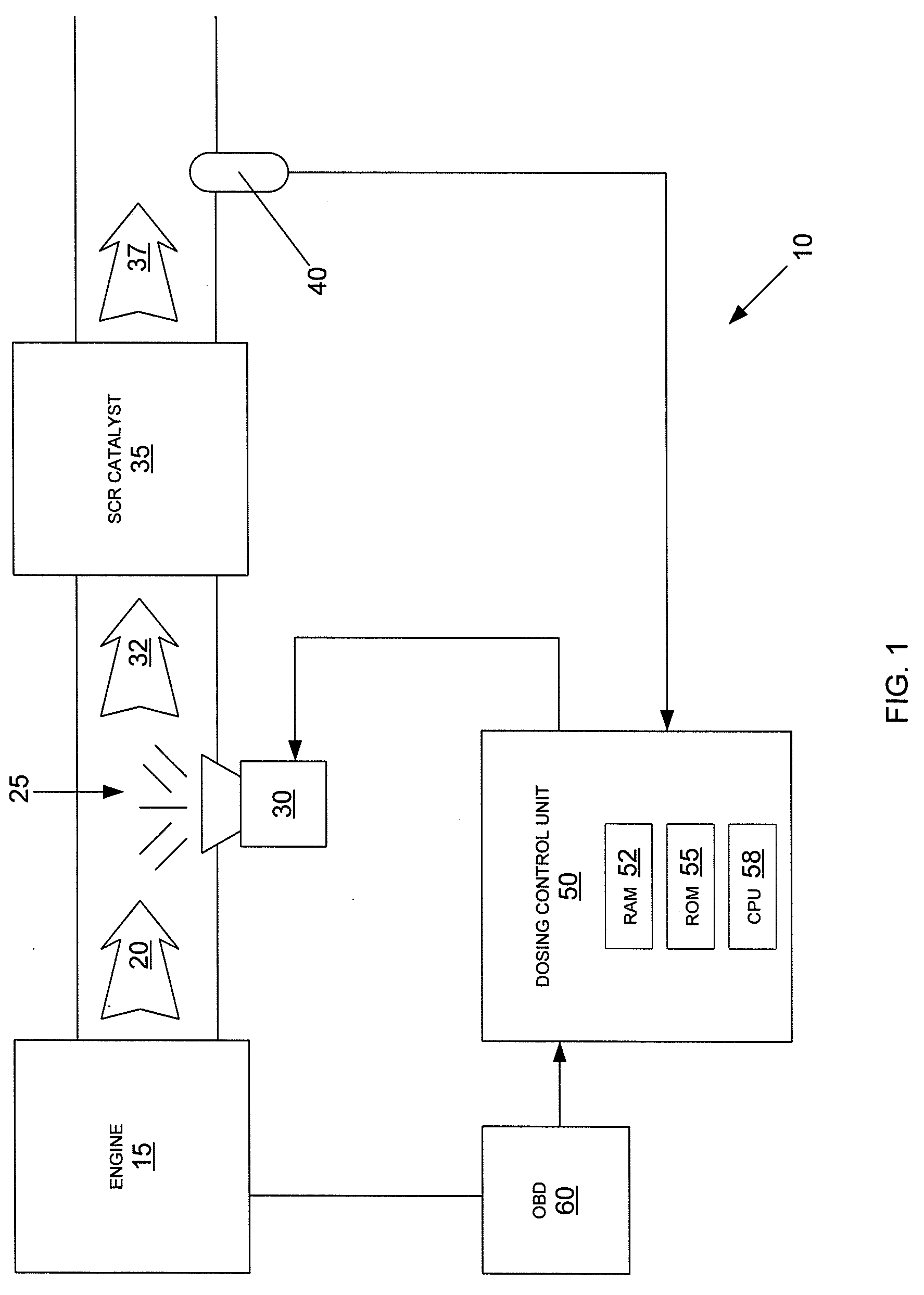
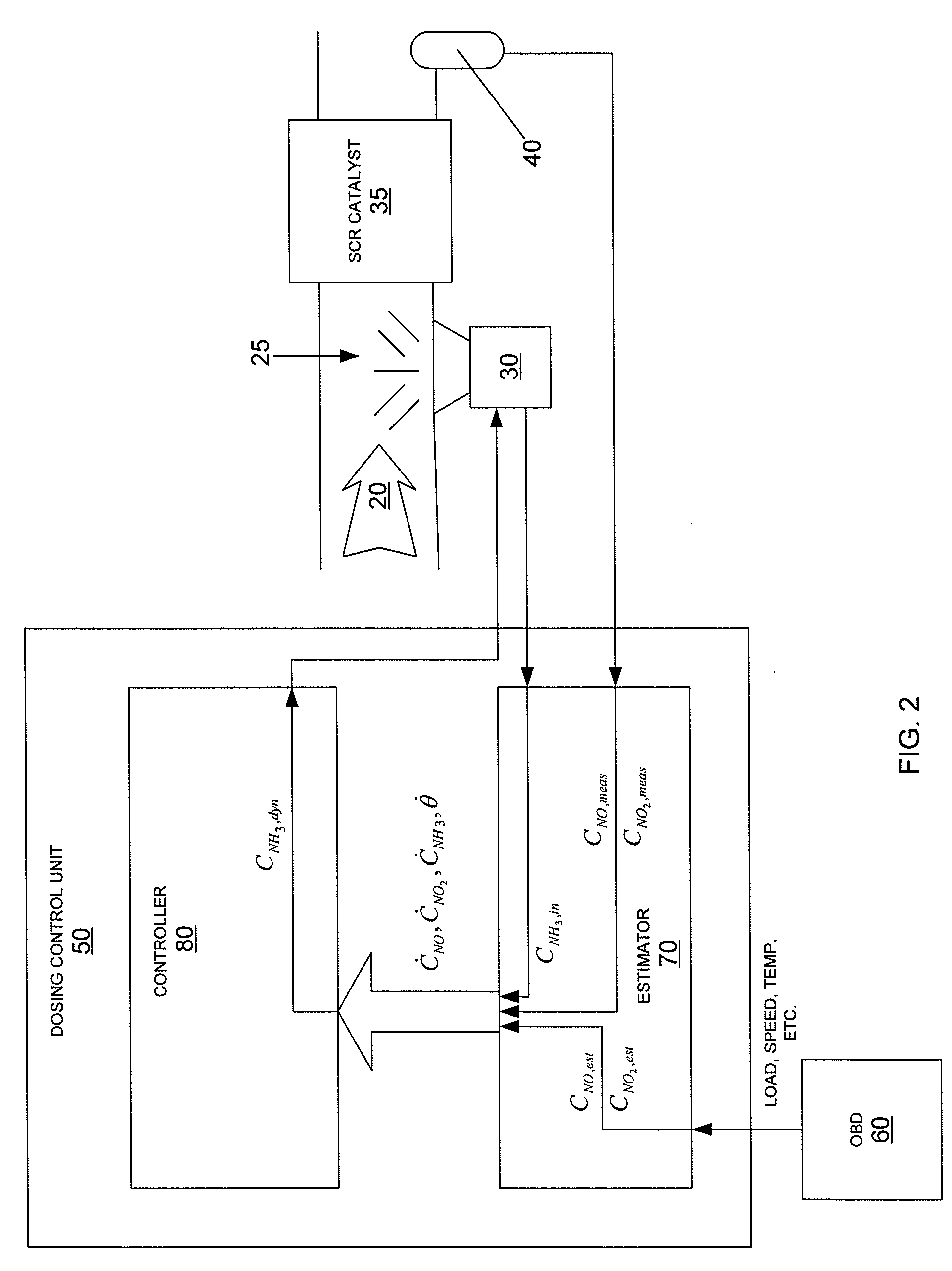
- A closed-loop exhaust aftertreatment system incorporating a selective catalytic reduction (SCR) catalyst, a urea solution injector, a gas sensor, and a dosing control unit that estimates NO and NO2 concentrations and fractional surface coverage of ammonia in the catalyst to optimize urea injection, minimizing NOx emissions and ammonia slip.

NOx CONTROL SYSTEMS AND METHODS FOR CONTROLLING NOx EMISSIONS
PatentInactiveUS20120260634A1
Innovation
- A closed-loop exhaust aftertreatment system incorporating a selective catalytic reduction (SCR) catalyst, a urea solution injector, a gas sensor, and a dosing control unit that estimates NO and NO2 concentrations and fractional surface coverage of ammonia in the catalyst to optimize urea injection, minimizing NOx emissions while reducing ammonia slip.


International NO Regulatory Harmonization
The harmonization of nitrogen monoxide regulations across international jurisdictions represents a critical pathway toward establishing effective global environmental governance. As NO emissions transcend national boundaries and contribute to transboundary air pollution, acid deposition, and tropospheric ozone formation, the necessity for coordinated regulatory frameworks has become increasingly apparent. International harmonization efforts aim to eliminate regulatory fragmentation, reduce compliance burdens for multinational entities, and ensure equitable environmental protection standards across different economic regions.
Several multilateral platforms have emerged as focal points for NO regulatory coordination. The United Nations Economic Commission for Europe's Convention on Long-Range Transboundary Air Pollution has established protocols that set emission reduction commitments for member states, creating baseline standards that facilitate regional alignment. Similarly, the European Union's ambient air quality directives and industrial emissions regulations serve as reference models that influence legislative development in neighboring regions and trading partner nations.
The World Health Organization's air quality guidelines provide scientifically grounded concentration thresholds that inform national legislation globally, though their adoption remains voluntary. These guidelines undergo periodic revision based on epidemiological evidence, creating dynamic benchmarks that encourage upward harmonization of protection standards. International standardization bodies have also contributed by developing unified measurement methodologies and monitoring protocols, ensuring data comparability across jurisdictions.
Challenges to harmonization include disparate economic development levels, varying industrial structures, and differing political priorities among nations. Developing economies often advocate for differentiated responsibilities, seeking flexibility in implementation timelines and emission intensity targets rather than absolute caps. Trade considerations further complicate harmonization efforts, as stringent regulations in one jurisdiction may create competitive disadvantages, prompting concerns about carbon leakage and industrial relocation.
Emerging mechanisms such as bilateral regulatory cooperation agreements, mutual recognition arrangements, and technology transfer partnerships are progressively bridging these gaps. Digital platforms enabling real-time emission data sharing and collaborative enforcement mechanisms represent promising tools for strengthening international regulatory coherence while respecting national sovereignty and developmental contexts.
Several multilateral platforms have emerged as focal points for NO regulatory coordination. The United Nations Economic Commission for Europe's Convention on Long-Range Transboundary Air Pollution has established protocols that set emission reduction commitments for member states, creating baseline standards that facilitate regional alignment. Similarly, the European Union's ambient air quality directives and industrial emissions regulations serve as reference models that influence legislative development in neighboring regions and trading partner nations.
The World Health Organization's air quality guidelines provide scientifically grounded concentration thresholds that inform national legislation globally, though their adoption remains voluntary. These guidelines undergo periodic revision based on epidemiological evidence, creating dynamic benchmarks that encourage upward harmonization of protection standards. International standardization bodies have also contributed by developing unified measurement methodologies and monitoring protocols, ensuring data comparability across jurisdictions.
Challenges to harmonization include disparate economic development levels, varying industrial structures, and differing political priorities among nations. Developing economies often advocate for differentiated responsibilities, seeking flexibility in implementation timelines and emission intensity targets rather than absolute caps. Trade considerations further complicate harmonization efforts, as stringent regulations in one jurisdiction may create competitive disadvantages, prompting concerns about carbon leakage and industrial relocation.
Emerging mechanisms such as bilateral regulatory cooperation agreements, mutual recognition arrangements, and technology transfer partnerships are progressively bridging these gaps. Digital platforms enabling real-time emission data sharing and collaborative enforcement mechanisms represent promising tools for strengthening international regulatory coherence while respecting national sovereignty and developmental contexts.
Enforcement Mechanisms for NO Compliance
Effective enforcement mechanisms are fundamental to ensuring compliance with nitrogen monoxide legislation. A multi-layered approach combining regulatory oversight, technological monitoring, and legal consequences creates a robust framework for achieving emission reduction targets. The enforcement system must balance stringent compliance requirements with practical implementation considerations to maintain both environmental effectiveness and industrial viability.
Continuous emission monitoring systems represent the technological backbone of enforcement infrastructure. Mandatory installation of automated monitoring equipment at major emission sources enables real-time data collection and transmission to regulatory authorities. These systems should employ certified measurement technologies with regular calibration requirements and tamper-proof data logging capabilities. Integration with centralized databases allows regulatory agencies to identify non-compliance patterns immediately and trigger appropriate responses.
Inspection and audit protocols constitute another critical enforcement component. Regular scheduled inspections combined with unannounced spot checks ensure ongoing compliance verification. Qualified inspectors must assess not only emission levels but also maintenance records, operational procedures, and documentation accuracy. Third-party verification audits provide additional oversight layers, particularly for facilities with complex emission profiles or histories of non-compliance.
Graduated penalty structures provide necessary deterrence while encouraging voluntary compliance. Initial violations may warrant warning notices and corrective action requirements with specified timelines. Repeated or severe violations should trigger escalating financial penalties calculated based on emission quantities, duration of non-compliance, and economic benefits gained from violations. Administrative sanctions including operational restrictions or permit suspensions serve as powerful compliance incentives for persistent violators.
Legal enforcement pathways must support regulatory actions through clear jurisdictional authority and streamlined prosecution procedures. Environmental courts or specialized tribunals can expedite case resolution while developing consistent jurisprudence. Criminal liability provisions for egregious violations or deliberate falsification of emission data establish ultimate accountability measures. Citizen suit provisions and whistleblower protections enhance enforcement capacity by enabling public participation in compliance monitoring.
Compliance assistance programs complement punitive measures by supporting regulated entities in meeting requirements. Technical guidance documents, training workshops, and consultation services help facilities understand obligations and implement effective control strategies. Financial incentive programs including compliance subsidies or accelerated depreciation for pollution control equipment reduce implementation barriers, particularly for smaller enterprises with limited resources.
Continuous emission monitoring systems represent the technological backbone of enforcement infrastructure. Mandatory installation of automated monitoring equipment at major emission sources enables real-time data collection and transmission to regulatory authorities. These systems should employ certified measurement technologies with regular calibration requirements and tamper-proof data logging capabilities. Integration with centralized databases allows regulatory agencies to identify non-compliance patterns immediately and trigger appropriate responses.
Inspection and audit protocols constitute another critical enforcement component. Regular scheduled inspections combined with unannounced spot checks ensure ongoing compliance verification. Qualified inspectors must assess not only emission levels but also maintenance records, operational procedures, and documentation accuracy. Third-party verification audits provide additional oversight layers, particularly for facilities with complex emission profiles or histories of non-compliance.
Graduated penalty structures provide necessary deterrence while encouraging voluntary compliance. Initial violations may warrant warning notices and corrective action requirements with specified timelines. Repeated or severe violations should trigger escalating financial penalties calculated based on emission quantities, duration of non-compliance, and economic benefits gained from violations. Administrative sanctions including operational restrictions or permit suspensions serve as powerful compliance incentives for persistent violators.
Legal enforcement pathways must support regulatory actions through clear jurisdictional authority and streamlined prosecution procedures. Environmental courts or specialized tribunals can expedite case resolution while developing consistent jurisprudence. Criminal liability provisions for egregious violations or deliberate falsification of emission data establish ultimate accountability measures. Citizen suit provisions and whistleblower protections enhance enforcement capacity by enabling public participation in compliance monitoring.
Compliance assistance programs complement punitive measures by supporting regulated entities in meeting requirements. Technical guidance documents, training workshops, and consultation services help facilities understand obligations and implement effective control strategies. Financial incentive programs including compliance subsidies or accelerated depreciation for pollution control equipment reduce implementation barriers, particularly for smaller enterprises with limited resources.
Unlock deeper insights with PatSnap Eureka Quick Research — get a full tech report to explore trends and direct your research. Try now!
Generate Your Research Report Instantly with AI Agent
Supercharge your innovation with PatSnap Eureka AI Agent Platform!