Redefining Urban Ecosystems With Nitrogen Monoxide Control
JAN 27, 20269 MIN READ
Generate Your Research Report Instantly with AI Agent
PatSnap Eureka helps you evaluate technical feasibility & market potential.
Urban NO Control Background and Objectives
Nitrogen monoxide, commonly known as nitric oxide (NO), has emerged as a critical atmospheric pollutant in urban environments since the mid-20th century. Initially recognized primarily for its role in photochemical smog formation and acid rain, NO has evolved into a multifaceted environmental challenge that intersects with public health, climate change, and ecosystem sustainability. The compound originates predominantly from vehicular emissions, industrial combustion processes, and power generation facilities, with urban areas experiencing concentrations that frequently exceed recommended exposure limits established by environmental protection agencies worldwide.
The historical trajectory of NO pollution reveals an escalating concern as urbanization accelerated globally. During the 1970s and 1980s, developed nations began implementing regulatory frameworks targeting nitrogen oxides, yet many rapidly developing urban centers continue to struggle with elevated NO levels. Recent epidemiological studies have established direct correlations between NO exposure and respiratory diseases, cardiovascular complications, and reduced life expectancy, particularly affecting vulnerable populations including children and the elderly.
The primary objective of contemporary NO control initiatives extends beyond mere concentration reduction to encompass a holistic reimagining of urban ecosystems. This involves integrating technological interventions with urban planning strategies to create self-regulating environmental systems. Key targets include achieving ambient NO concentrations below 40 micrograms per cubic meter as annual averages, reducing peak exposure events by 60 percent within the next decade, and establishing green infrastructure networks capable of natural NO mitigation.
Advanced control objectives also prioritize the development of real-time monitoring networks that enable predictive modeling and adaptive response mechanisms. These systems aim to transform cities from passive pollution receptors into active environmental managers. Furthermore, the integration of NO control with broader sustainability goals—including carbon neutrality, biodiversity enhancement, and climate resilience—represents a paradigm shift toward comprehensive urban ecosystem management.
The ultimate vision encompasses cities where NO levels are maintained through synergistic combinations of emission source control, atmospheric chemistry management, and biological remediation systems, creating healthier and more sustainable urban habitats for future generations.
The historical trajectory of NO pollution reveals an escalating concern as urbanization accelerated globally. During the 1970s and 1980s, developed nations began implementing regulatory frameworks targeting nitrogen oxides, yet many rapidly developing urban centers continue to struggle with elevated NO levels. Recent epidemiological studies have established direct correlations between NO exposure and respiratory diseases, cardiovascular complications, and reduced life expectancy, particularly affecting vulnerable populations including children and the elderly.
The primary objective of contemporary NO control initiatives extends beyond mere concentration reduction to encompass a holistic reimagining of urban ecosystems. This involves integrating technological interventions with urban planning strategies to create self-regulating environmental systems. Key targets include achieving ambient NO concentrations below 40 micrograms per cubic meter as annual averages, reducing peak exposure events by 60 percent within the next decade, and establishing green infrastructure networks capable of natural NO mitigation.
Advanced control objectives also prioritize the development of real-time monitoring networks that enable predictive modeling and adaptive response mechanisms. These systems aim to transform cities from passive pollution receptors into active environmental managers. Furthermore, the integration of NO control with broader sustainability goals—including carbon neutrality, biodiversity enhancement, and climate resilience—represents a paradigm shift toward comprehensive urban ecosystem management.
The ultimate vision encompasses cities where NO levels are maintained through synergistic combinations of emission source control, atmospheric chemistry management, and biological remediation systems, creating healthier and more sustainable urban habitats for future generations.
Market Demand for Urban Air Quality Solutions
Urban air quality has emerged as a critical concern for metropolitan regions worldwide, driven by escalating pollution levels and growing public awareness of health impacts. Nitrogen monoxide, a primary pollutant from vehicular emissions and industrial activities, contributes significantly to respiratory diseases, cardiovascular complications, and environmental degradation. This has catalyzed substantial demand for innovative solutions that can effectively monitor, control, and reduce nitrogen oxide concentrations in urban atmospheres.
The market for urban air quality solutions is experiencing robust expansion across multiple sectors. Municipal governments are increasingly allocating budgets toward pollution mitigation infrastructure, recognizing the direct correlation between air quality and public health expenditures. Smart city initiatives have integrated air quality management as a foundational component, creating opportunities for advanced monitoring systems, real-time data analytics platforms, and automated pollution control technologies. This institutional demand is complemented by growing consumer awareness, with residents in polluted urban centers actively seeking information and solutions to protect their health.
Commercial and industrial stakeholders represent another significant demand driver. Regulatory frameworks in major economies have tightened emission standards, compelling manufacturing facilities, transportation operators, and energy producers to adopt nitrogen oxide reduction technologies. Compliance requirements have transformed air quality solutions from optional investments into operational necessities, expanding the addressable market substantially. Additionally, corporate sustainability commitments and environmental social governance considerations are motivating enterprises to proactively implement pollution control measures beyond minimum regulatory requirements.
The residential sector demonstrates emerging demand patterns, particularly in densely populated urban areas experiencing severe air quality challenges. Consumers are investing in personal air quality monitoring devices, indoor air purification systems, and seeking residential developments that incorporate environmental quality features. This grassroots demand signals a fundamental shift in urban living expectations, where air quality has become a determinant factor in real estate valuation and lifestyle choices.
Technological convergence is reshaping market expectations. Stakeholders increasingly demand integrated solutions that combine monitoring, prediction, and intervention capabilities. The proliferation of Internet of Things infrastructure and artificial intelligence applications has elevated expectations for sophisticated, data-driven air quality management systems that can provide granular spatial and temporal insights while enabling targeted interventions for nitrogen monoxide control in urban ecosystems.
The market for urban air quality solutions is experiencing robust expansion across multiple sectors. Municipal governments are increasingly allocating budgets toward pollution mitigation infrastructure, recognizing the direct correlation between air quality and public health expenditures. Smart city initiatives have integrated air quality management as a foundational component, creating opportunities for advanced monitoring systems, real-time data analytics platforms, and automated pollution control technologies. This institutional demand is complemented by growing consumer awareness, with residents in polluted urban centers actively seeking information and solutions to protect their health.
Commercial and industrial stakeholders represent another significant demand driver. Regulatory frameworks in major economies have tightened emission standards, compelling manufacturing facilities, transportation operators, and energy producers to adopt nitrogen oxide reduction technologies. Compliance requirements have transformed air quality solutions from optional investments into operational necessities, expanding the addressable market substantially. Additionally, corporate sustainability commitments and environmental social governance considerations are motivating enterprises to proactively implement pollution control measures beyond minimum regulatory requirements.
The residential sector demonstrates emerging demand patterns, particularly in densely populated urban areas experiencing severe air quality challenges. Consumers are investing in personal air quality monitoring devices, indoor air purification systems, and seeking residential developments that incorporate environmental quality features. This grassroots demand signals a fundamental shift in urban living expectations, where air quality has become a determinant factor in real estate valuation and lifestyle choices.
Technological convergence is reshaping market expectations. Stakeholders increasingly demand integrated solutions that combine monitoring, prediction, and intervention capabilities. The proliferation of Internet of Things infrastructure and artificial intelligence applications has elevated expectations for sophisticated, data-driven air quality management systems that can provide granular spatial and temporal insights while enabling targeted interventions for nitrogen monoxide control in urban ecosystems.
Current NO Pollution Status and Technical Challenges
Nitrogen monoxide pollution has emerged as a critical environmental challenge in urban areas worldwide, with concentrations frequently exceeding recommended safety thresholds established by international health organizations. Major metropolitan regions across Asia, Europe, and North America report annual average NO levels ranging from 40 to 120 micrograms per cubic meter, significantly surpassing the WHO guideline of 25 micrograms per cubic meter. Transportation sectors contribute approximately 60-70% of urban NO emissions, with diesel vehicles and heavy-duty trucks being primary sources. Industrial facilities, power generation plants, and residential heating systems account for the remaining emissions, creating a complex pollution matrix that varies significantly across different urban landscapes.
The technical challenges in controlling nitrogen monoxide are multifaceted and interconnected. Traditional catalytic conversion technologies face efficiency limitations under low-temperature conditions, particularly during cold starts and urban stop-and-go traffic scenarios where conversion rates can drop below 40%. The chemical stability of NO molecules presents fundamental difficulties in developing cost-effective removal methods, as the compound requires substantial energy input for decomposition or transformation. Real-time monitoring systems struggle with accuracy and coverage gaps, with current sensor networks providing only sparse spatial resolution that fails to capture hyperlocal pollution hotspots and temporal variations.
Economic constraints significantly impede widespread implementation of advanced control technologies. Retrofitting existing infrastructure with state-of-the-art emission reduction systems demands substantial capital investment, often exceeding feasibility thresholds for developing economies and smaller municipalities. The operational costs associated with maintaining sophisticated filtration and catalytic systems create ongoing financial burdens that challenge long-term sustainability.
Furthermore, regulatory frameworks across different jurisdictions lack harmonization, creating inconsistent enforcement standards and compliance requirements. This fragmentation complicates technology development efforts, as solutions must accommodate diverse regulatory landscapes. The interaction between NO and other atmospheric pollutants generates secondary pollution challenges, including photochemical smog formation and particulate matter generation, requiring integrated rather than isolated treatment approaches. These interconnected technical, economic, and regulatory obstacles necessitate innovative solutions that address multiple constraints simultaneously while remaining economically viable and scalable across diverse urban environments.
The technical challenges in controlling nitrogen monoxide are multifaceted and interconnected. Traditional catalytic conversion technologies face efficiency limitations under low-temperature conditions, particularly during cold starts and urban stop-and-go traffic scenarios where conversion rates can drop below 40%. The chemical stability of NO molecules presents fundamental difficulties in developing cost-effective removal methods, as the compound requires substantial energy input for decomposition or transformation. Real-time monitoring systems struggle with accuracy and coverage gaps, with current sensor networks providing only sparse spatial resolution that fails to capture hyperlocal pollution hotspots and temporal variations.
Economic constraints significantly impede widespread implementation of advanced control technologies. Retrofitting existing infrastructure with state-of-the-art emission reduction systems demands substantial capital investment, often exceeding feasibility thresholds for developing economies and smaller municipalities. The operational costs associated with maintaining sophisticated filtration and catalytic systems create ongoing financial burdens that challenge long-term sustainability.
Furthermore, regulatory frameworks across different jurisdictions lack harmonization, creating inconsistent enforcement standards and compliance requirements. This fragmentation complicates technology development efforts, as solutions must accommodate diverse regulatory landscapes. The interaction between NO and other atmospheric pollutants generates secondary pollution challenges, including photochemical smog formation and particulate matter generation, requiring integrated rather than isolated treatment approaches. These interconnected technical, economic, and regulatory obstacles necessitate innovative solutions that address multiple constraints simultaneously while remaining economically viable and scalable across diverse urban environments.
Existing NO Reduction and Mitigation Solutions
01 Catalytic reduction methods for nitrogen oxide control
Catalytic reduction techniques utilize various catalysts to convert nitrogen oxides into harmless nitrogen and water. These methods typically employ selective catalytic reduction (SCR) systems with catalysts such as metal oxides, zeolites, or precious metals. The process involves injecting reducing agents like ammonia or urea into the exhaust stream, where they react with nitrogen oxides over the catalyst surface at specific temperature ranges to achieve effective NOx reduction.- Catalytic reduction methods for nitrogen oxide control: Catalytic reduction techniques utilize various catalysts to convert nitrogen oxides into harmless nitrogen and water. These methods typically employ selective catalytic reduction (SCR) systems with catalysts such as metal oxides, zeolites, or precious metals. The process involves injecting reducing agents like ammonia or urea into the exhaust stream, where they react with nitrogen oxides over the catalyst surface at specific temperature ranges to achieve effective NOx reduction.
- Absorption and adsorption systems for nitrogen oxide removal: These systems employ physical or chemical absorption processes to capture nitrogen oxides from gas streams. Absorption methods use liquid solvents or scrubbing solutions that react with or dissolve nitrogen oxides, while adsorption techniques utilize solid materials with high surface areas to trap NOx molecules. The captured nitrogen oxides can then be processed or converted into less harmful compounds through subsequent treatment steps.
- Combustion modification and fuel treatment approaches: This category focuses on preventing nitrogen oxide formation at the source by optimizing combustion conditions and fuel composition. Techniques include staged combustion, flue gas recirculation, low-NOx burners, and fuel additives that reduce peak flame temperatures or alter combustion chemistry. These methods aim to minimize the thermal and fuel-bound nitrogen oxide formation during the combustion process itself.
- Plasma and advanced oxidation technologies: Advanced oxidation processes utilize non-thermal plasma, electron beams, or other energy-intensive methods to decompose nitrogen oxides. These technologies generate highly reactive species such as radicals and ions that break down NOx molecules into simpler, less harmful compounds. The methods are particularly effective for treating low-concentration nitrogen oxide streams and can operate at ambient temperatures.
- Integrated multi-stage nitrogen oxide control systems: Comprehensive control strategies combine multiple treatment technologies in series or parallel configurations to achieve maximum nitrogen oxide reduction efficiency. These integrated systems may incorporate pre-treatment, primary reduction, and polishing steps using different mechanisms such as catalytic conversion, absorption, and oxidation. The multi-stage approach allows for optimization across varying operating conditions and can handle different NOx concentration ranges effectively.
02 Absorption and adsorption systems for nitrogen oxide removal
These systems employ physical or chemical absorption processes to capture nitrogen oxides from gas streams. Absorption methods use liquid solvents or scrubbing solutions that react with or dissolve nitrogen oxides, while adsorption techniques utilize solid materials with high surface areas to trap NOx molecules. The captured nitrogen oxides can then be processed or converted into less harmful compounds through subsequent treatment steps.Expand Specific Solutions03 Combustion modification and fuel treatment approaches
This category focuses on preventing nitrogen oxide formation at the source by modifying combustion conditions or treating fuels before combustion. Techniques include optimizing air-fuel ratios, controlling combustion temperatures, implementing staged combustion processes, and adding fuel additives that inhibit NOx formation. These preventive measures reduce the amount of nitrogen oxides generated during the combustion process itself.Expand Specific Solutions04 Plasma and electrochemical treatment technologies
Advanced treatment methods utilizing plasma discharge or electrochemical reactions to decompose nitrogen oxides. Plasma-based systems generate high-energy electrons and reactive species that break down NOx molecules through oxidation and reduction reactions. Electrochemical approaches apply electrical potential to facilitate the conversion of nitrogen oxides into nitrogen gas and oxygen, offering energy-efficient alternatives for NOx control in various applications.Expand Specific Solutions05 Integrated multi-stage nitrogen oxide control systems
Comprehensive systems that combine multiple treatment technologies in series or parallel configurations to achieve maximum nitrogen oxide removal efficiency. These integrated approaches may incorporate pre-treatment stages, primary reduction units, secondary polishing steps, and monitoring systems. The multi-stage design allows for optimization of different treatment mechanisms at various process conditions, resulting in higher overall NOx reduction rates and improved system reliability.Expand Specific Solutions
Key Players in NO Emission Control Industry
The nitrogen monoxide control technology sector is experiencing rapid evolution as urbanization intensifies environmental challenges, driving substantial market growth across automotive, industrial, and smart city applications. The competitive landscape spans mature automotive emission control systems and emerging IoT-enabled monitoring solutions. Leading automotive manufacturers including Volkswagen AG, AUDI AG, Renault SA, Robert Bosch GmbH, and Continental Automotive GmbH demonstrate advanced technological maturity through sophisticated catalytic reduction systems and sensor integration. Chinese research institutions like Zhejiang University, Beijing University of Technology, and Nanjing University are advancing fundamental research in atmospheric chemistry and remediation technologies. Meanwhile, companies such as BCEG Environmental Remediation and Weichai Power represent growing capabilities in environmental engineering applications. Western research entities including Michigan Technological University, Colorado State University, and Deutsches Zentrum für Luft- und Raumfahrt contribute to atmospheric modeling and aerospace-related emission studies, indicating cross-sector technology convergence for comprehensive urban ecosystem management.
Robert Bosch GmbH
Technical Solution: Bosch has developed advanced selective catalytic reduction (SCR) systems and nitrogen oxide (NOx) sensors for urban vehicle emissions control. Their DeNOx technology integrates real-time NOx monitoring with adaptive catalyst management, achieving up to 95% NOx reduction efficiency in diesel engines. The system employs urea injection optimization algorithms that adjust dosing rates based on engine load, temperature, and ambient conditions. Bosch's urban-focused solution includes compact SCR designs suitable for light-duty vehicles and incorporates predictive emission control strategies that anticipate driving patterns in city environments. Their IoT-enabled emission monitoring platforms provide municipalities with real-time air quality data, enabling dynamic traffic management to minimize NOx hotspots in urban areas.
Strengths: Industry-leading SCR efficiency, extensive automotive integration experience, robust sensor technology, and comprehensive urban air quality monitoring capabilities. Weaknesses: High system costs for widespread municipal deployment, dependency on urea infrastructure, and complexity in retrofitting existing vehicle fleets.
AUDI AG
Technical Solution: Audi has developed a comprehensive NOx reduction approach combining advanced combustion optimization with multi-stage exhaust aftertreatment systems tailored for premium urban vehicles. Their technology features predictive thermal management that preemptively heats catalytic converters before entering urban zones, reducing cold-start NOx emissions by approximately 60%. The system employs machine learning algorithms trained on urban driving cycles to optimize fuel injection timing and air-fuel ratios, minimizing NOx formation at the source. Audi's solution includes close-coupled SCR placement that reduces light-off time and improves low-temperature performance critical for city driving. Integration with navigation systems enables route-based emission strategies, adjusting engine parameters when approaching sensitive urban areas such as schools or hospitals. Their research portfolio includes solid SCR catalysts that eliminate liquid reductant requirements.
Strengths: Premium integration quality, sophisticated predictive algorithms, excellent low-temperature NOx conversion performance, and innovative solid catalyst research eliminating urea dependency. Weaknesses: High cost limiting mass-market adoption, complexity requiring specialized maintenance, and focus primarily on new luxury vehicles rather than broader urban fleet solutions.
Core Innovations in Urban NO Abatement Technologies
NOX control systems and methods for controlling NOX emissions
PatentWO2009070734A1
Innovation
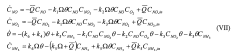
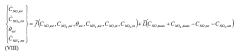
- A closed-loop system incorporating a selective catalytic reduction (SCR) catalyst, a urea injector, and a dosing control unit connected to NOx or NH3 sensors, which estimates NO and NO2 concentrations and fractional surface coverage of ammonia in the catalyst to optimize urea injection rates, minimizing NOx emissions and ammonia slip.


NOx control systems and methods for controlling NOx emissions
PatentInactiveUS8230677B2
Innovation
- A closed-loop exhaust aftertreatment system incorporating a selective catalytic reduction (SCR) catalyst, a urea solution injector, a gas sensor, and a dosing control unit that estimates NO and NO2 concentrations and fractional surface coverage of ammonia in the catalyst to optimize urea injection, minimizing NOx emissions while reducing ammonia slip.


Environmental Policy and Regulatory Framework
The regulatory landscape governing nitrogen monoxide emissions has evolved significantly over recent decades, driven by mounting evidence of NOx's detrimental effects on air quality and public health. International frameworks such as the World Health Organization's Air Quality Guidelines establish baseline standards for nitrogen dioxide concentrations, recommending annual mean levels not exceeding 40 μg/m³. These guidelines serve as reference points for national and regional authorities developing localized regulatory measures tailored to specific urban contexts and pollution profiles.
At the national level, governments have implemented progressively stringent emission standards targeting major NOx sources. The European Union's Euro emission standards for vehicles, currently at Euro 6d level, mandate substantial reductions in nitrogen oxide outputs from both diesel and gasoline engines. Similarly, the United States Environmental Protection Agency enforces Tier 3 vehicle emission standards alongside National Ambient Air Quality Standards that set permissible NOx concentration thresholds. These regulations compel automotive manufacturers to integrate advanced emission control technologies, fundamentally reshaping vehicle design and production processes.
Industrial emission regulations constitute another critical policy dimension. Large combustion plants, power generation facilities, and manufacturing operations face mandatory emission limits under frameworks such as the EU's Industrial Emissions Directive and China's Ultra-Low Emission standards for thermal power plants. These policies typically employ a combination of technology-based standards and performance-based limits, requiring facilities to adopt best available techniques while meeting specific emission reduction targets. Compliance mechanisms include continuous emission monitoring systems, periodic reporting requirements, and substantial financial penalties for violations.
Urban-specific policies increasingly recognize the spatial concentration of NOx pollution in metropolitan areas. Low Emission Zones and Ultra Low Emission Zones, implemented in cities like London, Paris, and Madrid, restrict access for high-polluting vehicles while incentivizing cleaner transportation alternatives. These geographically targeted interventions complement broader regulatory frameworks by addressing localized pollution hotspots and protecting vulnerable populations in densely populated areas.
Emerging policy trends emphasize integrated approaches combining regulatory mandates with economic instruments. Carbon pricing mechanisms, green procurement policies, and subsidy programs for clean technology adoption create market-based incentives that accelerate the transition toward low-NOx urban ecosystems. This multi-instrument approach reflects growing recognition that effective nitrogen monoxide control requires coordinated action across regulatory, economic, and technological domains.
At the national level, governments have implemented progressively stringent emission standards targeting major NOx sources. The European Union's Euro emission standards for vehicles, currently at Euro 6d level, mandate substantial reductions in nitrogen oxide outputs from both diesel and gasoline engines. Similarly, the United States Environmental Protection Agency enforces Tier 3 vehicle emission standards alongside National Ambient Air Quality Standards that set permissible NOx concentration thresholds. These regulations compel automotive manufacturers to integrate advanced emission control technologies, fundamentally reshaping vehicle design and production processes.
Industrial emission regulations constitute another critical policy dimension. Large combustion plants, power generation facilities, and manufacturing operations face mandatory emission limits under frameworks such as the EU's Industrial Emissions Directive and China's Ultra-Low Emission standards for thermal power plants. These policies typically employ a combination of technology-based standards and performance-based limits, requiring facilities to adopt best available techniques while meeting specific emission reduction targets. Compliance mechanisms include continuous emission monitoring systems, periodic reporting requirements, and substantial financial penalties for violations.
Urban-specific policies increasingly recognize the spatial concentration of NOx pollution in metropolitan areas. Low Emission Zones and Ultra Low Emission Zones, implemented in cities like London, Paris, and Madrid, restrict access for high-polluting vehicles while incentivizing cleaner transportation alternatives. These geographically targeted interventions complement broader regulatory frameworks by addressing localized pollution hotspots and protecting vulnerable populations in densely populated areas.
Emerging policy trends emphasize integrated approaches combining regulatory mandates with economic instruments. Carbon pricing mechanisms, green procurement policies, and subsidy programs for clean technology adoption create market-based incentives that accelerate the transition toward low-NOx urban ecosystems. This multi-instrument approach reflects growing recognition that effective nitrogen monoxide control requires coordinated action across regulatory, economic, and technological domains.
Ecological Impact Assessment of NO Control
Nitrogen monoxide control strategies in urban environments generate multifaceted ecological consequences that extend beyond immediate air quality improvements. The reduction of NO emissions fundamentally alters atmospheric chemistry, affecting photochemical reaction pathways that govern ozone formation and particulate matter generation. These changes cascade through urban ecosystems, influencing vegetation health, soil microbial communities, and aquatic systems that receive atmospheric deposition. Understanding these interconnected impacts requires comprehensive assessment frameworks that evaluate both direct and indirect ecological responses across temporal and spatial scales.
Urban vegetation demonstrates measurable responses to NO concentration variations, with reduced exposure correlating to enhanced photosynthetic efficiency and decreased foliar damage. Studies indicate that effective NO control can restore plant physiological functions previously impaired by nitrogen oxide stress, leading to improved carbon sequestration capacity and enhanced urban green infrastructure performance. However, the relationship proves non-linear, as certain plant species have adapted to elevated nitrogen deposition, and sudden reductions may temporarily disrupt established ecological balances.
Soil ecosystem dynamics undergo significant transformation under altered NO deposition regimes. Microbial communities responsible for nitrogen cycling adjust their metabolic pathways in response to changing nitrogen input patterns, affecting nutrient availability for plant uptake and greenhouse gas emissions from soil processes. The reduction in atmospheric nitrogen deposition may necessitate compensatory nutrient management strategies in urban green spaces to maintain ecosystem productivity.
Aquatic ecosystems within urban watersheds experience indirect benefits from NO control through reduced nitrogen loading via atmospheric deposition and stormwater runoff. Lower nitrogen inputs help mitigate eutrophication risks in urban water bodies, supporting biodiversity recovery and improving water quality parameters. These improvements demonstrate measurable ecological value, though the magnitude varies depending on watershed characteristics and existing pollution sources.
The assessment framework must incorporate biodiversity indicators, ecosystem service valuations, and long-term monitoring protocols to capture the full spectrum of ecological impacts. Quantifying these effects enables evidence-based policy development and optimization of NO control strategies to maximize ecological co-benefits while achieving air quality objectives.
Urban vegetation demonstrates measurable responses to NO concentration variations, with reduced exposure correlating to enhanced photosynthetic efficiency and decreased foliar damage. Studies indicate that effective NO control can restore plant physiological functions previously impaired by nitrogen oxide stress, leading to improved carbon sequestration capacity and enhanced urban green infrastructure performance. However, the relationship proves non-linear, as certain plant species have adapted to elevated nitrogen deposition, and sudden reductions may temporarily disrupt established ecological balances.
Soil ecosystem dynamics undergo significant transformation under altered NO deposition regimes. Microbial communities responsible for nitrogen cycling adjust their metabolic pathways in response to changing nitrogen input patterns, affecting nutrient availability for plant uptake and greenhouse gas emissions from soil processes. The reduction in atmospheric nitrogen deposition may necessitate compensatory nutrient management strategies in urban green spaces to maintain ecosystem productivity.
Aquatic ecosystems within urban watersheds experience indirect benefits from NO control through reduced nitrogen loading via atmospheric deposition and stormwater runoff. Lower nitrogen inputs help mitigate eutrophication risks in urban water bodies, supporting biodiversity recovery and improving water quality parameters. These improvements demonstrate measurable ecological value, though the magnitude varies depending on watershed characteristics and existing pollution sources.
The assessment framework must incorporate biodiversity indicators, ecosystem service valuations, and long-term monitoring protocols to capture the full spectrum of ecological impacts. Quantifying these effects enables evidence-based policy development and optimization of NO control strategies to maximize ecological co-benefits while achieving air quality objectives.
Unlock deeper insights with PatSnap Eureka Quick Research — get a full tech report to explore trends and direct your research. Try now!
Generate Your Research Report Instantly with AI Agent
Supercharge your innovation with PatSnap Eureka AI Agent Platform!