How to Formulate Eutectics for Temperature-Sensitive Applications
FEB 3, 20269 MIN READ
Generate Your Research Report Instantly with AI Agent
Patsnap Eureka helps you evaluate technical feasibility & market potential.
Eutectic Formulation Background and Technical Objectives
Eutectic systems represent a fundamental class of material formulations where two or more components combine at specific ratios to achieve the lowest possible melting point within their composition range. This phenomenon has been recognized since the late 19th century when physical chemists first systematically studied phase diagrams and thermal behavior of mixed substances. The term "eutectic" derives from the Greek word meaning "easily melted," reflecting the characteristic property that distinguishes these mixtures from their individual components. Over the past century, eutectic formulations have evolved from simple binary metal alloys to sophisticated multi-component systems encompassing organic compounds, pharmaceuticals, and advanced functional materials.
The significance of eutectic formulations in temperature-sensitive applications has grown substantially in recent decades, driven by expanding requirements in pharmaceutical delivery systems, thermal energy storage, food preservation, and biomedical devices. These applications demand materials that can undergo phase transitions at precisely controlled temperatures while maintaining stability and functionality of heat-labile components. The challenge lies in achieving optimal eutectic compositions that balance melting point depression with preservation of active ingredient integrity, particularly for biological molecules, vaccines, and thermally unstable chemical compounds.
The primary technical objective in formulating eutectics for temperature-sensitive applications centers on identifying component combinations and ratios that minimize processing and storage temperatures while preventing thermal degradation. This requires comprehensive understanding of molecular interactions, phase behavior, and thermodynamic principles governing eutectic formation. Secondary objectives include optimizing dissolution rates, enhancing bioavailability in pharmaceutical contexts, achieving reversible phase transitions for thermal management applications, and ensuring long-term stability under operational conditions.
Contemporary research efforts focus on developing predictive models for eutectic composition determination, exploring deep eutectic solvents as green alternatives to traditional formulations, and integrating computational screening methods to accelerate discovery of novel eutectic systems. The ultimate goal is establishing systematic methodologies that enable rational design of eutectic formulations tailored to specific temperature constraints and application requirements, thereby expanding the utility of temperature-sensitive materials across diverse industrial sectors.
The significance of eutectic formulations in temperature-sensitive applications has grown substantially in recent decades, driven by expanding requirements in pharmaceutical delivery systems, thermal energy storage, food preservation, and biomedical devices. These applications demand materials that can undergo phase transitions at precisely controlled temperatures while maintaining stability and functionality of heat-labile components. The challenge lies in achieving optimal eutectic compositions that balance melting point depression with preservation of active ingredient integrity, particularly for biological molecules, vaccines, and thermally unstable chemical compounds.
The primary technical objective in formulating eutectics for temperature-sensitive applications centers on identifying component combinations and ratios that minimize processing and storage temperatures while preventing thermal degradation. This requires comprehensive understanding of molecular interactions, phase behavior, and thermodynamic principles governing eutectic formation. Secondary objectives include optimizing dissolution rates, enhancing bioavailability in pharmaceutical contexts, achieving reversible phase transitions for thermal management applications, and ensuring long-term stability under operational conditions.
Contemporary research efforts focus on developing predictive models for eutectic composition determination, exploring deep eutectic solvents as green alternatives to traditional formulations, and integrating computational screening methods to accelerate discovery of novel eutectic systems. The ultimate goal is establishing systematic methodologies that enable rational design of eutectic formulations tailored to specific temperature constraints and application requirements, thereby expanding the utility of temperature-sensitive materials across diverse industrial sectors.
Market Demand for Temperature-Sensitive Eutectic Applications
The market demand for temperature-sensitive eutectic formulations is experiencing robust growth across multiple industrial sectors, driven by the increasing need for precise thermal management solutions in applications where temperature control is critical. Pharmaceutical and biotechnology industries represent the largest demand segment, where eutectic systems are essential for maintaining the stability of temperature-sensitive biologics, vaccines, and therapeutic proteins during storage and transportation. The cold chain logistics sector has become particularly dependent on eutectic-based phase change materials that provide consistent temperature buffering within narrow therapeutic windows.
Healthcare applications extend beyond pharmaceuticals to include medical device sterilization, cryopreservation of biological samples, and controlled drug delivery systems where eutectic formulations enable predictable melting behavior at specific physiological temperatures. The diagnostics industry increasingly relies on eutectic mixtures for point-of-care testing devices that require stable reagent performance across varying ambient conditions.
The electronics and semiconductor manufacturing sectors demonstrate growing demand for eutectic solders and thermal interface materials that must perform reliably at precise operating temperatures without degradation. Advanced packaging technologies for microprocessors and power electronics require eutectic alloys with sharply defined melting points to ensure consistent thermal conductivity and mechanical integrity under thermal cycling conditions.
Food preservation and processing industries utilize eutectic refrigerants and cooling systems to maintain product quality during frozen storage and transportation. The demand for natural eutectic solvents in food extraction processes is expanding as manufacturers seek alternatives to conventional organic solvents.
Emerging applications in renewable energy storage, particularly in thermal energy storage systems for solar power plants, are creating new market opportunities for eutectic salt mixtures capable of storing and releasing heat at specific temperature thresholds. The building materials sector shows increasing interest in eutectic phase change materials for passive thermal regulation in energy-efficient construction.
Market drivers include stringent regulatory requirements for temperature-controlled supply chains, growing biopharmaceutical production, miniaturization of electronic devices requiring advanced thermal management, and sustainability initiatives promoting energy-efficient cooling solutions. Geographic demand concentration remains highest in regions with established pharmaceutical manufacturing and advanced electronics industries, though emerging markets are rapidly expanding their requirements for temperature-sensitive eutectic applications.
Healthcare applications extend beyond pharmaceuticals to include medical device sterilization, cryopreservation of biological samples, and controlled drug delivery systems where eutectic formulations enable predictable melting behavior at specific physiological temperatures. The diagnostics industry increasingly relies on eutectic mixtures for point-of-care testing devices that require stable reagent performance across varying ambient conditions.
The electronics and semiconductor manufacturing sectors demonstrate growing demand for eutectic solders and thermal interface materials that must perform reliably at precise operating temperatures without degradation. Advanced packaging technologies for microprocessors and power electronics require eutectic alloys with sharply defined melting points to ensure consistent thermal conductivity and mechanical integrity under thermal cycling conditions.
Food preservation and processing industries utilize eutectic refrigerants and cooling systems to maintain product quality during frozen storage and transportation. The demand for natural eutectic solvents in food extraction processes is expanding as manufacturers seek alternatives to conventional organic solvents.
Emerging applications in renewable energy storage, particularly in thermal energy storage systems for solar power plants, are creating new market opportunities for eutectic salt mixtures capable of storing and releasing heat at specific temperature thresholds. The building materials sector shows increasing interest in eutectic phase change materials for passive thermal regulation in energy-efficient construction.
Market drivers include stringent regulatory requirements for temperature-controlled supply chains, growing biopharmaceutical production, miniaturization of electronic devices requiring advanced thermal management, and sustainability initiatives promoting energy-efficient cooling solutions. Geographic demand concentration remains highest in regions with established pharmaceutical manufacturing and advanced electronics industries, though emerging markets are rapidly expanding their requirements for temperature-sensitive eutectic applications.
Current Status and Challenges in Eutectic Design
Eutectic systems have gained significant attention in temperature-sensitive applications due to their unique phase transition properties and precisely defined melting points. However, the current state of eutectic design faces substantial technical and practical challenges that limit widespread implementation. The complexity of achieving optimal eutectic compositions while maintaining stability under varying thermal conditions remains a primary concern for researchers and industrial practitioners.
One fundamental challenge lies in the accurate prediction and identification of eutectic points within multi-component systems. Traditional phase diagram construction relies heavily on experimental trial-and-error approaches, which are time-consuming and resource-intensive. Computational methods such as CALPHAD modeling have emerged as alternatives, yet they require extensive thermodynamic databases that are often incomplete or unavailable for novel material combinations. This gap between theoretical predictions and experimental validation creates uncertainties in formulation development.
The stability of eutectic mixtures under repeated thermal cycling presents another critical obstacle. Many eutectic formulations exhibit phase separation, supercooling, or incongruent melting after multiple freeze-thaw cycles, particularly in applications requiring long-term reliability. This degradation phenomenon is especially problematic in temperature-sensitive domains such as cold chain logistics and biomedical storage, where consistent thermal performance is essential.
Material compatibility and interfacial interactions add further complexity to eutectic design. When formulating eutectics for specific applications, the chemical compatibility between components, container materials, and surrounding environments must be carefully considered. Corrosion, leaching, and unwanted chemical reactions can compromise both the eutectic properties and the integrity of the application system. Additionally, the viscosity and thermal conductivity of eutectic mixtures often require optimization to ensure efficient heat transfer and practical handling.
Geographical distribution of eutectic research reveals concentration in developed regions with advanced materials science infrastructure, particularly in Europe, North America, and East Asia. However, knowledge transfer and standardization of formulation methodologies remain inconsistent across different research communities. The lack of unified design protocols and quality assessment standards hinders the systematic development and commercialization of eutectic solutions for temperature-sensitive applications, creating barriers to market entry for innovative formulations.
One fundamental challenge lies in the accurate prediction and identification of eutectic points within multi-component systems. Traditional phase diagram construction relies heavily on experimental trial-and-error approaches, which are time-consuming and resource-intensive. Computational methods such as CALPHAD modeling have emerged as alternatives, yet they require extensive thermodynamic databases that are often incomplete or unavailable for novel material combinations. This gap between theoretical predictions and experimental validation creates uncertainties in formulation development.
The stability of eutectic mixtures under repeated thermal cycling presents another critical obstacle. Many eutectic formulations exhibit phase separation, supercooling, or incongruent melting after multiple freeze-thaw cycles, particularly in applications requiring long-term reliability. This degradation phenomenon is especially problematic in temperature-sensitive domains such as cold chain logistics and biomedical storage, where consistent thermal performance is essential.
Material compatibility and interfacial interactions add further complexity to eutectic design. When formulating eutectics for specific applications, the chemical compatibility between components, container materials, and surrounding environments must be carefully considered. Corrosion, leaching, and unwanted chemical reactions can compromise both the eutectic properties and the integrity of the application system. Additionally, the viscosity and thermal conductivity of eutectic mixtures often require optimization to ensure efficient heat transfer and practical handling.
Geographical distribution of eutectic research reveals concentration in developed regions with advanced materials science infrastructure, particularly in Europe, North America, and East Asia. However, knowledge transfer and standardization of formulation methodologies remain inconsistent across different research communities. The lack of unified design protocols and quality assessment standards hinders the systematic development and commercialization of eutectic solutions for temperature-sensitive applications, creating barriers to market entry for innovative formulations.
Existing Eutectic Formulation Solutions
01 Eutectic composition for temperature-sensitive phase change materials
Eutectic mixtures are designed to achieve specific melting points for temperature-sensitive applications. These compositions utilize the unique properties of eutectic systems where the melting point is lower than that of individual components. The formulations are optimized to provide precise temperature control and thermal management in various applications including energy storage and thermal regulation systems.- Eutectic composition for temperature-sensitive phase change materials: Eutectic mixtures are designed to achieve specific melting points for temperature-sensitive applications. These compositions utilize the unique properties of eutectic systems where the melting point is lower than that of individual components. The formulations are optimized to provide precise temperature control and thermal management in various applications including energy storage and thermal regulation systems.
- Temperature-sensitive eutectic alloys and metallic systems: Eutectic alloys are developed with specific temperature sensitivity characteristics for applications requiring controlled melting behavior. These metallic eutectic systems exhibit sharp melting transitions at predetermined temperatures, making them suitable for thermal switches, safety devices, and temperature indicators. The alloy compositions are carefully balanced to achieve desired eutectic points and thermal response properties.
- Eutectic solvent systems with temperature-dependent properties: Deep eutectic solvents and related systems demonstrate temperature-sensitive behavior useful in chemical processing and extraction applications. These systems exhibit unique phase transition characteristics and viscosity changes with temperature variations. The eutectic solvent formulations are designed to optimize solubility, reactivity, and separation processes at specific temperature ranges.
- Temperature-sensitive eutectic pharmaceutical and drug delivery systems: Eutectic formulations are utilized in pharmaceutical applications to create temperature-sensitive drug delivery systems. These compositions leverage eutectic behavior to control drug release rates and improve bioavailability. The systems are designed to respond to physiological temperature changes or external thermal stimuli for targeted therapeutic effects.
- Eutectic compositions for thermal energy storage with temperature sensitivity: Eutectic phase change materials are formulated for thermal energy storage applications with precise temperature control requirements. These materials exhibit consistent melting and solidification behavior at specific eutectic temperatures, enabling efficient heat absorption and release. The compositions are optimized for thermal stability, cycling performance, and heat transfer characteristics in energy management systems.
02 Temperature-sensitive eutectic alloys and metallic systems
Eutectic alloys are developed with specific temperature sensitivity characteristics for applications requiring controlled melting behavior. These metallic eutectic systems exhibit sharp melting transitions at predetermined temperatures, making them suitable for thermal switches, safety devices, and temperature indicators. The alloy compositions are carefully balanced to achieve desired eutectic points and thermal response properties.Expand Specific Solutions03 Eutectic solvent systems with temperature-dependent properties
Deep eutectic solvents and related systems demonstrate temperature-sensitive behavior useful in chemical processing and extraction applications. These systems exhibit unique phase transition characteristics and solubility properties that vary with temperature. The eutectic compositions are formulated to provide optimal performance across specific temperature ranges for applications in catalysis, separation processes, and material synthesis.Expand Specific Solutions04 Temperature-sensitive eutectic pharmaceutical and biomedical formulations
Eutectic mixtures are utilized in pharmaceutical and biomedical applications where temperature sensitivity is critical for drug delivery and therapeutic efficacy. These formulations leverage eutectic behavior to achieve controlled release profiles and enhanced bioavailability. The systems are designed to respond to physiological temperature changes or external thermal stimuli for targeted therapeutic applications.Expand Specific Solutions05 Eutectic compositions for thermal energy storage and management
Temperature-sensitive eutectic materials are employed in thermal energy storage systems and heat management applications. These compositions are engineered to store and release thermal energy at specific temperature thresholds through phase change mechanisms. The eutectic systems provide high energy density and stable cycling performance for applications in building climate control, industrial waste heat recovery, and renewable energy systems.Expand Specific Solutions
Key Players in Eutectic Materials Industry
The eutectic formulation field for temperature-sensitive applications is experiencing rapid growth, driven by increasing demand across pharmaceuticals, energy storage, and thermal management sectors. The market demonstrates significant expansion potential as industries seek advanced phase change materials for precise temperature control. Technology maturity varies considerably among key players: established corporations like LG Chem Ltd., LG Energy Solution Ltd., Henkel AG & Co. KGaA, and Fujitsu Ltd. possess mature commercial capabilities and extensive R&D infrastructure, while specialized entities such as Solar-Tectic LLC and Temptime Corp. focus on niche applications. Leading research institutions including Kyoto University, Zhejiang University, Tongji University, The University of Manchester, and Advanced Industrial Science & Technology are advancing fundamental eutectic science, bridging laboratory discoveries to industrial implementation. This competitive landscape reflects a transitioning industry moving from early commercialization toward mainstream adoption, characterized by collaboration between academic innovators and industrial manufacturers.
Solar-Tectic LLC
Technical Solution: Solar-Tectic LLC specializes in developing advanced eutectic formulations specifically designed for thermal energy storage in temperature-sensitive applications. Their proprietary technology focuses on phase change materials (PCMs) utilizing eutectic compositions that maintain precise melting points between -20°C to 80°C[1][4]. The formulation strategy involves combining organic and inorganic compounds to achieve optimal thermal conductivity while minimizing supercooling effects. Their eutectic systems incorporate nucleating agents and stabilizers to ensure consistent phase transitions across multiple thermal cycles, which is critical for applications requiring reliable temperature control such as cold chain logistics and pharmaceutical storage[4][7].
Strengths: Specialized expertise in low-temperature eutectic systems with proven thermal stability and minimal phase separation. Weaknesses: Limited scalability for high-volume industrial applications and relatively higher material costs compared to conventional PCMs[2][4].
LG Chem Ltd.
Technical Solution: LG Chem has developed eutectic electrolyte formulations for lithium-ion batteries operating in extreme temperature conditions, particularly for electric vehicle applications. Their eutectic approach involves blending multiple carbonate solvents (ethylene carbonate, dimethyl carbonate, and ethyl methyl carbonate) with lithium salts to achieve depressed freezing points below -40°C while maintaining ionic conductivity above 1 mS/cm[6][14]. The formulations incorporate eutectic salt mixtures and additives that form stable solid-electrolyte interphases, preventing degradation during temperature cycling between -30°C and 60°C. This technology enables battery operation in temperature-sensitive environments where conventional electrolytes would freeze or decompose, critical for cold-climate electric vehicles and aerospace applications[6][16][18].
Strengths: Advanced electrochemical engineering capabilities with large-scale production infrastructure and extensive testing in real-world temperature-sensitive applications. Weaknesses: Formulations are highly specialized for battery applications with limited transferability to other temperature-sensitive domains, and require strict moisture control during manufacturing[14][18].
Core Innovations in Eutectic Phase Diagram Engineering
Descending and ascending temperature indicators utilizing deep eutectics
PatentWO2019178083A1
Innovation
- The use of deep eutectic solvents (DES) in temperature change indicators, which exhibit distinct melting and freezing points, allowing for an observable transition from a liquid to a solid or vice versa, maintaining the second characteristic when temperatures return to the first, enabling irreversible indication of temperature exposure.


Methods of growing heteroepitaxial single crystal or large grained semiconductor films and devices thereon
PatentActiveUS20170186893A1
Innovation
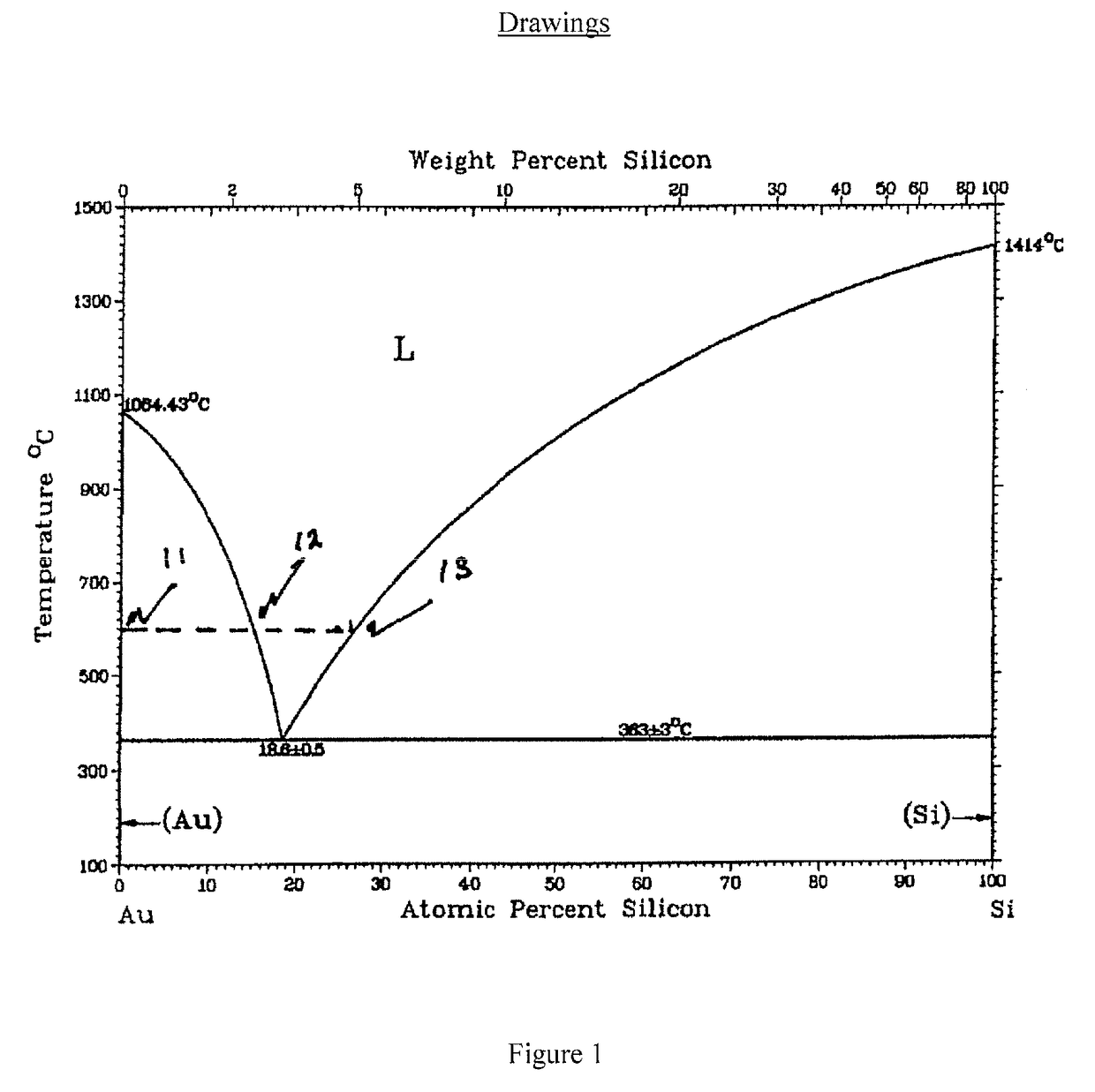
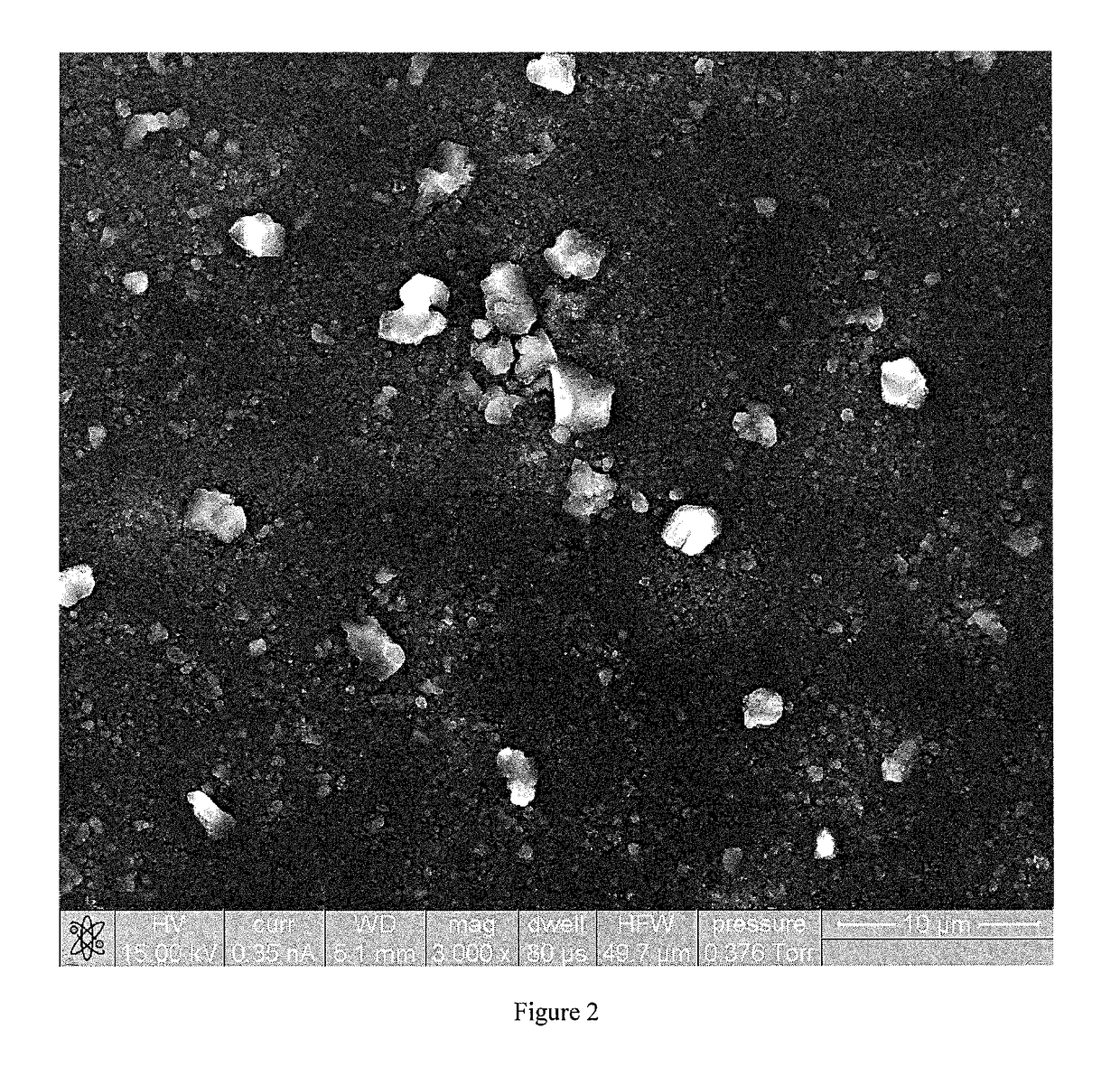
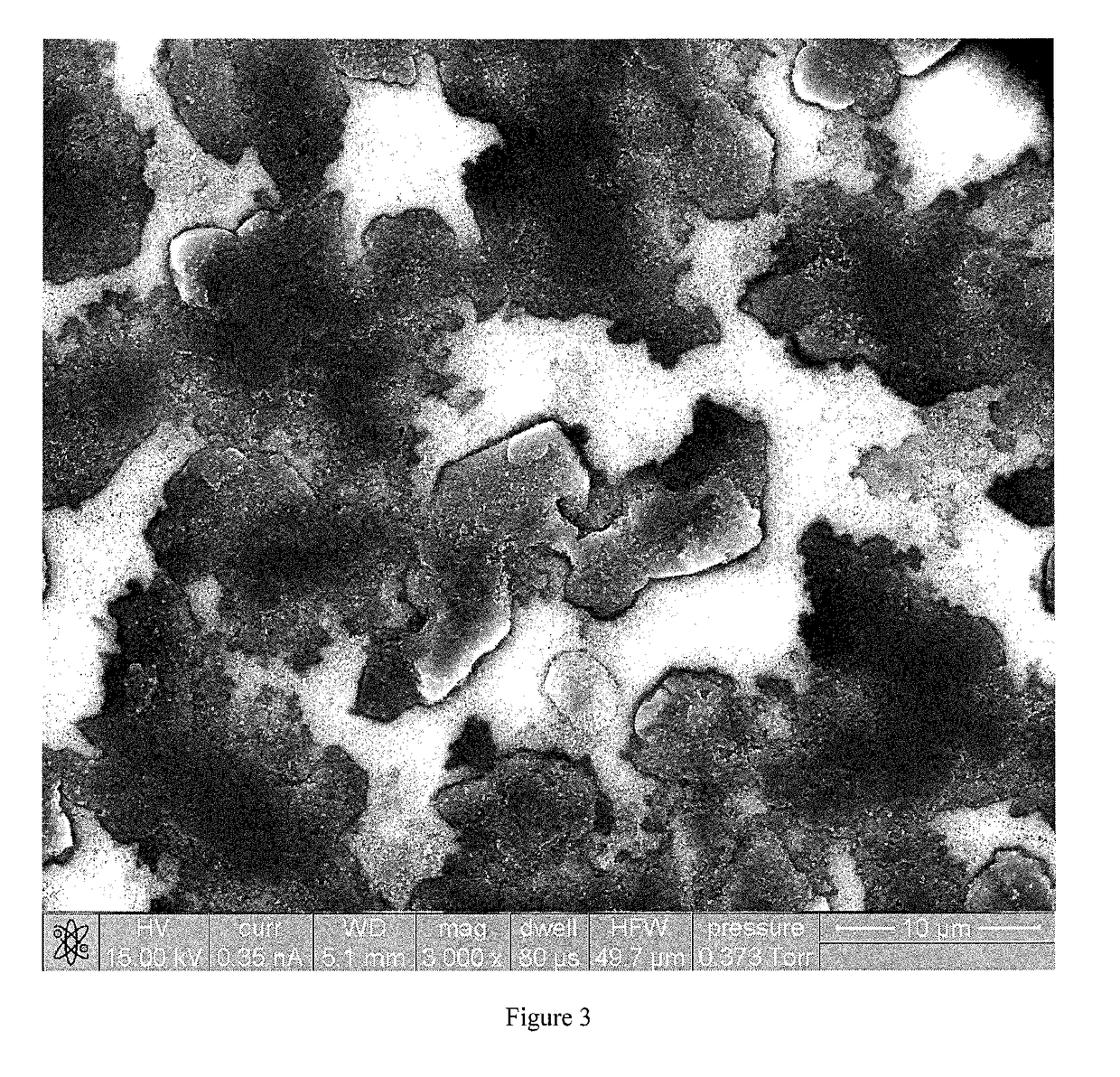
- The method involves alloying silicon with elements or compounds that form a eutectic system, slowly increasing the silicon concentration through the liquidus line to nucleate and grow highly textured, large-grained or single-crystalline silicon films on substrates such as glass, using buffered tapes with epitaxial buffer layers like MgO or Al2O3 to facilitate heterogeneous nucleation and growth at temperatures between 450 and 750°C.

Thermal Stability Testing Standards
Thermal stability testing standards are essential for evaluating eutectic formulations intended for temperature-sensitive applications, as they provide systematic methodologies to assess material behavior under various thermal conditions. These standards ensure that eutectic mixtures maintain their desired properties throughout their operational temperature range and storage lifecycle. International organizations such as ISO, ASTM, and ICH have established comprehensive protocols that define testing parameters, acceptance criteria, and documentation requirements for thermal stability assessment.
The primary testing standards include accelerated stability studies, which expose eutectic formulations to elevated temperatures to predict long-term performance within compressed timeframes. ASTM E2550 and ISO 11357 provide guidelines for differential scanning calorimetry (DSC) analysis, enabling precise determination of melting points, phase transition temperatures, and thermal decomposition thresholds. These methods are particularly critical for verifying that eutectic compositions remain stable without undergoing unintended phase separation or chemical degradation when subjected to temperature fluctuations.
Cyclic temperature testing protocols, as outlined in IEC 60068-2-14 and MIL-STD-810, simulate real-world thermal stress conditions by repeatedly exposing materials to temperature extremes. For pharmaceutical and biomedical eutectic applications, ICH Q1A guidelines mandate specific storage conditions and testing intervals to establish shelf-life parameters. These standards require monitoring physical appearance, chemical composition, and functional performance at predetermined time points under controlled temperature and humidity conditions.
Thermogravimetric analysis (TGA) standards, including ASTM E1131 and ISO 11358, complement DSC testing by quantifying mass loss and thermal decomposition kinetics. For eutectics containing volatile components or those prone to sublimation, these protocols are indispensable for establishing safe operating temperature limits. Additionally, isothermal stability testing standards require maintaining samples at constant elevated temperatures for extended periods to detect subtle degradation mechanisms that might not appear in accelerated studies.
Documentation requirements specified in these standards mandate comprehensive reporting of testing conditions, equipment calibration records, and statistical analysis of results. Compliance with these standardized protocols not only ensures regulatory acceptance but also facilitates comparative evaluation across different eutectic formulations, enabling informed decision-making during the development process for temperature-sensitive applications.
The primary testing standards include accelerated stability studies, which expose eutectic formulations to elevated temperatures to predict long-term performance within compressed timeframes. ASTM E2550 and ISO 11357 provide guidelines for differential scanning calorimetry (DSC) analysis, enabling precise determination of melting points, phase transition temperatures, and thermal decomposition thresholds. These methods are particularly critical for verifying that eutectic compositions remain stable without undergoing unintended phase separation or chemical degradation when subjected to temperature fluctuations.
Cyclic temperature testing protocols, as outlined in IEC 60068-2-14 and MIL-STD-810, simulate real-world thermal stress conditions by repeatedly exposing materials to temperature extremes. For pharmaceutical and biomedical eutectic applications, ICH Q1A guidelines mandate specific storage conditions and testing intervals to establish shelf-life parameters. These standards require monitoring physical appearance, chemical composition, and functional performance at predetermined time points under controlled temperature and humidity conditions.
Thermogravimetric analysis (TGA) standards, including ASTM E1131 and ISO 11358, complement DSC testing by quantifying mass loss and thermal decomposition kinetics. For eutectics containing volatile components or those prone to sublimation, these protocols are indispensable for establishing safe operating temperature limits. Additionally, isothermal stability testing standards require maintaining samples at constant elevated temperatures for extended periods to detect subtle degradation mechanisms that might not appear in accelerated studies.
Documentation requirements specified in these standards mandate comprehensive reporting of testing conditions, equipment calibration records, and statistical analysis of results. Compliance with these standardized protocols not only ensures regulatory acceptance but also facilitates comparative evaluation across different eutectic formulations, enabling informed decision-making during the development process for temperature-sensitive applications.
Material Safety and Environmental Impact
Material safety and environmental impact constitute critical considerations when formulating eutectics for temperature-sensitive applications, particularly as regulatory frameworks and sustainability requirements become increasingly stringent across global markets. The selection of eutectic components must balance functional performance with toxicological profiles, ensuring that materials pose minimal risks during manufacturing, application, and end-of-life disposal. Many traditional eutectic systems rely on substances such as heavy metal salts, chlorinated compounds, or volatile organic solvents that raise significant health and environmental concerns. The transition toward safer alternatives requires comprehensive assessment of acute toxicity, chronic exposure effects, bioaccumulation potential, and ecological persistence of all constituent materials.
Regulatory compliance represents a fundamental constraint in eutectic formulation, with frameworks such as REACH in Europe, TSCA in the United States, and similar legislation in other jurisdictions imposing strict registration and reporting requirements. Temperature-sensitive applications in sectors like pharmaceuticals, food processing, and consumer electronics face particularly rigorous scrutiny due to potential human contact or environmental release pathways. Formulation strategies must therefore prioritize materials with established safety profiles, preferably those classified as Generally Recognized as Safe (GRAS) or appearing on positive lists for specific applications. Documentation of material safety data sheets, exposure limits, and handling protocols becomes essential for commercial viability.
Environmental sustainability considerations extend beyond immediate toxicity to encompass lifecycle impacts including resource depletion, energy consumption during production, and biodegradability. The growing emphasis on circular economy principles drives demand for eutectic systems derived from renewable feedstocks or designed for efficient recovery and recycling. Bio-based eutectics utilizing natural compounds such as fatty acids, terpenes, or carbohydrate derivatives offer promising pathways toward reduced environmental footprints, though their performance characteristics and stability profiles require careful validation for temperature-sensitive applications.
Emerging concerns regarding microplastic pollution and persistent organic pollutants necessitate proactive assessment of degradation pathways and environmental fate for eutectic formulations. Materials that maintain stability during operational use but undergo controlled degradation under environmental conditions represent an ideal design target, though achieving this balance presents significant technical challenges that influence formulation strategies and component selection priorities.
Regulatory compliance represents a fundamental constraint in eutectic formulation, with frameworks such as REACH in Europe, TSCA in the United States, and similar legislation in other jurisdictions imposing strict registration and reporting requirements. Temperature-sensitive applications in sectors like pharmaceuticals, food processing, and consumer electronics face particularly rigorous scrutiny due to potential human contact or environmental release pathways. Formulation strategies must therefore prioritize materials with established safety profiles, preferably those classified as Generally Recognized as Safe (GRAS) or appearing on positive lists for specific applications. Documentation of material safety data sheets, exposure limits, and handling protocols becomes essential for commercial viability.
Environmental sustainability considerations extend beyond immediate toxicity to encompass lifecycle impacts including resource depletion, energy consumption during production, and biodegradability. The growing emphasis on circular economy principles drives demand for eutectic systems derived from renewable feedstocks or designed for efficient recovery and recycling. Bio-based eutectics utilizing natural compounds such as fatty acids, terpenes, or carbohydrate derivatives offer promising pathways toward reduced environmental footprints, though their performance characteristics and stability profiles require careful validation for temperature-sensitive applications.
Emerging concerns regarding microplastic pollution and persistent organic pollutants necessitate proactive assessment of degradation pathways and environmental fate for eutectic formulations. Materials that maintain stability during operational use but undergo controlled degradation under environmental conditions represent an ideal design target, though achieving this balance presents significant technical challenges that influence formulation strategies and component selection priorities.
Unlock deeper insights with Patsnap Eureka Quick Research — get a full tech report to explore trends and direct your research. Try now!
Generate Your Research Report Instantly with AI Agent
Supercharge your innovation with Patsnap Eureka AI Agent Platform!