

How to Identify Microinverter Communication Protocol Failures
MAY 19, 202610 MIN READ
Generate Your Research Report Instantly with AI Agent
PatSnap Eureka helps you evaluate technical feasibility & market potential.
Microinverter Communication Protocol Background and Objectives
Microinverter communication protocols have emerged as critical components in modern photovoltaic systems, enabling real-time monitoring, control, and optimization of individual solar panels. These protocols facilitate bidirectional data exchange between microinverters and central monitoring systems, allowing for granular performance tracking and rapid fault detection at the panel level. The evolution from traditional string inverters to distributed microinverter architectures has fundamentally transformed solar energy system management paradigms.
The historical development of microinverter communication began in the early 2000s with proprietary wireless protocols, gradually evolving toward standardized communication frameworks. Power Line Communication (PLC) emerged as a dominant solution, leveraging existing AC wiring infrastructure to transmit data signals. Subsequently, wireless technologies including Zigbee, WiFi, and cellular communications expanded deployment flexibility, particularly in complex installation environments where PLC faced limitations.
Contemporary microinverter systems typically employ multi-layered communication architectures combining local area networks with wide area connectivity. These systems must maintain continuous data flow while operating in challenging electromagnetic environments characterized by high-frequency switching noise, temperature variations, and potential interference from adjacent electrical equipment. The communication reliability directly impacts system performance monitoring accuracy and maintenance efficiency.
Current technological objectives focus on achieving sub-second latency for critical safety communications while maintaining 99.9% data transmission reliability across diverse environmental conditions. Advanced protocol implementations target seamless integration with smart grid infrastructure, enabling dynamic power management and grid stabilization functions. Enhanced cybersecurity measures have become paramount, requiring robust encryption and authentication mechanisms to protect against potential cyber threats.
The primary technical challenges include managing communication interference in high-density installations, ensuring protocol interoperability across different manufacturer ecosystems, and maintaining reliable connectivity throughout 25-year operational lifespans. Emerging objectives encompass artificial intelligence integration for predictive maintenance, blockchain-based energy trading capabilities, and enhanced grid-interactive functionalities supporting renewable energy integration at utility scale.
Future development trajectories emphasize standardization efforts through IEEE and IEC working groups, aiming to establish universal communication protocols that ensure cross-platform compatibility while reducing deployment complexity and maintenance costs for large-scale solar installations.
The historical development of microinverter communication began in the early 2000s with proprietary wireless protocols, gradually evolving toward standardized communication frameworks. Power Line Communication (PLC) emerged as a dominant solution, leveraging existing AC wiring infrastructure to transmit data signals. Subsequently, wireless technologies including Zigbee, WiFi, and cellular communications expanded deployment flexibility, particularly in complex installation environments where PLC faced limitations.
Contemporary microinverter systems typically employ multi-layered communication architectures combining local area networks with wide area connectivity. These systems must maintain continuous data flow while operating in challenging electromagnetic environments characterized by high-frequency switching noise, temperature variations, and potential interference from adjacent electrical equipment. The communication reliability directly impacts system performance monitoring accuracy and maintenance efficiency.
Current technological objectives focus on achieving sub-second latency for critical safety communications while maintaining 99.9% data transmission reliability across diverse environmental conditions. Advanced protocol implementations target seamless integration with smart grid infrastructure, enabling dynamic power management and grid stabilization functions. Enhanced cybersecurity measures have become paramount, requiring robust encryption and authentication mechanisms to protect against potential cyber threats.
The primary technical challenges include managing communication interference in high-density installations, ensuring protocol interoperability across different manufacturer ecosystems, and maintaining reliable connectivity throughout 25-year operational lifespans. Emerging objectives encompass artificial intelligence integration for predictive maintenance, blockchain-based energy trading capabilities, and enhanced grid-interactive functionalities supporting renewable energy integration at utility scale.
Future development trajectories emphasize standardization efforts through IEEE and IEC working groups, aiming to establish universal communication protocols that ensure cross-platform compatibility while reducing deployment complexity and maintenance costs for large-scale solar installations.
Market Demand for Reliable Microinverter Communication Systems
The global solar photovoltaic market has experienced unprecedented growth, driving substantial demand for reliable microinverter communication systems. As distributed solar installations proliferate across residential and commercial sectors, the need for robust monitoring and control capabilities has become paramount. Microinverters, which convert DC power from individual solar panels to AC power, require sophisticated communication protocols to enable real-time performance monitoring, fault detection, and system optimization.
Market drivers for reliable microinverter communication systems stem from multiple stakeholder requirements. Solar installers demand comprehensive monitoring solutions to reduce maintenance costs and improve system reliability. End customers increasingly expect transparent performance visibility and proactive issue identification to maximize their investment returns. Utility companies require detailed grid-tie information and power quality data to ensure stable grid integration as distributed energy resources expand.
The residential solar segment represents the largest market opportunity for advanced microinverter communication systems. Homeowners typically lack technical expertise to identify system issues, making automated fault detection and remote monitoring capabilities essential. Commercial installations present additional complexity, requiring integration with building management systems and advanced analytics for portfolio-level optimization.
Regulatory frameworks worldwide increasingly mandate enhanced monitoring capabilities for distributed energy systems. Grid codes in major markets require real-time power quality monitoring, fault reporting, and remote disconnect capabilities. These requirements drive demand for more sophisticated communication protocols that can reliably transmit critical operational data while maintaining cybersecurity standards.
The emergence of smart grid technologies and Internet of Things applications has expanded market expectations beyond basic monitoring. Modern microinverter communication systems must support advanced features including predictive maintenance, automated performance optimization, and integration with energy storage systems. This evolution creates opportunities for communication protocol solutions that can adapt to diverse operational requirements while maintaining reliability.
Market growth is further accelerated by the increasing complexity of solar installations, including multi-array configurations, battery integration, and electric vehicle charging coordination. These applications require robust communication systems capable of managing complex power flows and coordinating multiple distributed energy resources effectively.
Market drivers for reliable microinverter communication systems stem from multiple stakeholder requirements. Solar installers demand comprehensive monitoring solutions to reduce maintenance costs and improve system reliability. End customers increasingly expect transparent performance visibility and proactive issue identification to maximize their investment returns. Utility companies require detailed grid-tie information and power quality data to ensure stable grid integration as distributed energy resources expand.
The residential solar segment represents the largest market opportunity for advanced microinverter communication systems. Homeowners typically lack technical expertise to identify system issues, making automated fault detection and remote monitoring capabilities essential. Commercial installations present additional complexity, requiring integration with building management systems and advanced analytics for portfolio-level optimization.
Regulatory frameworks worldwide increasingly mandate enhanced monitoring capabilities for distributed energy systems. Grid codes in major markets require real-time power quality monitoring, fault reporting, and remote disconnect capabilities. These requirements drive demand for more sophisticated communication protocols that can reliably transmit critical operational data while maintaining cybersecurity standards.
The emergence of smart grid technologies and Internet of Things applications has expanded market expectations beyond basic monitoring. Modern microinverter communication systems must support advanced features including predictive maintenance, automated performance optimization, and integration with energy storage systems. This evolution creates opportunities for communication protocol solutions that can adapt to diverse operational requirements while maintaining reliability.
Market growth is further accelerated by the increasing complexity of solar installations, including multi-array configurations, battery integration, and electric vehicle charging coordination. These applications require robust communication systems capable of managing complex power flows and coordinating multiple distributed energy resources effectively.
Current State and Challenges in Protocol Failure Detection
The current landscape of microinverter communication protocol failure detection presents a complex array of technological approaches with varying degrees of maturity and effectiveness. Traditional monitoring systems primarily rely on power line communication (PLC) protocols such as Zigbee, WiFi, and proprietary communication standards developed by manufacturers like Enphase, SolarEdge, and APsystems. These systems typically employ centralized monitoring architectures where individual microinverters report operational data to gateway devices or cloud-based platforms at predetermined intervals.
Existing detection methodologies predominantly focus on performance-based indicators rather than direct protocol analysis. Most commercial solutions monitor power output deviations, voltage fluctuations, and communication timeout events as primary failure indicators. However, these approaches often result in delayed detection since protocol failures may not immediately manifest as performance degradation. The reactive nature of current systems means that communication issues can persist for extended periods before triggering alerts, potentially compromising system optimization and maintenance scheduling.
Signal integrity analysis represents another established approach, utilizing techniques such as signal-to-noise ratio monitoring and packet loss detection. Advanced systems incorporate machine learning algorithms to identify patterns in communication behavior that precede complete failures. Nevertheless, these solutions face significant challenges in distinguishing between temporary network congestion and genuine protocol malfunctions, leading to false positive rates that can exceed 15-20% in complex installations.
The heterogeneous nature of microinverter ecosystems poses substantial interoperability challenges. Different manufacturers employ proprietary communication protocols with varying data structures, transmission frequencies, and error handling mechanisms. This fragmentation complicates the development of universal detection solutions and necessitates manufacturer-specific diagnostic tools. Additionally, environmental factors such as electromagnetic interference from nearby electrical equipment, weather conditions, and physical obstructions create dynamic communication environments that traditional static detection algorithms struggle to accommodate.
Scalability limitations represent another critical constraint in current detection frameworks. As solar installations grow in size and complexity, the computational overhead required for comprehensive protocol monitoring increases exponentially. Many existing solutions lack the architectural flexibility to efficiently process communication data from hundreds or thousands of microinverters simultaneously while maintaining real-time detection capabilities.
Furthermore, the integration of edge computing capabilities remains limited in most commercial implementations. Current systems typically rely on centralized processing architectures that introduce latency and bandwidth constraints, particularly in large-scale deployments. The absence of distributed intelligence at the device level restricts the ability to perform immediate local diagnostics and implement autonomous recovery mechanisms when protocol failures occur.
Existing detection methodologies predominantly focus on performance-based indicators rather than direct protocol analysis. Most commercial solutions monitor power output deviations, voltage fluctuations, and communication timeout events as primary failure indicators. However, these approaches often result in delayed detection since protocol failures may not immediately manifest as performance degradation. The reactive nature of current systems means that communication issues can persist for extended periods before triggering alerts, potentially compromising system optimization and maintenance scheduling.
Signal integrity analysis represents another established approach, utilizing techniques such as signal-to-noise ratio monitoring and packet loss detection. Advanced systems incorporate machine learning algorithms to identify patterns in communication behavior that precede complete failures. Nevertheless, these solutions face significant challenges in distinguishing between temporary network congestion and genuine protocol malfunctions, leading to false positive rates that can exceed 15-20% in complex installations.
The heterogeneous nature of microinverter ecosystems poses substantial interoperability challenges. Different manufacturers employ proprietary communication protocols with varying data structures, transmission frequencies, and error handling mechanisms. This fragmentation complicates the development of universal detection solutions and necessitates manufacturer-specific diagnostic tools. Additionally, environmental factors such as electromagnetic interference from nearby electrical equipment, weather conditions, and physical obstructions create dynamic communication environments that traditional static detection algorithms struggle to accommodate.
Scalability limitations represent another critical constraint in current detection frameworks. As solar installations grow in size and complexity, the computational overhead required for comprehensive protocol monitoring increases exponentially. Many existing solutions lack the architectural flexibility to efficiently process communication data from hundreds or thousands of microinverters simultaneously while maintaining real-time detection capabilities.
Furthermore, the integration of edge computing capabilities remains limited in most commercial implementations. Current systems typically rely on centralized processing architectures that introduce latency and bandwidth constraints, particularly in large-scale deployments. The absence of distributed intelligence at the device level restricts the ability to perform immediate local diagnostics and implement autonomous recovery mechanisms when protocol failures occur.
Existing Solutions for Communication Protocol Failure Identification
01 Communication protocol error detection and correction mechanisms
Systems and methods for detecting communication protocol failures in microinverters through error monitoring, fault detection algorithms, and automatic correction mechanisms. These approaches include implementing redundant communication pathways, error checking protocols, and self-diagnostic capabilities to identify and resolve communication issues before they impact system performance.- Communication protocol error detection and recovery mechanisms: Systems and methods for detecting communication failures in microinverter networks and implementing automatic recovery procedures. These mechanisms include timeout detection, error code generation, and automatic retry protocols to restore communication when failures occur. The systems can identify various types of communication errors and implement appropriate recovery strategies to maintain network stability.
- Redundant communication pathways and backup protocols: Implementation of multiple communication channels and backup protocols to ensure continuous operation when primary communication paths fail. These systems utilize alternative communication methods such as power line communication, wireless protocols, or mesh networking to maintain connectivity. The redundant pathways automatically activate when primary communication channels experience failures.
- Network topology optimization for failure resilience: Methods for configuring microinverter network topologies to minimize the impact of communication protocol failures. These approaches include mesh networking configurations, dynamic routing protocols, and self-healing network architectures that can automatically reconfigure when communication nodes fail. The systems optimize data flow paths to maintain network functionality even during partial communication failures.
- Real-time monitoring and diagnostic systems: Advanced monitoring systems that continuously track communication protocol performance and identify potential failure points before they cause system-wide issues. These diagnostic tools analyze communication patterns, signal quality, and network performance metrics to predict and prevent communication failures. The systems provide early warning capabilities and detailed failure analysis for maintenance purposes.
- Protocol standardization and compatibility solutions: Development of standardized communication protocols and compatibility frameworks to reduce communication failures caused by protocol mismatches or version conflicts. These solutions include protocol translation layers, backward compatibility mechanisms, and universal communication standards that ensure reliable data exchange between different microinverter components and generations.
02 Backup communication channels and redundancy systems
Implementation of alternative communication pathways and redundant systems to maintain connectivity when primary communication protocols fail. These solutions involve multiple communication interfaces, failover mechanisms, and backup data transmission methods to ensure continuous operation and data exchange between microinverters and monitoring systems.Expand Specific Solutions03 Network topology optimization for reliable communication
Optimization of network architecture and communication topology to minimize protocol failures and improve signal reliability. This includes mesh networking approaches, signal routing optimization, and network configuration strategies that enhance communication stability and reduce the likelihood of protocol breakdowns in distributed microinverter systems.Expand Specific Solutions04 Real-time monitoring and diagnostic systems
Advanced monitoring systems that provide real-time detection and analysis of communication protocol status and performance. These systems include continuous health monitoring, performance analytics, and predictive maintenance capabilities to identify potential communication issues before they result in complete protocol failures.Expand Specific Solutions05 Protocol standardization and compatibility enhancement
Development of standardized communication protocols and compatibility frameworks to reduce communication failures between different microinverter components and systems. This includes protocol harmonization, interface standardization, and cross-platform compatibility solutions that minimize communication errors and improve system interoperability.Expand Specific Solutions
Key Players in Microinverter and Communication Protocol Industry
The microinverter communication protocol failure identification technology is in a rapidly evolving growth stage, driven by increasing solar energy adoption and smart grid integration demands. The market demonstrates significant expansion potential as distributed energy resources proliferate globally. Technology maturity varies considerably across market participants, with established infrastructure giants like State Grid Corp. of China, Siemens AG, and Huawei Technologies leading advanced diagnostic solutions through their extensive grid management experience. Technology companies including Cisco Technology, IBM, and Hitachi contribute sophisticated networking and analytics capabilities for protocol monitoring. Automotive sector players such as Toyota Motor Corp., Honda Motor, and Sumitomo Electric Industries bring expertise in robust communication systems from vehicle networks. Meanwhile, telecommunications providers like NTT, KT Corp., and Elisa Oyj offer carrier-grade reliability standards. Academic institutions including University of Electronic Science & Technology of China and South China University of Technology drive fundamental research innovations, creating a diverse ecosystem where traditional power companies, tech innovators, and research institutions collaborate to mature this critical smart grid technology.
Cisco Technology, Inc.
Technical Solution: Cisco provides network infrastructure solutions for microinverter communication monitoring through their Industrial Ethernet and IoT platforms. Their approach focuses on network-level diagnostics, utilizing advanced switching and routing technologies to monitor communication health between microinverters and central management systems. The solution includes network performance monitoring tools that track latency, jitter, and packet loss across the communication infrastructure. Cisco's platform supports Quality of Service (QoS) management to prioritize critical microinverter communications and provides automated failover mechanisms to maintain system reliability during network disruptions.
Strengths: Excellent network infrastructure expertise, scalable architecture, proven enterprise reliability. Weaknesses: Limited domain-specific microinverter knowledge, primarily focuses on network layer rather than application protocols.
Huawei Technologies Co., Ltd.
Technical Solution: Huawei has developed comprehensive microinverter communication solutions utilizing power line communication (PLC) and wireless protocols. Their approach includes real-time monitoring systems that detect communication failures through signal quality analysis, packet loss detection, and response time monitoring. The system employs machine learning algorithms to identify patterns in communication degradation and predict potential failures before they occur. Their solution integrates with smart grid infrastructure, providing automated fault isolation and recovery mechanisms. The platform supports multiple communication standards including IEEE 802.11 for wireless and G3-PLC for power line communication, ensuring robust connectivity even in challenging electromagnetic environments.
Strengths: Advanced AI-driven predictive analytics, multi-protocol support, seamless smart grid integration. Weaknesses: High implementation complexity, significant computational resource requirements.
Core Technologies in Protocol Failure Detection and Diagnosis
Peripheral device of control system, and program for specifying location of fault in communication protocol
PatentWO2014167733A1
Innovation
- A control system peripheral device with error code analysis and display functionality that identifies error locations in communication protocol messages and generates user-friendly display screens highlighting the error fields, allowing users to directly correct errors based on protocol format data and error code information.


General multiple serial port communication protocol detection and identification method
PatentActiveCN105681134A
Innovation
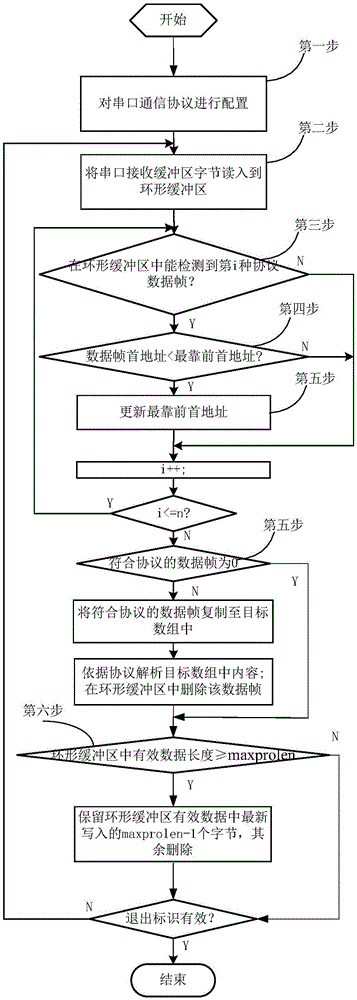
- A general-purpose detection and identification method using multiple serial communication protocols is adopted. The communication protocol is configured through a configuration file, and a circular buffer is used to detect and parse data frames. It supports multiple communication protocols and automatically adjusts the frame header, frame tail, and checksum to avoid false detections and missed detections.
Grid Integration Standards and Regulatory Requirements
Grid integration of microinverter systems requires strict adherence to established standards and regulatory frameworks that govern communication protocol reliability and failure detection mechanisms. The IEEE 1547 standard series provides fundamental requirements for distributed energy resource interconnection, including specific provisions for communication system monitoring and fault detection capabilities. This standard mandates that microinverter communication systems must demonstrate continuous operational verification and implement automated failure detection protocols to ensure grid stability and safety.
The International Electrotechnical Commission (IEC) 61850 standard establishes comprehensive communication protocols for electrical substations and distributed energy resources, directly impacting microinverter communication architecture. Under this framework, communication protocol failures must be identified within specified time intervals, typically ranging from 100 milliseconds to 3 seconds depending on the criticality of the communication function. The standard requires implementation of heartbeat mechanisms, data validation protocols, and redundant communication pathways to minimize the impact of protocol failures on grid operations.
Regulatory bodies across different jurisdictions have established varying requirements for communication protocol failure identification in microinverter systems. The Federal Energy Regulatory Commission (FERC) in the United States requires compliance with North American Electric Reliability Corporation (NERC) standards, which specify mandatory communication monitoring capabilities for distributed energy resources exceeding certain capacity thresholds. European regulations under the Network Code on Requirements for Grid Connection mandate similar communication reliability standards, emphasizing the need for real-time monitoring and rapid failure detection mechanisms.
Compliance with UL 1741 and its supplement SA introduces additional requirements for communication protocol validation in microinverter systems. These standards specify testing procedures for communication failure scenarios and establish minimum performance criteria for protocol recovery mechanisms. The certification process requires demonstration of communication system resilience under various failure conditions, including network congestion, electromagnetic interference, and partial communication pathway failures.
Modern grid codes increasingly emphasize the importance of cybersecurity in communication protocol design, requiring implementation of secure communication channels and intrusion detection capabilities. The NIST Cybersecurity Framework provides guidelines for protecting communication infrastructure in distributed energy systems, mandating regular assessment of communication protocol vulnerabilities and implementation of appropriate security measures to prevent malicious attacks that could compromise failure detection capabilities.
The International Electrotechnical Commission (IEC) 61850 standard establishes comprehensive communication protocols for electrical substations and distributed energy resources, directly impacting microinverter communication architecture. Under this framework, communication protocol failures must be identified within specified time intervals, typically ranging from 100 milliseconds to 3 seconds depending on the criticality of the communication function. The standard requires implementation of heartbeat mechanisms, data validation protocols, and redundant communication pathways to minimize the impact of protocol failures on grid operations.
Regulatory bodies across different jurisdictions have established varying requirements for communication protocol failure identification in microinverter systems. The Federal Energy Regulatory Commission (FERC) in the United States requires compliance with North American Electric Reliability Corporation (NERC) standards, which specify mandatory communication monitoring capabilities for distributed energy resources exceeding certain capacity thresholds. European regulations under the Network Code on Requirements for Grid Connection mandate similar communication reliability standards, emphasizing the need for real-time monitoring and rapid failure detection mechanisms.
Compliance with UL 1741 and its supplement SA introduces additional requirements for communication protocol validation in microinverter systems. These standards specify testing procedures for communication failure scenarios and establish minimum performance criteria for protocol recovery mechanisms. The certification process requires demonstration of communication system resilience under various failure conditions, including network congestion, electromagnetic interference, and partial communication pathway failures.
Modern grid codes increasingly emphasize the importance of cybersecurity in communication protocol design, requiring implementation of secure communication channels and intrusion detection capabilities. The NIST Cybersecurity Framework provides guidelines for protecting communication infrastructure in distributed energy systems, mandating regular assessment of communication protocol vulnerabilities and implementation of appropriate security measures to prevent malicious attacks that could compromise failure detection capabilities.
Cybersecurity Considerations in Microinverter Communications
The cybersecurity landscape for microinverter communications presents unique challenges that directly impact the ability to identify protocol failures. As distributed energy resources become increasingly connected, the attack surface expands significantly, creating vulnerabilities that can mask legitimate communication failures or introduce malicious disruptions that mimic protocol malfunctions.
Authentication mechanisms represent the first line of defense in securing microinverter communications. Weak or absent authentication protocols can allow unauthorized devices to inject false data or commands into the network, creating scenarios where legitimate protocol failure detection becomes nearly impossible. Modern microinverter systems must implement robust mutual authentication between devices and central monitoring systems to ensure that communication anomalies stem from genuine technical issues rather than security breaches.
Encryption standards play a crucial role in maintaining communication integrity while enabling effective failure detection. Advanced Encryption Standard (AES) implementations with appropriate key management systems help protect data transmission without significantly impacting the real-time monitoring capabilities essential for protocol failure identification. However, poorly implemented encryption can introduce latency and processing overhead that may be mistakenly interpreted as communication protocol failures.
Network segmentation strategies are essential for isolating microinverter communications from broader enterprise networks. Proper segmentation not only reduces security risks but also simplifies the process of identifying genuine protocol failures by eliminating external network interference and potential attack vectors. Virtual LANs and dedicated communication channels help maintain the integrity of diagnostic data used for failure detection.
Intrusion detection systems specifically designed for industrial control networks can differentiate between cyberattacks and legitimate protocol failures. These systems monitor communication patterns, data integrity, and device behavior to identify anomalous activities that could indicate either security breaches or technical malfunctions. Machine learning algorithms enhance these systems' ability to distinguish between different types of communication disruptions.
Regular security audits and vulnerability assessments ensure that cybersecurity measures do not inadvertently interfere with protocol failure detection mechanisms. Penetration testing specifically focused on communication protocols helps identify potential security gaps while validating that monitoring systems can accurately detect both security incidents and technical failures without generating false positives that could compromise system reliability.
Authentication mechanisms represent the first line of defense in securing microinverter communications. Weak or absent authentication protocols can allow unauthorized devices to inject false data or commands into the network, creating scenarios where legitimate protocol failure detection becomes nearly impossible. Modern microinverter systems must implement robust mutual authentication between devices and central monitoring systems to ensure that communication anomalies stem from genuine technical issues rather than security breaches.
Encryption standards play a crucial role in maintaining communication integrity while enabling effective failure detection. Advanced Encryption Standard (AES) implementations with appropriate key management systems help protect data transmission without significantly impacting the real-time monitoring capabilities essential for protocol failure identification. However, poorly implemented encryption can introduce latency and processing overhead that may be mistakenly interpreted as communication protocol failures.
Network segmentation strategies are essential for isolating microinverter communications from broader enterprise networks. Proper segmentation not only reduces security risks but also simplifies the process of identifying genuine protocol failures by eliminating external network interference and potential attack vectors. Virtual LANs and dedicated communication channels help maintain the integrity of diagnostic data used for failure detection.
Intrusion detection systems specifically designed for industrial control networks can differentiate between cyberattacks and legitimate protocol failures. These systems monitor communication patterns, data integrity, and device behavior to identify anomalous activities that could indicate either security breaches or technical malfunctions. Machine learning algorithms enhance these systems' ability to distinguish between different types of communication disruptions.
Regular security audits and vulnerability assessments ensure that cybersecurity measures do not inadvertently interfere with protocol failure detection mechanisms. Penetration testing specifically focused on communication protocols helps identify potential security gaps while validating that monitoring systems can accurately detect both security incidents and technical failures without generating false positives that could compromise system reliability.
Unlock deeper insights with PatSnap Eureka Quick Research — get a full tech report to explore trends and direct your research. Try now!
Generate Your Research Report Instantly with AI Agent
Supercharge your innovation with PatSnap Eureka AI Agent Platform!