How to Implement Evidence-Based Inverse Design Practices
APR 22, 20269 MIN READ
Generate Your Research Report Instantly with AI Agent
PatSnap Eureka helps you evaluate technical feasibility & market potential.
Evidence-Based Inverse Design Background and Objectives
Evidence-based inverse design represents a paradigm shift in engineering and materials science, fundamentally altering how researchers approach the development of new materials, devices, and systems. Traditional forward design methods rely on iterative experimentation and intuition-based modifications, often resulting in lengthy development cycles and suboptimal solutions. In contrast, inverse design leverages computational algorithms, machine learning, and vast datasets to work backwards from desired properties or performance metrics to identify optimal structural configurations.
The evolution of inverse design can be traced through several key technological developments. Early computational design methods emerged in the 1970s with topology optimization techniques, primarily applied to structural engineering problems. The integration of artificial intelligence and machine learning algorithms in the 2000s marked a significant acceleration in capabilities. Recent advances in deep learning, particularly generative adversarial networks and variational autoencoders, have enabled unprecedented sophistication in design space exploration.
The evidence-based approach distinguishes modern inverse design from purely computational methods by emphasizing the systematic integration of experimental validation, historical performance data, and theoretical foundations. This methodology ensures that computational predictions align with physical reality and manufacturing constraints. The approach draws from established scientific principles while leveraging big data analytics to identify patterns and correlations that might not be apparent through traditional analysis methods.
Current technological trends indicate a convergence toward multi-objective optimization frameworks that simultaneously consider performance, manufacturability, cost, and sustainability metrics. The integration of real-time experimental feedback loops with computational design algorithms represents a frontier area where evidence-based practices become particularly crucial. Advanced characterization techniques, including high-throughput experimentation and automated testing protocols, generate the empirical evidence necessary to validate and refine inverse design predictions.
The primary objective of implementing evidence-based inverse design practices centers on establishing robust, reproducible methodologies that bridge the gap between computational predictions and practical applications. This involves developing comprehensive databases that capture material properties, processing parameters, and performance outcomes across diverse application domains. The goal extends beyond mere optimization to encompass the creation of design frameworks that can adapt and improve through continuous learning from experimental evidence.
Strategic implementation objectives include reducing development timelines by 40-60% compared to traditional methods while simultaneously improving design reliability and performance predictability. The approach aims to democratize advanced design capabilities by creating user-friendly interfaces and standardized protocols that enable broader adoption across different industries and research institutions.
The evolution of inverse design can be traced through several key technological developments. Early computational design methods emerged in the 1970s with topology optimization techniques, primarily applied to structural engineering problems. The integration of artificial intelligence and machine learning algorithms in the 2000s marked a significant acceleration in capabilities. Recent advances in deep learning, particularly generative adversarial networks and variational autoencoders, have enabled unprecedented sophistication in design space exploration.
The evidence-based approach distinguishes modern inverse design from purely computational methods by emphasizing the systematic integration of experimental validation, historical performance data, and theoretical foundations. This methodology ensures that computational predictions align with physical reality and manufacturing constraints. The approach draws from established scientific principles while leveraging big data analytics to identify patterns and correlations that might not be apparent through traditional analysis methods.
Current technological trends indicate a convergence toward multi-objective optimization frameworks that simultaneously consider performance, manufacturability, cost, and sustainability metrics. The integration of real-time experimental feedback loops with computational design algorithms represents a frontier area where evidence-based practices become particularly crucial. Advanced characterization techniques, including high-throughput experimentation and automated testing protocols, generate the empirical evidence necessary to validate and refine inverse design predictions.
The primary objective of implementing evidence-based inverse design practices centers on establishing robust, reproducible methodologies that bridge the gap between computational predictions and practical applications. This involves developing comprehensive databases that capture material properties, processing parameters, and performance outcomes across diverse application domains. The goal extends beyond mere optimization to encompass the creation of design frameworks that can adapt and improve through continuous learning from experimental evidence.
Strategic implementation objectives include reducing development timelines by 40-60% compared to traditional methods while simultaneously improving design reliability and performance predictability. The approach aims to democratize advanced design capabilities by creating user-friendly interfaces and standardized protocols that enable broader adoption across different industries and research institutions.
Market Demand for Inverse Design Solutions
The market demand for inverse design solutions has experienced substantial growth across multiple industries, driven by the increasing need for optimized material properties and accelerated product development cycles. Traditional forward design approaches, which rely on iterative trial-and-error methodologies, are proving insufficient for meeting the complex requirements of modern engineering challenges. Industries are seeking systematic approaches that can predict optimal material compositions and structures based on desired performance characteristics.
Pharmaceutical and biotechnology sectors represent significant demand drivers for inverse design methodologies. Drug discovery processes traditionally require extensive screening of molecular compounds, consuming considerable time and resources. Evidence-based inverse design practices enable researchers to identify promising molecular structures by working backward from desired therapeutic properties, potentially reducing development timelines and improving success rates in clinical trials.
The semiconductor industry demonstrates particularly strong demand for inverse design solutions in photonic device development. As device miniaturization continues and performance requirements become more stringent, conventional design approaches struggle to identify optimal configurations for complex photonic structures. Companies are increasingly adopting inverse design frameworks to develop metamaterials, optical components, and nanostructures with precisely tailored electromagnetic properties.
Materials science applications constitute another major market segment, with aerospace, automotive, and energy sectors driving demand for advanced material design capabilities. These industries require materials with specific mechanical, thermal, and electrical properties that are difficult to achieve through conventional design methods. Inverse design approaches enable the systematic exploration of material composition spaces to identify candidates meeting multiple performance criteria simultaneously.
The renewable energy sector shows growing interest in inverse design solutions for optimizing solar cell architectures, battery materials, and energy storage systems. As efficiency requirements increase and cost pressures intensify, companies are seeking computational approaches that can identify optimal material configurations without extensive experimental validation phases.
Market adoption faces challenges related to implementation complexity and the need for substantial computational resources. Organizations require specialized expertise to develop and deploy evidence-based inverse design frameworks effectively. Additionally, integration with existing design workflows and validation processes presents technical and organizational hurdles that influence adoption rates across different industry segments.
Pharmaceutical and biotechnology sectors represent significant demand drivers for inverse design methodologies. Drug discovery processes traditionally require extensive screening of molecular compounds, consuming considerable time and resources. Evidence-based inverse design practices enable researchers to identify promising molecular structures by working backward from desired therapeutic properties, potentially reducing development timelines and improving success rates in clinical trials.
The semiconductor industry demonstrates particularly strong demand for inverse design solutions in photonic device development. As device miniaturization continues and performance requirements become more stringent, conventional design approaches struggle to identify optimal configurations for complex photonic structures. Companies are increasingly adopting inverse design frameworks to develop metamaterials, optical components, and nanostructures with precisely tailored electromagnetic properties.
Materials science applications constitute another major market segment, with aerospace, automotive, and energy sectors driving demand for advanced material design capabilities. These industries require materials with specific mechanical, thermal, and electrical properties that are difficult to achieve through conventional design methods. Inverse design approaches enable the systematic exploration of material composition spaces to identify candidates meeting multiple performance criteria simultaneously.
The renewable energy sector shows growing interest in inverse design solutions for optimizing solar cell architectures, battery materials, and energy storage systems. As efficiency requirements increase and cost pressures intensify, companies are seeking computational approaches that can identify optimal material configurations without extensive experimental validation phases.
Market adoption faces challenges related to implementation complexity and the need for substantial computational resources. Organizations require specialized expertise to develop and deploy evidence-based inverse design frameworks effectively. Additionally, integration with existing design workflows and validation processes presents technical and organizational hurdles that influence adoption rates across different industry segments.
Current State and Challenges in Inverse Design Methods
Inverse design methods have experienced significant advancement across multiple domains, from materials science to photonics and mechanical engineering. Current approaches predominantly rely on optimization algorithms, machine learning techniques, and physics-based simulations to identify design parameters that achieve desired performance targets. However, the field faces substantial methodological inconsistencies in validation and verification processes, limiting the reliability and reproducibility of design outcomes.
Traditional inverse design workflows typically employ gradient-based optimization, evolutionary algorithms, or neural network architectures to navigate complex design spaces. While these methods demonstrate promising results in controlled environments, they often lack systematic validation against experimental data or real-world performance metrics. The absence of standardized benchmarking protocols creates significant challenges in comparing different approaches and establishing best practices across research communities.
Machine learning-driven inverse design has gained considerable traction, particularly through generative adversarial networks, variational autoencoders, and reinforcement learning frameworks. Despite their computational efficiency and ability to handle high-dimensional design spaces, these methods frequently suffer from limited interpretability and insufficient integration of physical constraints. The gap between computational predictions and experimental validation remains a critical bottleneck in translating research advances into practical applications.
Contemporary challenges include the scarcity of high-quality, standardized datasets for training and validation purposes. Most existing datasets are domain-specific, heterogeneous in format, and lack comprehensive metadata describing experimental conditions and measurement uncertainties. This data fragmentation impedes the development of robust, generalizable inverse design frameworks that can operate reliably across different material systems and performance requirements.
Computational scalability presents another significant obstacle, particularly when dealing with multi-objective optimization problems or complex geometries requiring high-resolution simulations. Current methods often struggle to balance computational efficiency with design accuracy, forcing researchers to make compromises that may limit the exploration of optimal solutions. Additionally, the integration of manufacturing constraints and real-world limitations into inverse design algorithms remains inadequately addressed, creating a disconnect between theoretical designs and practical implementation feasibility.
Traditional inverse design workflows typically employ gradient-based optimization, evolutionary algorithms, or neural network architectures to navigate complex design spaces. While these methods demonstrate promising results in controlled environments, they often lack systematic validation against experimental data or real-world performance metrics. The absence of standardized benchmarking protocols creates significant challenges in comparing different approaches and establishing best practices across research communities.
Machine learning-driven inverse design has gained considerable traction, particularly through generative adversarial networks, variational autoencoders, and reinforcement learning frameworks. Despite their computational efficiency and ability to handle high-dimensional design spaces, these methods frequently suffer from limited interpretability and insufficient integration of physical constraints. The gap between computational predictions and experimental validation remains a critical bottleneck in translating research advances into practical applications.
Contemporary challenges include the scarcity of high-quality, standardized datasets for training and validation purposes. Most existing datasets are domain-specific, heterogeneous in format, and lack comprehensive metadata describing experimental conditions and measurement uncertainties. This data fragmentation impedes the development of robust, generalizable inverse design frameworks that can operate reliably across different material systems and performance requirements.
Computational scalability presents another significant obstacle, particularly when dealing with multi-objective optimization problems or complex geometries requiring high-resolution simulations. Current methods often struggle to balance computational efficiency with design accuracy, forcing researchers to make compromises that may limit the exploration of optimal solutions. Additionally, the integration of manufacturing constraints and real-world limitations into inverse design algorithms remains inadequately addressed, creating a disconnect between theoretical designs and practical implementation feasibility.
Current Evidence-Based Inverse Design Approaches
01 Machine learning-based inverse design methods
Inverse design approaches utilize machine learning algorithms and neural networks to predict optimal design parameters from desired performance outcomes. These methods employ training datasets to establish relationships between target properties and design variables, enabling automated generation of candidate solutions. The systems can process multiple constraints and objectives simultaneously to identify feasible design configurations.- Machine learning-based inverse design methods: Inverse design approaches utilize machine learning algorithms and neural networks to predict optimal design parameters from desired performance outcomes. These methods employ training datasets to establish relationships between target properties and design variables, enabling automated generation of candidate solutions. The systems can process multiple constraints and objectives simultaneously to identify feasible design configurations.
- Optimization algorithms for inverse design: Computational optimization techniques are applied to solve inverse design problems by iteratively refining design parameters. These methods include genetic algorithms, gradient-based optimization, and evolutionary strategies that search the design space efficiently. The approaches incorporate objective functions and constraints to guide the search toward optimal or near-optimal solutions while balancing multiple performance criteria.
- Data-driven inverse design frameworks: Frameworks that leverage large datasets and statistical methods to inform inverse design processes. These systems collect and analyze experimental or simulation data to identify patterns and correlations between design features and outcomes. The evidence-based approach reduces reliance on trial-and-error by using historical data to predict successful design configurations.
- Multi-objective inverse design optimization: Methods that address inverse design problems involving multiple competing objectives and performance metrics. These techniques employ Pareto optimization and trade-off analysis to generate diverse solution sets. The approaches enable designers to explore different design alternatives that balance various requirements such as cost, performance, and manufacturability.
- Validation and verification in inverse design: Systematic approaches for validating inverse design results through simulation, prototyping, and experimental testing. These methods ensure that computationally generated designs meet specified requirements and perform as predicted. The validation frameworks incorporate uncertainty quantification and sensitivity analysis to assess design robustness and reliability.
02 Optimization algorithms for inverse design
Computational optimization techniques are applied to solve inverse design problems by iteratively refining design parameters. These methods include genetic algorithms, gradient-based optimization, and evolutionary strategies that search the design space to minimize objective functions. The approaches can handle complex multi-dimensional problems and incorporate physical constraints to ensure practical feasibility of solutions.Expand Specific Solutions03 Data-driven inverse design frameworks
Frameworks that leverage large datasets and statistical methods to establish inverse relationships between performance metrics and design parameters. These systems integrate data collection, preprocessing, and analysis pipelines to extract meaningful patterns. The frameworks support evidence-based decision making by validating designs against empirical data and historical performance records.Expand Specific Solutions04 Simulation-based inverse design validation
Methods that employ computational simulations and finite element analysis to validate inverse design solutions before physical implementation. These approaches use physics-based models to predict performance characteristics and verify that generated designs meet specified requirements. The validation process includes sensitivity analysis and uncertainty quantification to assess design robustness.Expand Specific Solutions05 Hybrid inverse design systems
Integrated systems combining multiple inverse design methodologies including analytical models, numerical simulations, and experimental validation. These hybrid approaches balance computational efficiency with accuracy by selecting appropriate methods for different design stages. The systems incorporate feedback loops to refine designs based on testing results and enable iterative improvement of solutions.Expand Specific Solutions
Key Players in Inverse Design and Computational Tools
The evidence-based inverse design field is experiencing rapid growth as an emerging interdisciplinary domain that combines computational methods, materials science, and machine learning approaches. The market demonstrates significant expansion potential, driven by increasing demand for optimized material and device design across industries. Technology maturity varies considerably among key players, with established technology giants like Siemens AG, IBM, and Samsung Electronics leading in computational infrastructure and AI capabilities, while academic institutions including Zhejiang University, Princeton University, and Beijing Institute of Technology contribute fundamental research breakthroughs. Industrial manufacturers such as Autodesk and Infineon Technologies are integrating inverse design methodologies into their product development workflows, while specialized firms like Hikvision and GlobalFoundries apply these techniques for domain-specific applications, creating a diverse ecosystem spanning from theoretical research to commercial implementation.
Siemens Industry Software NV
Technical Solution: Siemens has developed comprehensive evidence-based inverse design methodologies through their NX and Simcenter portfolio, integrating topology optimization with multi-physics simulation capabilities. Their approach leverages machine learning algorithms to automatically generate design alternatives based on performance requirements and manufacturing constraints. The system incorporates real-world testing data and simulation results to validate design decisions, enabling engineers to work backwards from desired outcomes to optimal geometries. Their digital twin technology provides continuous feedback loops between physical testing and virtual design iterations, ensuring evidence-based validation throughout the design process.
Strengths: Industry-leading CAD/CAE integration, extensive validation databases, robust multi-physics capabilities. Weaknesses: High licensing costs, steep learning curve for advanced features, requires significant computational resources.
Samsung Electronics Co., Ltd.
Technical Solution: Samsung implements evidence-based inverse design in semiconductor and display technology development, utilizing advanced simulation tools and machine learning algorithms to optimize device performance and manufacturing processes. Their approach combines extensive experimental databases with predictive modeling to design semiconductor structures that meet specific electrical and thermal performance requirements. The company's methodology incorporates real-world manufacturing data and yield statistics to ensure designs are not only theoretically optimal but also practically manufacturable at scale. Samsung's integrated approach spans from materials selection through device architecture, using iterative feedback loops between simulation, prototyping, and production to continuously refine design methodologies.
Strengths: Extensive manufacturing experience, large-scale production validation, strong R&D investment in advanced technologies. Weaknesses: Primarily focused on semiconductor applications, proprietary methodologies limit broader accessibility, high capital requirements for implementation.
Core Technologies in Data-Driven Inverse Design
Data-driven material reverse design method and system
PatentActiveCN111611748A
Innovation
- A data-driven approach is adopted to obtain the material data of the formed material sample, select an appropriate machine learning model, and adjust the model parameters in combination with the cross-validation method. As the fitness function of the genetic algorithm, the genetics of non-dominated sorting and crowding distance sorting are used. The algorithm performs optimization and solving, avoiding the use of penalty factors and ensuring the accuracy of the design results.
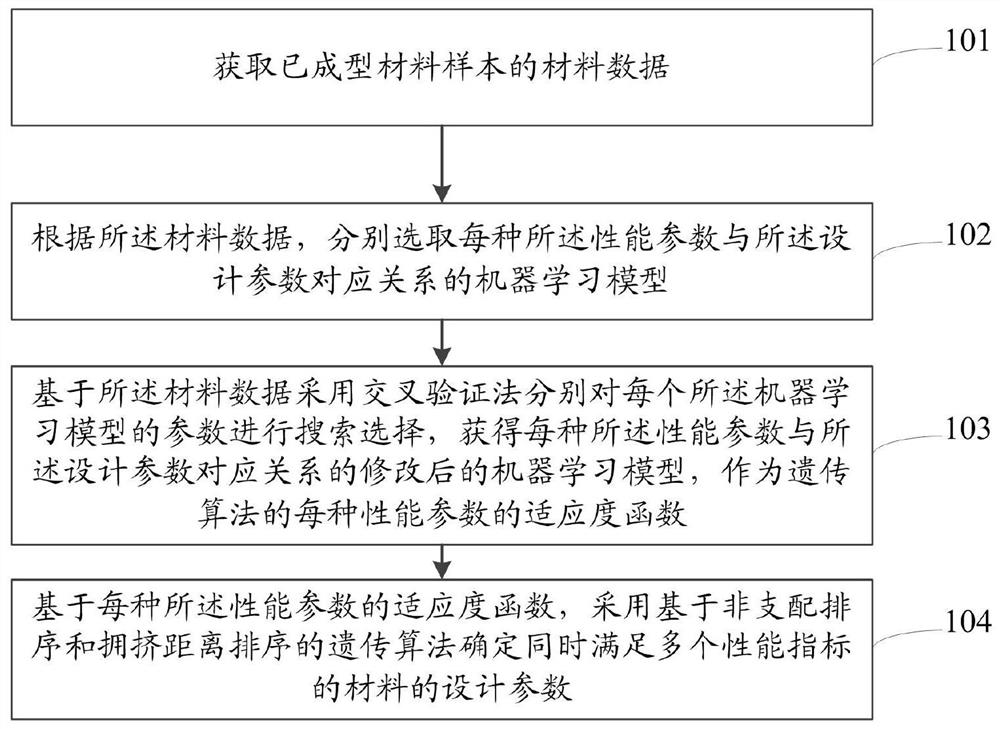
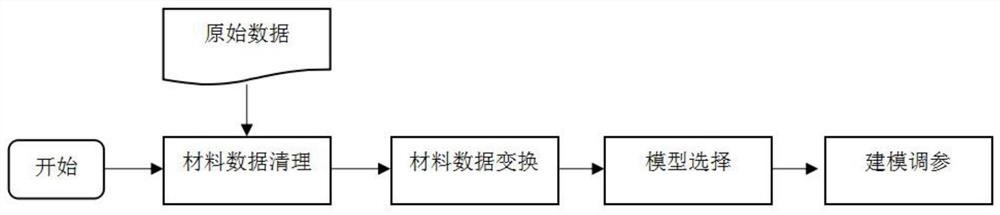
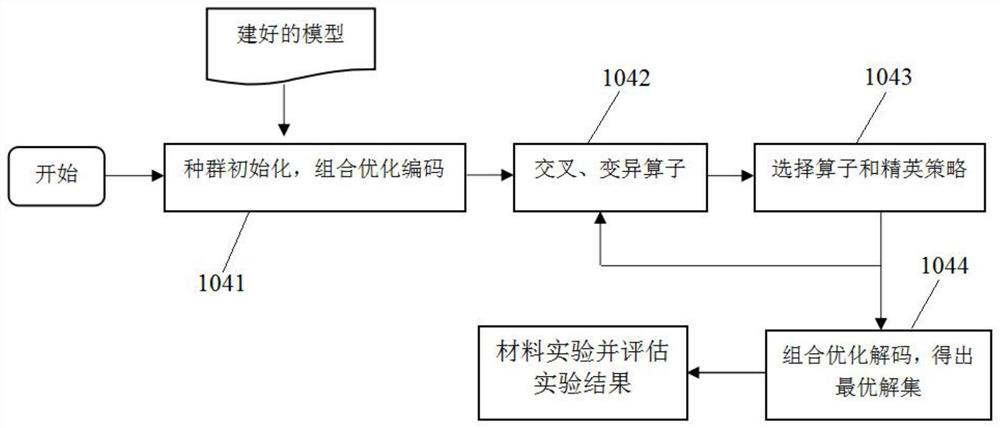

Inverse system design for constrained multi-objective optimization
PatentWO2024191404A2
Innovation
- A computer-implemented method using a two-phase approach that combines genetic algorithms with inverse design methods, including neural networks and Gaussian mixture models, to efficiently optimize systems by injecting candidate solutions generated through inverse design approaches into the genetic algorithm population, thereby focusing on specific regions of interest and improving performance on targeted objectives.


Standards and Validation Frameworks for Design Methods
The establishment of robust standards and validation frameworks represents a critical foundation for advancing evidence-based inverse design practices across engineering disciplines. Current standardization efforts focus on developing comprehensive metrics that can objectively assess the performance, reliability, and reproducibility of inverse design methodologies. These standards encompass computational accuracy benchmarks, convergence criteria, and statistical significance thresholds that ensure consistent evaluation across different implementation approaches.
Validation frameworks for inverse design methods typically incorporate multi-tier assessment protocols that evaluate both algorithmic performance and practical applicability. The primary validation tier focuses on mathematical verification, ensuring that optimization algorithms correctly identify design parameters that satisfy specified performance targets. Secondary validation involves cross-validation techniques using independent datasets to assess generalizability and robustness of the inverse design solutions.
Standardized benchmarking datasets have emerged as essential tools for comparative evaluation of different inverse design approaches. These datasets provide reference problems with known optimal solutions, enabling researchers to quantitatively assess the effectiveness of their methodologies. Industry consortiums and academic institutions collaborate to maintain these benchmark repositories, ensuring they reflect realistic design challenges and evolving technological requirements.
Certification protocols for evidence-based inverse design tools are being developed to establish minimum performance standards for commercial and research applications. These protocols define testing procedures, documentation requirements, and quality assurance measures that design tools must satisfy before deployment in critical applications. The certification process includes validation of uncertainty quantification capabilities, sensitivity analysis accuracy, and computational efficiency metrics.
Regulatory compliance frameworks are increasingly incorporating inverse design validation requirements, particularly in safety-critical industries such as aerospace, automotive, and biomedical engineering. These frameworks mandate rigorous documentation of design processes, traceability of design decisions, and verification of performance predictions through experimental validation or high-fidelity simulation.
Emerging international standards organizations are working to harmonize validation methodologies across different engineering domains, promoting interoperability and knowledge transfer between disciplines. These efforts focus on establishing common terminology, standardized reporting formats, and unified assessment criteria that facilitate broader adoption of evidence-based inverse design practices while maintaining domain-specific technical requirements.
Validation frameworks for inverse design methods typically incorporate multi-tier assessment protocols that evaluate both algorithmic performance and practical applicability. The primary validation tier focuses on mathematical verification, ensuring that optimization algorithms correctly identify design parameters that satisfy specified performance targets. Secondary validation involves cross-validation techniques using independent datasets to assess generalizability and robustness of the inverse design solutions.
Standardized benchmarking datasets have emerged as essential tools for comparative evaluation of different inverse design approaches. These datasets provide reference problems with known optimal solutions, enabling researchers to quantitatively assess the effectiveness of their methodologies. Industry consortiums and academic institutions collaborate to maintain these benchmark repositories, ensuring they reflect realistic design challenges and evolving technological requirements.
Certification protocols for evidence-based inverse design tools are being developed to establish minimum performance standards for commercial and research applications. These protocols define testing procedures, documentation requirements, and quality assurance measures that design tools must satisfy before deployment in critical applications. The certification process includes validation of uncertainty quantification capabilities, sensitivity analysis accuracy, and computational efficiency metrics.
Regulatory compliance frameworks are increasingly incorporating inverse design validation requirements, particularly in safety-critical industries such as aerospace, automotive, and biomedical engineering. These frameworks mandate rigorous documentation of design processes, traceability of design decisions, and verification of performance predictions through experimental validation or high-fidelity simulation.
Emerging international standards organizations are working to harmonize validation methodologies across different engineering domains, promoting interoperability and knowledge transfer between disciplines. These efforts focus on establishing common terminology, standardized reporting formats, and unified assessment criteria that facilitate broader adoption of evidence-based inverse design practices while maintaining domain-specific technical requirements.
Implementation Strategies for Evidence-Based Design
Evidence-based inverse design implementation requires a systematic approach that integrates computational methodologies with empirical validation frameworks. The foundation lies in establishing robust data collection protocols that capture both material properties and performance metrics across diverse operating conditions. Organizations must develop standardized databases that link design parameters to measurable outcomes, enabling machine learning algorithms to identify optimal design pathways through iterative optimization processes.
The implementation strategy begins with creating cross-functional teams that combine domain expertise with computational capabilities. These teams should establish clear protocols for data quality assurance, ensuring that input datasets maintain consistency and reliability throughout the design process. Integration of high-throughput experimentation platforms enables rapid validation of computationally predicted designs, creating feedback loops that continuously refine algorithmic accuracy.
Computational infrastructure development represents a critical implementation component. Organizations must invest in scalable computing resources capable of handling complex optimization algorithms while maintaining reasonable computational timeframes. Cloud-based platforms offer flexibility for varying computational demands, while specialized software frameworks facilitate seamless integration between design tools and experimental validation systems.
Training and skill development programs ensure successful adoption across research teams. Personnel require proficiency in both traditional design principles and modern computational methods, including machine learning techniques and statistical analysis. Regular workshops and collaborative projects help bridge knowledge gaps between experimental and computational researchers.
Quality control mechanisms must be embedded throughout the implementation process. This includes establishing benchmarking protocols against known design solutions, implementing uncertainty quantification methods, and developing validation criteria that assess both computational predictions and experimental outcomes. Regular audits of design processes ensure adherence to evidence-based principles while identifying areas for continuous improvement.
Successful implementation also requires establishing partnerships with external research institutions and technology providers. These collaborations provide access to specialized expertise, advanced computational resources, and diverse datasets that enhance the robustness of inverse design methodologies. Knowledge sharing agreements facilitate rapid dissemination of best practices across the broader research community.
The implementation strategy begins with creating cross-functional teams that combine domain expertise with computational capabilities. These teams should establish clear protocols for data quality assurance, ensuring that input datasets maintain consistency and reliability throughout the design process. Integration of high-throughput experimentation platforms enables rapid validation of computationally predicted designs, creating feedback loops that continuously refine algorithmic accuracy.
Computational infrastructure development represents a critical implementation component. Organizations must invest in scalable computing resources capable of handling complex optimization algorithms while maintaining reasonable computational timeframes. Cloud-based platforms offer flexibility for varying computational demands, while specialized software frameworks facilitate seamless integration between design tools and experimental validation systems.
Training and skill development programs ensure successful adoption across research teams. Personnel require proficiency in both traditional design principles and modern computational methods, including machine learning techniques and statistical analysis. Regular workshops and collaborative projects help bridge knowledge gaps between experimental and computational researchers.
Quality control mechanisms must be embedded throughout the implementation process. This includes establishing benchmarking protocols against known design solutions, implementing uncertainty quantification methods, and developing validation criteria that assess both computational predictions and experimental outcomes. Regular audits of design processes ensure adherence to evidence-based principles while identifying areas for continuous improvement.
Successful implementation also requires establishing partnerships with external research institutions and technology providers. These collaborations provide access to specialized expertise, advanced computational resources, and diverse datasets that enhance the robustness of inverse design methodologies. Knowledge sharing agreements facilitate rapid dissemination of best practices across the broader research community.
Unlock deeper insights with PatSnap Eureka Quick Research — get a full tech report to explore trends and direct your research. Try now!
Generate Your Research Report Instantly with AI Agent
Supercharge your innovation with PatSnap Eureka AI Agent Platform!