

How to Implement Microfluidic Cooling for Wearable Tech
APR 3, 20269 MIN READ
Generate Your Research Report Instantly with AI Agent
PatSnap Eureka helps you evaluate technical feasibility & market potential.
Microfluidic Cooling Background and Thermal Management Goals
Microfluidic cooling represents a paradigm shift in thermal management for wearable technology, emerging from the convergence of microelectromechanical systems (MEMS) and advanced heat transfer principles. This technology leverages precisely engineered microscale channels, typically ranging from 10 to 1000 micrometers in diameter, to circulate cooling fluids directly through or adjacent to heat-generating components. The evolution of microfluidic cooling stems from the semiconductor industry's need for efficient heat dissipation in increasingly compact electronic devices.
The fundamental principle behind microfluidic cooling exploits the enhanced heat transfer characteristics achieved through miniaturization. As channel dimensions decrease, the surface-area-to-volume ratio increases dramatically, enabling superior heat exchange between the heated surface and the cooling medium. This phenomenon, combined with the ability to precisely control fluid flow at the microscale, creates opportunities for targeted thermal management that traditional cooling methods cannot achieve.
Wearable technology presents unique thermal management challenges that conventional cooling solutions struggle to address effectively. The primary constraint involves maintaining user comfort while ensuring optimal device performance within severely limited form factors. Traditional cooling methods such as heat sinks, fans, or thermoelectric coolers prove inadequate due to their bulk, power consumption, and inability to conform to the human body's contours.
The thermal management goals for wearable devices encompass multiple critical objectives. Temperature regulation must maintain component operating temperatures below critical thresholds, typically keeping processor temperatures under 85°C while ensuring skin-contact surfaces remain below 43°C to prevent user discomfort or thermal injury. Power efficiency represents another crucial goal, as cooling systems must operate within the stringent energy budgets of battery-powered wearable devices.
Microfluidic cooling systems aim to achieve uniform temperature distribution across device surfaces, eliminating hot spots that could compromise both performance and user experience. The technology targets rapid thermal response times, enabling dynamic cooling adjustments based on real-time thermal loads and usage patterns. Additionally, these systems must demonstrate long-term reliability under continuous operation while maintaining biocompatibility for skin-contact applications.
The integration of microfluidic cooling into wearable technology requires addressing scalability challenges while maintaining manufacturing cost-effectiveness. The ultimate goal involves creating cooling solutions that seamlessly integrate into flexible, lightweight form factors without compromising the aesthetic appeal or functionality that consumers expect from modern wearable devices.
The fundamental principle behind microfluidic cooling exploits the enhanced heat transfer characteristics achieved through miniaturization. As channel dimensions decrease, the surface-area-to-volume ratio increases dramatically, enabling superior heat exchange between the heated surface and the cooling medium. This phenomenon, combined with the ability to precisely control fluid flow at the microscale, creates opportunities for targeted thermal management that traditional cooling methods cannot achieve.
Wearable technology presents unique thermal management challenges that conventional cooling solutions struggle to address effectively. The primary constraint involves maintaining user comfort while ensuring optimal device performance within severely limited form factors. Traditional cooling methods such as heat sinks, fans, or thermoelectric coolers prove inadequate due to their bulk, power consumption, and inability to conform to the human body's contours.
The thermal management goals for wearable devices encompass multiple critical objectives. Temperature regulation must maintain component operating temperatures below critical thresholds, typically keeping processor temperatures under 85°C while ensuring skin-contact surfaces remain below 43°C to prevent user discomfort or thermal injury. Power efficiency represents another crucial goal, as cooling systems must operate within the stringent energy budgets of battery-powered wearable devices.
Microfluidic cooling systems aim to achieve uniform temperature distribution across device surfaces, eliminating hot spots that could compromise both performance and user experience. The technology targets rapid thermal response times, enabling dynamic cooling adjustments based on real-time thermal loads and usage patterns. Additionally, these systems must demonstrate long-term reliability under continuous operation while maintaining biocompatibility for skin-contact applications.
The integration of microfluidic cooling into wearable technology requires addressing scalability challenges while maintaining manufacturing cost-effectiveness. The ultimate goal involves creating cooling solutions that seamlessly integrate into flexible, lightweight form factors without compromising the aesthetic appeal or functionality that consumers expect from modern wearable devices.
Market Demand for Advanced Wearable Thermal Solutions
The global wearable technology market is experiencing unprecedented growth, driven by increasing consumer adoption of smartwatches, fitness trackers, augmented reality devices, and advanced health monitoring systems. This expansion has created significant demand for sophisticated thermal management solutions, as modern wearable devices pack increasingly powerful processors and sensors into compact form factors that must remain comfortable against human skin.
Consumer expectations for wearable devices have evolved dramatically, with users demanding longer battery life, faster processing capabilities, and continuous operation without thermal discomfort. Traditional cooling methods prove inadequate for next-generation wearables that incorporate high-performance computing elements, advanced biometric sensors, and wireless communication modules. The thermal challenges become particularly acute in devices designed for extended wear periods or intensive computational tasks.
Healthcare and medical wearables represent a rapidly expanding market segment where thermal management becomes critical for both device performance and patient safety. Continuous glucose monitors, cardiac monitoring devices, and therapeutic wearables require precise temperature control to maintain sensor accuracy and prevent skin irritation during prolonged contact. The medical device regulatory environment further emphasizes the importance of reliable thermal solutions that can operate within strict temperature ranges.
The fitness and sports technology sector drives substantial demand for advanced cooling solutions, as these devices must function effectively during high-intensity physical activities when both ambient temperatures and user body heat increase significantly. Professional athletes and fitness enthusiasts require wearables that maintain optimal performance during extreme conditions while ensuring user comfort and safety.
Enterprise and industrial applications present another growing market opportunity, with workers in manufacturing, logistics, and field services increasingly relying on wearable computing devices. These applications often involve harsh environmental conditions and extended operational periods, creating demand for robust thermal management systems that can handle industrial-grade performance requirements.
The convergence of artificial intelligence and edge computing in wearable devices amplifies thermal management challenges, as local processing capabilities require more sophisticated cooling solutions. Smart glasses, augmented reality headsets, and advanced smartwatches incorporating machine learning algorithms generate substantial heat loads that traditional passive cooling cannot adequately address.
Market research indicates strong consumer willingness to pay premium prices for wearable devices that offer superior comfort and performance through advanced thermal management. This economic driver encourages manufacturers to invest in innovative cooling technologies that can differentiate their products in an increasingly competitive marketplace.
Consumer expectations for wearable devices have evolved dramatically, with users demanding longer battery life, faster processing capabilities, and continuous operation without thermal discomfort. Traditional cooling methods prove inadequate for next-generation wearables that incorporate high-performance computing elements, advanced biometric sensors, and wireless communication modules. The thermal challenges become particularly acute in devices designed for extended wear periods or intensive computational tasks.
Healthcare and medical wearables represent a rapidly expanding market segment where thermal management becomes critical for both device performance and patient safety. Continuous glucose monitors, cardiac monitoring devices, and therapeutic wearables require precise temperature control to maintain sensor accuracy and prevent skin irritation during prolonged contact. The medical device regulatory environment further emphasizes the importance of reliable thermal solutions that can operate within strict temperature ranges.
The fitness and sports technology sector drives substantial demand for advanced cooling solutions, as these devices must function effectively during high-intensity physical activities when both ambient temperatures and user body heat increase significantly. Professional athletes and fitness enthusiasts require wearables that maintain optimal performance during extreme conditions while ensuring user comfort and safety.
Enterprise and industrial applications present another growing market opportunity, with workers in manufacturing, logistics, and field services increasingly relying on wearable computing devices. These applications often involve harsh environmental conditions and extended operational periods, creating demand for robust thermal management systems that can handle industrial-grade performance requirements.
The convergence of artificial intelligence and edge computing in wearable devices amplifies thermal management challenges, as local processing capabilities require more sophisticated cooling solutions. Smart glasses, augmented reality headsets, and advanced smartwatches incorporating machine learning algorithms generate substantial heat loads that traditional passive cooling cannot adequately address.
Market research indicates strong consumer willingness to pay premium prices for wearable devices that offer superior comfort and performance through advanced thermal management. This economic driver encourages manufacturers to invest in innovative cooling technologies that can differentiate their products in an increasingly competitive marketplace.
Current State and Challenges of Microfluidic Cooling Systems
Microfluidic cooling technology for wearable devices has emerged as a promising thermal management solution, yet its current implementation faces significant developmental hurdles. The technology leverages microscale fluid channels to efficiently dissipate heat through convective cooling mechanisms, offering superior thermal performance compared to traditional passive cooling methods. Current systems typically employ water-based coolants or specialized dielectric fluids circulated through channels ranging from 10 to 500 micrometers in width.
The fabrication landscape predominantly relies on silicon-based manufacturing processes, utilizing photolithography and deep reactive ion etching techniques borrowed from semiconductor industries. Polymer-based alternatives using PDMS and thermoplastics have gained traction due to their flexibility and cost-effectiveness, though they present durability concerns under continuous operation. Glass substrates offer excellent chemical compatibility but introduce brittleness issues critical for wearable applications.
Integration challenges represent the most significant barrier to widespread adoption. Current microfluidic cooling systems struggle with seamless incorporation into existing wearable form factors, particularly regarding pump miniaturization and power consumption optimization. Most prototypes require external pumping mechanisms that exceed acceptable size and weight constraints for consumer wearables. The power overhead for fluid circulation often negates the thermal benefits, creating an efficiency paradox that limits practical deployment.
Reliability concerns plague existing implementations, with common failure modes including channel clogging, pump degradation, and fluid leakage. Particulate contamination in coolant fluids leads to progressive flow restriction, while mechanical pumps exhibit limited operational lifespans under continuous duty cycles. Fluid containment remains problematic, as traditional sealing methods prove inadequate for the mechanical stresses encountered in wearable applications.
Manufacturing scalability presents another critical constraint. Current production methods remain largely laboratory-based, with limited pathways to high-volume manufacturing. The precision required for microchannel fabrication demands specialized equipment and controlled environments, resulting in prohibitive costs for consumer electronics integration. Quality control challenges arise from the difficulty in inspecting microscale features and verifying flow uniformity across production batches.
Thermal performance optimization continues to challenge researchers, as heat transfer coefficients vary significantly with flow rates, channel geometries, and fluid properties. Achieving uniform temperature distribution across device surfaces requires sophisticated channel routing designs that often conflict with space constraints in wearable devices. The trade-off between cooling efficiency and system complexity remains unresolved in most current implementations.
The fabrication landscape predominantly relies on silicon-based manufacturing processes, utilizing photolithography and deep reactive ion etching techniques borrowed from semiconductor industries. Polymer-based alternatives using PDMS and thermoplastics have gained traction due to their flexibility and cost-effectiveness, though they present durability concerns under continuous operation. Glass substrates offer excellent chemical compatibility but introduce brittleness issues critical for wearable applications.
Integration challenges represent the most significant barrier to widespread adoption. Current microfluidic cooling systems struggle with seamless incorporation into existing wearable form factors, particularly regarding pump miniaturization and power consumption optimization. Most prototypes require external pumping mechanisms that exceed acceptable size and weight constraints for consumer wearables. The power overhead for fluid circulation often negates the thermal benefits, creating an efficiency paradox that limits practical deployment.
Reliability concerns plague existing implementations, with common failure modes including channel clogging, pump degradation, and fluid leakage. Particulate contamination in coolant fluids leads to progressive flow restriction, while mechanical pumps exhibit limited operational lifespans under continuous duty cycles. Fluid containment remains problematic, as traditional sealing methods prove inadequate for the mechanical stresses encountered in wearable applications.
Manufacturing scalability presents another critical constraint. Current production methods remain largely laboratory-based, with limited pathways to high-volume manufacturing. The precision required for microchannel fabrication demands specialized equipment and controlled environments, resulting in prohibitive costs for consumer electronics integration. Quality control challenges arise from the difficulty in inspecting microscale features and verifying flow uniformity across production batches.
Thermal performance optimization continues to challenge researchers, as heat transfer coefficients vary significantly with flow rates, channel geometries, and fluid properties. Achieving uniform temperature distribution across device surfaces requires sophisticated channel routing designs that often conflict with space constraints in wearable devices. The trade-off between cooling efficiency and system complexity remains unresolved in most current implementations.
Existing Microfluidic Cooling Implementation Solutions
01 Microfluidic channel design for enhanced heat dissipation
Advanced microfluidic channel geometries and configurations are designed to optimize coolant flow patterns and maximize heat transfer efficiency. These designs include serpentine channels, parallel microchannels, and branching networks that increase surface area contact between the cooling fluid and heat-generating components. The channel dimensions, aspect ratios, and surface treatments are carefully engineered to enhance convective heat transfer while minimizing pressure drop and pumping power requirements.- Microfluidic channel design for enhanced heat dissipation: Advanced microfluidic channel geometries and configurations are designed to optimize coolant flow patterns and maximize heat transfer efficiency. These designs include serpentine channels, parallel microchannels, and branching networks that increase surface area contact between the cooling fluid and heat-generating components. The channel dimensions, aspect ratios, and surface treatments are carefully engineered to enhance convective heat transfer while minimizing pressure drop and pumping power requirements.
- Integration of microfluidic cooling systems with electronic devices: Microfluidic cooling systems are integrated directly into electronic components and semiconductor devices to provide localized and efficient thermal management. This integration involves embedding microchannels within substrates, chip packages, or heat sinks to enable direct liquid cooling at the heat source. The integration methods include microfabrication techniques, bonding processes, and modular designs that facilitate assembly and maintenance while ensuring reliable thermal performance for high-power electronics.
- Two-phase flow cooling in microfluidic systems: Two-phase cooling mechanisms utilize phase change phenomena within microfluidic channels to achieve superior heat transfer performance. The coolant undergoes evaporation or boiling within the microchannels, absorbing significant latent heat and providing enhanced cooling capacity compared to single-phase liquid cooling. Flow regime control, bubble dynamics management, and prevention of flow instabilities are critical aspects of implementing effective two-phase microfluidic cooling systems.
- Microfluidic cooling with advanced working fluids: Specialized working fluids and coolants are developed to enhance the thermal performance of microfluidic cooling systems. These include nanofluids containing suspended nanoparticles, dielectric fluids for direct contact with electronics, and fluids with optimized thermophysical properties such as high thermal conductivity, low viscosity, and appropriate boiling points. The selection and formulation of working fluids consider factors such as chemical compatibility, stability, environmental impact, and long-term reliability.
- Manifold and distribution systems for microfluidic cooling: Fluid distribution manifolds and delivery systems are designed to ensure uniform coolant distribution across multiple microfluidic channels or cooling zones. These systems address challenges related to flow maldistribution, pressure variations, and thermal uniformity across large-area cooling applications. Design strategies include optimized inlet and outlet configurations, flow restrictors, and pressure-balancing features that promote even flow distribution and consistent cooling performance throughout the microfluidic network.
02 Integration of microfluidic cooling systems with electronic devices
Microfluidic cooling solutions are integrated directly into electronic components and semiconductor devices to provide localized thermal management. This integration involves embedding microchannels within substrates, chip packages, or heat sinks to enable direct liquid cooling at the heat source. The integration methods address challenges such as fluid distribution, sealing, and compatibility with manufacturing processes while maintaining electrical isolation and reliability.Expand Specific Solutions03 Two-phase flow microfluidic cooling systems
Two-phase cooling systems utilize phase change phenomena within microchannels to achieve superior heat transfer performance. These systems leverage the latent heat of vaporization as the coolant transitions from liquid to vapor phase, providing significantly higher cooling capacity compared to single-phase systems. The designs address flow instabilities, bubble dynamics, and heat flux distribution to ensure stable and efficient operation across varying thermal loads.Expand Specific Solutions04 Microfluidic cooling with advanced coolant materials
Specialized coolant fluids and additives are employed to enhance the thermal performance of microfluidic cooling systems. These include nanofluids containing suspended nanoparticles, phase change materials, and engineered fluids with optimized thermophysical properties. The coolant selection considers factors such as thermal conductivity, viscosity, chemical stability, and compatibility with system materials to maximize heat transfer while ensuring long-term reliability.Expand Specific Solutions05 Manifold and distribution systems for microfluidic cooling
Fluid distribution manifolds and delivery systems are designed to ensure uniform coolant flow across multiple microchannels or cooling zones. These systems address flow maldistribution issues through optimized inlet and outlet configurations, pressure balancing techniques, and flow control mechanisms. The manifold designs minimize dead zones, reduce pressure losses, and enable scalable cooling solutions for large-area applications while maintaining consistent thermal performance across all cooling regions.Expand Specific Solutions
Key Players in Microfluidics and Wearable Cooling Industry
The microfluidic cooling for wearable technology sector represents an emerging market at the intersection of thermal management and miniaturized devices, currently in early development stages with significant growth potential driven by increasing demand for compact, efficient cooling solutions in consumer electronics and healthcare applications. The technology maturity varies considerably across market participants, with established technology giants like IBM, Bosch, and Amazon Technologies leveraging their extensive R&D capabilities and manufacturing expertise to advance microfluidic integration, while specialized companies such as HandyLab and Tigeraire focus on niche applications in medical diagnostics and personal cooling systems respectively. Academic institutions including Caltech, University of California, and EPFL contribute fundamental research breakthroughs, particularly in microfluidic fabrication techniques and thermal modeling. The competitive landscape also features semiconductor packaging specialists like National Center for Advanced Packaging and component manufacturers such as TDK and Fujitsu, who bring critical expertise in miniaturization and electronic integration essential for wearable device implementation.
International Business Machines Corp.
Technical Solution: IBM has developed advanced microfluidic cooling solutions utilizing precision-engineered microchannels with hydraulic diameters ranging from 50-200 micrometers for high-performance computing applications. Their technology incorporates multi-layer silicon substrates with integrated pump systems and thermal interface materials optimized for heat flux densities exceeding 1000 W/cm². The system features adaptive flow control algorithms that dynamically adjust coolant flow rates based on real-time thermal monitoring, achieving thermal resistance values as low as 0.01 K·cm²/W. IBM's approach includes miniaturized manifold designs and leak-proof sealing technologies specifically engineered for mobile and wearable applications where space constraints and reliability are critical factors.
Strengths: Proven scalability from data center to mobile applications, advanced thermal management capabilities. Weaknesses: High manufacturing complexity and potential cost barriers for consumer wearable markets.
HandyLab, Inc.
Technical Solution: HandyLab has developed microfluidic platform technologies that can be adapted for thermal management in wearable devices. Their expertise in microscale fluid handling systems includes precision-molded polymer chips with integrated channel networks featuring hydraulic diameters between 50-500 micrometers. The technology utilizes advanced surface treatments and hydrophilic coatings to optimize fluid flow characteristics and prevent bubble formation in cooling applications. Their microfluidic systems incorporate modular design principles allowing for scalable thermal management solutions with heat dissipation capabilities ranging from 5-25 W/cm² depending on configuration. The platform includes integrated sensors for real-time monitoring of coolant temperature and flow rates, enabling closed-loop thermal control suitable for dynamic workload management in wearable computing devices.
Strengths: Proven microfluidic manufacturing expertise, modular and scalable design approach. Weaknesses: Primary focus on diagnostic applications, limited experience in thermal management optimization.
Core Patents in Wearable Microfluidic Thermal Management
Micro-cooling systems and devices with associated methods of fabrication and use
PatentWO2025193497A1
Innovation
- Micro-cooling devices utilizing microfluidic channels with magnetic particles and piezoelectric actuators to manage thermal power dissipation, including substrates, microfluidic channels, and magnetic components to align and realign spins/dipoles of magnetic particles for heat absorption and dissipation.


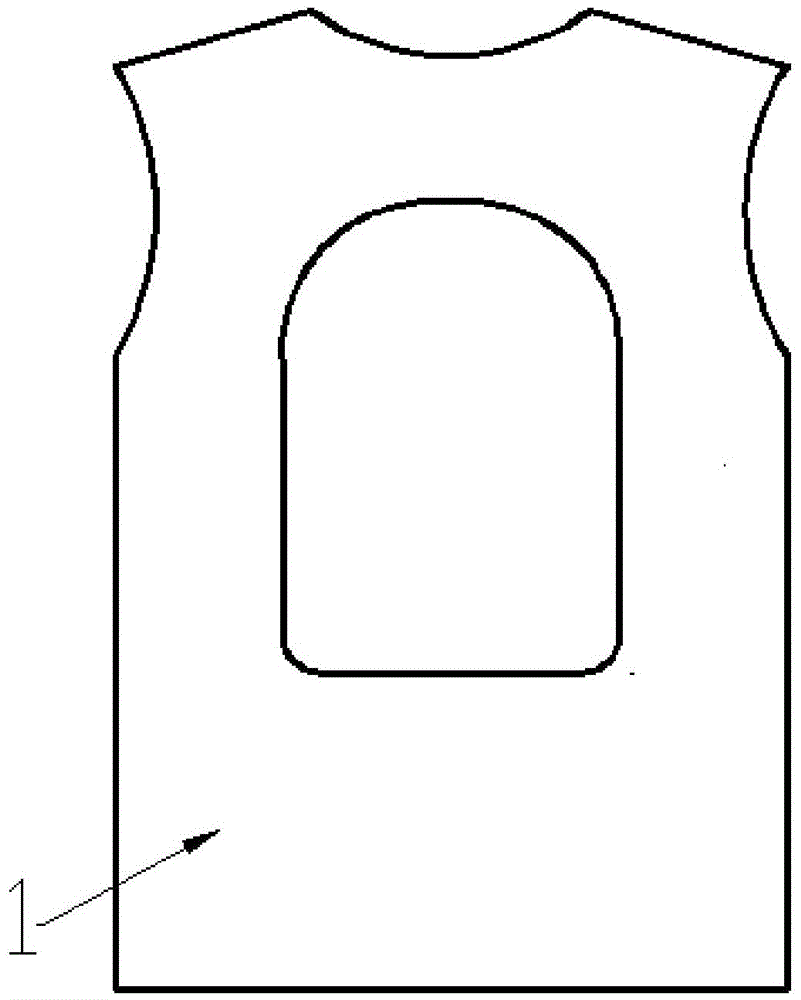
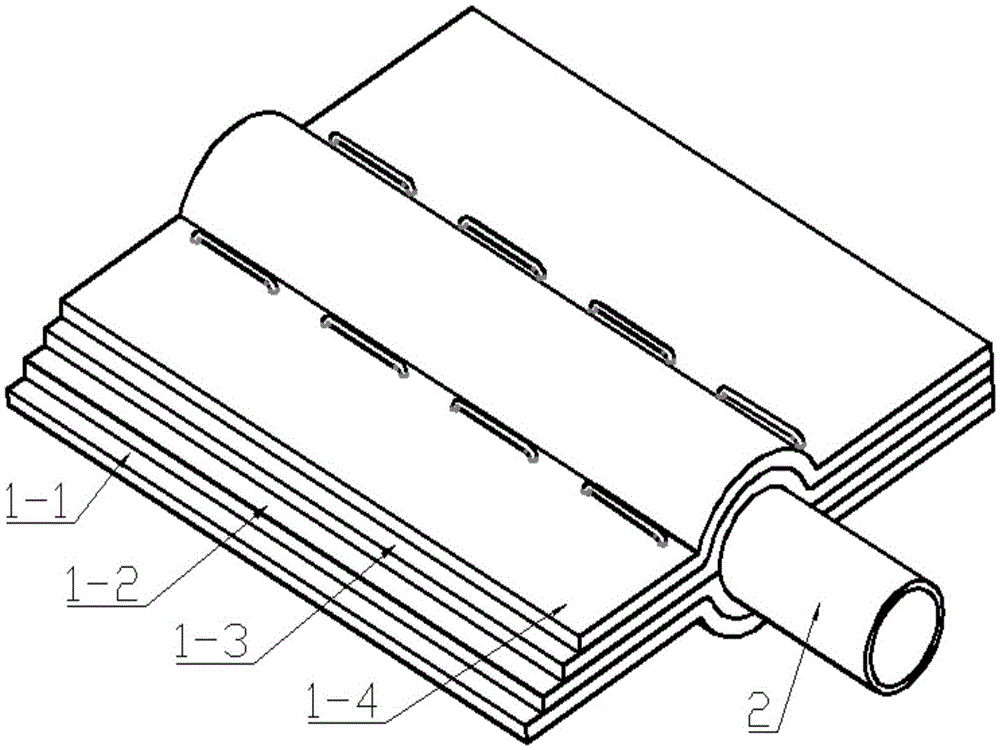
Wearable air conditioning garment based on micro refrigeration
PatentActiveCN105455242A
Innovation
- Wearable air-conditioning clothing based on micro-refrigeration is used, using a vapor compression refrigeration system combined with a water-divided capillary network and an intelligent control system to provide direct evaporative refrigeration, simplify the structure, reduce energy consumption, and improve heat exchange efficiency.


Manufacturing Scalability for Microfluidic Devices
Manufacturing scalability represents one of the most critical challenges in transitioning microfluidic cooling systems from laboratory prototypes to commercially viable wearable technology products. Current microfluidic device fabrication relies heavily on precision microfabrication techniques that were originally developed for semiconductor and MEMS industries, including photolithography, soft lithography, and precision molding processes.
The predominant manufacturing approach utilizes polydimethylsiloxane (PDMS) casting and glass substrate bonding, which offers excellent prototyping capabilities but faces significant limitations in high-volume production. These methods typically achieve throughput rates of hundreds to low thousands of units per day, far below the millions of units required for consumer wearable markets. Additionally, the manual assembly steps required for channel sealing and fluidic connections introduce quality variability and increase labor costs substantially.
Injection molding emerges as the most promising pathway for achieving manufacturing scalability, particularly for thermoplastic substrates such as cyclic olefin copolymer (COC) and polymethyl methacrylate (PMMA). Advanced injection molding techniques can replicate microfluidic channel geometries with feature sizes down to 10-50 micrometers while maintaining production rates exceeding 100,000 units per day. However, achieving the precise dimensional tolerances required for effective thermal management remains challenging, particularly for maintaining consistent channel cross-sections and surface roughness specifications.
Roll-to-roll processing presents another scalable manufacturing avenue, especially suitable for flexible wearable applications. This continuous manufacturing process can produce microfluidic substrates on polymer films at industrial scales, with potential throughput rates reaching millions of linear meters annually. The integration of hot embossing and lamination steps within roll-to-roll systems enables the creation of sealed microfluidic networks suitable for cooling applications.
Quality control and process monitoring become increasingly complex at manufacturing scales. Automated optical inspection systems must verify channel integrity, dimensional accuracy, and leak-tight sealing across thousands of units per hour. Statistical process control methodologies need adaptation to accommodate the unique failure modes of microfluidic systems, including channel blockage, delamination, and thermal performance degradation.
Cost optimization requires careful balance between material selection, process complexity, and performance requirements. While advanced materials like specialized heat-conducting polymers offer superior thermal properties, their higher costs may limit market adoption. Manufacturing scalability ultimately depends on achieving target retail price points while maintaining the thermal performance necessary for effective wearable cooling applications.
The predominant manufacturing approach utilizes polydimethylsiloxane (PDMS) casting and glass substrate bonding, which offers excellent prototyping capabilities but faces significant limitations in high-volume production. These methods typically achieve throughput rates of hundreds to low thousands of units per day, far below the millions of units required for consumer wearable markets. Additionally, the manual assembly steps required for channel sealing and fluidic connections introduce quality variability and increase labor costs substantially.
Injection molding emerges as the most promising pathway for achieving manufacturing scalability, particularly for thermoplastic substrates such as cyclic olefin copolymer (COC) and polymethyl methacrylate (PMMA). Advanced injection molding techniques can replicate microfluidic channel geometries with feature sizes down to 10-50 micrometers while maintaining production rates exceeding 100,000 units per day. However, achieving the precise dimensional tolerances required for effective thermal management remains challenging, particularly for maintaining consistent channel cross-sections and surface roughness specifications.
Roll-to-roll processing presents another scalable manufacturing avenue, especially suitable for flexible wearable applications. This continuous manufacturing process can produce microfluidic substrates on polymer films at industrial scales, with potential throughput rates reaching millions of linear meters annually. The integration of hot embossing and lamination steps within roll-to-roll systems enables the creation of sealed microfluidic networks suitable for cooling applications.
Quality control and process monitoring become increasingly complex at manufacturing scales. Automated optical inspection systems must verify channel integrity, dimensional accuracy, and leak-tight sealing across thousands of units per hour. Statistical process control methodologies need adaptation to accommodate the unique failure modes of microfluidic systems, including channel blockage, delamination, and thermal performance degradation.
Cost optimization requires careful balance between material selection, process complexity, and performance requirements. While advanced materials like specialized heat-conducting polymers offer superior thermal properties, their higher costs may limit market adoption. Manufacturing scalability ultimately depends on achieving target retail price points while maintaining the thermal performance necessary for effective wearable cooling applications.
Biocompatibility and Safety Standards for Skin Contact
Microfluidic cooling systems for wearable technology must adhere to stringent biocompatibility standards to ensure safe prolonged skin contact. The primary regulatory framework governing these devices includes ISO 10993 series standards, which establish biological evaluation protocols for medical devices. These standards encompass cytotoxicity testing, sensitization assessment, and irritation evaluation to determine material safety for human contact.
The selection of biocompatible materials represents a critical design consideration for microfluidic cooling systems. Silicone-based polymers, particularly polydimethylsiloxane (PDMS), demonstrate excellent biocompatibility profiles and are widely accepted for skin-contact applications. These materials exhibit low toxicity, minimal inflammatory response, and resistance to protein adsorption, making them suitable for extended wear scenarios.
Surface treatment protocols play a vital role in enhancing biocompatibility. Plasma treatment, UV sterilization, and chemical functionalization can modify surface properties to reduce bacterial adhesion and improve skin tolerance. The surface roughness must be carefully controlled to prevent mechanical irritation while maintaining adequate heat transfer efficiency.
Coolant selection requires careful evaluation of potential leakage scenarios and their biological implications. Deionized water remains the safest option, though additives for freeze protection or antimicrobial properties must undergo comprehensive toxicological assessment. Any coolant formulation must demonstrate non-cytotoxic properties and minimal skin penetration potential.
Temperature regulation protocols must prevent thermal injury while maintaining cooling effectiveness. The device should incorporate fail-safe mechanisms to prevent temperatures below 15°C or above 40°C at the skin interface. Continuous temperature monitoring and automatic shutdown capabilities are essential safety features.
Long-term biocompatibility assessment requires evaluation of chronic exposure effects, including potential for allergic sensitization and cumulative skin damage. Accelerated aging studies help predict material degradation and potential release of harmful compounds over the device's operational lifetime.
The selection of biocompatible materials represents a critical design consideration for microfluidic cooling systems. Silicone-based polymers, particularly polydimethylsiloxane (PDMS), demonstrate excellent biocompatibility profiles and are widely accepted for skin-contact applications. These materials exhibit low toxicity, minimal inflammatory response, and resistance to protein adsorption, making them suitable for extended wear scenarios.
Surface treatment protocols play a vital role in enhancing biocompatibility. Plasma treatment, UV sterilization, and chemical functionalization can modify surface properties to reduce bacterial adhesion and improve skin tolerance. The surface roughness must be carefully controlled to prevent mechanical irritation while maintaining adequate heat transfer efficiency.
Coolant selection requires careful evaluation of potential leakage scenarios and their biological implications. Deionized water remains the safest option, though additives for freeze protection or antimicrobial properties must undergo comprehensive toxicological assessment. Any coolant formulation must demonstrate non-cytotoxic properties and minimal skin penetration potential.
Temperature regulation protocols must prevent thermal injury while maintaining cooling effectiveness. The device should incorporate fail-safe mechanisms to prevent temperatures below 15°C or above 40°C at the skin interface. Continuous temperature monitoring and automatic shutdown capabilities are essential safety features.
Long-term biocompatibility assessment requires evaluation of chronic exposure effects, including potential for allergic sensitization and cumulative skin damage. Accelerated aging studies help predict material degradation and potential release of harmful compounds over the device's operational lifetime.
Unlock deeper insights with PatSnap Eureka Quick Research — get a full tech report to explore trends and direct your research. Try now!
Generate Your Research Report Instantly with AI Agent
Supercharge your innovation with PatSnap Eureka AI Agent Platform!