
How to Implement Optic Switch Security in High-Risk Applications
APR 21, 20269 MIN READ
Generate Your Research Report Instantly with AI Agent
Patsnap Eureka helps you evaluate technical feasibility & market potential.
Optical Switch Security Background and Objectives
Optical switching technology has evolved from basic mechanical systems to sophisticated electronic and all-optical architectures over the past several decades. Initially developed for telecommunications infrastructure, optical switches have become critical components in data centers, cloud computing environments, and high-performance computing networks. The technology's ability to route optical signals without electrical conversion offers significant advantages in terms of speed, bandwidth, and power efficiency.
The evolution of optical switching has been driven by increasing demands for higher data transmission rates and lower latency in network communications. Early implementations focused primarily on functionality and performance, with security considerations often treated as secondary concerns. However, as optical switches have been deployed in increasingly sensitive applications, including financial trading systems, government networks, and critical infrastructure, security has emerged as a paramount requirement.
High-risk applications present unique challenges for optical switch security implementation. These environments typically involve sensitive data transmission, require strict access controls, and must maintain operational integrity under potential attack scenarios. The physical nature of optical signals introduces both vulnerabilities and opportunities for security enhancement that differ significantly from traditional electronic switching systems.
Current security challenges in optical switching include signal interception through fiber tapping, unauthorized access to switching control systems, and potential manipulation of optical pathways. The transparent nature of optical networks can make intrusion detection more complex compared to electronic systems, while the high-speed operation requirements limit the implementation of traditional security protocols that might introduce unacceptable latency.
The primary objective of implementing optical switch security in high-risk applications is to establish comprehensive protection mechanisms that safeguard both the data integrity and network availability without compromising performance. This involves developing multi-layered security approaches that address physical layer vulnerabilities, control plane security, and management system protection.
Key technical objectives include implementing real-time monitoring capabilities for detecting unauthorized optical signal access, establishing secure authentication mechanisms for switch control operations, and developing encryption methods suitable for high-speed optical environments. Additionally, the security implementation must ensure compliance with industry-specific regulations and standards while maintaining the scalability and reliability expected in mission-critical applications.
The ultimate goal is to create a security framework that transforms optical switches from potential vulnerability points into trusted network components capable of operating securely in the most demanding environments while preserving the fundamental advantages of optical switching technology.
The evolution of optical switching has been driven by increasing demands for higher data transmission rates and lower latency in network communications. Early implementations focused primarily on functionality and performance, with security considerations often treated as secondary concerns. However, as optical switches have been deployed in increasingly sensitive applications, including financial trading systems, government networks, and critical infrastructure, security has emerged as a paramount requirement.
High-risk applications present unique challenges for optical switch security implementation. These environments typically involve sensitive data transmission, require strict access controls, and must maintain operational integrity under potential attack scenarios. The physical nature of optical signals introduces both vulnerabilities and opportunities for security enhancement that differ significantly from traditional electronic switching systems.
Current security challenges in optical switching include signal interception through fiber tapping, unauthorized access to switching control systems, and potential manipulation of optical pathways. The transparent nature of optical networks can make intrusion detection more complex compared to electronic systems, while the high-speed operation requirements limit the implementation of traditional security protocols that might introduce unacceptable latency.
The primary objective of implementing optical switch security in high-risk applications is to establish comprehensive protection mechanisms that safeguard both the data integrity and network availability without compromising performance. This involves developing multi-layered security approaches that address physical layer vulnerabilities, control plane security, and management system protection.
Key technical objectives include implementing real-time monitoring capabilities for detecting unauthorized optical signal access, establishing secure authentication mechanisms for switch control operations, and developing encryption methods suitable for high-speed optical environments. Additionally, the security implementation must ensure compliance with industry-specific regulations and standards while maintaining the scalability and reliability expected in mission-critical applications.
The ultimate goal is to create a security framework that transforms optical switches from potential vulnerability points into trusted network components capable of operating securely in the most demanding environments while preserving the fundamental advantages of optical switching technology.
High-Risk Application Market Demand Analysis
The demand for secure optical switching solutions in high-risk applications has experienced substantial growth driven by the increasing digitization of critical infrastructure and the escalating sophistication of cyber threats. Defense and military sectors represent the largest segment, where optical switches must operate in environments with stringent security requirements, electromagnetic interference, and potential physical tampering. These applications demand solutions that can maintain signal integrity while providing robust authentication and encryption capabilities.
Financial services institutions constitute another major demand driver, particularly in high-frequency trading environments and secure data centers where microsecond-level latency combined with absolute security is paramount. The growing adoption of quantum computing research facilities has created additional demand for optical switching security, as these environments require protection against both classical and quantum-based attack vectors.
Critical infrastructure sectors including power grids, water treatment facilities, and transportation networks are increasingly recognizing the vulnerability of their optical communication systems. Recent incidents involving infrastructure cyberattacks have accelerated procurement cycles and elevated security requirements beyond traditional IT standards. These sectors specifically require optical switches that can operate reliably under harsh environmental conditions while maintaining continuous security monitoring capabilities.
The aerospace and satellite communication markets present unique challenges, demanding optical switching solutions that can function in space environments while providing end-to-end encryption and anti-jamming capabilities. Government agencies and intelligence organizations require optical switches with advanced features such as quantum key distribution compatibility and hardware-based security modules that meet classified information handling standards.
Healthcare systems managing sensitive patient data and research institutions handling proprietary information represent emerging high-growth segments. These markets require optical switching solutions that comply with strict regulatory frameworks while maintaining high availability and performance standards. The increasing interconnectedness of medical devices and research equipment has created new attack surfaces that demand sophisticated optical network security measures.
Market demand is further intensified by regulatory compliance requirements across various jurisdictions, with organizations seeking optical switching solutions that can demonstrate adherence to evolving cybersecurity frameworks and provide comprehensive audit trails for security incidents.
Financial services institutions constitute another major demand driver, particularly in high-frequency trading environments and secure data centers where microsecond-level latency combined with absolute security is paramount. The growing adoption of quantum computing research facilities has created additional demand for optical switching security, as these environments require protection against both classical and quantum-based attack vectors.
Critical infrastructure sectors including power grids, water treatment facilities, and transportation networks are increasingly recognizing the vulnerability of their optical communication systems. Recent incidents involving infrastructure cyberattacks have accelerated procurement cycles and elevated security requirements beyond traditional IT standards. These sectors specifically require optical switches that can operate reliably under harsh environmental conditions while maintaining continuous security monitoring capabilities.
The aerospace and satellite communication markets present unique challenges, demanding optical switching solutions that can function in space environments while providing end-to-end encryption and anti-jamming capabilities. Government agencies and intelligence organizations require optical switches with advanced features such as quantum key distribution compatibility and hardware-based security modules that meet classified information handling standards.
Healthcare systems managing sensitive patient data and research institutions handling proprietary information represent emerging high-growth segments. These markets require optical switching solutions that comply with strict regulatory frameworks while maintaining high availability and performance standards. The increasing interconnectedness of medical devices and research equipment has created new attack surfaces that demand sophisticated optical network security measures.
Market demand is further intensified by regulatory compliance requirements across various jurisdictions, with organizations seeking optical switching solutions that can demonstrate adherence to evolving cybersecurity frameworks and provide comprehensive audit trails for security incidents.
Current Security Challenges in Optical Switching
Optical switching systems in high-risk applications face unprecedented security challenges that stem from both the inherent characteristics of optical networks and the sophisticated threat landscape targeting critical infrastructure. The transparent nature of optical signals creates unique vulnerabilities that differ fundamentally from traditional electronic network security concerns, requiring specialized approaches to threat detection and mitigation.
Physical layer security represents one of the most significant challenges in optical switching environments. Unlike electronic systems where signals are naturally confined within conductors, optical signals can be intercepted through fiber tapping, bend-induced losses, or evanescent field coupling without disrupting the primary data transmission. This passive interception capability makes unauthorized access detection extremely difficult, as traditional monitoring methods may not register the presence of malicious actors.
Signal integrity attacks pose another critical challenge, where adversaries can inject false optical signals or manipulate existing transmissions through techniques such as wavelength spoofing, power manipulation, or timing attacks. These attacks can compromise data authenticity and system reliability while remaining virtually undetectable through conventional network monitoring tools.
The distributed nature of optical switching infrastructure creates additional security complexities. High-risk applications often span multiple geographic locations with extensive fiber networks, amplifiers, and switching nodes that present numerous potential attack vectors. Each component in the optical path represents a potential compromise point, from remote optical amplifiers to unmanned switching stations.
Authentication and access control mechanisms face unique implementation challenges in optical environments. Traditional cryptographic approaches designed for electronic systems may introduce unacceptable latency or require signal conversion that compromises the inherent advantages of all-optical switching. The high-speed, low-latency requirements of optical systems limit the applicability of conventional security protocols.
Network management and control plane vulnerabilities represent another significant concern. While the optical data plane may be secured, the electronic control systems managing wavelength allocation, routing decisions, and network configuration often rely on standard IP-based protocols that inherit traditional network security vulnerabilities. Compromise of these control systems can enable attackers to manipulate optical switching behavior without directly accessing the optical signals.
Quantum-based attacks present an emerging threat category that specifically targets optical communication systems. As quantum computing capabilities advance, the cryptographic foundations protecting optical networks face potential obsolescence, requiring proactive development of quantum-resistant security measures tailored for optical switching environments.
Physical layer security represents one of the most significant challenges in optical switching environments. Unlike electronic systems where signals are naturally confined within conductors, optical signals can be intercepted through fiber tapping, bend-induced losses, or evanescent field coupling without disrupting the primary data transmission. This passive interception capability makes unauthorized access detection extremely difficult, as traditional monitoring methods may not register the presence of malicious actors.
Signal integrity attacks pose another critical challenge, where adversaries can inject false optical signals or manipulate existing transmissions through techniques such as wavelength spoofing, power manipulation, or timing attacks. These attacks can compromise data authenticity and system reliability while remaining virtually undetectable through conventional network monitoring tools.
The distributed nature of optical switching infrastructure creates additional security complexities. High-risk applications often span multiple geographic locations with extensive fiber networks, amplifiers, and switching nodes that present numerous potential attack vectors. Each component in the optical path represents a potential compromise point, from remote optical amplifiers to unmanned switching stations.
Authentication and access control mechanisms face unique implementation challenges in optical environments. Traditional cryptographic approaches designed for electronic systems may introduce unacceptable latency or require signal conversion that compromises the inherent advantages of all-optical switching. The high-speed, low-latency requirements of optical systems limit the applicability of conventional security protocols.
Network management and control plane vulnerabilities represent another significant concern. While the optical data plane may be secured, the electronic control systems managing wavelength allocation, routing decisions, and network configuration often rely on standard IP-based protocols that inherit traditional network security vulnerabilities. Compromise of these control systems can enable attackers to manipulate optical switching behavior without directly accessing the optical signals.
Quantum-based attacks present an emerging threat category that specifically targets optical communication systems. As quantum computing capabilities advance, the cryptographic foundations protecting optical networks face potential obsolescence, requiring proactive development of quantum-resistant security measures tailored for optical switching environments.
Existing Optical Switch Security Solutions
01 Physical layer security mechanisms for optical switches
Security measures implemented at the physical layer of optical switching systems to prevent unauthorized access and tampering. These mechanisms include physical barriers, tamper detection sensors, and secure housing designs that protect optical components from physical intrusion. The approaches focus on detecting and preventing physical manipulation of optical fibers, connectors, and switching elements to maintain network integrity.- Physical layer security mechanisms for optical switches: Security measures implemented at the physical layer of optical switching systems to prevent unauthorized access and tampering. These mechanisms include physical barriers, tamper detection sensors, and secure housing designs that protect optical components from physical intrusion. The approaches focus on detecting and preventing physical manipulation of optical fibers, connectors, and switching elements to maintain network integrity.
- Authentication and access control for optical networks: Implementation of authentication protocols and access control mechanisms specifically designed for optical switching environments. These systems verify the identity of users and devices attempting to access the optical network, utilizing cryptographic methods and secure key exchange protocols. The technology ensures that only authorized entities can configure, control, or route data through optical switches, preventing unauthorized network access and data interception.
- Encryption and secure data transmission in optical systems: Methods for encrypting data transmitted through optical switches to protect against eavesdropping and unauthorized data access. These techniques employ various encryption algorithms and secure transmission protocols adapted for high-speed optical communications. The approaches include quantum key distribution, optical encryption at the physical layer, and secure wavelength division multiplexing to ensure confidential data transmission across optical networks.
- Intrusion detection and monitoring systems for optical switches: Systems designed to detect and alert administrators of potential security breaches or unauthorized activities in optical switching networks. These solutions monitor optical signal characteristics, switching patterns, and network traffic to identify anomalies that may indicate security threats. The technology includes real-time monitoring capabilities, automated threat response mechanisms, and logging systems for forensic analysis of security incidents.
- Secure switching architecture and redundancy mechanisms: Design approaches for optical switch architectures that incorporate security features and failsafe mechanisms to maintain network security during component failures or attacks. These architectures include redundant switching paths, secure backup systems, and isolation techniques that prevent security compromises from propagating through the network. The designs ensure continuous secure operation even under adverse conditions or targeted attacks.
02 Authentication and access control for optical networks
Implementation of authentication protocols and access control mechanisms specifically designed for optical switching environments. These systems verify the identity of users and devices attempting to access the optical network, ensuring only authorized entities can control or configure optical switches. The methods include cryptographic authentication, token-based access, and multi-factor verification tailored for optical communication systems.Expand Specific Solutions03 Encryption and secure data transmission in optical switches
Techniques for encrypting data transmitted through optical switching systems to protect against eavesdropping and unauthorized interception. These approaches implement encryption algorithms at various layers of the optical network stack, ensuring data confidentiality during transmission and switching operations. The methods address the unique challenges of maintaining high-speed performance while providing robust encryption in optical environments.Expand Specific Solutions04 Intrusion detection and monitoring systems for optical networks
Systems designed to detect and respond to security threats and unauthorized activities in optical switching networks. These solutions monitor optical signal characteristics, switching patterns, and network behavior to identify anomalies that may indicate security breaches. The monitoring systems provide real-time alerts and automated responses to potential security incidents affecting optical switch operations.Expand Specific Solutions05 Secure configuration and management of optical switching devices
Methods for securely configuring, managing, and updating optical switch devices to prevent unauthorized modifications and ensure system integrity. These approaches include secure boot processes, firmware validation, configuration lockdown mechanisms, and secure remote management protocols. The techniques protect against malicious configuration changes and ensure that optical switches operate according to authorized parameters.Expand Specific Solutions
Major Players in Secure Optical Networking
The optical switch security market for high-risk applications is experiencing rapid growth, driven by increasing cybersecurity threats and critical infrastructure protection needs. The industry is in an expansion phase with significant market potential, particularly in telecommunications, industrial automation, and defense sectors. Technology maturity varies considerably across market players, with telecommunications giants like Huawei Technologies, Ericsson, and ZTE leading in advanced optical networking solutions, while industrial automation specialists such as Pilz, EUCHNER, and Rockwell Automation focus on safety-critical applications. Defense contractors like Kongsberg Defence & Aerospace contribute specialized secure switching technologies. Research institutions including Shanghai University and Zhejiang University are advancing fundamental optical security research. The competitive landscape shows established players with mature technologies competing alongside emerging companies developing next-generation secure optical switching solutions for increasingly sophisticated threat environments.
Cisco Technology, Inc.
Technical Solution: Cisco's optical switch security solution for high-risk applications centers on their SecureX platform integrated with optical network infrastructure. The system employs zero-trust architecture principles, implementing continuous authentication and authorization for all optical network components. Their approach includes encrypted optical signal transmission using advanced cryptographic protocols, combined with network micro-segmentation to isolate critical optical pathways. Cisco's solution features real-time monitoring and analytics capabilities that can detect and respond to security threats within milliseconds, ensuring minimal disruption to optical switching operations in mission-critical environments.
Strengths: Mature zero-trust architecture and extensive integration capabilities with existing infrastructure. Weaknesses: Complex configuration requirements and dependency on proprietary protocols.
Huawei Technologies Co., Ltd.
Technical Solution: Huawei implements comprehensive optical switch security through multi-layered encryption protocols and quantum key distribution (QKD) technology for high-risk applications. Their solution incorporates advanced optical signal monitoring with real-time threat detection capabilities, utilizing AI-powered anomaly detection algorithms to identify potential security breaches in optical networks. The system features hardware-based security modules that provide tamper-resistant protection and secure key management for optical switching infrastructure. Additionally, Huawei's optical security framework includes network segmentation capabilities and encrypted optical channels that maintain data integrity even in compromised network segments.
Strengths: Advanced quantum encryption capabilities and comprehensive AI-driven threat detection. Weaknesses: High implementation costs and potential geopolitical restrictions in certain markets.
Core Security Innovations in Optical Switching
Security switch
PatentActiveUS20190258092A1
Innovation
- The development of optical switching devices using fiber-Bragg gratings (FBGs) that operate without electrical power, allowing for remote communication and detecting changes in external elements through wavelength shifts, suitable for use in noisy, remote, and explosive environments, and capable of detecting tampering without physical contact.


Method and architecture for secure transmission of data within optical switched networks
PatentInactiveUS20050175183A1
Innovation
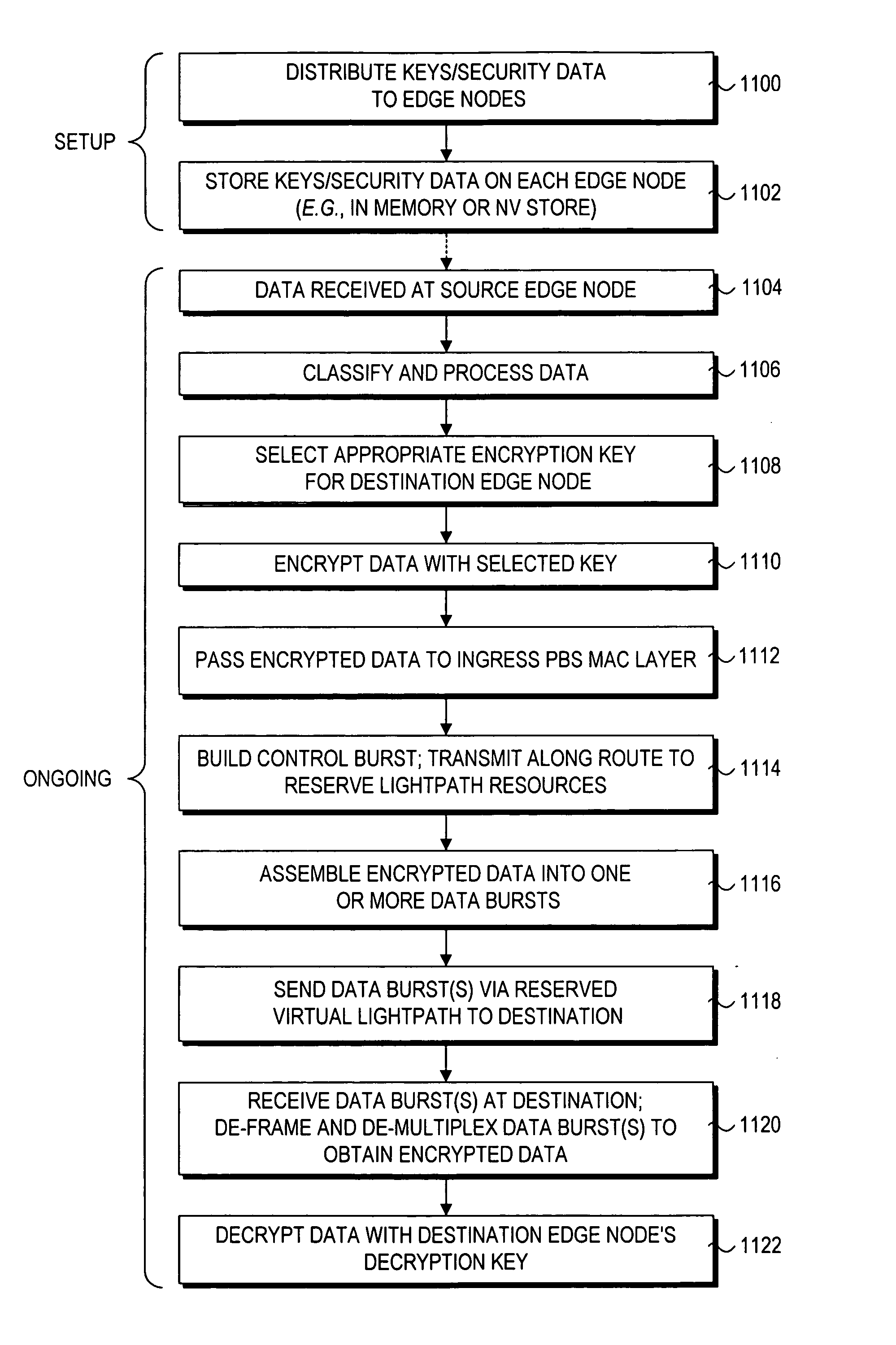
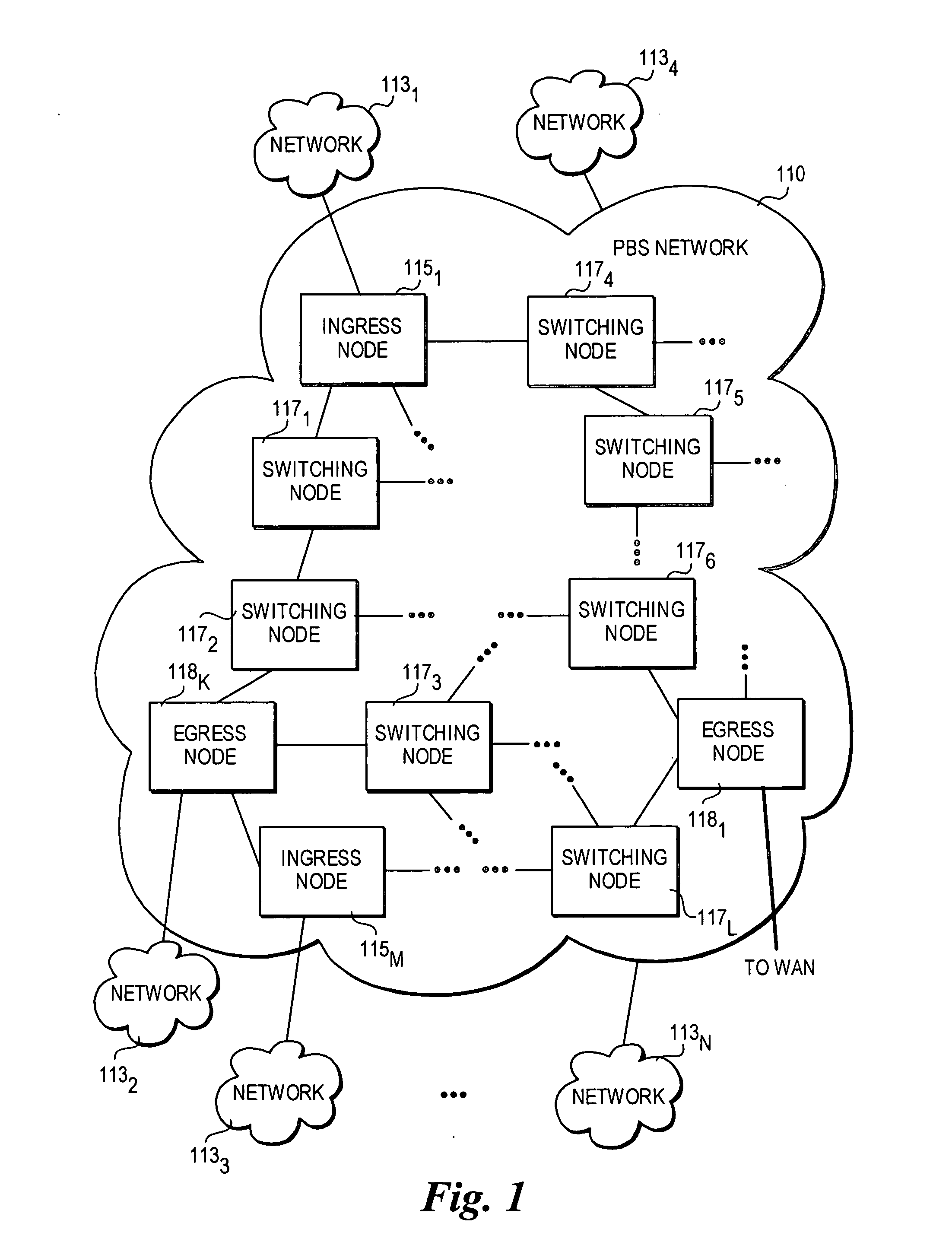
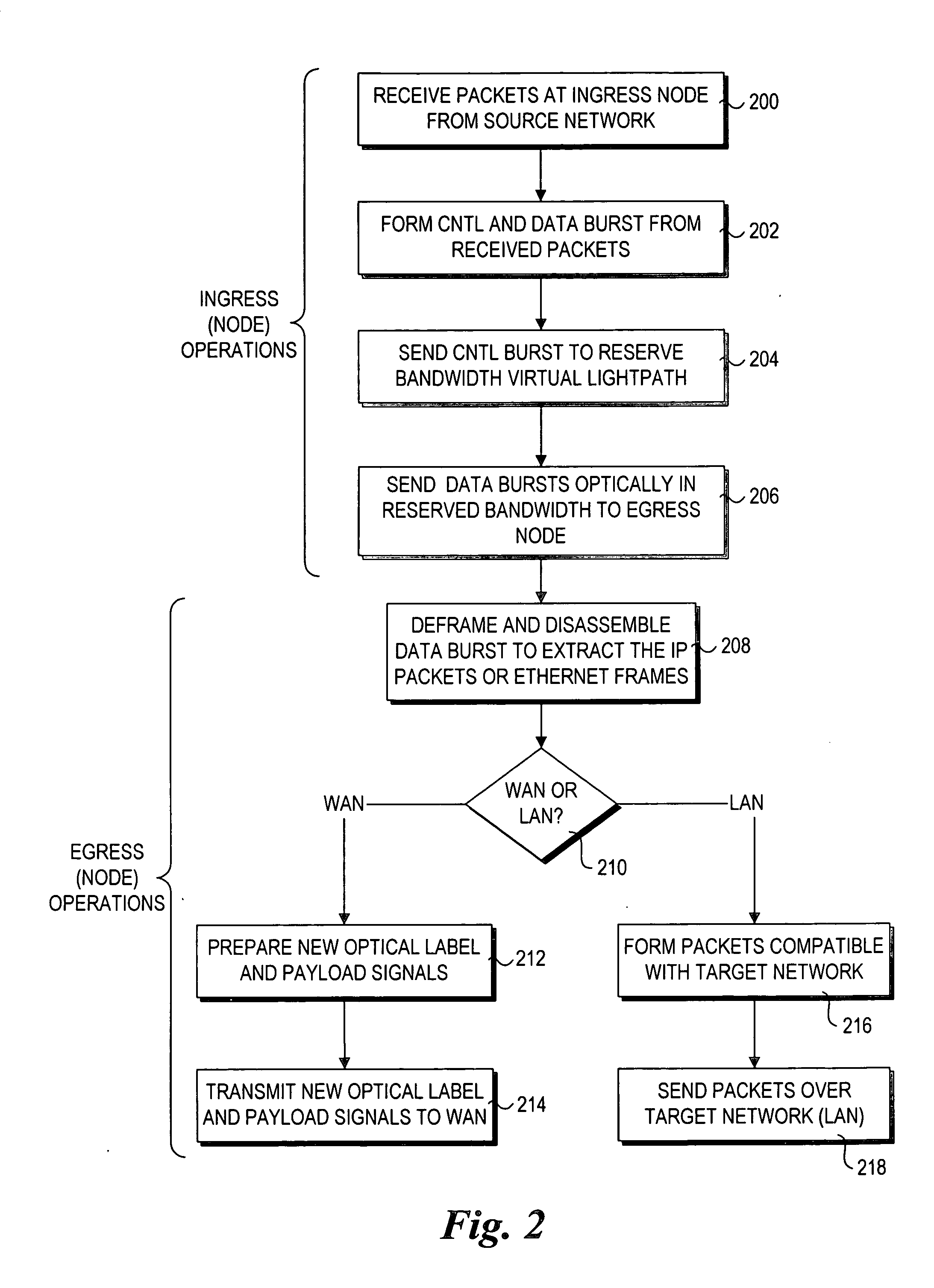
- The implementation of photonic burst-switched (PBS) networks that perform purely optical switching of data bursts, eliminating O-E-O conversion at switching nodes and incorporating security measures through encryption and key distribution schemes to ensure secure data transmission.

Compliance Standards for High-Risk Optical Systems
High-risk optical systems must adhere to stringent compliance standards that vary significantly across different industries and geographical regions. These standards are primarily driven by the critical nature of applications in sectors such as defense, aerospace, financial services, healthcare, and industrial control systems where optical switch failures could result in catastrophic consequences.
The International Electrotechnical Commission (IEC) provides foundational standards through IEC 61508 for functional safety of electrical/electronic/programmable electronic safety-related systems, which extends to optical switching components. This standard establishes Safety Integrity Levels (SIL) ranging from SIL 1 to SIL 4, with SIL 4 representing the highest safety requirements for applications where failure could result in multiple fatalities.
Military and defense applications must comply with MIL-STD-810 for environmental engineering considerations and MIL-STD-461 for electromagnetic interference requirements. These standards ensure optical switches can withstand extreme environmental conditions including temperature variations, shock, vibration, and electromagnetic pulse events. Additionally, the Common Criteria (ISO/IEC 15408) provides evaluation criteria for information technology security, establishing Evaluation Assurance Levels (EAL) from EAL1 to EAL7.
Financial sector implementations require adherence to regulatory frameworks such as the Payment Card Industry Data Security Standard (PCI DSS) and regional banking regulations like Basel III. These standards mandate specific encryption requirements, audit trails, and fail-safe mechanisms for optical switching infrastructure handling sensitive financial data.
Healthcare applications must comply with FDA regulations under 21 CFR Part 820 for medical device quality systems and HIPAA requirements for data protection. The IEC 62304 standard specifically addresses medical device software lifecycle processes, which increasingly applies to intelligent optical switching systems.
Aviation and aerospace sectors follow DO-178C for software considerations in airborne systems and DO-254 for hardware design assurance. These standards require extensive documentation, verification, and validation processes for optical components used in flight-critical systems.
Emerging compliance frameworks include the EU's Cyber Resilience Act and NIST's Cybersecurity Framework 2.0, which establish new requirements for supply chain security and incident response capabilities in optical switching systems deployed across critical infrastructure networks.
The International Electrotechnical Commission (IEC) provides foundational standards through IEC 61508 for functional safety of electrical/electronic/programmable electronic safety-related systems, which extends to optical switching components. This standard establishes Safety Integrity Levels (SIL) ranging from SIL 1 to SIL 4, with SIL 4 representing the highest safety requirements for applications where failure could result in multiple fatalities.
Military and defense applications must comply with MIL-STD-810 for environmental engineering considerations and MIL-STD-461 for electromagnetic interference requirements. These standards ensure optical switches can withstand extreme environmental conditions including temperature variations, shock, vibration, and electromagnetic pulse events. Additionally, the Common Criteria (ISO/IEC 15408) provides evaluation criteria for information technology security, establishing Evaluation Assurance Levels (EAL) from EAL1 to EAL7.
Financial sector implementations require adherence to regulatory frameworks such as the Payment Card Industry Data Security Standard (PCI DSS) and regional banking regulations like Basel III. These standards mandate specific encryption requirements, audit trails, and fail-safe mechanisms for optical switching infrastructure handling sensitive financial data.
Healthcare applications must comply with FDA regulations under 21 CFR Part 820 for medical device quality systems and HIPAA requirements for data protection. The IEC 62304 standard specifically addresses medical device software lifecycle processes, which increasingly applies to intelligent optical switching systems.
Aviation and aerospace sectors follow DO-178C for software considerations in airborne systems and DO-254 for hardware design assurance. These standards require extensive documentation, verification, and validation processes for optical components used in flight-critical systems.
Emerging compliance frameworks include the EU's Cyber Resilience Act and NIST's Cybersecurity Framework 2.0, which establish new requirements for supply chain security and incident response capabilities in optical switching systems deployed across critical infrastructure networks.
Risk Assessment Framework for Optical Networks
A comprehensive risk assessment framework for optical networks in high-risk applications requires a multi-layered approach that addresses both technical vulnerabilities and operational threats. The framework must establish systematic methodologies for identifying, quantifying, and mitigating security risks specific to optical switching infrastructure deployed in critical environments such as financial institutions, government facilities, and industrial control systems.
The foundation of this framework begins with threat modeling that categorizes potential attack vectors against optical networks. Physical layer threats include fiber tapping, signal interception through bend-induced losses, and insertion of malicious optical components. Network layer vulnerabilities encompass unauthorized access to optical switching nodes, manipulation of routing protocols, and exploitation of management interfaces. The framework must also account for supply chain risks, where compromised optical components could introduce backdoors or surveillance capabilities into the network infrastructure.
Risk quantification methodologies within the framework should incorporate both probabilistic assessments and impact analysis. This involves establishing baseline security metrics for optical signal integrity, measuring deviation patterns that could indicate security breaches, and correlating these measurements with potential business or operational impacts. The framework must define clear risk thresholds and escalation procedures for different severity levels of detected anomalies.
Continuous monitoring capabilities form a critical component of the risk assessment framework. Real-time analysis of optical power levels, signal quality parameters, and network topology changes enables early detection of potential security incidents. The framework should integrate automated monitoring systems with human oversight processes, ensuring that both technical anomalies and behavioral patterns are evaluated within the broader security context.
The framework must also establish regular assessment cycles that account for evolving threat landscapes and technological changes. Periodic vulnerability assessments, penetration testing of optical network components, and security audits of operational procedures ensure that the risk assessment remains current and effective. Integration with existing enterprise risk management systems enables holistic security oversight across all organizational assets and processes.
The foundation of this framework begins with threat modeling that categorizes potential attack vectors against optical networks. Physical layer threats include fiber tapping, signal interception through bend-induced losses, and insertion of malicious optical components. Network layer vulnerabilities encompass unauthorized access to optical switching nodes, manipulation of routing protocols, and exploitation of management interfaces. The framework must also account for supply chain risks, where compromised optical components could introduce backdoors or surveillance capabilities into the network infrastructure.
Risk quantification methodologies within the framework should incorporate both probabilistic assessments and impact analysis. This involves establishing baseline security metrics for optical signal integrity, measuring deviation patterns that could indicate security breaches, and correlating these measurements with potential business or operational impacts. The framework must define clear risk thresholds and escalation procedures for different severity levels of detected anomalies.
Continuous monitoring capabilities form a critical component of the risk assessment framework. Real-time analysis of optical power levels, signal quality parameters, and network topology changes enables early detection of potential security incidents. The framework should integrate automated monitoring systems with human oversight processes, ensuring that both technical anomalies and behavioral patterns are evaluated within the broader security context.
The framework must also establish regular assessment cycles that account for evolving threat landscapes and technological changes. Periodic vulnerability assessments, penetration testing of optical network components, and security audits of operational procedures ensure that the risk assessment remains current and effective. Integration with existing enterprise risk management systems enables holistic security oversight across all organizational assets and processes.
Unlock deeper insights with Patsnap Eureka Quick Research — get a full tech report to explore trends and direct your research. Try now!
Generate Your Research Report Instantly with AI Agent
Supercharge your innovation with Patsnap Eureka AI Agent Platform!