

How to Implement Predictive Maintenance for Slitting Machines
MAY 28, 20269 MIN READ
Generate Your Research Report Instantly with AI Agent
Patsnap Eureka helps you evaluate technical feasibility & market potential.
Slitting Machine Predictive Maintenance Background and Objectives
Slitting machines represent critical equipment in manufacturing industries, particularly in paper, film, textile, and metal processing sectors. These precision machines perform longitudinal cutting operations on continuous web materials, requiring exceptional accuracy and reliability to maintain product quality and production efficiency. The evolution of slitting technology has progressed from purely mechanical systems to sophisticated computer-controlled equipment incorporating advanced sensors and automation capabilities.
The manufacturing landscape has witnessed a paradigm shift toward Industry 4.0 principles, emphasizing smart manufacturing, connectivity, and data-driven decision making. Traditional reactive maintenance approaches, where equipment repairs occur after failures, have proven inadequate for modern production demands. Unplanned downtime in slitting operations can result in significant financial losses, ranging from thousands to millions of dollars depending on production scale and material costs.
Predictive maintenance emerges as a transformative approach that leverages advanced technologies including Internet of Things sensors, machine learning algorithms, and data analytics to anticipate equipment failures before they occur. This methodology represents a fundamental departure from time-based preventive maintenance schedules, instead utilizing real-time condition monitoring and historical performance data to optimize maintenance timing and resource allocation.
The convergence of affordable sensor technologies, cloud computing infrastructure, and sophisticated analytics platforms has made predictive maintenance increasingly accessible to manufacturers of all sizes. Modern slitting machines generate vast amounts of operational data through embedded sensors monitoring parameters such as vibration, temperature, pressure, and cutting force variations.
The primary objective of implementing predictive maintenance for slitting machines centers on achieving operational excellence through proactive equipment management. This involves developing comprehensive monitoring systems capable of detecting early warning signs of potential failures, enabling maintenance teams to schedule interventions during planned downtime windows rather than responding to emergency breakdowns.
Secondary objectives include optimizing maintenance costs by transitioning from fixed-schedule maintenance to condition-based interventions, thereby reducing unnecessary part replacements and labor expenses. Additionally, the implementation aims to enhance product quality consistency by maintaining optimal machine performance parameters and minimizing variations that could affect cutting precision and material waste rates.
Long-term strategic goals encompass building organizational capabilities in data analytics and predictive technologies, establishing foundations for broader digital transformation initiatives across manufacturing operations, and creating competitive advantages through superior equipment reliability and operational efficiency.
The manufacturing landscape has witnessed a paradigm shift toward Industry 4.0 principles, emphasizing smart manufacturing, connectivity, and data-driven decision making. Traditional reactive maintenance approaches, where equipment repairs occur after failures, have proven inadequate for modern production demands. Unplanned downtime in slitting operations can result in significant financial losses, ranging from thousands to millions of dollars depending on production scale and material costs.
Predictive maintenance emerges as a transformative approach that leverages advanced technologies including Internet of Things sensors, machine learning algorithms, and data analytics to anticipate equipment failures before they occur. This methodology represents a fundamental departure from time-based preventive maintenance schedules, instead utilizing real-time condition monitoring and historical performance data to optimize maintenance timing and resource allocation.
The convergence of affordable sensor technologies, cloud computing infrastructure, and sophisticated analytics platforms has made predictive maintenance increasingly accessible to manufacturers of all sizes. Modern slitting machines generate vast amounts of operational data through embedded sensors monitoring parameters such as vibration, temperature, pressure, and cutting force variations.
The primary objective of implementing predictive maintenance for slitting machines centers on achieving operational excellence through proactive equipment management. This involves developing comprehensive monitoring systems capable of detecting early warning signs of potential failures, enabling maintenance teams to schedule interventions during planned downtime windows rather than responding to emergency breakdowns.
Secondary objectives include optimizing maintenance costs by transitioning from fixed-schedule maintenance to condition-based interventions, thereby reducing unnecessary part replacements and labor expenses. Additionally, the implementation aims to enhance product quality consistency by maintaining optimal machine performance parameters and minimizing variations that could affect cutting precision and material waste rates.
Long-term strategic goals encompass building organizational capabilities in data analytics and predictive technologies, establishing foundations for broader digital transformation initiatives across manufacturing operations, and creating competitive advantages through superior equipment reliability and operational efficiency.
Market Demand for Smart Manufacturing and Predictive Solutions
The global manufacturing sector is experiencing unprecedented transformation driven by Industry 4.0 initiatives, with smart manufacturing emerging as a critical competitive differentiator. Manufacturing companies worldwide are increasingly recognizing that traditional reactive maintenance approaches result in substantial operational inefficiencies, including unplanned downtime, excessive maintenance costs, and reduced equipment lifespan. This recognition has catalyzed significant demand for predictive maintenance solutions across various industrial sectors.
The slitting machine market represents a particularly compelling opportunity for predictive maintenance implementation. These precision machines are essential in converting industries including paper, film, foil, and textile manufacturing, where even minor equipment failures can result in substantial production losses and quality issues. The complexity of slitting operations, involving multiple cutting stations, tension control systems, and rewinding mechanisms, creates numerous potential failure points that benefit significantly from predictive monitoring approaches.
Market research indicates that manufacturers operating slitting equipment face average unplanned downtime costs that can reach thousands of dollars per hour, depending on production volume and material value. The economic impact extends beyond immediate production losses to include material waste, customer delivery delays, and emergency repair expenses. These pain points have created strong market pull for solutions that can predict equipment failures before they occur.
The convergence of several technological trends has made predictive maintenance solutions increasingly accessible and cost-effective. Advanced sensor technologies now enable real-time monitoring of critical parameters such as vibration, temperature, current consumption, and acoustic emissions at previously unattainable price points. Simultaneously, cloud computing platforms and edge processing capabilities have democratized access to sophisticated data analytics and machine learning algorithms necessary for effective predictive modeling.
Industrial Internet of Things adoption has reached a tipping point where connectivity infrastructure and data management platforms are becoming standard components of manufacturing operations. This technological foundation creates favorable conditions for implementing comprehensive predictive maintenance systems that can integrate seamlessly with existing manufacturing execution systems and enterprise resource planning platforms.
The competitive landscape in smart manufacturing solutions has intensified significantly, with both established industrial automation companies and emerging technology startups developing specialized predictive maintenance offerings. This competition has accelerated innovation while driving down implementation costs, making predictive maintenance solutions accessible to mid-market manufacturers who previously could not justify such investments.
Regulatory pressures and sustainability initiatives are also contributing to market demand growth. Manufacturing companies face increasing requirements for operational efficiency, waste reduction, and environmental compliance, all of which benefit from optimized maintenance strategies that predictive approaches enable.
The slitting machine market represents a particularly compelling opportunity for predictive maintenance implementation. These precision machines are essential in converting industries including paper, film, foil, and textile manufacturing, where even minor equipment failures can result in substantial production losses and quality issues. The complexity of slitting operations, involving multiple cutting stations, tension control systems, and rewinding mechanisms, creates numerous potential failure points that benefit significantly from predictive monitoring approaches.
Market research indicates that manufacturers operating slitting equipment face average unplanned downtime costs that can reach thousands of dollars per hour, depending on production volume and material value. The economic impact extends beyond immediate production losses to include material waste, customer delivery delays, and emergency repair expenses. These pain points have created strong market pull for solutions that can predict equipment failures before they occur.
The convergence of several technological trends has made predictive maintenance solutions increasingly accessible and cost-effective. Advanced sensor technologies now enable real-time monitoring of critical parameters such as vibration, temperature, current consumption, and acoustic emissions at previously unattainable price points. Simultaneously, cloud computing platforms and edge processing capabilities have democratized access to sophisticated data analytics and machine learning algorithms necessary for effective predictive modeling.
Industrial Internet of Things adoption has reached a tipping point where connectivity infrastructure and data management platforms are becoming standard components of manufacturing operations. This technological foundation creates favorable conditions for implementing comprehensive predictive maintenance systems that can integrate seamlessly with existing manufacturing execution systems and enterprise resource planning platforms.
The competitive landscape in smart manufacturing solutions has intensified significantly, with both established industrial automation companies and emerging technology startups developing specialized predictive maintenance offerings. This competition has accelerated innovation while driving down implementation costs, making predictive maintenance solutions accessible to mid-market manufacturers who previously could not justify such investments.
Regulatory pressures and sustainability initiatives are also contributing to market demand growth. Manufacturing companies face increasing requirements for operational efficiency, waste reduction, and environmental compliance, all of which benefit from optimized maintenance strategies that predictive approaches enable.
Current State of Slitting Machine Monitoring Technologies
The current landscape of slitting machine monitoring technologies encompasses a diverse array of sensor-based systems and data acquisition methods. Traditional monitoring approaches primarily rely on vibration sensors, temperature sensors, and current monitoring systems to track machine health parameters. These conventional systems typically operate on threshold-based alarm mechanisms, triggering alerts when predetermined limits are exceeded.
Vibration monitoring represents the most established technology in this domain, utilizing accelerometers and proximity sensors to detect bearing wear, shaft misalignment, and blade deterioration. Modern implementations incorporate wireless sensor networks that enable real-time data transmission without extensive cabling infrastructure. Temperature monitoring systems focus on critical components such as motor windings, bearings, and cutting assemblies, employing infrared sensors and thermocouples to identify thermal anomalies.
Current monitoring technologies have evolved to include motor current signature analysis, which provides insights into mechanical and electrical faults through power consumption patterns. This approach proves particularly effective for detecting blade dullness, material feed irregularities, and drive system issues. Additionally, acoustic emission monitoring is gaining traction for detecting early-stage crack formation and material defects during the slitting process.
Industrial Internet of Things platforms now integrate multiple monitoring technologies into comprehensive systems. These platforms combine edge computing capabilities with cloud-based analytics to process large volumes of sensor data. Machine learning algorithms are increasingly being deployed to identify patterns and correlations that traditional rule-based systems cannot detect.
However, significant challenges persist in current monitoring implementations. Many existing systems suffer from high false alarm rates, leading to unnecessary maintenance interventions and production disruptions. Integration complexity remains a barrier, particularly when retrofitting older slitting machines with modern monitoring equipment. Data quality issues, including sensor drift and environmental interference, continue to impact system reliability.
The geographical distribution of advanced monitoring technologies shows concentration in developed manufacturing regions, with European and North American facilities leading adoption rates. Asian markets are rapidly expanding their implementation of smart monitoring systems, driven by Industry 4.0 initiatives and increasing quality requirements.
Current technology gaps include limited predictive capabilities beyond simple trend analysis, insufficient integration between different monitoring systems, and lack of standardized data formats across equipment manufacturers. These limitations highlight the need for more sophisticated predictive maintenance approaches that can leverage artificial intelligence and advanced analytics to transform raw monitoring data into actionable maintenance insights.
Vibration monitoring represents the most established technology in this domain, utilizing accelerometers and proximity sensors to detect bearing wear, shaft misalignment, and blade deterioration. Modern implementations incorporate wireless sensor networks that enable real-time data transmission without extensive cabling infrastructure. Temperature monitoring systems focus on critical components such as motor windings, bearings, and cutting assemblies, employing infrared sensors and thermocouples to identify thermal anomalies.
Current monitoring technologies have evolved to include motor current signature analysis, which provides insights into mechanical and electrical faults through power consumption patterns. This approach proves particularly effective for detecting blade dullness, material feed irregularities, and drive system issues. Additionally, acoustic emission monitoring is gaining traction for detecting early-stage crack formation and material defects during the slitting process.
Industrial Internet of Things platforms now integrate multiple monitoring technologies into comprehensive systems. These platforms combine edge computing capabilities with cloud-based analytics to process large volumes of sensor data. Machine learning algorithms are increasingly being deployed to identify patterns and correlations that traditional rule-based systems cannot detect.
However, significant challenges persist in current monitoring implementations. Many existing systems suffer from high false alarm rates, leading to unnecessary maintenance interventions and production disruptions. Integration complexity remains a barrier, particularly when retrofitting older slitting machines with modern monitoring equipment. Data quality issues, including sensor drift and environmental interference, continue to impact system reliability.
The geographical distribution of advanced monitoring technologies shows concentration in developed manufacturing regions, with European and North American facilities leading adoption rates. Asian markets are rapidly expanding their implementation of smart monitoring systems, driven by Industry 4.0 initiatives and increasing quality requirements.
Current technology gaps include limited predictive capabilities beyond simple trend analysis, insufficient integration between different monitoring systems, and lack of standardized data formats across equipment manufacturers. These limitations highlight the need for more sophisticated predictive maintenance approaches that can leverage artificial intelligence and advanced analytics to transform raw monitoring data into actionable maintenance insights.
Existing Predictive Maintenance Solutions for Slitting Equipment
01 Blade and cutting mechanism improvements
Innovations in blade design and cutting mechanisms for slitting machines focus on enhancing precision, durability, and cutting quality. These improvements include advanced blade materials, optimized blade geometries, and sophisticated cutting systems that ensure clean cuts with minimal material waste. The developments also encompass blade positioning systems and cutting force optimization to handle various material types and thicknesses effectively.- Blade and cutting mechanism design: Slitting machines utilize specialized blade configurations and cutting mechanisms to achieve precise material separation. The design focuses on blade positioning, sharpness maintenance, and cutting force distribution to ensure clean cuts across various material types. Advanced cutting mechanisms incorporate adjustable blade holders and precision guidance systems to maintain consistent cutting quality throughout operation.
- Material feeding and tension control systems: Effective material handling requires sophisticated feeding mechanisms that maintain proper tension and alignment during the slitting process. These systems incorporate tension sensors, feed rollers, and alignment guides to prevent material distortion and ensure uniform processing. The control systems automatically adjust feeding speed and tension based on material properties and cutting requirements.
- Width adjustment and positioning mechanisms: Slitting machines feature adjustable positioning systems that allow for precise control of cut widths and spacing. These mechanisms enable operators to quickly reconfigure the machine for different product specifications without extensive setup time. The positioning systems often include graduated scales, digital readouts, and automated positioning controls for enhanced accuracy and repeatability.
- Waste removal and collection systems: Efficient waste management systems are integrated into slitting machines to handle trim waste and off-cuts generated during operation. These systems include vacuum collection, conveyor removal, and automated waste handling mechanisms that maintain clean working conditions and prevent material buildup. The waste collection systems are designed to operate continuously without interrupting the main slitting process.
- Drive systems and speed control: Modern slitting machines employ sophisticated drive systems that provide variable speed control and synchronized operation across multiple cutting stations. These systems ensure consistent material processing speeds while maintaining precise coordination between feeding, cutting, and winding operations. The drive mechanisms are designed to handle varying load conditions and material resistance during the slitting process.
02 Material feeding and tension control systems
Advanced feeding mechanisms and tension control systems are essential for maintaining consistent material flow and preventing defects during the slitting process. These systems include automated feeding devices, tension monitoring equipment, and feedback control mechanisms that ensure uniform material handling. The innovations focus on reducing material waste, preventing wrinkles or stretching, and maintaining precise control over material movement throughout the slitting operation.Expand Specific Solutions03 Automated control and monitoring systems
Modern slitting machines incorporate sophisticated automation and monitoring technologies to enhance operational efficiency and product quality. These systems include computerized control interfaces, real-time monitoring sensors, and automated adjustment mechanisms that optimize cutting parameters based on material properties and production requirements. The technology enables precise control over cutting speeds, pressures, and positioning while providing comprehensive process monitoring and quality assurance capabilities.Expand Specific Solutions04 Machine frame and structural design
The structural design and frame construction of slitting machines are crucial for maintaining stability, precision, and operational reliability. These innovations focus on robust frame designs that minimize vibration, ensure accurate alignment of cutting components, and provide stable platforms for high-speed operations. The developments include modular construction approaches, enhanced rigidity features, and ergonomic design considerations that facilitate maintenance and operation while ensuring long-term durability and performance consistency.Expand Specific Solutions05 Waste handling and material collection systems
Efficient waste management and material collection systems are integral components of modern slitting machines, designed to handle trim waste and organize finished products. These systems include automated waste removal mechanisms, product collection and stacking devices, and sorting systems that separate different material grades or sizes. The innovations focus on minimizing manual handling, reducing contamination risks, and optimizing workflow efficiency while ensuring proper disposal of waste materials and organized collection of finished products.Expand Specific Solutions
Key Players in Industrial IoT and Predictive Analytics
The predictive maintenance market for slitting machines represents an emerging segment within the broader industrial IoT and maintenance technology landscape, currently in its early growth phase with significant expansion potential driven by increasing digitalization of manufacturing processes. The market demonstrates moderate technical maturity, with established industrial giants like Hitachi Ltd., ABB Ltd., and IBM leading through their comprehensive IoT platforms and AI-driven analytics capabilities. Technology providers such as Huawei Cloud Computing Technology and Hewlett Packard Enterprise contribute robust cloud infrastructure and edge computing solutions, while specialized firms like Modular Mining Systems and Ox Mountain LTD focus on niche predictive maintenance applications. The competitive landscape shows a convergence of traditional industrial equipment manufacturers, cloud service providers, and emerging AI-focused startups, indicating a fragmented but rapidly consolidating market where integration capabilities and domain expertise are becoming key differentiators for successful implementation.
Hitachi Ltd.
Technical Solution: Hitachi implements predictive maintenance for slitting machines through their Lumada IoT platform, which integrates advanced sensor networks, machine learning algorithms, and real-time data analytics. The system continuously monitors critical parameters such as blade wear, tension variations, vibration patterns, and temperature fluctuations. Using proprietary AI models, it can predict potential failures 2-4 weeks in advance with 85% accuracy. The platform employs edge computing devices for real-time processing and cloud-based analytics for long-term trend analysis, enabling proactive maintenance scheduling and reducing unplanned downtime by up to 30%.
Strengths: Comprehensive IoT ecosystem, proven AI algorithms, strong industrial automation background. Weaknesses: High implementation costs, complex system integration requirements.
ABB Ltd.
Technical Solution: ABB's predictive maintenance solution for slitting machines leverages their ABB Ability digital platform, combining condition monitoring sensors, advanced analytics, and machine learning capabilities. The system monitors key performance indicators including motor current signature analysis, bearing temperature, blade condition, and material tension. Their solution uses digital twins to simulate machine behavior and predict maintenance needs, typically providing 1-3 weeks advance warning of potential issues. The platform integrates with existing control systems and provides mobile access for maintenance teams, achieving up to 25% reduction in maintenance costs and 20% improvement in equipment availability.
Strengths: Strong automation heritage, seamless integration with existing ABB systems, robust digital twin technology. Weaknesses: Limited compatibility with non-ABB equipment, requires specialized training.
Core Technologies in Machine Health Monitoring and Analytics
Turning equipment predictive maintenance method and system based on LSTM algorithm
PatentPendingCN117349626A
Innovation
- A predictive maintenance method for turning equipment based on the LSTM algorithm is used to collect operating parameter information in real time through control sensors. After preprocessing, a long short-term memory network is used to build a prediction model, and the model is trained and optimized to improve prediction accuracy.


Predictive maintenance method and system for mechanical equipment
PatentActiveCN111401661A
Innovation
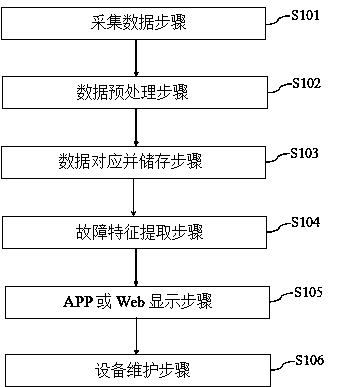
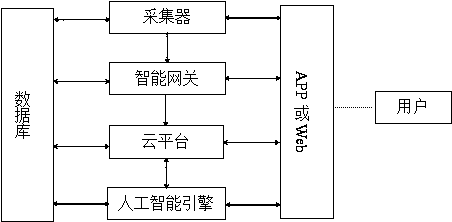
- By collecting and analyzing vibration acceleration, vibration speed or vibration displacement data of mechanical equipment, using intelligent gateways and cloud platforms for data preprocessing and storage, and combining artificial intelligence engines to extract fault characteristics, real-time monitoring of equipment operating status and fault early warning are achieved.
Industrial Safety Standards for Automated Monitoring Systems
Industrial safety standards for automated monitoring systems in predictive maintenance applications represent a critical framework that ensures both operational efficiency and personnel protection. These standards encompass multiple regulatory bodies and certification requirements that must be integrated into slitting machine monitoring implementations.
The International Electrotechnical Commission (IEC) 61508 standard serves as the foundational framework for functional safety in electrical and electronic systems. This standard defines Safety Integrity Levels (SIL) ranging from SIL 1 to SIL 4, with higher levels indicating greater safety requirements. For slitting machine monitoring systems, SIL 2 or SIL 3 certification is typically required, depending on the potential consequences of system failure and the risk assessment outcomes.
ISO 13849 provides complementary guidance specifically for safety-related control systems in machinery applications. This standard introduces Performance Levels (PL) from PLa to PLe, establishing requirements for safety functions, diagnostic coverage, and common cause failure prevention. Automated monitoring systems must demonstrate adequate diagnostic capabilities and fail-safe behaviors when detecting anomalous conditions in slitting operations.
The machinery-specific standard ISO 12100 establishes fundamental principles for risk assessment and risk reduction in industrial equipment. This standard mandates that automated monitoring systems incorporate hierarchical safety measures, including inherent safe design, safeguarding technologies, and complementary protective measures. Emergency stop functions, safety interlocks, and predictive alarm systems must comply with these risk mitigation strategies.
Cybersecurity considerations have become increasingly important with the integration of IoT sensors and cloud-based analytics platforms. The IEC 62443 series addresses industrial automation and control system security, establishing zones and conduits for network segmentation, access control, and data integrity protection. Predictive maintenance systems must implement secure communication protocols and authentication mechanisms to prevent unauthorized access.
Environmental and electromagnetic compatibility requirements under IEC 61000 series ensure that monitoring systems operate reliably in industrial environments with electrical noise, vibrations, and temperature variations. These standards specify immunity levels for conducted and radiated disturbances that commonly occur in manufacturing facilities with heavy machinery operations.
Documentation and validation procedures must follow ISO 26262 principles for systematic verification and validation processes. This includes maintaining traceability matrices, conducting hazard analysis and risk assessment (HARA), and implementing systematic testing protocols throughout the system lifecycle.
The International Electrotechnical Commission (IEC) 61508 standard serves as the foundational framework for functional safety in electrical and electronic systems. This standard defines Safety Integrity Levels (SIL) ranging from SIL 1 to SIL 4, with higher levels indicating greater safety requirements. For slitting machine monitoring systems, SIL 2 or SIL 3 certification is typically required, depending on the potential consequences of system failure and the risk assessment outcomes.
ISO 13849 provides complementary guidance specifically for safety-related control systems in machinery applications. This standard introduces Performance Levels (PL) from PLa to PLe, establishing requirements for safety functions, diagnostic coverage, and common cause failure prevention. Automated monitoring systems must demonstrate adequate diagnostic capabilities and fail-safe behaviors when detecting anomalous conditions in slitting operations.
The machinery-specific standard ISO 12100 establishes fundamental principles for risk assessment and risk reduction in industrial equipment. This standard mandates that automated monitoring systems incorporate hierarchical safety measures, including inherent safe design, safeguarding technologies, and complementary protective measures. Emergency stop functions, safety interlocks, and predictive alarm systems must comply with these risk mitigation strategies.
Cybersecurity considerations have become increasingly important with the integration of IoT sensors and cloud-based analytics platforms. The IEC 62443 series addresses industrial automation and control system security, establishing zones and conduits for network segmentation, access control, and data integrity protection. Predictive maintenance systems must implement secure communication protocols and authentication mechanisms to prevent unauthorized access.
Environmental and electromagnetic compatibility requirements under IEC 61000 series ensure that monitoring systems operate reliably in industrial environments with electrical noise, vibrations, and temperature variations. These standards specify immunity levels for conducted and radiated disturbances that commonly occur in manufacturing facilities with heavy machinery operations.
Documentation and validation procedures must follow ISO 26262 principles for systematic verification and validation processes. This includes maintaining traceability matrices, conducting hazard analysis and risk assessment (HARA), and implementing systematic testing protocols throughout the system lifecycle.
Cost-Benefit Analysis of Predictive vs Reactive Maintenance
The economic evaluation of predictive versus reactive maintenance strategies for slitting machines reveals significant financial implications that extend beyond immediate operational costs. Traditional reactive maintenance approaches typically result in higher total cost of ownership due to unplanned downtime, emergency repair expenses, and accelerated equipment degradation. Industry data indicates that reactive maintenance can cost 3-5 times more than planned maintenance activities when factoring in production losses and expedited parts procurement.
Predictive maintenance implementation requires substantial upfront investment in sensor technologies, data analytics platforms, and specialized training programs. Initial capital expenditure for a comprehensive predictive maintenance system ranges from $50,000 to $200,000 per slitting line, depending on complexity and integration requirements. However, this investment typically achieves payback within 12-18 months through reduced unplanned downtime and optimized maintenance scheduling.
Operational cost analysis demonstrates that predictive maintenance reduces maintenance expenses by 25-30% annually while increasing equipment availability by 10-15%. For high-volume slitting operations, each hour of unplanned downtime can cost $5,000-$15,000 in lost production value, making availability improvements particularly valuable. Additionally, predictive approaches extend component lifecycles by 20-40% through optimized replacement timing and condition-based interventions.
The financial benefits compound over time as predictive systems accumulate operational data and improve accuracy. Advanced analytics enable inventory optimization, reducing spare parts carrying costs by 15-25% while maintaining service levels. Labor efficiency gains emerge as maintenance teams transition from reactive firefighting to planned, strategic activities that maximize equipment performance.
Risk mitigation represents another critical economic factor, as predictive maintenance significantly reduces the probability of catastrophic failures that could result in equipment replacement costs exceeding $500,000 per line. Insurance premiums may also decrease as operators demonstrate proactive asset management capabilities and reduced operational risk profiles.
Predictive maintenance implementation requires substantial upfront investment in sensor technologies, data analytics platforms, and specialized training programs. Initial capital expenditure for a comprehensive predictive maintenance system ranges from $50,000 to $200,000 per slitting line, depending on complexity and integration requirements. However, this investment typically achieves payback within 12-18 months through reduced unplanned downtime and optimized maintenance scheduling.
Operational cost analysis demonstrates that predictive maintenance reduces maintenance expenses by 25-30% annually while increasing equipment availability by 10-15%. For high-volume slitting operations, each hour of unplanned downtime can cost $5,000-$15,000 in lost production value, making availability improvements particularly valuable. Additionally, predictive approaches extend component lifecycles by 20-40% through optimized replacement timing and condition-based interventions.
The financial benefits compound over time as predictive systems accumulate operational data and improve accuracy. Advanced analytics enable inventory optimization, reducing spare parts carrying costs by 15-25% while maintaining service levels. Labor efficiency gains emerge as maintenance teams transition from reactive firefighting to planned, strategic activities that maximize equipment performance.
Risk mitigation represents another critical economic factor, as predictive maintenance significantly reduces the probability of catastrophic failures that could result in equipment replacement costs exceeding $500,000 per line. Insurance premiums may also decrease as operators demonstrate proactive asset management capabilities and reduced operational risk profiles.
Unlock deeper insights with Patsnap Eureka Quick Research — get a full tech report to explore trends and direct your research. Try now!
Generate Your Research Report Instantly with AI Agent
Supercharge your innovation with Patsnap Eureka AI Agent Platform!