
How to Implement Secure Access in Near-Memory Computing
APR 24, 20269 MIN READ
Generate Your Research Report Instantly with AI Agent
Patsnap Eureka helps you evaluate technical feasibility & market potential.
Near-Memory Computing Security Background and Objectives
Near-memory computing represents a paradigm shift in computer architecture that addresses the growing memory wall problem by bringing computational capabilities closer to data storage locations. This approach fundamentally alters the traditional von Neumann architecture by integrating processing elements directly within or adjacent to memory subsystems, including processing-in-memory (PIM) and processing-near-memory (PNM) configurations.
The evolution of near-memory computing has been driven by the exponential growth in data volumes and the increasing performance gap between processors and memory systems. Traditional architectures suffer from significant energy consumption and latency penalties when moving large datasets between memory and processing units. Near-memory computing emerged as a solution to minimize data movement, reduce energy consumption, and improve overall system performance for data-intensive applications.
However, the integration of computational capabilities within memory subsystems introduces unprecedented security challenges that traditional computing architectures have not encountered. The proximity of processing and storage creates new attack vectors and vulnerabilities that require innovative security mechanisms. Unlike conventional systems where security boundaries are well-established between distinct components, near-memory computing blurs these boundaries, necessitating a comprehensive reevaluation of security paradigms.
The primary objective of implementing secure access in near-memory computing is to establish robust protection mechanisms that maintain data confidentiality, integrity, and availability while preserving the performance benefits of the architecture. This involves developing security frameworks that can operate efficiently within the constrained resources typical of memory-integrated processing elements without compromising computational throughput or energy efficiency.
Key security objectives include establishing trusted execution environments within memory subsystems, implementing fine-grained access controls for data operations, ensuring secure communication channels between near-memory processors and host systems, and developing mechanisms to prevent unauthorized access to sensitive data during processing operations. Additionally, the security framework must address potential side-channel attacks, memory-based vulnerabilities, and ensure isolation between concurrent processes operating within shared memory spaces.
The ultimate goal is to create a comprehensive security architecture that enables organizations to leverage near-memory computing benefits for sensitive applications while maintaining enterprise-grade security standards and regulatory compliance requirements.
The evolution of near-memory computing has been driven by the exponential growth in data volumes and the increasing performance gap between processors and memory systems. Traditional architectures suffer from significant energy consumption and latency penalties when moving large datasets between memory and processing units. Near-memory computing emerged as a solution to minimize data movement, reduce energy consumption, and improve overall system performance for data-intensive applications.
However, the integration of computational capabilities within memory subsystems introduces unprecedented security challenges that traditional computing architectures have not encountered. The proximity of processing and storage creates new attack vectors and vulnerabilities that require innovative security mechanisms. Unlike conventional systems where security boundaries are well-established between distinct components, near-memory computing blurs these boundaries, necessitating a comprehensive reevaluation of security paradigms.
The primary objective of implementing secure access in near-memory computing is to establish robust protection mechanisms that maintain data confidentiality, integrity, and availability while preserving the performance benefits of the architecture. This involves developing security frameworks that can operate efficiently within the constrained resources typical of memory-integrated processing elements without compromising computational throughput or energy efficiency.
Key security objectives include establishing trusted execution environments within memory subsystems, implementing fine-grained access controls for data operations, ensuring secure communication channels between near-memory processors and host systems, and developing mechanisms to prevent unauthorized access to sensitive data during processing operations. Additionally, the security framework must address potential side-channel attacks, memory-based vulnerabilities, and ensure isolation between concurrent processes operating within shared memory spaces.
The ultimate goal is to create a comprehensive security architecture that enables organizations to leverage near-memory computing benefits for sensitive applications while maintaining enterprise-grade security standards and regulatory compliance requirements.
Market Demand for Secure Near-Memory Computing Solutions
The market demand for secure near-memory computing solutions is experiencing unprecedented growth driven by the exponential increase in data-intensive applications and the critical need for enhanced security in edge computing environments. Organizations across various sectors are recognizing that traditional computing architectures create significant bottlenecks when processing massive datasets, while simultaneously exposing sensitive information to security vulnerabilities during data movement between processors and memory systems.
Enterprise data centers represent the largest segment of demand, particularly those handling artificial intelligence workloads, real-time analytics, and high-performance computing applications. These environments require solutions that can process sensitive data closer to memory while maintaining strict security protocols. Financial institutions, healthcare organizations, and government agencies are driving substantial demand due to their stringent regulatory compliance requirements and the need to protect confidential information during processing operations.
The emergence of edge computing and Internet of Things deployments has created another significant demand driver. Edge devices often operate in less secure environments while handling sensitive data streams, making secure near-memory computing essential for maintaining data integrity and privacy. Autonomous vehicles, smart city infrastructure, and industrial automation systems require real-time processing capabilities with robust security measures that traditional architectures cannot adequately provide.
Cloud service providers are increasingly seeking secure near-memory computing solutions to offer differentiated services to their customers. The ability to provide enhanced security guarantees while improving performance metrics has become a competitive advantage in the cloud computing market. Multi-tenant environments particularly benefit from these solutions as they can isolate and protect different customer workloads more effectively.
The growing awareness of hardware-based security vulnerabilities has intensified market demand for solutions that implement security measures directly within the memory subsystem. Recent high-profile security breaches and the discovery of processor vulnerabilities have made organizations more conscious of the need for comprehensive security architectures that protect data throughout the entire computing pipeline.
Market research indicates strong growth potential across multiple industry verticals, with particular momentum in sectors handling personally identifiable information, intellectual property, and classified data. The convergence of performance requirements and security mandates is creating a compelling value proposition that organizations find increasingly difficult to ignore in their technology procurement decisions.
Enterprise data centers represent the largest segment of demand, particularly those handling artificial intelligence workloads, real-time analytics, and high-performance computing applications. These environments require solutions that can process sensitive data closer to memory while maintaining strict security protocols. Financial institutions, healthcare organizations, and government agencies are driving substantial demand due to their stringent regulatory compliance requirements and the need to protect confidential information during processing operations.
The emergence of edge computing and Internet of Things deployments has created another significant demand driver. Edge devices often operate in less secure environments while handling sensitive data streams, making secure near-memory computing essential for maintaining data integrity and privacy. Autonomous vehicles, smart city infrastructure, and industrial automation systems require real-time processing capabilities with robust security measures that traditional architectures cannot adequately provide.
Cloud service providers are increasingly seeking secure near-memory computing solutions to offer differentiated services to their customers. The ability to provide enhanced security guarantees while improving performance metrics has become a competitive advantage in the cloud computing market. Multi-tenant environments particularly benefit from these solutions as they can isolate and protect different customer workloads more effectively.
The growing awareness of hardware-based security vulnerabilities has intensified market demand for solutions that implement security measures directly within the memory subsystem. Recent high-profile security breaches and the discovery of processor vulnerabilities have made organizations more conscious of the need for comprehensive security architectures that protect data throughout the entire computing pipeline.
Market research indicates strong growth potential across multiple industry verticals, with particular momentum in sectors handling personally identifiable information, intellectual property, and classified data. The convergence of performance requirements and security mandates is creating a compelling value proposition that organizations find increasingly difficult to ignore in their technology procurement decisions.
Current Security Challenges in Near-Memory Architectures
Near-memory computing architectures face unprecedented security challenges as they fundamentally alter traditional computing paradigms by bringing processing capabilities closer to data storage. The convergence of computation and memory creates new attack surfaces that were previously non-existent in conventional von Neumann architectures. These challenges stem from the intimate relationship between data and processing units, where sensitive information becomes more exposed during computational operations.
Memory-centric attacks represent a primary concern in near-memory systems. Traditional memory protection mechanisms become insufficient when processing elements are embedded within or adjacent to memory arrays. Attackers can potentially exploit the proximity between computation and storage to perform side-channel attacks, extracting sensitive information through power analysis, electromagnetic emanations, or timing variations. The reduced physical distance between processing and storage elements amplifies these vulnerabilities significantly.
Data integrity poses another critical challenge as near-memory architectures often lack robust error detection and correction mechanisms at the processing level. Unlike traditional processors with comprehensive security features, near-memory processing units may operate with minimal overhead, potentially compromising data authenticity. Malicious modifications to data during near-memory operations can propagate undetected, leading to system-wide security breaches.
Access control mechanisms face substantial complexity in near-memory environments. Traditional privilege separation models become blurred when processing occurs within memory subsystems. Establishing clear boundaries between trusted and untrusted operations becomes increasingly difficult, as memory controllers and processing elements must coordinate security policies across multiple abstraction layers. This coordination challenge is exacerbated by the heterogeneous nature of near-memory computing systems.
Isolation enforcement presents significant technical hurdles in shared near-memory resources. Multiple applications or tenants may simultaneously utilize the same near-memory processing capabilities, creating potential information leakage pathways. Ensuring proper isolation between concurrent operations while maintaining performance benefits requires sophisticated hardware and software mechanisms that are still under development.
The distributed nature of near-memory computing introduces additional security complexities. Unlike centralized processing units with well-established security perimeters, near-memory systems distribute computational capabilities across multiple memory modules. This distribution complicates security monitoring, incident response, and forensic analysis, as security events may occur simultaneously across numerous processing elements without centralized visibility.
Memory-centric attacks represent a primary concern in near-memory systems. Traditional memory protection mechanisms become insufficient when processing elements are embedded within or adjacent to memory arrays. Attackers can potentially exploit the proximity between computation and storage to perform side-channel attacks, extracting sensitive information through power analysis, electromagnetic emanations, or timing variations. The reduced physical distance between processing and storage elements amplifies these vulnerabilities significantly.
Data integrity poses another critical challenge as near-memory architectures often lack robust error detection and correction mechanisms at the processing level. Unlike traditional processors with comprehensive security features, near-memory processing units may operate with minimal overhead, potentially compromising data authenticity. Malicious modifications to data during near-memory operations can propagate undetected, leading to system-wide security breaches.
Access control mechanisms face substantial complexity in near-memory environments. Traditional privilege separation models become blurred when processing occurs within memory subsystems. Establishing clear boundaries between trusted and untrusted operations becomes increasingly difficult, as memory controllers and processing elements must coordinate security policies across multiple abstraction layers. This coordination challenge is exacerbated by the heterogeneous nature of near-memory computing systems.
Isolation enforcement presents significant technical hurdles in shared near-memory resources. Multiple applications or tenants may simultaneously utilize the same near-memory processing capabilities, creating potential information leakage pathways. Ensuring proper isolation between concurrent operations while maintaining performance benefits requires sophisticated hardware and software mechanisms that are still under development.
The distributed nature of near-memory computing introduces additional security complexities. Unlike centralized processing units with well-established security perimeters, near-memory systems distribute computational capabilities across multiple memory modules. This distribution complicates security monitoring, incident response, and forensic analysis, as security events may occur simultaneously across numerous processing elements without centralized visibility.
Existing Secure Access Solutions for Near-Memory Systems
01 Memory access control and authentication mechanisms
Secure access to near-memory computing systems can be achieved through authentication and access control mechanisms that verify the identity of requesters before granting access to memory resources. These mechanisms may include credential verification, permission checking, and access token validation to ensure only authorized entities can perform memory operations. Security policies can be enforced at the memory controller level to prevent unauthorized access attempts.- Memory access control and authentication mechanisms: Secure access to near-memory computing systems can be achieved through authentication and access control mechanisms that verify the identity of requesting entities before granting access to memory resources. These mechanisms may include credential verification, permission checking, and role-based access control to ensure that only authorized processes or users can access specific memory regions. Security policies can be enforced at the memory controller level to prevent unauthorized access attempts.
- Encryption and data protection for near-memory operations: Data security in near-memory computing environments can be enhanced through encryption techniques that protect data both at rest and during processing. Cryptographic methods can be applied to memory contents to prevent unauthorized reading or modification of sensitive information. Secure key management and encryption engines integrated with memory controllers enable transparent encryption and decryption operations without significantly impacting performance.
- Isolation and partitioning of memory domains: Security in near-memory computing can be improved by implementing memory isolation and partitioning techniques that create separate security domains. These approaches prevent different processes or applications from accessing each other's memory spaces, reducing the risk of data leakage or tampering. Hardware-enforced boundaries and virtualization technologies can be utilized to maintain strict separation between different security zones within the memory hierarchy.
- Secure communication protocols for memory access: Establishing secure communication channels between processing units and near-memory computing resources is essential for maintaining data integrity and confidentiality. Protocols can be implemented to authenticate communication endpoints, encrypt data transfers, and detect tampering attempts during memory transactions. These protocols ensure that data exchanged between processors and memory modules remains protected from interception or modification by malicious actors.
- Hardware security features and trusted execution environments: Hardware-based security features can provide a foundation for secure near-memory computing by implementing trusted execution environments and secure enclaves. These technologies create isolated execution contexts where sensitive computations can be performed without exposure to potentially compromised system components. Hardware root of trust, secure boot mechanisms, and attestation capabilities ensure the integrity of the computing environment from initialization through operation.
02 Encryption and data protection for memory operations
Data security in near-memory computing can be enhanced through encryption techniques applied to data stored in or transferred to memory. Cryptographic methods can protect sensitive information during memory read and write operations, ensuring data confidentiality even if physical access to memory is compromised. Key management systems can be integrated to handle encryption keys securely within the memory subsystem.Expand Specific Solutions03 Isolation and partitioning of memory regions
Security can be improved by implementing memory isolation techniques that partition memory into separate regions with different access privileges. This approach prevents unauthorized cross-access between different processes or applications sharing the same memory resources. Hardware-enforced boundaries and virtual memory management can ensure that each computing entity only accesses its designated memory space.Expand Specific Solutions04 Secure communication protocols for memory access
Implementing secure communication protocols between processing units and near-memory computing resources can protect against interception and tampering attacks. These protocols may include secure channels, message authentication codes, and integrity verification mechanisms to ensure that memory access requests and responses are not compromised during transmission. Protocol-level security can complement physical security measures.Expand Specific Solutions05 Hardware-based security features and trusted execution
Hardware security modules and trusted execution environments can provide a foundation for secure near-memory computing by establishing a root of trust at the hardware level. These features may include secure boot processes, hardware security primitives, and isolated execution environments that protect critical operations from software-based attacks. Physical unclonable functions and secure enclaves can further enhance the security posture of memory systems.Expand Specific Solutions
Key Players in Near-Memory Computing and Security Industry
The secure access in near-memory computing field represents an emerging technology sector in its early development stage, characterized by significant growth potential but limited market maturity. The market remains relatively nascent with fragmented solutions across different application domains. Technology maturity varies considerably among key players, with established semiconductor companies like Qualcomm, Analog Devices, and Western Digital leveraging their existing memory and processing expertise to develop security-enhanced near-memory architectures. Chinese technology leaders including Huawei Technologies and academic institutions like Tsinghua University and Shanghai Jiao Tong University are advancing research in trusted computing and secure processing-in-memory solutions. Meanwhile, specialized firms such as Zhongke Yushu focus on DPU-based security implementations, and infrastructure companies like State Grid explore sector-specific applications. The competitive landscape reflects a convergence of traditional memory manufacturers, processor companies, and emerging security-focused startups, indicating the technology's cross-industry relevance and the ongoing race to establish dominant secure near-memory computing standards.
Huawei Technologies Co., Ltd.
Technical Solution: Huawei's secure access implementation in near-memory computing focuses on ARM TrustZone-based security architecture combined with their proprietary Kunpeng processors. Their solution establishes secure and non-secure worlds within the near-memory computing environment, where sensitive operations are isolated in the secure world with dedicated memory regions. The company implements memory protection units that enforce access control policies at the hardware level, preventing unauthorized access to protected memory areas. Huawei integrates secure boot mechanisms that verify the integrity of software components before execution, ensuring that only trusted code can access near-memory resources. Their approach also includes runtime attestation capabilities that continuously monitor the security state of the computing environment and detect potential security violations. The solution incorporates encrypted memory channels and secure communication protocols between processing elements and memory subsystems to protect data in transit.
Strengths: Strong integration with ARM ecosystem and comprehensive end-to-end security framework with proven scalability. Weaknesses: Limited global market access due to geopolitical restrictions and dependency on ARM architecture licensing.
QUALCOMM, Inc.
Technical Solution: Qualcomm implements secure access in near-memory computing through their Snapdragon processors' integrated security features, including the Qualcomm Secure Processing Unit and hardware-based root of trust. Their solution utilizes ARM TrustZone technology to create isolated secure environments where sensitive near-memory operations can be executed without exposure to potentially compromised software layers. The company's approach includes secure memory partitioning that dynamically allocates protected memory regions for different security domains, with hardware-enforced access controls preventing unauthorized cross-domain access. Qualcomm integrates cryptographic accelerators directly into their memory subsystems to provide high-performance encryption and authentication of data stored in near-memory locations. Their solution also implements secure key derivation and management protocols that generate unique encryption keys for different memory regions and applications, ensuring data isolation even within the secure environment.
Strengths: Optimized for mobile and edge computing with excellent power efficiency and strong mobile security heritage. Weaknesses: Primarily focused on mobile platforms with limited applicability to high-performance computing scenarios and server environments.
Core Security Innovations in Near-Memory Computing Patents
Method and system for secure direct memory access
PatentInactiveUS20050033979A1
Innovation
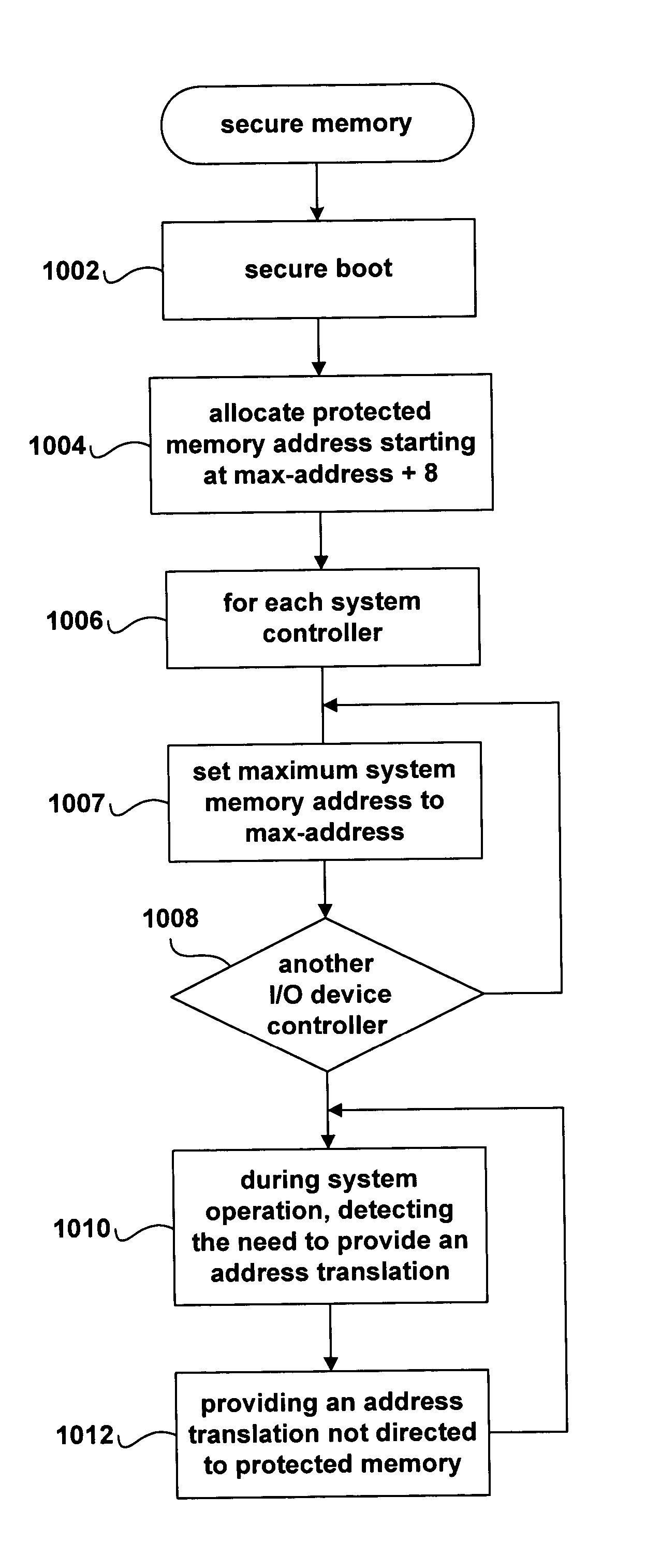
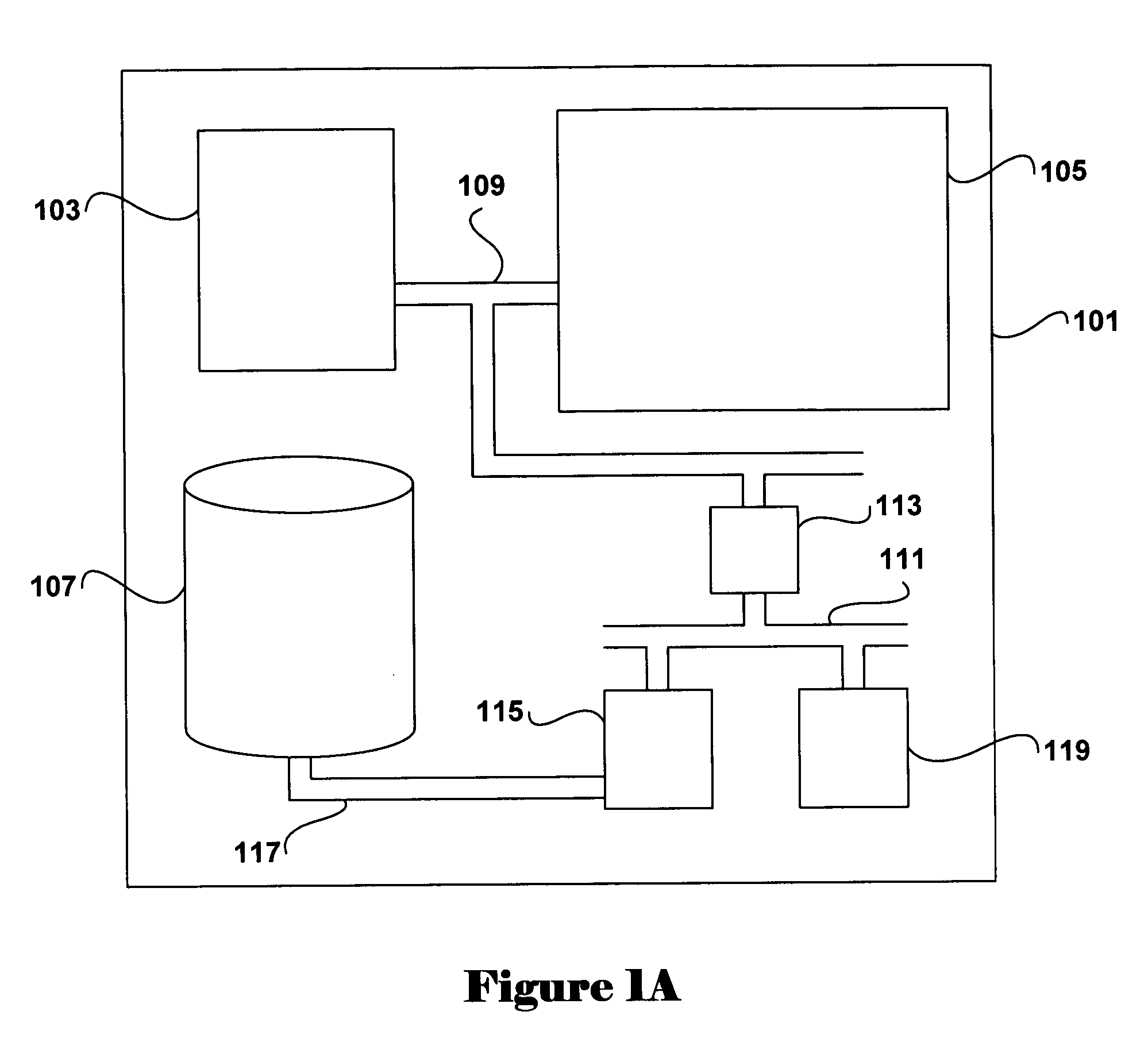
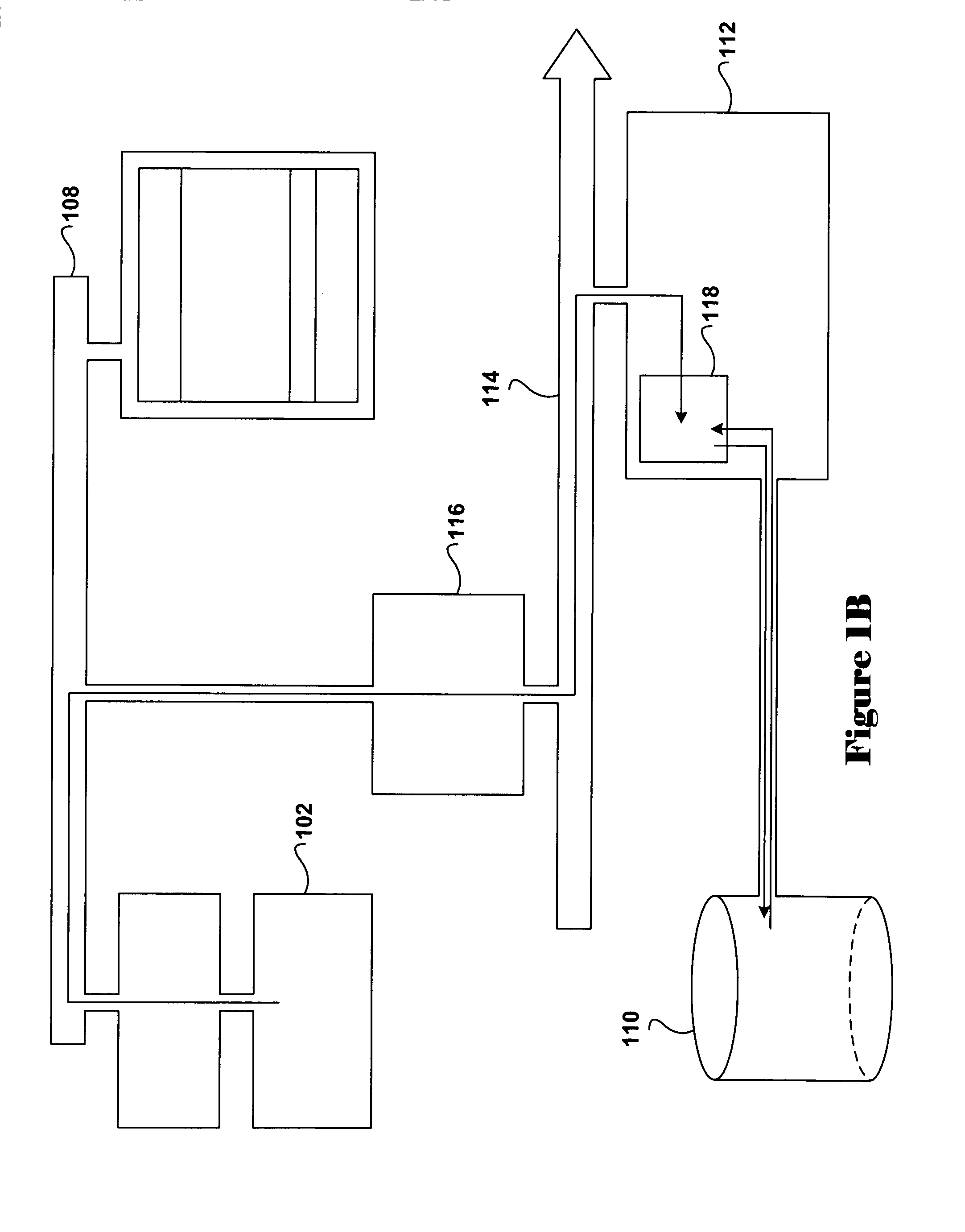
- A secure processing entity allocates a portion of system resources exclusively for its use and protects it from DMA access by configuring the bus bridge or system controller to return an invalid-memory-address error, employing address translation and maximum-address-specification features to prevent unauthorized access.

Secure memory access in a virtualized computing environment
PatentActiveUS12541464B2
Innovation
- Employing requestor identifiers at bus devices to identify the virtual machine associated with each memory access request, using page tables and IOMMU to control access to specific memory regions, and handling interrupts independently of the host operating system to ensure secure and efficient memory access.


Hardware Security Standards for Memory Computing Systems
Hardware security standards for near-memory computing systems represent a critical foundation for establishing secure access protocols in emerging computational architectures. These standards encompass comprehensive frameworks that address the unique security challenges posed by processing-in-memory and near-data computing paradigms, where traditional security boundaries between computation and storage become increasingly blurred.
The IEEE 2857 standard provides fundamental guidelines for secure memory-centric computing architectures, establishing baseline requirements for hardware-based security mechanisms. This standard defines essential security primitives including memory encryption engines, access control matrices, and secure boot sequences specifically tailored for near-memory processing units. Additionally, it outlines mandatory security interfaces that enable seamless integration between memory controllers and security processors.
JEDEC's emerging specifications for secure memory interfaces introduce standardized protocols for authenticated memory access in near-memory computing environments. These specifications mandate hardware-level authentication mechanisms that verify the legitimacy of processing requests before granting access to sensitive data regions. The standards also define cryptographic key management protocols that ensure secure communication channels between near-memory processors and host systems.
The Common Criteria framework has been extended to address evaluation assurance levels specifically for memory-centric computing systems. This extension provides structured methodologies for assessing the security robustness of near-memory processing architectures, including vulnerability analysis protocols and penetration testing procedures tailored to memory-based attack vectors.
Industry consortiums have developed complementary standards focusing on secure enclaves within memory systems. These standards establish requirements for hardware-based trusted execution environments that can operate directly within memory modules, providing isolated computation spaces for sensitive operations. The specifications include mandatory features such as memory encryption, attestation mechanisms, and secure communication protocols.
Compliance with these hardware security standards ensures that near-memory computing implementations maintain consistent security postures across different vendor platforms and deployment scenarios, establishing a foundation for trustworthy secure access mechanisms in next-generation computing architectures.
The IEEE 2857 standard provides fundamental guidelines for secure memory-centric computing architectures, establishing baseline requirements for hardware-based security mechanisms. This standard defines essential security primitives including memory encryption engines, access control matrices, and secure boot sequences specifically tailored for near-memory processing units. Additionally, it outlines mandatory security interfaces that enable seamless integration between memory controllers and security processors.
JEDEC's emerging specifications for secure memory interfaces introduce standardized protocols for authenticated memory access in near-memory computing environments. These specifications mandate hardware-level authentication mechanisms that verify the legitimacy of processing requests before granting access to sensitive data regions. The standards also define cryptographic key management protocols that ensure secure communication channels between near-memory processors and host systems.
The Common Criteria framework has been extended to address evaluation assurance levels specifically for memory-centric computing systems. This extension provides structured methodologies for assessing the security robustness of near-memory processing architectures, including vulnerability analysis protocols and penetration testing procedures tailored to memory-based attack vectors.
Industry consortiums have developed complementary standards focusing on secure enclaves within memory systems. These standards establish requirements for hardware-based trusted execution environments that can operate directly within memory modules, providing isolated computation spaces for sensitive operations. The specifications include mandatory features such as memory encryption, attestation mechanisms, and secure communication protocols.
Compliance with these hardware security standards ensures that near-memory computing implementations maintain consistent security postures across different vendor platforms and deployment scenarios, establishing a foundation for trustworthy secure access mechanisms in next-generation computing architectures.
Privacy Protection Framework for Near-Memory Data Processing
Privacy protection in near-memory computing environments requires a comprehensive framework that addresses the unique challenges posed by data processing proximity to storage systems. The framework must establish multiple layers of protection to safeguard sensitive information throughout the computational pipeline while maintaining the performance advantages inherent to near-memory architectures.
The foundational layer of privacy protection centers on data encryption and access control mechanisms. Advanced encryption standards must be implemented at the memory interface level, ensuring that data remains protected even when processed in close proximity to storage elements. This includes both data-at-rest and data-in-transit encryption protocols specifically optimized for near-memory computing latency requirements.
Memory isolation techniques form another critical component of the privacy framework. Hardware-based memory partitioning creates secure enclaves that prevent unauthorized access to sensitive data regions during processing operations. These isolation mechanisms must be designed to work seamlessly with near-memory computing architectures without compromising computational efficiency or introducing significant overhead.
Differential privacy algorithms represent an essential privacy-preserving technique within the framework. These algorithms add carefully calibrated noise to computational results, ensuring that individual data points cannot be reverse-engineered from processing outputs. The implementation must balance privacy guarantees with computational accuracy requirements specific to near-memory processing scenarios.
Secure multi-party computation protocols enable collaborative data processing while maintaining privacy boundaries between different stakeholders. These protocols allow multiple parties to jointly compute functions over their inputs while keeping those inputs private, which is particularly valuable in distributed near-memory computing environments.
The framework also incorporates homomorphic encryption capabilities, enabling computations to be performed directly on encrypted data without requiring decryption. This approach ensures that sensitive information remains protected throughout the entire processing lifecycle, from initial data ingestion through final result generation.
Audit and compliance mechanisms provide transparency and accountability within the privacy protection framework. Comprehensive logging systems track data access patterns and processing operations while maintaining privacy guarantees, enabling organizations to demonstrate compliance with regulatory requirements and internal privacy policies.
The foundational layer of privacy protection centers on data encryption and access control mechanisms. Advanced encryption standards must be implemented at the memory interface level, ensuring that data remains protected even when processed in close proximity to storage elements. This includes both data-at-rest and data-in-transit encryption protocols specifically optimized for near-memory computing latency requirements.
Memory isolation techniques form another critical component of the privacy framework. Hardware-based memory partitioning creates secure enclaves that prevent unauthorized access to sensitive data regions during processing operations. These isolation mechanisms must be designed to work seamlessly with near-memory computing architectures without compromising computational efficiency or introducing significant overhead.
Differential privacy algorithms represent an essential privacy-preserving technique within the framework. These algorithms add carefully calibrated noise to computational results, ensuring that individual data points cannot be reverse-engineered from processing outputs. The implementation must balance privacy guarantees with computational accuracy requirements specific to near-memory processing scenarios.
Secure multi-party computation protocols enable collaborative data processing while maintaining privacy boundaries between different stakeholders. These protocols allow multiple parties to jointly compute functions over their inputs while keeping those inputs private, which is particularly valuable in distributed near-memory computing environments.
The framework also incorporates homomorphic encryption capabilities, enabling computations to be performed directly on encrypted data without requiring decryption. This approach ensures that sensitive information remains protected throughout the entire processing lifecycle, from initial data ingestion through final result generation.
Audit and compliance mechanisms provide transparency and accountability within the privacy protection framework. Comprehensive logging systems track data access patterns and processing operations while maintaining privacy guarantees, enabling organizations to demonstrate compliance with regulatory requirements and internal privacy policies.
Unlock deeper insights with Patsnap Eureka Quick Research — get a full tech report to explore trends and direct your research. Try now!
Generate Your Research Report Instantly with AI Agent
Supercharge your innovation with Patsnap Eureka AI Agent Platform!