
How To Improve Adhesion Layer Performance On Ceramic Substrates
MAY 26, 20269 MIN READ
Generate Your Research Report Instantly with AI Agent
Patsnap Eureka helps you evaluate technical feasibility & market potential.
Ceramic Substrate Adhesion Background and Objectives
Ceramic substrates have emerged as critical components in modern electronic and industrial applications due to their exceptional thermal stability, electrical insulation properties, and chemical resistance. These materials, including alumina, aluminum nitride, silicon carbide, and zirconia, serve as foundational platforms for electronic circuits, power modules, LED packages, and various high-performance devices. However, the inherent challenge lies in achieving reliable adhesion between functional layers and the ceramic surface, which directly impacts device performance, longevity, and manufacturing yield.
The fundamental issue stems from the chemical inertness and smooth surface characteristics of ceramic materials, which naturally resist bonding with deposited layers such as metals, polymers, or other ceramics. This poor adhesion manifests in various failure modes including delamination, thermal cycling fatigue, and reduced electrical connectivity, ultimately compromising device reliability and operational lifespan.
Historical developments in ceramic substrate technology have evolved from simple alumina-based circuits in the 1960s to sophisticated multilayer ceramic modules used in today's advanced electronics. The progression has been driven by increasing demands for miniaturization, higher power densities, and enhanced thermal management capabilities. Early approaches focused primarily on mechanical interlocking through surface roughening, but modern applications require more sophisticated adhesion mechanisms.
The primary objective of improving adhesion layer performance centers on developing robust interfacial bonding that can withstand operational stresses including thermal cycling, mechanical loading, and environmental exposure. This involves creating strong chemical bonds, optimizing surface energy matching, and establishing reliable stress transfer mechanisms between dissimilar materials.
Current research directions aim to achieve several key performance targets: enhancing bond strength to exceed 50 MPa in shear testing, maintaining adhesion integrity through temperature cycles ranging from -40°C to 200°C, and ensuring long-term stability under humid and corrosive environments. Additionally, the solutions must be compatible with existing manufacturing processes while maintaining cost-effectiveness for commercial viability.
The technological evolution has progressed through distinct phases, from basic ceramic metallization techniques to advanced surface modification methods including plasma treatments, chemical functionalization, and nanostructured interface engineering. These developments reflect the growing understanding of interfacial science and the availability of sophisticated characterization tools to analyze adhesion mechanisms at the molecular level.
The fundamental issue stems from the chemical inertness and smooth surface characteristics of ceramic materials, which naturally resist bonding with deposited layers such as metals, polymers, or other ceramics. This poor adhesion manifests in various failure modes including delamination, thermal cycling fatigue, and reduced electrical connectivity, ultimately compromising device reliability and operational lifespan.
Historical developments in ceramic substrate technology have evolved from simple alumina-based circuits in the 1960s to sophisticated multilayer ceramic modules used in today's advanced electronics. The progression has been driven by increasing demands for miniaturization, higher power densities, and enhanced thermal management capabilities. Early approaches focused primarily on mechanical interlocking through surface roughening, but modern applications require more sophisticated adhesion mechanisms.
The primary objective of improving adhesion layer performance centers on developing robust interfacial bonding that can withstand operational stresses including thermal cycling, mechanical loading, and environmental exposure. This involves creating strong chemical bonds, optimizing surface energy matching, and establishing reliable stress transfer mechanisms between dissimilar materials.
Current research directions aim to achieve several key performance targets: enhancing bond strength to exceed 50 MPa in shear testing, maintaining adhesion integrity through temperature cycles ranging from -40°C to 200°C, and ensuring long-term stability under humid and corrosive environments. Additionally, the solutions must be compatible with existing manufacturing processes while maintaining cost-effectiveness for commercial viability.
The technological evolution has progressed through distinct phases, from basic ceramic metallization techniques to advanced surface modification methods including plasma treatments, chemical functionalization, and nanostructured interface engineering. These developments reflect the growing understanding of interfacial science and the availability of sophisticated characterization tools to analyze adhesion mechanisms at the molecular level.
Market Demand for Enhanced Ceramic Substrate Bonding
The global electronics industry's relentless pursuit of miniaturization and enhanced performance has created substantial market demand for improved ceramic substrate bonding technologies. Electronic devices across consumer, automotive, aerospace, and industrial sectors increasingly rely on ceramic substrates due to their superior thermal conductivity, electrical insulation properties, and dimensional stability under extreme conditions.
Power electronics represents one of the most significant growth drivers for enhanced ceramic substrate bonding solutions. Electric vehicle powertrains, renewable energy inverters, and high-efficiency power supplies require robust thermal management capabilities that ceramic substrates uniquely provide. The adhesion layer performance directly impacts device reliability, thermal cycling endurance, and overall system longevity, making it a critical factor in product development decisions.
The telecommunications infrastructure expansion, particularly with 5G network deployment, has intensified demand for high-frequency electronic components mounted on ceramic substrates. These applications require adhesion layers that maintain integrity under rapid thermal fluctuations while preserving signal integrity at microwave frequencies. Network equipment manufacturers increasingly specify stringent bonding performance requirements to ensure long-term operational reliability.
Automotive electronics market transformation toward electrification and autonomous driving systems has created new opportunities for ceramic substrate applications. Engine control units, battery management systems, and sensor modules operating in harsh automotive environments demand adhesion solutions capable of withstanding vibration, temperature extremes, and chemical exposure over extended service lives.
Industrial automation and Internet of Things applications continue expanding the addressable market for ceramic substrate technologies. Manufacturing equipment, process control systems, and sensor networks require electronic components that maintain performance in challenging industrial environments where traditional organic substrates prove inadequate.
The aerospace and defense sectors represent high-value market segments with particularly stringent reliability requirements. Satellite communications, radar systems, and avionics applications demand adhesion layer technologies that perform consistently across wide temperature ranges while maintaining structural integrity under mechanical stress and radiation exposure.
Market research indicates growing preference for ceramic substrates in medical device applications, where biocompatibility, sterilization resistance, and long-term reliability are paramount. Implantable devices, diagnostic equipment, and surgical instruments increasingly incorporate ceramic-based electronic assemblies requiring advanced bonding technologies.
Regional market dynamics show concentrated demand in Asia-Pacific manufacturing hubs, North American technology centers, and European automotive clusters. Supply chain considerations and local manufacturing requirements influence technology adoption patterns and create opportunities for localized adhesion layer solutions tailored to specific regional market needs and regulatory requirements.
Power electronics represents one of the most significant growth drivers for enhanced ceramic substrate bonding solutions. Electric vehicle powertrains, renewable energy inverters, and high-efficiency power supplies require robust thermal management capabilities that ceramic substrates uniquely provide. The adhesion layer performance directly impacts device reliability, thermal cycling endurance, and overall system longevity, making it a critical factor in product development decisions.
The telecommunications infrastructure expansion, particularly with 5G network deployment, has intensified demand for high-frequency electronic components mounted on ceramic substrates. These applications require adhesion layers that maintain integrity under rapid thermal fluctuations while preserving signal integrity at microwave frequencies. Network equipment manufacturers increasingly specify stringent bonding performance requirements to ensure long-term operational reliability.
Automotive electronics market transformation toward electrification and autonomous driving systems has created new opportunities for ceramic substrate applications. Engine control units, battery management systems, and sensor modules operating in harsh automotive environments demand adhesion solutions capable of withstanding vibration, temperature extremes, and chemical exposure over extended service lives.
Industrial automation and Internet of Things applications continue expanding the addressable market for ceramic substrate technologies. Manufacturing equipment, process control systems, and sensor networks require electronic components that maintain performance in challenging industrial environments where traditional organic substrates prove inadequate.
The aerospace and defense sectors represent high-value market segments with particularly stringent reliability requirements. Satellite communications, radar systems, and avionics applications demand adhesion layer technologies that perform consistently across wide temperature ranges while maintaining structural integrity under mechanical stress and radiation exposure.
Market research indicates growing preference for ceramic substrates in medical device applications, where biocompatibility, sterilization resistance, and long-term reliability are paramount. Implantable devices, diagnostic equipment, and surgical instruments increasingly incorporate ceramic-based electronic assemblies requiring advanced bonding technologies.
Regional market dynamics show concentrated demand in Asia-Pacific manufacturing hubs, North American technology centers, and European automotive clusters. Supply chain considerations and local manufacturing requirements influence technology adoption patterns and create opportunities for localized adhesion layer solutions tailored to specific regional market needs and regulatory requirements.
Current Adhesion Layer Challenges on Ceramic Materials
Ceramic substrates present unique challenges for adhesion layer performance due to their inherent material properties and surface characteristics. The primary obstacle stems from the chemical inertness of most ceramic materials, which creates weak interfacial bonding with metallic or organic adhesion layers. This fundamental incompatibility results in poor wetting behavior and limited chemical interaction at the interface, leading to adhesion failures under thermal or mechanical stress.
Surface roughness and topography variations across ceramic substrates create additional complications for adhesion layer uniformity. Unlike metallic surfaces that can be easily modified through chemical etching or mechanical treatment, ceramic surfaces often require specialized preparation techniques that may compromise substrate integrity. The crystalline structure of ceramics also contributes to anisotropic surface properties, where adhesion performance varies significantly depending on crystal orientation and grain boundaries.
Thermal expansion mismatch between ceramic substrates and adhesion layers represents another critical challenge. Most ceramics exhibit lower thermal expansion coefficients compared to metallic adhesion layers, creating substantial stress concentrations during temperature cycling. This mismatch becomes particularly problematic in high-temperature applications where repeated thermal cycling can lead to delamination, cracking, or complete adhesion failure.
The presence of surface contaminants and native oxide layers on ceramic substrates significantly impacts adhesion performance. These contaminants, including organic residues from manufacturing processes and atmospheric moisture absorption, create barrier layers that prevent intimate contact between the substrate and adhesion layer. Additionally, the porous nature of some ceramic materials allows for subsurface contamination that cannot be easily removed through conventional cleaning methods.
Processing constraints further complicate adhesion layer implementation on ceramic substrates. Many ceramics are sensitive to high-temperature processing conditions typically required for optimal adhesion layer formation. This limitation restricts the available processing window and often necessitates compromise solutions that may not achieve optimal adhesion performance. The brittle nature of ceramics also limits the mechanical preparation options available for surface modification.
Chemical compatibility issues between ceramic substrates and adhesion layer materials create long-term reliability concerns. Diffusion barriers may be required to prevent unwanted chemical reactions that can degrade adhesion performance over time. These additional layers increase process complexity and may introduce new failure modes that must be carefully managed through design optimization.
Surface roughness and topography variations across ceramic substrates create additional complications for adhesion layer uniformity. Unlike metallic surfaces that can be easily modified through chemical etching or mechanical treatment, ceramic surfaces often require specialized preparation techniques that may compromise substrate integrity. The crystalline structure of ceramics also contributes to anisotropic surface properties, where adhesion performance varies significantly depending on crystal orientation and grain boundaries.
Thermal expansion mismatch between ceramic substrates and adhesion layers represents another critical challenge. Most ceramics exhibit lower thermal expansion coefficients compared to metallic adhesion layers, creating substantial stress concentrations during temperature cycling. This mismatch becomes particularly problematic in high-temperature applications where repeated thermal cycling can lead to delamination, cracking, or complete adhesion failure.
The presence of surface contaminants and native oxide layers on ceramic substrates significantly impacts adhesion performance. These contaminants, including organic residues from manufacturing processes and atmospheric moisture absorption, create barrier layers that prevent intimate contact between the substrate and adhesion layer. Additionally, the porous nature of some ceramic materials allows for subsurface contamination that cannot be easily removed through conventional cleaning methods.
Processing constraints further complicate adhesion layer implementation on ceramic substrates. Many ceramics are sensitive to high-temperature processing conditions typically required for optimal adhesion layer formation. This limitation restricts the available processing window and often necessitates compromise solutions that may not achieve optimal adhesion performance. The brittle nature of ceramics also limits the mechanical preparation options available for surface modification.
Chemical compatibility issues between ceramic substrates and adhesion layer materials create long-term reliability concerns. Diffusion barriers may be required to prevent unwanted chemical reactions that can degrade adhesion performance over time. These additional layers increase process complexity and may introduce new failure modes that must be carefully managed through design optimization.
Existing Adhesion Enhancement Solutions for Ceramics
01 Adhesion promoters and coupling agents for enhanced bonding
Various chemical compounds and coupling agents can be incorporated into adhesion layers to improve the bonding strength between different materials. These promoters work by creating chemical bridges at the interface, enhancing molecular interactions and reducing delamination risks. The selection of appropriate coupling agents depends on the substrate materials and environmental conditions.- Adhesion promoters and coupling agents: Various chemical compounds are used as adhesion promoters to enhance the bonding between different materials in multilayer structures. These coupling agents create chemical bridges between dissimilar surfaces, improving interfacial adhesion through molecular interactions. Silane-based compounds and other surface modifiers are commonly employed to achieve better adhesion performance by modifying surface chemistry and creating reactive sites for bonding.
- Surface treatment and preparation methods: Proper surface preparation techniques are critical for achieving optimal adhesion layer performance. These methods include plasma treatment, corona discharge, chemical etching, and mechanical roughening to increase surface energy and create favorable conditions for adhesion. Surface cleaning and activation processes remove contaminants and create reactive sites that enhance the bonding capability of adhesion layers.
- Polymer-based adhesion layer compositions: Specialized polymer formulations are designed to serve as adhesion layers between different substrate materials. These compositions often include thermoplastic and thermosetting polymers with specific molecular structures that provide both flexibility and strong bonding characteristics. The polymer chains are engineered to have functional groups that can interact with various substrate surfaces while maintaining mechanical integrity under stress.
- Multi-layer adhesion systems: Complex adhesion systems utilize multiple layers with different properties to achieve superior bonding performance. These systems typically include primer layers, intermediate adhesion layers, and topcoat layers that work synergistically to provide strong, durable bonds. Each layer is optimized for specific functions such as substrate wetting, stress distribution, and environmental resistance while contributing to overall adhesion strength.
- Testing and characterization methods: Various analytical techniques and testing methods are employed to evaluate adhesion layer performance and optimize formulations. These include peel tests, shear strength measurements, cross-hatch adhesion tests, and environmental stress testing. Advanced characterization methods help understand the failure mechanisms and guide the development of improved adhesion layer systems with enhanced durability and reliability.
02 Surface treatment and preparation methods
Proper surface preparation techniques are crucial for optimizing adhesion layer performance. These methods include plasma treatment, chemical etching, corona discharge, and mechanical roughening to increase surface energy and create better wetting conditions. The treatment parameters must be carefully controlled to achieve optimal adhesion without damaging the substrate materials.Expand Specific Solutions03 Multi-layer adhesion systems and interlayers
Complex adhesion systems utilizing multiple intermediate layers can significantly improve overall bonding performance. These systems often incorporate gradient compositions, buffer layers, or tie layers that provide stress distribution and accommodate thermal expansion differences between bonded materials. The design of such systems requires careful consideration of layer thickness and material compatibility.Expand Specific Solutions04 Polymer-based adhesion enhancement
Specialized polymer formulations and modifications can dramatically improve adhesion layer characteristics. These include block copolymers, functionalized polymers, and polymer blends that provide specific adhesion properties while maintaining flexibility and durability. The molecular structure and cross-linking density of these polymers directly influence the adhesion performance.Expand Specific Solutions05 Testing and characterization methods for adhesion performance
Comprehensive testing methodologies are essential for evaluating and optimizing adhesion layer performance. These include peel tests, shear strength measurements, environmental aging tests, and microscopic analysis techniques. Standardized testing protocols help ensure consistent quality and enable comparison of different adhesion solutions under various operating conditions.Expand Specific Solutions
Key Players in Ceramic Substrate and Adhesion Industry
The ceramic substrate adhesion layer technology market is experiencing significant growth driven by expanding applications in electronics, automotive, and energy sectors. The industry is in a mature development stage with established players like Siemens AG, SCHOTT AG, and Murata Manufacturing leading through decades of expertise in advanced ceramics and electronic components. Technology maturity varies across segments, with companies like CeramTec GmbH and TDK Corp. demonstrating high-level capabilities in specialized ceramic materials and manufacturing processes. Asian manufacturers including Chaozhou Three-Circle and Fujian Huaqing are emerging as competitive forces, particularly in cost-effective solutions. The market shows strong consolidation with major players like BASF Corp. and Panasonic Holdings leveraging their materials science expertise, while specialized firms like Rogers Germany focus on niche applications such as direct bonded copper substrates, indicating a diverse competitive landscape with both broad-portfolio and specialized technology providers.
CeramTec GmbH
Technical Solution: CeramTec develops advanced ceramic substrate solutions with specialized surface treatment technologies to enhance adhesion layer performance. Their approach includes plasma surface activation, chemical etching processes, and proprietary coating formulations that create micro-roughened surfaces with controlled porosity. The company utilizes sol-gel derived intermediate layers and metallization techniques specifically designed for ceramic substrates, achieving superior bond strength through both mechanical interlocking and chemical bonding mechanisms. Their ceramic substrates feature optimized surface energy characteristics and thermal expansion matching to minimize stress-induced delamination.
Strengths: Leading expertise in ceramic materials science and proven surface modification technologies. Weaknesses: Higher processing costs and limited scalability for high-volume applications.
SCHOTT AG
Technical Solution: SCHOTT employs multi-layer adhesion promotion systems combining physical vapor deposition (PVD) and chemical vapor deposition (CVD) techniques for ceramic substrate applications. Their technology stack includes titanium-tungsten barrier layers, chromium adhesion promoters, and specialized glass-ceramic interface materials that provide excellent thermal cycling reliability. The company has developed proprietary firing profiles and atmosphere control methods that optimize the ceramic-metal interface chemistry, resulting in enhanced adhesion strength and long-term stability under harsh environmental conditions.
Strengths: Extensive experience in glass-ceramic materials and proven reliability in demanding applications. Weaknesses: Complex processing requirements and higher material costs compared to standard solutions.
Core Innovations in Ceramic Surface Bonding Technologies
Method of improving the properties of adhesion of a non-oxide ceramic substrate before gluing it
PatentInactiveUS6960278B2
Innovation
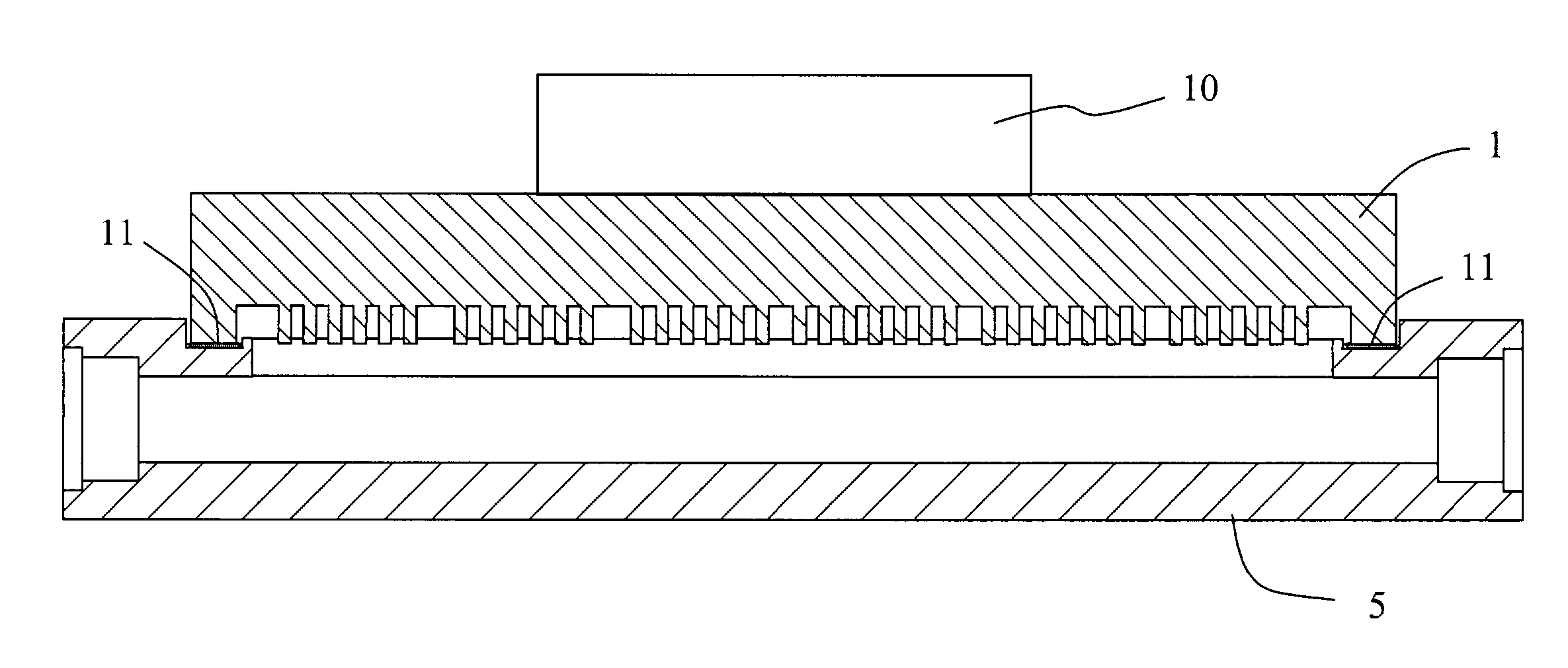
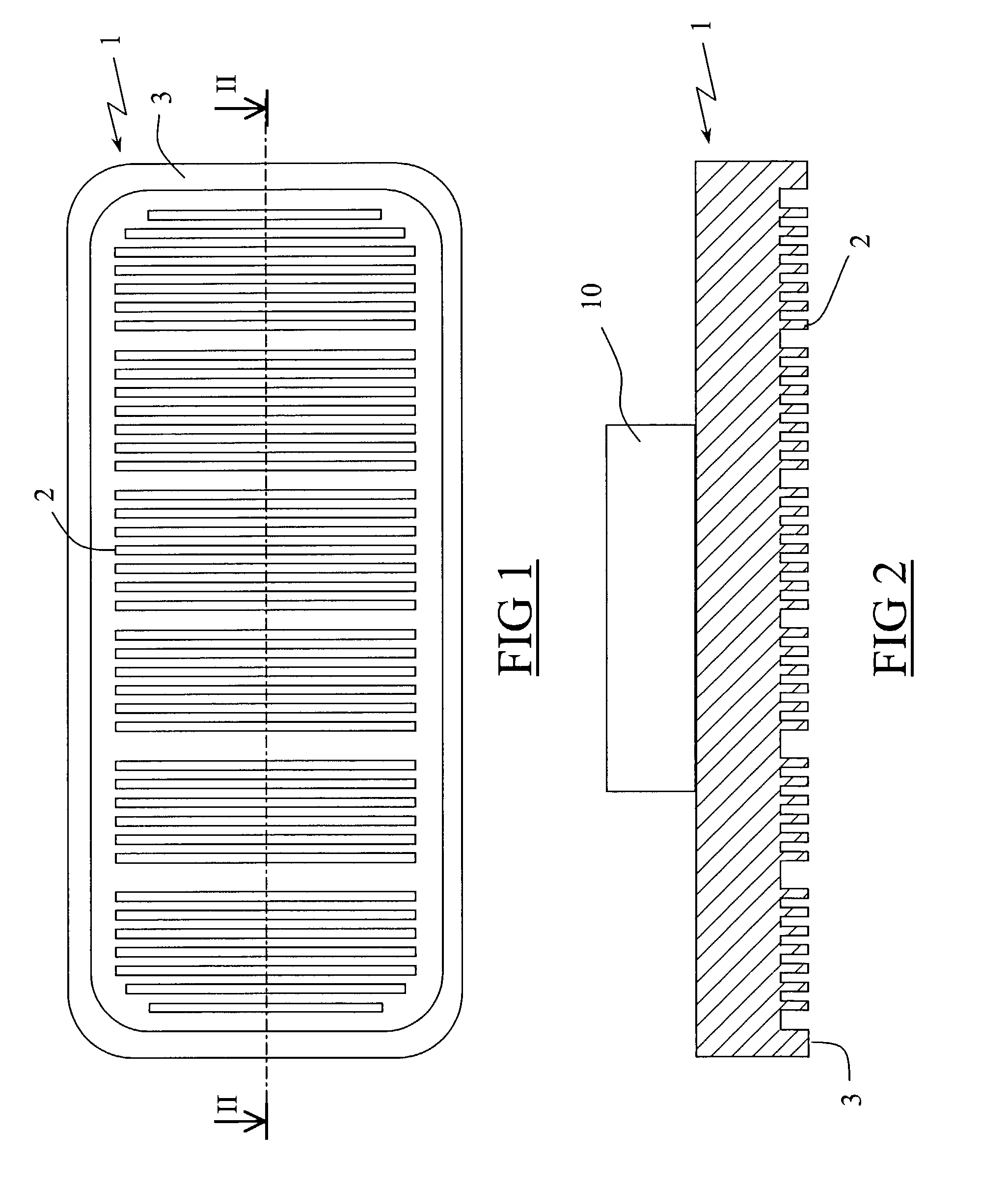
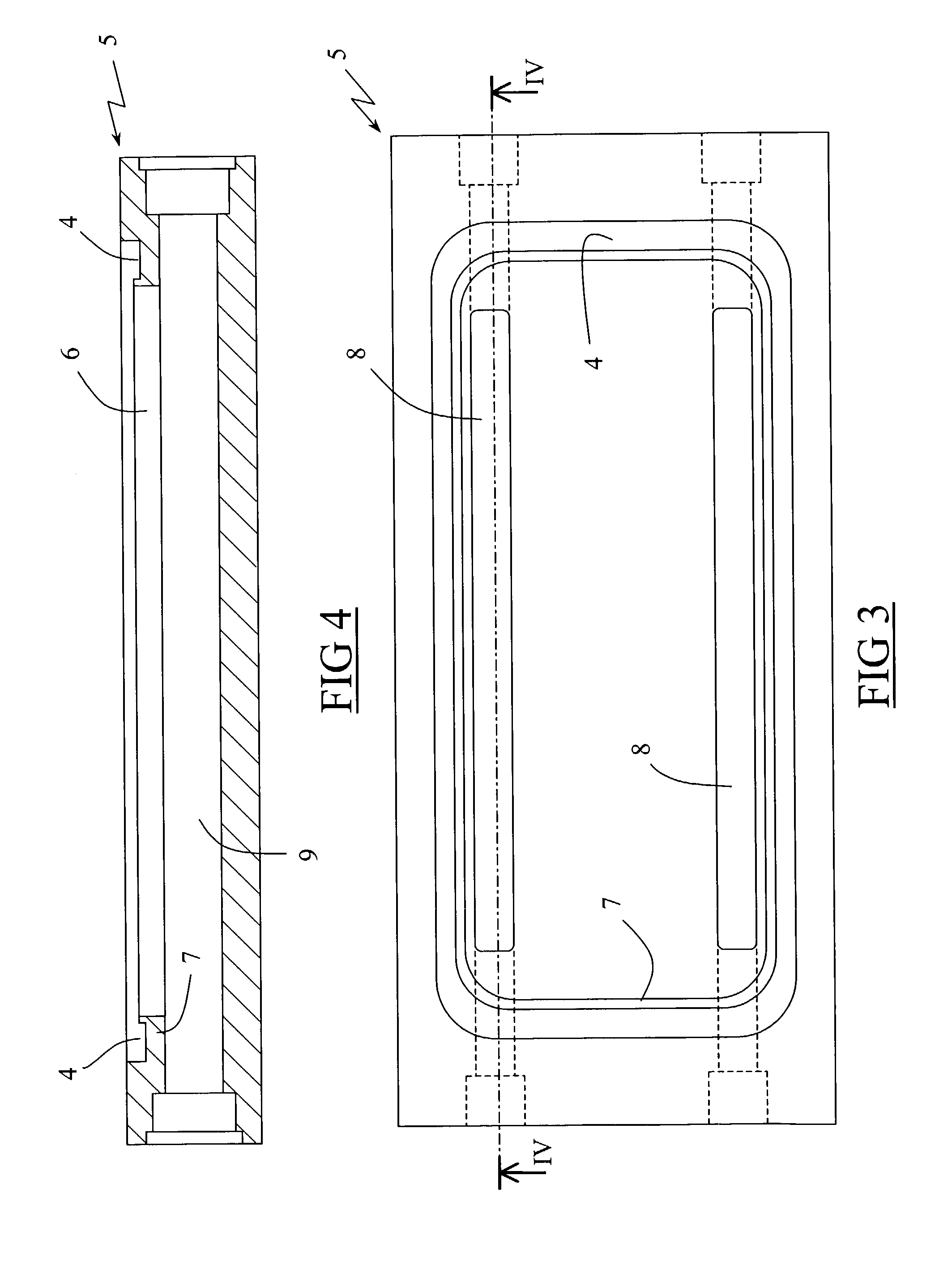
- Irradiating the ceramic substrate surface with an excimer laser and applying a coupling agent, specifically using a KrF or ArF excimer laser and an aqueous silane solution, to enhance adhesion properties without polluting power components and allowing for reliable bonding in challenging environments.

Process for improving the adhesive properties of a ceramic substrate
PatentInactiveEP1300378A1
Innovation
- The method involves excimer laser irradiation of the ceramic substrate surface followed by the application of a coupling agent, such as an aqueous silane solution, to enhance adhesion properties without polluting the power components and can be performed in a clean room without the need for a vacuum enclosure.


Material Safety Standards for Ceramic Substrate Processing
Material safety standards for ceramic substrate processing represent a critical framework governing the handling, processing, and application of ceramic materials in industrial environments. These standards encompass comprehensive guidelines for worker protection, environmental compliance, and product quality assurance throughout the manufacturing lifecycle. The regulatory landscape includes international standards such as ISO 14040 series for environmental management, OSHA guidelines for workplace safety, and industry-specific protocols developed by organizations like the American Ceramic Society and International Electrotechnical Commission.
The primary safety considerations during ceramic substrate processing involve exposure control to hazardous materials commonly used in adhesion layer applications. Silica-based compounds, metallic oxides, and organic solvents present significant health risks requiring stringent ventilation systems, personal protective equipment protocols, and air quality monitoring. Processing temperatures often exceeding 1000°C necessitate thermal safety measures including proper furnace design, emergency shutdown procedures, and heat-resistant protective equipment for personnel.
Chemical handling protocols form the backbone of material safety standards, particularly for adhesion-promoting agents such as titanium compounds, chromium-based primers, and silane coupling agents. These materials require specialized storage conditions, compatibility assessments, and waste disposal procedures compliant with environmental regulations. Documentation requirements include material safety data sheets, exposure monitoring records, and incident reporting systems to ensure traceability and continuous improvement.
Quality control standards intersect with safety requirements through contamination prevention measures and process validation protocols. Clean room environments, particle filtration systems, and cross-contamination prevention procedures ensure both product integrity and worker safety. Regular calibration of monitoring equipment, validation of safety systems, and periodic audits maintain compliance with evolving regulatory requirements.
Emergency response protocols specifically address ceramic processing hazards including chemical spills, thermal incidents, and respiratory exposure events. These procedures integrate with broader facility safety management systems while addressing unique risks associated with high-temperature processing and chemical vapor exposure inherent in adhesion layer applications.
The primary safety considerations during ceramic substrate processing involve exposure control to hazardous materials commonly used in adhesion layer applications. Silica-based compounds, metallic oxides, and organic solvents present significant health risks requiring stringent ventilation systems, personal protective equipment protocols, and air quality monitoring. Processing temperatures often exceeding 1000°C necessitate thermal safety measures including proper furnace design, emergency shutdown procedures, and heat-resistant protective equipment for personnel.
Chemical handling protocols form the backbone of material safety standards, particularly for adhesion-promoting agents such as titanium compounds, chromium-based primers, and silane coupling agents. These materials require specialized storage conditions, compatibility assessments, and waste disposal procedures compliant with environmental regulations. Documentation requirements include material safety data sheets, exposure monitoring records, and incident reporting systems to ensure traceability and continuous improvement.
Quality control standards intersect with safety requirements through contamination prevention measures and process validation protocols. Clean room environments, particle filtration systems, and cross-contamination prevention procedures ensure both product integrity and worker safety. Regular calibration of monitoring equipment, validation of safety systems, and periodic audits maintain compliance with evolving regulatory requirements.
Emergency response protocols specifically address ceramic processing hazards including chemical spills, thermal incidents, and respiratory exposure events. These procedures integrate with broader facility safety management systems while addressing unique risks associated with high-temperature processing and chemical vapor exposure inherent in adhesion layer applications.
Thermal Management Considerations in Ceramic Adhesion
Thermal management represents a critical factor in ceramic substrate adhesion performance, as temperature variations significantly influence the mechanical integrity and long-term reliability of adhesive interfaces. The coefficient of thermal expansion (CTE) mismatch between ceramic substrates and adhesion layers creates substantial stress concentrations during thermal cycling, potentially leading to delamination, cracking, or complete adhesive failure.
Ceramic substrates typically exhibit low thermal expansion coefficients ranging from 3-8 ppm/°C, while many conventional adhesive materials demonstrate significantly higher expansion rates. This disparity generates thermal stress at the interface during temperature fluctuations, particularly in applications involving rapid heating or cooling cycles. The magnitude of induced stress depends on the temperature differential, material thickness, and elastic modulus of both substrate and adhesive layer.
Heat dissipation characteristics of ceramic substrates directly impact adhesion layer performance through localized temperature gradients. Poor thermal conductivity in certain ceramic compositions can create hot spots that accelerate adhesive degradation through thermal oxidation, polymer chain scission, or phase transitions in metallic bonding layers. Effective thermal management strategies must address both uniform heat distribution and efficient heat removal pathways.
Temperature-dependent mechanical properties of adhesion layers require careful consideration in thermal management design. Glass transition temperatures, creep resistance, and elastic modulus variations with temperature significantly affect the stress distribution at ceramic interfaces. Adhesive materials may transition from brittle to ductile behavior across operational temperature ranges, altering failure mechanisms and reliability predictions.
Thermal barrier design becomes essential for high-temperature applications where ceramic substrates experience extreme thermal environments. Multi-layer adhesion systems incorporating thermally matched intermediate layers can reduce stress concentrations while maintaining adequate bonding strength. These gradient structures distribute thermal expansion mismatches across multiple interfaces, minimizing peak stress levels.
Advanced thermal management approaches include active cooling integration, thermal interface material optimization, and substrate preconditioning techniques. Controlled thermal cycling during adhesive curing can enhance interfacial bonding through stress relaxation mechanisms, while thermal conditioning protocols help identify potential failure modes before deployment in critical applications.
Ceramic substrates typically exhibit low thermal expansion coefficients ranging from 3-8 ppm/°C, while many conventional adhesive materials demonstrate significantly higher expansion rates. This disparity generates thermal stress at the interface during temperature fluctuations, particularly in applications involving rapid heating or cooling cycles. The magnitude of induced stress depends on the temperature differential, material thickness, and elastic modulus of both substrate and adhesive layer.
Heat dissipation characteristics of ceramic substrates directly impact adhesion layer performance through localized temperature gradients. Poor thermal conductivity in certain ceramic compositions can create hot spots that accelerate adhesive degradation through thermal oxidation, polymer chain scission, or phase transitions in metallic bonding layers. Effective thermal management strategies must address both uniform heat distribution and efficient heat removal pathways.
Temperature-dependent mechanical properties of adhesion layers require careful consideration in thermal management design. Glass transition temperatures, creep resistance, and elastic modulus variations with temperature significantly affect the stress distribution at ceramic interfaces. Adhesive materials may transition from brittle to ductile behavior across operational temperature ranges, altering failure mechanisms and reliability predictions.
Thermal barrier design becomes essential for high-temperature applications where ceramic substrates experience extreme thermal environments. Multi-layer adhesion systems incorporating thermally matched intermediate layers can reduce stress concentrations while maintaining adequate bonding strength. These gradient structures distribute thermal expansion mismatches across multiple interfaces, minimizing peak stress levels.
Advanced thermal management approaches include active cooling integration, thermal interface material optimization, and substrate preconditioning techniques. Controlled thermal cycling during adhesive curing can enhance interfacial bonding through stress relaxation mechanisms, while thermal conditioning protocols help identify potential failure modes before deployment in critical applications.
Unlock deeper insights with Patsnap Eureka Quick Research — get a full tech report to explore trends and direct your research. Try now!
Generate Your Research Report Instantly with AI Agent
Supercharge your innovation with Patsnap Eureka AI Agent Platform!