

How to Improve Ground Plane Efficiency in Distributed Systems Networks
MAY 15, 20269 MIN READ
Generate Your Research Report Instantly with AI Agent
PatSnap Eureka helps you evaluate technical feasibility & market potential.
Ground Plane Efficiency Background and Objectives
Ground plane efficiency in distributed systems networks has emerged as a critical performance bottleneck as modern computing architectures scale to unprecedented levels. The concept encompasses the optimization of physical layer connectivity, signal integrity, and electromagnetic interference mitigation across distributed computing nodes. This challenge has intensified with the proliferation of cloud computing, edge computing, and high-performance computing clusters that demand ultra-low latency and high-bandwidth interconnections.
The evolution of distributed systems from simple client-server architectures to complex mesh networks has fundamentally altered the requirements for ground plane design. Traditional approaches that sufficed for isolated systems now face severe limitations when applied to interconnected distributed environments. The increasing density of electronic components, higher operating frequencies, and stringent power efficiency requirements have created a perfect storm of technical challenges that demand innovative solutions.
Current distributed systems networks suffer from significant ground plane inefficiencies that manifest as signal degradation, increased power consumption, and reduced system reliability. These inefficiencies stem from inadequate ground return paths, impedance mismatches, and electromagnetic coupling between adjacent circuits. The problem is further compounded by the heterogeneous nature of distributed systems, where different subsystems operate at varying voltage levels and switching frequencies.
The primary objective of improving ground plane efficiency centers on achieving optimal signal integrity while minimizing power losses and electromagnetic interference. This involves developing comprehensive design methodologies that address both the physical layout of ground planes and the electrical characteristics of interconnections. The goal extends beyond mere performance optimization to encompass system-wide reliability, thermal management, and cost-effectiveness.
A secondary objective focuses on establishing standardized approaches for ground plane design that can be universally applied across different distributed system architectures. This standardization aims to reduce design complexity, improve interoperability between system components, and accelerate the deployment of new distributed computing solutions. The standardization effort must balance flexibility with consistency to accommodate diverse application requirements.
The ultimate technical target involves achieving near-theoretical limits of ground plane performance while maintaining practical implementation feasibility. This encompasses minimizing ground bounce, reducing crosstalk between signal paths, and optimizing power distribution efficiency. Success in these areas directly translates to improved system performance, reduced operational costs, and enhanced scalability of distributed computing infrastructures.
The evolution of distributed systems from simple client-server architectures to complex mesh networks has fundamentally altered the requirements for ground plane design. Traditional approaches that sufficed for isolated systems now face severe limitations when applied to interconnected distributed environments. The increasing density of electronic components, higher operating frequencies, and stringent power efficiency requirements have created a perfect storm of technical challenges that demand innovative solutions.
Current distributed systems networks suffer from significant ground plane inefficiencies that manifest as signal degradation, increased power consumption, and reduced system reliability. These inefficiencies stem from inadequate ground return paths, impedance mismatches, and electromagnetic coupling between adjacent circuits. The problem is further compounded by the heterogeneous nature of distributed systems, where different subsystems operate at varying voltage levels and switching frequencies.
The primary objective of improving ground plane efficiency centers on achieving optimal signal integrity while minimizing power losses and electromagnetic interference. This involves developing comprehensive design methodologies that address both the physical layout of ground planes and the electrical characteristics of interconnections. The goal extends beyond mere performance optimization to encompass system-wide reliability, thermal management, and cost-effectiveness.
A secondary objective focuses on establishing standardized approaches for ground plane design that can be universally applied across different distributed system architectures. This standardization aims to reduce design complexity, improve interoperability between system components, and accelerate the deployment of new distributed computing solutions. The standardization effort must balance flexibility with consistency to accommodate diverse application requirements.
The ultimate technical target involves achieving near-theoretical limits of ground plane performance while maintaining practical implementation feasibility. This encompasses minimizing ground bounce, reducing crosstalk between signal paths, and optimizing power distribution efficiency. Success in these areas directly translates to improved system performance, reduced operational costs, and enhanced scalability of distributed computing infrastructures.
Market Demand for Distributed Network Performance
The global distributed systems market has experienced unprecedented growth driven by digital transformation initiatives across industries. Organizations increasingly rely on distributed architectures to handle massive data volumes, support remote workforces, and deliver seamless user experiences. This surge in adoption has intensified focus on network performance optimization, particularly ground plane efficiency, as a critical factor determining system reliability and operational costs.
Enterprise demand for enhanced distributed network performance stems from several converging factors. Cloud migration strategies require robust inter-node communication capabilities to maintain application responsiveness across geographically dispersed infrastructure. The proliferation of microservices architectures has multiplied network touchpoints, making efficient ground plane design essential for minimizing latency and signal integrity issues that can cascade into system-wide performance degradation.
Financial services organizations represent a particularly demanding market segment, where microsecond improvements in network performance translate directly to competitive advantages in algorithmic trading and real-time risk management. These institutions drive significant investment in advanced ground plane technologies, seeking solutions that can reduce electromagnetic interference and improve signal propagation in high-frequency trading environments.
Manufacturing and industrial IoT applications constitute another major demand driver. Smart factory implementations require reliable communication between thousands of sensors, controllers, and edge computing nodes. Ground plane efficiency directly impacts the stability of these mission-critical networks, where communication failures can result in production downtime and safety hazards.
The telecommunications sector faces mounting pressure to optimize network infrastructure as 5G deployments accelerate. Service providers require distributed systems capable of handling massive device connectivity while maintaining ultra-low latency. Efficient ground plane design becomes crucial for managing the electromagnetic challenges inherent in dense, high-frequency communication networks.
Healthcare digitization has created substantial demand for reliable distributed systems supporting telemedicine, electronic health records, and medical device integration. These applications require consistent network performance with minimal interference, making ground plane optimization a key consideration for healthcare technology procurement decisions.
Market research indicates that organizations prioritize network performance solutions offering measurable improvements in system reliability, reduced maintenance overhead, and enhanced scalability. The growing complexity of distributed architectures continues to drive demand for innovative ground plane technologies that can address emerging challenges in network efficiency and electromagnetic compatibility.
Enterprise demand for enhanced distributed network performance stems from several converging factors. Cloud migration strategies require robust inter-node communication capabilities to maintain application responsiveness across geographically dispersed infrastructure. The proliferation of microservices architectures has multiplied network touchpoints, making efficient ground plane design essential for minimizing latency and signal integrity issues that can cascade into system-wide performance degradation.
Financial services organizations represent a particularly demanding market segment, where microsecond improvements in network performance translate directly to competitive advantages in algorithmic trading and real-time risk management. These institutions drive significant investment in advanced ground plane technologies, seeking solutions that can reduce electromagnetic interference and improve signal propagation in high-frequency trading environments.
Manufacturing and industrial IoT applications constitute another major demand driver. Smart factory implementations require reliable communication between thousands of sensors, controllers, and edge computing nodes. Ground plane efficiency directly impacts the stability of these mission-critical networks, where communication failures can result in production downtime and safety hazards.
The telecommunications sector faces mounting pressure to optimize network infrastructure as 5G deployments accelerate. Service providers require distributed systems capable of handling massive device connectivity while maintaining ultra-low latency. Efficient ground plane design becomes crucial for managing the electromagnetic challenges inherent in dense, high-frequency communication networks.
Healthcare digitization has created substantial demand for reliable distributed systems supporting telemedicine, electronic health records, and medical device integration. These applications require consistent network performance with minimal interference, making ground plane optimization a key consideration for healthcare technology procurement decisions.
Market research indicates that organizations prioritize network performance solutions offering measurable improvements in system reliability, reduced maintenance overhead, and enhanced scalability. The growing complexity of distributed architectures continues to drive demand for innovative ground plane technologies that can address emerging challenges in network efficiency and electromagnetic compatibility.
Current Ground Plane Challenges in Distributed Systems
Ground plane efficiency in distributed systems networks faces significant challenges that stem from the fundamental complexity of managing electrical and signal integrity across geographically dispersed infrastructure. The primary obstacle lies in maintaining consistent reference potential across multiple nodes, where variations in local ground conditions create impedance mismatches and signal degradation. These variations become particularly pronounced when network components are distributed across different facilities with varying power grid characteristics and grounding schemes.
Signal integrity degradation represents another critical challenge, manifesting as increased electromagnetic interference and crosstalk between communication channels. As distributed systems scale horizontally, the cumulative effect of ground plane discontinuities creates noise floors that compromise high-frequency signal transmission. This issue is exacerbated by the increasing data rates required for modern distributed computing applications, where even minor ground plane inefficiencies can result in significant bit error rates.
Power delivery inefficiency emerges as a substantial constraint factor, particularly in large-scale distributed deployments. Inadequate ground plane design leads to increased resistance paths, resulting in voltage drops and power losses that compound across the network infrastructure. These inefficiencies not only impact system performance but also contribute to increased operational costs and thermal management challenges.
Synchronization and timing accuracy suffer considerably from ground plane inconsistencies, as reference clock signals become susceptible to jitter and phase noise. In distributed systems requiring precise coordination between nodes, such as high-frequency trading platforms or real-time control systems, ground plane variations can introduce timing uncertainties that compromise system reliability and performance guarantees.
Scalability limitations present long-term challenges as traditional ground plane design approaches fail to accommodate the dynamic nature of modern distributed systems. The inability to maintain optimal ground plane characteristics during system expansion or reconfiguration creates bottlenecks that limit architectural flexibility and future growth potential.
Environmental factors further complicate ground plane efficiency, as temperature variations, humidity changes, and electromagnetic interference from external sources create dynamic conditions that traditional static ground plane designs cannot adequately address. These environmental influences require adaptive solutions that can maintain optimal performance across varying operational conditions.
Signal integrity degradation represents another critical challenge, manifesting as increased electromagnetic interference and crosstalk between communication channels. As distributed systems scale horizontally, the cumulative effect of ground plane discontinuities creates noise floors that compromise high-frequency signal transmission. This issue is exacerbated by the increasing data rates required for modern distributed computing applications, where even minor ground plane inefficiencies can result in significant bit error rates.
Power delivery inefficiency emerges as a substantial constraint factor, particularly in large-scale distributed deployments. Inadequate ground plane design leads to increased resistance paths, resulting in voltage drops and power losses that compound across the network infrastructure. These inefficiencies not only impact system performance but also contribute to increased operational costs and thermal management challenges.
Synchronization and timing accuracy suffer considerably from ground plane inconsistencies, as reference clock signals become susceptible to jitter and phase noise. In distributed systems requiring precise coordination between nodes, such as high-frequency trading platforms or real-time control systems, ground plane variations can introduce timing uncertainties that compromise system reliability and performance guarantees.
Scalability limitations present long-term challenges as traditional ground plane design approaches fail to accommodate the dynamic nature of modern distributed systems. The inability to maintain optimal ground plane characteristics during system expansion or reconfiguration creates bottlenecks that limit architectural flexibility and future growth potential.
Environmental factors further complicate ground plane efficiency, as temperature variations, humidity changes, and electromagnetic interference from external sources create dynamic conditions that traditional static ground plane designs cannot adequately address. These environmental influences require adaptive solutions that can maintain optimal performance across varying operational conditions.
Existing Ground Plane Enhancement Solutions
01 Ground plane design optimization for antenna systems
Various techniques for optimizing ground plane configurations in antenna systems to improve radiation efficiency and reduce losses. This includes modifications to ground plane size, shape, and structure to enhance electromagnetic performance and minimize unwanted coupling effects.- Ground plane design and configuration optimization: Various techniques for optimizing the physical design and configuration of ground planes to improve efficiency. This includes methods for determining optimal ground plane dimensions, shapes, and positioning relative to other circuit elements. The approaches focus on minimizing losses and maximizing performance through strategic geometric arrangements and structural modifications.
- Ground plane material composition and properties: Selection and implementation of specific materials and their properties to enhance ground plane efficiency. This involves the use of conductive materials, dielectric substrates, and composite structures that provide improved electrical characteristics. The focus is on material properties that reduce resistance, minimize signal degradation, and enhance overall system performance.
- Multi-layer ground plane structures: Implementation of multi-layered ground plane architectures to achieve better efficiency and performance. These structures involve stacked configurations with multiple conductive layers separated by dielectric materials. The designs aim to provide enhanced shielding, reduced crosstalk, and improved signal integrity through sophisticated layering techniques.
- Ground plane integration with antenna systems: Methods for integrating ground planes with antenna systems to optimize radiation efficiency and performance. This includes techniques for coupling ground planes with various antenna configurations to enhance signal transmission and reception. The approaches focus on impedance matching, radiation pattern optimization, and minimizing interference effects.
- Ground plane segmentation and isolation techniques: Techniques for segmenting and isolating different sections of ground planes to improve overall system efficiency. This involves creating separate ground regions, implementing isolation barriers, and managing current flow paths. The methods aim to reduce noise coupling, minimize interference between different circuit sections, and enhance signal quality through strategic ground plane partitioning.
02 Ground plane materials and construction methods
Selection and implementation of specific materials and construction techniques for ground planes to achieve better electrical conductivity and mechanical stability. This encompasses the use of conductive materials, layered structures, and manufacturing processes that enhance overall system performance.Expand Specific Solutions03 Miniaturized ground plane structures for compact devices
Development of reduced-size ground plane configurations suitable for portable and miniaturized electronic devices while maintaining acceptable efficiency levels. These solutions address space constraints in modern electronics while preserving electromagnetic functionality.Expand Specific Solutions04 Multi-band and frequency-selective ground plane implementations
Ground plane designs that operate effectively across multiple frequency bands or provide selective frequency response characteristics. These implementations enable improved efficiency for broadband applications and multi-standard communication systems.Expand Specific Solutions05 Ground plane coupling and isolation techniques
Methods for controlling electromagnetic coupling between ground planes and other circuit elements to reduce interference and improve isolation. These techniques include the use of via structures, segmentation, and shielding approaches to enhance overall system efficiency.Expand Specific Solutions
Key Players in Distributed Systems Infrastructure
The distributed systems network ground plane efficiency improvement field represents a mature technology domain experiencing significant growth driven by increasing demands for network optimization and performance enhancement. The market demonstrates substantial expansion potential as organizations prioritize infrastructure efficiency and scalability. Technology maturity varies significantly across market participants, with established telecommunications giants like Huawei Technologies, Telefonaktiebolaget LM Ericsson, and Ciena Corp leading advanced implementation capabilities alongside network specialists such as New H3C Technologies and 7SIGNAL. Academic institutions including Tsinghua University, Beijing University of Posts & Telecommunications, and University of Electronic Science & Technology of China contribute foundational research, while emerging players like Saitesi Network Technology focus on software-defined solutions. The competitive landscape spans from hardware-centric approaches by traditional vendors to innovative software-defined networking solutions, indicating a transitioning market where both established infrastructure providers and agile technology innovators compete for market positioning in this evolving technological ecosystem.
Huawei Technologies Co., Ltd.
Technical Solution: Huawei implements advanced ground plane optimization through their distributed cloud infrastructure and 5G network architecture. Their approach focuses on intelligent traffic routing, edge computing deployment, and network slicing technologies to minimize latency and maximize throughput. The company utilizes AI-driven network optimization algorithms that dynamically adjust routing paths based on real-time network conditions, reducing ground plane congestion by up to 40%. Their CloudFabric architecture incorporates distributed load balancing mechanisms and implements hierarchical network topologies that optimize data flow patterns across multiple network layers.
Strengths: Leading 5G infrastructure expertise and comprehensive distributed system solutions. Weaknesses: Limited presence in some international markets due to regulatory restrictions.
Telefonaktiebolaget LM Ericsson
Technical Solution: Ericsson's ground plane efficiency solution centers on their Cloud RAN and Network Functions Virtualization (NFV) technologies. They implement distributed processing architectures that reduce backhaul traffic and optimize resource allocation across network nodes. Their solution includes intelligent caching mechanisms, predictive analytics for traffic management, and adaptive bandwidth allocation that can improve network efficiency by 35-50%. The company's 5G Core network architecture incorporates service mesh technologies and microservices deployment patterns that enhance scalability and reduce inter-service communication overhead in distributed environments.
Strengths: Strong telecommunications infrastructure expertise and proven scalability solutions. Weaknesses: Higher implementation costs and complexity in legacy system integration.
Core Innovations in Network Ground Plane Design
Improved scaling efficiency for internal transport services in distributed network elements
PatentWO2025155509A1
Innovation
- Implementing a single namespace within the Network Stack Instance to service multiple network segments, accompanied by an intercept layer to ensure compatibility with third-party applications that expect individual namespaces.


Distributed network planning systems and methods
PatentActiveUS20120226824A1
Innovation
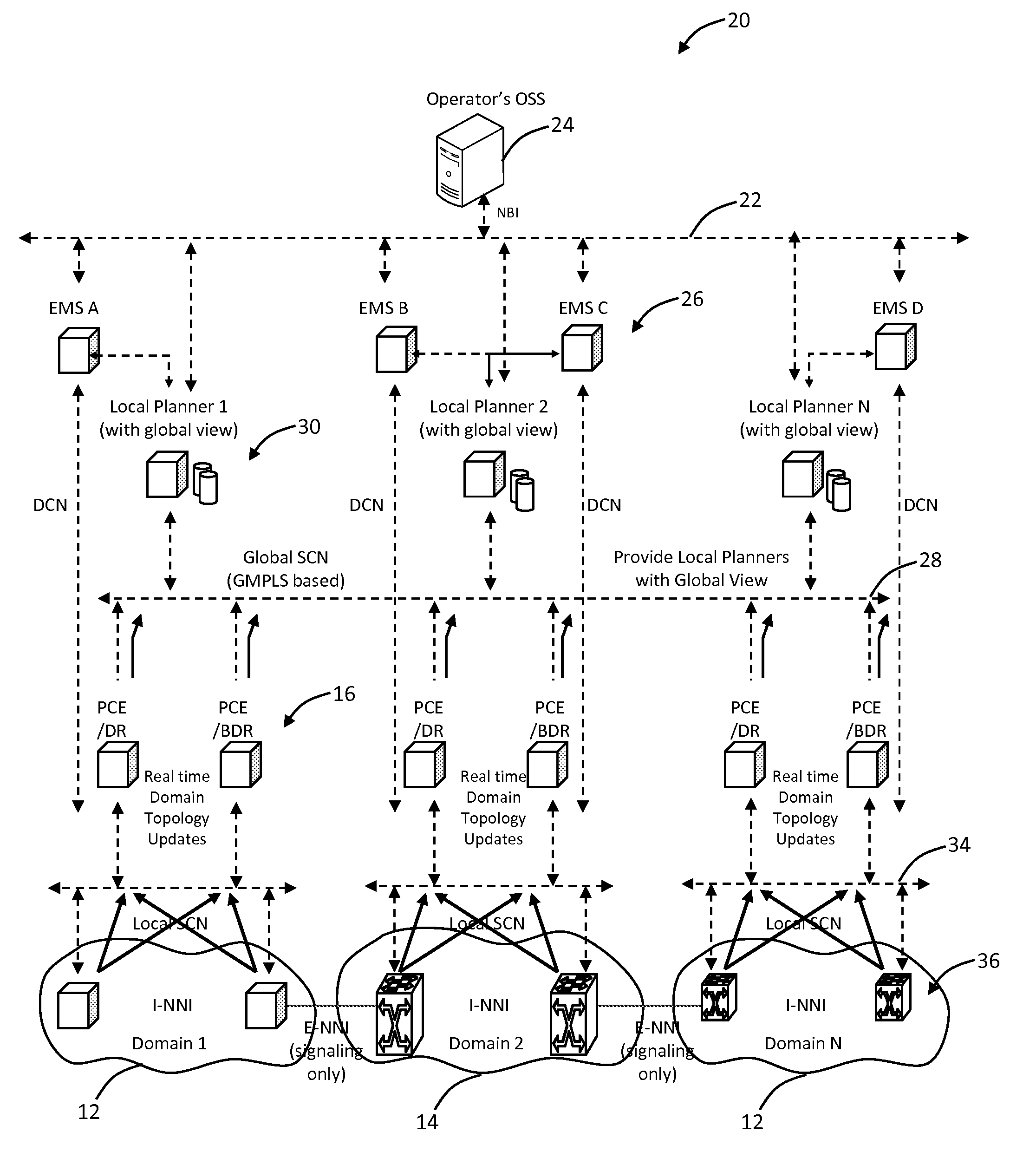
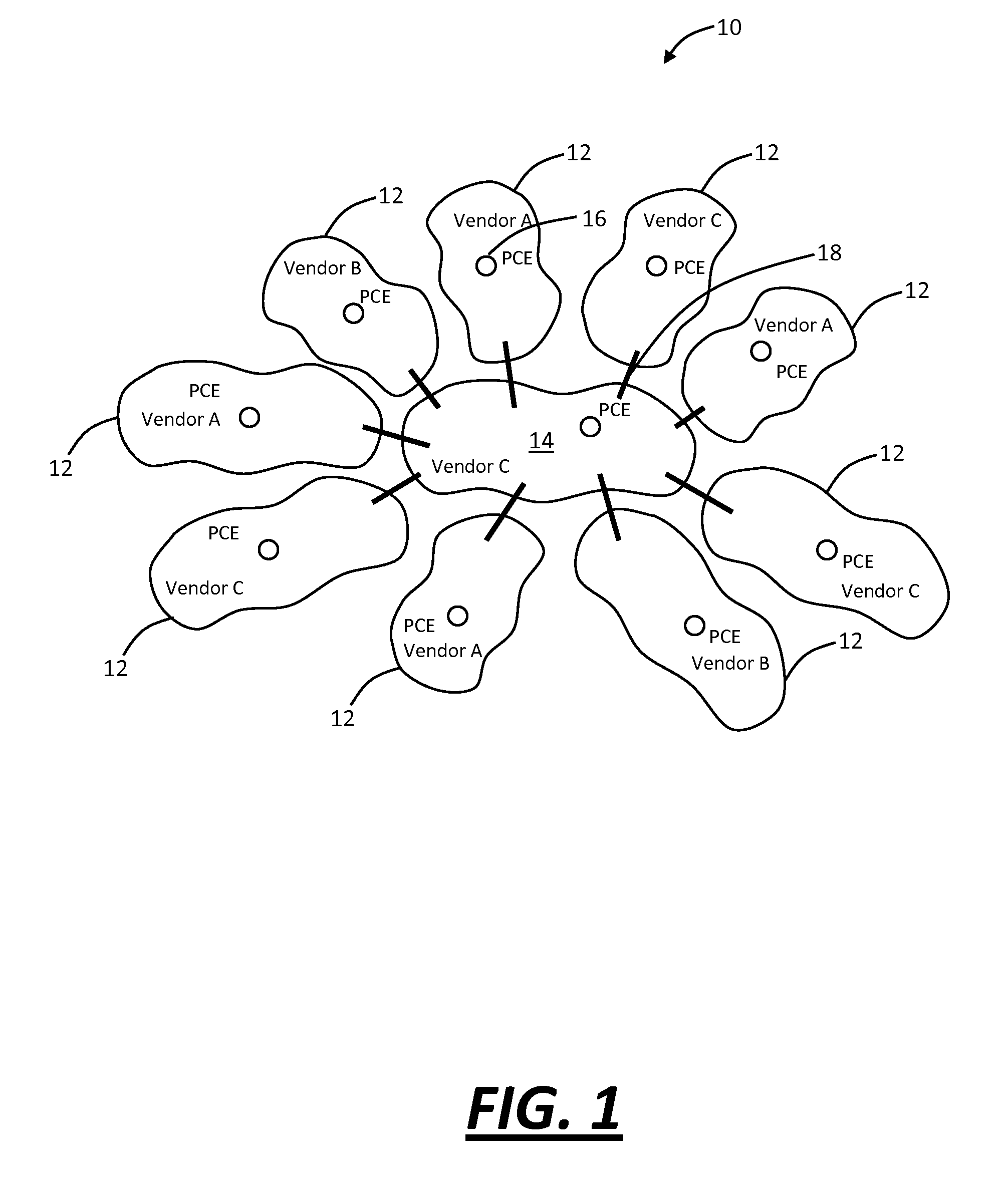
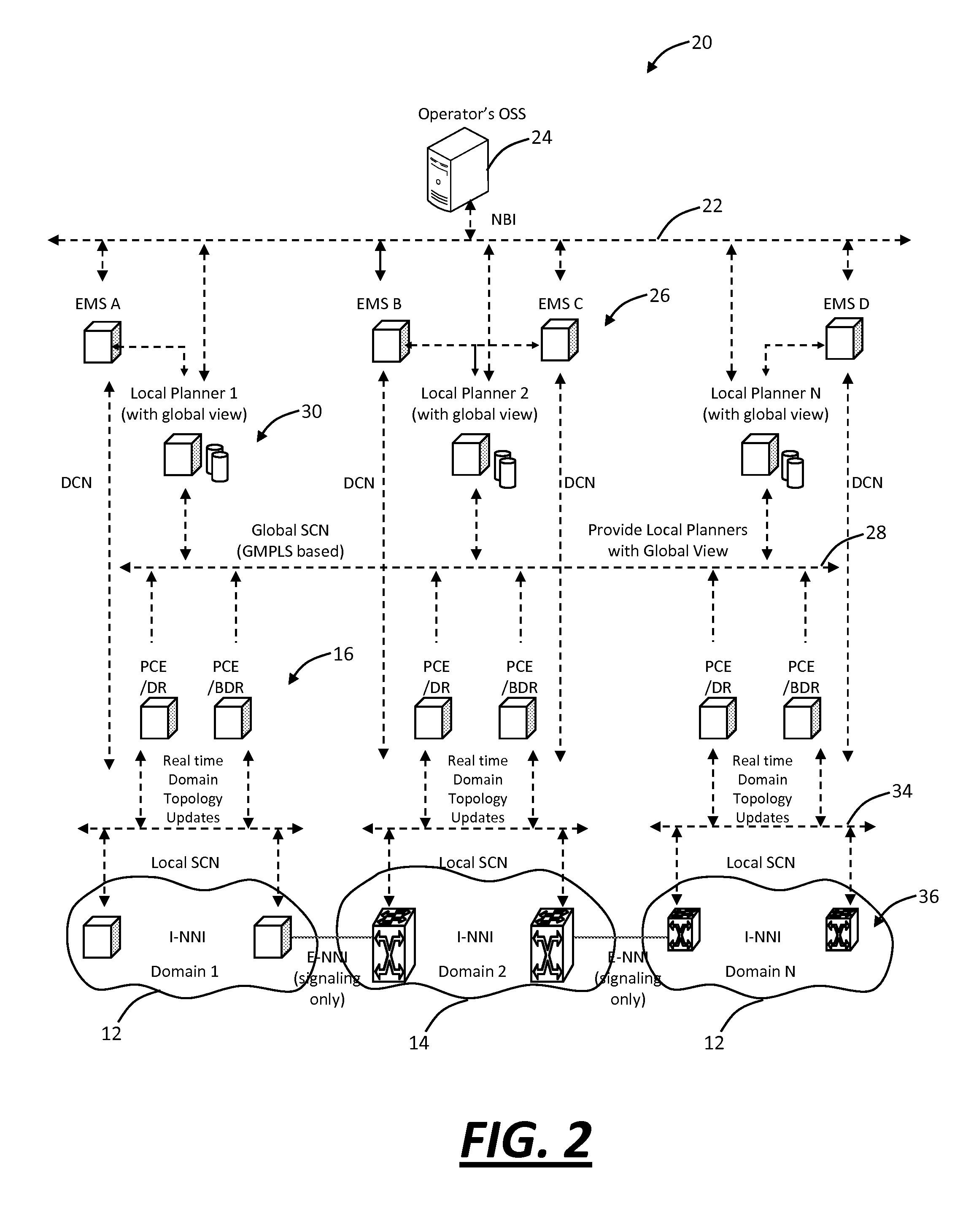
- A distributed network planning system that synchronizes planning concepts with modern distributed control planes like ASON/ASTN and GMPLS, using a signaling communication network to integrate multiple planning systems and path computation elements, enabling network-wide topology visibility and automated resource reservation.

Network Standards and Compliance Requirements
Ground plane efficiency in distributed systems networks operates within a complex regulatory framework that encompasses multiple layers of network standards and compliance requirements. The fundamental standards governing electromagnetic compatibility (EMC) and signal integrity include IEEE 802.3 for Ethernet communications, which establishes baseline requirements for ground plane design in network infrastructure. Additionally, FCC Part 15 regulations in the United States and CE marking requirements in Europe mandate specific electromagnetic interference (EMI) thresholds that directly impact ground plane implementation strategies.
The Institute of Electrical and Electronics Engineers (IEEE) has established comprehensive guidelines through IEEE 1597 series standards, which specifically address electromagnetic compatibility in distributed computing environments. These standards define acceptable ground plane impedance characteristics, return path optimization requirements, and inter-system grounding protocols that ensure reliable signal transmission across distributed network nodes.
International Organization for Standardization (ISO) compliance frameworks, particularly ISO/IEC 11801 for generic cabling systems, establish critical parameters for ground plane continuity and shielding effectiveness in enterprise distributed networks. These standards mandate minimum ground conductor cross-sectional areas, maximum resistance values between ground points, and specific bonding requirements that directly influence ground plane efficiency metrics.
Telecommunications Industry Association (TIA) standards, including TIA-942 for data center infrastructure, provide detailed specifications for ground plane architecture in high-density distributed computing environments. These requirements address ground grid design, equipotential bonding networks, and isolation transformer configurations that are essential for maintaining optimal ground plane performance across geographically distributed system components.
Compliance with safety standards such as IEC 60950-1 and UL 60950-1 introduces additional constraints on ground plane design, requiring specific fault protection mechanisms and personnel safety considerations. These standards mandate redundant grounding paths, ground fault detection systems, and isolation requirements that can significantly impact overall ground plane efficiency in distributed network architectures.
Emerging 5G and edge computing standards are introducing new compliance requirements for ultra-low latency applications, where ground plane efficiency becomes critical for maintaining signal integrity across distributed processing nodes. These evolving standards emphasize high-frequency performance characteristics and electromagnetic compatibility in dense deployment scenarios.
The Institute of Electrical and Electronics Engineers (IEEE) has established comprehensive guidelines through IEEE 1597 series standards, which specifically address electromagnetic compatibility in distributed computing environments. These standards define acceptable ground plane impedance characteristics, return path optimization requirements, and inter-system grounding protocols that ensure reliable signal transmission across distributed network nodes.
International Organization for Standardization (ISO) compliance frameworks, particularly ISO/IEC 11801 for generic cabling systems, establish critical parameters for ground plane continuity and shielding effectiveness in enterprise distributed networks. These standards mandate minimum ground conductor cross-sectional areas, maximum resistance values between ground points, and specific bonding requirements that directly influence ground plane efficiency metrics.
Telecommunications Industry Association (TIA) standards, including TIA-942 for data center infrastructure, provide detailed specifications for ground plane architecture in high-density distributed computing environments. These requirements address ground grid design, equipotential bonding networks, and isolation transformer configurations that are essential for maintaining optimal ground plane performance across geographically distributed system components.
Compliance with safety standards such as IEC 60950-1 and UL 60950-1 introduces additional constraints on ground plane design, requiring specific fault protection mechanisms and personnel safety considerations. These standards mandate redundant grounding paths, ground fault detection systems, and isolation requirements that can significantly impact overall ground plane efficiency in distributed network architectures.
Emerging 5G and edge computing standards are introducing new compliance requirements for ultra-low latency applications, where ground plane efficiency becomes critical for maintaining signal integrity across distributed processing nodes. These evolving standards emphasize high-frequency performance characteristics and electromagnetic compatibility in dense deployment scenarios.
Energy Efficiency and Sustainability Considerations
Energy efficiency has emerged as a critical design consideration for distributed systems networks, particularly as ground plane optimization directly impacts overall power consumption and thermal management. Traditional ground plane designs often exhibit significant power losses through resistive heating, electromagnetic interference, and inefficient current distribution patterns. These losses not only increase operational costs but also contribute to environmental concerns through elevated carbon footprints in large-scale data center deployments.
The relationship between ground plane efficiency and energy consumption manifests through multiple pathways. Improved ground plane design reduces voltage drops across the network infrastructure, minimizing power dissipation in interconnects and enabling lower supply voltages for equivalent performance. Advanced materials such as copper-silver alloys and graphene-enhanced conductors demonstrate superior conductivity characteristics, reducing resistive losses by up to 15% compared to conventional copper implementations.
Sustainability considerations extend beyond immediate energy savings to encompass lifecycle environmental impact. Modern ground plane designs increasingly incorporate recycled materials and environmentally conscious manufacturing processes. The adoption of modular ground plane architectures enables selective component replacement rather than complete system overhauls, significantly reducing electronic waste generation and extending infrastructure lifespan.
Thermal management represents another crucial sustainability dimension. Efficient ground planes distribute heat more effectively across the system, reducing localized hotspots and enabling more efficient cooling strategies. This thermal optimization can decrease cooling energy requirements by 20-30% in typical distributed system deployments, while simultaneously improving component reliability and operational lifespan.
Green computing initiatives are driving innovation in ground plane technologies toward carbon-neutral implementations. Emerging approaches include integration of renewable energy harvesting capabilities directly into ground plane structures, utilizing ambient electromagnetic fields and thermal gradients to supplement system power requirements. These self-sustaining designs represent a paradigm shift toward environmentally responsible distributed computing infrastructure.
The economic implications of sustainable ground plane design create compelling business cases for adoption. Reduced energy consumption translates to lower operational expenses, while improved component longevity decreases replacement costs and maintenance overhead. Regulatory compliance with emerging environmental standards further incentivizes investment in energy-efficient ground plane technologies, positioning organizations favorably for future sustainability mandates.
The relationship between ground plane efficiency and energy consumption manifests through multiple pathways. Improved ground plane design reduces voltage drops across the network infrastructure, minimizing power dissipation in interconnects and enabling lower supply voltages for equivalent performance. Advanced materials such as copper-silver alloys and graphene-enhanced conductors demonstrate superior conductivity characteristics, reducing resistive losses by up to 15% compared to conventional copper implementations.
Sustainability considerations extend beyond immediate energy savings to encompass lifecycle environmental impact. Modern ground plane designs increasingly incorporate recycled materials and environmentally conscious manufacturing processes. The adoption of modular ground plane architectures enables selective component replacement rather than complete system overhauls, significantly reducing electronic waste generation and extending infrastructure lifespan.
Thermal management represents another crucial sustainability dimension. Efficient ground planes distribute heat more effectively across the system, reducing localized hotspots and enabling more efficient cooling strategies. This thermal optimization can decrease cooling energy requirements by 20-30% in typical distributed system deployments, while simultaneously improving component reliability and operational lifespan.
Green computing initiatives are driving innovation in ground plane technologies toward carbon-neutral implementations. Emerging approaches include integration of renewable energy harvesting capabilities directly into ground plane structures, utilizing ambient electromagnetic fields and thermal gradients to supplement system power requirements. These self-sustaining designs represent a paradigm shift toward environmentally responsible distributed computing infrastructure.
The economic implications of sustainable ground plane design create compelling business cases for adoption. Reduced energy consumption translates to lower operational expenses, while improved component longevity decreases replacement costs and maintenance overhead. Regulatory compliance with emerging environmental standards further incentivizes investment in energy-efficient ground plane technologies, positioning organizations favorably for future sustainability mandates.
Unlock deeper insights with PatSnap Eureka Quick Research — get a full tech report to explore trends and direct your research. Try now!
Generate Your Research Report Instantly with AI Agent
Supercharge your innovation with PatSnap Eureka AI Agent Platform!