
How to Improve User Experience through Integrated VLC Solutions
MAR 23, 20269 MIN READ
Generate Your Research Report Instantly with AI Agent
Patsnap Eureka helps you evaluate technical feasibility & market potential.
VLC Technology Background and UX Enhancement Goals
Visible Light Communication (VLC) technology represents a revolutionary approach to wireless data transmission that utilizes the visible light spectrum, typically ranging from 380 to 750 nanometers, to establish communication links. This innovative technology leverages Light Emitting Diodes (LEDs) as transmitters and photodiodes or image sensors as receivers, enabling simultaneous illumination and data communication through rapid modulation of light intensity at frequencies imperceptible to the human eye.
The foundational concept of VLC emerged from the convergence of solid-state lighting advancement and the growing demand for alternative wireless communication solutions. Unlike traditional radio frequency-based systems, VLC operates within the unregulated visible light spectrum, offering inherent advantages including immunity to electromagnetic interference, enhanced security through confined light propagation, and the dual functionality of lighting and communication infrastructure.
The evolution of VLC technology has been driven by significant improvements in LED efficiency, modulation techniques, and signal processing capabilities. Modern VLC systems employ sophisticated modulation schemes such as On-Off Keying (OOK), Orthogonal Frequency Division Multiplexing (OFDM), and advanced coding techniques to achieve data rates ranging from several kilobits per second to multiple gigabits per second, depending on implementation complexity and environmental conditions.
Current VLC implementations demonstrate remarkable versatility across diverse application domains. Indoor positioning systems utilize VLC for precise location services with centimeter-level accuracy, while underwater communication systems exploit the superior light penetration characteristics compared to radio waves. Vehicle-to-vehicle communication represents another promising application area, where automotive headlights and taillights serve as communication nodes for enhanced traffic safety and autonomous driving support.
The primary objective of integrating VLC solutions for user experience enhancement centers on creating seamless, intuitive, and contextually aware communication environments. This involves developing adaptive transmission protocols that automatically adjust to ambient lighting conditions, user mobility patterns, and application requirements. The goal encompasses establishing ubiquitous connectivity through existing lighting infrastructure while maintaining optimal illumination quality and energy efficiency.
Furthermore, the integration aims to address critical limitations of conventional wireless technologies, including spectrum congestion, security vulnerabilities, and interference issues in sensitive environments such as hospitals and aircraft. By leveraging the inherent characteristics of visible light, VLC solutions strive to deliver reliable, high-speed data transmission while contributing to smart city initiatives and Internet of Things ecosystems through intelligent lighting networks that respond dynamically to user presence and communication demands.
The foundational concept of VLC emerged from the convergence of solid-state lighting advancement and the growing demand for alternative wireless communication solutions. Unlike traditional radio frequency-based systems, VLC operates within the unregulated visible light spectrum, offering inherent advantages including immunity to electromagnetic interference, enhanced security through confined light propagation, and the dual functionality of lighting and communication infrastructure.
The evolution of VLC technology has been driven by significant improvements in LED efficiency, modulation techniques, and signal processing capabilities. Modern VLC systems employ sophisticated modulation schemes such as On-Off Keying (OOK), Orthogonal Frequency Division Multiplexing (OFDM), and advanced coding techniques to achieve data rates ranging from several kilobits per second to multiple gigabits per second, depending on implementation complexity and environmental conditions.
Current VLC implementations demonstrate remarkable versatility across diverse application domains. Indoor positioning systems utilize VLC for precise location services with centimeter-level accuracy, while underwater communication systems exploit the superior light penetration characteristics compared to radio waves. Vehicle-to-vehicle communication represents another promising application area, where automotive headlights and taillights serve as communication nodes for enhanced traffic safety and autonomous driving support.
The primary objective of integrating VLC solutions for user experience enhancement centers on creating seamless, intuitive, and contextually aware communication environments. This involves developing adaptive transmission protocols that automatically adjust to ambient lighting conditions, user mobility patterns, and application requirements. The goal encompasses establishing ubiquitous connectivity through existing lighting infrastructure while maintaining optimal illumination quality and energy efficiency.
Furthermore, the integration aims to address critical limitations of conventional wireless technologies, including spectrum congestion, security vulnerabilities, and interference issues in sensitive environments such as hospitals and aircraft. By leveraging the inherent characteristics of visible light, VLC solutions strive to deliver reliable, high-speed data transmission while contributing to smart city initiatives and Internet of Things ecosystems through intelligent lighting networks that respond dynamically to user presence and communication demands.
Market Demand for Integrated VLC User Experience Solutions
The market demand for integrated VLC user experience solutions is experiencing significant growth driven by the convergence of multiple technological and societal trends. The proliferation of LED lighting infrastructure across commercial, residential, and industrial sectors has created a substantial foundation for VLC deployment, as existing lighting systems can be retrofitted with communication capabilities without requiring entirely new infrastructure investments.
Smart building initiatives represent a major demand driver, where facility managers seek unified solutions that combine illumination, data transmission, and user interaction capabilities. Modern office complexes, retail spaces, and educational institutions increasingly require seamless connectivity solutions that can provide location-based services, indoor navigation, and personalized content delivery while maintaining energy efficiency standards.
The healthcare sector demonstrates particularly strong demand for integrated VLC solutions due to electromagnetic interference concerns with traditional wireless technologies. Hospitals and medical facilities require reliable communication systems that do not interfere with sensitive medical equipment, making VLC an attractive alternative for patient monitoring, asset tracking, and staff communication systems.
Retail environments are driving demand through requirements for enhanced customer engagement and analytics capabilities. Store operators seek integrated solutions that can simultaneously provide ambient lighting, deliver targeted promotional content, and collect customer behavior data through smartphone interactions with VLC-enabled fixtures.
Industrial applications present substantial market opportunities, particularly in environments where radio frequency communications are restricted or unreliable. Manufacturing facilities, mining operations, and chemical plants require robust communication systems for safety monitoring, equipment status reporting, and worker coordination, where integrated VLC solutions can operate effectively in harsh electromagnetic environments.
The automotive industry contributes to market demand through vehicle-to-infrastructure communication requirements. Traffic management systems increasingly incorporate VLC-enabled street lighting for real-time traffic data exchange, emergency vehicle prioritization, and autonomous vehicle navigation support.
Educational institutions drive demand for integrated VLC solutions that can provide both classroom lighting and interactive learning platforms. Universities and schools seek systems that enable location-aware content delivery, attendance tracking, and collaborative learning experiences through seamless integration of lighting and communication technologies.
Consumer electronics manufacturers are responding to market demand by developing VLC-compatible devices and applications that can interact with integrated lighting systems for home automation, security monitoring, and entertainment applications, expanding the addressable market beyond traditional commercial applications.
Smart building initiatives represent a major demand driver, where facility managers seek unified solutions that combine illumination, data transmission, and user interaction capabilities. Modern office complexes, retail spaces, and educational institutions increasingly require seamless connectivity solutions that can provide location-based services, indoor navigation, and personalized content delivery while maintaining energy efficiency standards.
The healthcare sector demonstrates particularly strong demand for integrated VLC solutions due to electromagnetic interference concerns with traditional wireless technologies. Hospitals and medical facilities require reliable communication systems that do not interfere with sensitive medical equipment, making VLC an attractive alternative for patient monitoring, asset tracking, and staff communication systems.
Retail environments are driving demand through requirements for enhanced customer engagement and analytics capabilities. Store operators seek integrated solutions that can simultaneously provide ambient lighting, deliver targeted promotional content, and collect customer behavior data through smartphone interactions with VLC-enabled fixtures.
Industrial applications present substantial market opportunities, particularly in environments where radio frequency communications are restricted or unreliable. Manufacturing facilities, mining operations, and chemical plants require robust communication systems for safety monitoring, equipment status reporting, and worker coordination, where integrated VLC solutions can operate effectively in harsh electromagnetic environments.
The automotive industry contributes to market demand through vehicle-to-infrastructure communication requirements. Traffic management systems increasingly incorporate VLC-enabled street lighting for real-time traffic data exchange, emergency vehicle prioritization, and autonomous vehicle navigation support.
Educational institutions drive demand for integrated VLC solutions that can provide both classroom lighting and interactive learning platforms. Universities and schools seek systems that enable location-aware content delivery, attendance tracking, and collaborative learning experiences through seamless integration of lighting and communication technologies.
Consumer electronics manufacturers are responding to market demand by developing VLC-compatible devices and applications that can interact with integrated lighting systems for home automation, security monitoring, and entertainment applications, expanding the addressable market beyond traditional commercial applications.
Current VLC Integration Challenges and Technical Barriers
VLC (Visible Light Communication) integration faces significant technical barriers that impede widespread adoption and optimal user experience. The primary challenge lies in the inherent limitations of LED-based communication systems, where data transmission rates are constrained by the switching capabilities of conventional LEDs. Most commercial LED fixtures operate at frequencies insufficient for high-bandwidth applications, creating bottlenecks that limit VLC systems to basic data transmission scenarios rather than comprehensive communication solutions.
Interference management represents another critical obstacle in VLC deployment. Ambient light sources, including natural sunlight and artificial lighting from fluorescent or incandescent bulbs, create substantial noise that degrades signal quality. This interference is particularly problematic in outdoor environments or spaces with mixed lighting systems, where maintaining consistent communication links becomes increasingly difficult. The challenge is compounded by the need for line-of-sight communication, which restricts mobility and creates dead zones in practical implementations.
Hardware integration complexity poses substantial barriers for seamless VLC adoption. Current solutions require specialized photodetectors and signal processing units that are not standardized across different manufacturers. The lack of universal protocols and interface standards means that VLC systems often operate as isolated solutions, preventing interoperability between different vendors' equipment. This fragmentation increases implementation costs and reduces scalability potential for enterprise deployments.
Power consumption optimization remains a persistent challenge, particularly in battery-powered devices that must balance communication functionality with energy efficiency. The dual-purpose nature of VLC systems, serving both illumination and communication functions, creates competing requirements that are difficult to optimize simultaneously. Achieving adequate brightness for lighting while maintaining sufficient modulation depth for reliable data transmission requires sophisticated control mechanisms that add complexity to system design.
Signal processing latency introduces another layer of technical difficulty, especially in real-time applications where immediate response is critical. The computational overhead required for error correction, signal demodulation, and interference mitigation can introduce delays that compromise user experience in interactive applications. Additionally, the limited coverage area of individual VLC transmitters necessitates complex handover mechanisms to maintain continuous connectivity as users move through different zones, creating potential service interruptions that degrade overall system reliability.
Interference management represents another critical obstacle in VLC deployment. Ambient light sources, including natural sunlight and artificial lighting from fluorescent or incandescent bulbs, create substantial noise that degrades signal quality. This interference is particularly problematic in outdoor environments or spaces with mixed lighting systems, where maintaining consistent communication links becomes increasingly difficult. The challenge is compounded by the need for line-of-sight communication, which restricts mobility and creates dead zones in practical implementations.
Hardware integration complexity poses substantial barriers for seamless VLC adoption. Current solutions require specialized photodetectors and signal processing units that are not standardized across different manufacturers. The lack of universal protocols and interface standards means that VLC systems often operate as isolated solutions, preventing interoperability between different vendors' equipment. This fragmentation increases implementation costs and reduces scalability potential for enterprise deployments.
Power consumption optimization remains a persistent challenge, particularly in battery-powered devices that must balance communication functionality with energy efficiency. The dual-purpose nature of VLC systems, serving both illumination and communication functions, creates competing requirements that are difficult to optimize simultaneously. Achieving adequate brightness for lighting while maintaining sufficient modulation depth for reliable data transmission requires sophisticated control mechanisms that add complexity to system design.
Signal processing latency introduces another layer of technical difficulty, especially in real-time applications where immediate response is critical. The computational overhead required for error correction, signal demodulation, and interference mitigation can introduce delays that compromise user experience in interactive applications. Additionally, the limited coverage area of individual VLC transmitters necessitates complex handover mechanisms to maintain continuous connectivity as users move through different zones, creating potential service interruptions that degrade overall system reliability.
Existing VLC Integration and UX Optimization Solutions
01 User interface customization and personalization
VLC solutions can enhance user experience through customizable interface elements that allow users to personalize their viewing environment. This includes adjustable layouts, theme options, color schemes, and control panel configurations that adapt to individual user preferences. The customization capabilities enable users to create an optimal viewing experience tailored to their specific needs and usage patterns.- User interface optimization and personalization: Technologies focused on enhancing user experience through customizable interfaces, adaptive layouts, and personalized content delivery. These solutions enable users to tailor their viewing environment according to preferences, including theme selection, control panel customization, and dynamic interface adjustments based on user behavior patterns.
- Media playback control and navigation enhancement: Innovations addressing improved media control mechanisms, including gesture-based controls, voice commands, and intelligent playback features. These technologies streamline user interaction with media content through intuitive navigation systems, quick access menus, and enhanced timeline scrubbing capabilities.
- Cross-platform synchronization and accessibility: Solutions enabling seamless user experience across multiple devices and platforms, including cloud-based preference synchronization, cross-device playback continuity, and universal accessibility features. These technologies ensure consistent user experience regardless of the device or platform being used.
- Performance optimization and resource management: Technical approaches to improve application responsiveness, reduce latency, and optimize resource utilization. These innovations focus on efficient memory management, adaptive streaming quality, and intelligent caching mechanisms to enhance overall user satisfaction and system performance.
- Interactive features and social integration: Enhancements incorporating social sharing capabilities, collaborative viewing features, and interactive elements that enrich user engagement. These solutions include real-time commenting systems, playlist sharing, and integration with social media platforms to create a more connected viewing experience.
02 Adaptive streaming and quality optimization
Solutions for improving user experience through intelligent streaming technologies that automatically adjust video quality based on network conditions and device capabilities. These systems monitor bandwidth availability and processing power to deliver smooth playback without buffering interruptions. The adaptive mechanisms ensure consistent performance across various connection speeds and hardware configurations.Expand Specific Solutions03 Multi-platform compatibility and synchronization
Technologies enabling seamless user experience across different devices and platforms through synchronized playback states, preferences, and content libraries. These solutions allow users to start viewing on one device and continue on another without losing their position or settings. Cross-platform integration ensures consistent functionality and user interface elements regardless of the operating system or device type.Expand Specific Solutions04 Enhanced media control and navigation features
Advanced control mechanisms that improve user interaction with media content through intuitive navigation tools, gesture controls, and smart search capabilities. These features include frame-by-frame navigation, bookmark management, playlist organization, and quick access to frequently used functions. The enhanced controls reduce the complexity of media management while providing power users with advanced functionality.Expand Specific Solutions05 Accessibility and assistive technology integration
Features designed to make VLC solutions accessible to users with diverse needs through support for screen readers, keyboard navigation, subtitle customization, and audio description capabilities. These implementations ensure that all users can effectively interact with media content regardless of physical or cognitive limitations. The accessibility features comply with international standards while maintaining ease of use for all user groups.Expand Specific Solutions
Key Players in VLC and Media Integration Industry
The integrated VLC solutions market is experiencing rapid growth driven by increasing demand for seamless multimedia experiences across devices and platforms. The industry is in a mature expansion phase, with significant market opportunities emerging from streaming services, mobile communications, and enterprise applications. Major technology giants like Samsung Electronics, Sony Group Corp., Apple Inc., and Intel Corp. are leading the competitive landscape through comprehensive hardware-software integration strategies. Telecommunications providers including Orange SA and Verizon Patent & Licensing are advancing network-level VLC implementations, while specialized companies like Zoom Communications and VMware LLC focus on enterprise communication solutions. The technology maturity varies significantly across segments, with consumer electronics manufacturers like LG Electronics and HTC Corp. achieving high integration levels in display technologies, while emerging players such as Hashilus Inc. and NURVE Inc. are pioneering next-generation VR/AR applications. Academic institutions including Xidian University and City University of Hong Kong contribute essential research foundations, indicating strong innovation pipeline for future developments.
Samsung Electronics Co., Ltd.
Technical Solution: Samsung has developed comprehensive VLC solutions integrating LED displays with communication capabilities for enhanced user experiences. Their approach combines high-brightness LED panels with advanced modulation techniques to enable seamless data transmission while maintaining superior visual quality. The company implements adaptive brightness control and flicker-free technology to ensure comfortable viewing experiences across different lighting conditions. Samsung's VLC systems support multiple data streams simultaneously, enabling interactive digital signage, location-based services, and real-time content updates. Their solutions feature low-latency communication protocols optimized for retail environments, smart buildings, and transportation hubs, providing users with contextual information delivery through existing lighting infrastructure.
Strengths: Market-leading display technology, extensive manufacturing capabilities, strong integration with existing LED infrastructure. Weaknesses: Higher power consumption, limited transmission range in bright ambient conditions.
Cisco Technology, Inc.
Technical Solution: Cisco's VLC solution emphasizes network infrastructure integration, developing enterprise-grade visible light communication systems that seamlessly connect with existing networking equipment and protocols. Their approach focuses on creating robust, scalable VLC networks that support high-density deployments in corporate environments, educational institutions, and smart buildings. Cisco's technology incorporates advanced network management capabilities, enabling centralized control, monitoring, and optimization of VLC-enabled lighting systems. The solution supports Quality of Service (QoS) management, bandwidth allocation, and security protocols specifically designed for optical communication networks. Their platform enables applications such as indoor positioning, asset tracking, and secure data transmission through existing LED lighting infrastructure, while maintaining compatibility with standard networking protocols and management systems for seamless enterprise integration.
Strengths: Strong networking expertise, excellent enterprise integration capabilities, robust security features and scalability. Weaknesses: Higher complexity for simple applications, requires significant infrastructure investment for full deployment.
Core Innovations in VLC User Experience Enhancement
Method for realizing network cinema fluent playing based on cloud classroom scene
PatentActiveCN106231352A
Innovation
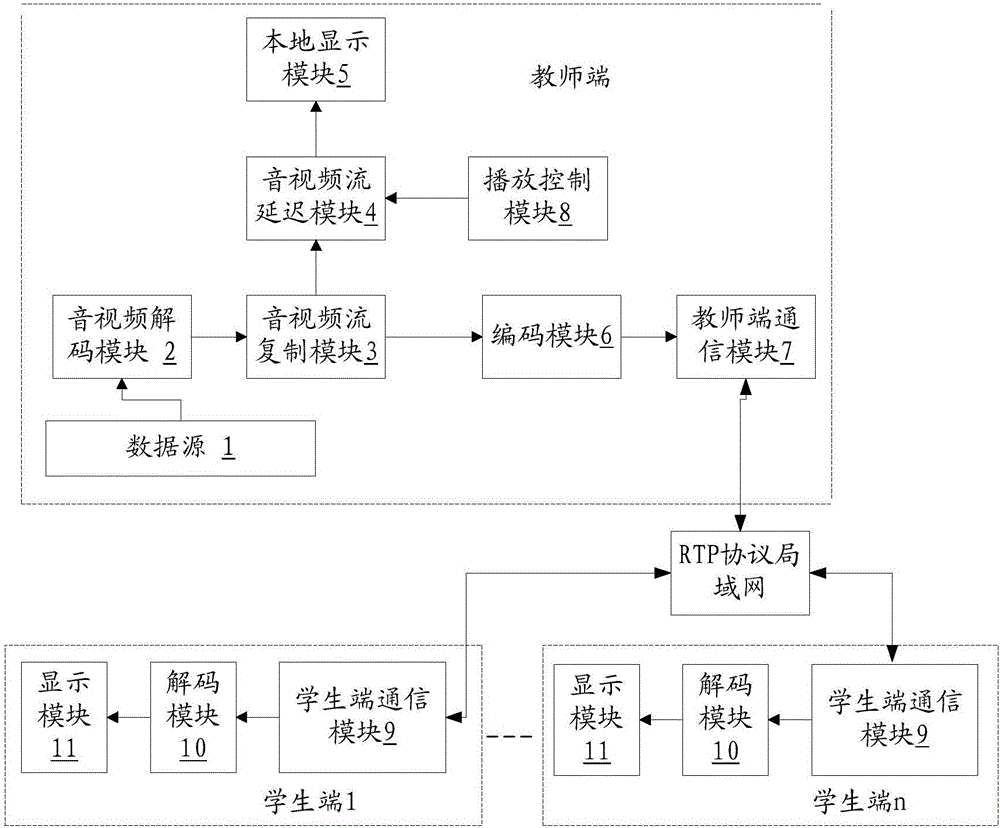
- The standard RTP protocol is used to utilize the multicast function of the router in the LAN to multicast the audio and video streams to the student end, and is customized based on the VLC open source player on the teacher end, including customizing the player interface and optimizing the encoding and decoding parameters. The teacher end is encoded as Standard H264 stream, the student end uses hardware decoding, and adds audio and video synchronization control during the playback process.
Techniques for enhancing user experience in video conferencing
PatentInactiveUS20170280098A1
Innovation
- The techniques involve dynamically adjusting the graphical user interface (GUI) based on audio activity levels, providing adaptive video encoding, and individualized volume control, allowing for real-time changes in video composition and audio stream management to optimize bandwidth and resource usage.


Cross-Platform Compatibility Standards for VLC
Cross-platform compatibility represents a fundamental pillar in enhancing VLC's user experience across diverse computing environments. The establishment of unified standards ensures seamless functionality regardless of whether users operate on Windows, macOS, Linux, Android, or iOS platforms. These standards encompass consistent user interface elements, synchronized feature availability, and uniform media format support across all supported operating systems.
The core compatibility framework centers on maintaining identical codec libraries and decoding capabilities across platforms. This standardization eliminates the frustration users experience when media files play differently or fail to function on alternate devices. By implementing consistent audio and video processing algorithms, VLC ensures that playback quality remains uniform whether accessed through desktop applications or mobile interfaces.
Interface consistency standards define how menus, controls, and settings panels appear and behave across different platforms. While respecting native platform conventions, VLC maintains recognizable visual elements and interaction patterns that users can intuitively navigate regardless of their chosen device. This approach reduces learning curves when users transition between platforms while preserving the familiar VLC experience.
Configuration synchronization standards enable users to maintain personalized settings across multiple devices. Through cloud-based preference storage and local configuration file compatibility, users can seamlessly transition between platforms without losing customized playback preferences, subtitle settings, or audio configurations. This continuity significantly enhances user satisfaction and reduces setup redundancy.
Performance optimization standards ensure that VLC delivers consistent playback performance across varying hardware capabilities. These standards define minimum system requirements, resource allocation protocols, and adaptive streaming mechanisms that automatically adjust to platform-specific limitations while maintaining optimal user experience.
The implementation of these cross-platform compatibility standards directly addresses user pain points related to inconsistent media experiences across devices, ultimately creating a cohesive and reliable multimedia solution that adapts to users' diverse technological ecosystems while maintaining VLC's renowned versatility and reliability.
The core compatibility framework centers on maintaining identical codec libraries and decoding capabilities across platforms. This standardization eliminates the frustration users experience when media files play differently or fail to function on alternate devices. By implementing consistent audio and video processing algorithms, VLC ensures that playback quality remains uniform whether accessed through desktop applications or mobile interfaces.
Interface consistency standards define how menus, controls, and settings panels appear and behave across different platforms. While respecting native platform conventions, VLC maintains recognizable visual elements and interaction patterns that users can intuitively navigate regardless of their chosen device. This approach reduces learning curves when users transition between platforms while preserving the familiar VLC experience.
Configuration synchronization standards enable users to maintain personalized settings across multiple devices. Through cloud-based preference storage and local configuration file compatibility, users can seamlessly transition between platforms without losing customized playback preferences, subtitle settings, or audio configurations. This continuity significantly enhances user satisfaction and reduces setup redundancy.
Performance optimization standards ensure that VLC delivers consistent playback performance across varying hardware capabilities. These standards define minimum system requirements, resource allocation protocols, and adaptive streaming mechanisms that automatically adjust to platform-specific limitations while maintaining optimal user experience.
The implementation of these cross-platform compatibility standards directly addresses user pain points related to inconsistent media experiences across devices, ultimately creating a cohesive and reliable multimedia solution that adapts to users' diverse technological ecosystems while maintaining VLC's renowned versatility and reliability.
Performance Optimization Strategies for VLC Solutions
Performance optimization in VLC solutions requires a multi-layered approach that addresses both software architecture and hardware utilization. The foundation of effective optimization lies in implementing adaptive streaming algorithms that dynamically adjust video quality based on available bandwidth and processing capabilities. These algorithms continuously monitor network conditions and system resources to prevent buffering interruptions while maintaining the highest possible video quality.
Memory management optimization represents a critical performance factor in VLC implementations. Efficient buffer allocation strategies, including circular buffering and predictive pre-loading mechanisms, significantly reduce memory fragmentation and improve playback stability. Advanced memory pooling techniques minimize garbage collection overhead, particularly important in resource-constrained environments where VLC solutions operate alongside other applications.
Hardware acceleration integration forms the cornerstone of modern VLC performance optimization. Leveraging GPU-based decoding through CUDA, OpenCL, or hardware-specific APIs dramatically reduces CPU utilization while enabling higher resolution playback. The implementation of hardware-accelerated video processing pipelines allows for real-time transcoding and format conversion without compromising system responsiveness.
Multi-threading optimization strategies enhance VLC performance by distributing computational loads across available processor cores. Separating decoding, rendering, and network operations into independent threads prevents bottlenecks and ensures smooth playback even during intensive processing operations. Thread pool management and work-stealing algorithms further optimize resource utilization across different system configurations.
Codec optimization techniques focus on selecting the most efficient encoding and decoding algorithms for specific use cases. Profile-guided optimization and just-in-time compilation approaches adapt codec performance to target hardware characteristics. Implementation of modern codec standards like AV1 and HEVC, combined with fallback mechanisms for legacy systems, ensures optimal compression ratios while maintaining broad compatibility.
Network optimization strategies address latency and throughput challenges inherent in streaming applications. Implementing intelligent caching mechanisms, connection pooling, and adaptive retry logic minimizes network-related performance degradation. Protocol optimization, including HTTP/2 implementation and custom UDP streaming protocols, reduces overhead and improves data transmission efficiency in various network conditions.
Memory management optimization represents a critical performance factor in VLC implementations. Efficient buffer allocation strategies, including circular buffering and predictive pre-loading mechanisms, significantly reduce memory fragmentation and improve playback stability. Advanced memory pooling techniques minimize garbage collection overhead, particularly important in resource-constrained environments where VLC solutions operate alongside other applications.
Hardware acceleration integration forms the cornerstone of modern VLC performance optimization. Leveraging GPU-based decoding through CUDA, OpenCL, or hardware-specific APIs dramatically reduces CPU utilization while enabling higher resolution playback. The implementation of hardware-accelerated video processing pipelines allows for real-time transcoding and format conversion without compromising system responsiveness.
Multi-threading optimization strategies enhance VLC performance by distributing computational loads across available processor cores. Separating decoding, rendering, and network operations into independent threads prevents bottlenecks and ensures smooth playback even during intensive processing operations. Thread pool management and work-stealing algorithms further optimize resource utilization across different system configurations.
Codec optimization techniques focus on selecting the most efficient encoding and decoding algorithms for specific use cases. Profile-guided optimization and just-in-time compilation approaches adapt codec performance to target hardware characteristics. Implementation of modern codec standards like AV1 and HEVC, combined with fallback mechanisms for legacy systems, ensures optimal compression ratios while maintaining broad compatibility.
Network optimization strategies address latency and throughput challenges inherent in streaming applications. Implementing intelligent caching mechanisms, connection pooling, and adaptive retry logic minimizes network-related performance degradation. Protocol optimization, including HTTP/2 implementation and custom UDP streaming protocols, reduces overhead and improves data transmission efficiency in various network conditions.
Unlock deeper insights with Patsnap Eureka Quick Research — get a full tech report to explore trends and direct your research. Try now!
Generate Your Research Report Instantly with AI Agent
Supercharge your innovation with Patsnap Eureka AI Agent Platform!