How to Improve Vanadium Nitride Coating Durability
MAR 19, 20268 MIN READ
Generate Your Research Report Instantly with AI Agent
PatSnap Eureka helps you evaluate technical feasibility & market potential.
Vanadium Nitride Coating Background and Durability Goals
Vanadium nitride (VN) coatings have emerged as a critical surface engineering solution in high-performance applications where exceptional wear resistance, corrosion protection, and thermal stability are paramount. These coatings represent an evolution from traditional titanium nitride systems, offering superior hardness values exceeding 20 GPa and enhanced chemical inertness. The development of VN coatings traces back to the 1980s when researchers first explored transition metal nitrides for cutting tool applications, with significant breakthroughs occurring in the 1990s through advanced physical vapor deposition techniques.
The technological evolution of vanadium nitride coatings has been driven by the aerospace, automotive, and precision manufacturing industries' demanding requirements for extended component lifecycles and reduced maintenance costs. Early applications focused primarily on cutting tools and dies, where the coating's ability to maintain sharp edges under extreme conditions provided substantial productivity gains. Subsequently, the technology expanded into biomedical implants, marine components, and high-temperature industrial equipment.
Current market drivers emphasize sustainability and cost-effectiveness, pushing the boundaries of coating durability beyond conventional limits. Modern applications require VN coatings to withstand increasingly severe operating conditions, including temperatures exceeding 800°C, corrosive chemical environments, and mechanical stresses approaching the coating's theoretical limits. The semiconductor industry's precision requirements and the renewable energy sector's harsh environmental conditions have further intensified durability demands.
The primary durability goals for contemporary vanadium nitride coatings encompass achieving service lives exceeding 10,000 operational hours under continuous stress, maintaining adhesion strength above 50 N critical load values, and preserving surface integrity with wear rates below 10^-7 mm³/Nm. Additionally, thermal cycling resistance must accommodate temperature fluctuations of 500°C without delamination or microcracking.
Future technological objectives target self-healing capabilities through nanostructured architectures, adaptive surface properties responding to environmental changes, and integration with smart monitoring systems for predictive maintenance. These ambitious goals reflect the industry's transition toward intelligent surface engineering solutions that can autonomously optimize performance characteristics throughout their operational lifetime.
The technological evolution of vanadium nitride coatings has been driven by the aerospace, automotive, and precision manufacturing industries' demanding requirements for extended component lifecycles and reduced maintenance costs. Early applications focused primarily on cutting tools and dies, where the coating's ability to maintain sharp edges under extreme conditions provided substantial productivity gains. Subsequently, the technology expanded into biomedical implants, marine components, and high-temperature industrial equipment.
Current market drivers emphasize sustainability and cost-effectiveness, pushing the boundaries of coating durability beyond conventional limits. Modern applications require VN coatings to withstand increasingly severe operating conditions, including temperatures exceeding 800°C, corrosive chemical environments, and mechanical stresses approaching the coating's theoretical limits. The semiconductor industry's precision requirements and the renewable energy sector's harsh environmental conditions have further intensified durability demands.
The primary durability goals for contemporary vanadium nitride coatings encompass achieving service lives exceeding 10,000 operational hours under continuous stress, maintaining adhesion strength above 50 N critical load values, and preserving surface integrity with wear rates below 10^-7 mm³/Nm. Additionally, thermal cycling resistance must accommodate temperature fluctuations of 500°C without delamination or microcracking.
Future technological objectives target self-healing capabilities through nanostructured architectures, adaptive surface properties responding to environmental changes, and integration with smart monitoring systems for predictive maintenance. These ambitious goals reflect the industry's transition toward intelligent surface engineering solutions that can autonomously optimize performance characteristics throughout their operational lifetime.
Market Demand for Durable VN Coating Applications
The aerospace industry represents the most demanding market segment for durable vanadium nitride coatings, where extreme operating conditions necessitate exceptional coating performance. Aircraft engine components, particularly turbine blades and combustion chamber parts, require VN coatings that can withstand temperatures exceeding 1000°C while maintaining structural integrity under cyclic thermal stress. The stringent certification requirements and safety standards in aerospace applications drive the need for coatings with extended service life and predictable performance degradation patterns.
Cutting tool manufacturers constitute another significant market driving demand for enhanced VN coating durability. High-speed machining operations, especially in processing hardened steels and superalloys, place severe mechanical and thermal loads on tool coatings. The economic impact of premature coating failure includes increased tool replacement costs, production downtime, and reduced machining efficiency. Industries such as automotive manufacturing and precision engineering are particularly sensitive to these factors, creating substantial market pressure for improved coating longevity.
The semiconductor equipment sector presents unique durability challenges for VN coatings used in plasma processing chambers and ion implantation systems. These applications require coatings that maintain their properties under continuous exposure to reactive plasma environments and high-energy particle bombardment. The increasing complexity of semiconductor manufacturing processes and the trend toward larger wafer sizes amplify the importance of coating reliability and service life.
Medical device manufacturing has emerged as a growing market for durable VN coatings, particularly for surgical instruments and implantable devices. The biocompatibility of vanadium nitride, combined with its wear resistance, makes it attractive for applications requiring long-term performance in biological environments. Regulatory requirements for medical devices emphasize the critical importance of coating stability and durability over extended periods.
Industrial machinery applications, including hydraulic components, bearings, and wear-resistant parts, represent a substantial volume market for VN coatings. The economic benefits of improved coating durability in these applications include reduced maintenance intervals, lower replacement part costs, and increased equipment uptime. Manufacturing industries are increasingly adopting predictive maintenance strategies that rely on consistent coating performance characteristics.
The renewable energy sector, particularly wind turbine components and solar panel manufacturing equipment, creates additional demand for durable VN coatings. These applications often involve exposure to harsh environmental conditions and require coatings that maintain their protective properties over decades of service life.
Cutting tool manufacturers constitute another significant market driving demand for enhanced VN coating durability. High-speed machining operations, especially in processing hardened steels and superalloys, place severe mechanical and thermal loads on tool coatings. The economic impact of premature coating failure includes increased tool replacement costs, production downtime, and reduced machining efficiency. Industries such as automotive manufacturing and precision engineering are particularly sensitive to these factors, creating substantial market pressure for improved coating longevity.
The semiconductor equipment sector presents unique durability challenges for VN coatings used in plasma processing chambers and ion implantation systems. These applications require coatings that maintain their properties under continuous exposure to reactive plasma environments and high-energy particle bombardment. The increasing complexity of semiconductor manufacturing processes and the trend toward larger wafer sizes amplify the importance of coating reliability and service life.
Medical device manufacturing has emerged as a growing market for durable VN coatings, particularly for surgical instruments and implantable devices. The biocompatibility of vanadium nitride, combined with its wear resistance, makes it attractive for applications requiring long-term performance in biological environments. Regulatory requirements for medical devices emphasize the critical importance of coating stability and durability over extended periods.
Industrial machinery applications, including hydraulic components, bearings, and wear-resistant parts, represent a substantial volume market for VN coatings. The economic benefits of improved coating durability in these applications include reduced maintenance intervals, lower replacement part costs, and increased equipment uptime. Manufacturing industries are increasingly adopting predictive maintenance strategies that rely on consistent coating performance characteristics.
The renewable energy sector, particularly wind turbine components and solar panel manufacturing equipment, creates additional demand for durable VN coatings. These applications often involve exposure to harsh environmental conditions and require coatings that maintain their protective properties over decades of service life.
Current VN Coating Durability Issues and Challenges
Vanadium nitride coatings face significant durability challenges that limit their widespread industrial adoption despite their promising tribological properties. The primary issue stems from the inherent brittleness of VN films, which makes them susceptible to cracking and delamination under mechanical stress. This brittleness is particularly pronounced in thick coatings, where internal stress accumulation leads to spontaneous failure even without external loading.
Adhesion problems represent another critical challenge affecting VN coating longevity. Poor interfacial bonding between the coating and substrate often results from inadequate surface preparation, thermal expansion mismatch, or the formation of weak intermediate layers during deposition. These adhesion failures typically manifest as coating spallation during thermal cycling or under high contact pressures.
Oxidation resistance poses a substantial limitation for VN coatings operating in elevated temperature environments. Unlike some other nitride coatings, vanadium nitride exhibits relatively poor oxidation resistance above 400°C, leading to coating degradation and loss of protective properties. The formation of vanadium oxides compromises both the mechanical and chemical protective functions of the coating.
Microstructural defects significantly impact coating durability. Columnar grain structures commonly observed in PVD-deposited VN films create preferential pathways for corrosive species penetration. Porosity, particularly at grain boundaries, further exacerbates this issue by providing channels for environmental attack and reducing the coating's barrier properties.
Residual stress management remains a persistent challenge in VN coating technology. Compressive stresses, while beneficial for wear resistance, can become excessive and lead to coating buckling or delamination. Conversely, tensile stresses promote crack initiation and propagation, ultimately compromising coating integrity.
The limited understanding of optimal deposition parameters for different applications creates additional durability issues. Variations in nitrogen partial pressure, substrate temperature, and deposition rate significantly influence coating properties, yet standardized processing windows for specific applications remain poorly defined. This knowledge gap often results in suboptimal coating performance and premature failure in service conditions.
Adhesion problems represent another critical challenge affecting VN coating longevity. Poor interfacial bonding between the coating and substrate often results from inadequate surface preparation, thermal expansion mismatch, or the formation of weak intermediate layers during deposition. These adhesion failures typically manifest as coating spallation during thermal cycling or under high contact pressures.
Oxidation resistance poses a substantial limitation for VN coatings operating in elevated temperature environments. Unlike some other nitride coatings, vanadium nitride exhibits relatively poor oxidation resistance above 400°C, leading to coating degradation and loss of protective properties. The formation of vanadium oxides compromises both the mechanical and chemical protective functions of the coating.
Microstructural defects significantly impact coating durability. Columnar grain structures commonly observed in PVD-deposited VN films create preferential pathways for corrosive species penetration. Porosity, particularly at grain boundaries, further exacerbates this issue by providing channels for environmental attack and reducing the coating's barrier properties.
Residual stress management remains a persistent challenge in VN coating technology. Compressive stresses, while beneficial for wear resistance, can become excessive and lead to coating buckling or delamination. Conversely, tensile stresses promote crack initiation and propagation, ultimately compromising coating integrity.
The limited understanding of optimal deposition parameters for different applications creates additional durability issues. Variations in nitrogen partial pressure, substrate temperature, and deposition rate significantly influence coating properties, yet standardized processing windows for specific applications remain poorly defined. This knowledge gap often results in suboptimal coating performance and premature failure in service conditions.
Existing VN Coating Durability Enhancement Solutions
01 Multi-layer coating structures with vanadium nitride
Vanadium nitride coatings can be combined with other materials in multi-layer structures to enhance durability. These composite coatings typically include alternating layers or gradient compositions that improve wear resistance, hardness, and adhesion properties. The multi-layer approach helps distribute stress and prevents crack propagation, significantly extending the coating's service life under harsh operating conditions.- Multi-layer coating structures with vanadium nitride: Vanadium nitride coatings can be combined with other materials in multi-layer structures to enhance durability. These composite coatings typically include alternating layers or gradient compositions that improve wear resistance, hardness, and adhesion properties. The multi-layer approach helps distribute stress and prevents crack propagation, significantly extending the coating's service life under harsh operating conditions.
- Deposition process optimization for vanadium nitride coatings: The durability of vanadium nitride coatings is heavily influenced by deposition parameters and methods. Various physical vapor deposition and chemical vapor deposition techniques can be optimized to control coating microstructure, grain size, and phase composition. Process parameters such as temperature, pressure, gas flow ratios, and substrate bias voltage are critical factors that determine the final coating properties including hardness, adhesion strength, and resistance to oxidation and wear.
- Substrate surface preparation and interface engineering: The durability of vanadium nitride coatings depends significantly on substrate preparation and interface characteristics. Surface treatments including cleaning, roughening, and the application of intermediate bonding layers can dramatically improve coating adhesion and reduce delamination risks. Interface engineering techniques help create strong metallurgical bonds between the substrate and coating, which is essential for maintaining coating integrity under mechanical stress and thermal cycling.
- Doping and alloying strategies for enhanced performance: The incorporation of additional elements into vanadium nitride coatings can significantly improve their durability characteristics. Doping with metals or non-metals can enhance oxidation resistance, thermal stability, and mechanical properties. Alloying approaches create solid solutions or secondary phases that refine the microstructure and provide additional strengthening mechanisms, resulting in coatings with superior wear resistance and extended operational lifetimes in demanding environments.
- Post-deposition treatment and coating modification: Post-deposition treatments can substantially improve the durability of vanadium nitride coatings. Techniques such as annealing, ion implantation, laser treatment, and surface polishing can modify coating properties by relieving residual stresses, densifying the microstructure, and improving surface smoothness. These treatments help eliminate defects, enhance coating density, and create more uniform properties throughout the coating thickness, leading to improved resistance to wear, corrosion, and fatigue failure.
02 Deposition process optimization for vanadium nitride coatings
The durability of vanadium nitride coatings is significantly influenced by deposition parameters and methods. Various techniques including physical vapor deposition, magnetron sputtering, and ion implantation can be optimized to control coating microstructure, density, and adhesion strength. Process parameters such as temperature, pressure, nitrogen flow rate, and substrate bias voltage are critical factors that determine the final coating quality and longevity.Expand Specific Solutions03 Substrate surface preparation and interface enhancement
Proper substrate treatment and interface engineering are essential for improving vanadium nitride coating durability. Surface cleaning, roughening, and the application of intermediate bonding layers can significantly enhance adhesion between the coating and substrate. These preparatory steps reduce the risk of delamination and improve the overall mechanical stability of the coating system under thermal and mechanical stress.Expand Specific Solutions04 Doping and alloying modifications of vanadium nitride
The incorporation of additional elements into vanadium nitride coatings can enhance their durability characteristics. Alloying with metals or adding dopants can improve properties such as oxidation resistance, thermal stability, and mechanical strength. These modifications alter the coating's microstructure and chemical composition, resulting in superior performance in high-temperature environments and corrosive conditions.Expand Specific Solutions05 Testing and characterization methods for coating durability
Comprehensive evaluation of vanadium nitride coating durability requires various testing methodologies. These include wear resistance tests, adhesion measurements, thermal cycling experiments, and corrosion resistance assessments. Advanced characterization techniques help identify failure mechanisms and optimize coating parameters to achieve maximum durability for specific applications. Performance metrics such as hardness, friction coefficient, and coating thickness retention are monitored to ensure long-term reliability.Expand Specific Solutions
Key Players in VN Coating and PVD Industry
The vanadium nitride coating durability improvement sector represents a mature industrial technology market experiencing steady growth driven by automotive, aerospace, and manufacturing applications. The market demonstrates significant scale with established players spanning multiple regions, indicating robust commercial viability. Technology maturity varies considerably across the competitive landscape, with advanced materials companies like Proterial Ltd., Sandvik Intellectual Property AB, and SECO TOOLS AB leading in sophisticated coating solutions, while steel manufacturers such as HBIS Co., Ltd. and Kobe Steel, Ltd. focus on vanadium-based material production. Research institutions including Sichuan University and Politechnika Wroclawska contribute fundamental research, bridging academic innovation with industrial applications. The presence of diversified technology giants like Samsung Electronics Co., Ltd. and specialized coating companies such as Balzers AG reflects the technology's cross-industry relevance and maturation across different application domains.
Kennametal Widia Produktions GmbH & Co. KG
Technical Solution: Kennametal focuses on improving vanadium nitride coating durability through advanced surface engineering techniques including ion bombardment during deposition and controlled atmosphere processing. Their technology incorporates nanostructured VN coatings with refined grain boundaries that enhance wear resistance and thermal stability. The company develops proprietary substrate surface treatments that promote better coating adhesion and implements real-time monitoring systems during the coating process to ensure consistent quality. They also research hybrid coating systems that combine vanadium nitride with carbide interlayers to improve mechanical properties and extend service life in high-stress applications.
Strengths: Strong focus on cutting tool applications, advanced process control systems, comprehensive testing capabilities. Weaknesses: Limited application diversity beyond cutting tools, dependency on specialized equipment.
Sandvik Intellectual Property AB
Technical Solution: Sandvik develops advanced vanadium nitride coating technologies through multi-layer coating systems that combine VN with other nitride compounds to enhance durability. Their approach focuses on optimizing coating thickness, substrate preparation, and deposition parameters using physical vapor deposition (PVD) techniques. The company employs gradient coating structures where vanadium nitride content varies throughout the coating thickness to balance hardness and toughness. They also utilize post-deposition heat treatment processes to improve coating adhesion and reduce residual stress, which are critical factors for coating longevity in demanding applications.
Strengths: Industry-leading expertise in PVD coating technology, extensive R&D capabilities, proven track record in cutting tool applications. Weaknesses: High production costs, limited scalability for mass production applications.
Core Patents in Vanadium Nitride Coating Durability
Vanadium nitride film, vanadium nitride film coated member, and method for manufacturing same
PatentWO2018021466A1
Innovation
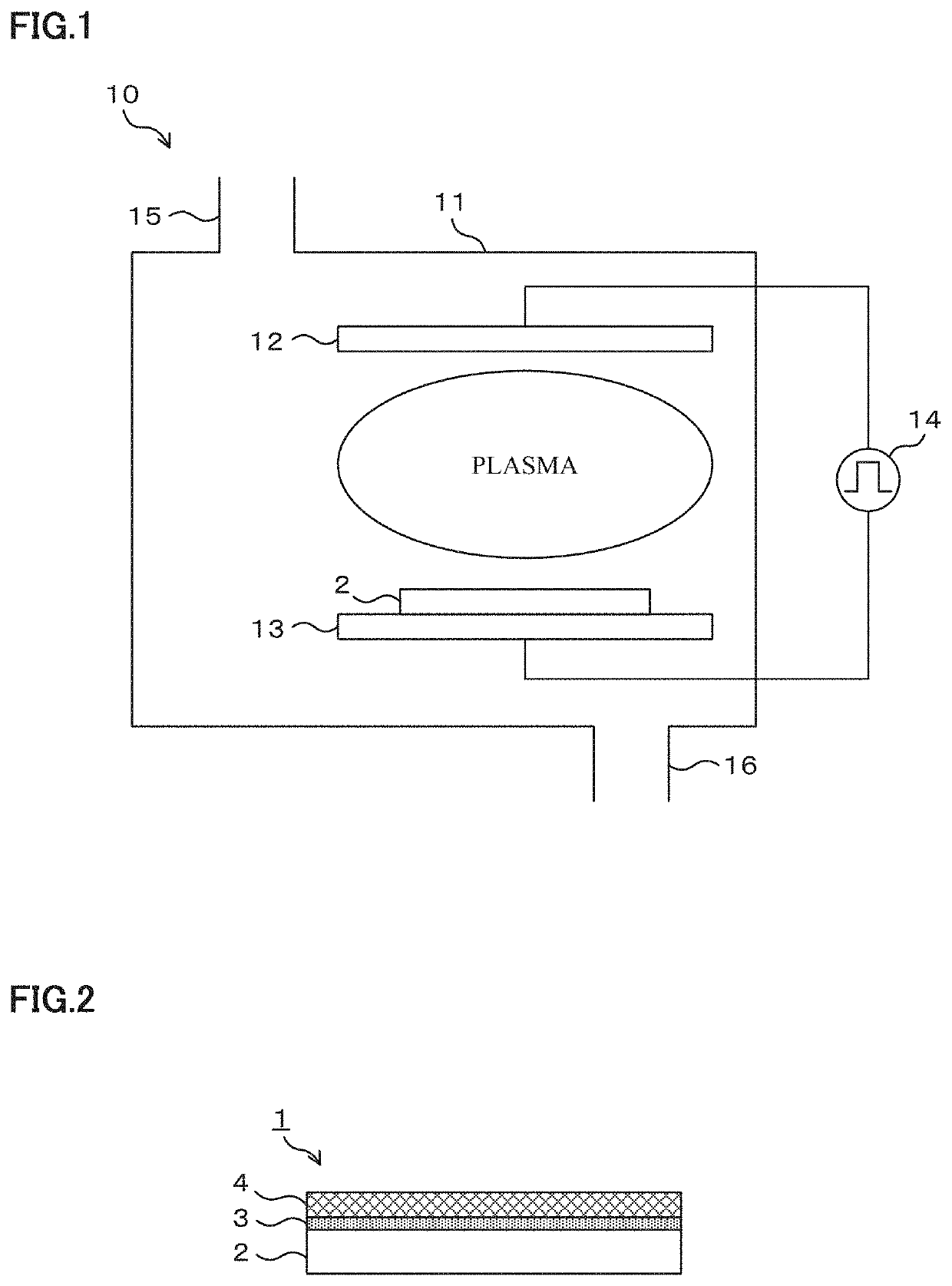
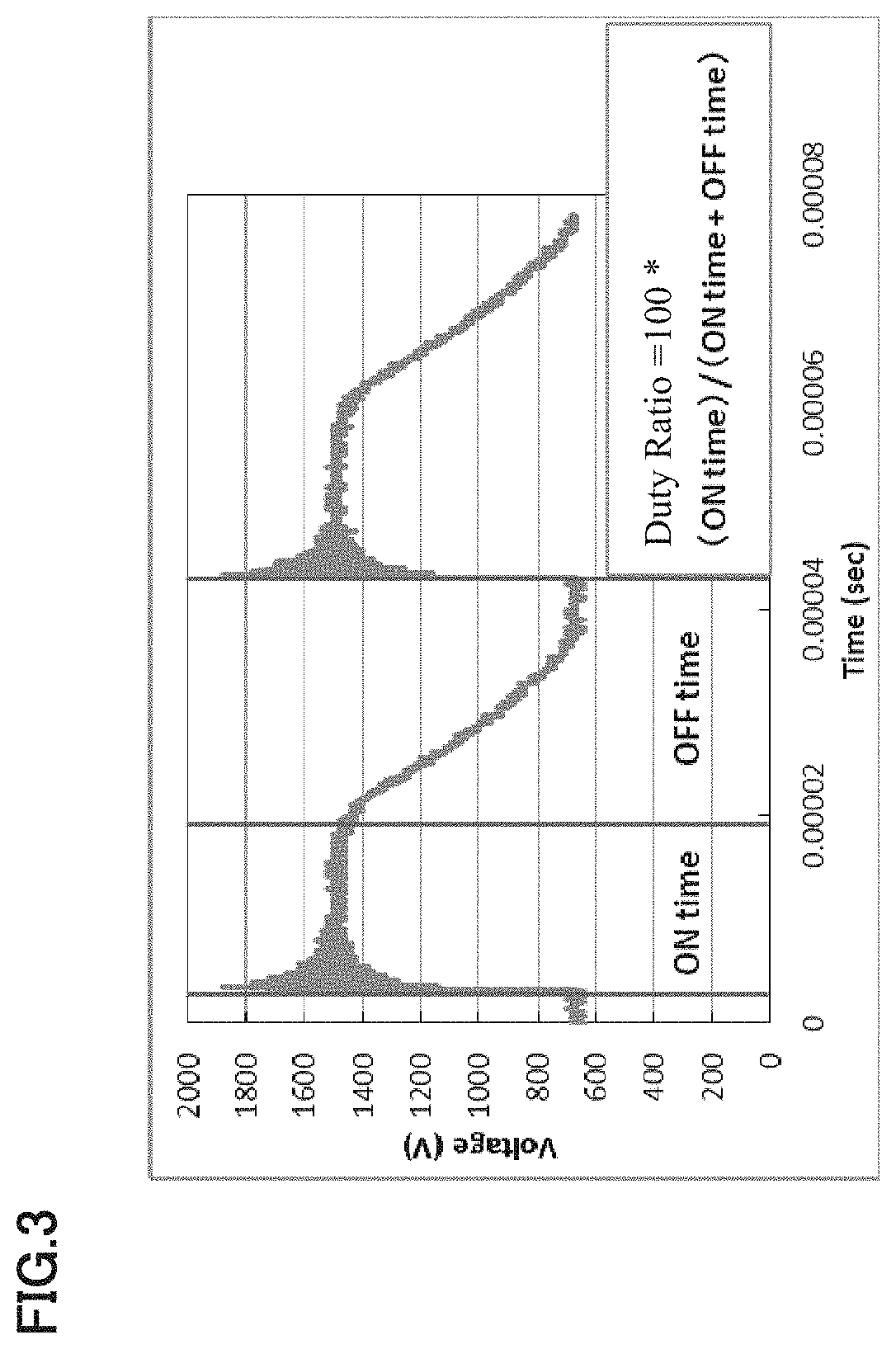
- A vanadium nitride film with a vanadium to nitrogen concentration ratio of 1.08 or more and a chlorine concentration of 1-5 at% is formed using plasma chemical vapor deposition, employing a plasma processing apparatus with specific gas supply and plasma treatment conditions to achieve improved hardness and wear resistance.


Vanadium silicon nitride film, member coated with vanadium silicon nitride film and method for manufacturing the same
PatentActiveUS20190390331A1
Innovation
- A vanadium silicon nitride film is formed with a specific composition ratio of vanadium, silicon, and nitrogen, using plasma chemical vapor deposition with controlled gas ratios and pressures to achieve a hardness of 2300 HV or more, while improving oxidation resistance and reducing the need for specialized film formation apparatuses.
Environmental Impact of VN Coating Processes
The environmental implications of vanadium nitride coating processes have become increasingly significant as industries seek sustainable manufacturing solutions while maintaining high-performance surface treatments. Traditional VN coating methods, particularly physical vapor deposition and chemical vapor deposition techniques, present several environmental challenges that require careful consideration and mitigation strategies.
Energy consumption represents one of the most substantial environmental impacts in VN coating processes. High-temperature deposition methods typically require operating temperatures between 400-800°C, resulting in significant energy demands and associated carbon emissions. The vacuum systems necessary for PVD processes consume additional energy for maintaining ultra-high vacuum conditions, while plasma generation in reactive sputtering further increases power requirements.
Chemical precursor usage and waste generation pose another critical environmental concern. Vanadium-containing compounds used in CVD processes often involve toxic or hazardous materials that require specialized handling and disposal protocols. Nitrogen precursors, while generally less problematic, still contribute to process waste streams that must be properly managed to prevent environmental contamination.
Air quality impacts emerge from various sources throughout the coating process. Volatile organic compounds may be released during certain deposition methods, while particulate matter can be generated during target preparation and substrate handling. Proper ventilation systems and filtration technologies are essential for minimizing atmospheric emissions and protecting both worker health and environmental quality.
Water usage and wastewater treatment considerations vary depending on the specific coating methodology employed. Wet cleaning processes for substrate preparation generate contaminated water streams requiring treatment before disposal. Additionally, cooling systems for high-temperature processes may consume significant water resources, particularly in industrial-scale operations.
Recent developments in green coating technologies have introduced more environmentally friendly alternatives. Low-temperature deposition techniques reduce energy consumption while maintaining coating quality. Closed-loop precursor recycling systems minimize chemical waste, and advanced filtration technologies enable better capture and treatment of process emissions. These innovations demonstrate the industry's commitment to reducing environmental impact while preserving the superior durability characteristics that make VN coatings valuable for demanding applications.
Energy consumption represents one of the most substantial environmental impacts in VN coating processes. High-temperature deposition methods typically require operating temperatures between 400-800°C, resulting in significant energy demands and associated carbon emissions. The vacuum systems necessary for PVD processes consume additional energy for maintaining ultra-high vacuum conditions, while plasma generation in reactive sputtering further increases power requirements.
Chemical precursor usage and waste generation pose another critical environmental concern. Vanadium-containing compounds used in CVD processes often involve toxic or hazardous materials that require specialized handling and disposal protocols. Nitrogen precursors, while generally less problematic, still contribute to process waste streams that must be properly managed to prevent environmental contamination.
Air quality impacts emerge from various sources throughout the coating process. Volatile organic compounds may be released during certain deposition methods, while particulate matter can be generated during target preparation and substrate handling. Proper ventilation systems and filtration technologies are essential for minimizing atmospheric emissions and protecting both worker health and environmental quality.
Water usage and wastewater treatment considerations vary depending on the specific coating methodology employed. Wet cleaning processes for substrate preparation generate contaminated water streams requiring treatment before disposal. Additionally, cooling systems for high-temperature processes may consume significant water resources, particularly in industrial-scale operations.
Recent developments in green coating technologies have introduced more environmentally friendly alternatives. Low-temperature deposition techniques reduce energy consumption while maintaining coating quality. Closed-loop precursor recycling systems minimize chemical waste, and advanced filtration technologies enable better capture and treatment of process emissions. These innovations demonstrate the industry's commitment to reducing environmental impact while preserving the superior durability characteristics that make VN coatings valuable for demanding applications.
Quality Standards for Industrial VN Coatings
The establishment of comprehensive quality standards for industrial vanadium nitride coatings represents a critical framework for ensuring consistent performance and durability across diverse applications. Current industry standards primarily focus on fundamental coating properties including thickness uniformity, adhesion strength, and surface roughness parameters. These baseline requirements typically specify coating thickness tolerances within ±5% of nominal values, with adhesion strength exceeding 50 N for critical load applications.
Microstructural quality standards encompass grain size distribution, phase purity, and crystallographic orientation parameters. Industrial specifications commonly require VN phase purity above 95%, with controlled grain sizes ranging from 10-50 nanometers depending on application requirements. Surface roughness standards typically mandate Ra values below 0.2 micrometers for precision applications, while allowing higher tolerances for wear-resistant applications.
Mechanical property benchmarks constitute essential quality criteria, including hardness values ranging from 18-25 GPa, elastic modulus specifications between 350-450 GPa, and fracture toughness requirements exceeding 3 MPa·m^0.5. These parameters directly correlate with coating durability and service life expectations under operational conditions.
Chemical composition standards address stoichiometry control, impurity limitations, and oxygen content specifications. Industrial-grade VN coatings typically require nitrogen-to-vanadium ratios between 0.9-1.1, with oxygen contamination limited below 2 atomic percent to prevent brittleness and degradation issues.
Environmental resistance standards evaluate coating performance under accelerated aging conditions, including thermal cycling resistance up to 600°C, corrosion resistance in standardized salt spray tests exceeding 500 hours, and oxidation resistance at elevated temperatures. These standards ensure long-term durability in harsh industrial environments.
Testing methodologies and certification protocols establish standardized procedures for quality verification, including nanoindentation testing, X-ray diffraction analysis, and scanning electron microscopy characterization. Compliance with international standards such as ISO 14577 for mechanical testing and ASTM G85 for corrosion evaluation ensures consistent quality assessment across different manufacturing facilities and applications.
Microstructural quality standards encompass grain size distribution, phase purity, and crystallographic orientation parameters. Industrial specifications commonly require VN phase purity above 95%, with controlled grain sizes ranging from 10-50 nanometers depending on application requirements. Surface roughness standards typically mandate Ra values below 0.2 micrometers for precision applications, while allowing higher tolerances for wear-resistant applications.
Mechanical property benchmarks constitute essential quality criteria, including hardness values ranging from 18-25 GPa, elastic modulus specifications between 350-450 GPa, and fracture toughness requirements exceeding 3 MPa·m^0.5. These parameters directly correlate with coating durability and service life expectations under operational conditions.
Chemical composition standards address stoichiometry control, impurity limitations, and oxygen content specifications. Industrial-grade VN coatings typically require nitrogen-to-vanadium ratios between 0.9-1.1, with oxygen contamination limited below 2 atomic percent to prevent brittleness and degradation issues.
Environmental resistance standards evaluate coating performance under accelerated aging conditions, including thermal cycling resistance up to 600°C, corrosion resistance in standardized salt spray tests exceeding 500 hours, and oxidation resistance at elevated temperatures. These standards ensure long-term durability in harsh industrial environments.
Testing methodologies and certification protocols establish standardized procedures for quality verification, including nanoindentation testing, X-ray diffraction analysis, and scanning electron microscopy characterization. Compliance with international standards such as ISO 14577 for mechanical testing and ASTM G85 for corrosion evaluation ensures consistent quality assessment across different manufacturing facilities and applications.
Unlock deeper insights with PatSnap Eureka Quick Research — get a full tech report to explore trends and direct your research. Try now!
Generate Your Research Report Instantly with AI Agent
Supercharge your innovation with PatSnap Eureka AI Agent Platform!