Quantify Vanadium Nitride's Thermal Conductivity
MAR 19, 20269 MIN READ
Generate Your Research Report Instantly with AI Agent
PatSnap Eureka helps you evaluate technical feasibility & market potential.
Vanadium Nitride Thermal Properties Background and Objectives
Vanadium nitride (VN) represents a critical transition metal nitride compound that has garnered significant attention in materials science due to its exceptional combination of mechanical, electrical, and thermal properties. This ceramic material exhibits remarkable hardness, excellent wear resistance, and superior thermal stability, making it highly valuable for advanced engineering applications including cutting tools, protective coatings, and high-temperature structural components.
The thermal conductivity of vanadium nitride has emerged as a fundamental property requiring precise quantification to unlock its full potential in thermal management applications. Understanding heat transfer characteristics is essential for optimizing VN's performance in high-temperature environments, electronic devices, and thermal barrier systems. Current literature reveals inconsistent thermal conductivity values, ranging from 10 to 40 W/m·K, primarily due to variations in synthesis methods, crystal structure, stoichiometry, and measurement techniques.
The evolution of vanadium nitride research has progressed from basic synthesis studies in the 1960s to sophisticated characterization techniques in recent decades. Early investigations focused on establishing fundamental crystal structures and phase relationships, while contemporary research emphasizes property optimization through controlled synthesis parameters. The development of advanced deposition techniques, including physical vapor deposition, chemical vapor deposition, and reactive sputtering, has enabled precise control over film microstructure and composition.
The primary objective of quantifying vanadium nitride's thermal conductivity centers on establishing reliable measurement protocols and understanding structure-property relationships. This involves developing standardized characterization methods that account for sample preparation variables, crystal orientation effects, and temperature dependencies. Additionally, correlating thermal transport properties with microstructural features such as grain size, porosity, and defect density represents a crucial research goal.
Secondary objectives include investigating the influence of stoichiometric variations on thermal conductivity, as vanadium nitride can exist in multiple phases with different nitrogen-to-vanadium ratios. Understanding how processing conditions affect thermal transport mechanisms will enable tailored material design for specific applications. Furthermore, establishing predictive models linking synthesis parameters to thermal properties will accelerate material optimization processes and facilitate industrial implementation of vanadium nitride in next-generation thermal management systems.
The thermal conductivity of vanadium nitride has emerged as a fundamental property requiring precise quantification to unlock its full potential in thermal management applications. Understanding heat transfer characteristics is essential for optimizing VN's performance in high-temperature environments, electronic devices, and thermal barrier systems. Current literature reveals inconsistent thermal conductivity values, ranging from 10 to 40 W/m·K, primarily due to variations in synthesis methods, crystal structure, stoichiometry, and measurement techniques.
The evolution of vanadium nitride research has progressed from basic synthesis studies in the 1960s to sophisticated characterization techniques in recent decades. Early investigations focused on establishing fundamental crystal structures and phase relationships, while contemporary research emphasizes property optimization through controlled synthesis parameters. The development of advanced deposition techniques, including physical vapor deposition, chemical vapor deposition, and reactive sputtering, has enabled precise control over film microstructure and composition.
The primary objective of quantifying vanadium nitride's thermal conductivity centers on establishing reliable measurement protocols and understanding structure-property relationships. This involves developing standardized characterization methods that account for sample preparation variables, crystal orientation effects, and temperature dependencies. Additionally, correlating thermal transport properties with microstructural features such as grain size, porosity, and defect density represents a crucial research goal.
Secondary objectives include investigating the influence of stoichiometric variations on thermal conductivity, as vanadium nitride can exist in multiple phases with different nitrogen-to-vanadium ratios. Understanding how processing conditions affect thermal transport mechanisms will enable tailored material design for specific applications. Furthermore, establishing predictive models linking synthesis parameters to thermal properties will accelerate material optimization processes and facilitate industrial implementation of vanadium nitride in next-generation thermal management systems.
Market Demand for High Thermal Conductivity Materials
The global market for high thermal conductivity materials is experiencing unprecedented growth driven by the escalating demands of advanced electronics, aerospace applications, and energy storage systems. As electronic devices become increasingly compact and powerful, the need for efficient heat dissipation has become critical to maintaining performance and reliability. Traditional thermal interface materials are reaching their performance limits, creating substantial opportunities for advanced materials like vanadium nitride.
The electronics industry represents the largest market segment for high thermal conductivity materials, particularly in semiconductor packaging, LED thermal management, and power electronics applications. The continuous miniaturization of electronic components while increasing power densities has created thermal management challenges that conventional materials cannot adequately address. This trend is particularly pronounced in high-performance computing, 5G infrastructure, and electric vehicle power systems.
Aerospace and defense sectors are driving demand for materials that combine exceptional thermal properties with mechanical robustness under extreme conditions. Vanadium nitride's unique combination of high thermal conductivity, chemical stability, and mechanical strength positions it as a promising candidate for next-generation thermal management solutions in these demanding applications.
The renewable energy sector, particularly solar panel manufacturing and energy storage systems, requires materials capable of efficient heat transfer to optimize performance and extend operational lifespans. Battery thermal management systems represent a rapidly expanding market where advanced thermal conductivity materials are essential for safety and performance optimization.
Industrial applications including high-temperature processing equipment, thermal barrier coatings, and heat exchangers continue to seek materials with superior thermal properties. The growing emphasis on energy efficiency and process optimization across manufacturing industries is creating sustained demand for innovative thermal management solutions.
Market dynamics indicate a shift toward materials that offer not only high thermal conductivity but also compatibility with existing manufacturing processes and cost-effectiveness at scale. The quantification of vanadium nitride's thermal conductivity properties becomes crucial for evaluating its commercial viability and positioning within this competitive landscape.
The electronics industry represents the largest market segment for high thermal conductivity materials, particularly in semiconductor packaging, LED thermal management, and power electronics applications. The continuous miniaturization of electronic components while increasing power densities has created thermal management challenges that conventional materials cannot adequately address. This trend is particularly pronounced in high-performance computing, 5G infrastructure, and electric vehicle power systems.
Aerospace and defense sectors are driving demand for materials that combine exceptional thermal properties with mechanical robustness under extreme conditions. Vanadium nitride's unique combination of high thermal conductivity, chemical stability, and mechanical strength positions it as a promising candidate for next-generation thermal management solutions in these demanding applications.
The renewable energy sector, particularly solar panel manufacturing and energy storage systems, requires materials capable of efficient heat transfer to optimize performance and extend operational lifespans. Battery thermal management systems represent a rapidly expanding market where advanced thermal conductivity materials are essential for safety and performance optimization.
Industrial applications including high-temperature processing equipment, thermal barrier coatings, and heat exchangers continue to seek materials with superior thermal properties. The growing emphasis on energy efficiency and process optimization across manufacturing industries is creating sustained demand for innovative thermal management solutions.
Market dynamics indicate a shift toward materials that offer not only high thermal conductivity but also compatibility with existing manufacturing processes and cost-effectiveness at scale. The quantification of vanadium nitride's thermal conductivity properties becomes crucial for evaluating its commercial viability and positioning within this competitive landscape.
Current State of VN Thermal Conductivity Measurement
The measurement of vanadium nitride thermal conductivity remains a challenging area with limited comprehensive data available in current literature. Most existing studies have focused on VN's mechanical properties, electrical conductivity, and structural characteristics, while thermal transport properties have received comparatively less attention. This gap stems primarily from the inherent difficulties in preparing high-quality VN samples and the complexity of thermal conductivity measurement techniques for hard ceramic materials.
Current experimental approaches for VN thermal conductivity measurement predominantly rely on steady-state and transient methods. The laser flash method has emerged as the most widely adopted technique, offering advantages in measuring thermal diffusivity of small samples at elevated temperatures. However, this method requires accurate knowledge of specific heat capacity and density to calculate thermal conductivity, introducing potential sources of uncertainty in the final results.
Sample preparation represents a critical bottleneck in obtaining reliable thermal conductivity data. VN samples are typically synthesized through various routes including carbothermal reduction, direct nitridation, and chemical vapor deposition. The resulting microstructure, porosity, and phase purity significantly influence thermal transport properties. Most reported measurements have been conducted on polycrystalline samples with varying degrees of porosity, making direct comparison between studies challenging.
Temperature-dependent measurements reveal that VN thermal conductivity generally decreases with increasing temperature, following typical ceramic behavior. Room temperature values reported in literature range from 15 to 35 W/m·K, with significant variation attributed to differences in sample quality, measurement techniques, and microstructural factors. High-temperature data above 1000°C remains particularly scarce due to experimental challenges and sample stability concerns.
Computational approaches using density functional theory and molecular dynamics simulations have begun complementing experimental efforts. These theoretical studies provide insights into phonon transport mechanisms and help interpret experimental observations. However, discrepancies between calculated and measured values highlight the need for improved understanding of defect effects and grain boundary scattering in real VN materials.
The current measurement landscape is further complicated by the lack of standardized sample preparation protocols and measurement procedures specifically tailored for VN. This situation necessitates the development of more robust experimental methodologies and comprehensive characterization frameworks to advance the field toward reliable thermal conductivity quantification.
Current experimental approaches for VN thermal conductivity measurement predominantly rely on steady-state and transient methods. The laser flash method has emerged as the most widely adopted technique, offering advantages in measuring thermal diffusivity of small samples at elevated temperatures. However, this method requires accurate knowledge of specific heat capacity and density to calculate thermal conductivity, introducing potential sources of uncertainty in the final results.
Sample preparation represents a critical bottleneck in obtaining reliable thermal conductivity data. VN samples are typically synthesized through various routes including carbothermal reduction, direct nitridation, and chemical vapor deposition. The resulting microstructure, porosity, and phase purity significantly influence thermal transport properties. Most reported measurements have been conducted on polycrystalline samples with varying degrees of porosity, making direct comparison between studies challenging.
Temperature-dependent measurements reveal that VN thermal conductivity generally decreases with increasing temperature, following typical ceramic behavior. Room temperature values reported in literature range from 15 to 35 W/m·K, with significant variation attributed to differences in sample quality, measurement techniques, and microstructural factors. High-temperature data above 1000°C remains particularly scarce due to experimental challenges and sample stability concerns.
Computational approaches using density functional theory and molecular dynamics simulations have begun complementing experimental efforts. These theoretical studies provide insights into phonon transport mechanisms and help interpret experimental observations. However, discrepancies between calculated and measured values highlight the need for improved understanding of defect effects and grain boundary scattering in real VN materials.
The current measurement landscape is further complicated by the lack of standardized sample preparation protocols and measurement procedures specifically tailored for VN. This situation necessitates the development of more robust experimental methodologies and comprehensive characterization frameworks to advance the field toward reliable thermal conductivity quantification.
Existing VN Thermal Conductivity Measurement Solutions
01 Vanadium nitride coatings for enhanced thermal properties
Vanadium nitride can be applied as a coating material to improve thermal conductivity and heat dissipation properties of substrates. These coatings demonstrate excellent thermal stability and can be deposited through various methods including physical vapor deposition and chemical vapor deposition. The coatings provide enhanced thermal management capabilities while maintaining mechanical strength and wear resistance.- Vanadium nitride coatings for enhanced thermal properties: Vanadium nitride can be applied as a coating material to improve thermal conductivity and heat dissipation properties of substrates. These coatings demonstrate excellent thermal stability and can be deposited through various methods including physical vapor deposition and chemical vapor deposition. The coatings provide enhanced thermal management capabilities while maintaining mechanical strength and wear resistance.
- Vanadium nitride in composite materials for thermal management: Vanadium nitride particles or phases can be incorporated into composite materials to modify their thermal conductivity characteristics. These composites combine the thermal properties of vanadium nitride with other materials to achieve desired heat transfer properties. The incorporation method and particle size distribution significantly affect the overall thermal performance of the composite system.
- Vanadium nitride alloys with controlled thermal conductivity: Alloying vanadium nitride with other elements enables precise control of thermal conductivity properties. The composition and microstructure of these alloys can be tailored to achieve specific thermal management requirements. Processing parameters such as temperature and atmosphere during synthesis play crucial roles in determining the final thermal characteristics of the alloy system.
- Synthesis methods affecting vanadium nitride thermal properties: Different synthesis and processing techniques significantly influence the thermal conductivity of vanadium nitride materials. Methods including powder metallurgy, sintering processes, and heat treatment conditions determine the grain structure, porosity, and phase composition, which directly impact thermal transport properties. Optimization of processing parameters is essential for achieving desired thermal conductivity values.
- Vanadium nitride applications in thermal barrier systems: Vanadium nitride materials are utilized in thermal barrier applications where controlled thermal conductivity is required. These systems leverage the unique combination of thermal, mechanical, and chemical properties of vanadium nitride. The material can function effectively in high-temperature environments while providing predictable thermal insulation or conduction characteristics depending on the application requirements.
02 Vanadium nitride composite materials with controlled thermal conductivity
Composite materials incorporating vanadium nitride particles or phases can be engineered to achieve specific thermal conductivity values. The thermal properties can be tailored by controlling the composition, particle size, distribution, and volume fraction of vanadium nitride within the matrix material. These composites find applications in thermal management systems and heat transfer applications.Expand Specific Solutions03 Vanadium nitride in cutting tools and wear-resistant applications
Vanadium nitride is utilized in cutting tools and wear-resistant components where thermal conductivity plays a crucial role in heat dissipation during operation. The material exhibits favorable thermal properties that help prevent thermal damage and extend tool life. The incorporation of vanadium nitride improves both thermal management and mechanical performance in high-temperature applications.Expand Specific Solutions04 Synthesis methods affecting vanadium nitride thermal properties
Various synthesis and processing methods influence the thermal conductivity of vanadium nitride materials. Techniques including powder metallurgy, sintering processes, and heat treatment conditions can be optimized to control microstructure and thereby thermal properties. The processing parameters such as temperature, pressure, and atmosphere significantly affect the final thermal characteristics of the material.Expand Specific Solutions05 Vanadium nitride in electronic and semiconductor applications
Vanadium nitride materials are employed in electronic devices and semiconductor applications where thermal conductivity is critical for heat management. The material serves as a thermal interface or barrier layer with controlled thermal properties. Applications include thin films, diffusion barriers, and conductive layers where both electrical and thermal properties must be optimized.Expand Specific Solutions
Key Players in Advanced Ceramics and Thermal Materials
The vanadium nitride thermal conductivity quantification field represents an emerging niche within advanced materials research, currently in early development stages with limited commercial maturity. The market remains relatively small but shows growth potential driven by applications in semiconductor manufacturing and high-performance coatings. Technology maturity varies significantly across players, with semiconductor equipment leaders like Applied Materials, Samsung Electronics, and GLOBALFOUNDRIES possessing advanced characterization capabilities, while chemical manufacturers such as Shin-Etsu Chemical, Sumitomo Chemical, and Tokuyama Corp contribute materials expertise. Research institutions including Sichuan University, Shanghai Institute of Ceramics, and University of Southern California are advancing fundamental understanding through theoretical modeling and experimental validation. The competitive landscape is fragmented, with no dominant market leader, as most organizations focus on vanadium nitride as part of broader materials portfolios rather than specialized thermal conductivity applications.
Applied Materials, Inc.
Technical Solution: Applied Materials has developed advanced thermal characterization systems for thin film materials including vanadium nitride. Their thermal conductivity measurement solutions utilize time-domain thermoreflectance (TDTR) and frequency-domain thermoreflectance (FDTR) techniques to quantify VN thermal properties with high precision. The company's metrology platforms can measure thermal conductivity values ranging from 0.1 to 1000 W/m·K with temperature-dependent analysis capabilities from 80K to 800K, enabling comprehensive characterization of vanadium nitride films across different deposition conditions and crystalline phases.
Strengths: Industry-leading precision in thermal metrology, comprehensive temperature range analysis, established semiconductor industry presence. Weaknesses: High equipment costs, complex operation requirements, limited accessibility for smaller research institutions.
Samsung Electronics Co., Ltd.
Technical Solution: Samsung has integrated vanadium nitride thermal conductivity characterization into their semiconductor device development processes. Their approach combines 3-omega method measurements with molecular dynamics simulations to predict VN thermal behavior in electronic applications. The company has established thermal conductivity databases for VN thin films with values typically ranging from 8-25 W/m·K depending on film thickness and crystalline structure. Their characterization protocols include substrate effects analysis and interface thermal resistance quantification for multilayer device structures incorporating vanadium nitride components.
Strengths: Strong integration with device manufacturing, extensive material databases, advanced simulation capabilities. Weaknesses: Proprietary methods with limited academic collaboration, focus primarily on device-relevant conditions rather than fundamental material properties.
Core Innovations in VN Thermal Property Characterization
Iii-v nitride-based thermoelectric device
PatentActiveUS20110253187A1
Innovation
- Introducing randomly-located dislocations and high-density stacking faults, or microscopic alloy fluctuations in In-containing layers, which enhance phonon scattering and create electron barriers to increase the Seebeck coefficient, while maintaining high electrical conductivity using nonpolar/semipolar GaN technology.


Method and device for testing thermal conductivity of nanoscale material
PatentActiveUS20210055238A1
Innovation
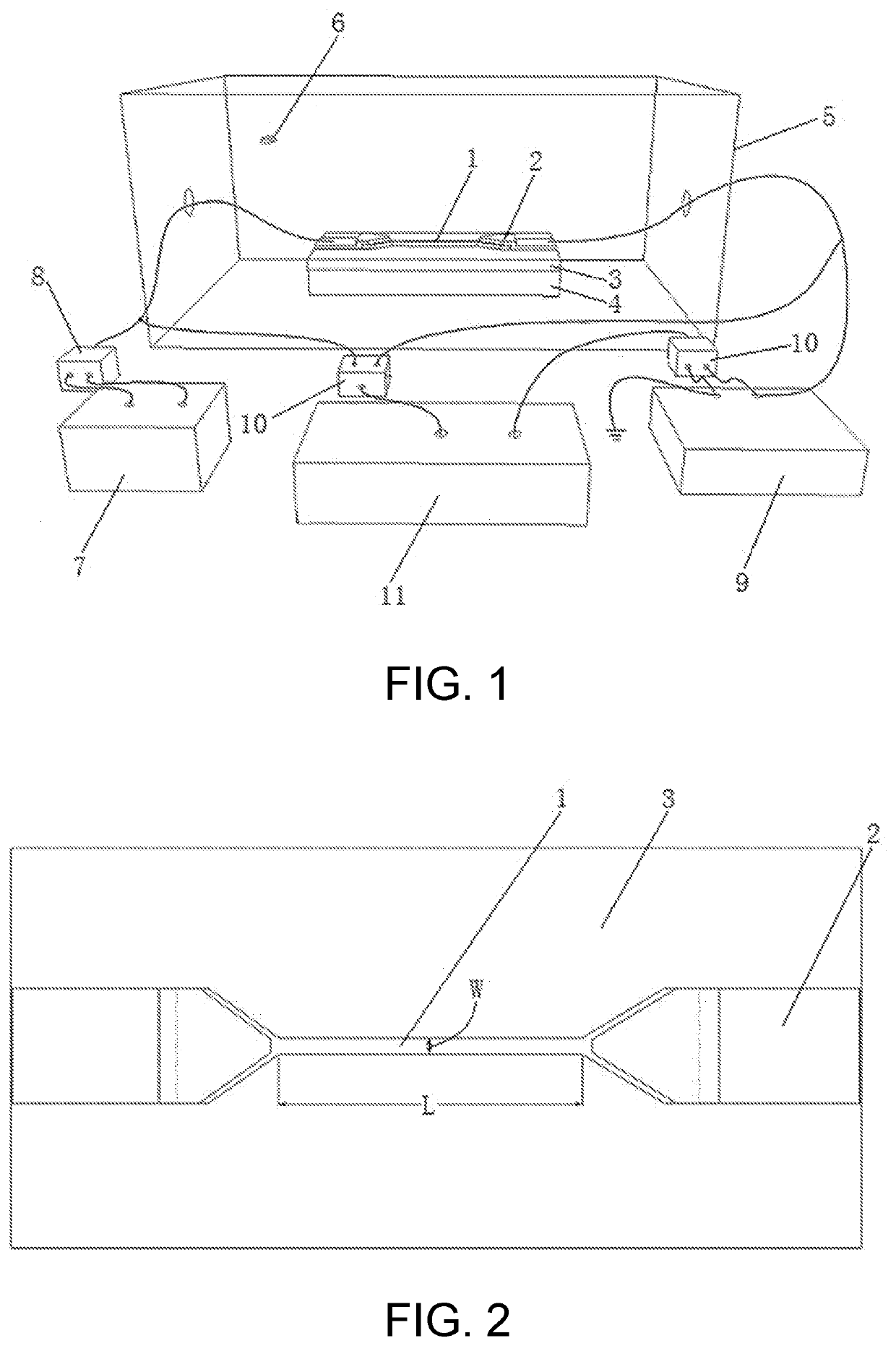
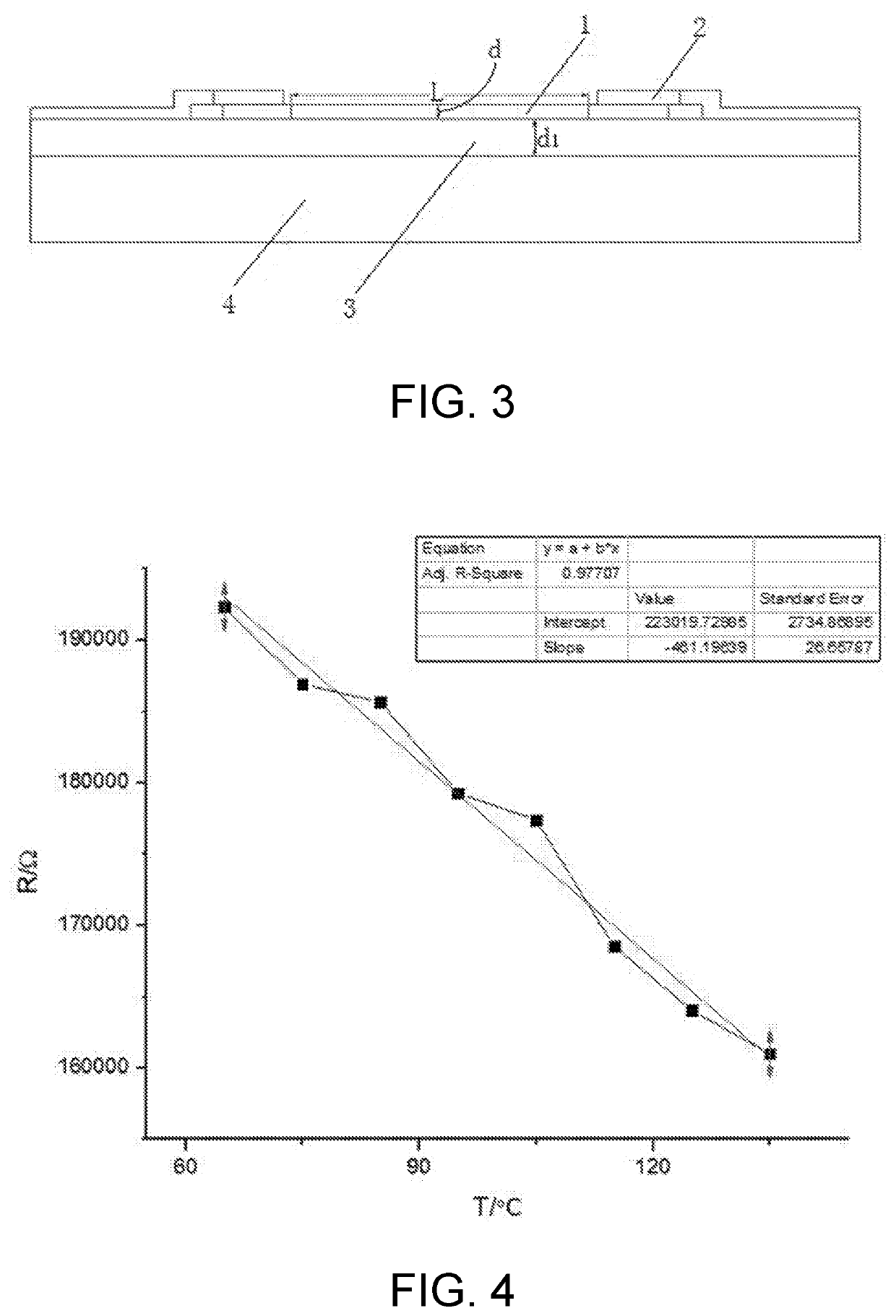
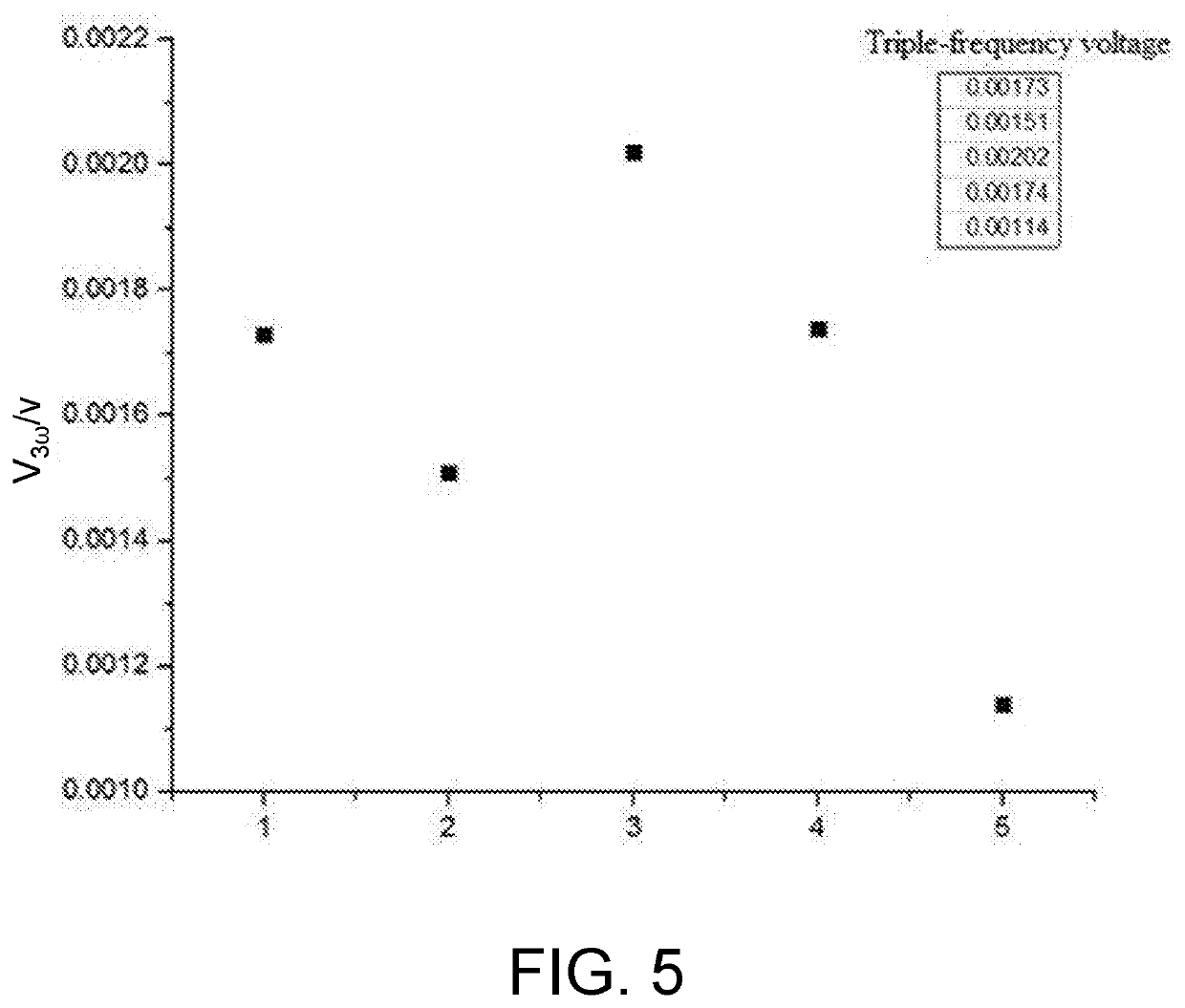
- A method and device for measuring thermal conductivity that involves placing the nanoscale material on a substrate with insulating and substrate medium layers, applying an excitation current, and using a lock-in amplifier to calculate thermal conductivity based on resistance and voltage measurements, allowing for testing in a gas atmosphere and eliminating the need for a suspended structure and high-vacuum environment.
Material Safety Standards for Vanadium Compounds
The quantification of vanadium nitride's thermal conductivity necessitates strict adherence to established material safety standards for vanadium compounds, as these measurements often involve high-temperature testing conditions and potential exposure to hazardous materials. Current international safety frameworks, including OSHA regulations and ISO 14040 series standards, provide comprehensive guidelines for handling vanadium-based materials during thermal property characterization.
Primary safety concerns center on vanadium compound toxicity, particularly during sample preparation and high-temperature testing phases. Vanadium pentoxide, a common oxidation product, presents significant respiratory hazards with established exposure limits of 0.05 mg/m³ as an 8-hour time-weighted average. Laboratory protocols must incorporate appropriate ventilation systems, personal protective equipment specifications, and air monitoring procedures to ensure compliance with these thresholds.
Material handling standards require specialized containment protocols for vanadium nitride powders and bulk samples. The European Chemicals Agency (ECHA) classification system categorizes vanadium compounds under specific hazard classes, mandating proper labeling, storage conditions, and waste disposal procedures. These requirements directly impact experimental design for thermal conductivity measurements, particularly when sample sizes exceed standard testing quantities.
Temperature-dependent safety considerations become critical during thermal conductivity quantification, as elevated temperatures may accelerate vanadium compound decomposition or volatilization. Safety standards mandate continuous atmospheric monitoring and emergency response protocols for testing environments exceeding 500°C, where vanadium oxide formation rates increase significantly.
Occupational exposure assessment protocols, as defined by NIOSH criteria documents, establish baseline requirements for personnel involved in vanadium nitride thermal property research. These standards encompass medical surveillance programs, exposure documentation, and training requirements that directly influence laboratory operational procedures and measurement methodologies.
Environmental safety standards address potential contamination risks associated with vanadium compound testing, including groundwater protection measures and air emission controls. Compliance with these regulations affects facility design requirements and waste management strategies for thermal conductivity research programs, ensuring sustainable and responsible material characterization practices.
Primary safety concerns center on vanadium compound toxicity, particularly during sample preparation and high-temperature testing phases. Vanadium pentoxide, a common oxidation product, presents significant respiratory hazards with established exposure limits of 0.05 mg/m³ as an 8-hour time-weighted average. Laboratory protocols must incorporate appropriate ventilation systems, personal protective equipment specifications, and air monitoring procedures to ensure compliance with these thresholds.
Material handling standards require specialized containment protocols for vanadium nitride powders and bulk samples. The European Chemicals Agency (ECHA) classification system categorizes vanadium compounds under specific hazard classes, mandating proper labeling, storage conditions, and waste disposal procedures. These requirements directly impact experimental design for thermal conductivity measurements, particularly when sample sizes exceed standard testing quantities.
Temperature-dependent safety considerations become critical during thermal conductivity quantification, as elevated temperatures may accelerate vanadium compound decomposition or volatilization. Safety standards mandate continuous atmospheric monitoring and emergency response protocols for testing environments exceeding 500°C, where vanadium oxide formation rates increase significantly.
Occupational exposure assessment protocols, as defined by NIOSH criteria documents, establish baseline requirements for personnel involved in vanadium nitride thermal property research. These standards encompass medical surveillance programs, exposure documentation, and training requirements that directly influence laboratory operational procedures and measurement methodologies.
Environmental safety standards address potential contamination risks associated with vanadium compound testing, including groundwater protection measures and air emission controls. Compliance with these regulations affects facility design requirements and waste management strategies for thermal conductivity research programs, ensuring sustainable and responsible material characterization practices.
Applications of VN in Thermal Management Systems
Vanadium nitride's exceptional thermal conductivity properties position it as a promising material for advanced thermal management applications across multiple industrial sectors. The material's ability to efficiently conduct heat while maintaining structural integrity under extreme conditions makes it particularly valuable in high-performance thermal interface materials and heat dissipation systems.
In electronic cooling applications, VN demonstrates significant potential as a thermal interface material between heat-generating components and heat sinks. Its high thermal conductivity enables efficient heat transfer from processors, power electronics, and LED systems, while its chemical stability ensures long-term reliability in demanding operating environments. The material's compatibility with various substrates and manufacturing processes facilitates integration into existing thermal management architectures.
Aerospace and automotive industries represent key application domains where VN's thermal properties offer substantial advantages. In aerospace applications, VN-based thermal management systems can effectively handle heat dissipation in satellite electronics, avionics systems, and propulsion components where weight constraints and reliability are critical factors. The material's thermal stability at elevated temperatures makes it suitable for engine compartment applications and thermal barrier systems.
Power electronics applications benefit significantly from VN's thermal management capabilities, particularly in electric vehicle battery thermal management systems and renewable energy converters. The material's ability to maintain consistent thermal performance across wide temperature ranges ensures optimal battery operating conditions and extends component lifespan. In solar inverters and wind turbine power electronics, VN-based thermal solutions enhance system efficiency and reliability.
Industrial heat exchanger applications leverage VN's thermal conductivity for enhanced heat transfer efficiency in chemical processing, metallurgical operations, and energy generation systems. The material's corrosion resistance and thermal stability enable deployment in harsh industrial environments where conventional thermal management materials may degrade.
Emerging applications in quantum computing and advanced semiconductor manufacturing utilize VN's precise thermal control capabilities for maintaining ultra-stable operating temperatures. These applications require exceptional thermal uniformity and rapid heat dissipation, characteristics that align well with VN's thermal properties and processing flexibility.
In electronic cooling applications, VN demonstrates significant potential as a thermal interface material between heat-generating components and heat sinks. Its high thermal conductivity enables efficient heat transfer from processors, power electronics, and LED systems, while its chemical stability ensures long-term reliability in demanding operating environments. The material's compatibility with various substrates and manufacturing processes facilitates integration into existing thermal management architectures.
Aerospace and automotive industries represent key application domains where VN's thermal properties offer substantial advantages. In aerospace applications, VN-based thermal management systems can effectively handle heat dissipation in satellite electronics, avionics systems, and propulsion components where weight constraints and reliability are critical factors. The material's thermal stability at elevated temperatures makes it suitable for engine compartment applications and thermal barrier systems.
Power electronics applications benefit significantly from VN's thermal management capabilities, particularly in electric vehicle battery thermal management systems and renewable energy converters. The material's ability to maintain consistent thermal performance across wide temperature ranges ensures optimal battery operating conditions and extends component lifespan. In solar inverters and wind turbine power electronics, VN-based thermal solutions enhance system efficiency and reliability.
Industrial heat exchanger applications leverage VN's thermal conductivity for enhanced heat transfer efficiency in chemical processing, metallurgical operations, and energy generation systems. The material's corrosion resistance and thermal stability enable deployment in harsh industrial environments where conventional thermal management materials may degrade.
Emerging applications in quantum computing and advanced semiconductor manufacturing utilize VN's precise thermal control capabilities for maintaining ultra-stable operating temperatures. These applications require exceptional thermal uniformity and rapid heat dissipation, characteristics that align well with VN's thermal properties and processing flexibility.
Unlock deeper insights with PatSnap Eureka Quick Research — get a full tech report to explore trends and direct your research. Try now!
Generate Your Research Report Instantly with AI Agent
Supercharge your innovation with PatSnap Eureka AI Agent Platform!