How to Integrate Smart Technology in Modular Construction
MAR 16, 20269 MIN READ
Generate Your Research Report Instantly with AI Agent
Patsnap Eureka helps you evaluate technical feasibility & market potential.
Smart Modular Construction Technology Background and Goals
Modular construction represents a paradigm shift in the building industry, where structures are assembled from prefabricated components manufactured in controlled factory environments. This construction methodology has evolved from simple prefabricated housing solutions to sophisticated building systems capable of creating complex architectural designs. The integration of smart technology into modular construction emerged as a natural progression, driven by the industry's need for enhanced efficiency, sustainability, and occupant comfort.
The historical development of modular construction can be traced back to the early 20th century, with significant acceleration during post-war reconstruction periods. However, the incorporation of intelligent systems began gaining momentum in the 2010s, coinciding with the proliferation of Internet of Things (IoT) devices and advanced building automation technologies. This convergence has created unprecedented opportunities to embed intelligence directly into prefabricated building components during the manufacturing process.
Current technological trends indicate a strong movement toward digitalization and automation in construction processes. Smart modular construction leverages advanced sensors, embedded computing systems, and connectivity solutions to create buildings that can monitor, analyze, and respond to environmental conditions and occupant needs. The technology encompasses various domains including energy management, structural health monitoring, indoor environmental quality control, and predictive maintenance systems.
The primary technical objectives of smart modular construction integration focus on achieving seamless connectivity between building components, establishing robust data collection and analysis capabilities, and implementing automated control systems that optimize building performance. These goals aim to create structures that not only meet immediate functional requirements but also adapt and evolve based on usage patterns and environmental conditions.
Strategic objectives include reducing construction timelines through factory-based integration of smart systems, minimizing on-site installation complexity, and ensuring scalable deployment across diverse building types. The technology seeks to address traditional construction industry challenges such as quality inconsistency, waste generation, and extended project timelines while simultaneously introducing advanced building intelligence capabilities that enhance long-term operational efficiency and occupant satisfaction.
The historical development of modular construction can be traced back to the early 20th century, with significant acceleration during post-war reconstruction periods. However, the incorporation of intelligent systems began gaining momentum in the 2010s, coinciding with the proliferation of Internet of Things (IoT) devices and advanced building automation technologies. This convergence has created unprecedented opportunities to embed intelligence directly into prefabricated building components during the manufacturing process.
Current technological trends indicate a strong movement toward digitalization and automation in construction processes. Smart modular construction leverages advanced sensors, embedded computing systems, and connectivity solutions to create buildings that can monitor, analyze, and respond to environmental conditions and occupant needs. The technology encompasses various domains including energy management, structural health monitoring, indoor environmental quality control, and predictive maintenance systems.
The primary technical objectives of smart modular construction integration focus on achieving seamless connectivity between building components, establishing robust data collection and analysis capabilities, and implementing automated control systems that optimize building performance. These goals aim to create structures that not only meet immediate functional requirements but also adapt and evolve based on usage patterns and environmental conditions.
Strategic objectives include reducing construction timelines through factory-based integration of smart systems, minimizing on-site installation complexity, and ensuring scalable deployment across diverse building types. The technology seeks to address traditional construction industry challenges such as quality inconsistency, waste generation, and extended project timelines while simultaneously introducing advanced building intelligence capabilities that enhance long-term operational efficiency and occupant satisfaction.
Market Demand for Intelligent Modular Building Solutions
The global construction industry is experiencing unprecedented demand for intelligent modular building solutions, driven by multiple converging factors that are reshaping traditional construction paradigms. Urbanization pressures, particularly in developing economies, have created an urgent need for rapid, scalable housing and commercial building solutions that can be deployed efficiently while maintaining high quality standards.
Labor shortages across major construction markets have intensified the appeal of modular construction integrated with smart technologies. Traditional construction faces significant workforce challenges, with skilled labor becoming increasingly scarce and expensive. Intelligent modular solutions address this gap by reducing on-site labor requirements through factory-based prefabrication and automated assembly processes.
Sustainability mandates and environmental regulations are driving substantial market demand for smart modular buildings. These solutions offer superior energy efficiency through integrated IoT sensors, automated climate control systems, and real-time energy monitoring capabilities. The ability to optimize resource consumption and reduce waste during both construction and operational phases aligns with increasingly stringent environmental standards.
The healthcare and education sectors represent particularly strong demand drivers for intelligent modular solutions. Healthcare facilities require rapid deployment capabilities for emergency response, while educational institutions seek cost-effective expansion options. Smart technology integration enables these buildings to adapt to changing usage patterns and maintain optimal environmental conditions for their specific applications.
Commercial real estate markets are increasingly embracing intelligent modular buildings for their flexibility and scalability advantages. Businesses require adaptable spaces that can be reconfigured as operational needs evolve. Smart modular solutions provide this flexibility through modular design principles combined with intelligent building management systems that can optimize space utilization and operational efficiency.
The residential market shows growing acceptance of smart modular homes, particularly among younger demographics who value technology integration and sustainable living. These consumers seek homes with integrated smart home systems, energy management capabilities, and the ability to expand or modify living spaces as life circumstances change.
Government initiatives and public sector projects are creating substantial market opportunities for intelligent modular construction. Public housing programs, disaster relief efforts, and infrastructure development projects increasingly specify modular solutions with smart technology integration to achieve faster deployment timelines and improved long-term operational efficiency.
Labor shortages across major construction markets have intensified the appeal of modular construction integrated with smart technologies. Traditional construction faces significant workforce challenges, with skilled labor becoming increasingly scarce and expensive. Intelligent modular solutions address this gap by reducing on-site labor requirements through factory-based prefabrication and automated assembly processes.
Sustainability mandates and environmental regulations are driving substantial market demand for smart modular buildings. These solutions offer superior energy efficiency through integrated IoT sensors, automated climate control systems, and real-time energy monitoring capabilities. The ability to optimize resource consumption and reduce waste during both construction and operational phases aligns with increasingly stringent environmental standards.
The healthcare and education sectors represent particularly strong demand drivers for intelligent modular solutions. Healthcare facilities require rapid deployment capabilities for emergency response, while educational institutions seek cost-effective expansion options. Smart technology integration enables these buildings to adapt to changing usage patterns and maintain optimal environmental conditions for their specific applications.
Commercial real estate markets are increasingly embracing intelligent modular buildings for their flexibility and scalability advantages. Businesses require adaptable spaces that can be reconfigured as operational needs evolve. Smart modular solutions provide this flexibility through modular design principles combined with intelligent building management systems that can optimize space utilization and operational efficiency.
The residential market shows growing acceptance of smart modular homes, particularly among younger demographics who value technology integration and sustainable living. These consumers seek homes with integrated smart home systems, energy management capabilities, and the ability to expand or modify living spaces as life circumstances change.
Government initiatives and public sector projects are creating substantial market opportunities for intelligent modular construction. Public housing programs, disaster relief efforts, and infrastructure development projects increasingly specify modular solutions with smart technology integration to achieve faster deployment timelines and improved long-term operational efficiency.
Current State and Challenges of Smart Modular Integration
The integration of smart technology in modular construction represents a rapidly evolving field that combines traditional prefabrication methods with advanced digital solutions. Currently, the industry demonstrates significant momentum in adopting Internet of Things (IoT) sensors, Building Information Modeling (BIM) systems, and automated manufacturing processes. Leading manufacturers have successfully implemented smart monitoring systems that track module production, quality control, and logistics throughout the supply chain.
However, the current landscape reveals substantial technological fragmentation across different market segments. While some companies excel in smart manufacturing automation, others focus primarily on post-installation monitoring systems, creating gaps in end-to-end integration. The lack of standardized communication protocols between various smart systems poses a significant barrier to seamless technology adoption across the modular construction ecosystem.
Manufacturing facilities face considerable challenges in retrofitting existing production lines with smart technologies. Legacy equipment often lacks compatibility with modern IoT infrastructure, requiring substantial capital investments for comprehensive upgrades. Additionally, the integration of real-time data collection systems with traditional quality assurance processes demands extensive workforce retraining and process redesign.
Interoperability remains one of the most pressing technical challenges. Different smart technology vendors utilize proprietary communication standards, making it difficult to create unified systems that can effectively coordinate between design software, manufacturing equipment, transportation logistics, and on-site assembly processes. This fragmentation limits the potential for comprehensive data analytics and predictive maintenance capabilities.
The geographical distribution of smart modular construction capabilities shows significant concentration in developed markets, particularly in Northern Europe, Japan, and select regions of North America. These areas benefit from advanced manufacturing infrastructure, supportive regulatory frameworks, and higher market acceptance of premium modular solutions. Conversely, emerging markets face barriers including limited technical expertise, inadequate digital infrastructure, and cost sensitivity that restricts adoption of sophisticated smart technologies.
Data security and privacy concerns present additional complexity, particularly when smart systems collect sensitive information about building occupancy, energy consumption patterns, and structural performance. Establishing robust cybersecurity frameworks while maintaining system accessibility for legitimate stakeholders requires careful balance and ongoing investment in security infrastructure.
However, the current landscape reveals substantial technological fragmentation across different market segments. While some companies excel in smart manufacturing automation, others focus primarily on post-installation monitoring systems, creating gaps in end-to-end integration. The lack of standardized communication protocols between various smart systems poses a significant barrier to seamless technology adoption across the modular construction ecosystem.
Manufacturing facilities face considerable challenges in retrofitting existing production lines with smart technologies. Legacy equipment often lacks compatibility with modern IoT infrastructure, requiring substantial capital investments for comprehensive upgrades. Additionally, the integration of real-time data collection systems with traditional quality assurance processes demands extensive workforce retraining and process redesign.
Interoperability remains one of the most pressing technical challenges. Different smart technology vendors utilize proprietary communication standards, making it difficult to create unified systems that can effectively coordinate between design software, manufacturing equipment, transportation logistics, and on-site assembly processes. This fragmentation limits the potential for comprehensive data analytics and predictive maintenance capabilities.
The geographical distribution of smart modular construction capabilities shows significant concentration in developed markets, particularly in Northern Europe, Japan, and select regions of North America. These areas benefit from advanced manufacturing infrastructure, supportive regulatory frameworks, and higher market acceptance of premium modular solutions. Conversely, emerging markets face barriers including limited technical expertise, inadequate digital infrastructure, and cost sensitivity that restricts adoption of sophisticated smart technologies.
Data security and privacy concerns present additional complexity, particularly when smart systems collect sensitive information about building occupancy, energy consumption patterns, and structural performance. Establishing robust cybersecurity frameworks while maintaining system accessibility for legitimate stakeholders requires careful balance and ongoing investment in security infrastructure.
Existing Smart Technology Integration Solutions
01 Smart technology integration in IoT and connected devices
Smart technology encompasses the integration of Internet of Things (IoT) capabilities into various devices and systems, enabling interconnected communication and data exchange. This includes the development of smart sensors, wireless communication protocols, and cloud-based platforms that allow devices to collect, process, and share information autonomously. The technology facilitates remote monitoring, control, and automation across multiple applications, enhancing operational efficiency and user experience through intelligent decision-making capabilities.- Smart technology integration in IoT and connected devices: Smart technology encompasses the integration of Internet of Things (IoT) capabilities into various devices and systems, enabling interconnected communication and data exchange. This includes the development of smart sensors, wireless communication protocols, and cloud-based platforms that allow devices to collect, process, and share information autonomously. The technology facilitates remote monitoring, control, and automation across multiple applications, enhancing operational efficiency and user experience through intelligent data processing and decision-making capabilities.
- Artificial intelligence and machine learning applications in smart systems: The incorporation of artificial intelligence and machine learning algorithms enables smart technology systems to learn from data patterns, make predictions, and adapt to changing conditions without explicit programming. These systems can analyze large datasets, recognize patterns, and optimize performance over time. Applications include predictive maintenance, intelligent automation, personalized user experiences, and advanced analytics that improve system efficiency and functionality through continuous learning and adaptation.
- Smart home and building automation systems: Smart technology in residential and commercial buildings involves automated control systems for lighting, heating, ventilation, air conditioning, security, and energy management. These systems utilize sensors, actuators, and centralized control platforms to optimize comfort, security, and energy efficiency. Integration with mobile applications and voice-controlled interfaces allows users to monitor and control building functions remotely, while intelligent algorithms adjust settings based on occupancy patterns, weather conditions, and user preferences to reduce energy consumption and enhance convenience.
- Smart manufacturing and industrial automation: In industrial settings, smart technology enables advanced manufacturing processes through the integration of robotics, sensor networks, and real-time monitoring systems. This includes the implementation of smart factories where machines communicate with each other, production lines are optimized dynamically, and predictive maintenance reduces downtime. The technology supports quality control through automated inspection systems, supply chain optimization, and data-driven decision-making that improves productivity, reduces waste, and enhances overall operational efficiency in manufacturing environments.
- Smart mobility and transportation systems: Smart technology in transportation encompasses intelligent traffic management systems, connected vehicles, and autonomous driving capabilities. These systems utilize real-time data from sensors, GPS, and communication networks to optimize traffic flow, reduce congestion, and improve safety. Applications include smart parking solutions, vehicle-to-vehicle communication, route optimization, and integrated public transportation systems. The technology enables efficient fleet management, reduces environmental impact through optimized routing, and enhances the overall transportation experience through seamless connectivity and intelligent infrastructure.
02 Artificial intelligence and machine learning applications
Smart technology leverages artificial intelligence and machine learning algorithms to enable predictive analytics, pattern recognition, and adaptive learning capabilities. These systems can analyze large datasets to identify trends, make autonomous decisions, and continuously improve performance over time. Applications include intelligent automation, personalized user experiences, and advanced data processing that enhances the functionality of smart devices and systems across various domains.Expand Specific Solutions03 Smart home and building automation systems
This category focuses on the implementation of intelligent control systems for residential and commercial buildings. Technologies include automated lighting, climate control, security systems, and energy management solutions that can be controlled remotely or operate autonomously based on user preferences and environmental conditions. These systems integrate multiple sensors and actuators to optimize comfort, safety, and energy efficiency while providing users with centralized control through mobile applications or voice commands.Expand Specific Solutions04 Smart manufacturing and industrial automation
Smart technology in industrial settings involves the deployment of advanced automation systems, robotics, and real-time monitoring solutions to optimize manufacturing processes. This includes the use of smart sensors for quality control, predictive maintenance systems that prevent equipment failures, and integrated production management platforms. The technology enables data-driven decision making, reduces downtime, improves product quality, and enhances overall operational efficiency in manufacturing environments.Expand Specific Solutions05 Smart mobility and transportation systems
This encompasses intelligent transportation solutions including vehicle-to-vehicle communication, traffic management systems, and autonomous navigation technologies. Smart mobility solutions utilize real-time data processing, GPS tracking, and advanced sensor networks to improve traffic flow, enhance safety, and optimize route planning. The technology supports the development of connected vehicles, smart parking systems, and integrated public transportation networks that provide efficient and sustainable mobility options.Expand Specific Solutions
Key Players in Smart Modular Construction Industry
The integration of smart technology in modular construction represents an emerging market experiencing rapid growth, driven by increasing demand for efficient, sustainable building solutions. The industry is transitioning from traditional construction methods to technology-enabled approaches, with market expansion fueled by labor shortages and sustainability requirements. Technology maturity varies significantly across players, with specialized companies like Cuby Technologies and DIRTT Environmental Solutions leading innovation through proprietary software platforms and automated manufacturing systems. Traditional construction giants including China Railway Construction Engineering Group and Shanghai Construction Group are adapting by incorporating digital solutions into existing operations. Academic institutions such as MIT, University of Hong Kong, and Shenzhen University contribute foundational research, while companies like Buildz LLC and Project Frog demonstrate advanced implementation of integrated smart systems. The competitive landscape shows established players leveraging scale advantages while innovative startups drive technological advancement, creating a dynamic ecosystem where technology adoption determines market positioning and long-term viability in this rapidly evolving sector.
Innovative Building Technologies LLC
Technical Solution: Innovative Building Technologies has developed smart modular construction solutions that integrate advanced building automation systems directly into prefabricated components. Their technology platform includes embedded IoT sensors for structural monitoring, pre-installed smart electrical systems with wireless controls, and integrated renewable energy management systems. The modular approach incorporates machine learning algorithms for predictive maintenance, cloud-based building management platforms, and mobile applications for real-time system monitoring and control. Their smart modules feature adaptive environmental controls, security integration capabilities, and scalable connectivity infrastructure that supports future technology upgrades and smart city connectivity requirements.
Strengths: Specialized focus on smart technology integration with flexible and scalable modular solutions. Weaknesses: Smaller market presence and limited proven track record compared to established construction companies.
DIRTT Environmental Solutions Ltd.
Technical Solution: DIRTT has developed an integrated construction technology platform that combines Building Information Modeling (BIM) with automated manufacturing processes for modular interior construction. Their ICE software platform enables real-time design collaboration and integrates IoT sensors for environmental monitoring, occupancy detection, and energy management within modular wall systems. The technology includes embedded smart building controls, wireless connectivity infrastructure, and prefabricated electrical and data pathways that support smart building automation systems. Their modular approach allows for rapid reconfiguration while maintaining integrated smart technology functionality throughout the building lifecycle.
Strengths: Proven market leader in smart modular interiors with established manufacturing capabilities and strong software integration. Weaknesses: Limited to interior applications and higher cost compared to traditional construction methods.
Core Innovations in Modular Smart Building Systems
Methods and Systems for Modular Buildings
PatentInactiveUS20100235206A1
Innovation
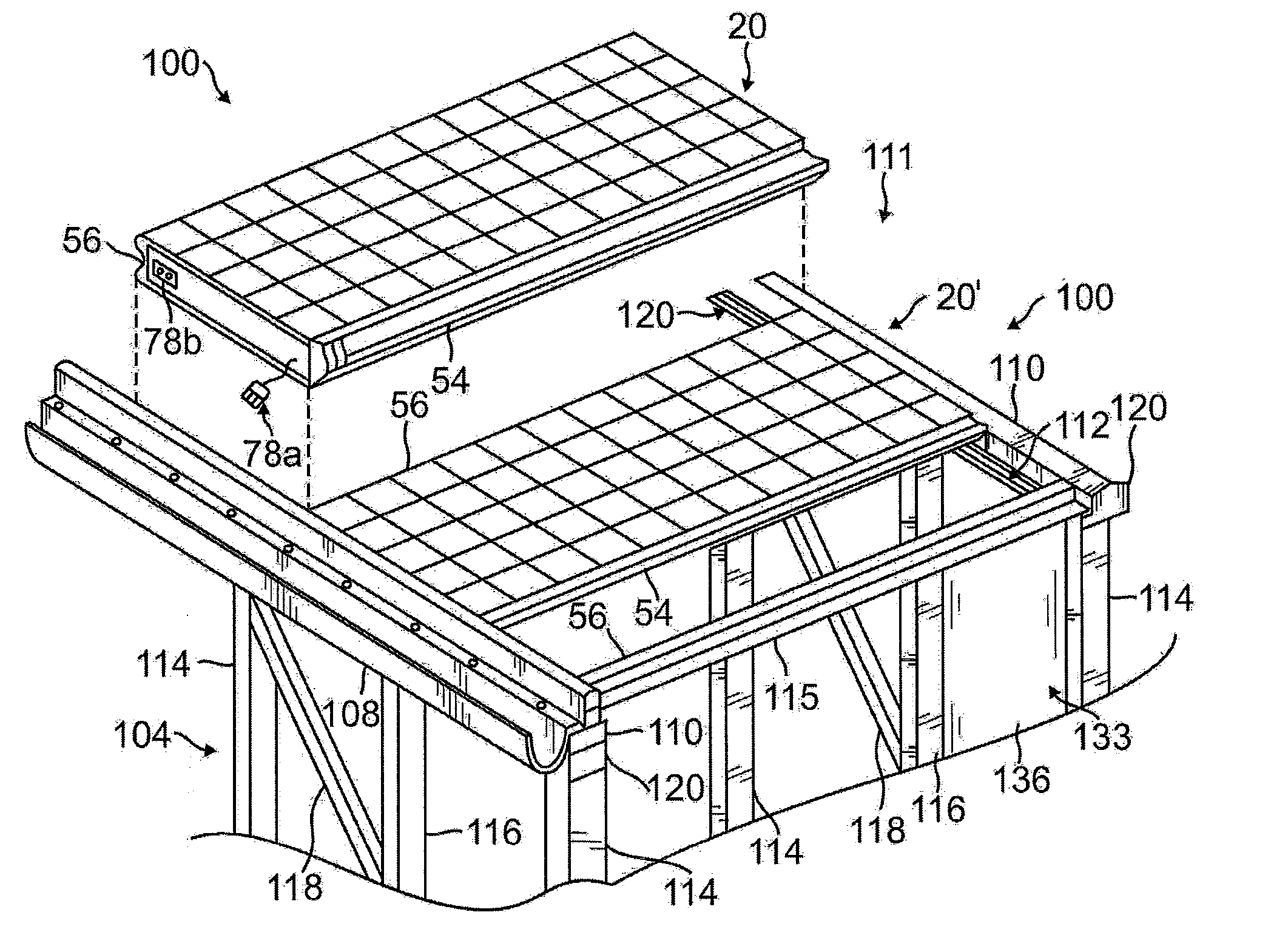
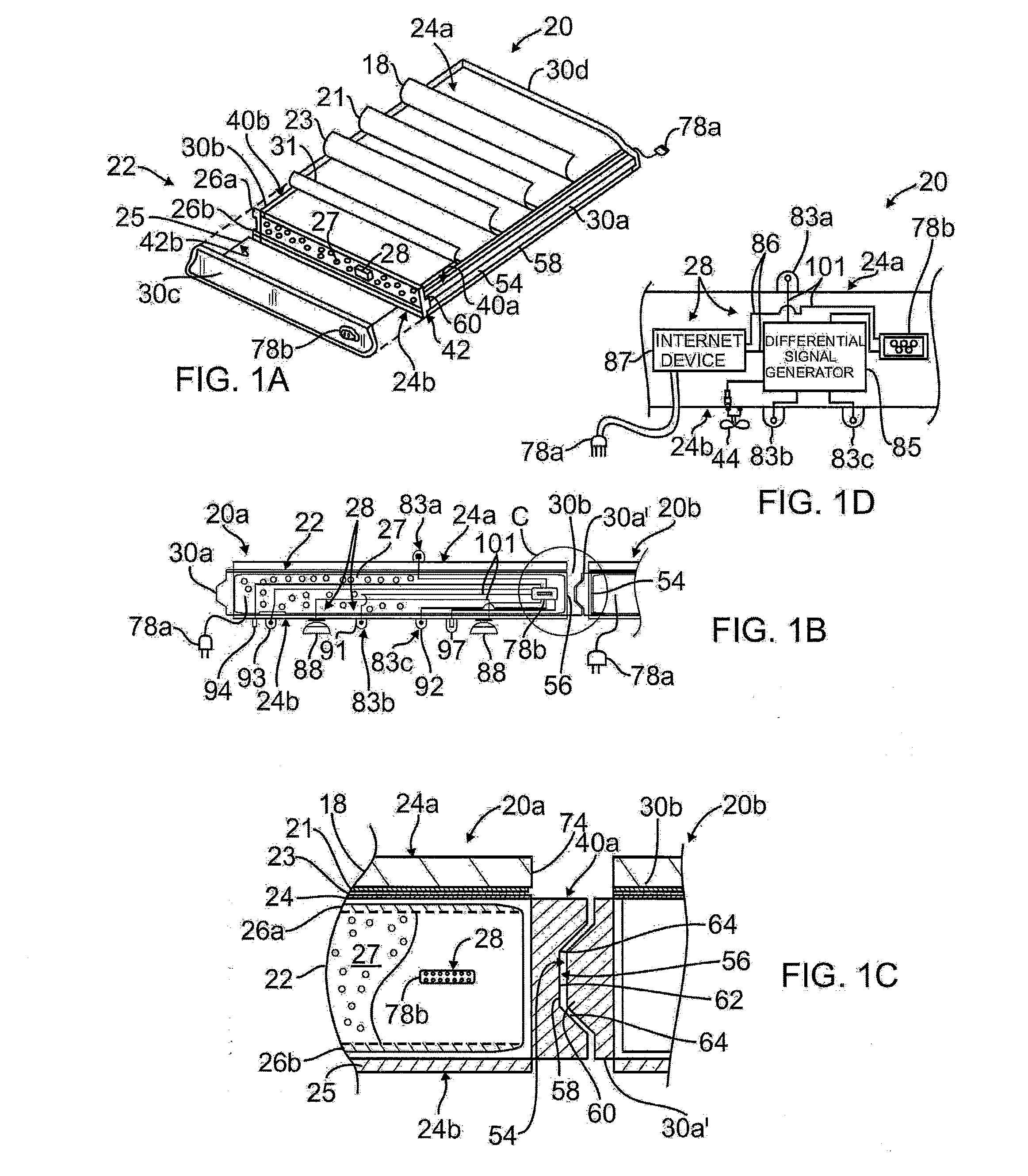
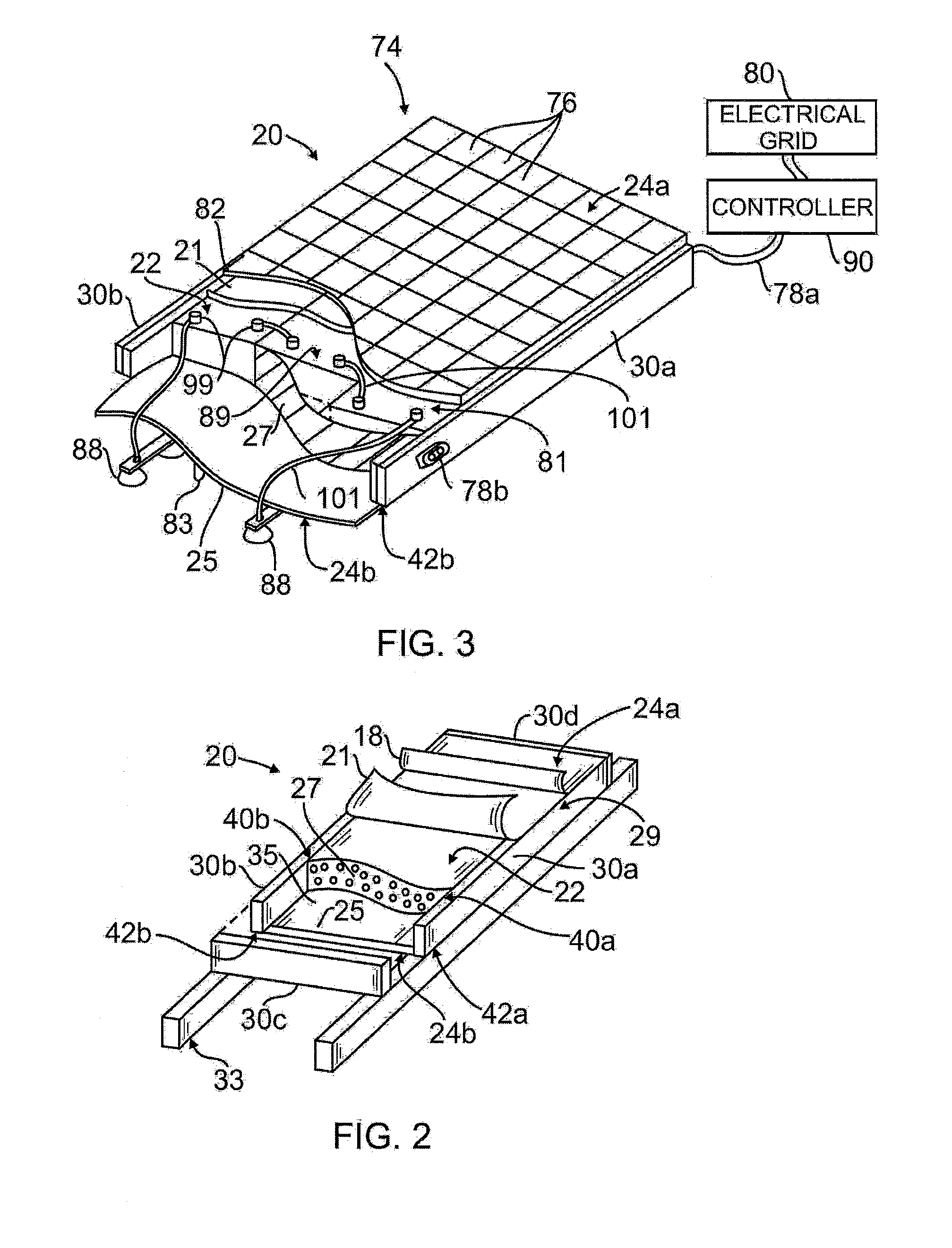
- The development of smart or multifunctional panels for modular buildings, which include insulative bodies with sensors to measure interior and exterior conditions, signal couplers for data transmission, and photovoltaic arrays for energy generation, along with a modular building platform that optimizes design and construction using priority ranking distribution of parameters such as quality, environmental performance, and cost.

Modular wall unit system
PatentActiveUS20190296506A1
Innovation
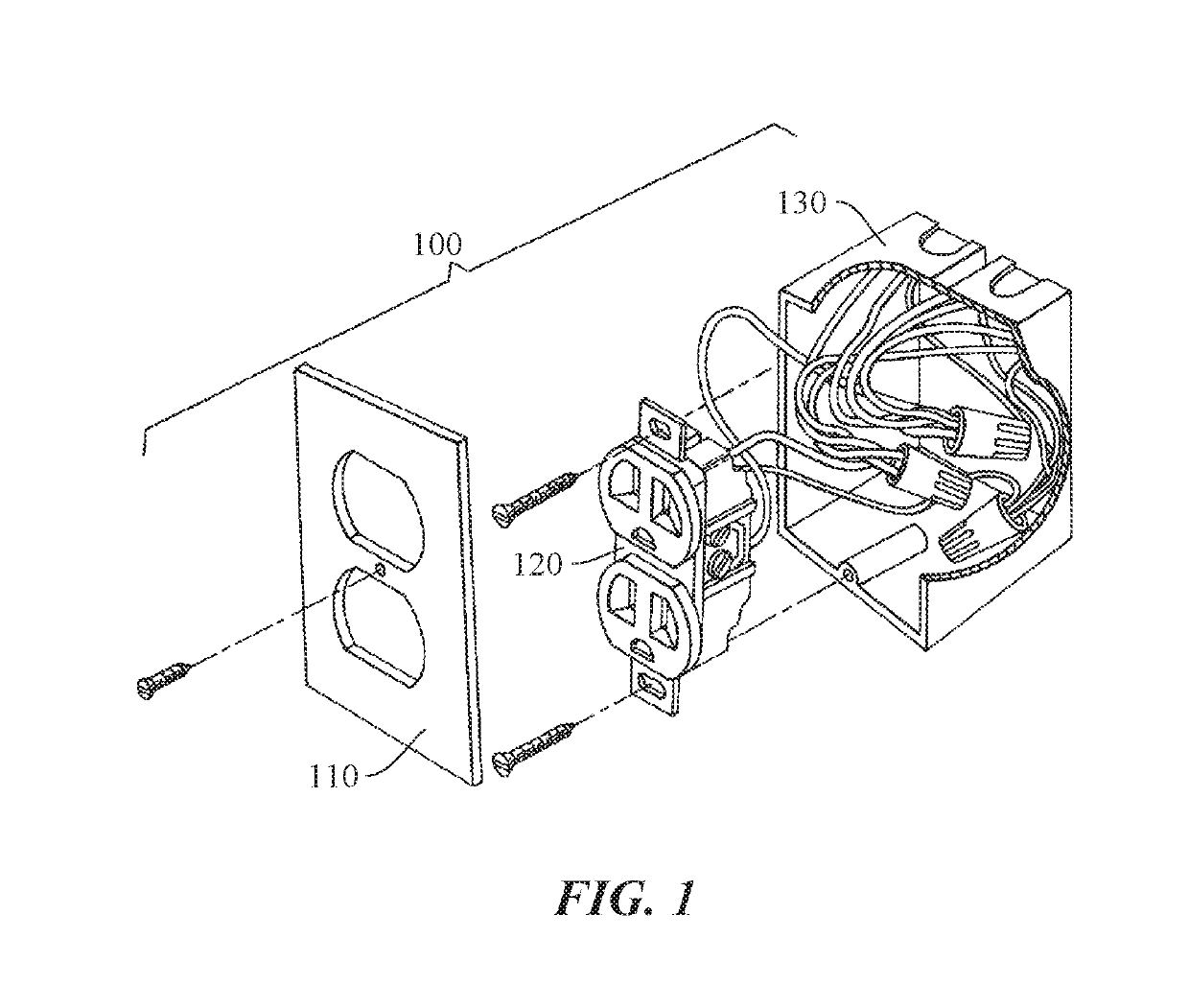
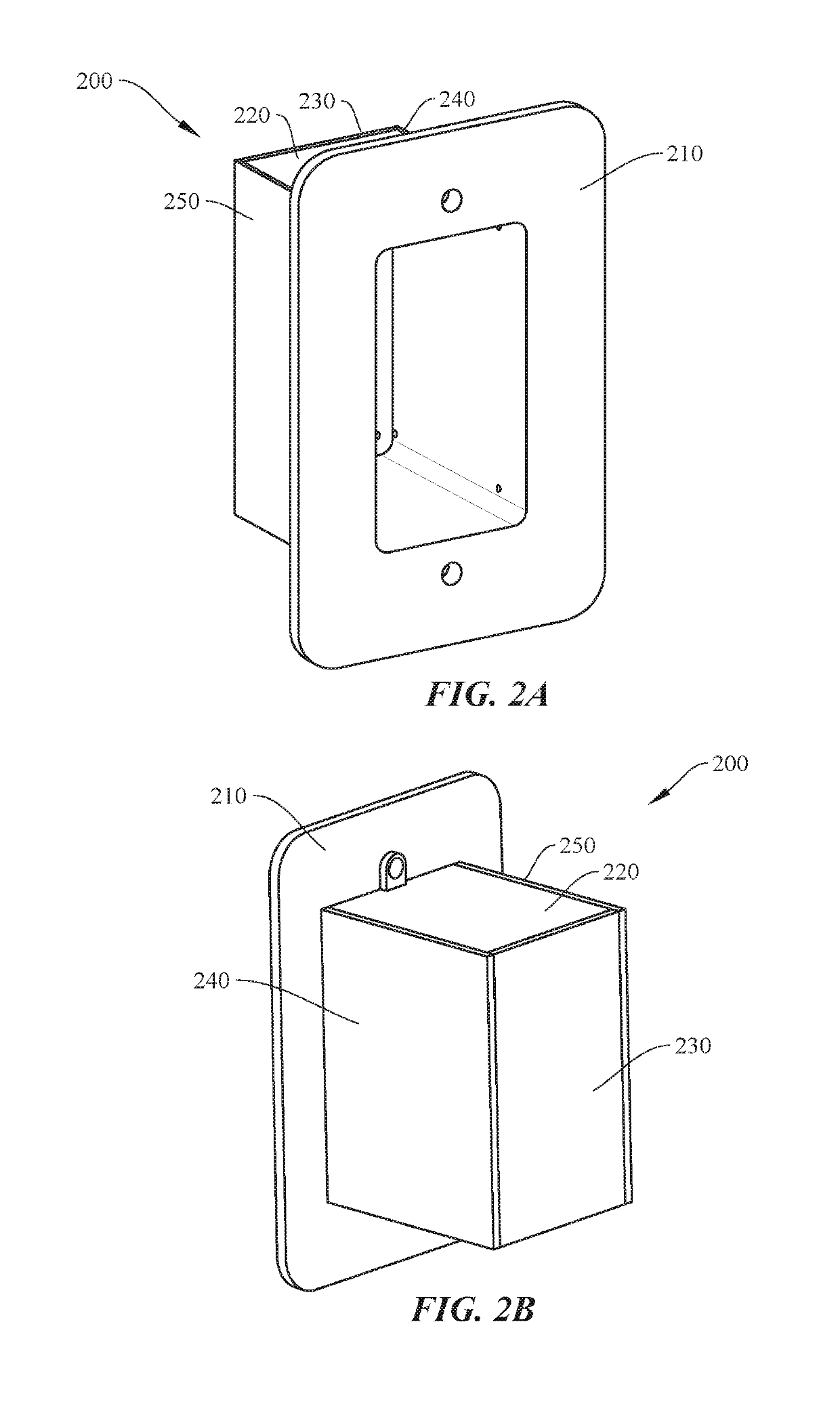
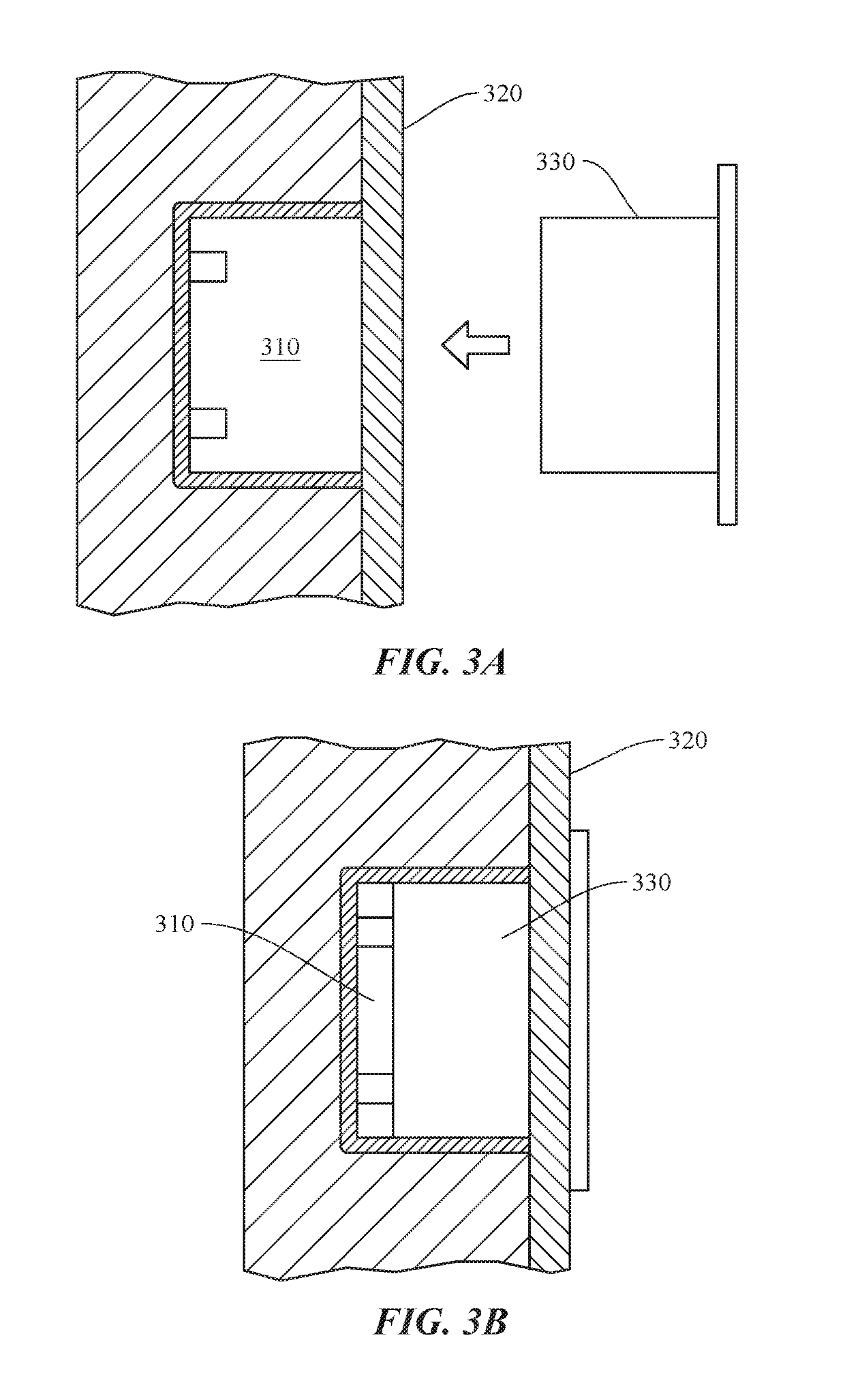
- A modular host system with processors that can couple to a building's support structure, receive accessories, and manage electrical power and communication, including a self-orientation module to determine the host unit's orientation and generate a building floor plan, allowing for effortless customization and reconfiguration of smart home environments.

Building Codes and Standards for Smart Modular Systems
The integration of smart technology in modular construction faces significant regulatory challenges as existing building codes and standards were primarily developed for traditional construction methods. Current building codes in most jurisdictions lack specific provisions for smart modular systems, creating uncertainty for developers, manufacturers, and regulatory authorities. The International Building Code (IBC) and International Residential Code (IRC) provide general frameworks, but their application to smart modular construction requires careful interpretation and often case-by-case evaluation.
Smart modular systems incorporate various technological components including IoT sensors, automated building management systems, integrated renewable energy solutions, and advanced materials with embedded intelligence. These elements challenge traditional code categories that typically separate structural, electrical, mechanical, and plumbing systems. The interconnected nature of smart technologies requires a more holistic regulatory approach that considers system integration rather than individual component compliance.
Several jurisdictions are pioneering adaptive regulatory frameworks specifically for smart modular construction. The European Union's Construction Products Regulation (CPR) has begun incorporating provisions for digitally integrated building systems, while countries like Singapore and Japan have developed fast-track approval processes for certified smart modular units. These frameworks emphasize performance-based standards rather than prescriptive requirements, allowing for innovation while maintaining safety and quality benchmarks.
Key standardization efforts are emerging through organizations such as the International Organization for Standardization (ISO) and the American Society for Testing and Materials (ASTM). ISO 19650 series addresses digital information management in construction, while ASTM is developing specific standards for modular construction quality assurance. These standards focus on interoperability, cybersecurity, data privacy, and long-term system reliability in smart modular applications.
The regulatory landscape must address unique challenges including cross-jurisdictional transportation of smart modules, ongoing software updates and cybersecurity requirements, integration with existing utility infrastructure, and liability frameworks for interconnected systems. Future regulatory development will likely emphasize outcome-based performance metrics, standardized testing protocols for smart systems, and streamlined approval processes that can accommodate rapid technological advancement while ensuring public safety and building performance standards.
Smart modular systems incorporate various technological components including IoT sensors, automated building management systems, integrated renewable energy solutions, and advanced materials with embedded intelligence. These elements challenge traditional code categories that typically separate structural, electrical, mechanical, and plumbing systems. The interconnected nature of smart technologies requires a more holistic regulatory approach that considers system integration rather than individual component compliance.
Several jurisdictions are pioneering adaptive regulatory frameworks specifically for smart modular construction. The European Union's Construction Products Regulation (CPR) has begun incorporating provisions for digitally integrated building systems, while countries like Singapore and Japan have developed fast-track approval processes for certified smart modular units. These frameworks emphasize performance-based standards rather than prescriptive requirements, allowing for innovation while maintaining safety and quality benchmarks.
Key standardization efforts are emerging through organizations such as the International Organization for Standardization (ISO) and the American Society for Testing and Materials (ASTM). ISO 19650 series addresses digital information management in construction, while ASTM is developing specific standards for modular construction quality assurance. These standards focus on interoperability, cybersecurity, data privacy, and long-term system reliability in smart modular applications.
The regulatory landscape must address unique challenges including cross-jurisdictional transportation of smart modules, ongoing software updates and cybersecurity requirements, integration with existing utility infrastructure, and liability frameworks for interconnected systems. Future regulatory development will likely emphasize outcome-based performance metrics, standardized testing protocols for smart systems, and streamlined approval processes that can accommodate rapid technological advancement while ensuring public safety and building performance standards.
Sustainability Impact of Smart Modular Construction
The integration of smart technology in modular construction represents a paradigm shift toward sustainable building practices, fundamentally transforming how the construction industry approaches environmental responsibility. Smart modular construction systems demonstrate significant potential for reducing carbon footprints through optimized resource utilization, energy-efficient operations, and waste minimization strategies that traditional construction methods cannot achieve.
Energy efficiency emerges as the most prominent sustainability benefit of smart modular construction. Integrated IoT sensors and building management systems enable real-time monitoring and optimization of energy consumption patterns. These systems automatically adjust heating, ventilation, air conditioning, and lighting based on occupancy and environmental conditions, typically reducing energy consumption by 20-30% compared to conventional buildings. Smart grid integration further enhances sustainability by enabling modular structures to participate in demand response programs and utilize renewable energy sources more effectively.
Material sustainability receives substantial enhancement through smart technology integration. Advanced tracking systems monitor material usage throughout the manufacturing and assembly process, identifying opportunities for waste reduction and promoting circular economy principles. Digital twin technology enables precise material calculations, minimizing over-ordering and construction waste. Additionally, smart sensors embedded within modular components provide continuous monitoring of structural health, extending building lifespans and reducing the need for premature replacements.
Water management systems in smart modular construction contribute significantly to environmental sustainability. Intelligent water monitoring networks detect leaks immediately, preventing water waste and potential structural damage. Smart irrigation systems for integrated green infrastructure optimize water usage based on weather conditions and plant requirements. Greywater recycling systems, controlled by automated management platforms, reduce overall water consumption and minimize environmental impact.
The manufacturing process itself benefits from smart technology integration, with automated production lines reducing material waste and energy consumption during module fabrication. Predictive maintenance systems ensure manufacturing equipment operates at peak efficiency, minimizing resource waste and extending equipment lifecycles. Quality control systems powered by artificial intelligence reduce defect rates, decreasing the environmental impact associated with rework and material replacement.
However, the sustainability impact extends beyond operational benefits to include lifecycle considerations. Smart modular construction facilitates easier disassembly and component reuse at end-of-life, supporting circular economy principles. Embedded sensors provide valuable data for future design improvements, creating a continuous feedback loop that enhances the sustainability performance of subsequent modular construction projects.
Energy efficiency emerges as the most prominent sustainability benefit of smart modular construction. Integrated IoT sensors and building management systems enable real-time monitoring and optimization of energy consumption patterns. These systems automatically adjust heating, ventilation, air conditioning, and lighting based on occupancy and environmental conditions, typically reducing energy consumption by 20-30% compared to conventional buildings. Smart grid integration further enhances sustainability by enabling modular structures to participate in demand response programs and utilize renewable energy sources more effectively.
Material sustainability receives substantial enhancement through smart technology integration. Advanced tracking systems monitor material usage throughout the manufacturing and assembly process, identifying opportunities for waste reduction and promoting circular economy principles. Digital twin technology enables precise material calculations, minimizing over-ordering and construction waste. Additionally, smart sensors embedded within modular components provide continuous monitoring of structural health, extending building lifespans and reducing the need for premature replacements.
Water management systems in smart modular construction contribute significantly to environmental sustainability. Intelligent water monitoring networks detect leaks immediately, preventing water waste and potential structural damage. Smart irrigation systems for integrated green infrastructure optimize water usage based on weather conditions and plant requirements. Greywater recycling systems, controlled by automated management platforms, reduce overall water consumption and minimize environmental impact.
The manufacturing process itself benefits from smart technology integration, with automated production lines reducing material waste and energy consumption during module fabrication. Predictive maintenance systems ensure manufacturing equipment operates at peak efficiency, minimizing resource waste and extending equipment lifecycles. Quality control systems powered by artificial intelligence reduce defect rates, decreasing the environmental impact associated with rework and material replacement.
However, the sustainability impact extends beyond operational benefits to include lifecycle considerations. Smart modular construction facilitates easier disassembly and component reuse at end-of-life, supporting circular economy principles. Embedded sensors provide valuable data for future design improvements, creating a continuous feedback loop that enhances the sustainability performance of subsequent modular construction projects.
Unlock deeper insights with Patsnap Eureka Quick Research — get a full tech report to explore trends and direct your research. Try now!
Generate Your Research Report Instantly with AI Agent
Supercharge your innovation with Patsnap Eureka AI Agent Platform!