
SCADA System Update Cycles: How to Manage Efficiently
MAR 13, 20269 MIN READ
Generate Your Research Report Instantly with AI Agent
Patsnap Eureka helps you evaluate technical feasibility & market potential.
SCADA System Evolution and Update Management Goals
SCADA (Supervisory Control and Data Acquisition) systems have undergone significant transformation since their inception in the 1960s, evolving from simple telemetry systems to sophisticated industrial control platforms. The early generations relied on proprietary protocols and isolated networks, but modern SCADA systems have embraced standardized communication protocols, web-based interfaces, and cloud integration capabilities. This evolution has fundamentally changed how organizations approach system updates and maintenance.
The historical development trajectory reveals three distinct phases: legacy monolithic systems, distributed architectures, and current hybrid cloud-enabled platforms. Each phase introduced new complexities in update management, with legacy systems requiring complete shutdowns for updates, while modern systems support hot-swapping and rolling updates. Understanding this evolution is crucial for establishing effective update management strategies that accommodate both legacy components and cutting-edge technologies.
Contemporary SCADA update management faces unprecedented challenges due to increasing cybersecurity threats, regulatory compliance requirements, and operational continuity demands. The convergence of IT and OT environments has created new vulnerabilities while simultaneously offering opportunities for more sophisticated update mechanisms. Organizations must balance security imperatives with operational reliability, often requiring updates to be deployed across geographically distributed systems without disrupting critical industrial processes.
The primary technical objectives for efficient SCADA update management center on achieving zero-downtime deployments, maintaining system integrity, and ensuring backward compatibility. These goals necessitate the development of robust rollback mechanisms, comprehensive testing frameworks, and automated validation processes. Modern update management strategies must also accommodate the diverse ecosystem of SCADA components, including HMI software, communication drivers, database systems, and embedded device firmware.
Strategic goals extend beyond technical implementation to encompass organizational readiness and risk mitigation. Effective update management requires establishing clear governance frameworks, defining update prioritization criteria, and developing incident response protocols. The ultimate objective is creating a sustainable update lifecycle that enhances system security and functionality while minimizing operational disruption and maintaining regulatory compliance across diverse industrial environments.
The historical development trajectory reveals three distinct phases: legacy monolithic systems, distributed architectures, and current hybrid cloud-enabled platforms. Each phase introduced new complexities in update management, with legacy systems requiring complete shutdowns for updates, while modern systems support hot-swapping and rolling updates. Understanding this evolution is crucial for establishing effective update management strategies that accommodate both legacy components and cutting-edge technologies.
Contemporary SCADA update management faces unprecedented challenges due to increasing cybersecurity threats, regulatory compliance requirements, and operational continuity demands. The convergence of IT and OT environments has created new vulnerabilities while simultaneously offering opportunities for more sophisticated update mechanisms. Organizations must balance security imperatives with operational reliability, often requiring updates to be deployed across geographically distributed systems without disrupting critical industrial processes.
The primary technical objectives for efficient SCADA update management center on achieving zero-downtime deployments, maintaining system integrity, and ensuring backward compatibility. These goals necessitate the development of robust rollback mechanisms, comprehensive testing frameworks, and automated validation processes. Modern update management strategies must also accommodate the diverse ecosystem of SCADA components, including HMI software, communication drivers, database systems, and embedded device firmware.
Strategic goals extend beyond technical implementation to encompass organizational readiness and risk mitigation. Effective update management requires establishing clear governance frameworks, defining update prioritization criteria, and developing incident response protocols. The ultimate objective is creating a sustainable update lifecycle that enhances system security and functionality while minimizing operational disruption and maintaining regulatory compliance across diverse industrial environments.
Industrial Automation Market Demand for SCADA Updates
The industrial automation sector is experiencing unprecedented growth driven by digital transformation initiatives across manufacturing, energy, and infrastructure industries. Organizations are increasingly recognizing that outdated SCADA systems pose significant operational risks, including cybersecurity vulnerabilities, compliance failures, and reduced operational efficiency. This recognition has created substantial market demand for systematic SCADA update solutions that can minimize downtime while ensuring continuous operational integrity.
Manufacturing industries represent the largest segment driving SCADA update demand, particularly in automotive, pharmaceutical, and food processing sectors where regulatory compliance requirements mandate regular system updates. These industries face mounting pressure to maintain production continuity while implementing necessary security patches and functionality enhancements. The complexity of modern manufacturing processes requires SCADA systems that can support real-time updates without disrupting critical production workflows.
Energy sector organizations, including power generation facilities and oil refineries, constitute another major demand driver for efficient SCADA update management solutions. These facilities operate under strict regulatory frameworks that require timely security updates while maintaining grid stability and safety protocols. The critical nature of energy infrastructure means that traditional update approaches involving complete system shutdowns are increasingly unacceptable from both economic and reliability perspectives.
Water treatment facilities and smart city infrastructure projects are emerging as significant growth segments for SCADA update solutions. Municipal authorities are investing heavily in modernizing aging infrastructure while ensuring uninterrupted service delivery to citizens. These projects require update management approaches that can handle distributed SCADA networks across multiple geographic locations while maintaining centralized oversight and control.
The market demand is further intensified by evolving cybersecurity threats targeting industrial control systems. Recent high-profile attacks on critical infrastructure have elevated SCADA security to boardroom discussions, creating urgency around implementing robust update management processes. Organizations are seeking solutions that can rapidly deploy security patches across distributed SCADA networks while maintaining operational visibility and control.
Supply chain disruptions and skilled workforce shortages are additional factors driving demand for automated SCADA update management solutions. Companies are looking for technologies that can reduce dependency on specialized technical personnel while ensuring consistent update deployment across their industrial networks.
Manufacturing industries represent the largest segment driving SCADA update demand, particularly in automotive, pharmaceutical, and food processing sectors where regulatory compliance requirements mandate regular system updates. These industries face mounting pressure to maintain production continuity while implementing necessary security patches and functionality enhancements. The complexity of modern manufacturing processes requires SCADA systems that can support real-time updates without disrupting critical production workflows.
Energy sector organizations, including power generation facilities and oil refineries, constitute another major demand driver for efficient SCADA update management solutions. These facilities operate under strict regulatory frameworks that require timely security updates while maintaining grid stability and safety protocols. The critical nature of energy infrastructure means that traditional update approaches involving complete system shutdowns are increasingly unacceptable from both economic and reliability perspectives.
Water treatment facilities and smart city infrastructure projects are emerging as significant growth segments for SCADA update solutions. Municipal authorities are investing heavily in modernizing aging infrastructure while ensuring uninterrupted service delivery to citizens. These projects require update management approaches that can handle distributed SCADA networks across multiple geographic locations while maintaining centralized oversight and control.
The market demand is further intensified by evolving cybersecurity threats targeting industrial control systems. Recent high-profile attacks on critical infrastructure have elevated SCADA security to boardroom discussions, creating urgency around implementing robust update management processes. Organizations are seeking solutions that can rapidly deploy security patches across distributed SCADA networks while maintaining operational visibility and control.
Supply chain disruptions and skilled workforce shortages are additional factors driving demand for automated SCADA update management solutions. Companies are looking for technologies that can reduce dependency on specialized technical personnel while ensuring consistent update deployment across their industrial networks.
Current SCADA Update Challenges and Technical Barriers
SCADA systems face significant operational challenges when implementing updates due to their critical role in industrial infrastructure. The primary constraint stems from the requirement for continuous operation, as these systems monitor and control essential processes that cannot afford downtime. Traditional update approaches often necessitate complete system shutdowns, creating substantial operational risks and economic losses for industrial facilities.
Legacy system integration presents another formidable barrier to efficient update management. Many SCADA installations incorporate decades-old hardware and software components that lack modern update mechanisms. These systems frequently operate on proprietary protocols and custom configurations that resist standardized update procedures. The heterogeneous nature of SCADA environments, combining equipment from multiple vendors with varying update capabilities, further complicates unified update strategies.
Security considerations introduce additional complexity to SCADA update cycles. Industrial control systems require rigorous validation processes to ensure updates do not introduce vulnerabilities or compromise system integrity. The air-gapped nature of many SCADA networks necessitates manual update deployment methods, significantly extending implementation timelines and increasing the potential for human error during the update process.
Version compatibility issues create substantial technical barriers across interconnected SCADA components. Updates to one system element may trigger cascading compatibility problems with dependent subsystems, requiring extensive testing and validation procedures. The lack of standardized rollback mechanisms in many SCADA environments means that failed updates can result in prolonged system outages while technicians manually restore previous configurations.
Resource constraints further impede efficient update management, as many organizations lack specialized personnel with the expertise to manage complex SCADA update procedures safely. The requirement for extensive pre-update testing, often involving complete system replicas, demands significant infrastructure investments that many facilities cannot justify economically.
Regulatory compliance requirements add another layer of complexity, as updates must undergo thorough documentation and approval processes to meet industry safety standards. These regulatory frameworks, while essential for safety, can extend update cycles significantly and create bottlenecks in the deployment of critical security patches and performance improvements.
Legacy system integration presents another formidable barrier to efficient update management. Many SCADA installations incorporate decades-old hardware and software components that lack modern update mechanisms. These systems frequently operate on proprietary protocols and custom configurations that resist standardized update procedures. The heterogeneous nature of SCADA environments, combining equipment from multiple vendors with varying update capabilities, further complicates unified update strategies.
Security considerations introduce additional complexity to SCADA update cycles. Industrial control systems require rigorous validation processes to ensure updates do not introduce vulnerabilities or compromise system integrity. The air-gapped nature of many SCADA networks necessitates manual update deployment methods, significantly extending implementation timelines and increasing the potential for human error during the update process.
Version compatibility issues create substantial technical barriers across interconnected SCADA components. Updates to one system element may trigger cascading compatibility problems with dependent subsystems, requiring extensive testing and validation procedures. The lack of standardized rollback mechanisms in many SCADA environments means that failed updates can result in prolonged system outages while technicians manually restore previous configurations.
Resource constraints further impede efficient update management, as many organizations lack specialized personnel with the expertise to manage complex SCADA update procedures safely. The requirement for extensive pre-update testing, often involving complete system replicas, demands significant infrastructure investments that many facilities cannot justify economically.
Regulatory compliance requirements add another layer of complexity, as updates must undergo thorough documentation and approval processes to meet industry safety standards. These regulatory frameworks, while essential for safety, can extend update cycles significantly and create bottlenecks in the deployment of critical security patches and performance improvements.
Current SCADA Update Management Solutions and Methods
01 Real-time data update and synchronization mechanisms
SCADA systems implement real-time data update mechanisms to ensure continuous synchronization between field devices and control centers. These mechanisms involve periodic polling cycles, event-driven updates, and optimized data transmission protocols to maintain system accuracy and responsiveness. The update cycles are designed to balance between data freshness and network bandwidth utilization, ensuring critical process variables are updated at appropriate intervals.- Real-time data update and synchronization mechanisms: SCADA systems implement real-time data update mechanisms to ensure continuous synchronization between field devices and control centers. These mechanisms involve periodic polling cycles, event-driven updates, and data refresh intervals that maintain system accuracy. The update cycles are optimized to balance network bandwidth, processing capacity, and the need for timely information delivery across distributed control systems.
- Software and firmware update management: SCADA systems require structured approaches for managing software and firmware updates across multiple components. This includes version control, staged deployment strategies, and rollback capabilities to ensure system stability. Update cycles are scheduled to minimize operational disruption while maintaining security patches and feature enhancements across the infrastructure.
- Cyclic communication protocols and data exchange: SCADA systems utilize cyclic communication protocols to establish regular data exchange patterns between master stations and remote terminal units. These protocols define specific time intervals for data transmission, acknowledgment cycles, and error checking routines. The communication cycles are designed to ensure reliable data delivery while optimizing network utilization and reducing latency.
- Security update cycles and patch management: Modern SCADA systems incorporate dedicated security update cycles to address vulnerabilities and threats. These cycles include regular security assessments, automated patch deployment, and compliance verification processes. The update frequency is determined by risk assessment protocols and regulatory requirements to protect critical infrastructure from cyber threats.
- Configuration and parameter update scheduling: SCADA systems implement scheduled configuration and parameter update cycles to maintain optimal system performance. This includes updating control algorithms, setpoint adjustments, and operational parameters across distributed devices. The update scheduling considers operational windows, system dependencies, and validation requirements to ensure seamless integration of configuration changes.
02 Software and firmware update management
SCADA systems require structured approaches for managing software and firmware updates across distributed components. This includes version control, staged deployment strategies, and rollback capabilities to ensure system stability. Update cycles are scheduled during maintenance windows to minimize operational disruption, with mechanisms for validating compatibility and testing updates before full deployment.Expand Specific Solutions03 Cyclic communication protocols and scan rates
SCADA systems utilize cyclic communication protocols with configurable scan rates to manage data acquisition from remote terminal units and programmable logic controllers. The update cycles are optimized based on process criticality, with faster cycles for safety-critical parameters and slower cycles for non-critical monitoring points. This approach ensures efficient use of communication resources while maintaining required response times.Expand Specific Solutions04 Database refresh and historical data archiving cycles
SCADA systems implement database update cycles for storing real-time data and archiving historical information. These cycles include mechanisms for data buffering, compression, and periodic archiving to manage storage requirements. The update frequency is configured based on data retention policies and regulatory requirements, ensuring both operational data availability and long-term trend analysis capabilities.Expand Specific Solutions05 Security patch and configuration update cycles
SCADA systems require regular security update cycles to address vulnerabilities and maintain cybersecurity posture. This includes scheduled security patch deployment, configuration updates, and access control modifications. The update cycles are coordinated with operational requirements and include risk assessment procedures to ensure updates do not compromise system availability or introduce new vulnerabilities.Expand Specific Solutions
Major SCADA Vendors and System Integrators Analysis
The SCADA system update management landscape represents a mature but rapidly evolving market driven by increasing industrial digitalization and cybersecurity demands. The industry is experiencing significant growth as organizations modernize legacy infrastructure to support Industry 4.0 initiatives. Market leaders like Siemens AG, Hitachi Energy Ltd., and Honeywell International Technologies Ltd. demonstrate high technological maturity through comprehensive automation platforms and established industrial expertise. Chinese companies including Shanghai Baosight Software, Huawei Technologies, and Guodian Nanjing Automation are advancing rapidly with specialized SCADA solutions and distributed control systems. Technology giants such as IBM and emerging players like Ivanti Inc. are introducing cloud-based and AI-enhanced update management capabilities. The competitive landscape shows a mix of established industrial automation vendors with deep domain knowledge and newer entrants leveraging modern software architectures, indicating a market transitioning toward more intelligent, secure, and remotely manageable SCADA update cycles.
Hitachi Energy Ltd.
Technical Solution: Hitachi Energy employs a risk-based update management strategy for their SCADA systems, utilizing machine learning algorithms to predict system vulnerabilities and prioritize critical updates. Their approach includes automated backup creation before each update cycle, ensuring data integrity and system recoverability. The company implements staged deployment methodologies, rolling out updates to test environments first, then gradually to production systems based on performance validation results. Real-time monitoring during update processes provides immediate feedback on system health and performance impacts. Their solution includes intelligent scheduling that considers operational patterns and maintenance windows to minimize business disruption.
Strengths: Advanced predictive analytics, robust backup and recovery mechanisms, flexible deployment options. Weaknesses: Requires significant technical expertise, limited compatibility with legacy systems, high initial investment.
Siemens AG
Technical Solution: Siemens implements a comprehensive SCADA lifecycle management approach through their SIMATIC WinCC platform, featuring automated update deployment mechanisms and version control systems. Their solution incorporates predictive maintenance scheduling that analyzes system performance metrics to determine optimal update windows, minimizing operational disruptions. The platform utilizes redundant system architectures allowing hot-swapping of components during updates, ensuring continuous operation. Advanced rollback capabilities provide immediate recovery options if updates cause system instabilities. Integration with digital twin technology enables pre-testing of updates in virtual environments before deployment to production systems.
Strengths: Comprehensive ecosystem integration, proven reliability in industrial environments, extensive global support network. Weaknesses: High implementation costs, complex configuration requirements, vendor lock-in concerns.
Core Technologies for Efficient SCADA Update Cycles
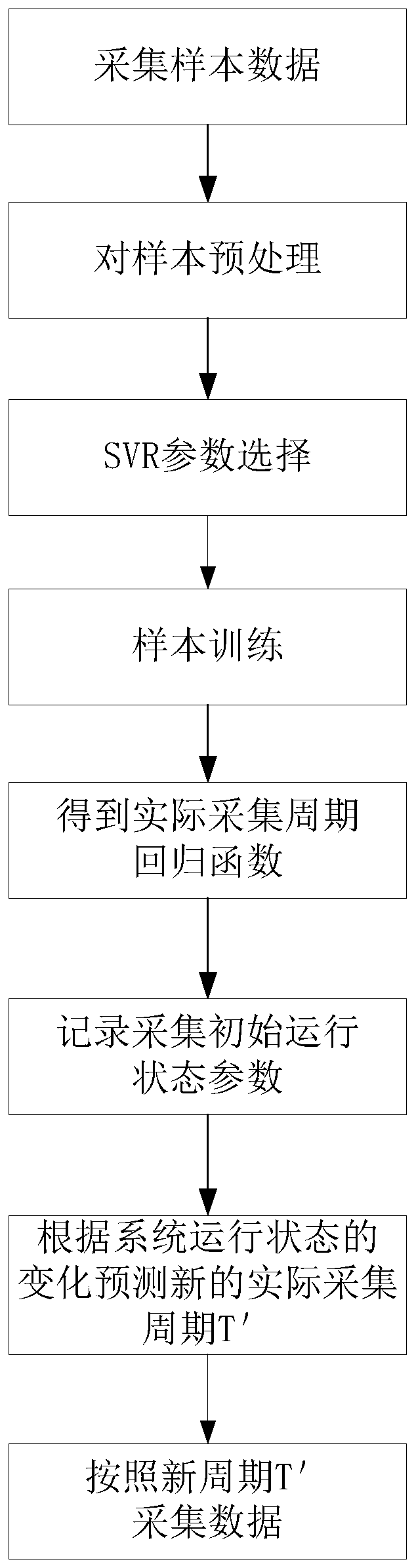
SCADA system data acquisition period control method and device
PatentActiveCN111030850A
Innovation
- By monitoring the system operating status in real time, including the number of data points, CPU usage, memory usage and network output traffic, the support vector regression model is used to dynamically adjust the collection cycle to ensure that system resources are under reasonable load and avoid interruptions by manual intervention.
Method and systems for controlling an update of devices
PatentWO2025012475A1
Innovation
- A method and system where a Fleet Management (FLM) system communicatively interfaces with a SCADA system to determine an update sequence for devices, taking into account criticality and operational status, allowing for automated updates that minimize downtime and ensure system safety by coordinating with the SCADA system to manage device maintenance and update processes.


Cybersecurity Framework for SCADA Update Processes
The cybersecurity framework for SCADA update processes represents a critical infrastructure protection mechanism that addresses the unique security challenges inherent in industrial control systems. Unlike conventional IT environments, SCADA systems operate in environments where availability and real-time performance are paramount, making traditional security update approaches inadequate. The framework must balance the imperative of maintaining operational continuity with the necessity of implementing timely security patches and system updates.
A comprehensive cybersecurity framework begins with risk-based update prioritization, where security patches are classified according to their potential impact on both system security and operational stability. Critical vulnerabilities affecting core control functions receive immediate attention through emergency update protocols, while less critical updates follow scheduled maintenance windows. This classification system ensures that the most dangerous security gaps are addressed promptly without compromising system reliability.
The framework incorporates multi-layered authentication and authorization mechanisms specifically designed for update deployment scenarios. These include cryptographic verification of update packages, digital signatures from trusted vendors, and role-based access controls that restrict update privileges to authorized personnel only. Additionally, the framework mandates the use of secure communication channels for update distribution, typically involving encrypted connections and isolated update networks.
Isolation and segmentation strategies form another cornerstone of the cybersecurity framework. Updates are first deployed in isolated test environments that mirror production systems, allowing for comprehensive security and functionality testing before production deployment. Network segmentation ensures that update processes cannot be exploited as attack vectors to compromise broader SCADA infrastructure.
The framework also establishes incident response procedures specifically tailored to update-related security events. This includes protocols for handling compromised updates, rollback procedures for problematic patches, and communication channels for coordinating with vendors and regulatory bodies during security incidents. Continuous monitoring capabilities track update deployment status and detect anomalous behavior that might indicate security compromises during the update process.
A comprehensive cybersecurity framework begins with risk-based update prioritization, where security patches are classified according to their potential impact on both system security and operational stability. Critical vulnerabilities affecting core control functions receive immediate attention through emergency update protocols, while less critical updates follow scheduled maintenance windows. This classification system ensures that the most dangerous security gaps are addressed promptly without compromising system reliability.
The framework incorporates multi-layered authentication and authorization mechanisms specifically designed for update deployment scenarios. These include cryptographic verification of update packages, digital signatures from trusted vendors, and role-based access controls that restrict update privileges to authorized personnel only. Additionally, the framework mandates the use of secure communication channels for update distribution, typically involving encrypted connections and isolated update networks.
Isolation and segmentation strategies form another cornerstone of the cybersecurity framework. Updates are first deployed in isolated test environments that mirror production systems, allowing for comprehensive security and functionality testing before production deployment. Network segmentation ensures that update processes cannot be exploited as attack vectors to compromise broader SCADA infrastructure.
The framework also establishes incident response procedures specifically tailored to update-related security events. This includes protocols for handling compromised updates, rollback procedures for problematic patches, and communication channels for coordinating with vendors and regulatory bodies during security incidents. Continuous monitoring capabilities track update deployment status and detect anomalous behavior that might indicate security compromises during the update process.
Industrial Safety Standards for SCADA System Updates
Industrial safety standards for SCADA system updates represent a critical framework that governs how supervisory control and data acquisition systems can be modified while maintaining operational integrity and personnel safety. These standards establish mandatory protocols that organizations must follow when implementing software patches, firmware upgrades, or configuration changes to systems controlling industrial processes.
The International Electrotechnical Commission (IEC) 61511 standard serves as the primary guideline for functional safety of safety instrumented systems, including SCADA networks. This standard mandates that any system modification must undergo rigorous safety impact assessments before implementation. Organizations must demonstrate that updates will not compromise existing safety functions or introduce new hazards to industrial operations.
ISA-99 (IEC 62443) provides comprehensive cybersecurity standards specifically addressing industrial automation and control systems security during update processes. These guidelines require organizations to implement secure update channels, validate software integrity through cryptographic signatures, and maintain detailed audit trails of all system modifications. The standard emphasizes the importance of testing updates in isolated environments before production deployment.
NIST Cybersecurity Framework integration has become increasingly important for SCADA update management, particularly in critical infrastructure sectors. Organizations must align their update procedures with the framework's five core functions: Identify, Protect, Detect, Respond, and Recover. This alignment ensures that update cycles incorporate comprehensive risk assessment and incident response capabilities.
Regulatory compliance requirements vary significantly across industries, with nuclear facilities following NRC guidelines, chemical plants adhering to EPA regulations, and power generation facilities complying with NERC CIP standards. Each regulatory framework imposes specific documentation requirements, testing protocols, and approval processes that directly impact update cycle timing and implementation strategies.
Change management protocols mandated by safety standards require multi-level approval processes, comprehensive impact assessments, and rollback procedures for all SCADA system modifications. These protocols ensure that updates undergo thorough review by safety engineers, operations personnel, and cybersecurity specialists before implementation, significantly influencing the overall efficiency of update cycles while maintaining industrial safety requirements.
The International Electrotechnical Commission (IEC) 61511 standard serves as the primary guideline for functional safety of safety instrumented systems, including SCADA networks. This standard mandates that any system modification must undergo rigorous safety impact assessments before implementation. Organizations must demonstrate that updates will not compromise existing safety functions or introduce new hazards to industrial operations.
ISA-99 (IEC 62443) provides comprehensive cybersecurity standards specifically addressing industrial automation and control systems security during update processes. These guidelines require organizations to implement secure update channels, validate software integrity through cryptographic signatures, and maintain detailed audit trails of all system modifications. The standard emphasizes the importance of testing updates in isolated environments before production deployment.
NIST Cybersecurity Framework integration has become increasingly important for SCADA update management, particularly in critical infrastructure sectors. Organizations must align their update procedures with the framework's five core functions: Identify, Protect, Detect, Respond, and Recover. This alignment ensures that update cycles incorporate comprehensive risk assessment and incident response capabilities.
Regulatory compliance requirements vary significantly across industries, with nuclear facilities following NRC guidelines, chemical plants adhering to EPA regulations, and power generation facilities complying with NERC CIP standards. Each regulatory framework imposes specific documentation requirements, testing protocols, and approval processes that directly impact update cycle timing and implementation strategies.
Change management protocols mandated by safety standards require multi-level approval processes, comprehensive impact assessments, and rollback procedures for all SCADA system modifications. These protocols ensure that updates undergo thorough review by safety engineers, operations personnel, and cybersecurity specialists before implementation, significantly influencing the overall efficiency of update cycles while maintaining industrial safety requirements.
Unlock deeper insights with Patsnap Eureka Quick Research — get a full tech report to explore trends and direct your research. Try now!
Generate Your Research Report Instantly with AI Agent
Supercharge your innovation with Patsnap Eureka AI Agent Platform!