

How to Maximize Catalytic Efficiency in Acetylation
MAR 27, 20269 MIN READ
Generate Your Research Report Instantly with AI Agent
PatSnap Eureka helps you evaluate technical feasibility & market potential.
Acetylation Catalysis Background and Efficiency Goals
Acetylation reactions represent one of the most fundamental and widely utilized transformations in organic chemistry, serving as cornerstone processes in pharmaceutical synthesis, polymer production, and fine chemical manufacturing. The historical development of acetylation catalysis traces back to the early 20th century when Friedel-Crafts acylation was first established, utilizing aluminum chloride as a Lewis acid catalyst. This pioneering work laid the foundation for modern acetylation methodologies that have evolved to encompass diverse catalytic systems including transition metal complexes, organocatalysts, and enzymatic approaches.
The evolution of acetylation catalysis has been driven by the persistent demand for more efficient, selective, and environmentally sustainable processes. Traditional methods often suffered from limitations such as harsh reaction conditions, poor atom economy, and the generation of stoichiometric waste. The emergence of homogeneous transition metal catalysis in the 1970s marked a significant milestone, introducing concepts of turnover frequency and turnover number as key metrics for catalytic efficiency evaluation.
Contemporary acetylation processes face mounting pressure to achieve exceptional catalytic performance while adhering to green chemistry principles. The primary efficiency goals encompass maximizing reaction rates through enhanced turnover frequencies, achieving complete substrate conversion with minimal catalyst loading, and maintaining high selectivity to prevent unwanted side reactions. Modern industrial applications demand catalytic systems capable of operating under mild conditions while delivering consistent performance across extended operational periods.
The quantitative assessment of catalytic efficiency in acetylation reactions involves multiple interconnected parameters. Turnover frequency, representing the number of substrate molecules converted per active site per unit time, serves as a direct measure of catalytic activity. Simultaneously, turnover number indicates the total number of catalytic cycles achievable before catalyst deactivation, reflecting system durability and economic viability.
Current efficiency benchmarks in industrial acetylation processes typically target turnover frequencies exceeding 1000 h⁻¹ for homogeneous systems, while heterogeneous catalysts aim for sustained activity over thousands of hours of continuous operation. The integration of computational modeling and high-throughput screening methodologies has accelerated the identification of structure-activity relationships, enabling rational catalyst design approaches that systematically optimize electronic and steric properties for enhanced performance.
The strategic importance of maximizing acetylation catalytic efficiency extends beyond immediate economic benefits, encompassing broader sustainability objectives and competitive positioning in rapidly evolving chemical markets. Advanced catalytic systems that achieve superior efficiency metrics enable reduced energy consumption, minimized waste generation, and enhanced process intensification, aligning with global initiatives toward sustainable chemical manufacturing practices.
The evolution of acetylation catalysis has been driven by the persistent demand for more efficient, selective, and environmentally sustainable processes. Traditional methods often suffered from limitations such as harsh reaction conditions, poor atom economy, and the generation of stoichiometric waste. The emergence of homogeneous transition metal catalysis in the 1970s marked a significant milestone, introducing concepts of turnover frequency and turnover number as key metrics for catalytic efficiency evaluation.
Contemporary acetylation processes face mounting pressure to achieve exceptional catalytic performance while adhering to green chemistry principles. The primary efficiency goals encompass maximizing reaction rates through enhanced turnover frequencies, achieving complete substrate conversion with minimal catalyst loading, and maintaining high selectivity to prevent unwanted side reactions. Modern industrial applications demand catalytic systems capable of operating under mild conditions while delivering consistent performance across extended operational periods.
The quantitative assessment of catalytic efficiency in acetylation reactions involves multiple interconnected parameters. Turnover frequency, representing the number of substrate molecules converted per active site per unit time, serves as a direct measure of catalytic activity. Simultaneously, turnover number indicates the total number of catalytic cycles achievable before catalyst deactivation, reflecting system durability and economic viability.
Current efficiency benchmarks in industrial acetylation processes typically target turnover frequencies exceeding 1000 h⁻¹ for homogeneous systems, while heterogeneous catalysts aim for sustained activity over thousands of hours of continuous operation. The integration of computational modeling and high-throughput screening methodologies has accelerated the identification of structure-activity relationships, enabling rational catalyst design approaches that systematically optimize electronic and steric properties for enhanced performance.
The strategic importance of maximizing acetylation catalytic efficiency extends beyond immediate economic benefits, encompassing broader sustainability objectives and competitive positioning in rapidly evolving chemical markets. Advanced catalytic systems that achieve superior efficiency metrics enable reduced energy consumption, minimized waste generation, and enhanced process intensification, aligning with global initiatives toward sustainable chemical manufacturing practices.
Market Demand for High-Efficiency Acetylation Processes
The global acetylation market demonstrates robust growth driven by expanding applications across pharmaceutical, chemical, and specialty materials industries. Pharmaceutical manufacturing represents the largest demand segment, where acetylation reactions are fundamental to producing aspirin, acetaminophen, and numerous active pharmaceutical ingredients. The increasing global healthcare needs and aging population continue to fuel demand for acetylated pharmaceutical compounds.
Chemical industry applications constitute another significant market driver, particularly in the production of acetic anhydride, vinyl acetate, and cellulose acetate. The textile industry's demand for acetate fibers and the packaging industry's requirement for cellulose acetate films create substantial market opportunities for efficient acetylation processes. Additionally, the growing specialty chemicals sector relies heavily on acetylation for producing flavoring agents, fragrances, and advanced materials.
Market dynamics increasingly favor high-efficiency acetylation processes due to stringent environmental regulations and rising energy costs. Traditional acetylation methods often suffer from low selectivity, harsh reaction conditions, and significant waste generation, creating substantial operational expenses. Companies are actively seeking catalytic solutions that can reduce reaction temperatures, improve atom economy, and minimize byproduct formation to enhance profitability and regulatory compliance.
The fine chemicals and agrochemicals sectors present emerging growth opportunities, where precise acetylation reactions are essential for producing high-value intermediates and active ingredients. These applications typically require exceptional selectivity and mild reaction conditions, making catalytic efficiency improvements particularly valuable.
Regional market analysis reveals strong demand growth in Asia-Pacific regions, driven by expanding pharmaceutical manufacturing capabilities and increasing chemical production capacity. European and North American markets emphasize process optimization and environmental sustainability, creating premium demand for advanced catalytic acetylation technologies.
Economic pressures from raw material cost volatility and competitive pricing further intensify the need for process efficiency improvements. Companies implementing high-efficiency acetylation processes can achieve significant competitive advantages through reduced production costs, improved product quality, and enhanced environmental performance, making this technology development area strategically critical for industry participants.
Chemical industry applications constitute another significant market driver, particularly in the production of acetic anhydride, vinyl acetate, and cellulose acetate. The textile industry's demand for acetate fibers and the packaging industry's requirement for cellulose acetate films create substantial market opportunities for efficient acetylation processes. Additionally, the growing specialty chemicals sector relies heavily on acetylation for producing flavoring agents, fragrances, and advanced materials.
Market dynamics increasingly favor high-efficiency acetylation processes due to stringent environmental regulations and rising energy costs. Traditional acetylation methods often suffer from low selectivity, harsh reaction conditions, and significant waste generation, creating substantial operational expenses. Companies are actively seeking catalytic solutions that can reduce reaction temperatures, improve atom economy, and minimize byproduct formation to enhance profitability and regulatory compliance.
The fine chemicals and agrochemicals sectors present emerging growth opportunities, where precise acetylation reactions are essential for producing high-value intermediates and active ingredients. These applications typically require exceptional selectivity and mild reaction conditions, making catalytic efficiency improvements particularly valuable.
Regional market analysis reveals strong demand growth in Asia-Pacific regions, driven by expanding pharmaceutical manufacturing capabilities and increasing chemical production capacity. European and North American markets emphasize process optimization and environmental sustainability, creating premium demand for advanced catalytic acetylation technologies.
Economic pressures from raw material cost volatility and competitive pricing further intensify the need for process efficiency improvements. Companies implementing high-efficiency acetylation processes can achieve significant competitive advantages through reduced production costs, improved product quality, and enhanced environmental performance, making this technology development area strategically critical for industry participants.
Current Catalytic Limitations in Acetylation Reactions
Acetylation reactions face several fundamental catalytic limitations that significantly impact their efficiency and practical implementation. Traditional acid catalysts, while widely used, suffer from poor selectivity and harsh reaction conditions that often lead to unwanted side reactions and product degradation. These catalysts typically require elevated temperatures and extended reaction times, resulting in increased energy consumption and reduced overall process economics.
Substrate accessibility represents another critical limitation in acetylation catalysis. Many conventional catalysts exhibit restricted active site availability, particularly when dealing with bulky substrates or sterically hindered molecules. This limitation becomes especially pronounced in heterogeneous catalytic systems where mass transfer resistance and pore diffusion constraints significantly reduce catalytic turnover rates.
Catalyst deactivation poses a persistent challenge across various acetylation processes. Homogeneous acid catalysts frequently suffer from product inhibition and thermal degradation, while heterogeneous systems experience active site poisoning through coke formation and metal leaching. These deactivation mechanisms necessitate frequent catalyst regeneration or replacement, substantially increasing operational costs and process complexity.
Selectivity control remains problematic in many acetylation reactions, particularly when multiple reactive sites are present on the substrate molecule. Current catalytic systems often lack the precision required to achieve regioselective or chemoselective acetylation, leading to complex product mixtures that require extensive purification steps. This limitation is especially challenging in pharmaceutical and fine chemical applications where high product purity is essential.
Environmental and sustainability concerns further constrain current acetylation catalysis. Many traditional catalysts generate significant amounts of acidic waste streams and require harsh solvents that pose environmental risks. The need for stoichiometric amounts of acid promoters in certain systems creates additional waste disposal challenges and regulatory compliance issues.
Temperature and pressure requirements in existing catalytic systems often exceed optimal process parameters, leading to increased infrastructure costs and safety considerations. The inability of current catalysts to operate efficiently under mild conditions limits their applicability in temperature-sensitive applications and increases overall process energy demands, making industrial implementation less economically viable.
Substrate accessibility represents another critical limitation in acetylation catalysis. Many conventional catalysts exhibit restricted active site availability, particularly when dealing with bulky substrates or sterically hindered molecules. This limitation becomes especially pronounced in heterogeneous catalytic systems where mass transfer resistance and pore diffusion constraints significantly reduce catalytic turnover rates.
Catalyst deactivation poses a persistent challenge across various acetylation processes. Homogeneous acid catalysts frequently suffer from product inhibition and thermal degradation, while heterogeneous systems experience active site poisoning through coke formation and metal leaching. These deactivation mechanisms necessitate frequent catalyst regeneration or replacement, substantially increasing operational costs and process complexity.
Selectivity control remains problematic in many acetylation reactions, particularly when multiple reactive sites are present on the substrate molecule. Current catalytic systems often lack the precision required to achieve regioselective or chemoselective acetylation, leading to complex product mixtures that require extensive purification steps. This limitation is especially challenging in pharmaceutical and fine chemical applications where high product purity is essential.
Environmental and sustainability concerns further constrain current acetylation catalysis. Many traditional catalysts generate significant amounts of acidic waste streams and require harsh solvents that pose environmental risks. The need for stoichiometric amounts of acid promoters in certain systems creates additional waste disposal challenges and regulatory compliance issues.
Temperature and pressure requirements in existing catalytic systems often exceed optimal process parameters, leading to increased infrastructure costs and safety considerations. The inability of current catalysts to operate efficiently under mild conditions limits their applicability in temperature-sensitive applications and increases overall process energy demands, making industrial implementation less economically viable.
Existing High-Efficiency Acetylation Catalyst Solutions
01 Catalyst composition and structure optimization
Improving catalytic efficiency through optimization of catalyst composition, including the selection of specific metal combinations, support materials, and structural configurations. The catalyst structure can be modified to increase active surface area and enhance reaction kinetics. Various preparation methods and material selections contribute to achieving higher catalytic performance.- Catalyst composition and structure optimization: Improving catalytic efficiency through optimization of catalyst composition, including the selection of active metal components, support materials, and their ratios. The structure of the catalyst can be modified to increase surface area, porosity, and dispersion of active sites, thereby enhancing the overall catalytic performance and reaction rates.
- Catalyst preparation methods and processing techniques: Enhancement of catalytic efficiency through specific preparation methods such as impregnation, precipitation, sol-gel processes, and calcination conditions. The processing techniques including temperature control, pressure conditions, and activation procedures can significantly influence the final catalyst properties and their efficiency in catalytic reactions.
- Reaction condition optimization for catalytic processes: Improving catalytic efficiency by optimizing reaction parameters including temperature, pressure, flow rates, and reactant concentrations. The control of reaction environment and conditions can maximize catalyst utilization, minimize side reactions, and enhance product selectivity and yield in various catalytic processes.
- Catalyst regeneration and stability enhancement: Methods for maintaining and improving catalytic efficiency over extended periods through regeneration techniques and stability enhancement measures. This includes approaches to prevent catalyst deactivation, remove deposited contaminants, restore active sites, and extend catalyst lifetime while maintaining high catalytic performance.
- Novel catalyst systems and reactor designs: Development of innovative catalyst systems and reactor configurations to enhance catalytic efficiency. This includes the use of structured catalysts, monolithic supports, microreactor designs, and advanced reactor geometries that improve mass transfer, heat management, and contact efficiency between reactants and catalytic surfaces.
02 Reaction condition control for enhanced catalysis
Enhancement of catalytic efficiency by controlling reaction parameters such as temperature, pressure, flow rate, and reactant concentration. Optimal reaction conditions can significantly improve conversion rates and selectivity. Process parameters are adjusted to maximize catalyst performance and minimize side reactions.Expand Specific Solutions03 Catalyst regeneration and stability improvement
Methods for maintaining and restoring catalytic activity through regeneration processes and stability enhancement techniques. These approaches extend catalyst lifetime and maintain consistent performance over extended operation periods. Techniques include treatment methods to remove deactivating species and structural modifications to resist degradation.Expand Specific Solutions04 Multi-component catalyst systems
Development of catalyst systems incorporating multiple active components or promoters to achieve synergistic effects and improved efficiency. The combination of different catalytic materials can enhance selectivity, activity, and resistance to poisoning. These systems often demonstrate superior performance compared to single-component catalysts.Expand Specific Solutions05 Catalyst support and carrier design
Innovation in support materials and carrier structures to improve catalyst dispersion, stability, and accessibility of active sites. The design of support systems affects mass transfer, heat distribution, and overall catalytic performance. Advanced support materials can enhance mechanical strength and thermal stability while maintaining high catalytic activity.Expand Specific Solutions
Key Players in Acetylation Catalyst Industry
The acetylation catalytic efficiency landscape represents a mature industrial sector with substantial market presence, dominated by established chemical giants and supported by extensive research infrastructure. Major petrochemical corporations including Celanese International Corp., Eastman Chemical Co., China Petroleum & Chemical Corp., and Daicel Corp. lead the competitive field, leveraging decades of process optimization experience and integrated manufacturing capabilities. The technology demonstrates high maturity levels, evidenced by these companies' large-scale commercial operations and continuous process improvements. Academic institutions like Zhejiang University, Tianjin University, and research organizations such as Fraunhofer-Gesellschaft contribute advanced catalyst development and mechanistic understanding. The market exhibits strong consolidation among major players, with significant barriers to entry due to capital requirements and established supply chains, while ongoing innovation focuses on enhancing selectivity, reducing energy consumption, and developing more sustainable catalytic processes.
Celanese International Corp.
Technical Solution: Celanese has developed advanced acetylation processes utilizing proprietary catalyst systems for acetic acid and acetic anhydride production. Their technology focuses on rhodium-based catalysts with enhanced selectivity and stability for carbonylation reactions. The company employs optimized reaction conditions including precise temperature control (150-200°C) and pressure management to maximize catalyst turnover frequency. Their integrated process design incorporates catalyst recycling systems and advanced separation techniques to maintain high catalytic efficiency while minimizing deactivation through careful control of water content and impurities in the reaction medium.
Strengths: Extensive industrial experience and proven large-scale acetylation processes with high reliability. Weaknesses: Higher capital investment requirements and complex process integration needs.
Eastman Chemical Co.
Technical Solution: Eastman Chemical has developed innovative acetylation catalyst systems focusing on heterogeneous catalysts for improved separation and reusability. Their approach includes modified zeolite-based catalysts and supported metal catalysts that demonstrate enhanced activity for acetyl transfer reactions. The company's technology emphasizes catalyst design with optimized pore structure and active site distribution to maximize substrate accessibility. Their process incorporates continuous catalyst regeneration methods and advanced reactor designs that maintain consistent catalytic performance while reducing catalyst consumption and improving overall process economics through enhanced mass transfer and heat management.
Strengths: Strong focus on sustainable catalyst technologies and efficient process optimization. Weaknesses: Limited market presence in certain acetylation applications compared to larger competitors.
Core Innovations in Acetylation Catalyst Design
Catalytic system for the acylation of cellulose and a process for producing and using said catalytic system
PatentWO1994014344A1
Innovation
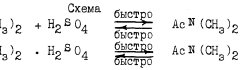
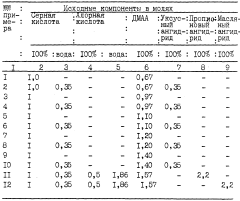
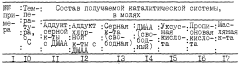
- A catalytic system comprising sulfuric acid and N,N-dimethylacetamide, with a controlled ratio of free sulfuric acid and N,N-dimethylacetamide, is used for acylation of cellulose at lower temperatures, optimizing the acylation process to achieve a degree of substitution between 3-7, reducing the need for organic solvents and improving polymerization degrees.

Process for improving surface catalytic efficiency of catalyst substrate
PatentActiveUS11745175B2
Innovation
- A process involving a porous substrate as a stationary phase support, where nano-catalyst particles are uniformly dispersed within the internal space, allowing reactants to flow through and enhancing catalytic efficiency, with steps including the use of ethylene glycol, coagulants, and heat treatment to create a fluffy porous structure with finer pores.


Environmental Regulations for Acetylation Processes
The acetylation industry operates under increasingly stringent environmental regulations that directly impact catalytic process design and operational efficiency. Regulatory frameworks across major industrial regions have evolved to address air quality, water pollution, and waste management concerns specific to acetylation processes. The Clean Air Act in the United States, REACH regulations in Europe, and similar environmental protection laws in Asia-Pacific regions establish emission limits for volatile organic compounds, acetic acid vapors, and other byproducts commonly generated during acetylation reactions.
Current regulatory standards mandate specific emission thresholds for acetylation facilities, typically requiring VOC emissions to remain below 20-50 ppm depending on regional classifications. These limits necessitate the implementation of advanced catalytic systems that minimize unwanted side reactions and reduce volatile byproduct formation. Compliance monitoring requirements include continuous emission monitoring systems and periodic stack testing, creating operational overhead that influences catalyst selection and process optimization strategies.
Water discharge regulations present additional constraints for acetylation processes, particularly those involving aqueous workup procedures. Regulatory bodies typically establish chemical oxygen demand limits between 100-500 mg/L and pH requirements within 6-9 range for industrial wastewater discharge. These parameters directly influence catalyst recovery methods and solvent selection, as traditional separation techniques may generate wastewater streams requiring extensive treatment before discharge.
Waste classification and disposal regulations significantly impact catalyst lifecycle management in acetylation processes. Spent catalysts containing heavy metals or hazardous organic residues fall under hazardous waste categories, requiring specialized disposal procedures and documentation. This regulatory burden drives industry preference toward recyclable catalyst systems and cleaner reaction pathways that minimize waste generation.
Emerging regulatory trends indicate tightening restrictions on greenhouse gas emissions and increased focus on process sustainability metrics. Carbon footprint reporting requirements and potential carbon taxation policies are beginning to influence acetylation process design decisions. These developments favor catalytic systems that operate under milder conditions, reduce energy consumption, and minimize CO2 emissions from heating and separation operations.
Regulatory compliance costs represent a substantial portion of operational expenses for acetylation facilities, often accounting for 15-25% of total production costs. This economic pressure creates strong incentives for developing catalytic processes that inherently meet environmental standards while maintaining high efficiency, rather than relying solely on end-of-pipe treatment solutions.
Current regulatory standards mandate specific emission thresholds for acetylation facilities, typically requiring VOC emissions to remain below 20-50 ppm depending on regional classifications. These limits necessitate the implementation of advanced catalytic systems that minimize unwanted side reactions and reduce volatile byproduct formation. Compliance monitoring requirements include continuous emission monitoring systems and periodic stack testing, creating operational overhead that influences catalyst selection and process optimization strategies.
Water discharge regulations present additional constraints for acetylation processes, particularly those involving aqueous workup procedures. Regulatory bodies typically establish chemical oxygen demand limits between 100-500 mg/L and pH requirements within 6-9 range for industrial wastewater discharge. These parameters directly influence catalyst recovery methods and solvent selection, as traditional separation techniques may generate wastewater streams requiring extensive treatment before discharge.
Waste classification and disposal regulations significantly impact catalyst lifecycle management in acetylation processes. Spent catalysts containing heavy metals or hazardous organic residues fall under hazardous waste categories, requiring specialized disposal procedures and documentation. This regulatory burden drives industry preference toward recyclable catalyst systems and cleaner reaction pathways that minimize waste generation.
Emerging regulatory trends indicate tightening restrictions on greenhouse gas emissions and increased focus on process sustainability metrics. Carbon footprint reporting requirements and potential carbon taxation policies are beginning to influence acetylation process design decisions. These developments favor catalytic systems that operate under milder conditions, reduce energy consumption, and minimize CO2 emissions from heating and separation operations.
Regulatory compliance costs represent a substantial portion of operational expenses for acetylation facilities, often accounting for 15-25% of total production costs. This economic pressure creates strong incentives for developing catalytic processes that inherently meet environmental standards while maintaining high efficiency, rather than relying solely on end-of-pipe treatment solutions.
Green Chemistry Approaches in Acetylation Catalysis
Green chemistry principles have revolutionized acetylation catalysis by emphasizing environmental sustainability while maintaining high catalytic efficiency. The integration of atom economy, waste minimization, and renewable feedstock utilization has become paramount in developing next-generation acetylation processes. These approaches not only address environmental concerns but also enhance economic viability through reduced waste treatment costs and improved resource utilization.
Biocatalytic acetylation represents a significant advancement in green chemistry applications. Enzymatic catalysts, particularly lipases and acyltransferases, operate under mild reaction conditions and demonstrate exceptional selectivity. These biocatalysts eliminate the need for harsh chemicals and high-temperature processes, reducing energy consumption by up to 60% compared to traditional methods. The use of immobilized enzymes further enhances process sustainability by enabling catalyst recycling and continuous operation modes.
Solvent-free acetylation systems have emerged as another crucial green chemistry approach. Neat reaction conditions or the use of minimal amounts of green solvents such as ionic liquids and deep eutectic solvents significantly reduce environmental impact. These systems often exhibit enhanced reaction rates due to increased substrate concentrations, while eliminating solvent recovery and purification steps that typically consume substantial energy.
Microwave-assisted and ultrasound-promoted acetylation processes exemplify energy-efficient green chemistry methodologies. These techniques accelerate reaction kinetics through selective heating or cavitation effects, reducing reaction times from hours to minutes. The enhanced mass transfer and activation achieved through these methods often result in higher yields and selectivities while consuming significantly less energy than conventional heating methods.
Heterogeneous catalysis using recyclable solid acids and bases aligns with green chemistry principles by facilitating easy catalyst separation and reuse. Metal-organic frameworks, functionalized silica materials, and supported ionic liquids serve as effective heterogeneous catalysts that maintain activity over multiple reaction cycles. These systems eliminate the need for catalyst neutralization and separation procedures that generate substantial waste streams.
The development of renewable acetylating agents derived from biomass represents a fundamental shift toward sustainable acetylation chemistry. Bio-based acetic anhydride and acetyl donors reduce dependence on petroleum-derived feedstocks while maintaining comparable reactivity profiles. Integration of these renewable reagents with green catalytic systems creates holistic sustainable processes that minimize environmental footprint throughout the entire reaction pathway.
Biocatalytic acetylation represents a significant advancement in green chemistry applications. Enzymatic catalysts, particularly lipases and acyltransferases, operate under mild reaction conditions and demonstrate exceptional selectivity. These biocatalysts eliminate the need for harsh chemicals and high-temperature processes, reducing energy consumption by up to 60% compared to traditional methods. The use of immobilized enzymes further enhances process sustainability by enabling catalyst recycling and continuous operation modes.
Solvent-free acetylation systems have emerged as another crucial green chemistry approach. Neat reaction conditions or the use of minimal amounts of green solvents such as ionic liquids and deep eutectic solvents significantly reduce environmental impact. These systems often exhibit enhanced reaction rates due to increased substrate concentrations, while eliminating solvent recovery and purification steps that typically consume substantial energy.
Microwave-assisted and ultrasound-promoted acetylation processes exemplify energy-efficient green chemistry methodologies. These techniques accelerate reaction kinetics through selective heating or cavitation effects, reducing reaction times from hours to minutes. The enhanced mass transfer and activation achieved through these methods often result in higher yields and selectivities while consuming significantly less energy than conventional heating methods.
Heterogeneous catalysis using recyclable solid acids and bases aligns with green chemistry principles by facilitating easy catalyst separation and reuse. Metal-organic frameworks, functionalized silica materials, and supported ionic liquids serve as effective heterogeneous catalysts that maintain activity over multiple reaction cycles. These systems eliminate the need for catalyst neutralization and separation procedures that generate substantial waste streams.
The development of renewable acetylating agents derived from biomass represents a fundamental shift toward sustainable acetylation chemistry. Bio-based acetic anhydride and acetyl donors reduce dependence on petroleum-derived feedstocks while maintaining comparable reactivity profiles. Integration of these renewable reagents with green catalytic systems creates holistic sustainable processes that minimize environmental footprint throughout the entire reaction pathway.
Unlock deeper insights with PatSnap Eureka Quick Research — get a full tech report to explore trends and direct your research. Try now!
Generate Your Research Report Instantly with AI Agent
Supercharge your innovation with PatSnap Eureka AI Agent Platform!