

How to Maximize Energy Extraction From Ultracapacitor Modules
MAY 21, 20269 MIN READ
Generate Your Research Report Instantly with AI Agent
PatSnap Eureka helps you evaluate technical feasibility & market potential.
Ultracapacitor Energy Extraction Background and Objectives
Ultracapacitors, also known as supercapacitors or electrochemical double-layer capacitors, have emerged as critical energy storage devices bridging the gap between conventional capacitors and batteries. These devices store energy through electrostatic charge accumulation at the electrode-electrolyte interface, enabling rapid charge and discharge cycles with exceptional power density characteristics. The evolution of ultracapacitor technology has progressed from early carbon-based electrodes to advanced hybrid systems incorporating pseudocapacitive materials and novel electrolyte formulations.
The historical development trajectory reveals significant milestones beginning with the first patent filed by General Electric in 1957, followed by commercial breakthroughs in the 1990s when companies like Maxwell Technologies and Panasonic introduced practical ultracapacitor modules. Subsequent decades witnessed substantial improvements in energy density, voltage ratings, and cycle life, with modern devices achieving energy densities exceeding 10 Wh/kg and power densities surpassing 10 kW/kg.
Contemporary ultracapacitor modules face increasing demands for enhanced energy extraction efficiency across diverse applications including automotive regenerative braking systems, grid-scale energy storage, and portable electronics. The challenge lies in optimizing the complex interplay between module design parameters, control algorithms, and operational conditions to maximize usable energy output while maintaining system reliability and longevity.
Current technological trends indicate a shift toward intelligent energy management systems that dynamically adjust extraction strategies based on real-time module characteristics and application requirements. Advanced monitoring techniques enable precise state-of-charge estimation and predictive maintenance, while sophisticated power electronics facilitate optimal energy transfer under varying load conditions.
The primary objective of maximizing energy extraction from ultracapacitor modules encompasses multiple technical goals: achieving near-complete energy utilization across the operational voltage range, minimizing resistive losses during discharge processes, optimizing charge balancing in multi-cell configurations, and implementing adaptive control strategies that respond to aging effects and temperature variations. These objectives collectively aim to enhance overall system efficiency, extend operational lifespan, and improve cost-effectiveness of ultracapacitor-based energy storage solutions in both stationary and mobile applications.
The historical development trajectory reveals significant milestones beginning with the first patent filed by General Electric in 1957, followed by commercial breakthroughs in the 1990s when companies like Maxwell Technologies and Panasonic introduced practical ultracapacitor modules. Subsequent decades witnessed substantial improvements in energy density, voltage ratings, and cycle life, with modern devices achieving energy densities exceeding 10 Wh/kg and power densities surpassing 10 kW/kg.
Contemporary ultracapacitor modules face increasing demands for enhanced energy extraction efficiency across diverse applications including automotive regenerative braking systems, grid-scale energy storage, and portable electronics. The challenge lies in optimizing the complex interplay between module design parameters, control algorithms, and operational conditions to maximize usable energy output while maintaining system reliability and longevity.
Current technological trends indicate a shift toward intelligent energy management systems that dynamically adjust extraction strategies based on real-time module characteristics and application requirements. Advanced monitoring techniques enable precise state-of-charge estimation and predictive maintenance, while sophisticated power electronics facilitate optimal energy transfer under varying load conditions.
The primary objective of maximizing energy extraction from ultracapacitor modules encompasses multiple technical goals: achieving near-complete energy utilization across the operational voltage range, minimizing resistive losses during discharge processes, optimizing charge balancing in multi-cell configurations, and implementing adaptive control strategies that respond to aging effects and temperature variations. These objectives collectively aim to enhance overall system efficiency, extend operational lifespan, and improve cost-effectiveness of ultracapacitor-based energy storage solutions in both stationary and mobile applications.
Market Demand for High-Efficiency Ultracapacitor Systems
The global ultracapacitor market is experiencing unprecedented growth driven by the increasing demand for high-efficiency energy storage solutions across multiple industries. Electric vehicles represent the largest growth segment, where ultracapacitors serve as complementary energy storage systems to batteries, providing rapid charge and discharge capabilities essential for regenerative braking and peak power delivery. The automotive sector's shift toward electrification has created substantial demand for ultracapacitor modules that can maximize energy extraction efficiency while maintaining long operational lifespans.
Industrial automation and renewable energy sectors constitute another major demand driver for high-efficiency ultracapacitor systems. Manufacturing facilities require reliable backup power systems that can deliver instantaneous energy during power fluctuations, while wind and solar installations need efficient energy buffering solutions to smooth power output variations. These applications specifically require ultracapacitor modules optimized for maximum energy extraction to ensure cost-effective operation and minimal energy waste.
The telecommunications and data center industries are increasingly adopting ultracapacitor-based uninterruptible power supply systems due to their superior reliability compared to traditional battery backup solutions. These sectors demand ultracapacitor modules with enhanced energy extraction capabilities to minimize infrastructure footprint while maximizing backup duration. The growing emphasis on edge computing and 5G network deployment has further amplified this demand trend.
Consumer electronics manufacturers are integrating ultracapacitors into portable devices, wearables, and IoT sensors where rapid charging and extended operational life are critical. These applications require compact ultracapacitor modules with optimized energy extraction algorithms to maximize device runtime while minimizing charging time. The proliferation of smart devices and wireless sensors has created a substantial market for miniaturized high-efficiency ultracapacitor systems.
Grid-scale energy storage applications represent an emerging high-growth market segment where ultracapacitors provide frequency regulation and grid stabilization services. Utility companies increasingly recognize the value of ultracapacitor systems that can maximize energy extraction efficiency to reduce operational costs and improve grid reliability. The integration of renewable energy sources into power grids has intensified demand for responsive energy storage solutions with superior efficiency characteristics.
Market demand is particularly strong for ultracapacitor systems incorporating advanced energy management algorithms and intelligent control systems that can adapt extraction strategies based on real-time operating conditions. End users across all sectors prioritize solutions that demonstrate measurable improvements in energy utilization efficiency and total cost of ownership.
Industrial automation and renewable energy sectors constitute another major demand driver for high-efficiency ultracapacitor systems. Manufacturing facilities require reliable backup power systems that can deliver instantaneous energy during power fluctuations, while wind and solar installations need efficient energy buffering solutions to smooth power output variations. These applications specifically require ultracapacitor modules optimized for maximum energy extraction to ensure cost-effective operation and minimal energy waste.
The telecommunications and data center industries are increasingly adopting ultracapacitor-based uninterruptible power supply systems due to their superior reliability compared to traditional battery backup solutions. These sectors demand ultracapacitor modules with enhanced energy extraction capabilities to minimize infrastructure footprint while maximizing backup duration. The growing emphasis on edge computing and 5G network deployment has further amplified this demand trend.
Consumer electronics manufacturers are integrating ultracapacitors into portable devices, wearables, and IoT sensors where rapid charging and extended operational life are critical. These applications require compact ultracapacitor modules with optimized energy extraction algorithms to maximize device runtime while minimizing charging time. The proliferation of smart devices and wireless sensors has created a substantial market for miniaturized high-efficiency ultracapacitor systems.
Grid-scale energy storage applications represent an emerging high-growth market segment where ultracapacitors provide frequency regulation and grid stabilization services. Utility companies increasingly recognize the value of ultracapacitor systems that can maximize energy extraction efficiency to reduce operational costs and improve grid reliability. The integration of renewable energy sources into power grids has intensified demand for responsive energy storage solutions with superior efficiency characteristics.
Market demand is particularly strong for ultracapacitor systems incorporating advanced energy management algorithms and intelligent control systems that can adapt extraction strategies based on real-time operating conditions. End users across all sectors prioritize solutions that demonstrate measurable improvements in energy utilization efficiency and total cost of ownership.
Current State and Challenges in Ultracapacitor Energy Harvesting
Ultracapacitor technology has reached a mature stage in terms of basic electrochemical principles, yet significant challenges persist in maximizing energy extraction efficiency from these modules. Current ultracapacitor systems typically achieve energy extraction rates of 70-85%, leaving substantial room for improvement. The primary bottleneck lies in the inherent voltage decay characteristics during discharge, where energy extraction becomes increasingly inefficient as terminal voltage drops below optimal operating thresholds.
Modern ultracapacitor modules face fundamental limitations in their charge-discharge cycles that directly impact energy harvesting effectiveness. The exponential voltage decay during discharge creates a scenario where approximately 25-30% of stored energy remains inaccessible using conventional linear discharge methods. This phenomenon is particularly pronounced in high-capacity modules where internal resistance and parasitic losses compound the extraction challenges.
Power management systems currently employed in ultracapacitor applications struggle with dynamic load matching and real-time optimization. Most existing solutions rely on fixed-parameter control algorithms that fail to adapt to varying load conditions and aging characteristics of the capacitor cells. The lack of intelligent energy management protocols results in suboptimal extraction patterns, particularly during partial discharge cycles and variable power demand scenarios.
Thermal management represents another critical challenge affecting energy extraction efficiency. Temperature variations significantly impact the internal resistance and capacitance values of ultracapacitor cells, leading to unpredictable energy delivery characteristics. Current thermal compensation methods are largely reactive rather than predictive, resulting in energy losses during temperature transients.
Cell balancing within multi-cell ultracapacitor modules presents ongoing technical difficulties. Voltage imbalances between individual cells can lead to premature aging and reduced overall module capacity. Existing balancing circuits consume additional energy and introduce complexity that can offset potential extraction improvements.
The integration of ultracapacitor modules with renewable energy sources and grid systems faces compatibility issues related to power quality and energy conversion efficiency. Current interface technologies struggle to maintain high extraction rates while meeting grid stability requirements and power factor specifications.
Advanced monitoring and diagnostic capabilities remain underdeveloped in most commercial ultracapacitor systems. The absence of real-time state-of-health assessment and predictive maintenance protocols limits the ability to optimize energy extraction strategies based on actual module conditions and performance degradation patterns.
Modern ultracapacitor modules face fundamental limitations in their charge-discharge cycles that directly impact energy harvesting effectiveness. The exponential voltage decay during discharge creates a scenario where approximately 25-30% of stored energy remains inaccessible using conventional linear discharge methods. This phenomenon is particularly pronounced in high-capacity modules where internal resistance and parasitic losses compound the extraction challenges.
Power management systems currently employed in ultracapacitor applications struggle with dynamic load matching and real-time optimization. Most existing solutions rely on fixed-parameter control algorithms that fail to adapt to varying load conditions and aging characteristics of the capacitor cells. The lack of intelligent energy management protocols results in suboptimal extraction patterns, particularly during partial discharge cycles and variable power demand scenarios.
Thermal management represents another critical challenge affecting energy extraction efficiency. Temperature variations significantly impact the internal resistance and capacitance values of ultracapacitor cells, leading to unpredictable energy delivery characteristics. Current thermal compensation methods are largely reactive rather than predictive, resulting in energy losses during temperature transients.
Cell balancing within multi-cell ultracapacitor modules presents ongoing technical difficulties. Voltage imbalances between individual cells can lead to premature aging and reduced overall module capacity. Existing balancing circuits consume additional energy and introduce complexity that can offset potential extraction improvements.
The integration of ultracapacitor modules with renewable energy sources and grid systems faces compatibility issues related to power quality and energy conversion efficiency. Current interface technologies struggle to maintain high extraction rates while meeting grid stability requirements and power factor specifications.
Advanced monitoring and diagnostic capabilities remain underdeveloped in most commercial ultracapacitor systems. The absence of real-time state-of-health assessment and predictive maintenance protocols limits the ability to optimize energy extraction strategies based on actual module conditions and performance degradation patterns.
Existing Energy Extraction Solutions for Ultracapacitor Modules
01 Energy extraction control circuits and systems
Advanced control circuits and systems are designed to optimize energy extraction from ultracapacitor modules. These systems monitor voltage levels, current flow, and charge states to ensure efficient energy transfer. The control mechanisms include feedback loops, switching circuits, and power management units that regulate the extraction process to maximize energy output while protecting the ultracapacitor from damage.- Energy extraction control circuits and systems: Advanced control circuits and systems are designed to optimize energy extraction from ultracapacitor modules. These systems monitor voltage levels, current flow, and charge states to ensure efficient energy transfer. The control mechanisms include feedback loops, switching circuits, and power management units that regulate the extraction process to maximize energy output while protecting the ultracapacitor from damage.
- Voltage regulation and power conversion methods: Voltage regulation techniques are employed to maintain stable output during energy extraction from ultracapacitor modules. Power conversion methods include DC-DC converters, boost circuits, and buck converters that transform the variable voltage output of ultracapacitors into usable power levels. These methods ensure consistent energy delivery regardless of the charge state of the ultracapacitor.
- Module configuration and connection architectures: Different architectural approaches for connecting ultracapacitor modules to optimize energy extraction efficiency. These include series and parallel configurations, modular designs, and hybrid arrangements that balance voltage and current requirements. The connection methods focus on minimizing internal resistance and maximizing power transfer capabilities while maintaining system reliability.
- Charge balancing and energy management systems: Sophisticated energy management systems that handle charge balancing across multiple ultracapacitor cells within modules. These systems prevent overcharging or undercharging of individual cells, extend module lifespan, and optimize overall energy extraction performance. The management includes cell monitoring, equalization circuits, and predictive algorithms for optimal energy utilization.
- Thermal management and safety mechanisms: Thermal management solutions and safety mechanisms integrated into ultracapacitor energy extraction systems. These include temperature monitoring, cooling systems, and protection circuits that prevent thermal runaway and ensure safe operation during high-power extraction scenarios. Safety features encompass overvoltage protection, current limiting, and emergency shutdown capabilities.
02 Voltage regulation and power conversion methods
Specialized voltage regulation and power conversion techniques are employed to extract energy from ultracapacitor modules at optimal efficiency levels. These methods involve DC-DC converters, voltage stabilizers, and power conditioning circuits that transform the variable voltage output of ultracapacitors into stable, usable power for various applications. The conversion systems ensure consistent energy delivery regardless of the charge state of the ultracapacitor.Expand Specific Solutions03 Module interconnection and energy harvesting architectures
Energy extraction from ultracapacitor modules involves sophisticated interconnection schemes and harvesting architectures that optimize power delivery from multiple capacitor cells. These architectures include series and parallel configurations, switching matrices, and load balancing systems that ensure uniform energy extraction across all cells in the module while maintaining system stability and efficiency.Expand Specific Solutions04 Charge management and energy storage optimization
Effective charge management systems are crucial for optimizing energy extraction from ultracapacitor modules. These systems implement algorithms and hardware solutions that monitor individual cell voltages, balance charge distribution, and prevent overcharging or deep discharge conditions. The optimization techniques ensure maximum energy availability and extend the operational lifetime of the ultracapacitor modules.Expand Specific Solutions05 Thermal management and safety systems for energy extraction
Thermal management and safety systems play a critical role in energy extraction from ultracapacitor modules by maintaining optimal operating temperatures and preventing hazardous conditions. These systems include temperature monitoring, cooling mechanisms, overcurrent protection, and fault detection circuits that ensure safe and reliable energy extraction while maintaining peak performance of the ultracapacitor modules.Expand Specific Solutions
Key Players in Ultracapacitor and Energy Storage Industry
The ultracapacitor energy extraction technology sector is experiencing rapid growth as the industry transitions from early development to commercial maturity. The market demonstrates significant expansion potential, driven by increasing demand for efficient energy storage solutions across automotive, renewable energy, and industrial applications. Technology maturity varies considerably among market participants, with established players like Maxwell Technologies and Siemens AG leading in proven commercial solutions, while specialized firms such as Skeleton Technologies and Shenzhen TIG Technology focus on advanced graphene-based and high-performance supercapacitor innovations. Research institutions including North China Electric Power University and Zhejiang University contribute fundamental breakthroughs in energy extraction optimization. The competitive landscape features a mix of traditional electronics giants like Intel Corp and Huawei Technologies integrating ultracapacitor solutions into broader systems, alongside dedicated energy storage companies like FastCAP Systems and BatScap SA developing cutting-edge extraction methodologies, indicating a maturing ecosystem with diverse technological approaches.
Maxwell Technologies, Inc.
Technical Solution: Maxwell Technologies develops advanced energy extraction algorithms using dynamic voltage regulation and impedance matching techniques for ultracapacitor modules. Their proprietary energy management system employs real-time monitoring of cell voltages and temperatures to optimize discharge profiles, achieving up to 95% energy extraction efficiency. The technology incorporates adaptive control algorithms that adjust extraction parameters based on load conditions and module aging characteristics, ensuring maximum energy utilization throughout the operational lifecycle.
Strengths: Industry-leading expertise in ultracapacitor technology with proven commercial solutions and high energy extraction efficiency. Weaknesses: Higher cost compared to conventional solutions and limited scalability for very large energy storage systems.
Skeleton Technologies GmbH
Technical Solution: Skeleton Technologies utilizes curved graphene-based electrodes combined with intelligent energy management systems to maximize energy extraction from ultracapacitor modules. Their approach focuses on minimizing internal resistance through advanced electrode design and implementing sophisticated charge balancing algorithms. The company's energy extraction methodology includes predictive analytics for optimal discharge timing and multi-stage energy recovery processes that can extract up to 98% of stored energy while maintaining module longevity and performance stability.
Strengths: Innovative graphene technology providing superior performance and very high energy extraction rates with excellent cycle life. Weaknesses: Relatively new technology with higher manufacturing costs and limited long-term field data.
Core Patents in Maximum Energy Extraction Techniques
Method and apparatus to maximize stored energy in UltraCapacitor Systems
PatentInactiveUS7642755B2
Innovation
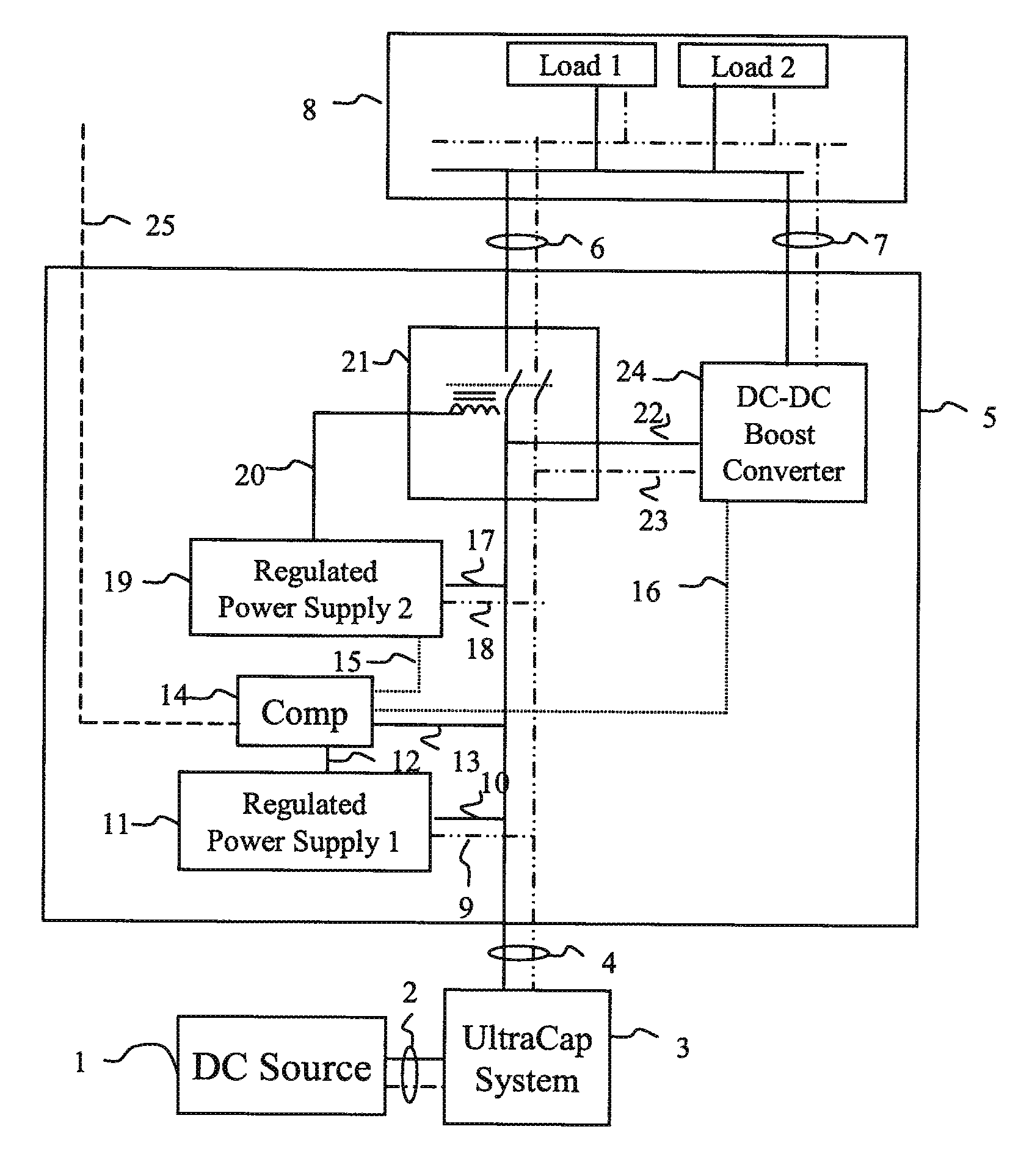
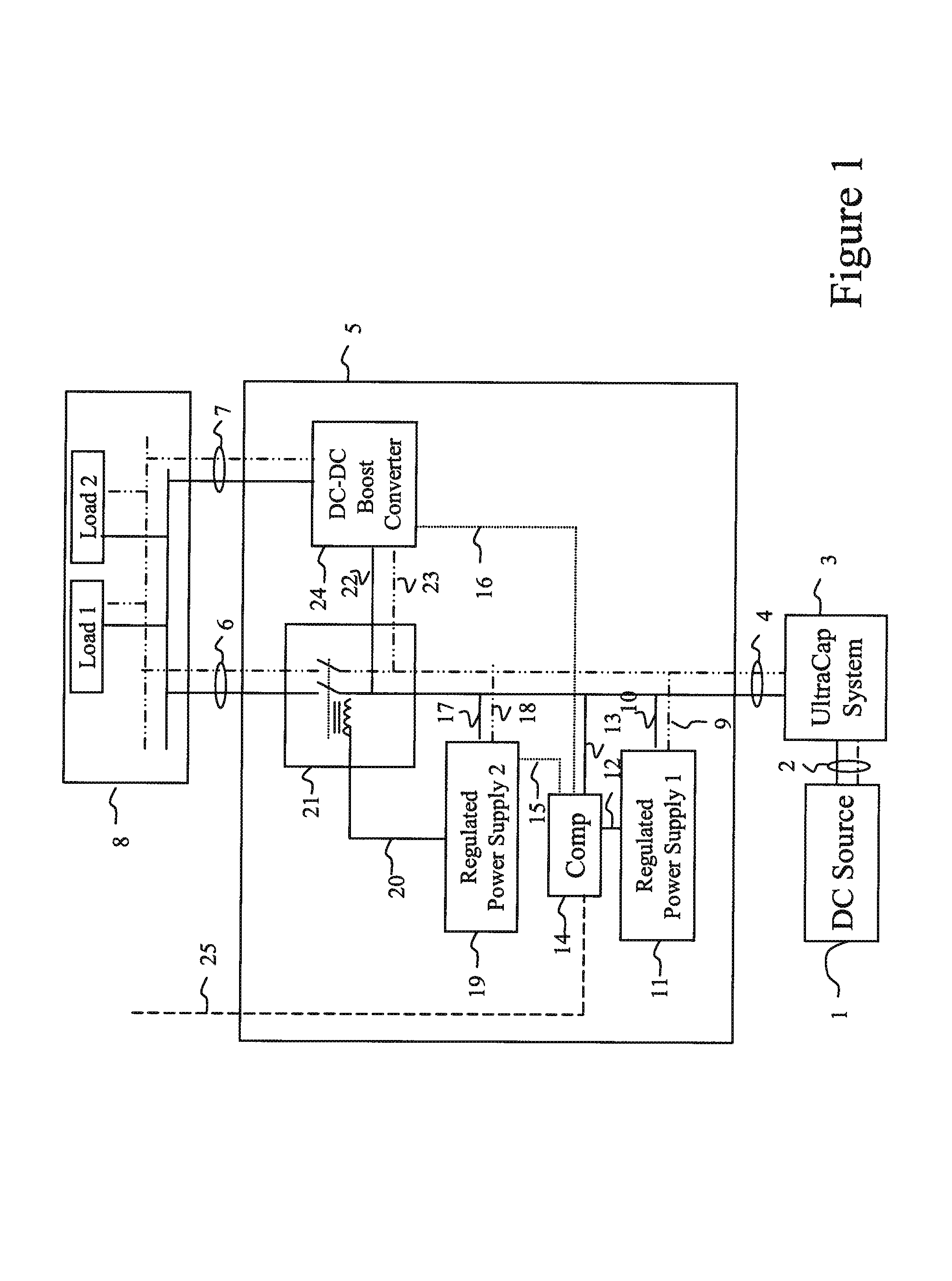
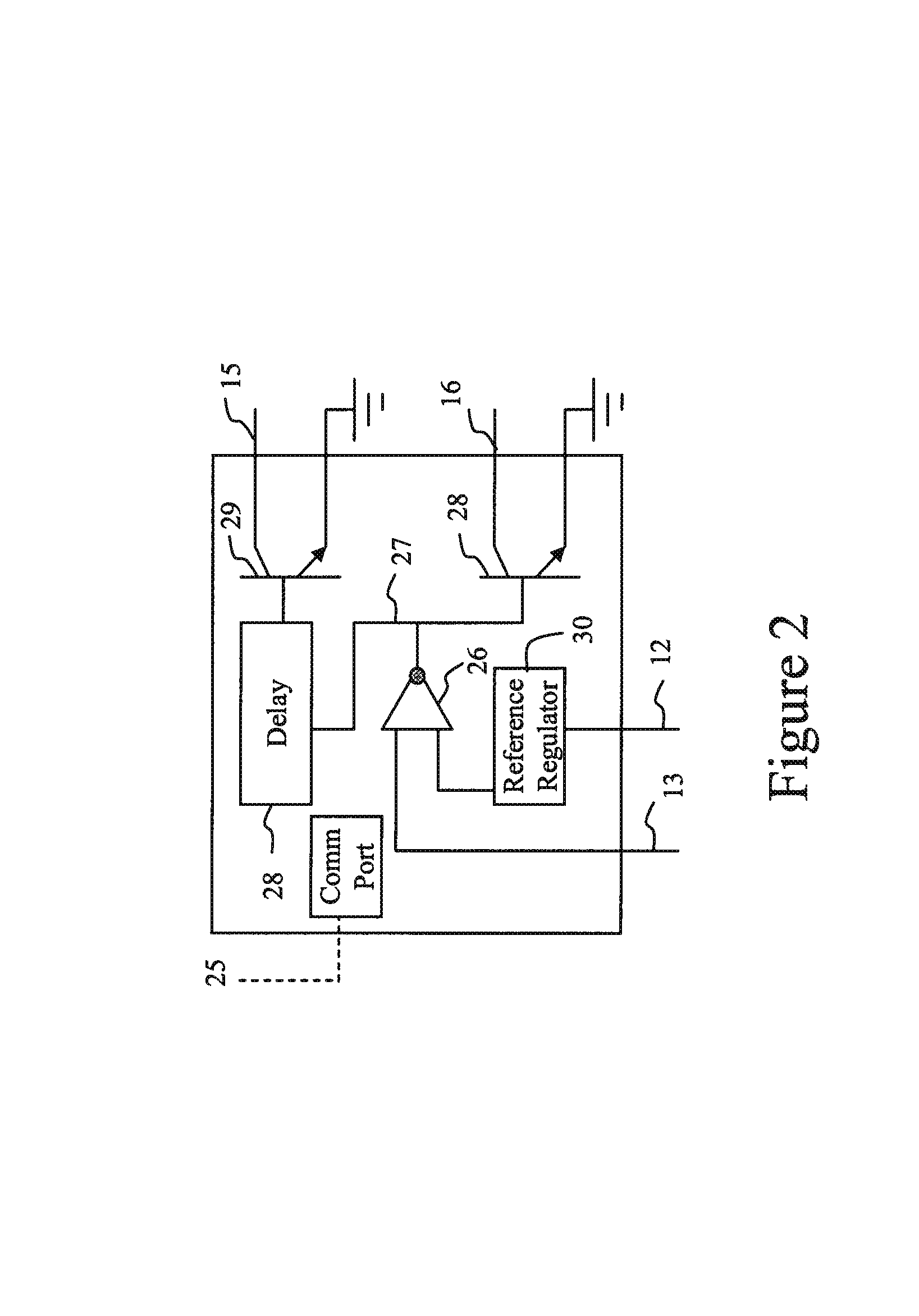
- A control circuitry system that diverts Ultra-Capacitor output to a DC-DC converter when a threshold voltage or state-of-charge is reached, enabling efficient energy transfer and up-conversion to match application demands, reducing energy losses and component stress, and optimizing energy storage and retrieval.
System and method for extracting energy from an ultracapacitor
PatentInactiveUS20050219784A1
Innovation
- The development of an ultracapacitor with multiple interleaved conductive layers and high dielectric constant materials, where the conductive layers are interconnected to enhance capacitance and charge storage capacity, and an energy extraction circuit to extend the useful life of capacitors by extracting latent energy.


Environmental Impact Assessment of Ultracapacitor Technologies
The environmental implications of ultracapacitor technologies present a complex landscape of both benefits and challenges that must be carefully evaluated as these energy storage systems become increasingly prevalent in various applications. Unlike traditional battery technologies, ultracapacitors offer unique environmental characteristics that stem from their fundamental operating principles and material compositions.
Manufacturing processes for ultracapacitor modules involve several environmentally sensitive stages, particularly in the production of activated carbon electrodes and electrolyte systems. The carbon activation process typically requires high-temperature treatment, resulting in significant energy consumption and potential emissions. However, the materials used in ultracapacitors generally exhibit lower toxicity profiles compared to lithium-ion batteries, as they primarily consist of carbon-based materials, aluminum, and organic or aqueous electrolytes rather than heavy metals or rare earth elements.
The operational phase of ultracapacitor systems demonstrates notable environmental advantages. Their exceptional cycle life, often exceeding one million charge-discharge cycles, significantly reduces replacement frequency and associated manufacturing impacts. This longevity translates to reduced material consumption over the system's lifetime and minimized waste generation. Additionally, ultracapacitors operate efficiently across wide temperature ranges without performance degradation, reducing the need for thermal management systems and associated energy consumption.
End-of-life considerations reveal both opportunities and challenges for ultracapacitor technologies. The predominantly carbon-based electrode materials are generally more environmentally benign and potentially recyclable compared to battery chemistries. Aluminum components can be readily recovered through established recycling processes. However, the specialized electrolyte systems may require specific handling procedures to prevent environmental contamination.
Carbon footprint analysis indicates that while manufacturing ultracapacitors requires substantial initial energy investment, their extended operational lifetime and high efficiency can result in favorable lifecycle carbon emissions compared to alternative energy storage technologies. The ability to rapidly charge and discharge with minimal energy losses contributes to overall system efficiency and reduced environmental impact during operation.
Water usage and potential contamination risks during manufacturing processes require careful management, particularly in electrolyte preparation and electrode treatment stages. Proper waste treatment systems and closed-loop manufacturing processes can significantly mitigate these environmental concerns while maintaining production efficiency and product quality standards.
Manufacturing processes for ultracapacitor modules involve several environmentally sensitive stages, particularly in the production of activated carbon electrodes and electrolyte systems. The carbon activation process typically requires high-temperature treatment, resulting in significant energy consumption and potential emissions. However, the materials used in ultracapacitors generally exhibit lower toxicity profiles compared to lithium-ion batteries, as they primarily consist of carbon-based materials, aluminum, and organic or aqueous electrolytes rather than heavy metals or rare earth elements.
The operational phase of ultracapacitor systems demonstrates notable environmental advantages. Their exceptional cycle life, often exceeding one million charge-discharge cycles, significantly reduces replacement frequency and associated manufacturing impacts. This longevity translates to reduced material consumption over the system's lifetime and minimized waste generation. Additionally, ultracapacitors operate efficiently across wide temperature ranges without performance degradation, reducing the need for thermal management systems and associated energy consumption.
End-of-life considerations reveal both opportunities and challenges for ultracapacitor technologies. The predominantly carbon-based electrode materials are generally more environmentally benign and potentially recyclable compared to battery chemistries. Aluminum components can be readily recovered through established recycling processes. However, the specialized electrolyte systems may require specific handling procedures to prevent environmental contamination.
Carbon footprint analysis indicates that while manufacturing ultracapacitors requires substantial initial energy investment, their extended operational lifetime and high efficiency can result in favorable lifecycle carbon emissions compared to alternative energy storage technologies. The ability to rapidly charge and discharge with minimal energy losses contributes to overall system efficiency and reduced environmental impact during operation.
Water usage and potential contamination risks during manufacturing processes require careful management, particularly in electrolyte preparation and electrode treatment stages. Proper waste treatment systems and closed-loop manufacturing processes can significantly mitigate these environmental concerns while maintaining production efficiency and product quality standards.
Safety Standards for High-Power Ultracapacitor Applications
Safety standards for high-power ultracapacitor applications represent a critical framework governing the deployment of energy storage systems in demanding operational environments. These standards encompass multiple regulatory bodies and certification requirements that directly impact energy extraction optimization strategies. The International Electrotechnical Commission (IEC) 62391 series provides fundamental safety guidelines for ultracapacitor modules, while automotive applications must comply with ISO 26262 functional safety standards and AEC-Q200 qualification requirements.
Thermal management safety protocols constitute a primary concern when maximizing energy extraction from ultracapacitor modules. High-power discharge operations generate significant heat, necessitating compliance with temperature derating curves and thermal runaway prevention measures. Standards mandate continuous temperature monitoring systems and automatic power limitation mechanisms when operating temperatures exceed specified thresholds, typically ranging from 65°C to 85°C depending on the application class.
Electrical safety requirements impose constraints on maximum discharge current rates and voltage handling procedures. UL 810A certification for energy storage systems establishes mandatory isolation requirements, ground fault detection protocols, and arc flash protection measures. These safety boundaries directly influence energy extraction algorithms, requiring sophisticated control systems that balance maximum power delivery with operational safety margins.
Mechanical integrity standards address structural reliability under high-power cycling conditions. Vibration resistance specifications per IEC 60068-2-6 and shock tolerance requirements ensure module stability during rapid charge-discharge cycles. Safety standards also mandate pressure relief mechanisms and containment protocols to prevent catastrophic failure modes that could compromise energy extraction capabilities.
Environmental safety compliance extends to electromagnetic compatibility (EMC) requirements under IEC 61000 series standards, ensuring that high-power switching operations do not interfere with surrounding electronic systems. Additionally, hazardous material regulations such as RoHS and REACH compliance influence material selection for ultracapacitor construction, potentially affecting energy density and extraction efficiency parameters.
Certification processes require extensive testing protocols including accelerated aging studies, fault injection testing, and failure mode analysis. These safety validation procedures establish operational boundaries that energy extraction algorithms must respect, creating a framework where maximum performance optimization occurs within certified safety envelopes.
Thermal management safety protocols constitute a primary concern when maximizing energy extraction from ultracapacitor modules. High-power discharge operations generate significant heat, necessitating compliance with temperature derating curves and thermal runaway prevention measures. Standards mandate continuous temperature monitoring systems and automatic power limitation mechanisms when operating temperatures exceed specified thresholds, typically ranging from 65°C to 85°C depending on the application class.
Electrical safety requirements impose constraints on maximum discharge current rates and voltage handling procedures. UL 810A certification for energy storage systems establishes mandatory isolation requirements, ground fault detection protocols, and arc flash protection measures. These safety boundaries directly influence energy extraction algorithms, requiring sophisticated control systems that balance maximum power delivery with operational safety margins.
Mechanical integrity standards address structural reliability under high-power cycling conditions. Vibration resistance specifications per IEC 60068-2-6 and shock tolerance requirements ensure module stability during rapid charge-discharge cycles. Safety standards also mandate pressure relief mechanisms and containment protocols to prevent catastrophic failure modes that could compromise energy extraction capabilities.
Environmental safety compliance extends to electromagnetic compatibility (EMC) requirements under IEC 61000 series standards, ensuring that high-power switching operations do not interfere with surrounding electronic systems. Additionally, hazardous material regulations such as RoHS and REACH compliance influence material selection for ultracapacitor construction, potentially affecting energy density and extraction efficiency parameters.
Certification processes require extensive testing protocols including accelerated aging studies, fault injection testing, and failure mode analysis. These safety validation procedures establish operational boundaries that energy extraction algorithms must respect, creating a framework where maximum performance optimization occurs within certified safety envelopes.
Unlock deeper insights with PatSnap Eureka Quick Research — get a full tech report to explore trends and direct your research. Try now!
Generate Your Research Report Instantly with AI Agent
Supercharge your innovation with PatSnap Eureka AI Agent Platform!