

How to Mitigate Risks in Diffusion Policy Implementations
APR 14, 20269 MIN READ
Generate Your Research Report Instantly with AI Agent
PatSnap Eureka helps you evaluate technical feasibility & market potential.
Diffusion Policy Risk Mitigation Background and Objectives
Diffusion policies have emerged as a transformative approach in robotics and autonomous systems, representing a paradigm shift from traditional deterministic control methods to probabilistic frameworks that model action distributions through denoising diffusion processes. This technology leverages the power of generative modeling to learn complex behavioral patterns from demonstration data, enabling robots to perform sophisticated manipulation tasks with unprecedented flexibility and adaptability.
The evolution of diffusion policies stems from the convergence of several technological advances, including deep learning breakthroughs in generative modeling, improved computational capabilities, and the growing demand for more robust robotic systems. Traditional imitation learning approaches often struggled with multimodal action distributions and temporal consistency, limitations that diffusion policies address through their inherent ability to capture complex probability distributions over action spaces.
The fundamental principle underlying diffusion policies involves training neural networks to reverse a gradual noise addition process, effectively learning to generate coherent action sequences from random noise. This approach has demonstrated remarkable success in various domains, from robotic manipulation and navigation to autonomous driving applications, where the ability to handle uncertainty and generate diverse yet coherent behaviors is crucial.
However, the implementation of diffusion policies introduces unique risk factors that distinguish them from conventional control systems. These risks encompass computational uncertainties arising from the stochastic nature of the generation process, safety concerns related to unpredictable action sampling, and reliability challenges in real-time deployment scenarios where deterministic performance is often expected.
The primary objective of risk mitigation in diffusion policy implementations is to establish comprehensive frameworks that preserve the inherent advantages of probabilistic action generation while ensuring predictable, safe, and reliable system behavior. This involves developing methodologies to constrain the stochastic generation process within acceptable operational boundaries, implementing robust monitoring systems to detect and respond to anomalous behaviors, and creating fail-safe mechanisms that can gracefully handle unexpected situations.
Furthermore, the risk mitigation strategy aims to address the computational overhead associated with iterative denoising processes, ensuring that real-time performance requirements are met without compromising the quality of generated actions. This includes optimizing inference procedures, developing efficient sampling techniques, and implementing adaptive mechanisms that can dynamically adjust computational resources based on situational demands and safety requirements.
The evolution of diffusion policies stems from the convergence of several technological advances, including deep learning breakthroughs in generative modeling, improved computational capabilities, and the growing demand for more robust robotic systems. Traditional imitation learning approaches often struggled with multimodal action distributions and temporal consistency, limitations that diffusion policies address through their inherent ability to capture complex probability distributions over action spaces.
The fundamental principle underlying diffusion policies involves training neural networks to reverse a gradual noise addition process, effectively learning to generate coherent action sequences from random noise. This approach has demonstrated remarkable success in various domains, from robotic manipulation and navigation to autonomous driving applications, where the ability to handle uncertainty and generate diverse yet coherent behaviors is crucial.
However, the implementation of diffusion policies introduces unique risk factors that distinguish them from conventional control systems. These risks encompass computational uncertainties arising from the stochastic nature of the generation process, safety concerns related to unpredictable action sampling, and reliability challenges in real-time deployment scenarios where deterministic performance is often expected.
The primary objective of risk mitigation in diffusion policy implementations is to establish comprehensive frameworks that preserve the inherent advantages of probabilistic action generation while ensuring predictable, safe, and reliable system behavior. This involves developing methodologies to constrain the stochastic generation process within acceptable operational boundaries, implementing robust monitoring systems to detect and respond to anomalous behaviors, and creating fail-safe mechanisms that can gracefully handle unexpected situations.
Furthermore, the risk mitigation strategy aims to address the computational overhead associated with iterative denoising processes, ensuring that real-time performance requirements are met without compromising the quality of generated actions. This includes optimizing inference procedures, developing efficient sampling techniques, and implementing adaptive mechanisms that can dynamically adjust computational resources based on situational demands and safety requirements.
Market Demand for Robust Diffusion Policy Solutions
The market demand for robust diffusion policy solutions has experienced significant growth across multiple sectors, driven by the increasing adoption of AI-powered decision-making systems in critical applications. Organizations are recognizing that traditional diffusion policy implementations often lack the necessary safeguards and reliability mechanisms required for production environments, creating a substantial market opportunity for enhanced solutions.
Financial services represent one of the most demanding sectors for robust diffusion policies, where algorithmic trading and risk management systems require exceptional reliability and risk mitigation capabilities. Banks and investment firms are actively seeking solutions that can provide stable performance under market volatility while maintaining regulatory compliance. The sector's stringent requirements for auditability and explainability have created specific demand for diffusion policy frameworks that incorporate comprehensive monitoring and validation mechanisms.
Healthcare applications constitute another major market segment, where diffusion policies are increasingly used for treatment recommendation systems and diagnostic support tools. The critical nature of healthcare decisions has generated strong demand for solutions that can handle uncertainty quantification, provide confidence intervals, and maintain consistent performance across diverse patient populations. Medical device manufacturers and healthcare technology companies are particularly focused on solutions that can demonstrate safety and efficacy through rigorous testing protocols.
Autonomous systems and robotics sectors are driving demand for diffusion policies that can operate reliably in dynamic and unpredictable environments. Companies developing autonomous vehicles, industrial robots, and drone systems require solutions that can gracefully handle edge cases, maintain safe operation modes during system failures, and provide real-time risk assessment capabilities. The market emphasis is on solutions that combine high performance with fail-safe mechanisms.
The enterprise software market is witnessing growing interest in robust diffusion policy solutions for supply chain optimization, resource allocation, and strategic planning applications. Organizations are seeking implementations that can maintain performance consistency across different operational conditions while providing transparency in decision-making processes. The demand is particularly strong for solutions that can integrate seamlessly with existing enterprise systems and provide comprehensive logging and audit trails for compliance purposes.
Financial services represent one of the most demanding sectors for robust diffusion policies, where algorithmic trading and risk management systems require exceptional reliability and risk mitigation capabilities. Banks and investment firms are actively seeking solutions that can provide stable performance under market volatility while maintaining regulatory compliance. The sector's stringent requirements for auditability and explainability have created specific demand for diffusion policy frameworks that incorporate comprehensive monitoring and validation mechanisms.
Healthcare applications constitute another major market segment, where diffusion policies are increasingly used for treatment recommendation systems and diagnostic support tools. The critical nature of healthcare decisions has generated strong demand for solutions that can handle uncertainty quantification, provide confidence intervals, and maintain consistent performance across diverse patient populations. Medical device manufacturers and healthcare technology companies are particularly focused on solutions that can demonstrate safety and efficacy through rigorous testing protocols.
Autonomous systems and robotics sectors are driving demand for diffusion policies that can operate reliably in dynamic and unpredictable environments. Companies developing autonomous vehicles, industrial robots, and drone systems require solutions that can gracefully handle edge cases, maintain safe operation modes during system failures, and provide real-time risk assessment capabilities. The market emphasis is on solutions that combine high performance with fail-safe mechanisms.
The enterprise software market is witnessing growing interest in robust diffusion policy solutions for supply chain optimization, resource allocation, and strategic planning applications. Organizations are seeking implementations that can maintain performance consistency across different operational conditions while providing transparency in decision-making processes. The demand is particularly strong for solutions that can integrate seamlessly with existing enterprise systems and provide comprehensive logging and audit trails for compliance purposes.
Current Challenges in Diffusion Policy Risk Management
Diffusion policy implementations face significant computational complexity challenges that create substantial barriers to real-world deployment. The iterative denoising process inherent in diffusion models requires multiple forward passes through neural networks, leading to inference times that can be orders of magnitude slower than traditional policy methods. This computational burden becomes particularly problematic in robotics applications where real-time decision-making is critical, as the latency introduced by diffusion sampling can compromise system responsiveness and safety.
Training stability represents another fundamental challenge in diffusion policy risk management. The multi-step denoising process creates complex optimization landscapes that are prone to mode collapse and training instabilities. Unlike supervised learning approaches, diffusion policies require careful balancing of noise schedules, loss weighting, and architectural choices to ensure convergent training. The stochastic nature of the diffusion process can lead to inconsistent policy behaviors during training, making it difficult to achieve reliable performance metrics and reproducible results across different experimental runs.
Distribution shift poses a critical risk factor that significantly impacts diffusion policy robustness. These models are particularly sensitive to discrepancies between training and deployment environments, as the learned denoising process may fail to generalize effectively to novel state distributions. When encountering out-of-distribution scenarios, diffusion policies can exhibit unpredictable behaviors, generating actions that deviate substantially from expected performance bounds. This sensitivity is exacerbated by the model's reliance on learned noise patterns that may not transfer well across different operational contexts.
Safety assurance mechanisms remain underdeveloped in current diffusion policy frameworks. The probabilistic nature of action generation makes it challenging to provide formal safety guarantees or implement hard constraints on policy outputs. Traditional safety verification methods struggle to accommodate the stochastic sampling process, creating gaps in safety certification procedures. The lack of interpretability in the denoising process further complicates safety analysis, as it becomes difficult to predict or explain policy decisions in critical scenarios.
Scalability constraints emerge as diffusion policies are applied to higher-dimensional action spaces and more complex task domains. The computational requirements scale poorly with increased dimensionality, while maintaining sample efficiency becomes increasingly difficult as problem complexity grows. Memory requirements for storing and processing diffusion model parameters can become prohibitive for resource-constrained deployment environments, limiting practical applicability in embedded systems and edge computing scenarios.
Training stability represents another fundamental challenge in diffusion policy risk management. The multi-step denoising process creates complex optimization landscapes that are prone to mode collapse and training instabilities. Unlike supervised learning approaches, diffusion policies require careful balancing of noise schedules, loss weighting, and architectural choices to ensure convergent training. The stochastic nature of the diffusion process can lead to inconsistent policy behaviors during training, making it difficult to achieve reliable performance metrics and reproducible results across different experimental runs.
Distribution shift poses a critical risk factor that significantly impacts diffusion policy robustness. These models are particularly sensitive to discrepancies between training and deployment environments, as the learned denoising process may fail to generalize effectively to novel state distributions. When encountering out-of-distribution scenarios, diffusion policies can exhibit unpredictable behaviors, generating actions that deviate substantially from expected performance bounds. This sensitivity is exacerbated by the model's reliance on learned noise patterns that may not transfer well across different operational contexts.
Safety assurance mechanisms remain underdeveloped in current diffusion policy frameworks. The probabilistic nature of action generation makes it challenging to provide formal safety guarantees or implement hard constraints on policy outputs. Traditional safety verification methods struggle to accommodate the stochastic sampling process, creating gaps in safety certification procedures. The lack of interpretability in the denoising process further complicates safety analysis, as it becomes difficult to predict or explain policy decisions in critical scenarios.
Scalability constraints emerge as diffusion policies are applied to higher-dimensional action spaces and more complex task domains. The computational requirements scale poorly with increased dimensionality, while maintaining sample efficiency becomes increasingly difficult as problem complexity grows. Memory requirements for storing and processing diffusion model parameters can become prohibitive for resource-constrained deployment environments, limiting practical applicability in embedded systems and edge computing scenarios.
Existing Risk Mitigation Solutions for Diffusion Policies
01 Risk assessment and management frameworks for policy diffusion
Systems and methods for evaluating and managing risks associated with the spread and implementation of policies across different jurisdictions or organizations. These frameworks incorporate risk identification, analysis, and mitigation strategies to address potential negative consequences of policy adoption and diffusion. The approaches include quantitative risk modeling, scenario analysis, and decision support tools to help policymakers understand the implications of policy transfer.- Risk assessment and management frameworks for policy diffusion: Systems and methods for evaluating and managing risks associated with the spread and implementation of policies across different jurisdictions or organizations. These frameworks incorporate risk identification, analysis, and mitigation strategies to address potential negative consequences of policy adoption. The approaches include quantitative risk modeling, scenario analysis, and decision support tools to help policymakers understand the implications of policy diffusion before implementation.
- Data security and privacy protection in policy information sharing: Technologies focused on securing sensitive policy-related data during the diffusion process across multiple entities or systems. These solutions address concerns about unauthorized access, data breaches, and privacy violations that may occur when policy information is shared or transmitted. Implementation includes encryption methods, access control mechanisms, and secure communication protocols to protect confidential policy details and stakeholder information during the diffusion process.
- Monitoring and detection systems for policy implementation risks: Automated systems designed to continuously monitor and detect potential risks arising from policy diffusion and implementation. These technologies employ real-time tracking, anomaly detection, and alert mechanisms to identify deviations from expected outcomes or emerging threats. The systems provide early warning capabilities to enable timely intervention and corrective actions when policy diffusion creates unintended consequences or implementation challenges.
- Compliance and regulatory risk management in cross-jurisdictional policy adoption: Methods and systems for managing compliance-related risks when policies are adopted across different regulatory environments or jurisdictions. These solutions address challenges related to conflicting regulations, legal inconsistencies, and jurisdictional variations that may arise during policy diffusion. The approaches include compliance verification tools, regulatory mapping systems, and harmonization frameworks to ensure policy adoption meets all applicable legal and regulatory requirements.
- Stakeholder impact analysis and communication systems for policy diffusion: Technologies for analyzing and communicating the potential impacts of policy diffusion on various stakeholders. These systems assess how policy adoption may affect different groups, organizations, or communities, and facilitate transparent communication of associated risks. The solutions include impact modeling tools, stakeholder engagement platforms, and risk communication frameworks to ensure all affected parties understand the implications of policy diffusion and can participate in risk mitigation efforts.
02 Information security and data protection in policy dissemination
Technologies focused on securing sensitive policy information during the diffusion process, preventing unauthorized access, modification, or disclosure. These solutions address cybersecurity risks that arise when policies are shared across networks, organizations, or borders. Implementation includes encryption methods, access control mechanisms, and secure communication channels to protect policy-related data from breaches and ensure confidentiality during transmission and storage.Expand Specific Solutions03 Compliance monitoring and regulatory risk mitigation
Systems designed to track and ensure adherence to policies as they diffuse across different entities, identifying compliance gaps and regulatory risks. These technologies provide automated monitoring, reporting, and alert mechanisms to detect deviations from established policy standards. The solutions help organizations maintain consistency in policy implementation while adapting to local regulatory requirements and reducing the risk of non-compliance penalties.Expand Specific Solutions04 Cross-border policy transfer risk evaluation
Methods for assessing risks specific to the transfer of policies between different countries or regions, considering cultural, legal, and institutional differences. These approaches analyze compatibility issues, implementation barriers, and potential unintended consequences that may arise from adopting policies developed in different contexts. The evaluation frameworks incorporate comparative analysis tools and adaptation strategies to minimize risks associated with international policy diffusion.Expand Specific Solutions05 Stakeholder communication and transparency mechanisms
Technologies and processes for managing communication risks during policy diffusion by ensuring transparent information flow to all affected parties. These systems facilitate stakeholder engagement, feedback collection, and public disclosure to reduce misunderstandings and resistance to policy adoption. Implementation includes digital platforms for policy documentation, version control, and change tracking to maintain clarity and accountability throughout the diffusion process.Expand Specific Solutions
Key Players in Diffusion Policy and Risk Management
The diffusion policy implementation landscape is currently in its nascent stage, characterized by emerging market opportunities and varied technological maturity levels across key players. The market represents a growing segment within AI-driven automation and robotics, with significant potential for expansion as organizations seek more adaptive and robust policy deployment mechanisms. Technology maturity varies considerably among market participants, with established technology giants like IBM, Huawei Technologies, and Hewlett Packard Enterprise leveraging their extensive AI and cloud infrastructure capabilities to develop sophisticated risk mitigation frameworks. Academic institutions including Carnegie Mellon University and Tsinghua University contribute foundational research, while specialized firms like SailPoint Technologies and Alarm.com focus on specific implementation domains. Companies such as Accenture Global Solutions and Red Hat provide integration and deployment expertise, creating a diverse ecosystem where traditional IT infrastructure providers, research institutions, and specialized solution vendors collaborate to address the complex challenges of safe diffusion policy implementation across various industrial applications.
Accenture Global Solutions Ltd.
Technical Solution: Accenture provides enterprise-focused risk mitigation solutions for diffusion policy implementations through their AI risk management consulting framework. Their methodology emphasizes stakeholder alignment and governance structures that ensure proper oversight of policy deployment across organizational boundaries. The solution includes comprehensive risk assessment templates that help organizations identify potential failure modes specific to their operational context and regulatory requirements. Accenture's approach incorporates change management protocols that gradually introduce policy modifications while monitoring impact on business processes and user experience. They provide training programs for technical teams and business stakeholders to ensure proper understanding of policy behavior and risk indicators. The framework includes compliance monitoring tools that automatically verify adherence to industry regulations and internal governance policies, with automated reporting capabilities that provide transparency to audit teams and regulatory bodies.
Strengths: Strong enterprise consulting experience with excellent stakeholder management and comprehensive compliance frameworks. Weaknesses: Heavy reliance on manual processes and limited technical depth in advanced AI risk mitigation techniques.
International Business Machines Corp.
Technical Solution: IBM implements comprehensive risk mitigation strategies for diffusion policy through their AI governance framework, incorporating federated learning approaches to minimize data exposure risks while maintaining model performance. Their solution includes automated bias detection algorithms that continuously monitor policy outputs for fairness violations, with real-time adjustment capabilities. The platform features differential privacy mechanisms that add calibrated noise to training data, ensuring individual privacy protection while preserving statistical utility. IBM's risk assessment engine employs Monte Carlo simulations to evaluate potential failure modes and their cascading effects across distributed systems. Additionally, they integrate explainable AI components that provide interpretable insights into policy decisions, enabling stakeholders to understand and validate the reasoning behind automated actions, thereby reducing deployment risks in critical applications.
Strengths: Comprehensive AI governance framework with strong enterprise integration capabilities and robust explainability features. Weaknesses: High implementation complexity and significant computational overhead for real-time monitoring systems.
Core Technologies in Diffusion Policy Safety Mechanisms
Security intrusion mitigation system and method
PatentInactiveUS20050050351A1
Innovation
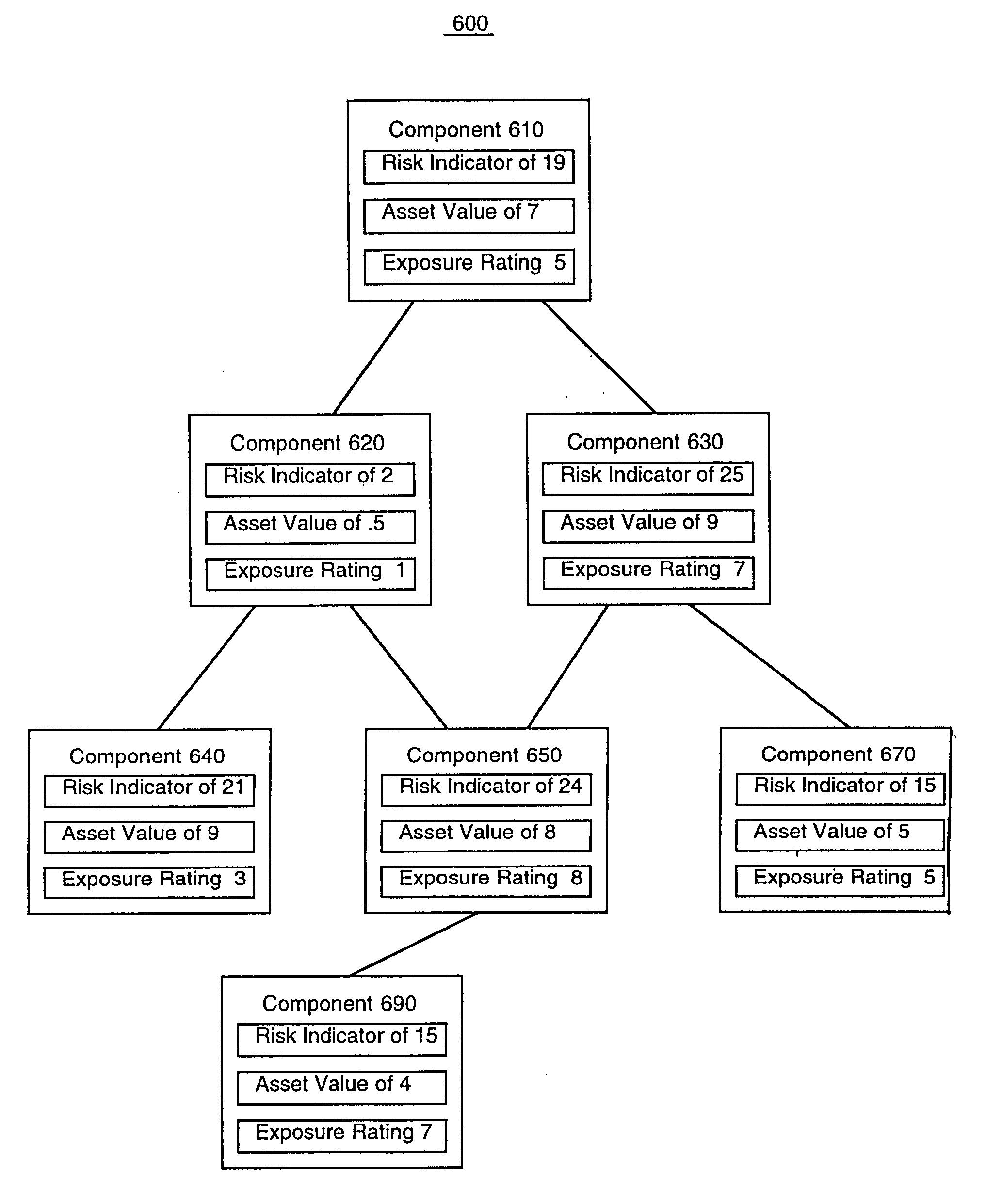
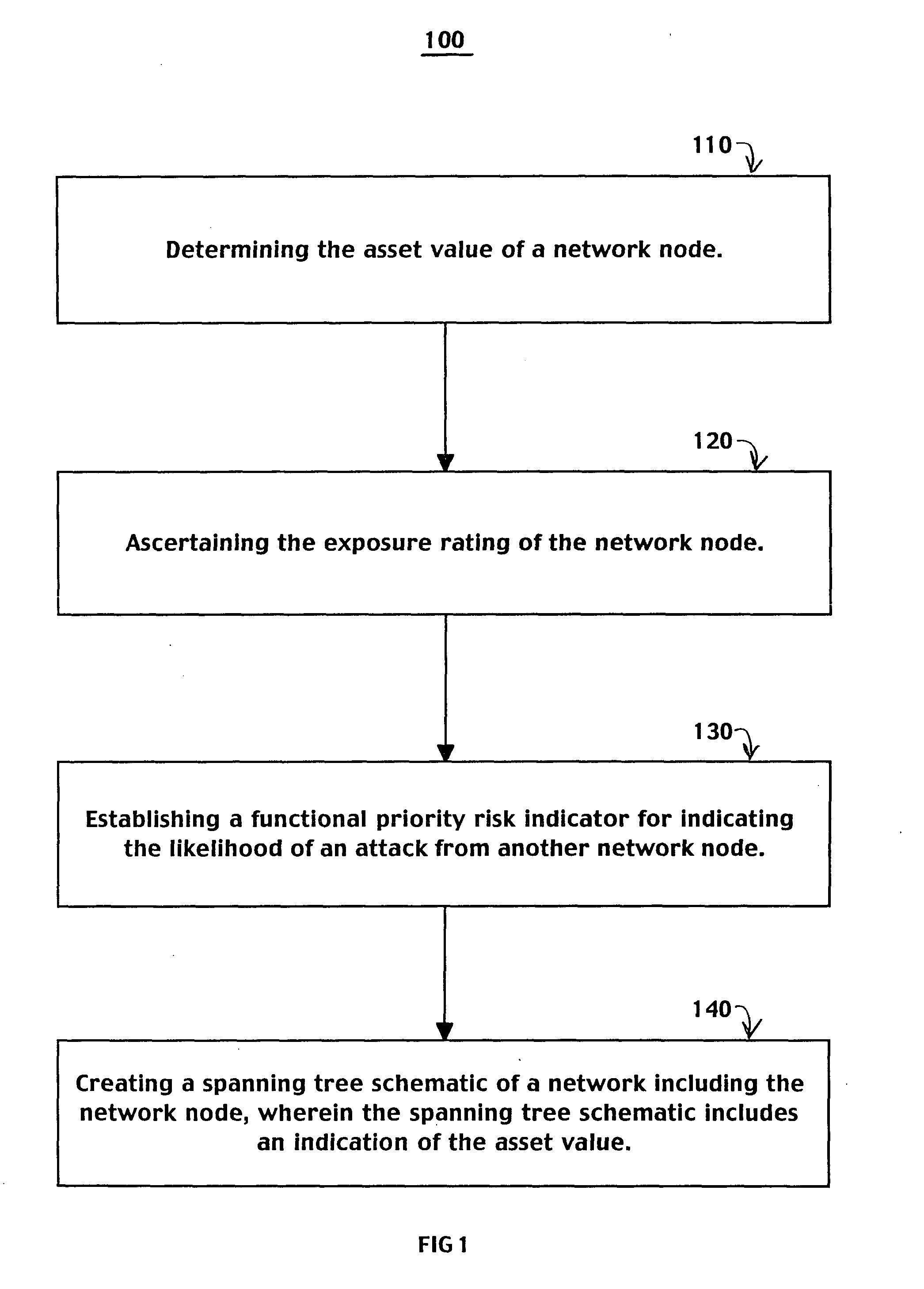
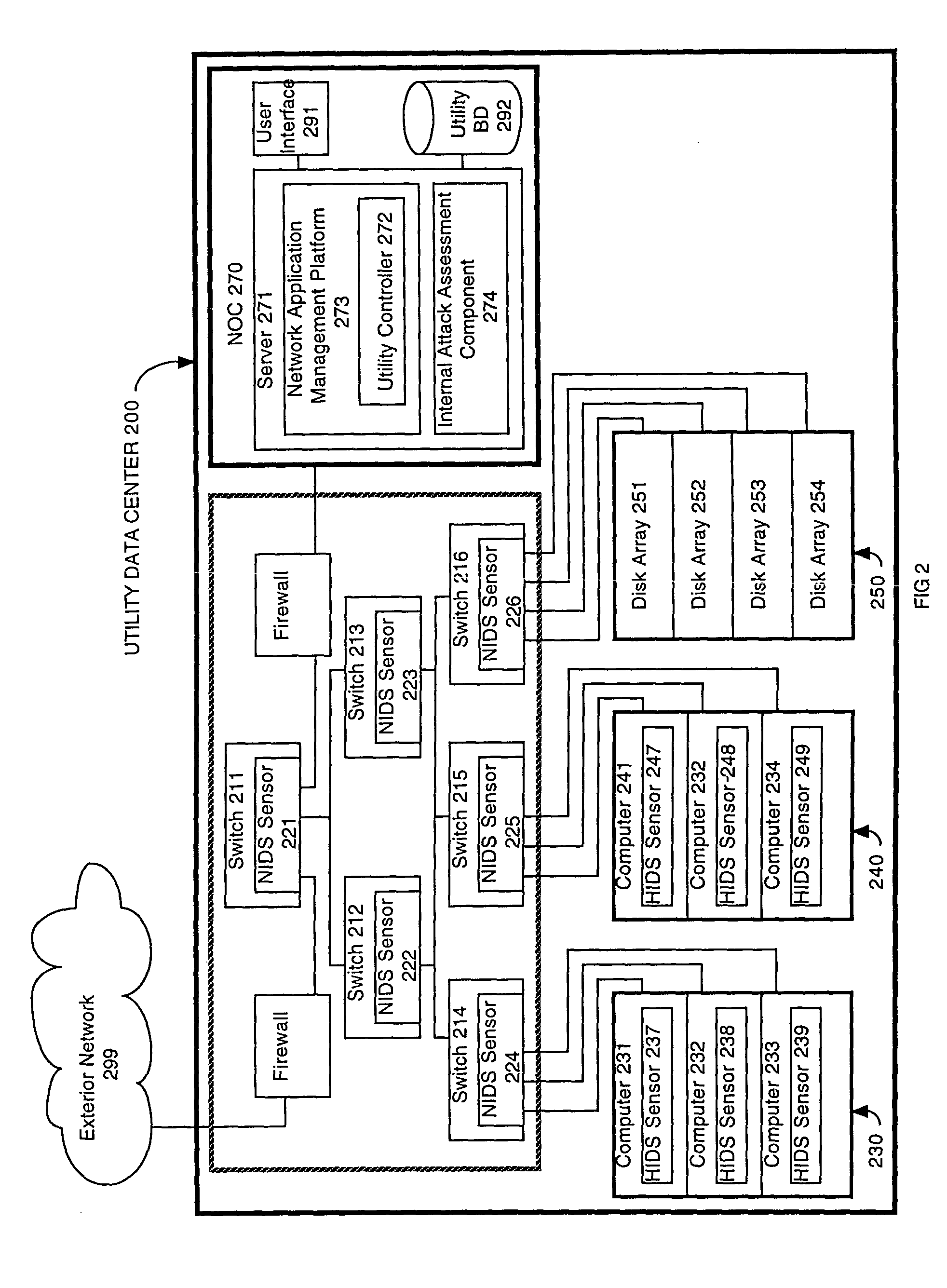
- A security intrusion mitigation system that utilizes network spanning tree configuration information to automatically identify and mitigate internal diffusion risks by prioritizing functional support for critical applications, determining asset values, exposure ratings, and functional priority risk indicators to determine mitigation actions.

Safety Standards and Compliance for AI Policy Systems
The establishment of comprehensive safety standards for AI policy systems represents a critical foundation for mitigating risks in diffusion policy implementations. Current regulatory frameworks are evolving to address the unique challenges posed by AI-driven decision-making systems, with organizations like ISO, IEEE, and NIST developing specialized standards for AI safety and reliability. These standards emphasize the need for systematic risk assessment, transparent decision-making processes, and continuous monitoring capabilities.
Compliance frameworks for diffusion policy systems must address multiple dimensions of safety, including algorithmic fairness, data privacy, and operational reliability. The European Union's AI Act provides a comprehensive regulatory foundation, categorizing AI systems based on risk levels and establishing mandatory compliance requirements for high-risk applications. Similarly, the NIST AI Risk Management Framework offers structured approaches for identifying, assessing, and mitigating AI-related risks throughout the system lifecycle.
Technical safety standards focus on ensuring robustness and predictability in diffusion policy implementations. Key requirements include establishing clear performance boundaries, implementing fail-safe mechanisms, and maintaining audit trails for all policy decisions. Standards such as ISO/IEC 23053 provide guidelines for AI system reliability, while IEEE 2857 addresses privacy engineering in AI systems, ensuring that diffusion policies comply with data protection requirements.
Certification processes for AI policy systems are becoming increasingly standardized, requiring organizations to demonstrate compliance through rigorous testing and validation procedures. These processes typically involve third-party audits, continuous monitoring systems, and regular compliance assessments. Organizations must establish clear governance structures that align with regulatory requirements while maintaining operational flexibility.
The integration of safety standards into diffusion policy architectures requires careful consideration of both technical and organizational factors. Compliance mechanisms must be embedded at the design level, ensuring that safety requirements are not merely add-on features but fundamental components of the system architecture. This approach enables proactive risk mitigation while maintaining the adaptive capabilities essential for effective policy implementation.
Compliance frameworks for diffusion policy systems must address multiple dimensions of safety, including algorithmic fairness, data privacy, and operational reliability. The European Union's AI Act provides a comprehensive regulatory foundation, categorizing AI systems based on risk levels and establishing mandatory compliance requirements for high-risk applications. Similarly, the NIST AI Risk Management Framework offers structured approaches for identifying, assessing, and mitigating AI-related risks throughout the system lifecycle.
Technical safety standards focus on ensuring robustness and predictability in diffusion policy implementations. Key requirements include establishing clear performance boundaries, implementing fail-safe mechanisms, and maintaining audit trails for all policy decisions. Standards such as ISO/IEC 23053 provide guidelines for AI system reliability, while IEEE 2857 addresses privacy engineering in AI systems, ensuring that diffusion policies comply with data protection requirements.
Certification processes for AI policy systems are becoming increasingly standardized, requiring organizations to demonstrate compliance through rigorous testing and validation procedures. These processes typically involve third-party audits, continuous monitoring systems, and regular compliance assessments. Organizations must establish clear governance structures that align with regulatory requirements while maintaining operational flexibility.
The integration of safety standards into diffusion policy architectures requires careful consideration of both technical and organizational factors. Compliance mechanisms must be embedded at the design level, ensuring that safety requirements are not merely add-on features but fundamental components of the system architecture. This approach enables proactive risk mitigation while maintaining the adaptive capabilities essential for effective policy implementation.
Ethical AI Governance in Diffusion Policy Deployment
Ethical AI governance in diffusion policy deployment represents a critical framework for ensuring responsible implementation while maintaining technological advancement. The governance structure must establish clear accountability mechanisms that define roles and responsibilities across development teams, deployment engineers, and organizational leadership. This multi-layered approach ensures that ethical considerations are embedded throughout the entire lifecycle of diffusion policy systems.
The foundation of ethical governance lies in establishing comprehensive review boards that evaluate diffusion policy implementations against predefined ethical standards. These boards should include diverse stakeholders including ethicists, domain experts, affected community representatives, and technical specialists. Regular auditing processes must be implemented to assess ongoing compliance with ethical guidelines, particularly focusing on bias detection, fairness metrics, and unintended consequences that may emerge during real-world deployment.
Transparency mechanisms form another cornerstone of ethical governance, requiring organizations to maintain detailed documentation of model training data, algorithmic decision-making processes, and performance metrics. This documentation should be accessible to relevant stakeholders while protecting proprietary information and sensitive data. Clear communication protocols must be established to inform affected parties about how diffusion policies impact their interactions with the system.
Risk assessment frameworks specifically tailored for diffusion policy implementations should incorporate ethical impact evaluations alongside technical performance metrics. These frameworks must address potential societal implications, including distributional effects, privacy concerns, and long-term behavioral modifications that may result from policy deployment. Regular reassessment cycles ensure that governance measures adapt to evolving ethical standards and emerging risks.
Stakeholder engagement processes must be institutionalized to gather continuous feedback from affected communities and incorporate their perspectives into governance decisions. This includes establishing formal channels for reporting ethical concerns, implementing responsive remediation procedures, and maintaining ongoing dialogue with external oversight bodies. The governance framework should also include provisions for policy rollback or modification when ethical violations are identified, ensuring that corrective actions can be implemented swiftly and effectively.
The foundation of ethical governance lies in establishing comprehensive review boards that evaluate diffusion policy implementations against predefined ethical standards. These boards should include diverse stakeholders including ethicists, domain experts, affected community representatives, and technical specialists. Regular auditing processes must be implemented to assess ongoing compliance with ethical guidelines, particularly focusing on bias detection, fairness metrics, and unintended consequences that may emerge during real-world deployment.
Transparency mechanisms form another cornerstone of ethical governance, requiring organizations to maintain detailed documentation of model training data, algorithmic decision-making processes, and performance metrics. This documentation should be accessible to relevant stakeholders while protecting proprietary information and sensitive data. Clear communication protocols must be established to inform affected parties about how diffusion policies impact their interactions with the system.
Risk assessment frameworks specifically tailored for diffusion policy implementations should incorporate ethical impact evaluations alongside technical performance metrics. These frameworks must address potential societal implications, including distributional effects, privacy concerns, and long-term behavioral modifications that may result from policy deployment. Regular reassessment cycles ensure that governance measures adapt to evolving ethical standards and emerging risks.
Stakeholder engagement processes must be institutionalized to gather continuous feedback from affected communities and incorporate their perspectives into governance decisions. This includes establishing formal channels for reporting ethical concerns, implementing responsive remediation procedures, and maintaining ongoing dialogue with external oversight bodies. The governance framework should also include provisions for policy rollback or modification when ethical violations are identified, ensuring that corrective actions can be implemented swiftly and effectively.
Unlock deeper insights with PatSnap Eureka Quick Research — get a full tech report to explore trends and direct your research. Try now!
Generate Your Research Report Instantly with AI Agent
Supercharge your innovation with PatSnap Eureka AI Agent Platform!