

How to Optimize Bandwidth Usage in Location Aided Systems
MAR 17, 20269 MIN READ
Generate Your Research Report Instantly with AI Agent
Patsnap Eureka helps you evaluate technical feasibility & market potential.
Location Aided Systems Bandwidth Optimization Background and Goals
Location-aided systems have emerged as critical infrastructure components in modern telecommunications and computing environments, where precise positioning information enhances service delivery and system performance. These systems integrate location data with various network services, ranging from mobile communications and emergency response systems to autonomous vehicle networks and Internet of Things deployments. The fundamental premise involves leveraging geographical positioning to optimize resource allocation, improve service quality, and enable location-aware applications.
The evolution of location-aided systems traces back to early GPS implementations in the 1980s, progressing through cellular tower triangulation methods in the 1990s, and advancing to today's sophisticated multi-modal positioning systems that combine satellite navigation, wireless fingerprinting, and sensor fusion technologies. This technological progression has consistently faced the challenge of balancing positioning accuracy with communication efficiency, particularly regarding bandwidth consumption.
Bandwidth optimization in location-aided systems represents a critical technical challenge as these systems must continuously exchange positioning data, coordinate between multiple nodes, and maintain real-time communication links. The increasing density of connected devices and the growing demand for location-based services have intensified bandwidth constraints, making efficient utilization a paramount concern for system designers and operators.
Current bandwidth consumption patterns in location-aided systems stem from several sources: periodic location updates from mobile nodes, query-response communications between clients and location servers, map data synchronization, and coordination messages between system components. Traditional approaches often employ fixed update intervals and standardized message formats, leading to suboptimal bandwidth utilization across varying operational conditions.
The primary technical objectives for bandwidth optimization encompass reducing redundant location transmissions through intelligent update algorithms, implementing adaptive communication protocols that adjust to network conditions, developing efficient data compression techniques for location information, and establishing predictive models that minimize unnecessary location queries. These goals aim to maintain positioning accuracy while significantly reducing communication overhead.
Furthermore, the optimization strategy must address scalability challenges as location-aided systems expand to support millions of concurrent users. The target framework should enable dynamic bandwidth allocation based on user mobility patterns, service requirements, and network capacity constraints, ultimately achieving a balance between system responsiveness and resource efficiency.
The evolution of location-aided systems traces back to early GPS implementations in the 1980s, progressing through cellular tower triangulation methods in the 1990s, and advancing to today's sophisticated multi-modal positioning systems that combine satellite navigation, wireless fingerprinting, and sensor fusion technologies. This technological progression has consistently faced the challenge of balancing positioning accuracy with communication efficiency, particularly regarding bandwidth consumption.
Bandwidth optimization in location-aided systems represents a critical technical challenge as these systems must continuously exchange positioning data, coordinate between multiple nodes, and maintain real-time communication links. The increasing density of connected devices and the growing demand for location-based services have intensified bandwidth constraints, making efficient utilization a paramount concern for system designers and operators.
Current bandwidth consumption patterns in location-aided systems stem from several sources: periodic location updates from mobile nodes, query-response communications between clients and location servers, map data synchronization, and coordination messages between system components. Traditional approaches often employ fixed update intervals and standardized message formats, leading to suboptimal bandwidth utilization across varying operational conditions.
The primary technical objectives for bandwidth optimization encompass reducing redundant location transmissions through intelligent update algorithms, implementing adaptive communication protocols that adjust to network conditions, developing efficient data compression techniques for location information, and establishing predictive models that minimize unnecessary location queries. These goals aim to maintain positioning accuracy while significantly reducing communication overhead.
Furthermore, the optimization strategy must address scalability challenges as location-aided systems expand to support millions of concurrent users. The target framework should enable dynamic bandwidth allocation based on user mobility patterns, service requirements, and network capacity constraints, ultimately achieving a balance between system responsiveness and resource efficiency.
Market Demand for Efficient Location-Based Services
The global location-based services market has experienced unprecedented growth driven by the proliferation of smartphones, IoT devices, and the increasing demand for real-time positioning applications. Industries ranging from transportation and logistics to healthcare and retail are increasingly relying on location-aided systems to enhance operational efficiency and customer experience. However, this surge in adoption has created significant challenges in bandwidth management, as traditional location services often consume excessive network resources through frequent position updates and data transmissions.
The transportation sector represents one of the largest demand drivers for bandwidth-optimized location services. Fleet management companies require continuous vehicle tracking while managing thousands of assets simultaneously, creating substantial data traffic that strains network infrastructure. Similarly, ride-sharing platforms must balance real-time location accuracy with network efficiency to maintain service quality while controlling operational costs. The emergence of autonomous vehicles further amplifies this demand, as these systems require ultra-reliable, low-latency location services with minimal bandwidth consumption.
Smart city initiatives worldwide are generating massive demand for efficient location-based infrastructure. Traffic management systems, emergency response coordination, and urban planning applications all depend on location services that can operate effectively within bandwidth constraints. Municipal governments are increasingly seeking solutions that can provide comprehensive coverage without overwhelming existing network capacity or requiring substantial infrastructure investments.
The consumer market presents another significant demand segment, particularly in mobile gaming, social networking, and navigation applications. Users expect seamless location-based experiences without compromising device performance or data consumption. This has created market pressure for developers to implement bandwidth-efficient location solutions that maintain accuracy while minimizing network overhead.
Enterprise applications in asset tracking, workforce management, and supply chain optimization are driving demand for scalable location services that can handle large numbers of concurrent users without degrading performance. Organizations require solutions that can adapt bandwidth usage based on operational priorities and network conditions.
The integration of 5G networks and edge computing technologies is reshaping market expectations, with customers demanding location services that can leverage these advanced infrastructures to achieve both high performance and bandwidth efficiency. This technological evolution is creating new opportunities for innovative approaches to location-aided system optimization.
The transportation sector represents one of the largest demand drivers for bandwidth-optimized location services. Fleet management companies require continuous vehicle tracking while managing thousands of assets simultaneously, creating substantial data traffic that strains network infrastructure. Similarly, ride-sharing platforms must balance real-time location accuracy with network efficiency to maintain service quality while controlling operational costs. The emergence of autonomous vehicles further amplifies this demand, as these systems require ultra-reliable, low-latency location services with minimal bandwidth consumption.
Smart city initiatives worldwide are generating massive demand for efficient location-based infrastructure. Traffic management systems, emergency response coordination, and urban planning applications all depend on location services that can operate effectively within bandwidth constraints. Municipal governments are increasingly seeking solutions that can provide comprehensive coverage without overwhelming existing network capacity or requiring substantial infrastructure investments.
The consumer market presents another significant demand segment, particularly in mobile gaming, social networking, and navigation applications. Users expect seamless location-based experiences without compromising device performance or data consumption. This has created market pressure for developers to implement bandwidth-efficient location solutions that maintain accuracy while minimizing network overhead.
Enterprise applications in asset tracking, workforce management, and supply chain optimization are driving demand for scalable location services that can handle large numbers of concurrent users without degrading performance. Organizations require solutions that can adapt bandwidth usage based on operational priorities and network conditions.
The integration of 5G networks and edge computing technologies is reshaping market expectations, with customers demanding location services that can leverage these advanced infrastructures to achieve both high performance and bandwidth efficiency. This technological evolution is creating new opportunities for innovative approaches to location-aided system optimization.
Current Bandwidth Challenges in Location Aided Systems
Location aided systems face significant bandwidth constraints that fundamentally limit their operational efficiency and scalability. The primary challenge stems from the massive volume of location data that must be continuously transmitted between mobile devices, base stations, and central processing units. GPS coordinates, cell tower triangulation data, Wi-Fi positioning information, and sensor fusion outputs generate substantial data streams that can quickly overwhelm network infrastructure, particularly in dense urban environments or during peak usage periods.
Real-time positioning requirements exacerbate bandwidth limitations as systems demand frequent location updates to maintain accuracy. Applications requiring sub-meter precision, such as autonomous vehicle navigation or augmented reality services, necessitate high-frequency data exchanges that can consume up to 10-50 Mbps per active user. This creates bottlenecks in cellular networks where available spectrum is already heavily contested among multiple services and applications.
The heterogeneous nature of location aided systems introduces additional complexity to bandwidth management. Different positioning technologies operate across various frequency bands and protocols, from GPS L1/L2 signals to 5G millimeter-wave communications. Coordinating these diverse data streams while maintaining synchronization and avoiding interference requires sophisticated resource allocation mechanisms that often prove inefficient under current implementation approaches.
Network latency compounds bandwidth challenges by forcing systems to maintain larger data buffers and implement redundant transmission protocols. Location-critical applications cannot tolerate packet loss or delayed updates, leading to over-provisioning of bandwidth resources and inefficient utilization patterns. This is particularly problematic in mobile scenarios where handoffs between cell towers or access points create temporary connectivity gaps.
Scalability represents perhaps the most pressing bandwidth challenge as location aided systems expand to support millions of concurrent users. Current infrastructure struggles to accommodate the exponential growth in location-based services, IoT devices, and connected vehicles. The bandwidth requirements scale non-linearly with user density, creating severe congestion in metropolitan areas and popular venues where location services are most heavily utilized.
Legacy system integration further constrains bandwidth optimization efforts. Many existing location aided systems rely on outdated protocols and data formats that were not designed for current usage patterns. These systems often transmit redundant or unnecessary information, waste bandwidth through inefficient encoding schemes, and lack adaptive mechanisms to adjust data rates based on network conditions or application requirements.
Real-time positioning requirements exacerbate bandwidth limitations as systems demand frequent location updates to maintain accuracy. Applications requiring sub-meter precision, such as autonomous vehicle navigation or augmented reality services, necessitate high-frequency data exchanges that can consume up to 10-50 Mbps per active user. This creates bottlenecks in cellular networks where available spectrum is already heavily contested among multiple services and applications.
The heterogeneous nature of location aided systems introduces additional complexity to bandwidth management. Different positioning technologies operate across various frequency bands and protocols, from GPS L1/L2 signals to 5G millimeter-wave communications. Coordinating these diverse data streams while maintaining synchronization and avoiding interference requires sophisticated resource allocation mechanisms that often prove inefficient under current implementation approaches.
Network latency compounds bandwidth challenges by forcing systems to maintain larger data buffers and implement redundant transmission protocols. Location-critical applications cannot tolerate packet loss or delayed updates, leading to over-provisioning of bandwidth resources and inefficient utilization patterns. This is particularly problematic in mobile scenarios where handoffs between cell towers or access points create temporary connectivity gaps.
Scalability represents perhaps the most pressing bandwidth challenge as location aided systems expand to support millions of concurrent users. Current infrastructure struggles to accommodate the exponential growth in location-based services, IoT devices, and connected vehicles. The bandwidth requirements scale non-linearly with user density, creating severe congestion in metropolitan areas and popular venues where location services are most heavily utilized.
Legacy system integration further constrains bandwidth optimization efforts. Many existing location aided systems rely on outdated protocols and data formats that were not designed for current usage patterns. These systems often transmit redundant or unnecessary information, waste bandwidth through inefficient encoding schemes, and lack adaptive mechanisms to adjust data rates based on network conditions or application requirements.
Existing Bandwidth Optimization Solutions for Location Systems
01 Bandwidth optimization through location-based data compression
Systems and methods for reducing bandwidth usage in location-aided systems by implementing data compression techniques based on geographic information. Location data can be compressed or filtered based on relevance, proximity, or update frequency to minimize transmission overhead. Adaptive compression algorithms adjust the level of detail transmitted based on the user's location context and network conditions, significantly reducing the amount of data that needs to be transmitted while maintaining service quality.- Bandwidth optimization through location-based data compression: Systems and methods for reducing bandwidth usage in location-aided applications by implementing data compression techniques based on geographic proximity and movement patterns. The technology enables selective transmission of location data by filtering redundant or unnecessary information, thereby minimizing network traffic while maintaining positioning accuracy. Adaptive algorithms adjust compression rates based on velocity, direction changes, and proximity to points of interest.
- Dynamic bandwidth allocation based on location services priority: Methods for intelligently allocating network bandwidth resources according to the priority and requirements of different location-based services. The system dynamically adjusts bandwidth distribution based on application type, user location, network conditions, and service level agreements. This approach ensures critical location services receive adequate bandwidth while optimizing overall network efficiency and reducing congestion.
- Caching and predictive pre-loading for location data: Techniques for reducing bandwidth consumption by caching frequently accessed location information and predictively pre-loading data based on user movement patterns and historical behavior. The system stores map data, points of interest, and navigation information locally, minimizing the need for repeated data transmission. Predictive algorithms anticipate user destinations and pre-fetch relevant data during low-bandwidth periods.
- Differential location updates and threshold-based transmission: Systems that implement threshold-based mechanisms for transmitting location updates only when significant changes occur in position, velocity, or direction. Rather than continuous streaming, location data is sent differentially when movement exceeds predefined thresholds or time intervals. This selective transmission approach substantially reduces bandwidth requirements while maintaining sufficient accuracy for location-based applications.
- Multi-tier architecture for distributed location processing: Architectural approaches that distribute location processing across multiple tiers including edge devices, local servers, and cloud infrastructure to optimize bandwidth usage. By performing initial location calculations and filtering at the edge, only processed or aggregated data needs to be transmitted to central servers. This hierarchical processing reduces the volume of raw data transmitted over networks and enables more efficient bandwidth utilization.
02 Selective location update mechanisms
Techniques for managing bandwidth consumption by implementing intelligent location update strategies that transmit position information only when necessary. Systems can determine when location updates are required based on movement thresholds, time intervals, or application-specific triggers. This selective approach reduces unnecessary data transmission by avoiding redundant location reports when the device remains stationary or moves within predefined boundaries, thereby conserving network resources and extending battery life.Expand Specific Solutions03 Location caching and predictive positioning
Methods for reducing bandwidth requirements by caching location data and predicting future positions based on historical movement patterns. Systems can store previously accessed location information locally and use predictive algorithms to estimate current position without requiring constant server communication. This approach minimizes the frequency of location queries and updates transmitted over the network, particularly beneficial in areas with consistent movement patterns or when network connectivity is limited.Expand Specific Solutions04 Hierarchical location representation and transmission
Systems employing hierarchical or multi-resolution location data structures to optimize bandwidth usage based on required precision levels. Location information can be transmitted at varying levels of granularity, from coarse regional identifiers to precise coordinates, depending on application requirements. This tiered approach allows systems to transmit minimal data for general location awareness while providing detailed coordinates only when necessary, balancing accuracy requirements with bandwidth constraints.Expand Specific Solutions05 Aggregated location services and batch processing
Techniques for consolidating multiple location-related requests and responses into batched transmissions to reduce protocol overhead and improve bandwidth efficiency. Systems can aggregate location queries from multiple applications or users, process them collectively, and distribute results in a single communication session. This batching approach reduces the number of individual network transactions, minimizes header overhead, and optimizes the use of available bandwidth, particularly beneficial in scenarios with multiple concurrent location-based services.Expand Specific Solutions
Key Players in Location Services and Network Optimization
The bandwidth optimization in location-aided systems market represents a rapidly evolving sector driven by the proliferation of IoT devices and 5G networks. The industry is transitioning from early adoption to mainstream deployment, with market growth fueled by increasing demand for efficient location-based services. Technology maturity varies significantly across players, with telecommunications giants like Verizon, Samsung Electronics, and Qualcomm leading advanced implementations through established infrastructure and patent portfolios. Network equipment providers including Ericsson and Nokia Technologies demonstrate strong technical capabilities in core network optimization. Consumer electronics manufacturers such as LG Electronics and Apple integrate location-aided bandwidth solutions into devices, while specialized firms like Ofinno Technologies focus on next-generation wireless patents. Academic institutions including University of South Florida contribute foundational research. The competitive landscape shows established telecom operators and semiconductor companies maintaining technological leadership, while emerging players concentrate on niche applications and innovative approaches to bandwidth efficiency in location-aware systems.
Samsung Electronics Co., Ltd.
Technical Solution: Samsung has developed location-aware bandwidth optimization through their Knox platform and Galaxy device ecosystem, implementing intelligent data compression and selective synchronization based on geographical context. Their solution features adaptive quality streaming that automatically adjusts video and audio bitrates when location services detect bandwidth-constrained environments. Samsung's SmartThings platform leverages location data to optimize IoT device communications, implementing mesh networking protocols that reduce bandwidth consumption by up to 35% through intelligent routing and data aggregation at edge nodes.
Strengths: Integrated hardware-software optimization, extensive consumer device ecosystem, strong R&D capabilities. Weaknesses: Primarily consumer-focused solutions, limited interoperability with non-Samsung devices and platforms.
Telefonaktiebolaget LM Ericsson
Technical Solution: Ericsson's bandwidth optimization approach centers on their Network Intelligence platform, which combines location analytics with AI-driven traffic management. Their solution implements geo-aware content delivery networks that strategically cache popular content at edge locations, reducing backhaul bandwidth usage by up to 60%. The system utilizes machine learning algorithms to predict user mobility patterns and pre-position data accordingly. Ericsson's Location-Based Services framework enables network operators to implement dynamic bandwidth allocation policies based on geographical zones, user density, and historical usage patterns, significantly improving overall network efficiency.
Strengths: Comprehensive network infrastructure expertise, strong relationships with telecom operators worldwide, proven scalability. Weaknesses: Complex implementation requiring significant infrastructure investment, primarily enterprise-focused solutions.
Core Technologies in Location Data Compression and Transmission
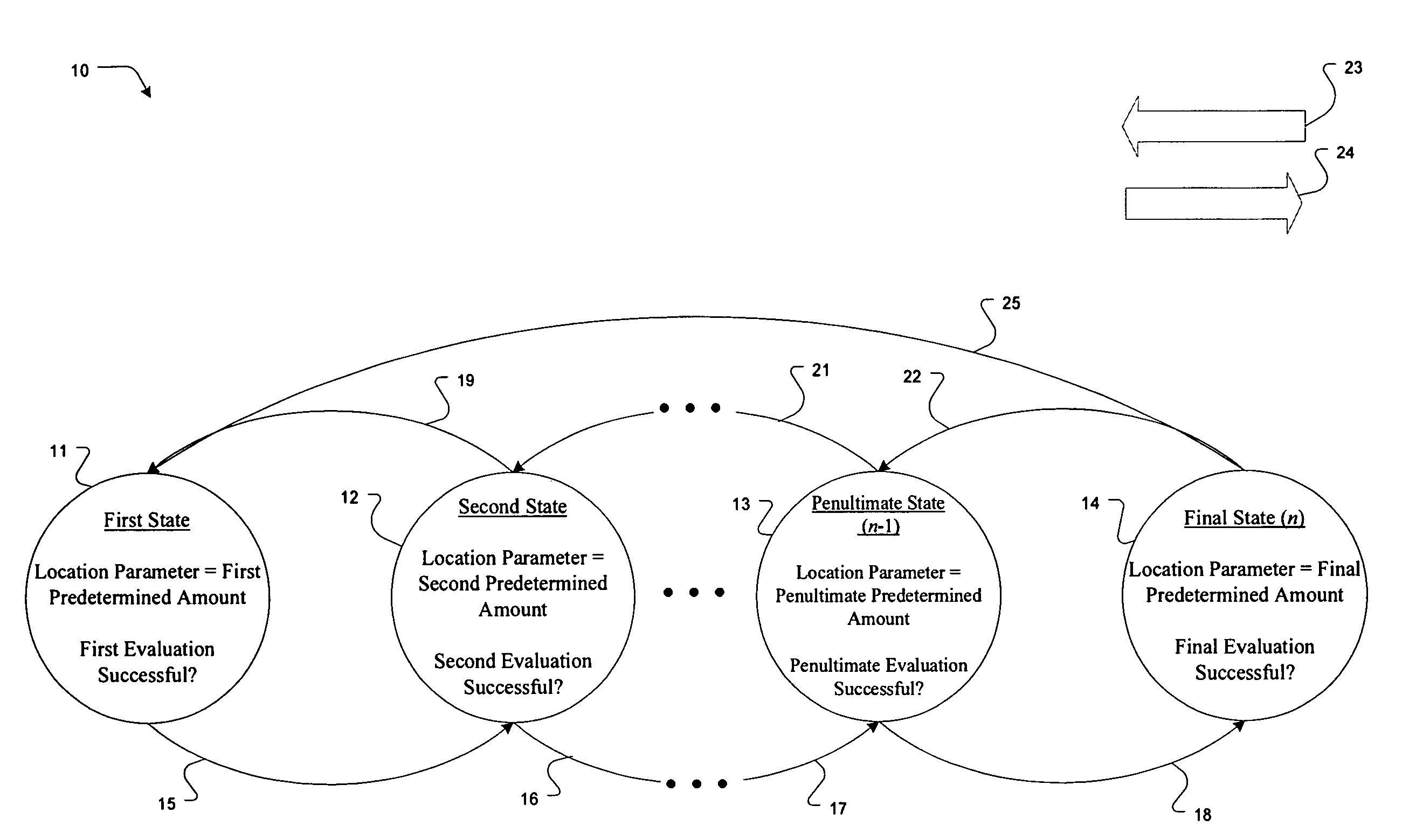
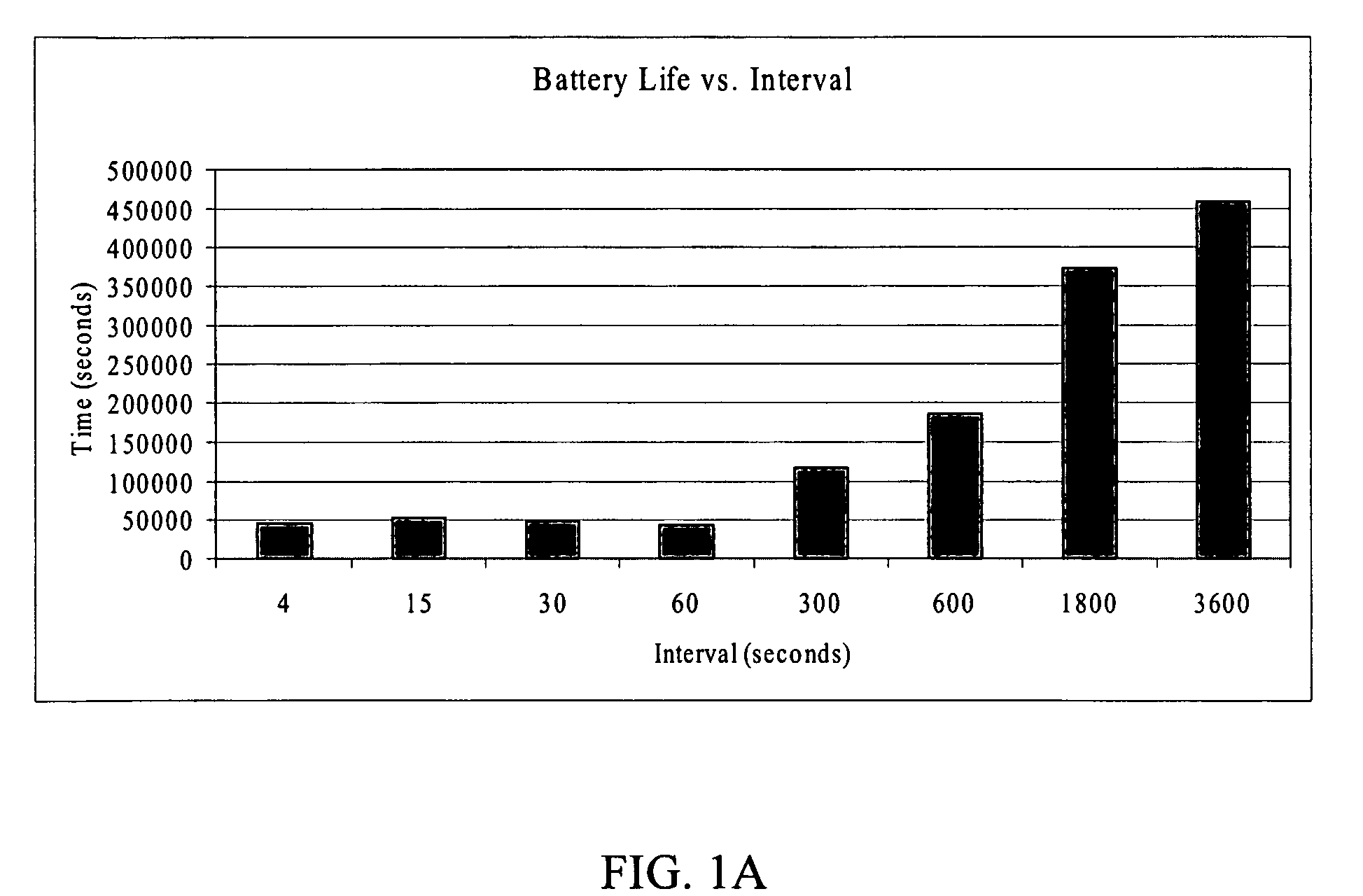
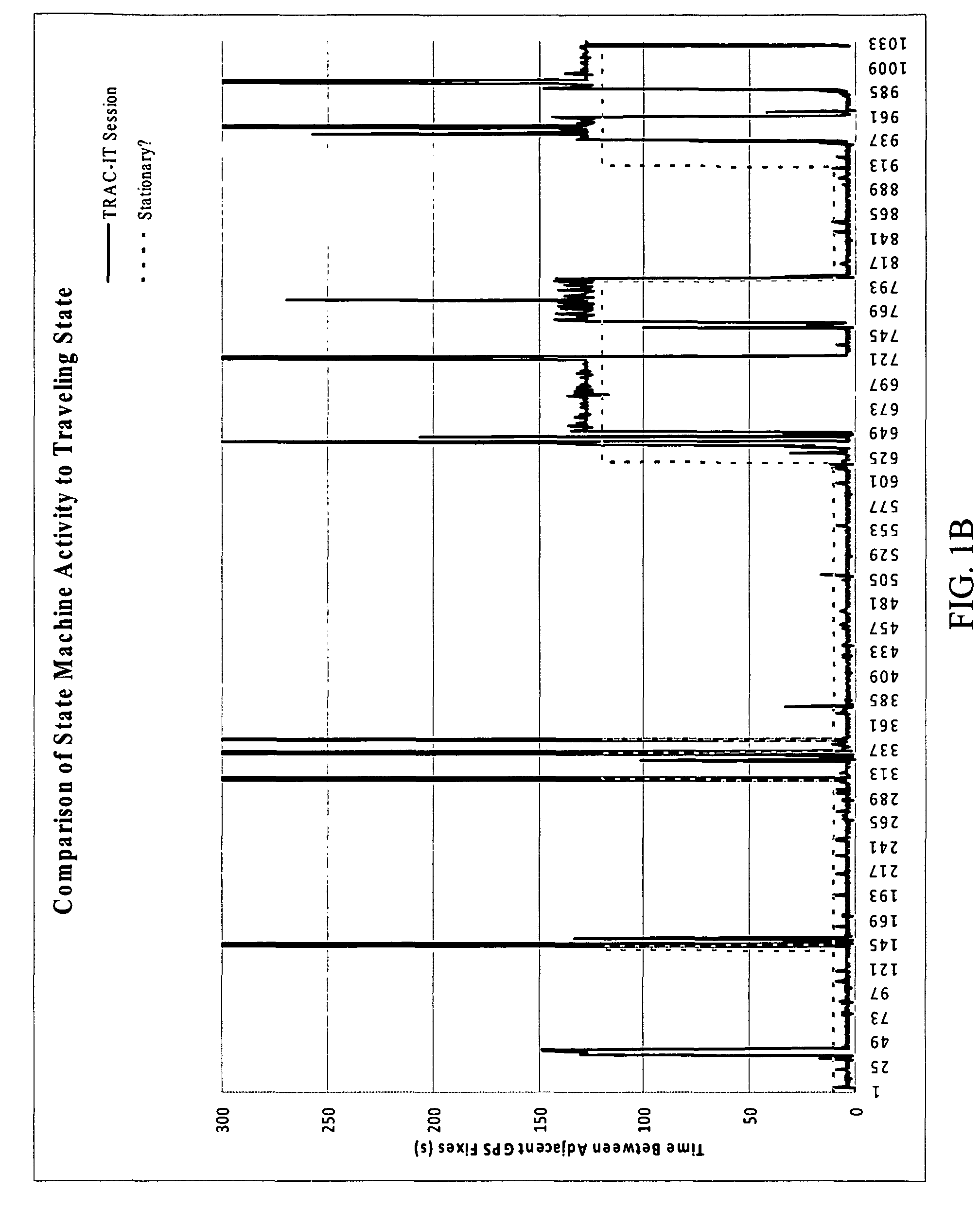
Optimizing performance of location-aware applications using state machines
PatentInactiveUS8036679B1
Innovation
- A location-aware method that dynamically adjusts the interval of location recalculation attempts based on success or failure of calculations, movement distance, and access to different location technologies to minimize energy consumption and network usage while maintaining accuracy and reliability.

Location system congestion management
PatentWO2020229505A1
Innovation
- The system employs lighting devices with integrated sensors and transceivers that filter and prioritize beacon signals based on valid ID information and signal strength, selecting representative signals within time windows and transmitting only relevant data, along with time stamps and time intervals, to reduce network congestion and enhance location determination accuracy.


Network Infrastructure Requirements and Standards
Location aided systems require robust network infrastructure foundations to support efficient bandwidth optimization. The fundamental infrastructure must accommodate diverse communication protocols, including cellular networks (4G/5G), Wi-Fi standards (802.11ac/ax), and emerging technologies like satellite communications. These systems demand high-capacity backbone networks capable of handling real-time location data processing and distribution across multiple service endpoints.
Network architecture standards play a crucial role in bandwidth optimization for location services. The implementation of Software-Defined Networking (SDN) and Network Function Virtualization (NFV) enables dynamic resource allocation based on geographical demand patterns. Edge computing infrastructure requirements include distributed processing nodes positioned strategically to minimize latency for location-based queries and reduce core network traffic loads.
Quality of Service (QoS) standards are essential for prioritizing location-critical data streams. IEEE 802.1p traffic classification and Differentiated Services Code Point (DSCP) marking ensure that time-sensitive location updates receive appropriate bandwidth allocation. Network slicing capabilities in 5G infrastructure allow dedicated virtual networks for location services, providing guaranteed bandwidth and reduced interference from other applications.
Standardization bodies including 3GPP, IEEE, and IETF have established protocols specifically addressing location service requirements. The Location Services (LCS) architecture defined in 3GPP specifications outlines network element interactions and bandwidth management procedures. Internet Engineering Task Force (IETF) protocols such as HELD (HTTP Enabled Location Delivery) and LoST (Location-to-Service Translation) provide standardized frameworks for efficient location data exchange.
Infrastructure scalability requirements demand elastic bandwidth provisioning capabilities. Network elements must support dynamic scaling based on user density and geographical hotspots. Content Delivery Network (CDN) integration with location services requires specialized caching strategies and bandwidth management policies to optimize data distribution across geographically dispersed infrastructure components.
Network architecture standards play a crucial role in bandwidth optimization for location services. The implementation of Software-Defined Networking (SDN) and Network Function Virtualization (NFV) enables dynamic resource allocation based on geographical demand patterns. Edge computing infrastructure requirements include distributed processing nodes positioned strategically to minimize latency for location-based queries and reduce core network traffic loads.
Quality of Service (QoS) standards are essential for prioritizing location-critical data streams. IEEE 802.1p traffic classification and Differentiated Services Code Point (DSCP) marking ensure that time-sensitive location updates receive appropriate bandwidth allocation. Network slicing capabilities in 5G infrastructure allow dedicated virtual networks for location services, providing guaranteed bandwidth and reduced interference from other applications.
Standardization bodies including 3GPP, IEEE, and IETF have established protocols specifically addressing location service requirements. The Location Services (LCS) architecture defined in 3GPP specifications outlines network element interactions and bandwidth management procedures. Internet Engineering Task Force (IETF) protocols such as HELD (HTTP Enabled Location Delivery) and LoST (Location-to-Service Translation) provide standardized frameworks for efficient location data exchange.
Infrastructure scalability requirements demand elastic bandwidth provisioning capabilities. Network elements must support dynamic scaling based on user density and geographical hotspots. Content Delivery Network (CDN) integration with location services requires specialized caching strategies and bandwidth management policies to optimize data distribution across geographically dispersed infrastructure components.
Privacy and Security Considerations in Location Data Transmission
Privacy and security considerations represent critical challenges in location-aided systems, where sensitive geographical data must be transmitted while maintaining optimal bandwidth efficiency. The inherent tension between data protection requirements and bandwidth optimization creates complex technical and regulatory challenges that system designers must carefully navigate.
Location data transmission involves multiple layers of sensitive information, including precise coordinates, movement patterns, temporal data, and associated contextual information. This data can reveal personal habits, frequently visited locations, social connections, and behavioral patterns, making it highly valuable for both legitimate applications and potential malicious exploitation. The challenge intensifies when considering that privacy protection mechanisms often require additional data overhead, directly conflicting with bandwidth optimization objectives.
Encryption represents the primary security mechanism for protecting location data during transmission, but traditional encryption methods can significantly increase payload sizes. Advanced encryption techniques such as elliptic curve cryptography and lightweight encryption algorithms specifically designed for resource-constrained environments offer promising solutions. These approaches maintain strong security guarantees while minimizing the additional bandwidth requirements typically associated with data protection.
Differential privacy techniques provide another crucial approach for protecting location information while enabling bandwidth-efficient transmission. By adding carefully calibrated noise to location data, these methods can preserve user privacy while allowing for data compression and aggregation techniques that reduce overall bandwidth consumption. The key lies in balancing the privacy budget with compression efficiency to achieve optimal results.
Data anonymization and pseudonymization strategies play essential roles in privacy-preserving location systems. These techniques can reduce the sensitivity of transmitted data, potentially allowing for more aggressive compression algorithms and reduced security overhead. However, the effectiveness of anonymization must be carefully evaluated against potential re-identification attacks, particularly when location data is combined with other available datasets.
Regulatory compliance adds another layer of complexity to privacy and security considerations. Frameworks such as GDPR, CCPA, and various national data protection laws impose specific requirements for location data handling, transmission, and storage. These regulations often mandate certain security measures and data minimization practices that can impact bandwidth optimization strategies, requiring system designers to balance compliance requirements with performance objectives.
The implementation of privacy-preserving protocols must also consider the computational overhead on mobile devices and network infrastructure. Techniques such as homomorphic encryption and secure multi-party computation, while providing strong privacy guarantees, may introduce significant processing delays and energy consumption that could offset bandwidth optimization benefits.
Location data transmission involves multiple layers of sensitive information, including precise coordinates, movement patterns, temporal data, and associated contextual information. This data can reveal personal habits, frequently visited locations, social connections, and behavioral patterns, making it highly valuable for both legitimate applications and potential malicious exploitation. The challenge intensifies when considering that privacy protection mechanisms often require additional data overhead, directly conflicting with bandwidth optimization objectives.
Encryption represents the primary security mechanism for protecting location data during transmission, but traditional encryption methods can significantly increase payload sizes. Advanced encryption techniques such as elliptic curve cryptography and lightweight encryption algorithms specifically designed for resource-constrained environments offer promising solutions. These approaches maintain strong security guarantees while minimizing the additional bandwidth requirements typically associated with data protection.
Differential privacy techniques provide another crucial approach for protecting location information while enabling bandwidth-efficient transmission. By adding carefully calibrated noise to location data, these methods can preserve user privacy while allowing for data compression and aggregation techniques that reduce overall bandwidth consumption. The key lies in balancing the privacy budget with compression efficiency to achieve optimal results.
Data anonymization and pseudonymization strategies play essential roles in privacy-preserving location systems. These techniques can reduce the sensitivity of transmitted data, potentially allowing for more aggressive compression algorithms and reduced security overhead. However, the effectiveness of anonymization must be carefully evaluated against potential re-identification attacks, particularly when location data is combined with other available datasets.
Regulatory compliance adds another layer of complexity to privacy and security considerations. Frameworks such as GDPR, CCPA, and various national data protection laws impose specific requirements for location data handling, transmission, and storage. These regulations often mandate certain security measures and data minimization practices that can impact bandwidth optimization strategies, requiring system designers to balance compliance requirements with performance objectives.
The implementation of privacy-preserving protocols must also consider the computational overhead on mobile devices and network infrastructure. Techniques such as homomorphic encryption and secure multi-party computation, while providing strong privacy guarantees, may introduce significant processing delays and energy consumption that could offset bandwidth optimization benefits.
Unlock deeper insights with Patsnap Eureka Quick Research — get a full tech report to explore trends and direct your research. Try now!
Generate Your Research Report Instantly with AI Agent
Supercharge your innovation with Patsnap Eureka AI Agent Platform!