
How to Optimize Electric Potential in Electrospinning
OCT 9, 20269 MIN READ
Generate Your Research Report Instantly with AI Agent
Patsnap Eureka helps you evaluate technical feasibility & market potential.
Electrospinning Voltage Optimization Background and Objectives
Electrospinning has emerged as a versatile and widely adopted technique for fabricating ultrafine fibers with diameters ranging from nanometers to micrometers since its modern development in the 1990s. This technology leverages electrostatic forces to draw polymer solutions or melts into continuous fibers, finding applications across diverse sectors including filtration, tissue engineering, drug delivery, protective textiles, and energy storage devices. The fundamental principle involves applying high voltage to create sufficient electrostatic repulsion to overcome the surface tension of the polymer solution, thereby initiating the fiber formation process.
The electric potential, commonly referred to as voltage in electrospinning systems, serves as one of the most critical process parameters directly influencing fiber morphology, diameter distribution, production rate, and overall product quality. Historically, researchers and manufacturers have recognized that voltage optimization is not a straightforward task, as the optimal range varies significantly depending on polymer type, solution properties, environmental conditions, and equipment configuration. Insufficient voltage fails to generate adequate electrostatic forces for stable jet formation, while excessive voltage can cause jet instability, increased bead formation, and irregular fiber deposition patterns.
The primary objective of voltage optimization in electrospinning is to establish a stable Taylor cone and jet formation that produces uniform, defect-free nanofibers with desired morphological characteristics. This involves identifying the threshold voltage required to overcome surface tension and determining the optimal operating window that balances fiber quality with production efficiency. Secondary objectives include minimizing energy consumption, reducing process variability, and enhancing reproducibility across different production batches.
Contemporary research efforts focus on developing systematic methodologies for voltage optimization that account for the complex interplay between electric field strength, solution conductivity, flow rate, and collector distance. Advanced objectives extend to real-time voltage adjustment strategies, multi-needle configuration optimization, and integration with automated process control systems. Understanding voltage optimization fundamentals is essential for scaling electrospinning from laboratory research to industrial manufacturing, where consistent fiber quality and process stability are paramount for commercial viability.
The electric potential, commonly referred to as voltage in electrospinning systems, serves as one of the most critical process parameters directly influencing fiber morphology, diameter distribution, production rate, and overall product quality. Historically, researchers and manufacturers have recognized that voltage optimization is not a straightforward task, as the optimal range varies significantly depending on polymer type, solution properties, environmental conditions, and equipment configuration. Insufficient voltage fails to generate adequate electrostatic forces for stable jet formation, while excessive voltage can cause jet instability, increased bead formation, and irregular fiber deposition patterns.
The primary objective of voltage optimization in electrospinning is to establish a stable Taylor cone and jet formation that produces uniform, defect-free nanofibers with desired morphological characteristics. This involves identifying the threshold voltage required to overcome surface tension and determining the optimal operating window that balances fiber quality with production efficiency. Secondary objectives include minimizing energy consumption, reducing process variability, and enhancing reproducibility across different production batches.
Contemporary research efforts focus on developing systematic methodologies for voltage optimization that account for the complex interplay between electric field strength, solution conductivity, flow rate, and collector distance. Advanced objectives extend to real-time voltage adjustment strategies, multi-needle configuration optimization, and integration with automated process control systems. Understanding voltage optimization fundamentals is essential for scaling electrospinning from laboratory research to industrial manufacturing, where consistent fiber quality and process stability are paramount for commercial viability.
Market Demand for Advanced Electrospun Materials
The global market for advanced electrospun materials has experienced substantial growth driven by increasing demand across multiple high-value sectors. Healthcare and biomedical applications represent the largest market segment, where electrospun nanofibers are extensively utilized in wound dressings, tissue engineering scaffolds, drug delivery systems, and surgical implants. The unique properties of electrospun materials, including high surface area-to-volume ratios, tunable porosity, and biomimetic structures, make them particularly attractive for regenerative medicine applications where precise control of cellular interactions is critical.
Filtration and environmental protection constitute another major demand driver, as industries seek more efficient solutions for air and water purification. Electrospun nanofiber membranes demonstrate superior filtration performance compared to conventional materials, capturing ultrafine particles while maintaining low pressure drops. This has led to growing adoption in personal protective equipment, industrial air filtration systems, and water treatment facilities, particularly following heightened awareness of air quality and infectious disease transmission.
The energy storage sector presents rapidly expanding opportunities for electrospun materials, especially in battery separators, electrode materials, and supercapacitors. As electric vehicle production scales and renewable energy storage demands intensify, manufacturers require advanced materials that enhance energy density, charging rates, and cycle life. Electrospun nanofibers offer improved ionic conductivity and mechanical stability, addressing critical performance bottlenecks in next-generation energy systems.
Textile and apparel industries are increasingly incorporating electrospun materials for functional clothing applications, including moisture management, thermal regulation, and antimicrobial properties. Smart textiles integrating electrospun sensors and conductive fibers are gaining traction in sports, healthcare monitoring, and military applications.
However, market expansion faces constraints related to production scalability and cost competitiveness. Optimizing electric potential parameters directly impacts fiber quality, production throughput, and material consistency, which are essential factors for commercial viability. Industries demand reproducible, high-quality electrospun products at competitive prices, creating strong market pull for technological improvements in electrospinning process control, particularly electric field optimization that enables stable, continuous production at industrial scales.
Filtration and environmental protection constitute another major demand driver, as industries seek more efficient solutions for air and water purification. Electrospun nanofiber membranes demonstrate superior filtration performance compared to conventional materials, capturing ultrafine particles while maintaining low pressure drops. This has led to growing adoption in personal protective equipment, industrial air filtration systems, and water treatment facilities, particularly following heightened awareness of air quality and infectious disease transmission.
The energy storage sector presents rapidly expanding opportunities for electrospun materials, especially in battery separators, electrode materials, and supercapacitors. As electric vehicle production scales and renewable energy storage demands intensify, manufacturers require advanced materials that enhance energy density, charging rates, and cycle life. Electrospun nanofibers offer improved ionic conductivity and mechanical stability, addressing critical performance bottlenecks in next-generation energy systems.
Textile and apparel industries are increasingly incorporating electrospun materials for functional clothing applications, including moisture management, thermal regulation, and antimicrobial properties. Smart textiles integrating electrospun sensors and conductive fibers are gaining traction in sports, healthcare monitoring, and military applications.
However, market expansion faces constraints related to production scalability and cost competitiveness. Optimizing electric potential parameters directly impacts fiber quality, production throughput, and material consistency, which are essential factors for commercial viability. Industries demand reproducible, high-quality electrospun products at competitive prices, creating strong market pull for technological improvements in electrospinning process control, particularly electric field optimization that enables stable, continuous production at industrial scales.
Current Electric Potential Control Challenges in Electrospinning
Electrospinning technology faces significant challenges in electric potential control that directly impact fiber quality, process stability, and production efficiency. The applied voltage, typically ranging from 10 to 30 kV, serves as the primary driving force for polymer jet formation and fiber elongation. However, maintaining optimal electric field distribution throughout the spinning process remains problematic due to multiple interacting variables that are difficult to isolate and control independently.
One fundamental challenge lies in the non-uniform electric field distribution between the spinneret and collector. Variations in electrode geometry, environmental humidity, and polymer solution properties cause unpredictable field distortions. These irregularities lead to inconsistent fiber deposition patterns, diameter variations, and bead formation defects. The electric field strength at the Taylor cone apex fluctuates dynamically, making it difficult to sustain stable jet initiation and propagation under constant voltage conditions.
Voltage threshold determination presents another critical obstacle. The minimum voltage required for jet formation depends on solution conductivity, surface tension, viscosity, and flow rate. These parameters change during continuous operation due to solvent evaporation, temperature fluctuations, and polymer concentration drift. Operators struggle to adjust voltage settings in real-time to compensate for these dynamic changes, resulting in process interruptions and quality inconsistencies.
Multi-needle electrospinning systems introduce additional complexity in electric potential management. Electrostatic repulsion between adjacent charged jets causes trajectory deflection and uneven fiber distribution. Balancing voltage across multiple spinnerets while preventing electrical interference requires sophisticated control strategies that current systems lack. The mutual charge repulsion effect intensifies with increasing needle density, limiting scalability of production systems.
Grounding and charge accumulation issues further complicate voltage optimization. Insulating polymer fibers accumulate static charges on the collector surface, creating secondary electric fields that interfere with incoming jets. This charge buildup gradually alters the effective electric field strength, causing time-dependent process drift. Inadequate grounding configurations and poor conductivity of collection substrates exacerbate these problems, particularly in industrial-scale continuous production environments.
Environmental factors introduce uncontrollable variables affecting electric potential distribution. Ambient humidity influences air ionization and solution conductivity, while temperature variations alter polymer rheological properties. These environmental fluctuations require constant voltage adjustments that are difficult to implement without automated feedback control systems, which remain underdeveloped in most electrospinning equipment.
One fundamental challenge lies in the non-uniform electric field distribution between the spinneret and collector. Variations in electrode geometry, environmental humidity, and polymer solution properties cause unpredictable field distortions. These irregularities lead to inconsistent fiber deposition patterns, diameter variations, and bead formation defects. The electric field strength at the Taylor cone apex fluctuates dynamically, making it difficult to sustain stable jet initiation and propagation under constant voltage conditions.
Voltage threshold determination presents another critical obstacle. The minimum voltage required for jet formation depends on solution conductivity, surface tension, viscosity, and flow rate. These parameters change during continuous operation due to solvent evaporation, temperature fluctuations, and polymer concentration drift. Operators struggle to adjust voltage settings in real-time to compensate for these dynamic changes, resulting in process interruptions and quality inconsistencies.
Multi-needle electrospinning systems introduce additional complexity in electric potential management. Electrostatic repulsion between adjacent charged jets causes trajectory deflection and uneven fiber distribution. Balancing voltage across multiple spinnerets while preventing electrical interference requires sophisticated control strategies that current systems lack. The mutual charge repulsion effect intensifies with increasing needle density, limiting scalability of production systems.
Grounding and charge accumulation issues further complicate voltage optimization. Insulating polymer fibers accumulate static charges on the collector surface, creating secondary electric fields that interfere with incoming jets. This charge buildup gradually alters the effective electric field strength, causing time-dependent process drift. Inadequate grounding configurations and poor conductivity of collection substrates exacerbate these problems, particularly in industrial-scale continuous production environments.
Environmental factors introduce uncontrollable variables affecting electric potential distribution. Ambient humidity influences air ionization and solution conductivity, while temperature variations alter polymer rheological properties. These environmental fluctuations require constant voltage adjustments that are difficult to implement without automated feedback control systems, which remain underdeveloped in most electrospinning equipment.
Existing Electric Potential Optimization Solutions
01 Electric potential devices for therapeutic and medical treatment applications
Electric potential technology is widely applied in healthcare and therapeutic devices, such as neck treatment units, therapy mats, mattresses, and portable care apparatuses. These devices use controlled electric potential to provide non-invasive or low-invasiveness therapeutic effects, adjust biological fractions, and offer localized physical therapy.- Electric potential therapeutic and medical treatment devices: Electric potential technology can be utilized in therapeutic devices, medical appliances, and health products such as mattresses, therapeutic boards, and neck devices. These apparatuses apply controlled electric potential to the human body to achieve health benefits, therapeutic effects, and biological adjustments.
- Electric potential measurement and inspection apparatuses: Methods and devices are designed for detecting, measuring, and visualizing electric potential, surface potential distribution, and electrostatic fields. These tools are applied in evaluating stress states of surrounding rocks, assessing biological or cell potential changes, inspecting electronic components, and measuring environmental potential.
- Electric potential control in electrospinning and electrospraying: In electrospinning and electrospraying systems, controlling electric potential and incorporating insulated guard plates helps regulate the electrostatic field. This technical approach optimizes droplet or fiber formation and stabilizes the overall process performance.
- Electric potential control for industrial equipment and corrosion prevention: Electric potential control systems are applied to industrial facilities, including glass melting furnaces, power generation/motor equipment, buried pipelines, and semiconductor grounding systems. Controlling the potential prevents electrolytic corrosion, reduces leakage current, and optimizes operational stability.
- Potential adjustment and conversion in electronic circuits and display devices: Circuitry and signal potential conversion techniques are utilized in electric inverters, image display devices, and logic circuits. Adjusting writing potential and potential compensation prevents signal jitter, reduces pixel writing errors, and ensures stable circuit operation.
02 Electric potential measurement apparatuses and sensing methods
Systematic approaches and specialized sensors are utilized to detect, measure, and visualize electric potential distributions and electrostatic fields. These technologies allow accurate determination of biological potentials, stress states in surrounding structures, and potential differences across surface areas or exposed detecting electrodes.Expand Specific Solutions03 Electric potential control for industrial equipment and corrosion prevention
Electric potential control systems are incorporated into industrial machinery and civil engineering structures to optimize operational conditions. Applications include preventing electrolytic corrosion in buried pipes, controlling melt conditions in glass furnaces, and managing potential compensation in electric inverters.Expand Specific Solutions04 Electric potential regulation in semiconductor devices and electronic circuits
In electronic engineering, electric potential management is critical for controlling integrated circuits, display devices, and signal interfaces. Methods involve adjusting drum and well potentials to reduce leakage current, stabilizing writing potentials in image display pixels, and preventing signal jitter across conversion interfaces.Expand Specific Solutions05 Voltage potential applications in electrospraying and power generation systems
Applied electric potential systems are used to influence fluid dynamics and energy delivery systems. This includes guarding potentials in electrospray and electrospinning setups to stabilize spraying processes, as well as managing potential delivery in generators, motors, and power station equipment.Expand Specific Solutions
Key Players in Electrospinning Equipment and Technology
The electrospinning electric potential optimization field demonstrates a maturing technology landscape characterized by intensive academic research and emerging commercial applications. The competitive arena is dominated by leading Chinese universities including Donghua University, Qingdao University of Science & Technology, and Beijing University of Chemical Technology, alongside prominent international institutions such as North Carolina State University, University of Akron, and Cornell University. Equipment manufacturers like Innovative Mechanical Engineering Technologies BV and Toshiba Corp. represent the commercialization frontier, while organizations such as NASA and Purdue Research Foundation contribute advanced research capabilities. The technology shows moderate maturity with established theoretical foundations but ongoing optimization challenges, particularly in precise voltage control and field uniformity. Market growth is driven by expanding applications in nanofiber production, filtration systems, and biomedical materials, positioning this sector at a transitional stage between research-intensive development and broader industrial adoption.
Donghua University
Technical Solution: Donghua University has developed comprehensive optimization strategies for electric potential in electrospinning processes. Their approach involves systematic adjustment of voltage parameters ranging from 10-30kV to control fiber morphology and diameter distribution. The research focuses on establishing mathematical models correlating applied voltage with jet initiation, Taylor cone formation, and fiber deposition patterns. They employ multi-needle electrospinning systems with optimized electrode configurations to achieve uniform electric field distribution. Their technology incorporates real-time voltage monitoring and feedback control systems to maintain stable spinning conditions, particularly addressing the relationship between electric potential gradient and solution conductivity for enhanced fiber quality and production efficiency.
Strengths: Strong theoretical foundation in textile engineering with extensive electrospinning research capabilities; systematic approach to voltage-morphology relationships. Weaknesses: Primarily academic focus may limit immediate industrial scalability and commercial application readiness.
North Carolina State University
Technical Solution: North Carolina State University has developed sophisticated electric potential optimization frameworks focusing on the interplay between voltage parameters and nanofiber characteristics. Their research emphasizes gradient electric field design using auxiliary electrodes to manipulate fiber trajectory and deposition patterns. The technology incorporates pulsed voltage techniques alternating between high-frequency voltage modulation to enhance jet stability and continuous DC voltage for baseline fiber formation. They have established protocols for voltage optimization across various polymer systems, considering solution properties such as dielectric constant and charge density. Their approach includes development of specialized high-voltage power supplies with precise voltage regulation capabilities to minimize fluctuations during extended production runs.
Strengths: Comprehensive understanding of voltage-fiber property relationships; innovative pulsed voltage methodologies for enhanced control. Weaknesses: Specialized equipment requirements may increase initial investment costs for technology adoption.
Core Patents in Voltage Control for Electrospinning
Method of predicting and optimizing system parameters for electrospinning system
PatentWO2009070493A1
Innovation
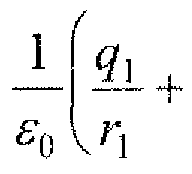
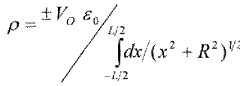
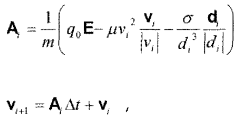
- A method involving a conductive spinneret, a non-conductive collector, and an electrode with opposing polarity voltages, combined with a particle acceleration model to predict and optimize system parameters such as voltage, distance, and radius, allowing for the production of aligned fiber mats without extensive trial-and-error.

Apparatus and methods for electrospinning polymeric fibers and membranes
PatentInactiveAU2002303762A1
Innovation
- The method involves modifying the electric field with additional electrodes to control jet formation and flow characteristics of individual electrospinning jets, using a plurality of spinnerets with scanning electrodes and electrostatic quadrupole lenses to independently manage the electrostatic potential and flow of each jet stream, allowing for precise control over fiber diameter and morphology.
Process Parameter Coupling Effects on Fiber Quality
Electric potential optimization in electrospinning cannot be considered in isolation, as its effects on fiber quality are intrinsically linked to other process parameters through complex coupling mechanisms. The interplay between applied voltage, solution flow rate, collector distance, and environmental conditions creates synergistic or antagonistic effects that significantly influence fiber morphology, diameter distribution, and structural uniformity. Understanding these coupling relationships is essential for achieving consistent fiber quality and reproducible manufacturing outcomes.
The coupling between electric potential and solution flow rate represents one of the most critical parameter interactions. When voltage is increased to enhance fiber stretching and reduce diameter, the flow rate must be adjusted accordingly to maintain stable jet formation. Excessive flow rates at high voltages can lead to incomplete solvent evaporation and bead formation, while insufficient flow rates may cause jet instability and fiber breakage. This balance becomes particularly sensitive when working with polymer solutions of varying viscosities and conductivities.
Environmental parameters introduce additional complexity to voltage optimization. Ambient humidity and temperature directly affect solvent evaporation rates and solution conductivity, thereby modifying the effective electric field strength and charge distribution on the jet surface. High humidity conditions may require voltage adjustments to compensate for altered evaporation kinetics, while temperature variations influence polymer chain mobility and solution rheology, necessitating coordinated modifications in both voltage and flow parameters.
The collector distance interacts with applied voltage to determine the electric field gradient and jet flight time. Shorter distances require lower voltages to prevent electrical breakdown, but may compromise fiber stretching and solvent evaporation. Conversely, extended distances demand higher voltages to maintain adequate field strength, potentially increasing energy consumption and process instability. This coupling effect becomes more pronounced when targeting specific fiber diameters or producing composite structures.
Polymer solution properties create fundamental constraints on parameter coupling effects. Solution conductivity determines charge density and jet behavior under applied voltage, while viscosity affects the mechanical response to electrostatic forces. These intrinsic properties establish operational windows within which voltage and other parameters must be coordinated to achieve desired fiber characteristics without compromising process stability or material integrity.
The coupling between electric potential and solution flow rate represents one of the most critical parameter interactions. When voltage is increased to enhance fiber stretching and reduce diameter, the flow rate must be adjusted accordingly to maintain stable jet formation. Excessive flow rates at high voltages can lead to incomplete solvent evaporation and bead formation, while insufficient flow rates may cause jet instability and fiber breakage. This balance becomes particularly sensitive when working with polymer solutions of varying viscosities and conductivities.
Environmental parameters introduce additional complexity to voltage optimization. Ambient humidity and temperature directly affect solvent evaporation rates and solution conductivity, thereby modifying the effective electric field strength and charge distribution on the jet surface. High humidity conditions may require voltage adjustments to compensate for altered evaporation kinetics, while temperature variations influence polymer chain mobility and solution rheology, necessitating coordinated modifications in both voltage and flow parameters.
The collector distance interacts with applied voltage to determine the electric field gradient and jet flight time. Shorter distances require lower voltages to prevent electrical breakdown, but may compromise fiber stretching and solvent evaporation. Conversely, extended distances demand higher voltages to maintain adequate field strength, potentially increasing energy consumption and process instability. This coupling effect becomes more pronounced when targeting specific fiber diameters or producing composite structures.
Polymer solution properties create fundamental constraints on parameter coupling effects. Solution conductivity determines charge density and jet behavior under applied voltage, while viscosity affects the mechanical response to electrostatic forces. These intrinsic properties establish operational windows within which voltage and other parameters must be coordinated to achieve desired fiber characteristics without compromising process stability or material integrity.
Safety Standards for High Voltage Electrospinning Systems
The implementation of high voltage systems in electrospinning processes necessitates rigorous adherence to established safety standards to protect personnel, equipment, and research environments. International standards such as IEC 61010-1 for electrical equipment used in measurement, control, and laboratory applications provide foundational guidelines for high voltage apparatus design and operation. These standards mandate specific requirements for insulation, grounding, emergency shutdown mechanisms, and protective enclosures that must be integrated into electrospinning equipment operating at voltages typically ranging from 10 to 50 kV.
Regulatory frameworks across different regions impose varying compliance requirements for high voltage electrospinning systems. In the European Union, the Low Voltage Directive and Machinery Directive establish essential health and safety requirements, while in North America, OSHA regulations and NFPA 70E standards govern electrical safety practices. Manufacturers and research institutions must ensure their electrospinning setups incorporate appropriate warning signage, interlocking safety mechanisms, and voltage discharge systems that automatically neutralize stored electrical energy when access panels are opened.
Personnel safety protocols constitute a critical component of operational standards for electrospinning facilities. Mandatory training programs must address high voltage hazards, proper use of personal protective equipment including insulated gloves and safety footwear, and emergency response procedures. Lockout-tagout procedures should be established for maintenance activities, and only qualified personnel with documented electrical safety training should be authorized to operate or service electrospinning equipment.
Environmental considerations within safety standards address the containment of polymer aerosols and solvent vapors that may become electrostatically charged during the spinning process. Proper ventilation systems with explosion-proof electrical components are required when working with flammable solvents. Additionally, electromagnetic compatibility standards ensure that high voltage electrospinning systems do not generate excessive electromagnetic interference that could affect nearby sensitive equipment or violate regulatory emission limits. Regular safety audits and equipment inspections should be conducted to maintain compliance with evolving standards and identify potential hazards before incidents occur.
Regulatory frameworks across different regions impose varying compliance requirements for high voltage electrospinning systems. In the European Union, the Low Voltage Directive and Machinery Directive establish essential health and safety requirements, while in North America, OSHA regulations and NFPA 70E standards govern electrical safety practices. Manufacturers and research institutions must ensure their electrospinning setups incorporate appropriate warning signage, interlocking safety mechanisms, and voltage discharge systems that automatically neutralize stored electrical energy when access panels are opened.
Personnel safety protocols constitute a critical component of operational standards for electrospinning facilities. Mandatory training programs must address high voltage hazards, proper use of personal protective equipment including insulated gloves and safety footwear, and emergency response procedures. Lockout-tagout procedures should be established for maintenance activities, and only qualified personnel with documented electrical safety training should be authorized to operate or service electrospinning equipment.
Environmental considerations within safety standards address the containment of polymer aerosols and solvent vapors that may become electrostatically charged during the spinning process. Proper ventilation systems with explosion-proof electrical components are required when working with flammable solvents. Additionally, electromagnetic compatibility standards ensure that high voltage electrospinning systems do not generate excessive electromagnetic interference that could affect nearby sensitive equipment or violate regulatory emission limits. Regular safety audits and equipment inspections should be conducted to maintain compliance with evolving standards and identify potential hazards before incidents occur.
Unlock deeper insights with Patsnap Eureka Quick Research — get a full tech report to explore trends and direct your research. Try now!
Generate Your Research Report Instantly with AI Agent
Supercharge your innovation with Patsnap Eureka AI Agent Platform!